


Oil pans
More informationAt Global Parts, we offer a wide selection of original used car parts, including oil pans for many popular car brands such as BMW, Mini, Mercedes, Audi, Volkswagen, and others. Each oil pan we offer undergoes quality control to ensure you receive a top-quality product.
Find it faster
Match to your vehicle
GB
Make
Category
Subcategory
Timing Components & Kits
Condition
In Stock
Price

-40%
Part no. 03C907660G
Audi A3 8P Volkswagen Golf Mk7 Engine Oil Level Sensor 03C907660G
Promo price
£23.95
£14.37
Free delivery: Oct 12
If paid before 14:00
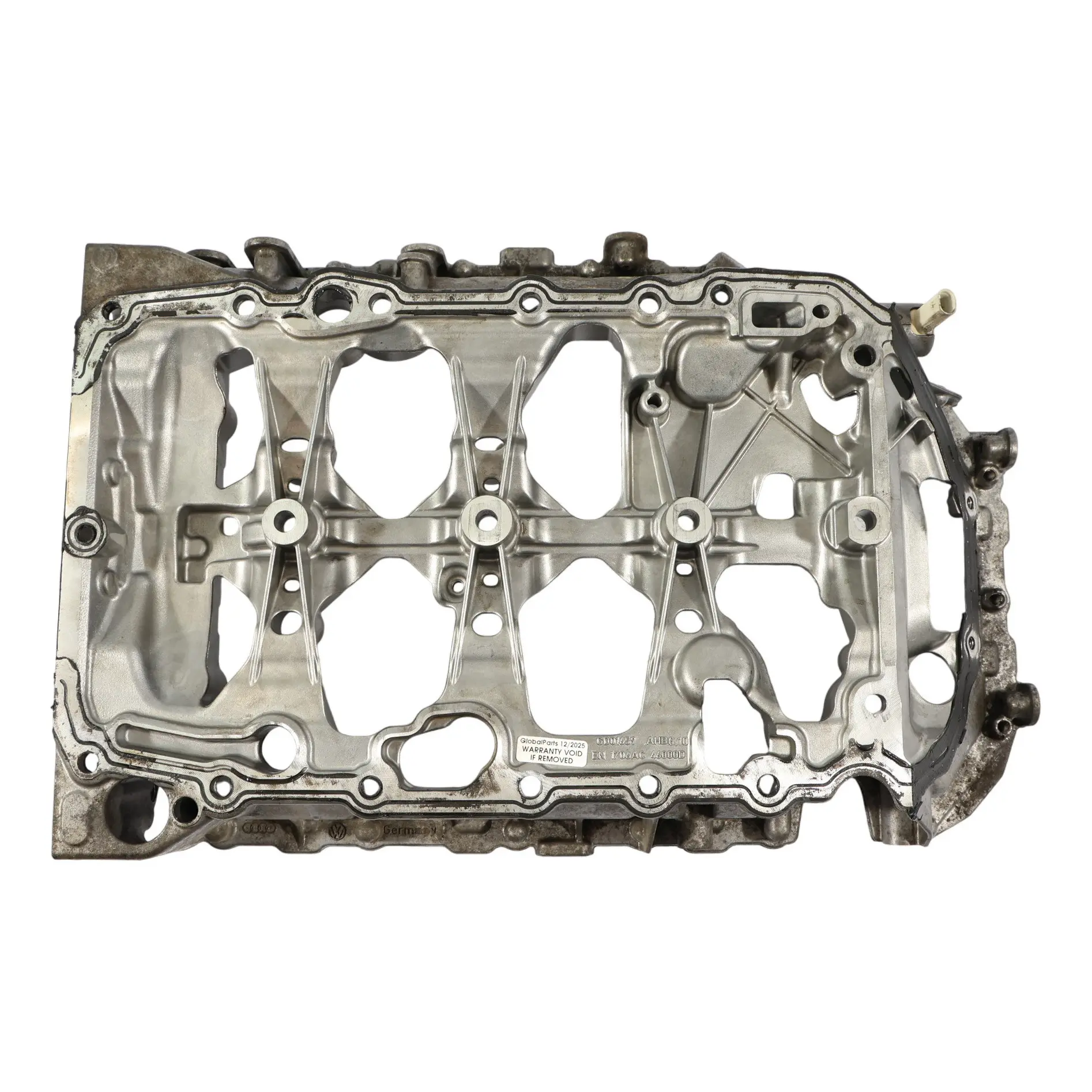
Part no. 06K103603BM
VW Volkswagen Polo GTI 6R Petrol Engine Oil Sump Upper Part 06K103603BM
£170.95
Free delivery: Oct 13 – 20
If paid before 14:00
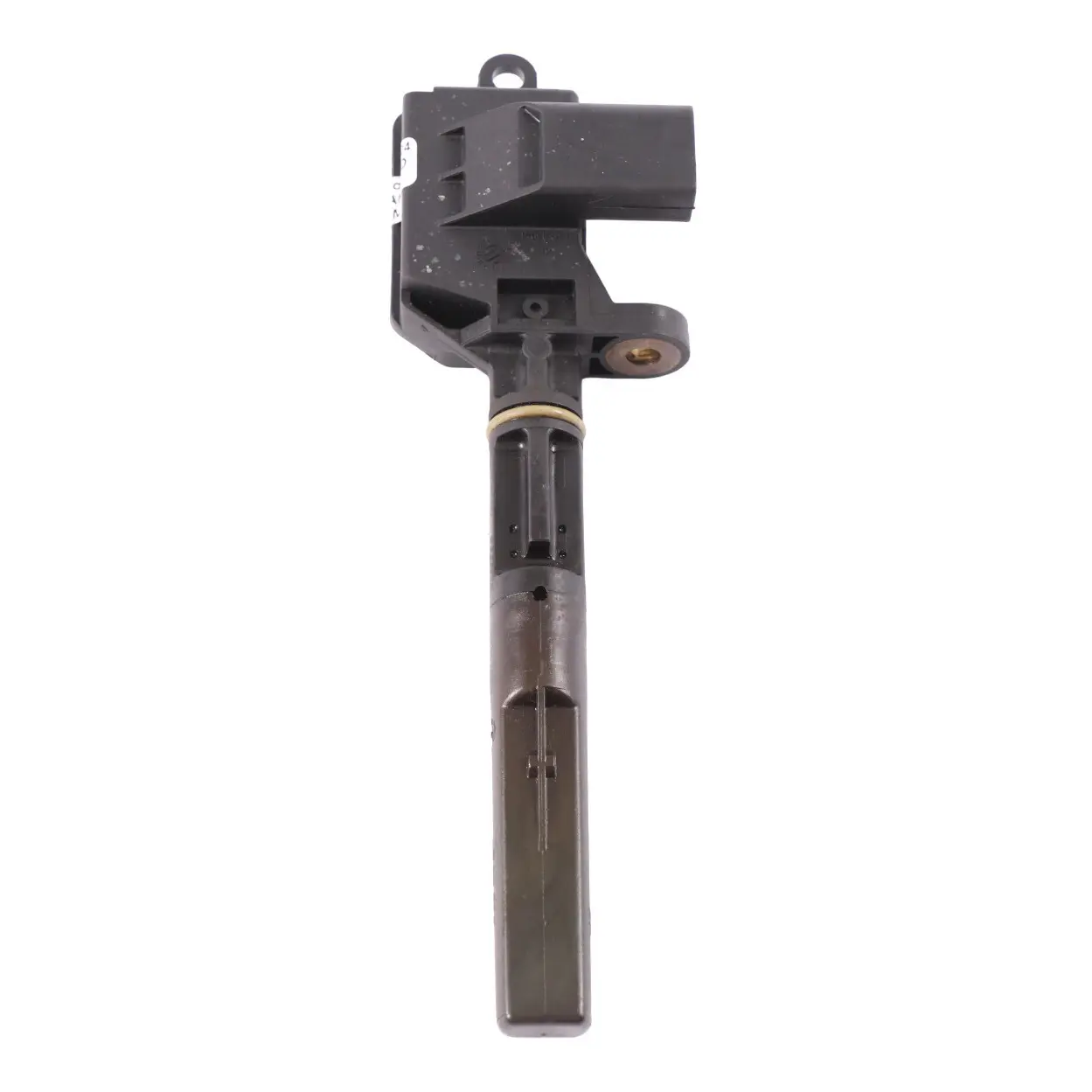
Part no. 045907660D
Volkswagen VW Polo 6R Engine Oil Sump Level Sensor Unit 045907660D
Product currently unavailable
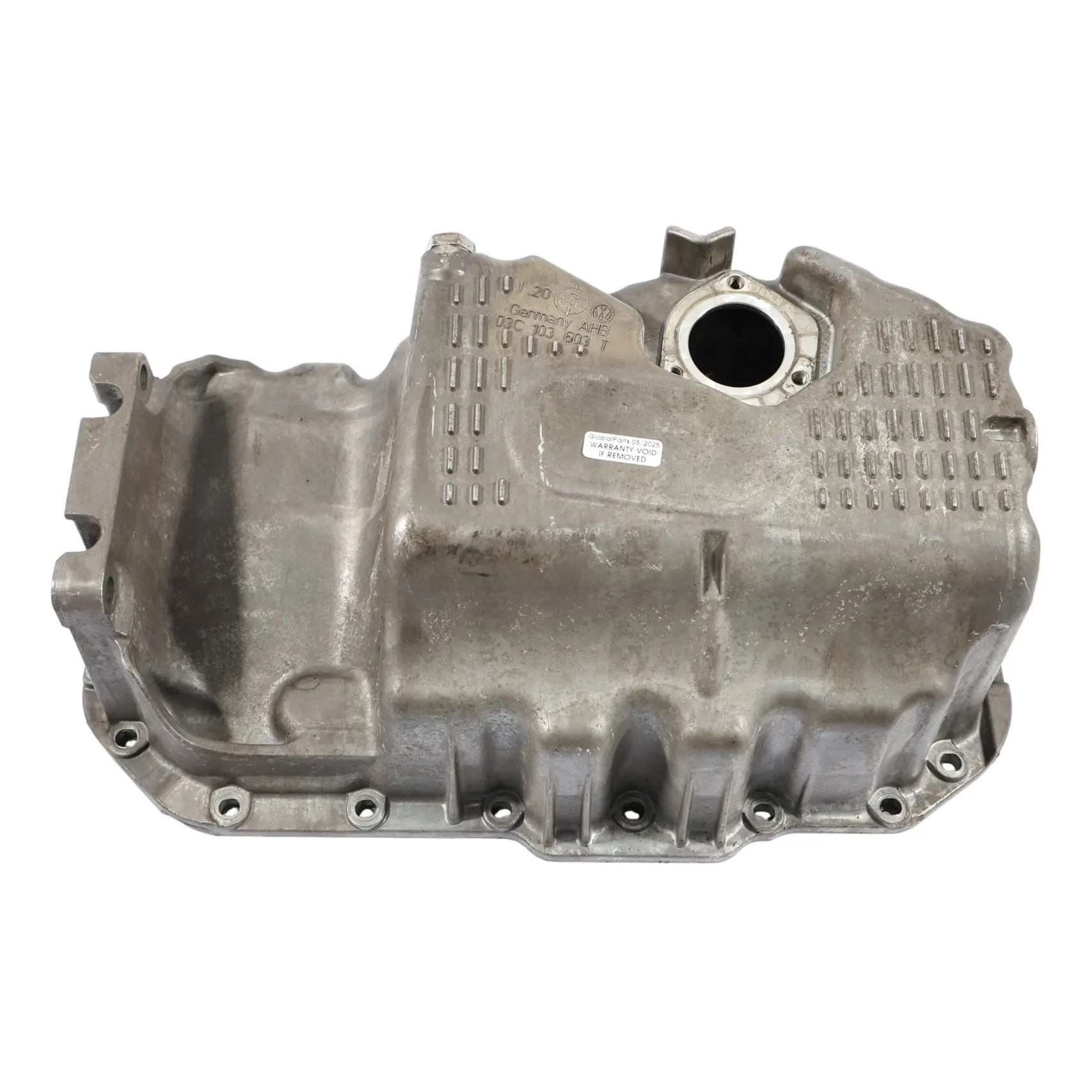
Part no. 03C103603T
VW Golf Mk6 1.4 TSI CAVD Petrol Engine Oil Sump 03C103603T
Product currently unavailable
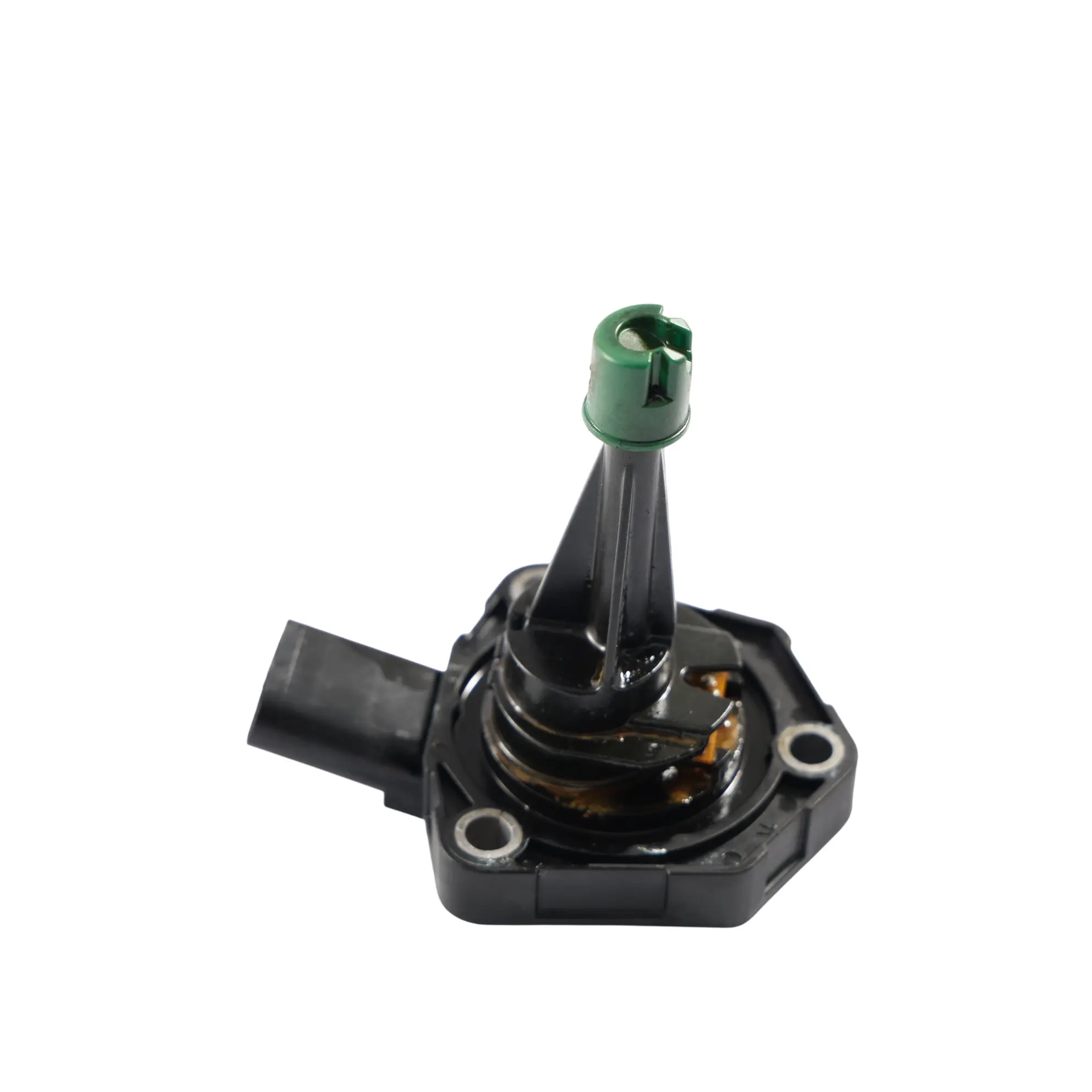
Part no. 04E907660D
Volkswagen Polo Mk5 Golf Mk7 Oil Level Sensor 1.4 Diesel 04E907660D
Product currently unavailable
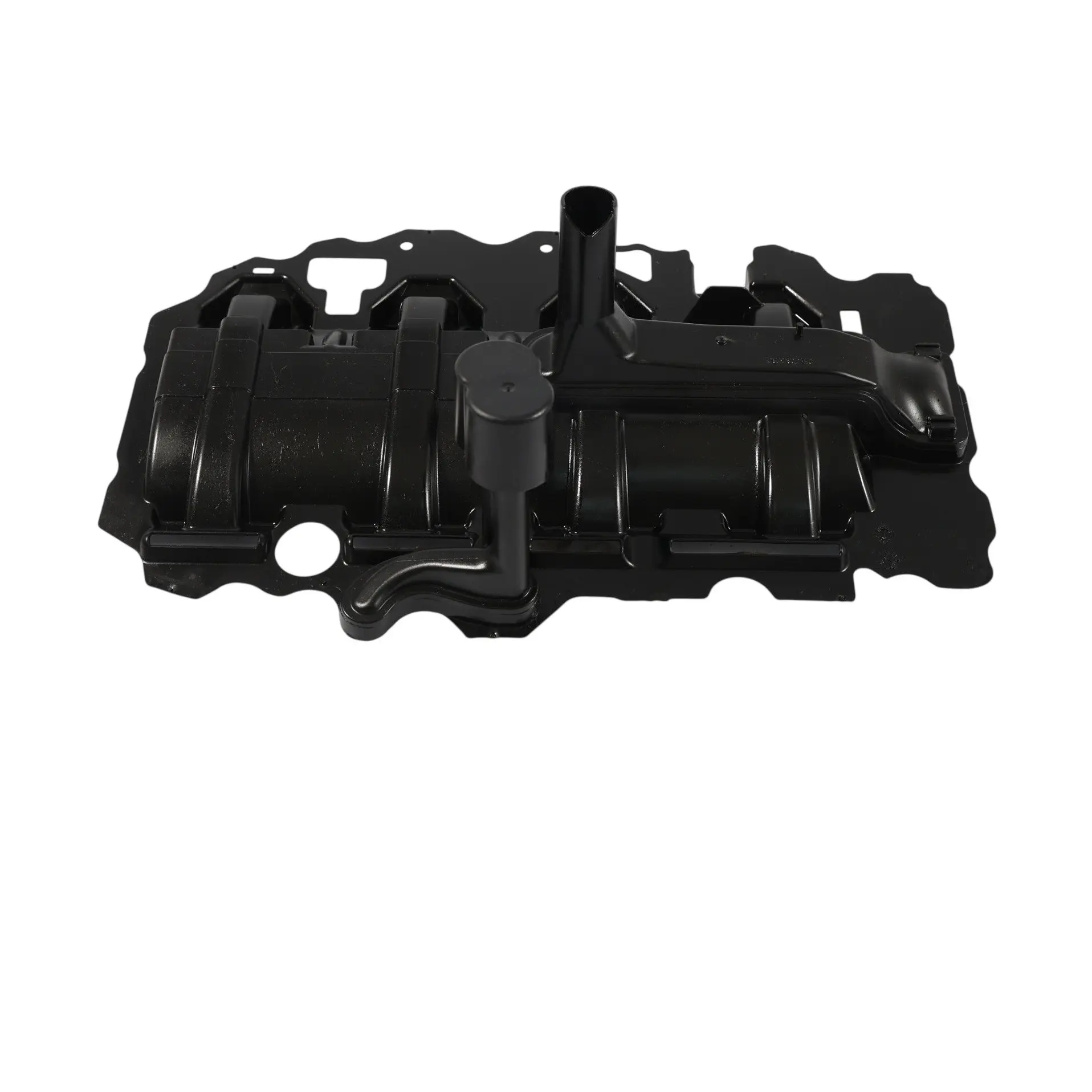
Part no. 04E103623N
Volkswagen Golf SV Skoda Octavia Mk3 Oil Sump Baffle 1.5 TSI Petrol 04E103623N
Product currently unavailable
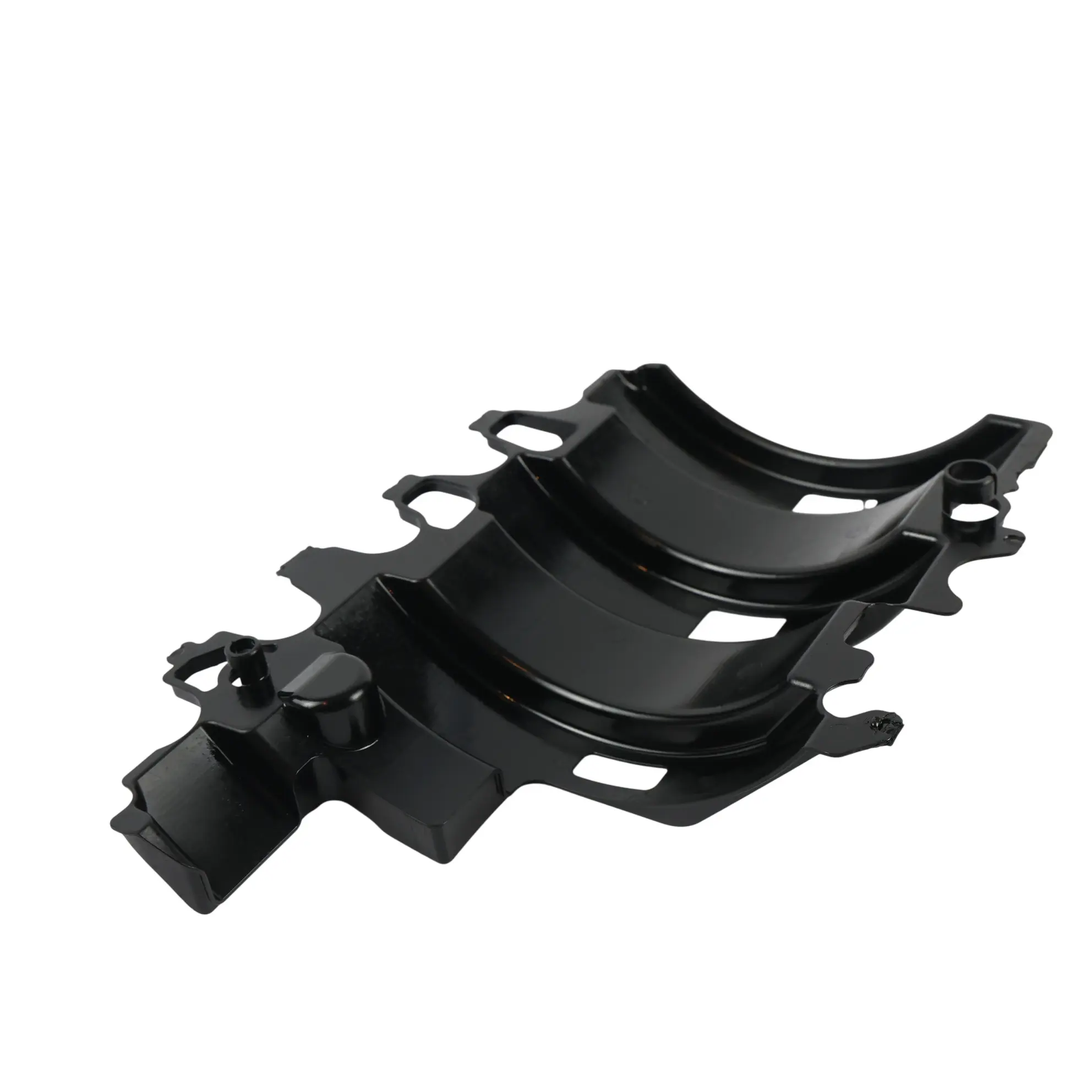
Part no. 04L103623K
Volkswagen Transporter T6 Crafter Oil Sump Baffle Plate 2.0 TDI 04L103623K
Product currently unavailable
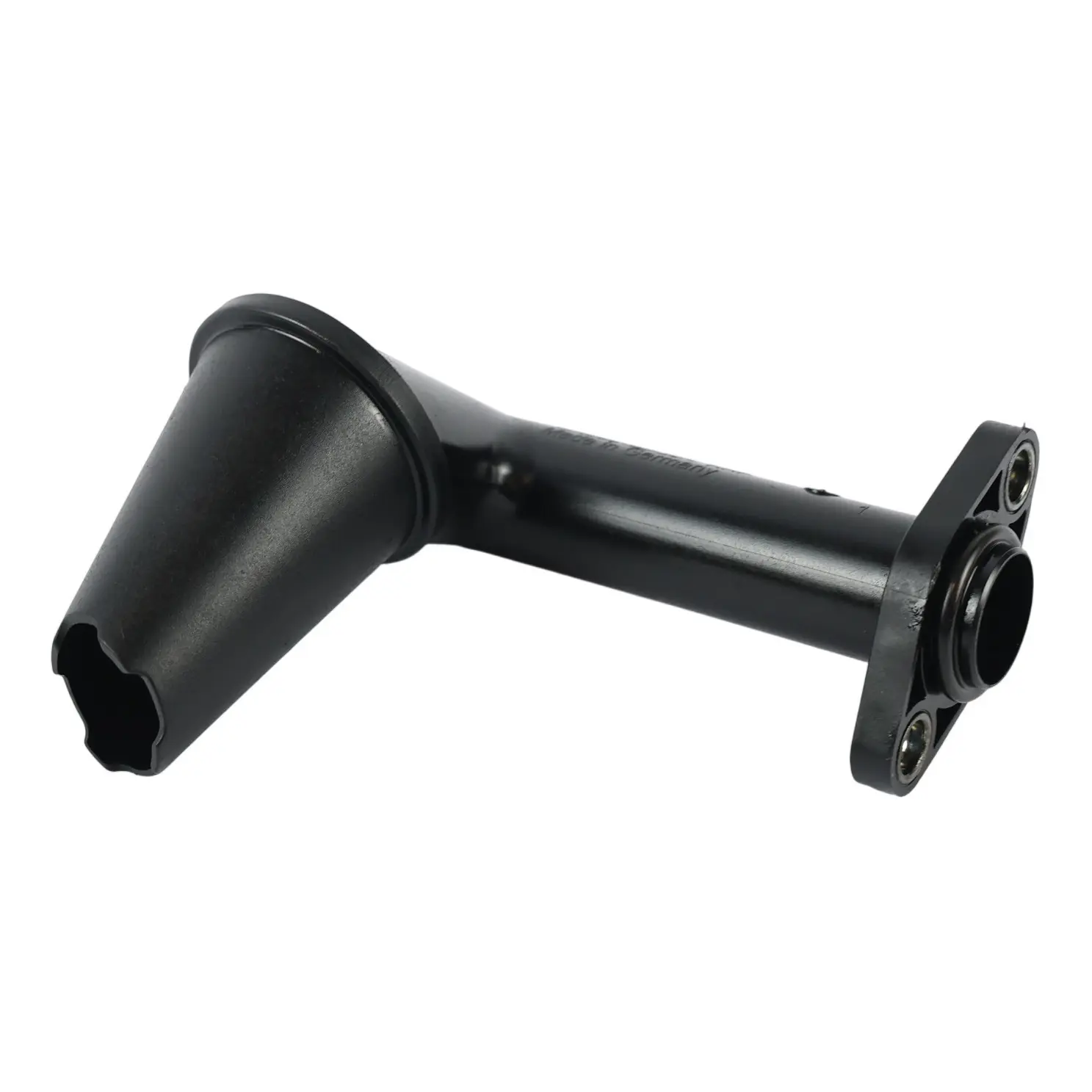
Part no. 04L115251C
Volkswagen Crafter Mk2 Transporter T6 Oil Pump Intake Tube 2.0 TDI 04L115251C
Product currently unavailable
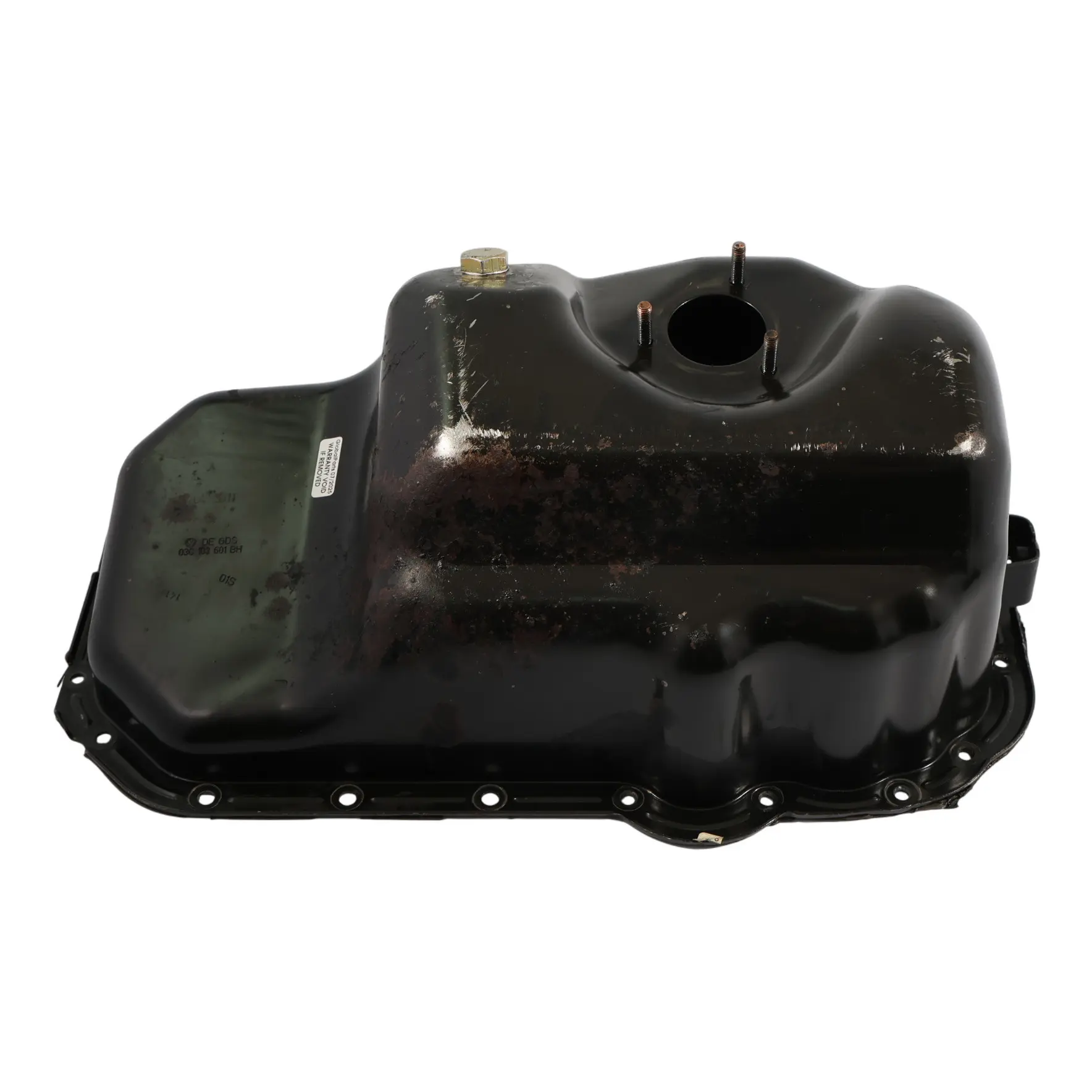
Part no. 03C103601BK
VW Golf Mk6 Audi A1 8X Engine Lower Oil Sump Pan 1.2 Petrol 03C103601BH
Product currently unavailable
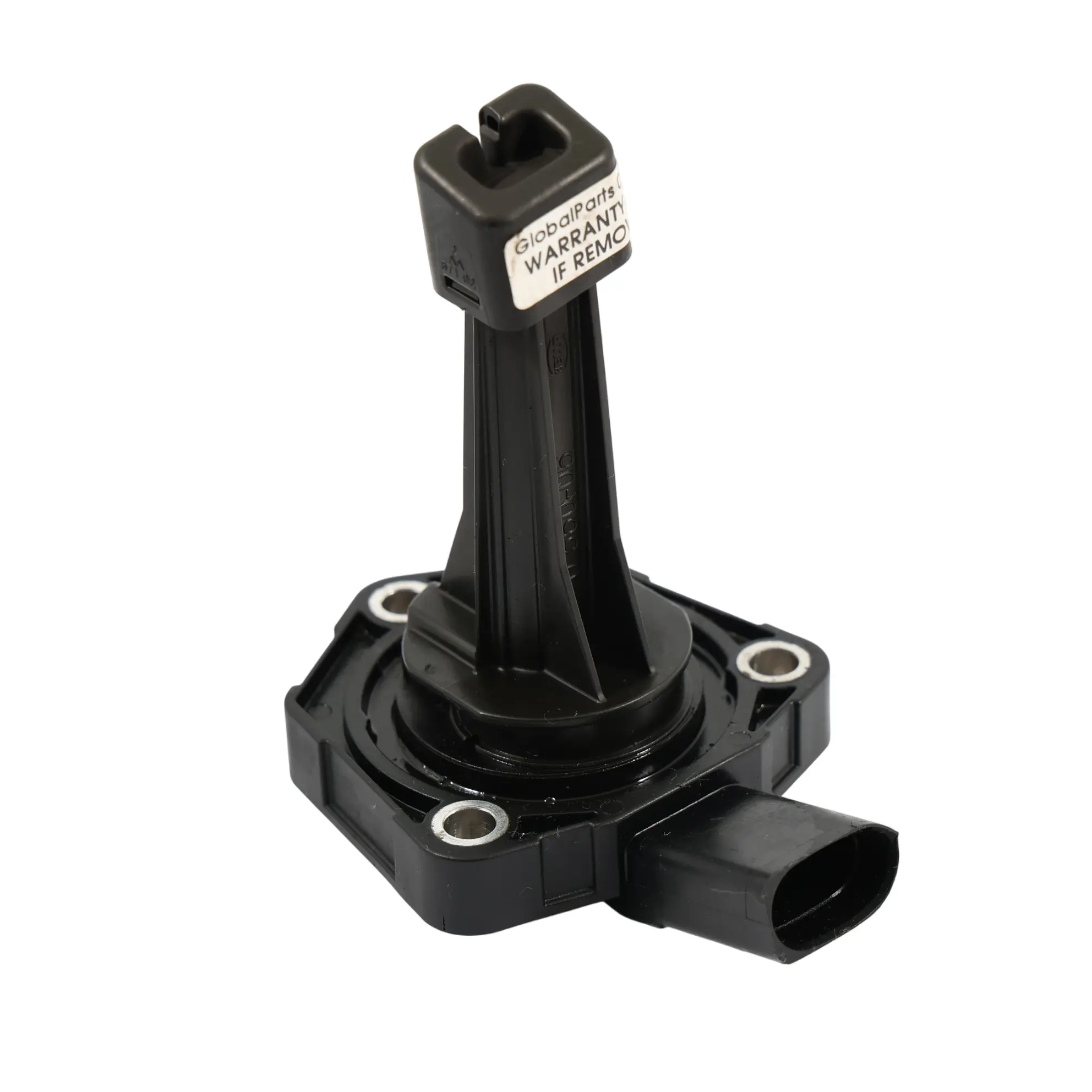
Part no. 03C907660M
Audi A3 8P Volkswagen Polo 6R Engine Oil Level Sensor 03C907660M
Product currently unavailable
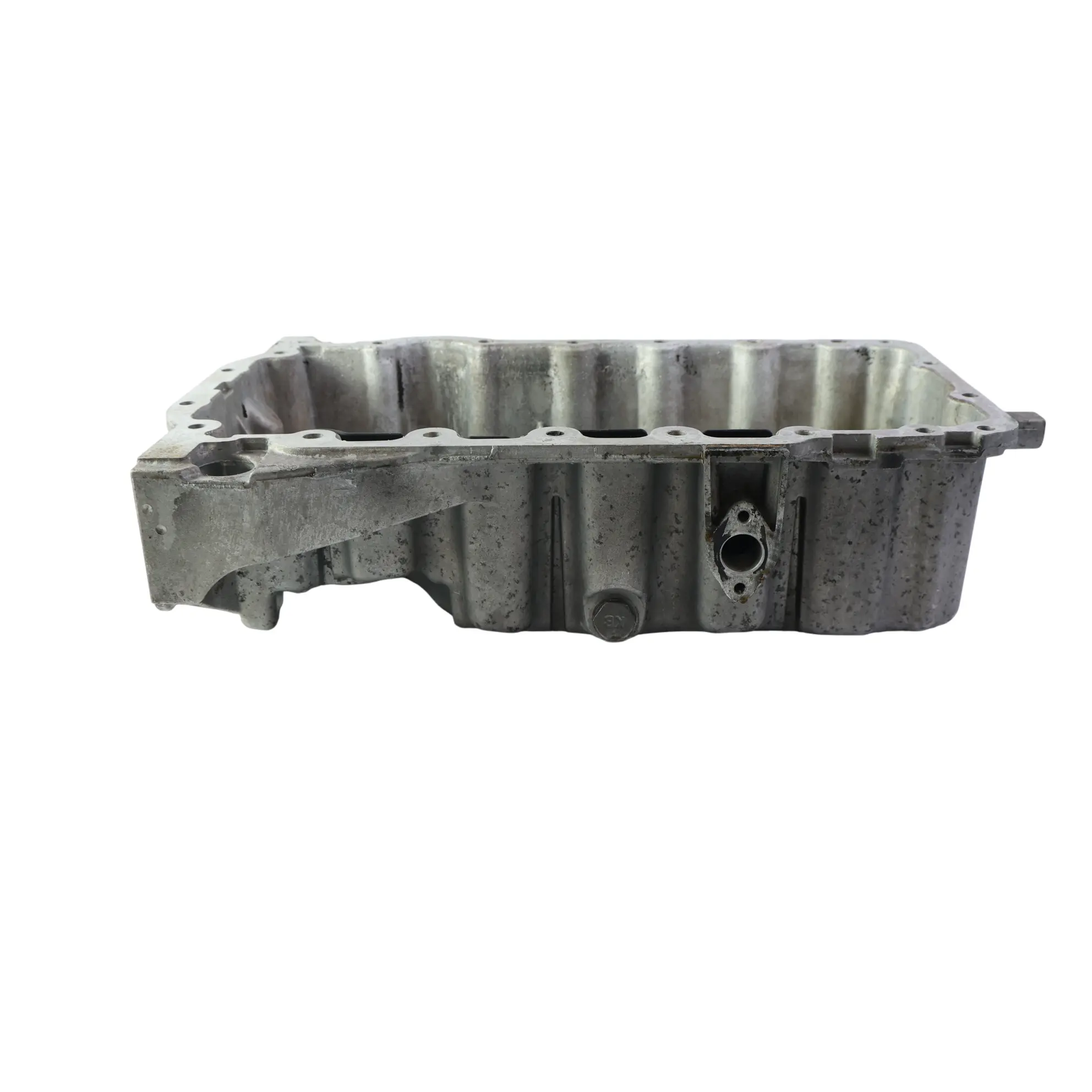
Part no. 06F103601L
Volkswagen Golf Mk5 Audi S3 Skoda Seat Oil Sump Pan 2.0 TFSI 06F103601L
Product currently unavailable
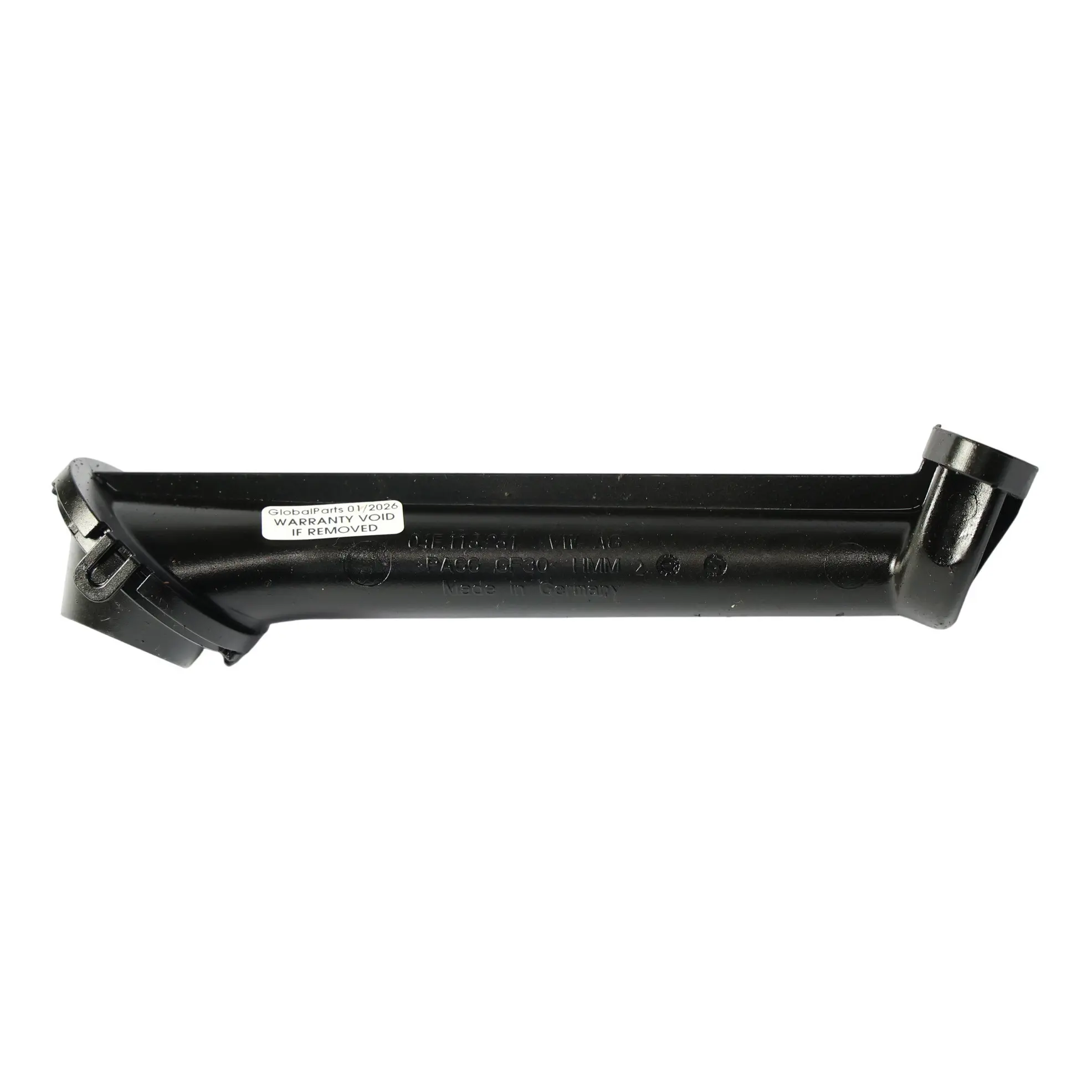
Part no. 04E115251AA
Volkswagen Polo 6R Oil Sump Engine Suction Pipe Hose 1.2 Petrol 04E115251AA
Product currently unavailable
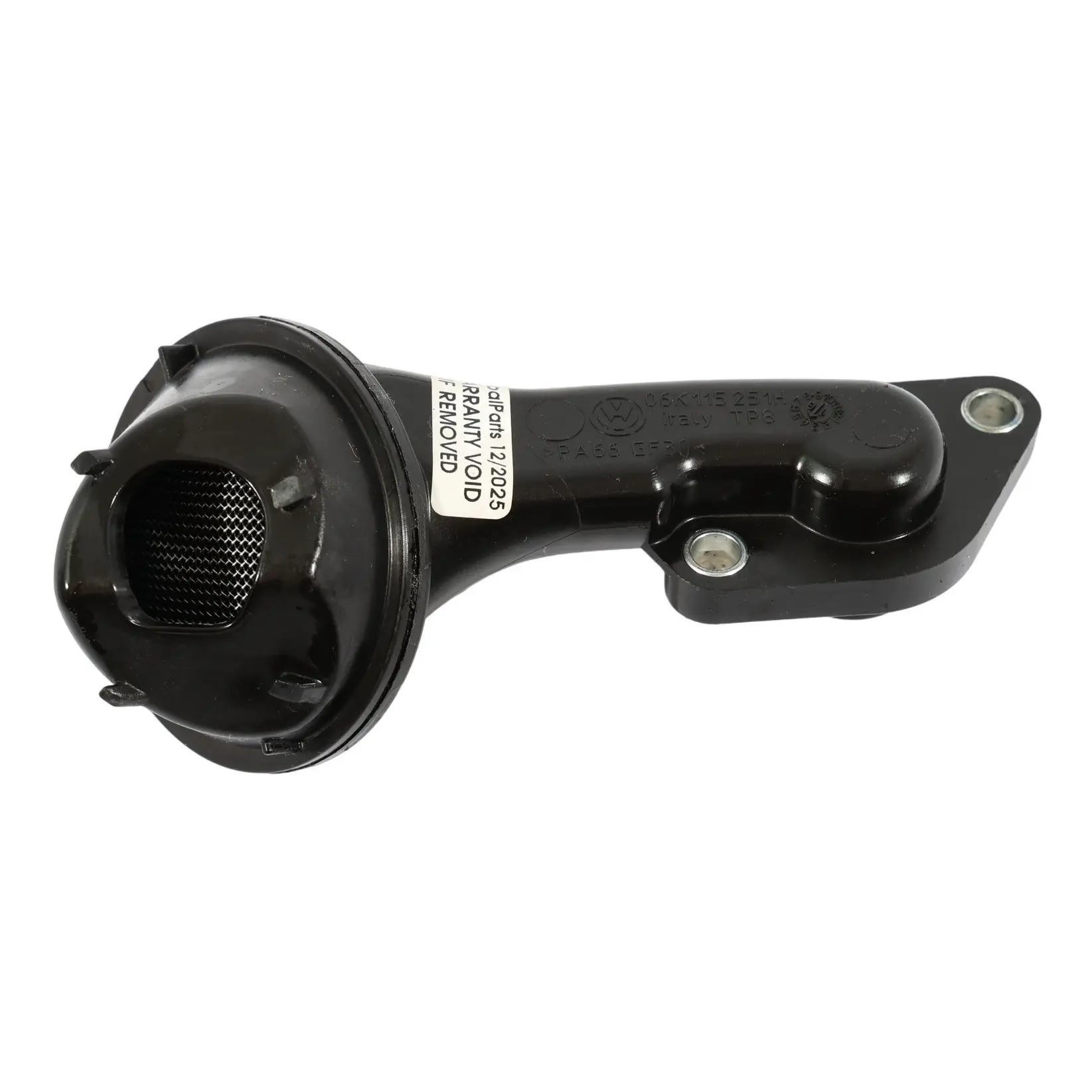
Part no. 06K115251H
VW Volkswagen Polo 6R Oil Suction Pipe Tube Petrol Engine 1.8 TFSI 06K115251H
Product currently unavailable
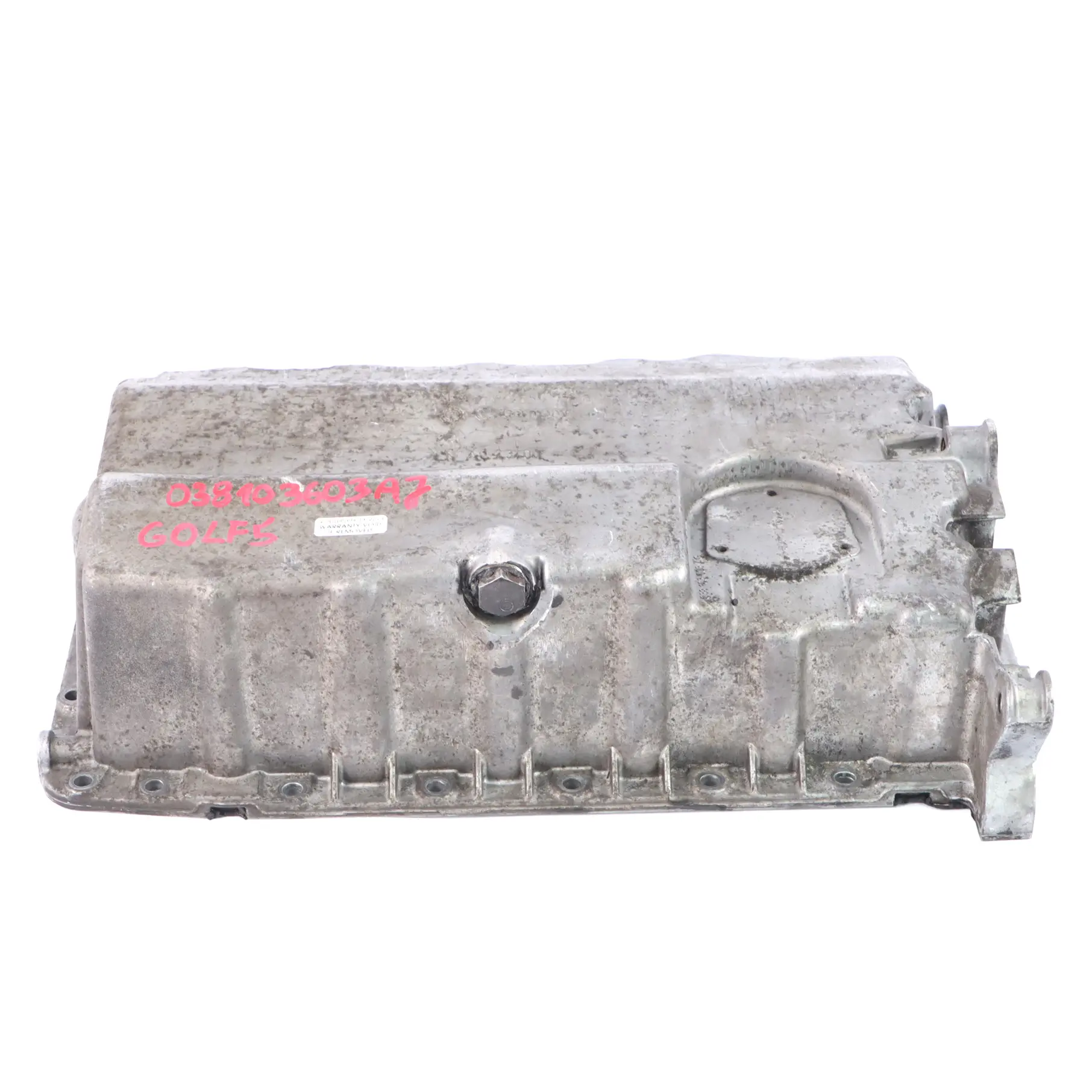
Part no. 038103603AJ
VW Golf Mk5 Audi A3 8P Seat 1.9 Tdi BXE Diesel Engine Oil Pan 038103603AJ
Product currently unavailable
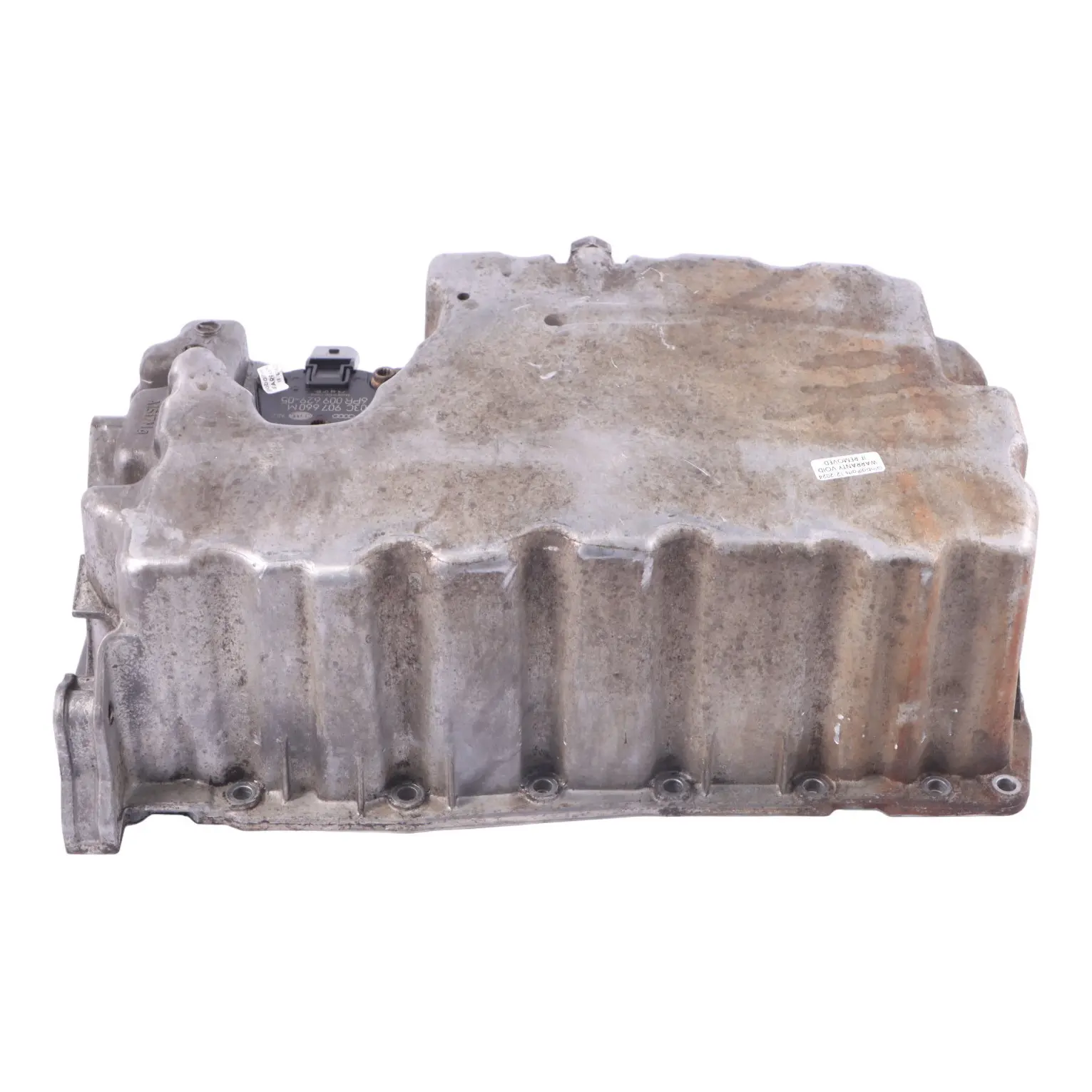
Part no. 03L103603H
Volkswagen Transporter T5 2.0 TDI Engine Oil Sump Pan With Sensor 03L103603H
Product currently unavailable
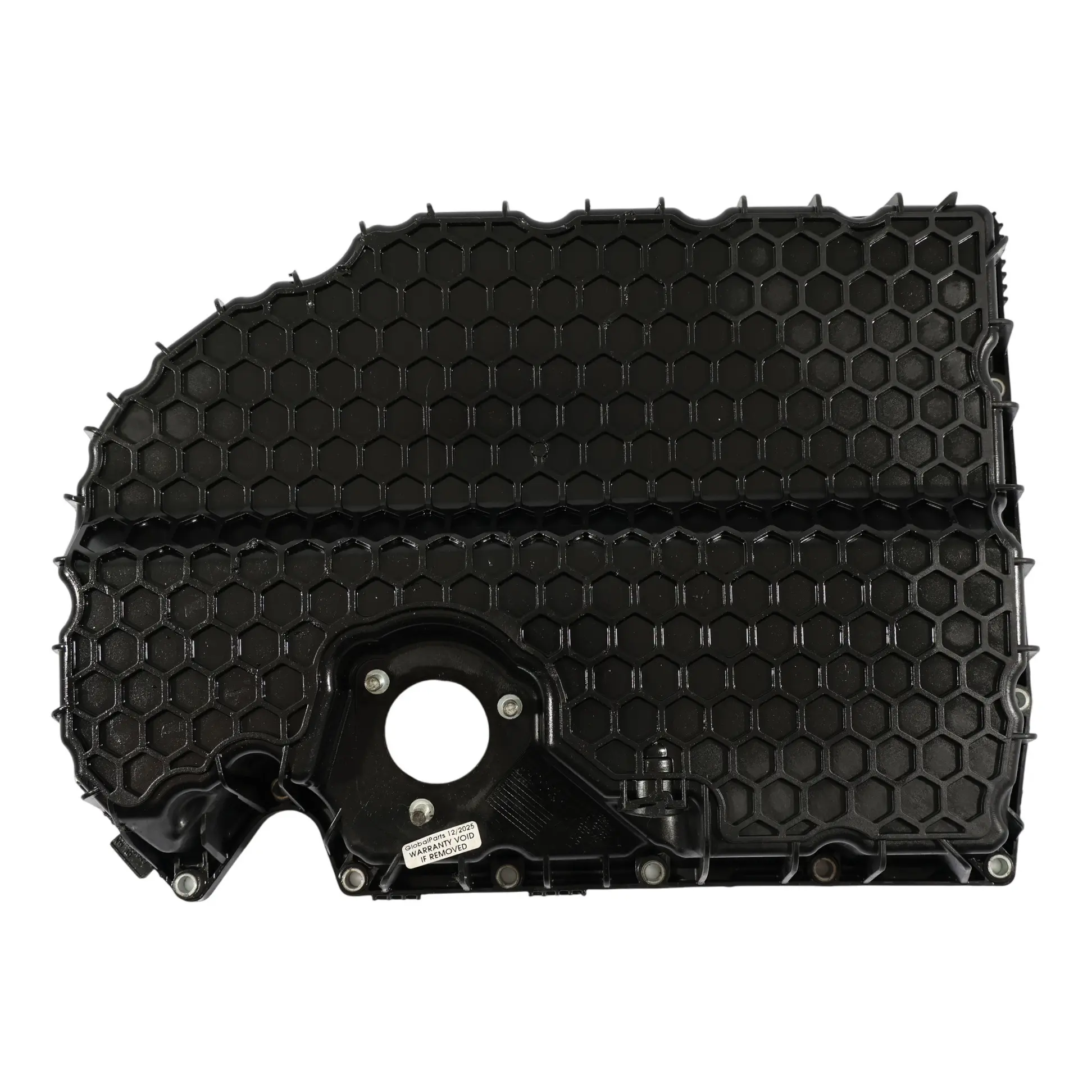
Part no. 06K103600L
VW Volkswagen Polo GTI 6R DAJA Engine Oil Sump Pan 06L103598J
Product currently unavailable
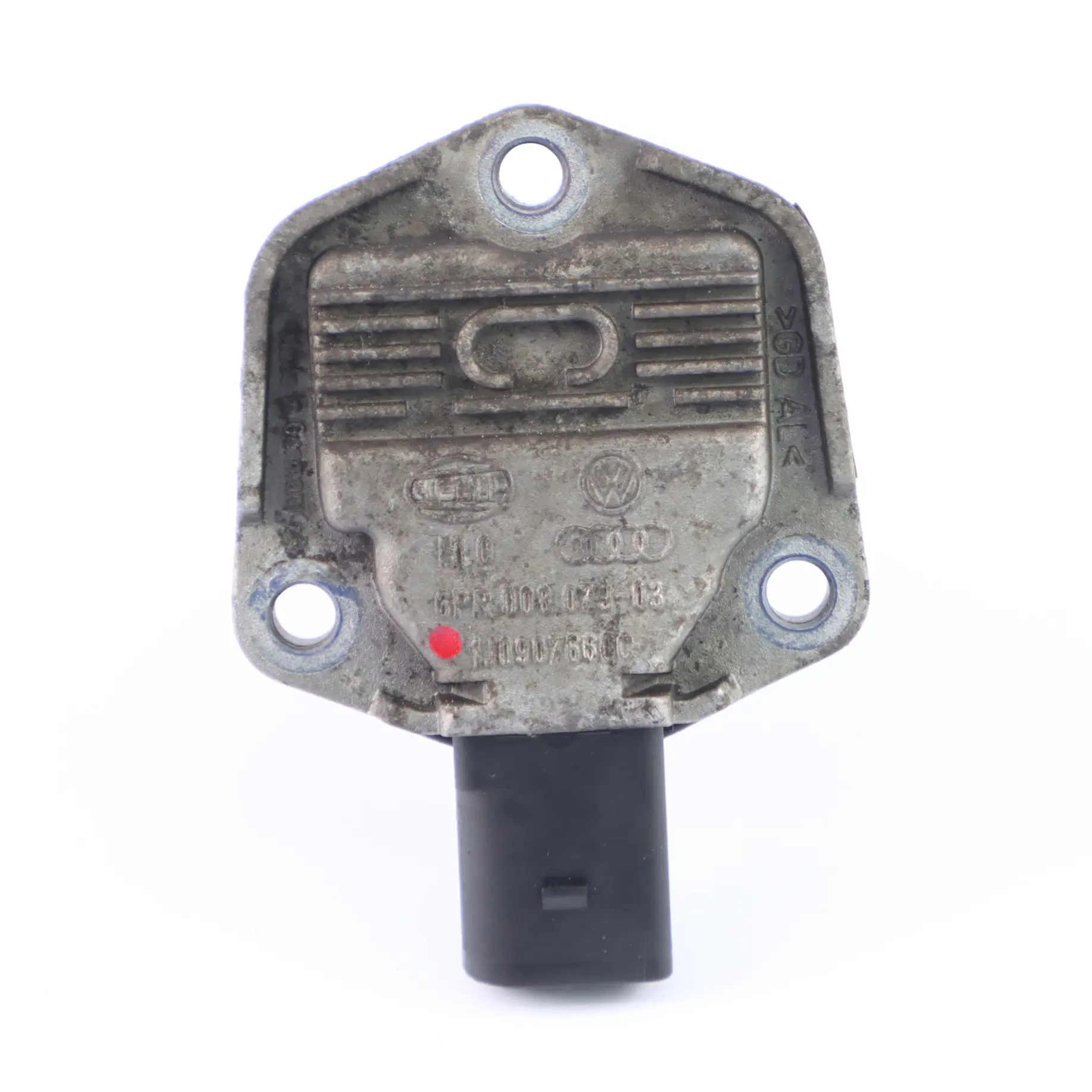
Part no. 1J0907660C
Volkswagen Golf MK5 Audi A3 8P Seat Skoda TDI Engine Oil Level Sensor 1J0907660C
Product currently unavailable
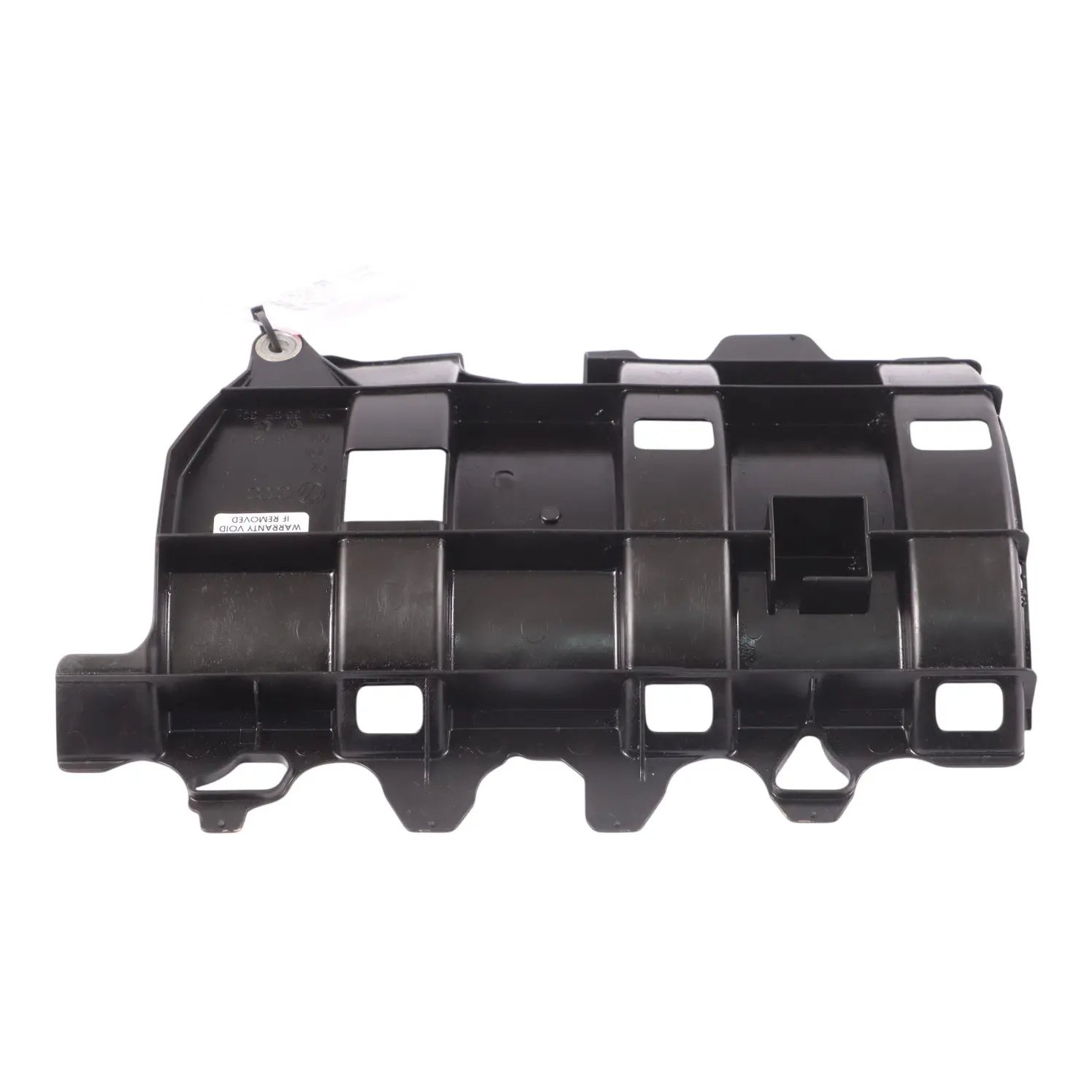
Part no. 03L103623B
Volkswagen Transporter T5 2.0 Tdi CAAA Oil Sump Baffle Plate 03L103623B
Product currently unavailable

Part no. 05E103603C
Volkswagen Golf Mk8 Audi A3 8V 8Y Oil Sump Pan 1.5 TSI 05E103603C
Product currently unavailable
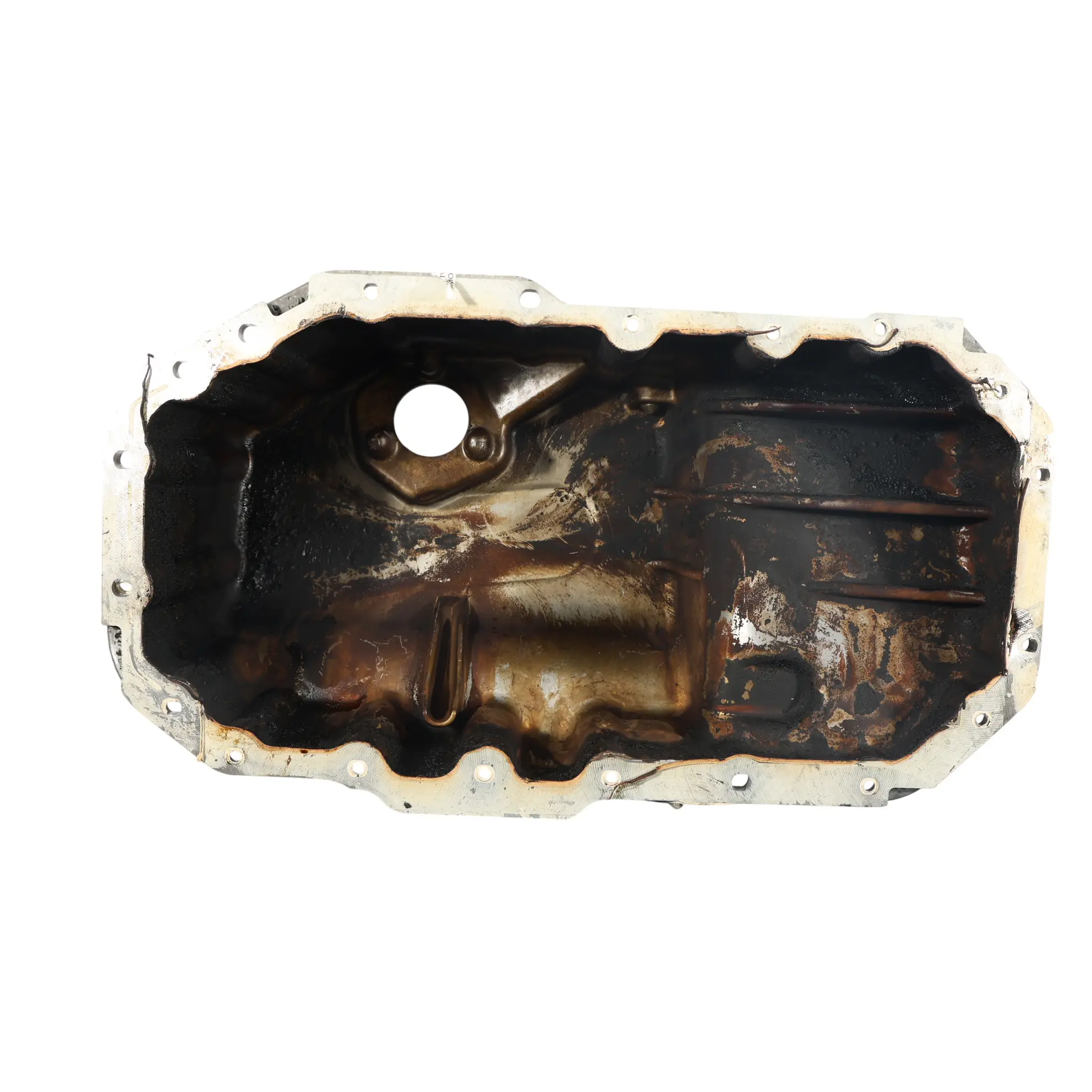
Part no. 03C103603S
Audi A3 8P Volkswagen Golf Gti 1K Engine Oil Pan Sump Petrol 03C103603J
Product currently unavailable
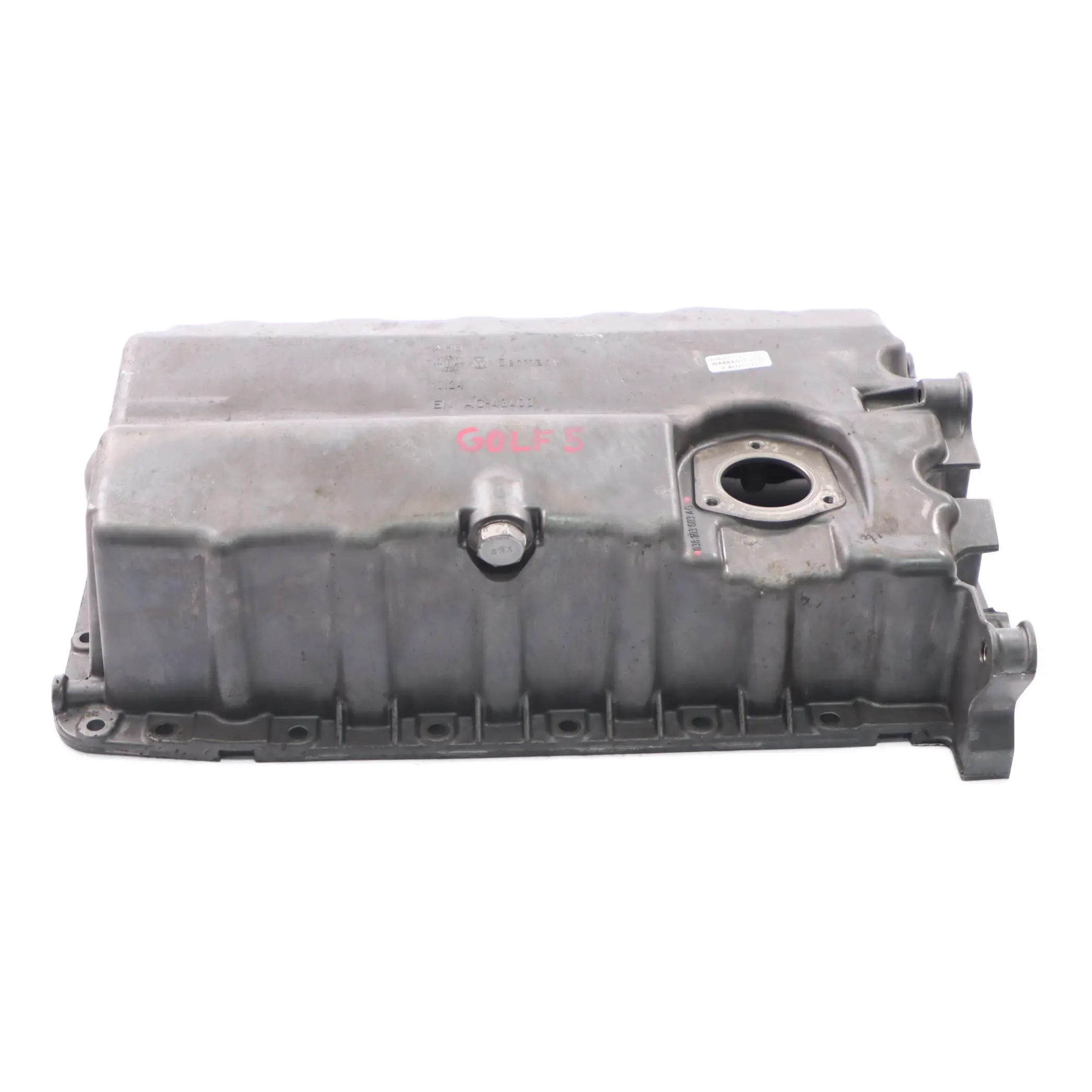
Part no. 038103603AG
Volkswagen Golf 5 Audi A3 1.9 2.0 TDI Diesel Engine Oil Sump Pan 038103603AG
Product currently unavailable
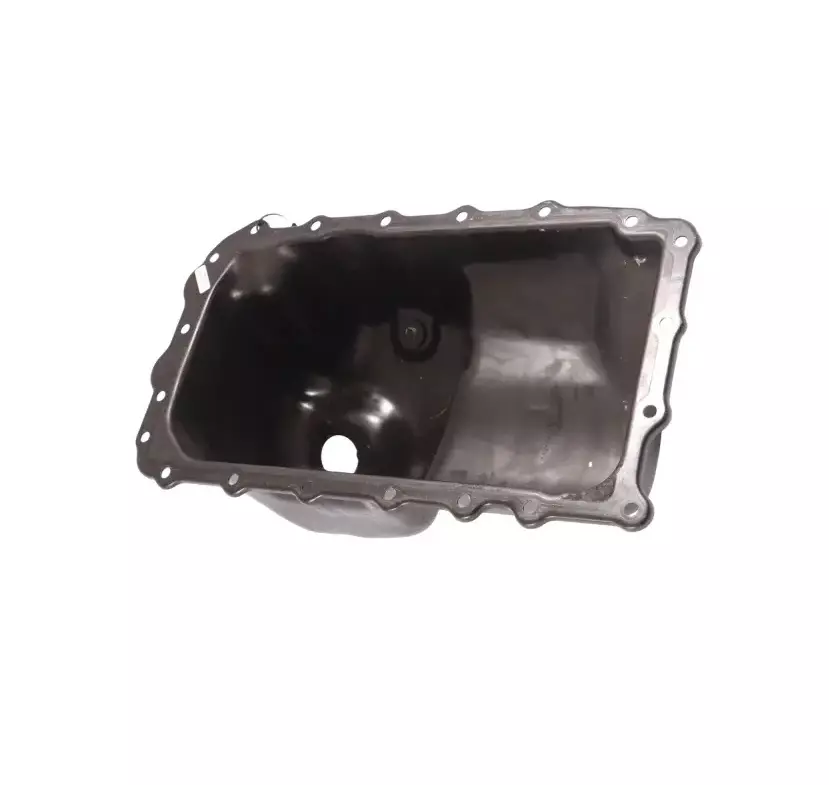
Oil pans – essential part of the engine lubrication system
The structure and functions of the oil pan in ensuring proper lubrication of the drive unit
An oil pan is one of the key components of an engine lubrication system. It serves as a reservoir for engine oil, which lubricates, cools, and protects engine components from wear. A properly designed and sealed oil pan ensures the correct operation of the lubrication system, and its technical condition has a direct impact on the service life and efficiency of the power unit. In the Global Parts automotive store, you will find a wide selection of used car parts, including oil pans compatible with brands such as BMW, Audi, Mercedes, Volkswagen, Mini, and others.
What is the role of an oil pan?
An oil pan is not just an oil reservoir, but also an important structural element of the lubrication system:
- Oil storage – The oil pan collects oil, which is pumped by the oil pump to key engine components.
- Heat dissipation – It helps cool the oil, which prevents it from overheating during engine operation.
- Sealing the lower part of the engine – It protects against oil leaks and external contaminants.
- Drain plug mounting point – It facilitates engine oil changes during maintenance. Oil pans are made of durable materials, such as aluminum or steel, which ensure longevity and resistance to damage. The typical oil pan capacity for BMW E46 engines is 4–5 liters. The wall thickness of the pan ranges from 2 to 3 mm in steel models and 3–4 mm in aluminum ones. The pans are designed to ensure optimal oil flow to the pump, eliminating the risk of cavitation and lubrication deficiency when operating in difficult conditions, e.g., while driving at steep angles.
Construction and purpose of oil pans
Oil pans are lower engine housings mounted under the block, where the oil circulating in the lubrication system collects. A typical component consists of a body, a mounting flange, bolt locations, a drain plug hole, and, depending on the version, a sensor socket. The oil pan is used to maintain an adequate oil reserve and ensure its smooth flow to the pump. For parts such as a Mercedes W204 oil pan, it is worth comparing the OEM number, rib layout, mounting points, and compatibility with the specific engine version.
Comparison of oil pan variants
| Variant | Material | Elements to check | Application and notes |
|---|---|---|---|
| Steel pan | Pressed steel | Flange shape, drain plug thread condition, sealing surface | Often chosen where impact resistance and easier thread repair are important. |
| Aluminum pan | Aluminum | No cracks, condition of stiffening ribs, mounting point compatibility | Dissipates heat better and is sometimes used in engines with more compact designs. |
| Version with sensor port | Steel or aluminum | Presence of socket, sensor connector type, sensor seal | Requires compatibility with engine accessories and the vehicle's electrical system. |
| Version with baffles | Depends on manufacturer | Baffle layout, pump pickup, compatibility with block and supports | Helps limit oil movement during acceleration and cornering. |
Why is it worth taking care of the oil pan?
The technical condition of the oil pan is crucial for the proper operation of the engine. Neglecting this component can lead to:
- Oil leaks – Causing a loss of lubrication, which threatens serious engine damage.
- Oil overheating – As a result of damage or dirt hindering heat dissipation.
- Mechanical damage – Caused by impacts, e.g., against road obstacles. At Global Parts, we offer original used oil pans that are selected based on vehicle compatibility, material, and mounting points. Aluminum oil pans are lighter and dissipate heat better, which positively affects oil cooling, while steel ones are more resistant to mechanical impacts. In the BMW E87 and E90, aluminum is more commonly used to reduce vehicle weight, whereas in the Ford Mondeo MK4, steel is used to increase durability in diesel engines.
Cooperating components and the importance of sensors
The oil level sensor is a sub-assembly that works with the pan, monitoring the amount of lubricant in the lower part of the engine and transmitting data to the vehicle's electronics. Its presence means you need to check not only the pan itself but also the socket, seal, and connector type. When choosing a component such as a BMW E90 oil level sensor, you should compare the OEM number, number of pins, and engine version. In practice, it is also helpful to check related categories, such as Oil pumps and parts and Oil filters.
How to choose the right oil pan?
When choosing an oil pan, several key aspects should be considered:
- Vehicle model compatibility – Every engine has specific design requirements. At Global Parts, you will find oil pans that perfectly fit BMW, Audi, Mercedes, Volkswagen, Mini, and others.
- Technical condition – A used oil pan should be free from cracks, corrosion, and other damage.
- Material – Choose a pan made of the appropriate material (steel or aluminum) adapted to your vehicle's operating conditions.
Selecting an oil pan by OEM and engine version
An oil pan is a part that must be matched not only by shape but also by OEM part number, fuel type, block version, and accessory equipment. The bolt layout, block mating profile, presence of a baffle, sensor location, and seal compatibility are all significant. If you are looking for a component such as a BMW E60 oil level sensor, you must additionally verify the connector type and fitment to the pan socket. For comprehensive repairs, it is worth comparing this part with the Gaskets and mounting parts and Engine blocks categories.
Example table of oil pans and compatibility
| Vehicle model | Pan type | Material | Oil capacity | Notes |
|---|---|---|---|---|
| BMW E46 | BMW E46 oil pan | Aluminum | 4.5 l | Optimal for 1.6–3.0 l petrol engines |
| BMW E60 | BMW E60 oil pan | Aluminum | 6 l | Petrol and diesel engines |
| Ford Mondeo MK4 | Ford Mondeo MK4 oil pan | Steel | 5.5 l | 2.0–2.5 l diesel and petrol |
| BMW E87 | BMW E87 oil pan | Aluminum | 4.5 l | Compact petrol units |
| BMW E90 | BMW E90 oil pan | Aluminum | 5–6 l | Petrol and diesel engines |
Why choose used oil pans?
Used car parts, such as oil pans, are a solution that combines savings with high quality. By choosing used oil pans, you gain:
- Lower costs – Used components are significantly cheaper than new ones but offer equally high quality.
- Ecology – Recycling car parts supports environmental protection and reduces waste.
- Wide selection – In our store, you will find oil pans for the most popular car brands. Oil pans in modern cars often have built-in channels and baffles that limit oil sloshing during acceleration and cornering. Thanks to this, the oil pump ensures a continuous supply of oil, even during dynamic driving. In the BMW E46, the oil pan has additional reinforcements at the oil pump and drain plug mounting points.
How to take care of an oil pan?
To ensure the oil pan works efficiently for a long time, it is worth following a few rules:
- Regularly check the oil pan for leaks and the condition of the drain plug.
- Replace gaskets every time the pan is removed to prevent leaks.
- Avoid impacts and mechanical damage, especially when driving on uneven roads. If you need to replace an oil pan, at Global Parts you will find suitable used parts that will help maintain the proper operation of the lubrication system.
Inspection and installation procedure for oil pans
When installing an oil pan, you should:
- Clean the contact surface of the pan and the engine block.
- Install a new gasket or high-temperature silicone.
- Tighten the pan according to the torque recommended by the manufacturer, usually 10–15 Nm.
- Check for leaks after filling with oil and running the engine briefly.
FAQ
| Question | Answer |
|---|---|
| What is the construction and purpose of oil pans? | Oil pans are lower engine housing elements, mounted under the block and connected to the lubrication system. A typical pan consists of a body, a mounting flange, a drain plug hole, and, depending on the version, a sensor socket and internal baffles. Its task is to store oil and provide conditions for its safe pickup by the pump. |
| What are oil pans used for? | Oil pans are used to collect engine oil and maintain its proper circulation in the lower part of the engine. They also serve a sealing function, protecting the interior of the power unit from contaminants and allowing for the installation of a drain plug. In many designs, they also help limit oil sloshing while driving. |
| What is the role of the oil level sensor? | The oil level sensor is a measuring element mounted in or near the pan, responsible for monitoring the amount of lubricant. It is used to transmit information to the vehicle's electronic system, allowing the driver to notice a low oil level more quickly. When selecting, compatibility with the socket, connector type, and OEM number are important. |
| How to choose an oil pan for a specific engine? | It is safest to compare the OEM number, engine version, fuel type, and mounting point layout. It is also worth verifying the presence of a sensor port, flange shape, and gasket compatibility. For used parts, the condition of the sealing surface and the drain plug thread is also of great importance. |
| What symptoms indicate a problem with the oil pan? | The most common symptoms are oil leaks in the lower part of the engine, a damaged drain plug thread, housing cracks, or signs of impact. In cars with a sensor, oil level messages may also appear if the problem concerns the socket or seal. Every such symptom should be checked before further use. |
| How is the leak check performed after oil pan installation? | After installation, you should top up the oil, start the engine, and check the area around the flange, drain plug, and sensor seat. Then, it is worth inspecting the component after a short drive or after reaching operating temperature. This allows you to confirm that the seal and bolt tightening are correct. |
Summary: oil pans at the Global Parts automotive store
Oil pans are responsible for proper oil storage, sealing the lower part of the engine, and working with lubrication system components. In the Global Parts offer, you will find solutions adapted to many vehicle versions, including brands such as Mercedes, BMW, Audi, and others. When choosing, it is worth checking the material, OEM number, part condition, presence of a sensor socket, and compatibility of mounting points with your specific power unit. We invite you to contact us – we are here to help! For more information and interesting facts, we also invite you to visit our automotive blog.