


Wiring & Wiring Harnesses
Find it faster
Match to your vehicle
Make
Category
Subcategory
Condition
In Stock
Price
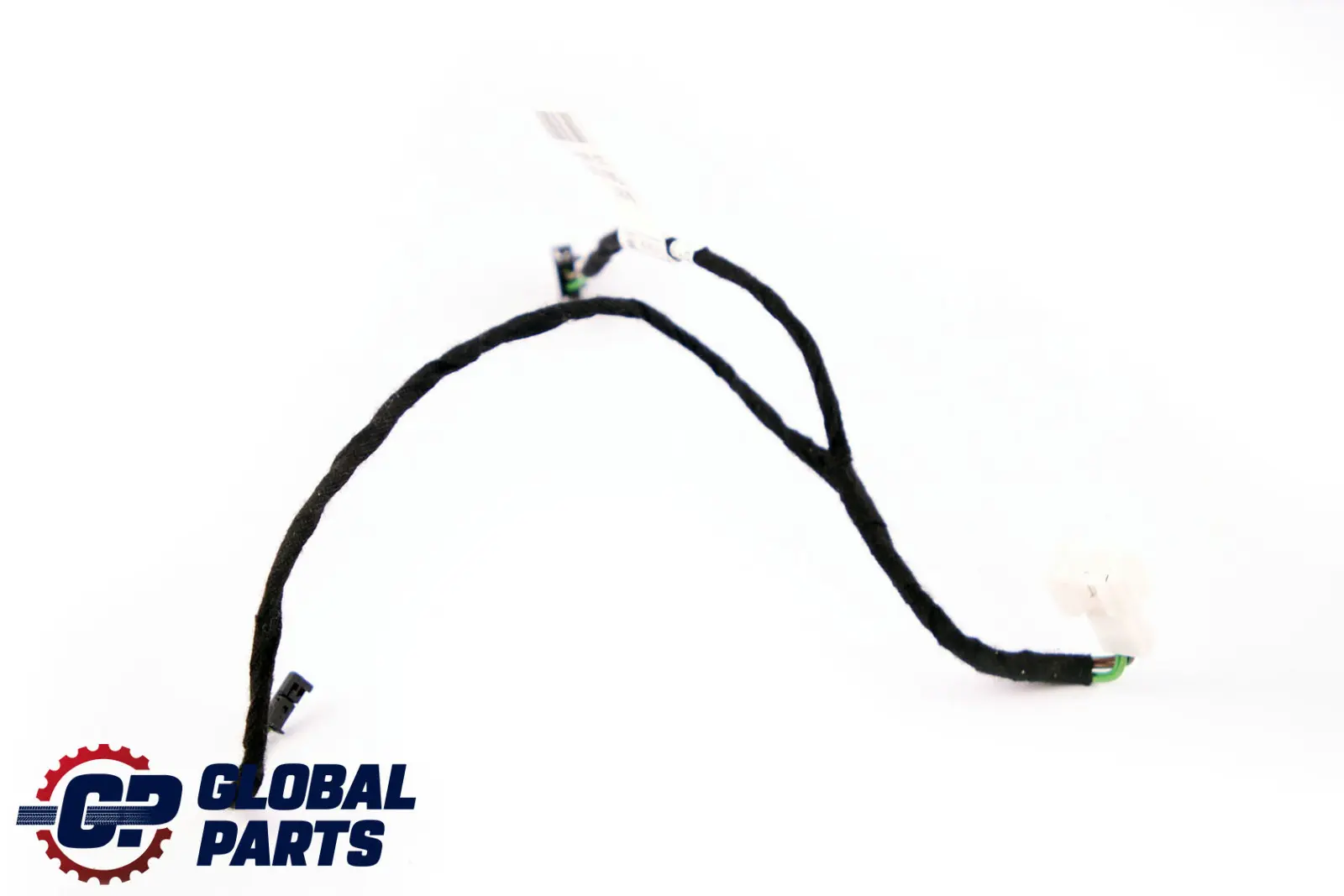
Part no. A2115408308
Mercedes-Benz E CLS Class S211 W211 W219 Door Loudspeaker Tweeter Wiring Cable
£13.95
Free delivery: Oct 07
If paid before 14:00
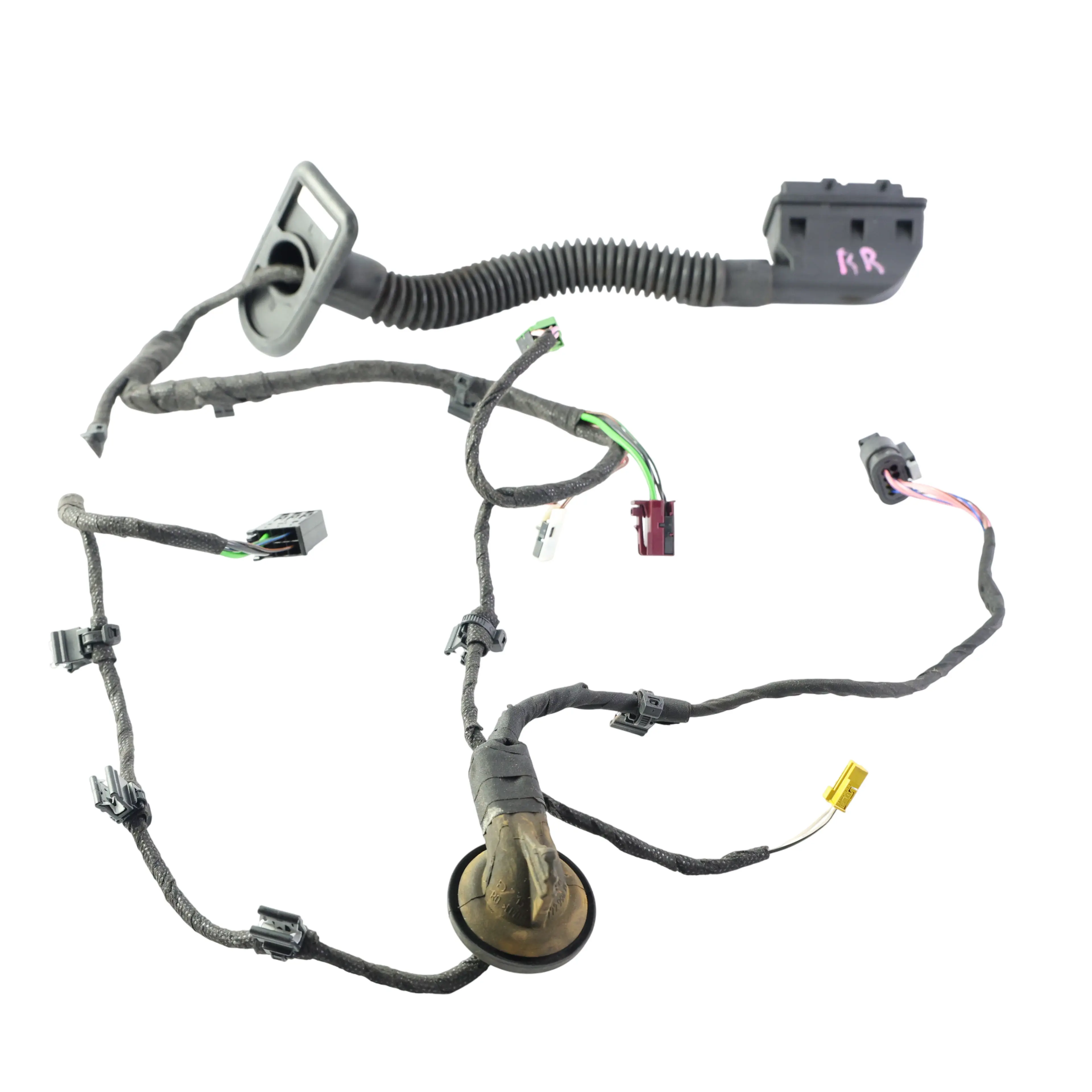
Part no. RHD-A2055401242
Mercedes W205 Rear Door Wiring Loom Harness Left Right N/O/S A2055401242
£18.95
Free delivery: Oct 07
If paid before 14:00
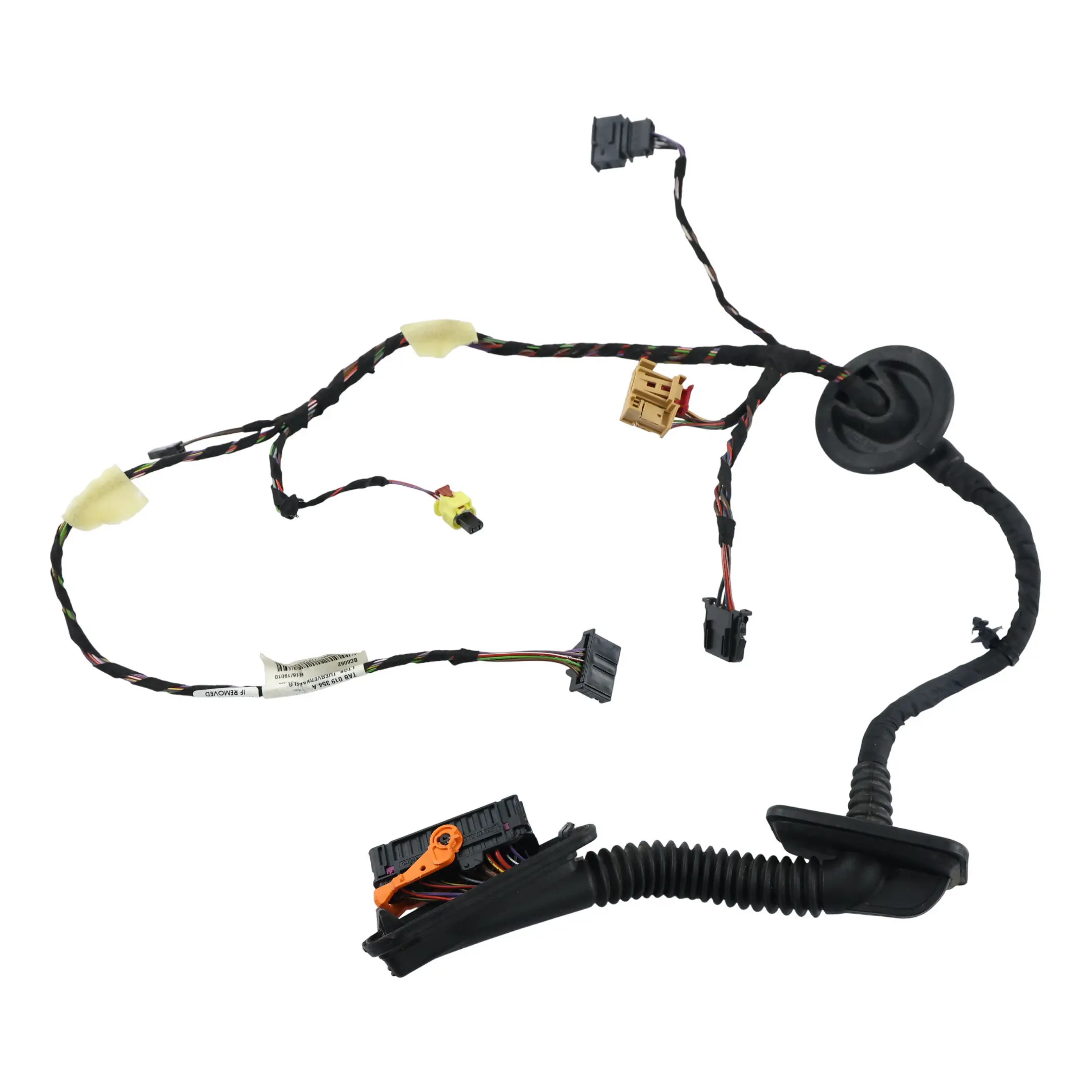
Part no. 6V0971121AD
Skoda Fabia Mk3 NJ Front Door Wiring Loom Harness Passenger Side 6V0971121AD
Product currently unavailable
Wiring & Wiring Harnesses
In the Global Parts automotive store, you will find a wide selection of used car parts, compatible with Mercedes and many other brands. Cables and wiring harnesses are responsible for the proper flow of signals and power between vehicle components, which is why their selection should take into account the OEM number, vehicle placement, equipment version, and connector type.
Construction and purpose of cables and wiring harnesses
Cables and wiring harnesses are components of a vehicle's electrical system that connect controllers, sensors, power consumers, and equipment modules into one organized system. A wiring harness usually consists of wires with a specific cross-section, insulation, protective sleeves, mounting points, and terminations in plugs or connectors. These types of parts are installed in the engine compartment, interior, doors, trunk lid, dashboard, or near lights. Their primary task is the safe transmission of signals and voltage to the appropriate vehicle systems.
Comparison of common cable and wiring harness variants
| Component type | Typical application | What to check before selection |
|---|---|---|
| Engine compartment harness | Connecting engine accessories, sensors, and controllers | OEM number, engine type, number of connectors, cable routing, mounting points |
| Door or trunk lid harness | Operating windows, locks, mirrors, lighting, and buttons | Mounting side, body version, connector type, section length, equipment compatibility |
| Single wire or repair section | Repairing local installation damage | Wire cross-section, color marking, terminal type, OEM part number or replacement numbers |
System functions and the importance of proper fitment
A wiring harness is used to organize the installation and reduces the risk of accidental abrasion, disconnection, or voltage drops during operation. A correctly selected component works with accessories such as relays, fuses and fuse holders, and adapters and plugs. When choosing, it is worth comparing the OEM part number, replacement numbers, cable routing, and the presence of additional branches for specific equipment. For parts such as a Mercedes engine harness, compatibility with the engine unit version, connector layout, and the range of electrical accessories is particularly important.
Selection, installation, and compatible components
An electrical connector is the termination of a wire or harness that allows for a quick and secure connection to another component without soldering the entire installation. The connector is used to maintain proper contact, stable signal transmission, and correct seating of the wire in the socket. During installation, check the condition of the insulation, latches, covers, and routing points, and compare the placement on the vehicle with the removed part. If you are looking for a component such as a Mercedes ignition switch connector, you must verify the pin layout, housing type, and compatibility with a specific steering column version.
Symptoms of damage and practical purchasing tips
A damaged harness can cause intermittent power loss, module errors, non-functioning lighting, central locking problems, or sensor interference. When selecting a part for a specific system, it is also worth checking the condition of the covers, wire flexibility, and signs of previous repairs using connectors and terminals. When completing a repair for a specific model, e.g., Mercedes W203, it is good to verify the body version, electrical equipment, and cable routing in that part of the car. Further knowledge about the durability of OEM components can also be found in the material available on our blog about noisy differentials and the advantages of a used OEM drive axle.
FAQ
| Question | Answer |
|---|---|
| What is the construction and purpose of cables and wiring harnesses? | Cables and wiring harnesses are components of a vehicle's electrical system that connect power consumers, sensors, modules, and controllers into one coherent system. A typical harness consists of several or many wires, insulation, covers, tapes, mounts, and end connectors. This element is routed through specific zones of the car, such as the engine compartment, doors, trunk, or interior. Selection is usually based on the OEM number, mounting location, and equipment version. |
| What are cables and wiring harnesses used for? | Cables and wiring harnesses are used to transmit power and control signals between car components. They are responsible for the proper communication of electrical systems, which is why they affect the operation of lighting, windows, locks, sensors, and engine controllers. Without a properly matched harness, there may be interruptions in accessory operation, module errors, or problems starting selected functions. Their role is therefore both electrical and organizational, as they organize the entire installation. |
| What is the construction and function of an electrical connector? | An electrical connector is the termination part of a wire or harness that allows for connection to a socket, module, or another section of the installation. It consists of a conductive element, a housing, and often a locking mechanism that prevents accidental disconnection. Its function is to maintain stable contact and correct transmission of voltage and signals. In practice, you need to pay attention to the compatibility of the number of pins, the shape of the housing, and the latching method. |
| How to choose cables and wiring harnesses for a car? | The safest way is to compare the OEM part number, replacement numbers, and placement on the vehicle. It is also worth checking the body version, engine type, mounting side, and electrical equipment, as the same models may come with different installation variants. The type of connectors, number of pins, and cable routing are also important. |
| What symptoms indicate damage to a wiring harness? | Typical symptoms include intermittent operation of devices, lack of power in a selected circuit, controller errors, faulty lighting, or problems with door and trunk accessories. Often, there are also signs of insulation abrasion, cracked covers, or damage at wire bends. During inspection, it is worth paying attention to mounting points and previous section repairs. |
| What should be checked before installing cables and wiring harnesses? | Before installation, compare the cable routing with the old component, check the condition of the plugs, latches, and covers, and ensure that the mounting points are in the same locations. Compatibility with the vehicle's equipment, such as the presence of additional sensors, modules, or control elements, is also important. A good practice is to check that the wires are not excessively stretched after installation. |
Summary: cables and wiring harnesses at the Global Parts automotive store
Cables and wiring harnesses available in the Global Parts offer help in matching electrical installation components to many vehicle versions, including Mercedes and others. When choosing, it is worth comparing the OEM number, replacement numbers, vehicle placement, connector type, and equipment range to select a part compatible with your specific application. We invite you to contact us – we are here to help you! For more information and interesting facts, we also invite you to visit our automotive blog.