


Audio Interface Cables
Find it faster
Match to your vehicle
Make
Category
Subcategory
Condition
In Stock
Price
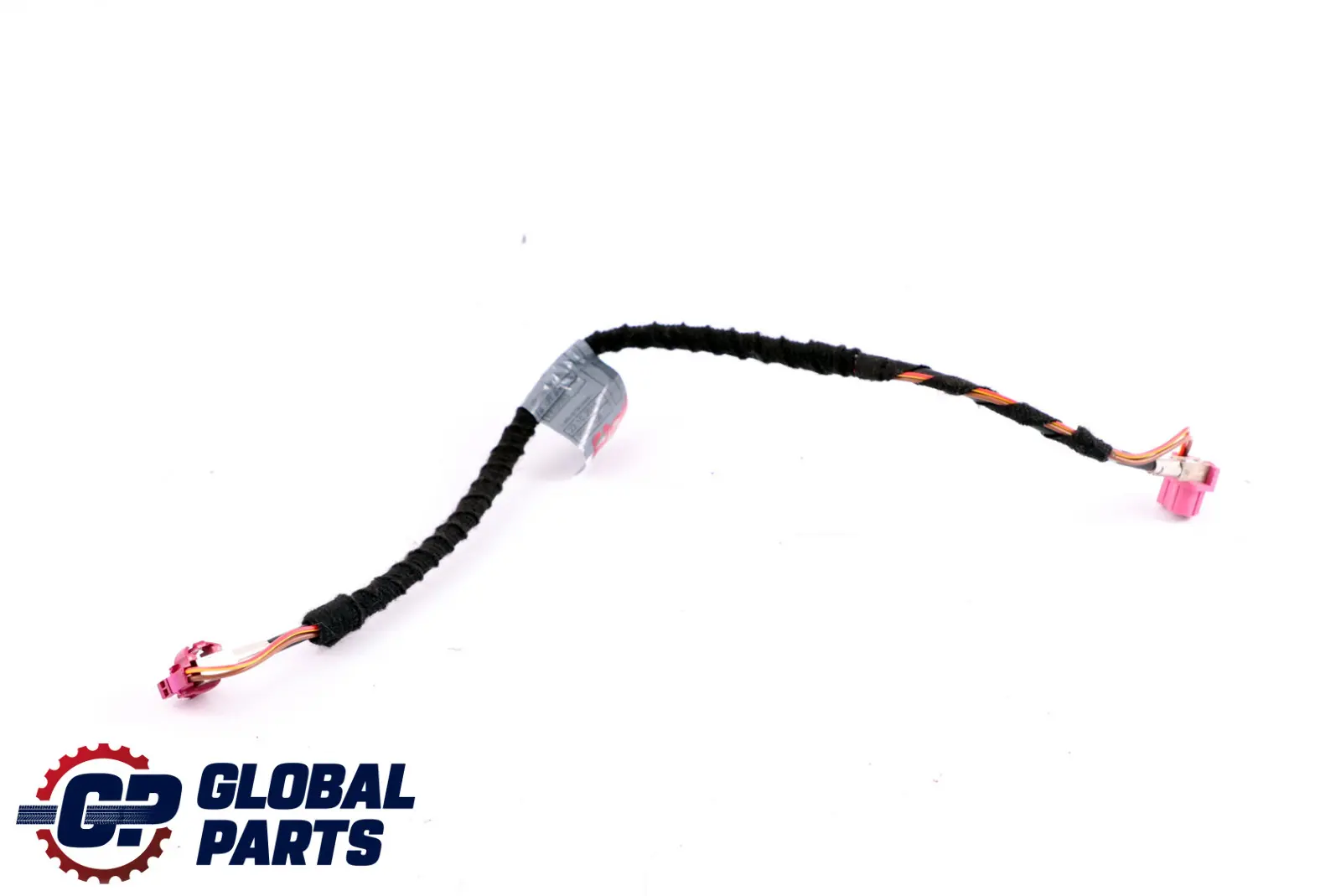
Part no. 9321939
Navigation Connecting Cable BMW F20 F22 LCI F30 Line CID/HU-H L=430mm 9321939
£18.95
Free delivery: Oct 07
If paid before 14:00
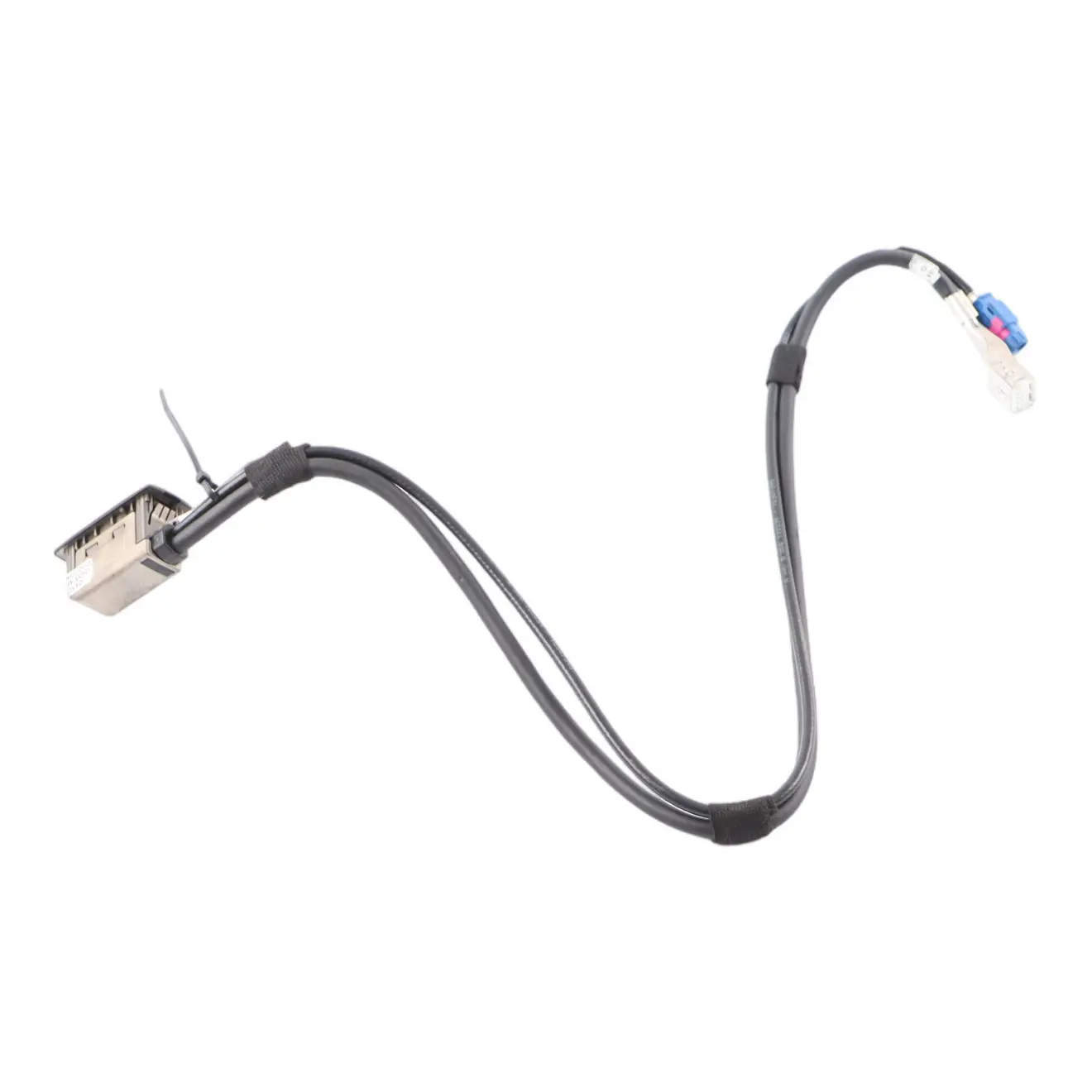
Part no. A2468201815
Multimedia Interface Wiring Mercedes C118 X156 W176 Cable Connector A2468201815
£18.95
Free delivery: Oct 07
If paid before 14:00
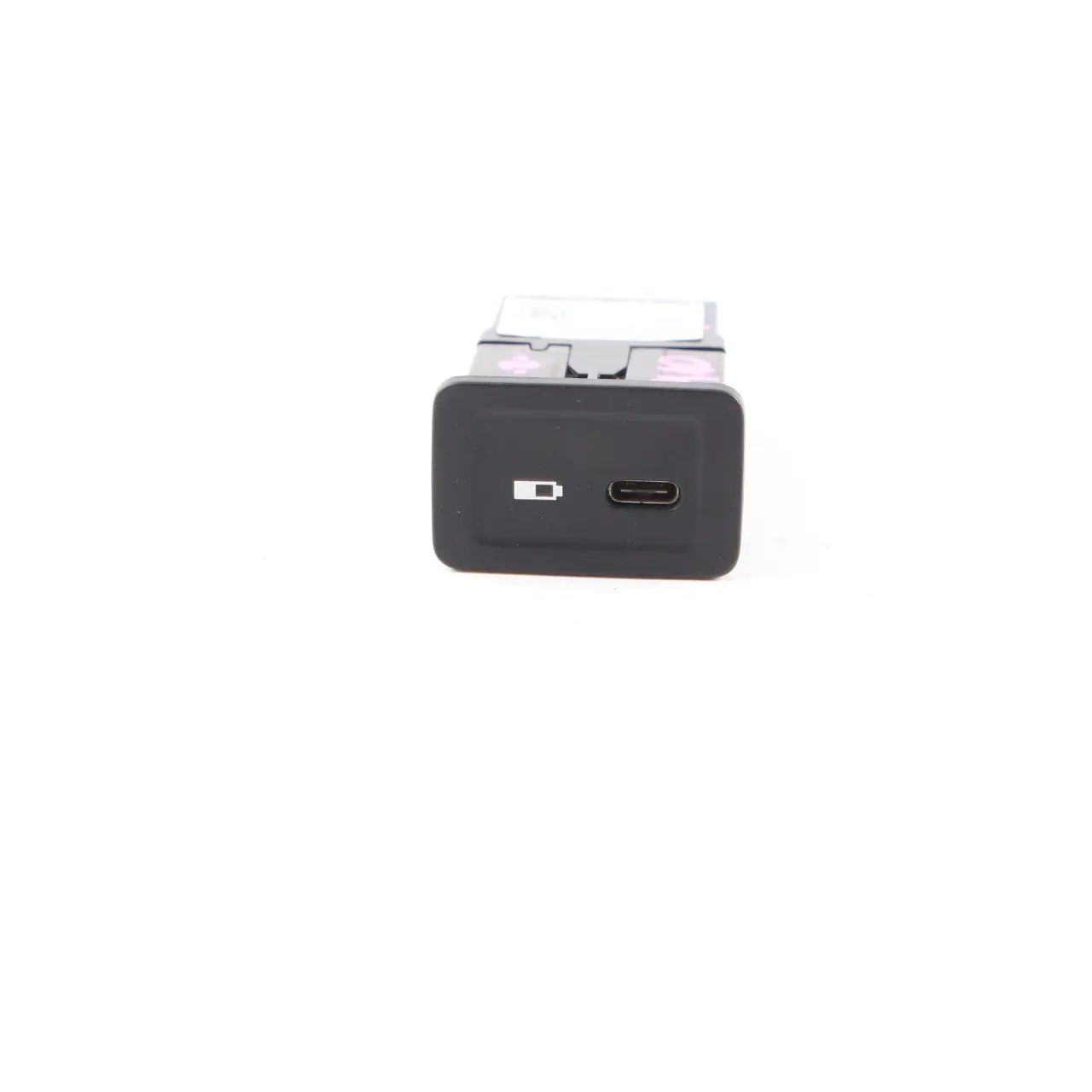
Part no. A2478200401
Mercedes Sprinter W910 USB Aux Port Socket A2478200401
£18.95
Free delivery: Oct 07
If paid before 14:00
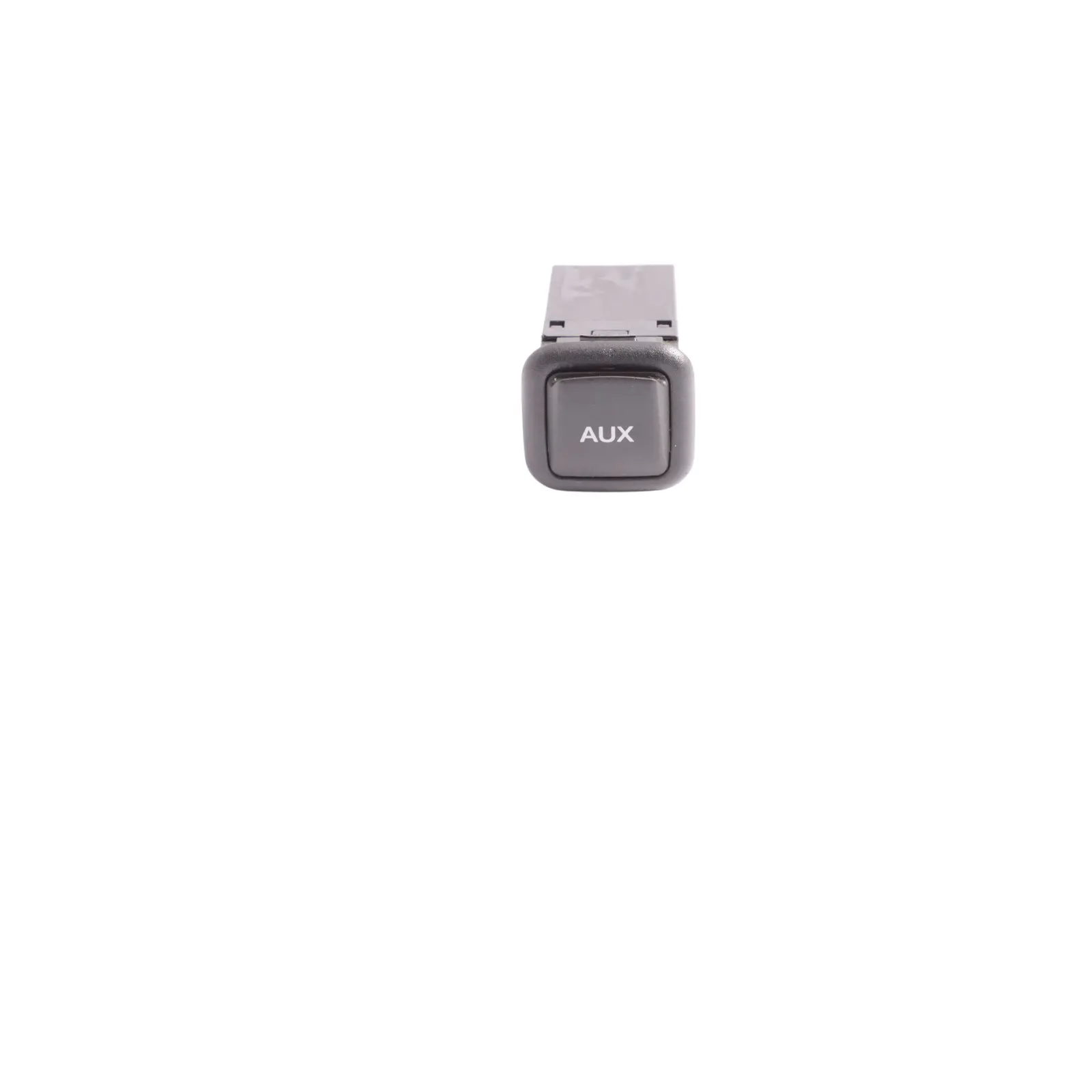
Part no. 8J0035475
Audi A1 8X AUX Connection Port Socket 8J0035475
Product currently unavailable
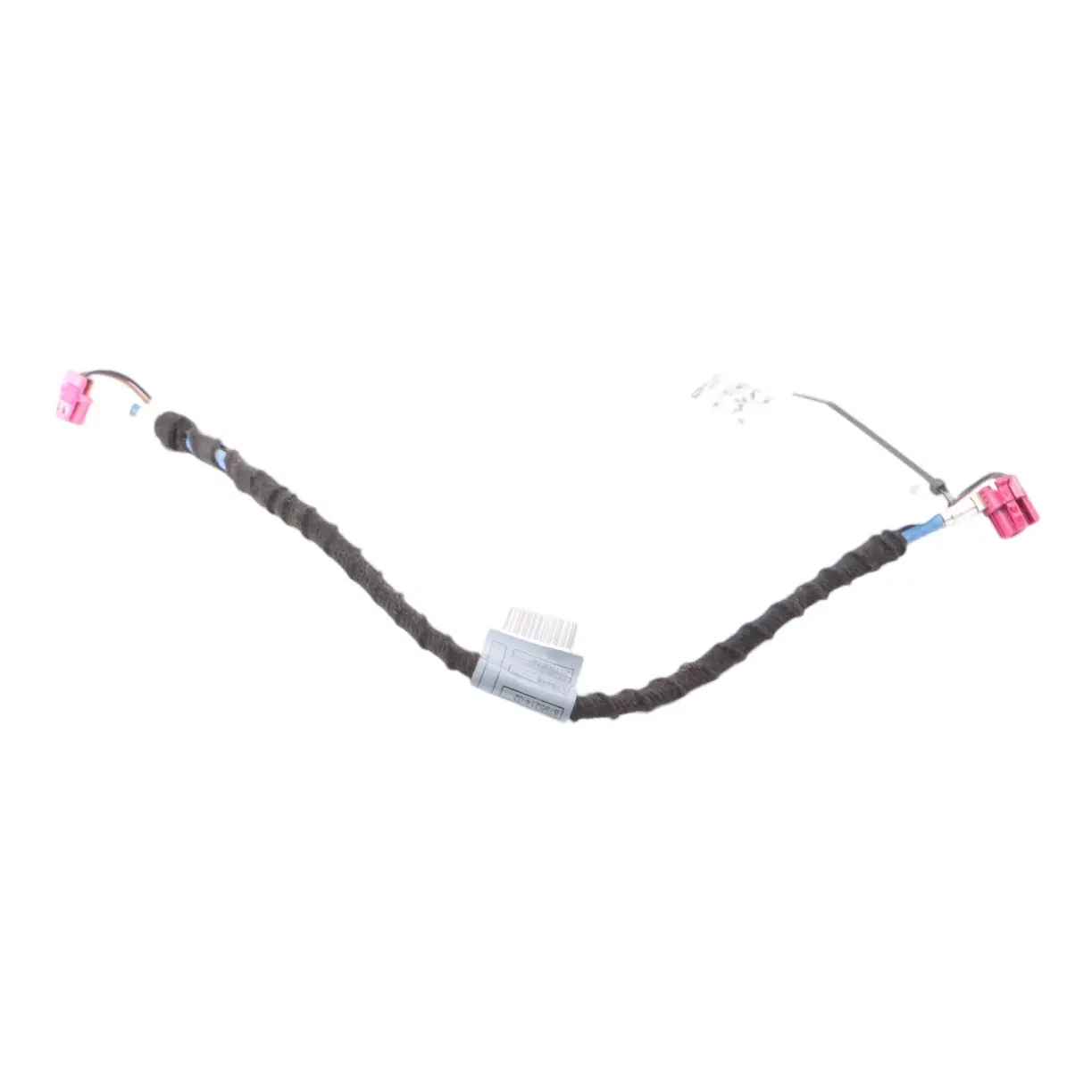
Part no. 8795214
BMW F30 F32 F36 Navigation Connecting Cable Line Display Wiring 8795214
Product currently unavailable
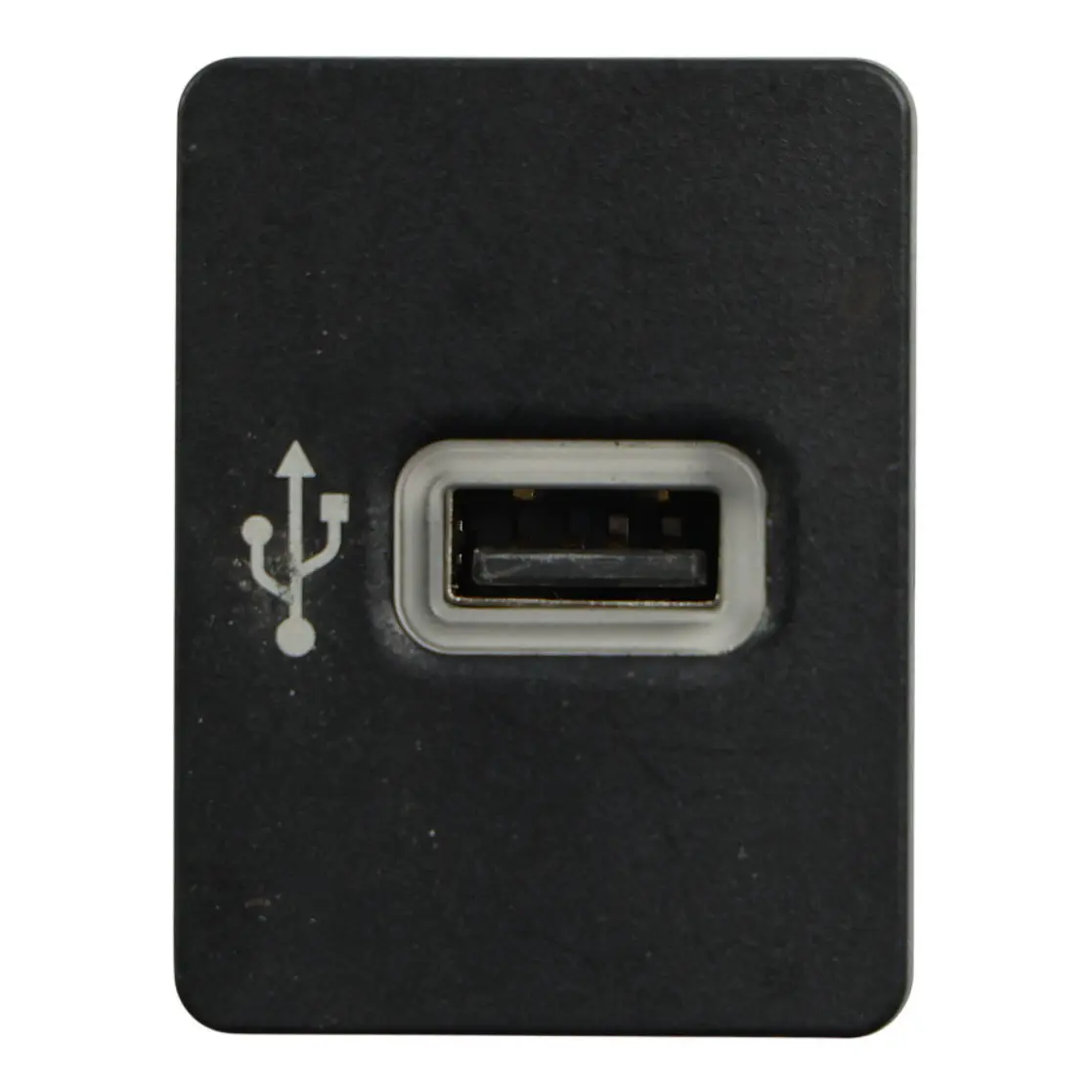
Part no. JK2T-14F014-AB
Ford Transit Custom USB Auxiliary Port Socket Connector JK2T-14F014-AB
Product currently unavailable
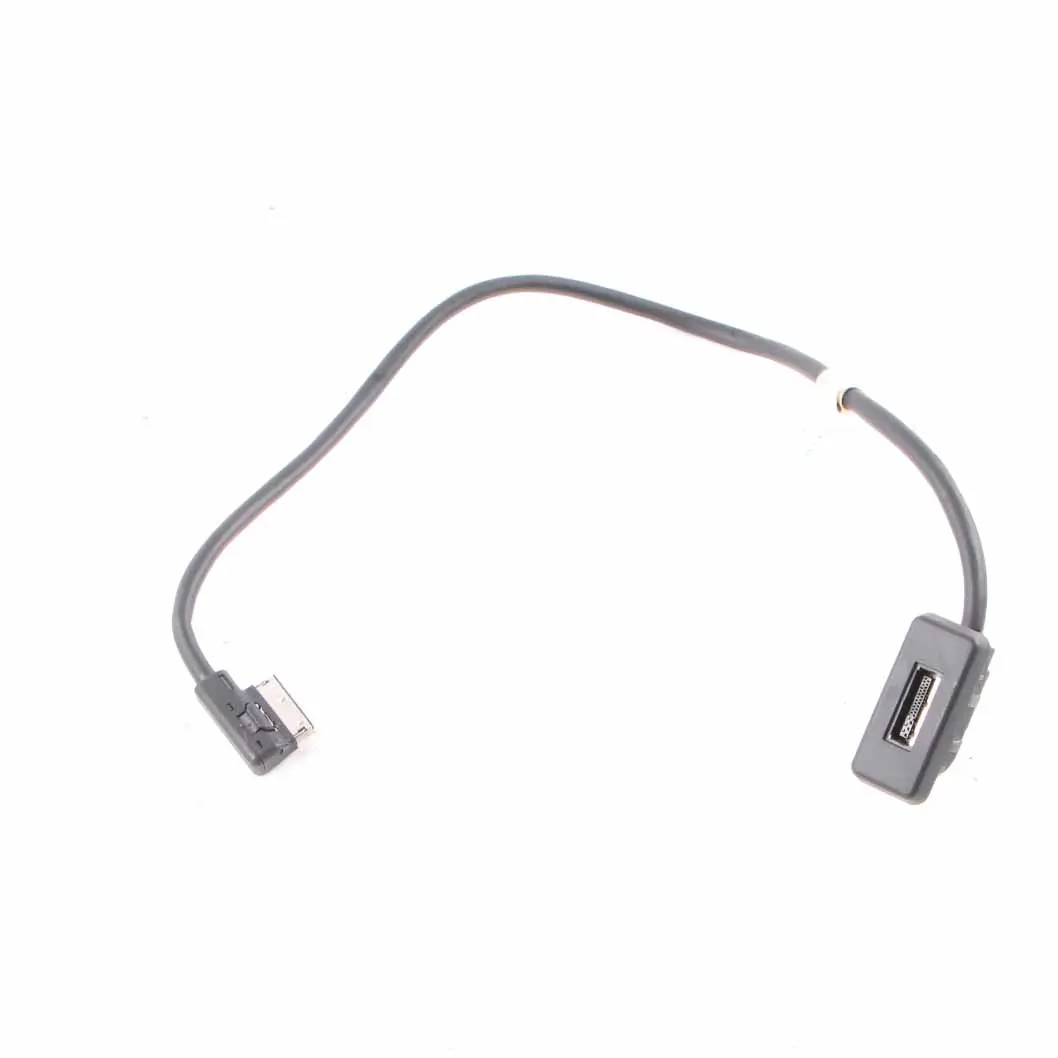
Part no. A0008210406
Port Cable Mercedes W169 W245 Media Multimedia Interface Cable A0008210406
Product currently unavailable
Audio Interface Cables
In the Global Parts automotive store, you will find a wide selection of used car parts, compatible with brands such as Mercedes, BMW, Audi, and others. Aux and audio cables are components of the multimedia system that connect the radio, audio module, CD changer, input socket, or other devices to the vehicle's sound system. A typical cable in this category consists of insulation, signal wires, plugs, and connector housings, and its compatibility should be verified against the vehicle's equipment, OEM number, and the type of factory system.
Construction and purpose of aux and audio cables
Aux and audio cables are wires used to transmit audio signals between the car's multimedia equipment components. They are most often installed behind the radio, in the center console, near the armrest, in the glove compartment, or near the factory input socket. Their task is to maintain a stable connection between the sound source and the receiver, which is why it is necessary to check the connector type, cable length, number of pins, and installation version when selecting them.
Comparison of aux and audio cable variants
| Cable type | Application | What to check before purchase |
|---|---|---|
| AUX cable with jack connector | Connecting an external sound source to the factory audio input | Plug type, cable length, socket mounting location, compatibility with the radio module |
| Cable with a dedicated radio plug | Connecting an AUX socket or multimedia module to the head unit | OEM number, pin layout, pre-facelift or post-facelift version, audio system type |
| Audio signal harness | Connecting several installation elements, e.g., radio, amplifier, and panel | Number of connectors, plug color, presence of shielding, mounting points, and replacement numbers |
Importance of compatibility and cooperating components
An audio cable is used to transmit signals without interference, crackling, or playback interruptions. In practice, it works with the radio, multimedia module, input socket, and sometimes also with an amplifier or the factory installation in the center console. If you are looking for a component such as an Audi A3 8P climate control panel, it is worth verifying the cable routing in the console simultaneously, as the way the harness is routed and access to the connectors can depend on the interior layout.
Selecting a cable by OEM number and equipment version
Selecting an audio cable involves comparing not only the connector itself but also compatibility with the specific vehicle system. Product cards may contain data such as brand, condition, OEM part number, and replacement numbers, which makes it easier to compare the item with the part removed from the car. When completing a repair for a specific model, e.g., Audi A4 B8, it is good to verify the radio version, the type of input socket, and the cable location, and for more complex installations, cables and wiring harnesses as well as adapters and plugs are also helpful.
Installation and practical condition check of the cable
Installing aux and audio cables involves routing the wire correctly without kinks, tension, or slack at the connectors. A shielded cable means a wire equipped with a layer that limits electromagnetic interference, which is important especially for longer installation sections and proximity to other power cables. When choosing an item like an Audi A6 C7 steering wheel, you usually check the buttons and control connectors, whereas with audio cables, it is worth comparing the plug lock, number of pins, insulation condition, and whether the installation works with steering wheel control adapters or fuses and fuse holders. Additional information about parts and their selection can be found in the article: Luxury within reach – how to service a Porsche legend using proven used parts. This is a useful reference point for those who want to compare original elements based on equipment, build quality, and installation compatibility.
FAQ
| Question | Answer |
|---|---|
| What is the construction and purpose of aux and audio cables? | Aux and audio cables are multimedia installation wires responsible for transmitting audio signals between devices in a car. A typical element consists of signal wires, insulation, shielding, and terminations matched to the radio, socket, or audio module. Installation usually takes place within the center console, glove compartment, armrest, or directly behind the head unit. |
| What are aux and audio cables used for? | Aux and audio cables are used to transmit signals from an external or factory sound source to the vehicle's sound system. They allow for the connection of an AUX socket, multimedia module, or other element cooperating with the radio. Their proper operation affects playback continuity, sound quality, and connection stability. |
| What is the construction and function of a shielded audio cable? | A shielded audio cable is a wire equipped with a protective layer that limits the influence of electromagnetic interference on the audio signal. In addition to conductive wires, it has an additional shield that improves transmission stability in a car installation. Such a solution is particularly important when the cable runs close to other electrical harnesses or power devices. |
| How to choose aux and audio cables for a specific car? | It is best to compare the OEM number, connector type, number of pins, and the cable's mounting location in the car. You must also consider the equipment version, radio type, presence of a factory audio module, and any replacement numbers. In many cases, checking the cable removed from the vehicle before purchase is also helpful. |
| What symptoms indicate a problem with an audio cable in a car? | Typical symptoms include sound loss, playback interruptions, crackling, or no response after connecting a device. The cause may be damaged insulation, a loose connector, a broken wire, or connector incompatibility with the car's installation. It is then worth checking the condition of the socket and the plug mounting. |
| What product offer data should be noted before installation? | For aux and audio cables, the vehicle brand, OEM part number, item condition, and replacement numbers are of primary importance. It is also good to check the connector type, harness routing, plug color, and compatibility with the pre-facelift or post-facelift version if the model had several installation variants. Such verification facilitates part matching without unnecessary modifications. |
Summary: aux and audio cables in the Global Parts automotive store
Aux and audio cables are practical multimedia equipment elements that help maintain a proper connection between the radio, audio module, and input socket. The Global Parts offer includes used parts for many brands, including Mercedes, BMW, Audi, and others, and when choosing, it is worth comparing the OEM number, connector type, equipment version, and mounting location. We invite you to contact us – we are here to help! For more information and interesting facts, please visit our automotive blog.