


Callipers & Parts
Find it faster
Match to your vehicle
Make
Category
Condition
In Stock
Price
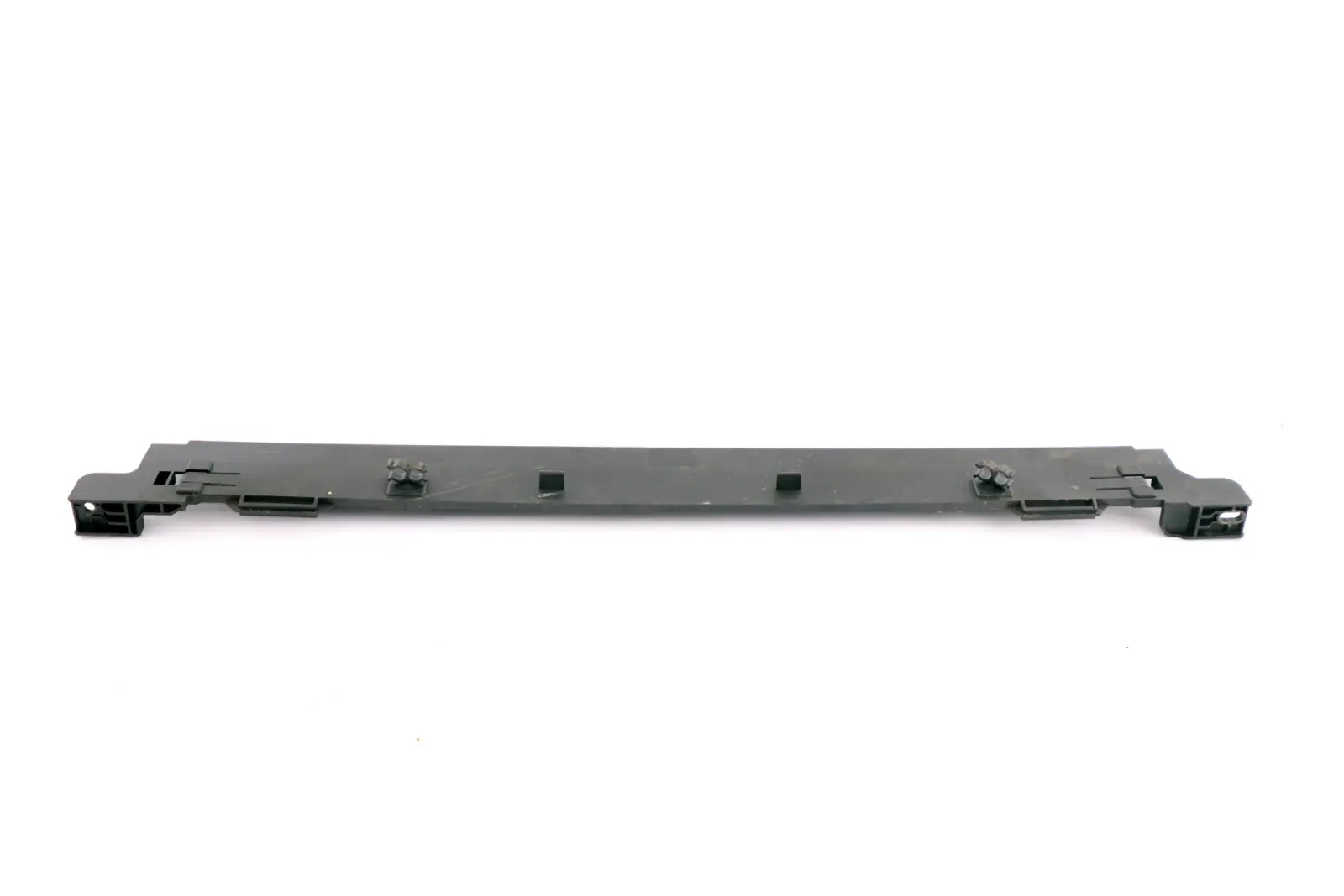
Part no. 7848788
BMW 3 4 Series F80 M3 F82 M4 Upper Top Front Radiator Mounting Seal 7848788
Product currently unavailable
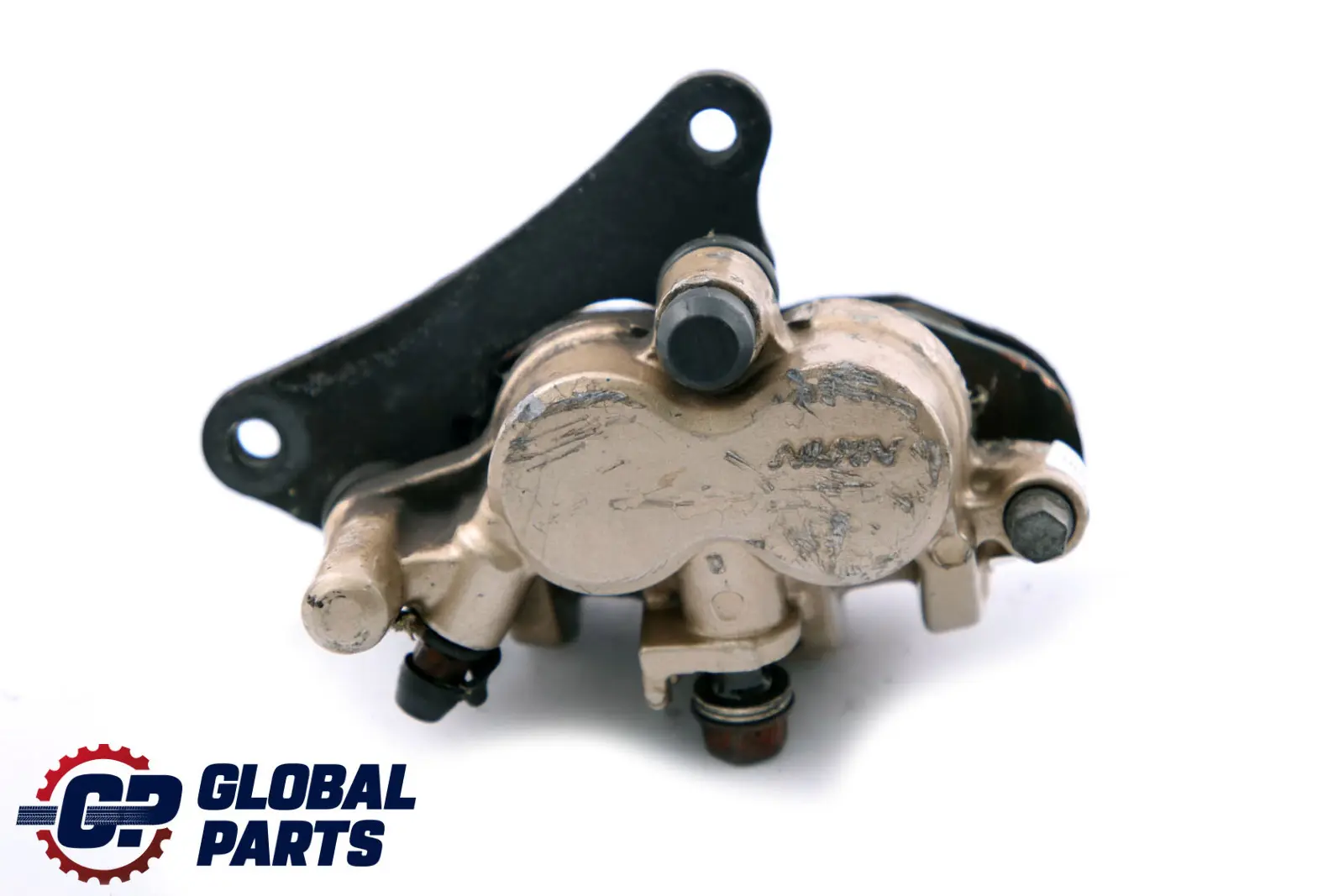
Part no. Honda CBR 125 Front Caliper
Honda CBR 125 Front Wheel Brake Caliper Housing Carrier
Product currently unavailable
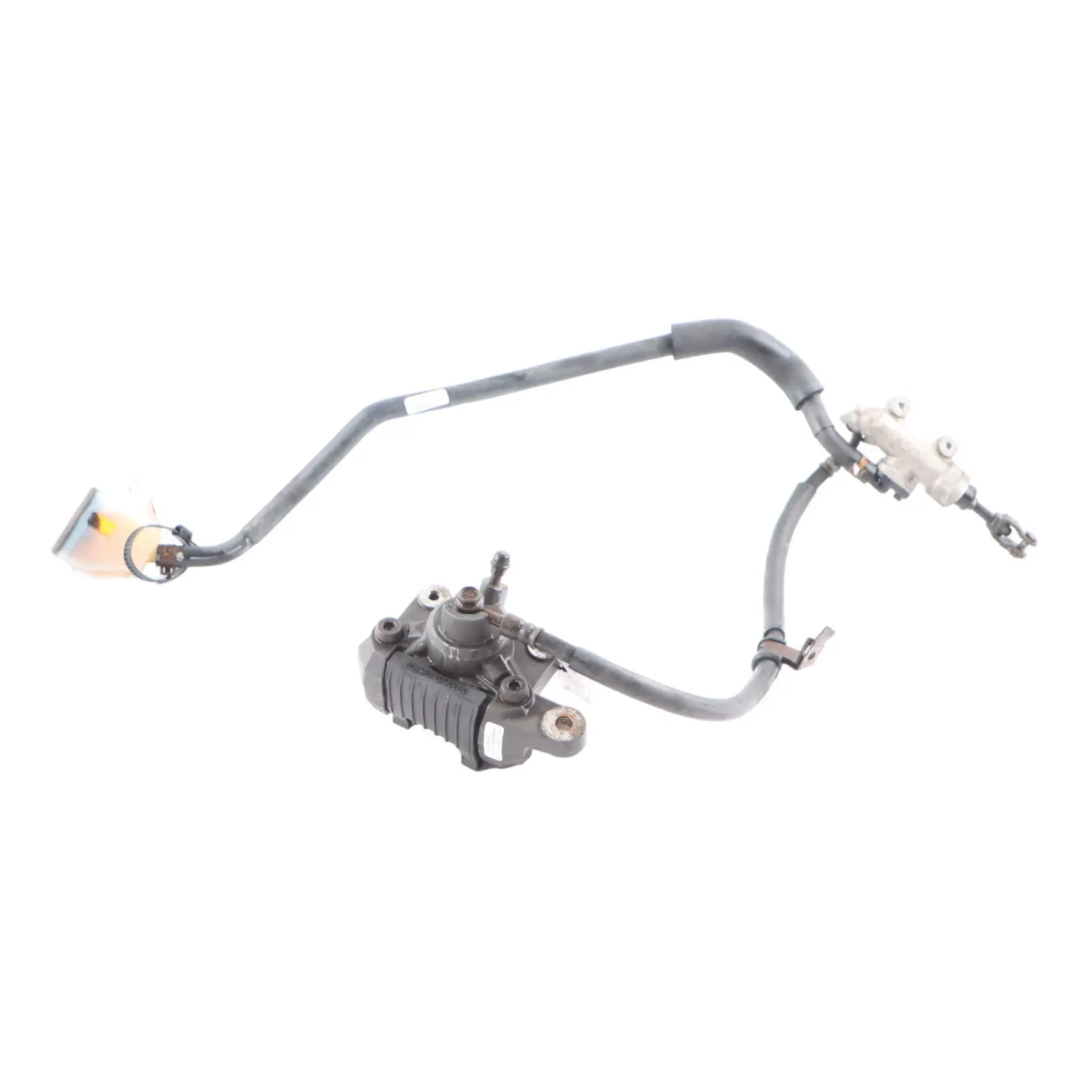
Part no. 6910005851000
Suzuki SV 650S Rear Wheel Brake Caliper Unit 69100-05851-000
Product currently unavailable
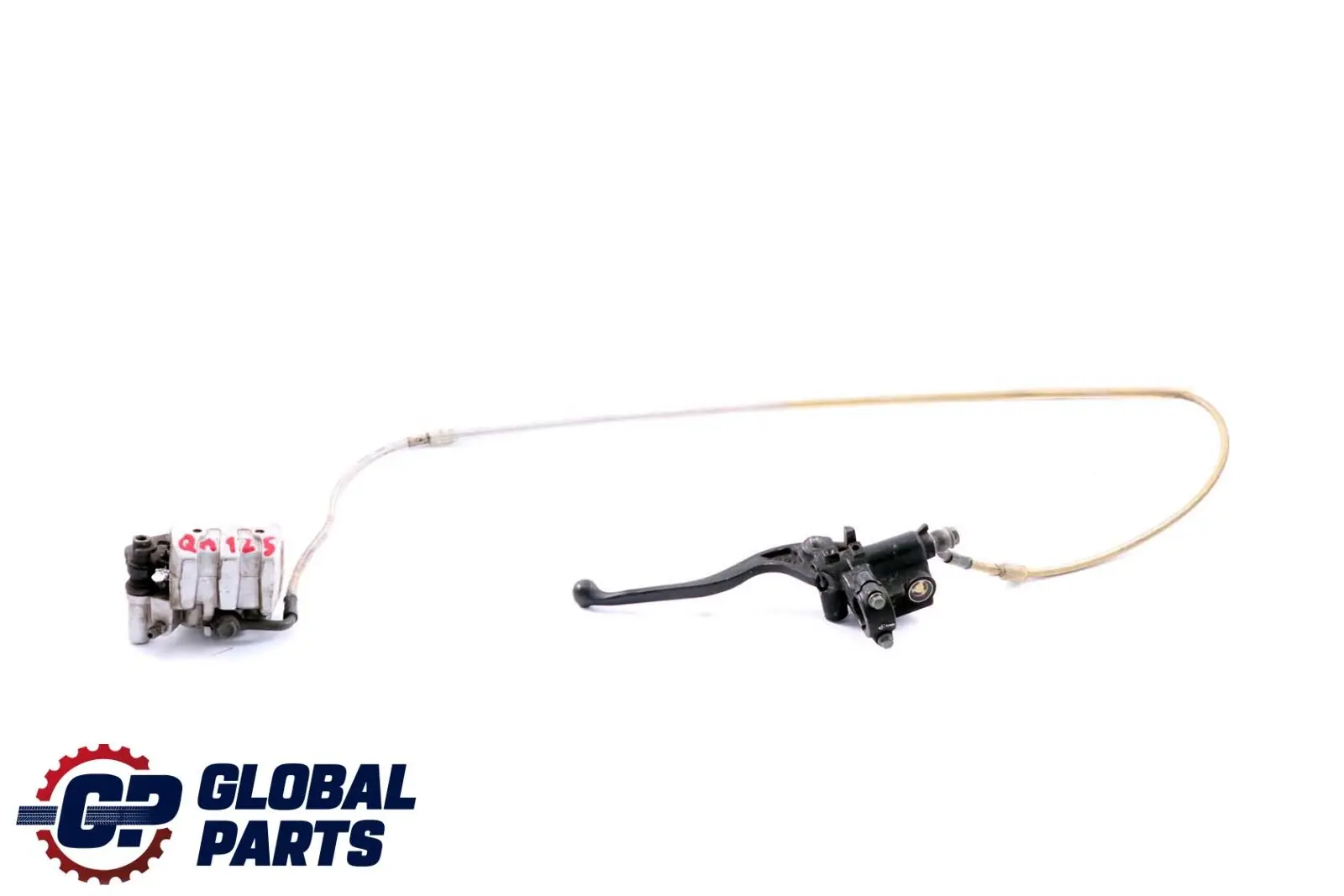
Part no. Qingqi QM 125 Front Caliper
Qingqi QM 125 Front Brake Caliper Linkage Actuator Master Cylinder
Product currently unavailable
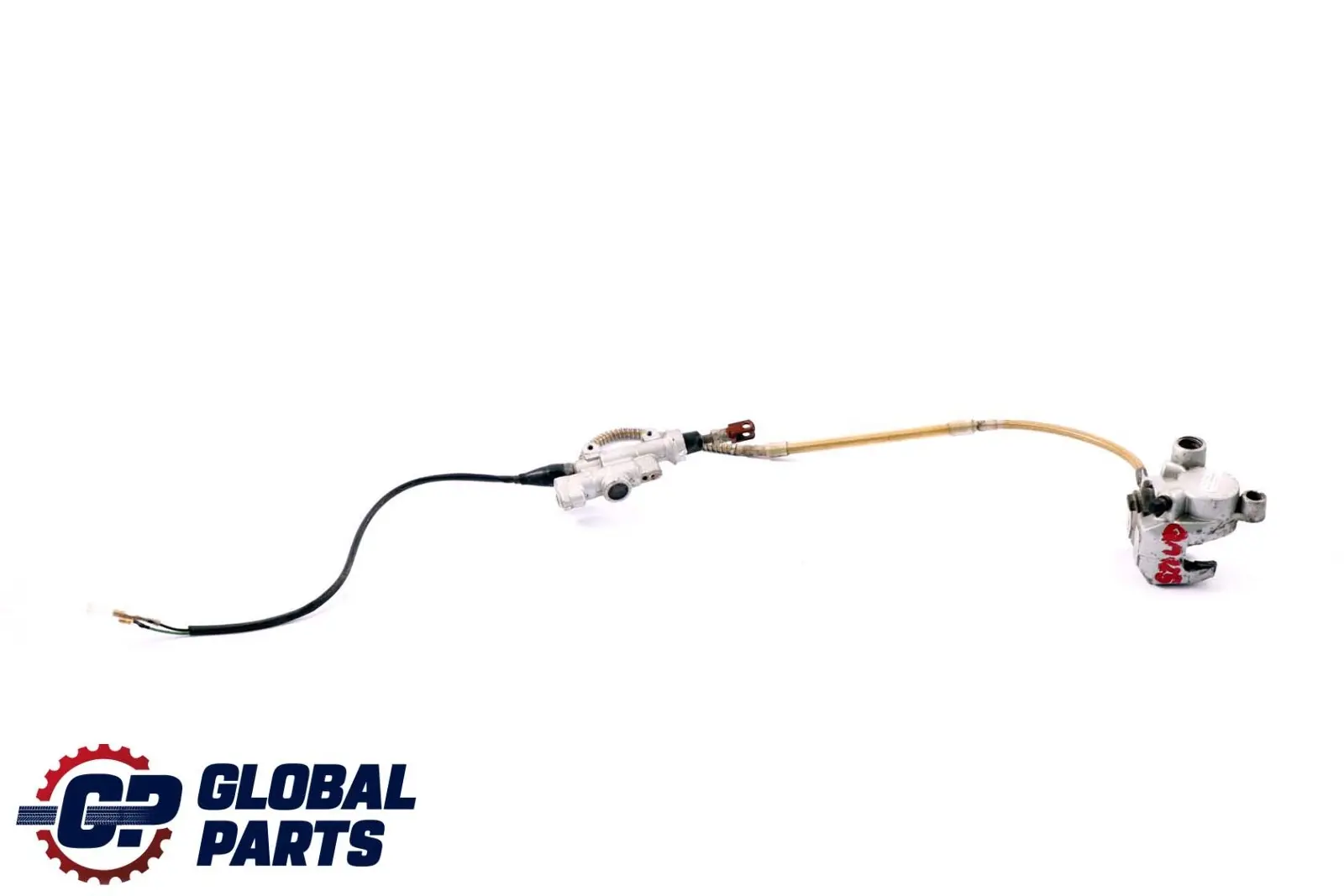
Part no. Qingqi QM 125 Rear Caliper
Qingqi QM 125 Rear Brake Caliper Linkage Actuator Master Cylinder
Product currently unavailable
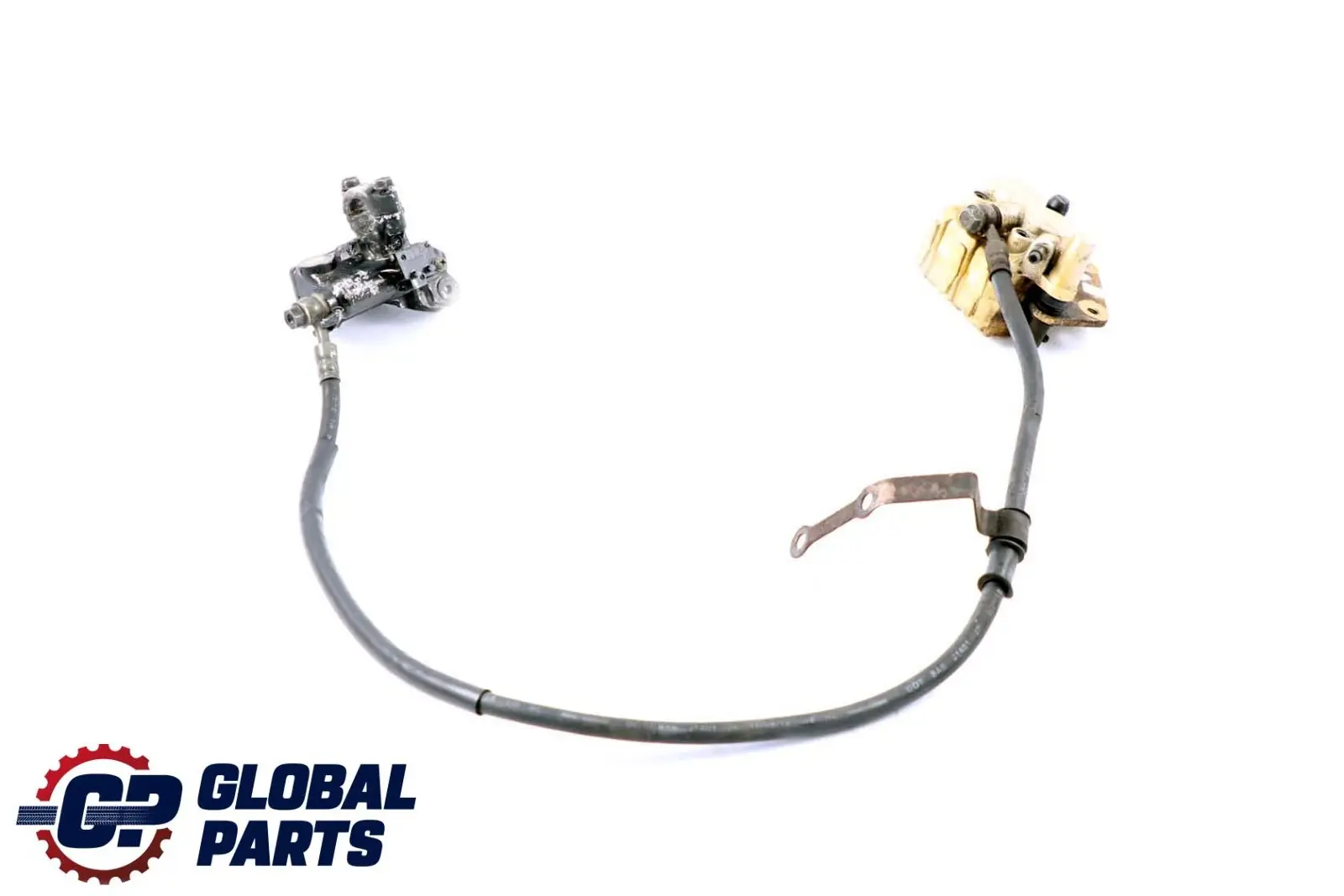
Part no. SFM 125 Front Caliper
SFM Roadster 125 Front Brake Caliper Linkage Actuator Master Cylinder
Product currently unavailable
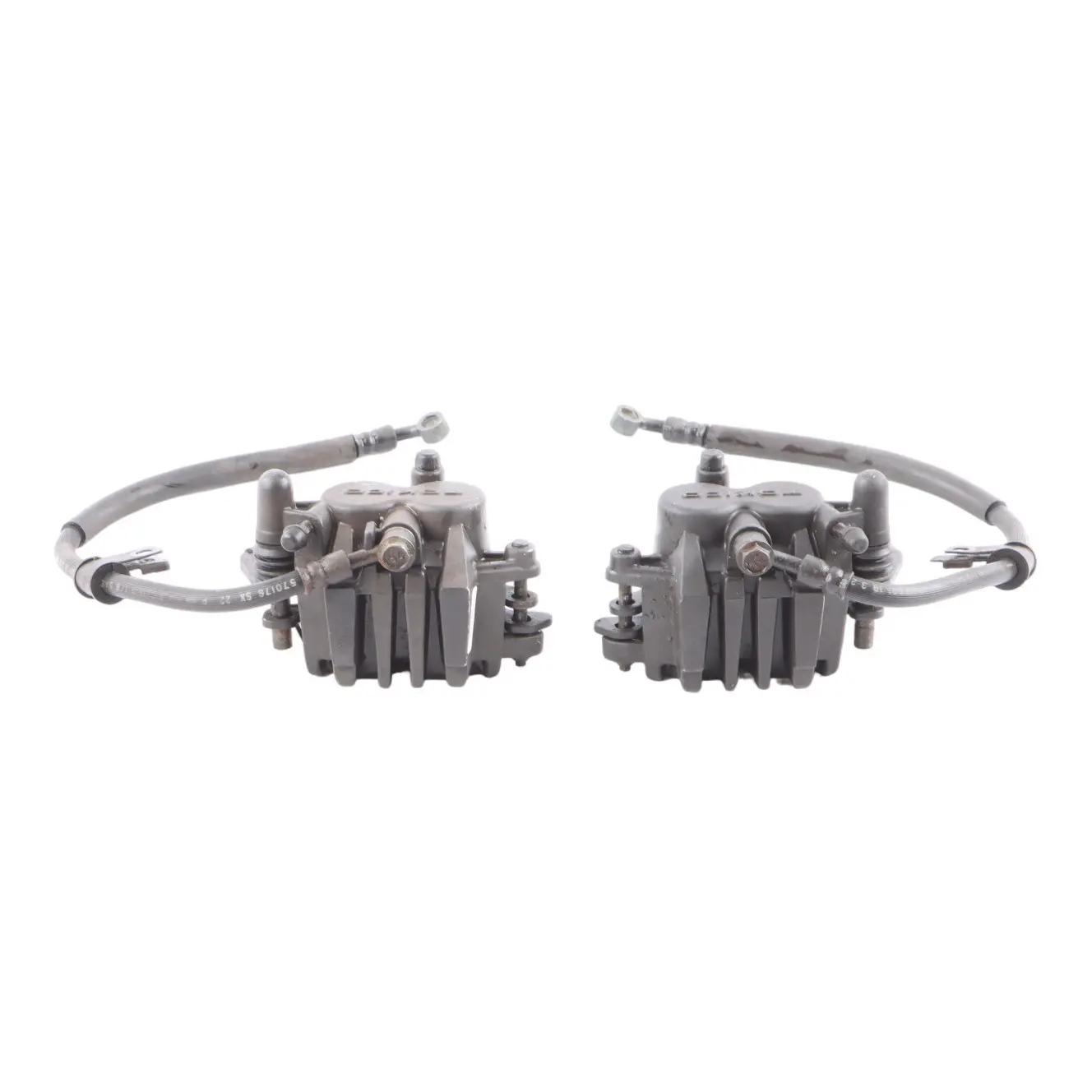
Part no. 5910033D80000
Suzuki SV 650S Front Wheel Brake Caliper Unit Set 59100-33D80-000
Product currently unavailable
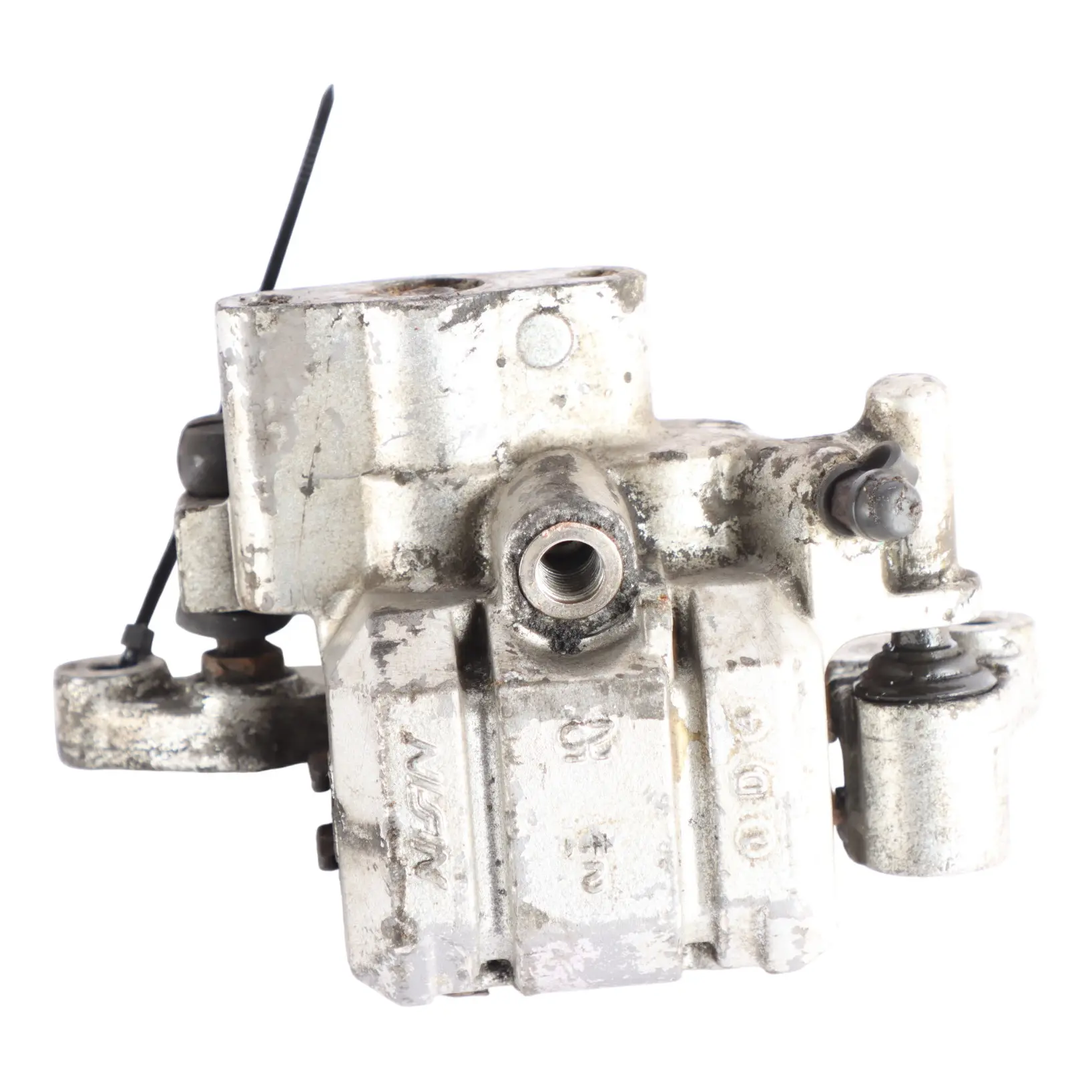
Part no. 6910014850000
Suzuki Burgman Skywave AN400Y Rear Wheel Brake Caliper 69100-14850-000
Product currently unavailable
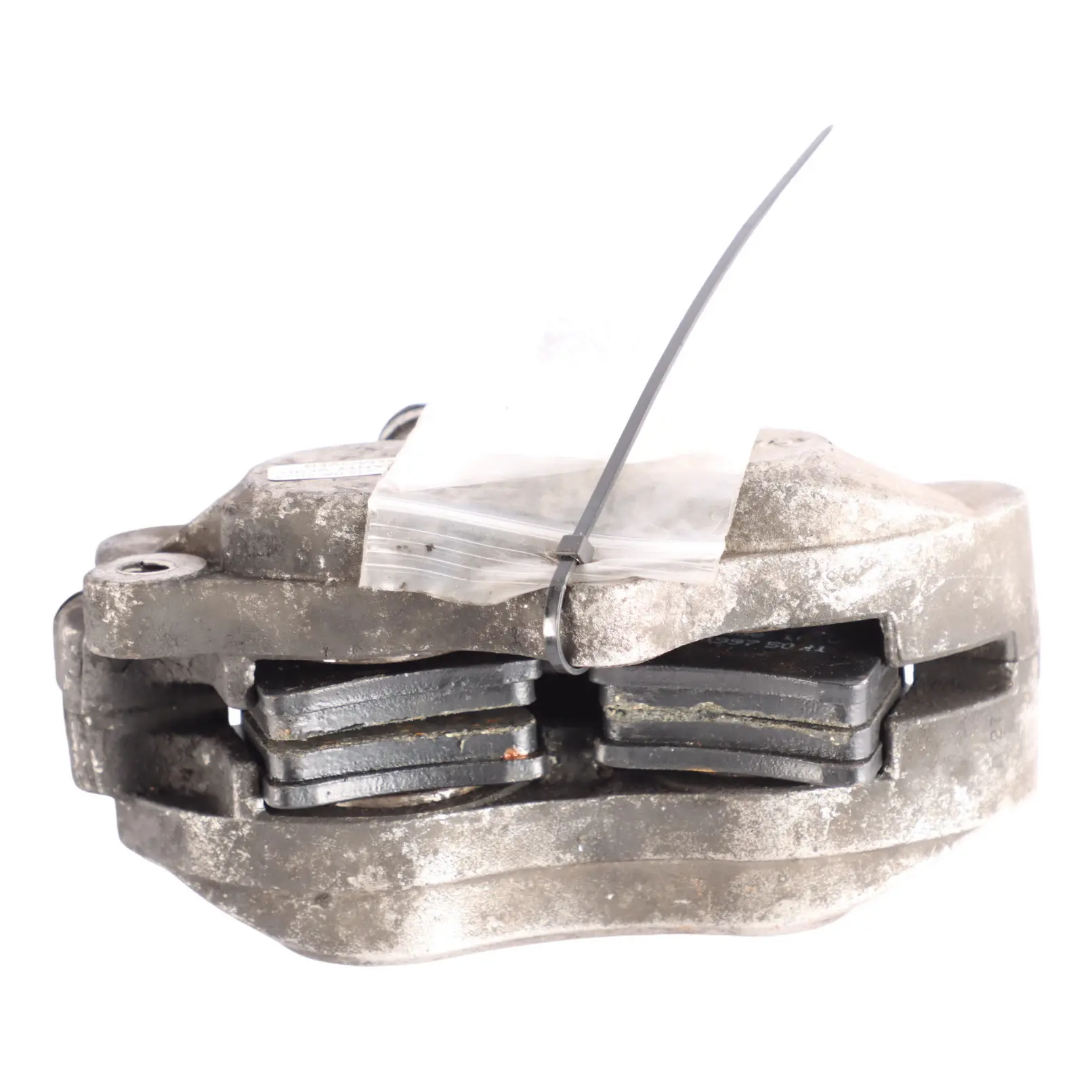
Part no. 5930014F40999
Suzuki Burgman Skywave AN400Y Front Wheel Brake Caliper 59300-14F40-999
Product currently unavailable

Part no. CB250-FRONT-BRAKE-CALIPER
Honda CB250 Front Brake Caliper Part
Product currently unavailable
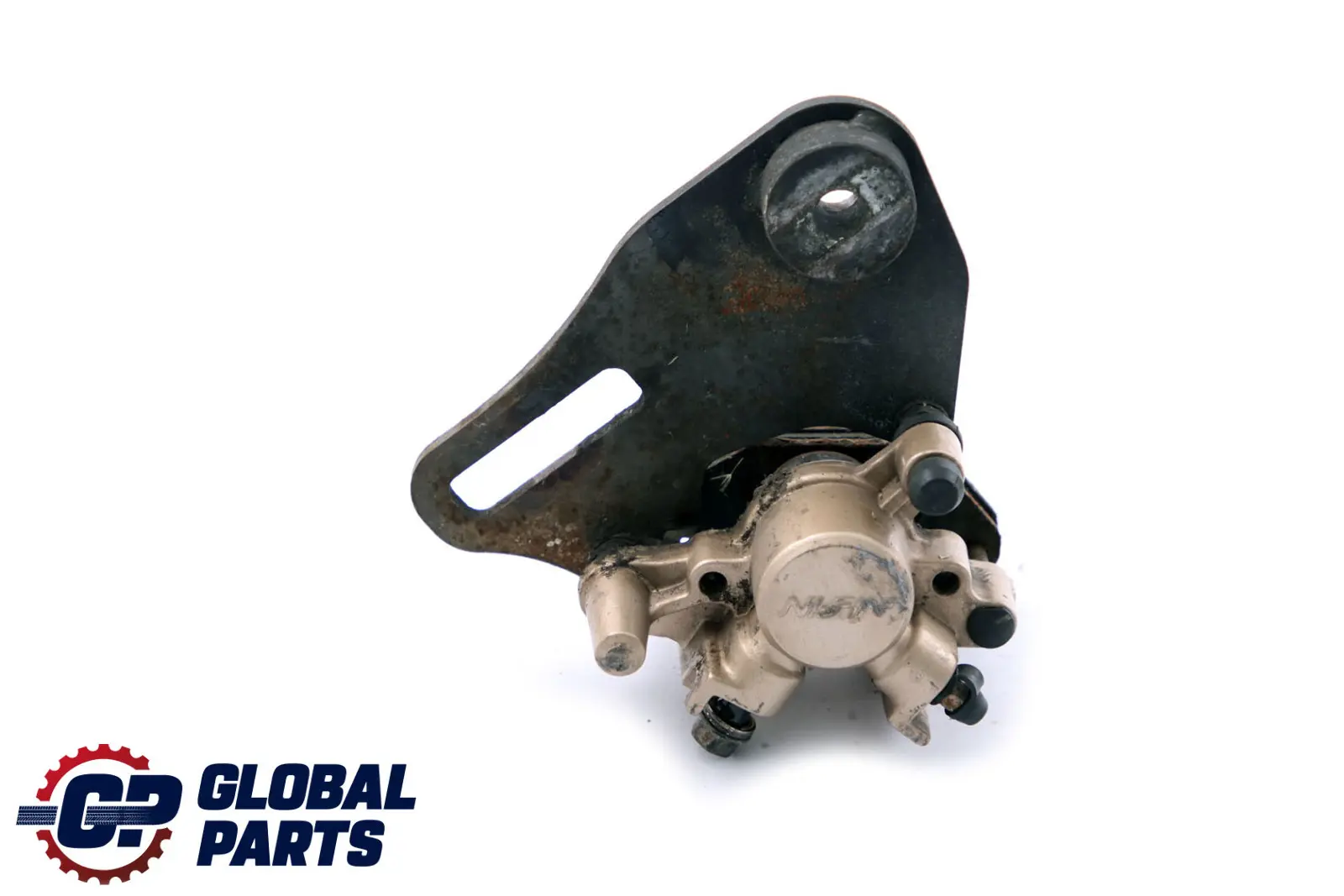
Part no. Honda CBR 125 Rear Caliper
Honda CBR 125 Rear Wheel Brake Caliper Housing Carrier Holder
Product currently unavailable
Callipers & Parts
In the Global Parts automotive store, you will find a wide selection of used car parts, compatible with brands such as BMW, Suzuki, Unbranded, and many others.
Construction and purpose of brake calipers and carriers
Brake calipers and carriers are components of the braking system mounted at the wheel, in the immediate vicinity of the brake disc or drum, depending on the vehicle's design. The brake caliper is used to press the brake pads against the disc once the hydraulic system is activated, while the carrier is responsible for the stable seating of the caliper and maintaining its correct position relative to the disc. A typical set consists of a housing, guide pins, mounting points, and areas that interface with the brake pads and brake line. This category also includes components that can be matched by OEM number, replacement numbers, and vehicle placement.
Comparison of brake caliper and carrier variants
| Variant | Construction | Application | What to check before selection |
|---|---|---|---|
| Front caliper | Working housing with piston(s), guide pins, pad mounting points | Front axle of the vehicle | Mounting side, carrier type, OEM number, diameter of the mating disc, and brake line connection type |
| Rear caliper | Working housing, guide pins, often includes parking brake mechanism | Rear axle of the vehicle | Compatibility with the handbrake, mounting side, OEM part number, and system version |
| Caliper carrier | Rigid support element with mounting holes and caliper guidance | Front or rear, depending on the vehicle version | Mounting spacing, compatibility with the caliper type, disc version, and vehicle placement |
Function of brake calipers and the importance of proper fitment
The brake caliper is used to convert brake fluid pressure into pressure on the brake pads, allowing the vehicle to decelerate and stop effectively. The caliper carrier is responsible for the proper guidance of the entire assembly and the even operation of the pads, which is crucial for pad wear and braking stability. In practice, it is necessary to compare not only the OEM number but also the mounting side, body version, and the type of mating components, such as brake discs or brake pads. When selecting a part for a specific system, it is also worth verifying compatibility with the mounting point and the type of carrier.
Mating components and practical installation tips
The caliper carrier is a rigid support element that keeps the caliper on the correct working axis and determines the position of the pads relative to the disc. The correct fitment of the entire set and the smooth movement of working parts along the guide pins depend on the carrier's compatibility. When choosing an item such as a BMW E90 brake caliper, it is worth checking the OEM number, mounting side, and whether the part is intended for the front or rear. Repairs are often supplemented by repair kits and brake hoses, lines, and connectors if the system requires more extensive verification.
Selecting parts by vehicle version and product data
When looking for parts for a specific model, such as the BMW E90, it is good to verify the engine version, the diameter of the mating disc, and the axle configuration. If you are looking for a component such as a Suzuki Swift caliper carrier, compare the hole spacing, caliper guidance type, and OEM part number, as these features affect the ability to install the part without modifications. Product descriptions in this category may include information about the brand, condition, OEM part number, replacement numbers, and vehicle placement, which facilitates neutral and technical matching. It is also worth checking our guide: Used automotive electronics on board – why choose second-hand ECU modules and sensors?, if you are also checking sensors and components interacting with other vehicle systems during brake diagnostics.
FAQ
| Question | Answer |
|---|---|
| What is the construction and purpose of brake calipers and carriers? | Brake calipers and carriers are parts mounted at the wheel that work with the brake disc and pads. A typical caliper consists of a housing, piston(s), guide pins, and brake line mounting points, while the carrier is responsible for seating and guiding the caliper. Their purpose is to ensure controlled pressure on the pads and maintain the correct working geometry of the entire assembly. |
| What are brake calipers and carriers used for? | Brake calipers and carriers are used to perform the braking process at the wheel. The caliper converts hydraulic pressure into clamping force, while the carrier stabilizes its position and influences even pad operation on both sides of the disc. Without properly selected components, uneven pad wear, issues with caliper guidance, and reduced braking efficiency may occur. |
| What is the construction and function of a caliper carrier? | A caliper carrier is a rigid mounting element to which the brake caliper is bolted or within which it is guided. It contains mounting holes, surfaces that interact with guide pins, and contact points for the brake pads. Its function is to keep the caliper in the correct position relative to the disc and ensure the correct path for the friction elements. |
| How to select a brake caliper or carrier for a specific car? | It is best to compare the OEM number, mounting side, vehicle axle, and brake system version. It is also worth checking which disc and carrier the part works with, and whether the car has a specific type of rear parking brake. Replacement numbers and data on vehicle placement are also helpful. |
| What symptoms may indicate a problem with a caliper or carrier? | Typical symptoms include uneven pad wear, wheel overheating, rolling resistance, or uneven braking. In practice, the cause is often a seized guide pin, housing damage, or mounting incompatibility after a previous repair. During inspection, it is worth assessing the condition of the mounting points and the interaction with other system components. |
| What data from the offer should be noted before installation? | Before installation, it is worth checking the brand, part condition, OEM part number, replacement numbers, and exact vehicle placement. Differences between the left and right sides and between the front and rear axles are also important. Such a comparison reduces the risk of mismatch and speeds up the assembly of the correct set. |
Summary: brake calipers and carriers at the Global Parts automotive store
The brake calipers and carriers category includes parts essential for the proper operation of the braking system, so when choosing, it is worth comparing the OEM number, mounting side, and compatibility with the vehicle version. The Global Parts offer includes used components for many brands, including BMW, Suzuki, Unbranded, and others, which makes it easier to match parts to a specific car configuration. Feel free to contact us – we are here to help! For more information and tips, we also invite you to visit our automotive blog.