


Brake Cables
Find it faster
Match to your vehicle
Make
Category
Condition
In Stock
Price
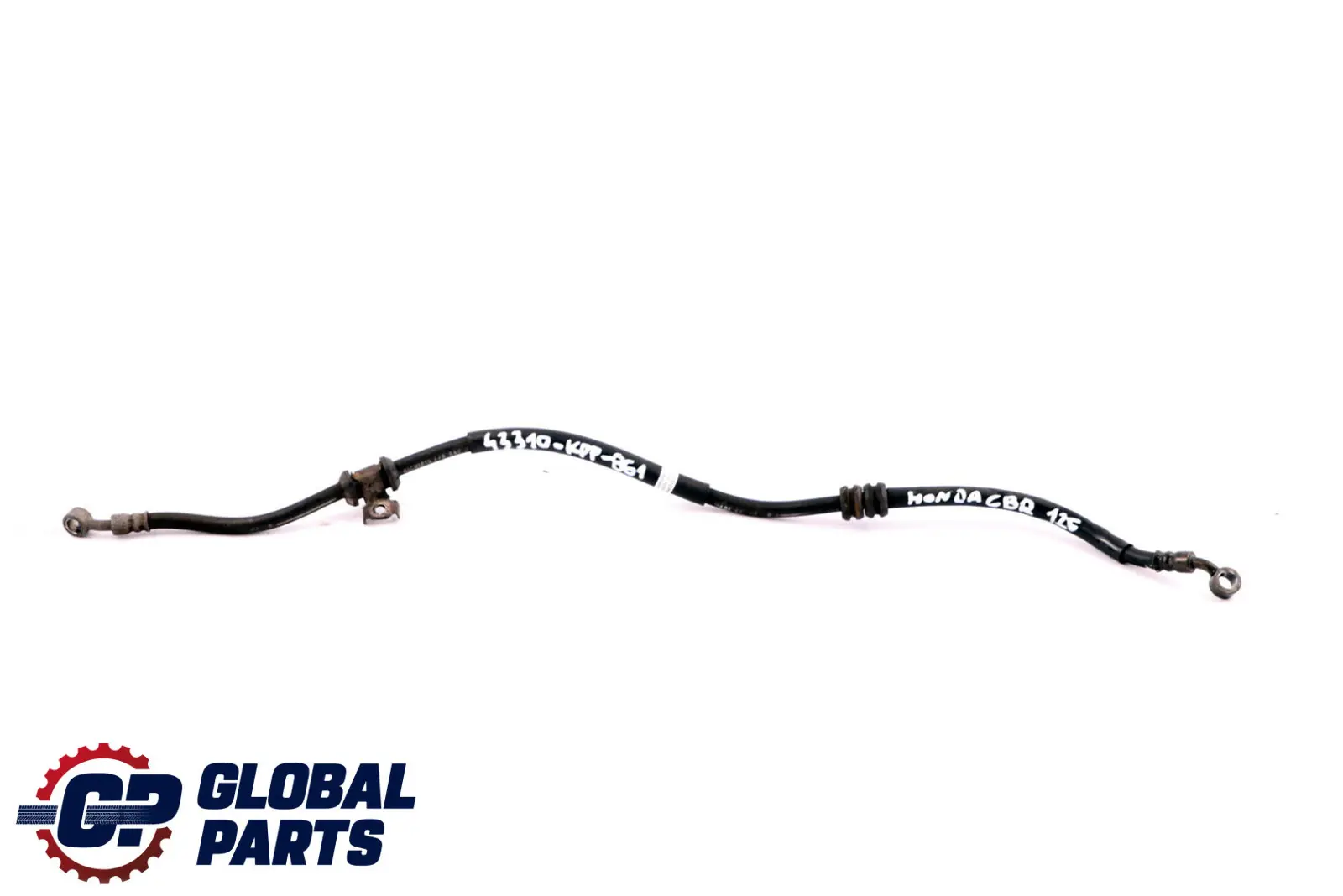
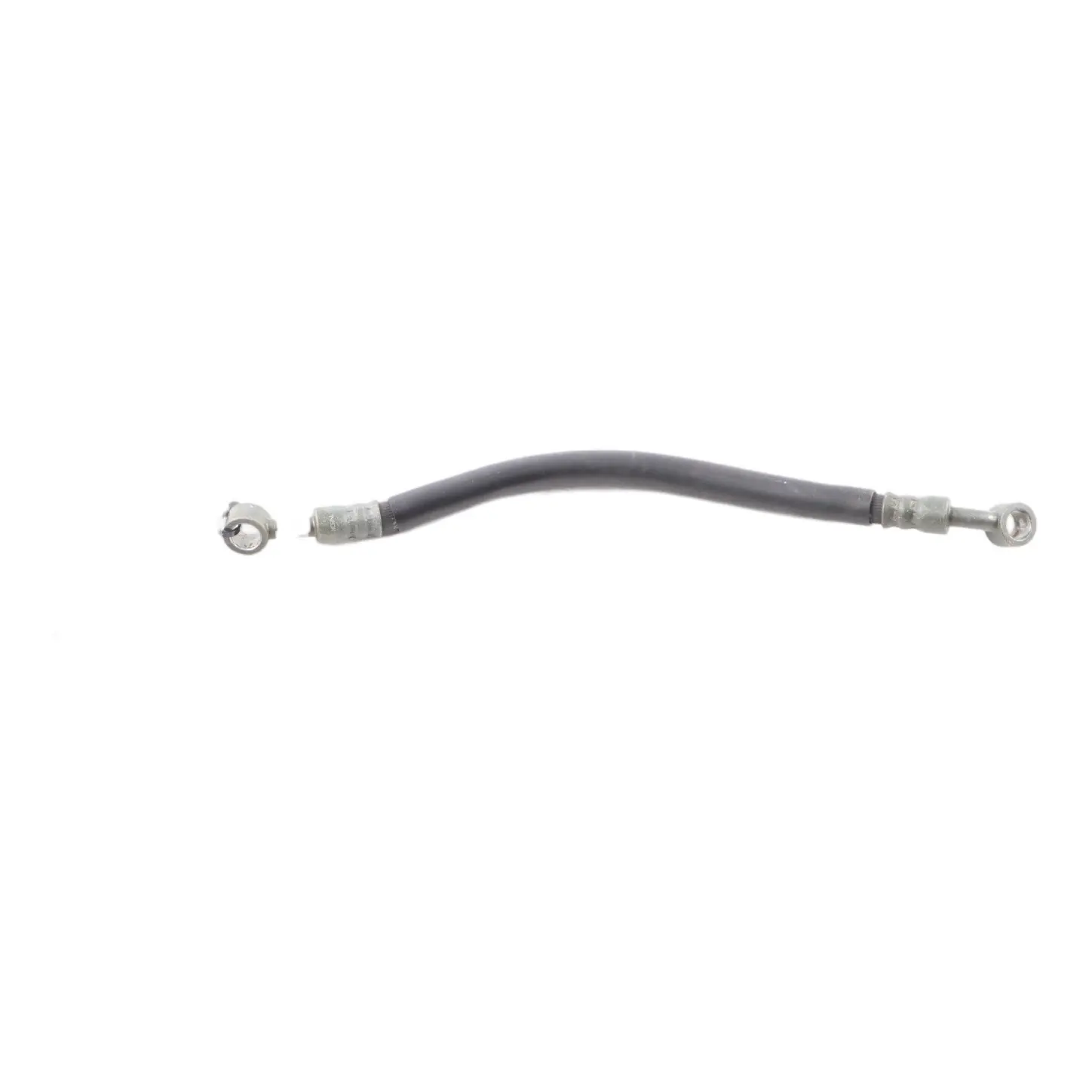
Brake Cables
In the Global Parts automotive store, you will find a wide selection of used car parts from the brake cables and rods category, suitable for many car brands, including components used in vehicles such as Suzuki and versions labeled as Unbranded. These are parts belonging to the braking system, so when choosing, it is worth paying attention to the OEM part number, replacement numbers, vehicle placement, and compatibility with the specific car version.
Construction and purpose of brake cables and rods
Brake cables and rods are mechanical components of the braking system that transmit force from the lever, pedal, or intermediate mechanism to the brake actuators. They are most often mounted within the parking brake or auxiliary systems, where precise cable movement and correct positioning of mounting points are essential. A typical element consists of a steel cable or rod, mounting ends, protective covers, guides, and attachment points adapted to a specific side of installation. Brake cables and rods are used to transmit movement without excessive play and without interfering with the operation of other system parts. Their correct fit is important not only for the effectiveness of applying the parking brake but also for the uniform operation of the mechanism on both sides of the vehicle. In practice, it is necessary to compare the working length, type of ends, and the routing of the part under the chassis.
Comparison of brake cable and rod variants
| Component type | Characteristics | What to check before purchase |
|---|---|---|
| Parking brake cable | Flexible cable guided in a sheath, used between the lever and the braking mechanism. | OEM number, length, mounting side, type of ends, and mounting points. |
| Brake rod | Rigid element transmitting mechanical movement in a lever or spreader system. | Shape, diameter, attachment point, compatibility with the mechanism and system version. |
| Kit with intermediate elements | A set including the cable and cooperating attachments or connectors depending on the car's design. | Completeness, compatibility of replacement numbers, and vehicle placement. |
The role of brake cables and rods in system operation
The parking brake mechanism works correctly only when the cable moves smoothly and without binding. A brake cable is a component that operates inside a sheath and transmits force to the shoes, caliper, or mechanism lever, while a brake rod refers to a stiffer sub-assembly responsible for transmitting movement in a specific direction. If there is corrosion, seizing, or stretching of the element in the system, the lever travel and the precision of the entire mechanism's operation deteriorate. In practice, brake cables and rods work with parts such as brake shoes, brake calipers and brackets, and brake hoses, lines, and connectors. When selecting, it is worth looking at the entire system, not just a single sub-assembly. Technical knowledge can also be supplemented by our article: Go-Kart Feeling XXL: used N18 vs. B48 turbocharger – which one to choose for a Mini Cooper S?.
Selecting parts by OEM number and mounting location
When selecting brake cables and rods, it is best to start by comparing the OEM part number and information about the placement on the vehicle. In many cars, the distinction between the left and right side, the length of routing under the chassis, the body type, and the rear brake version are important. When choosing, it is also worth checking whether the part works with elements from the brake master cylinders category or the broader braking system and brake parts department. When completing a repair for a specific model, e.g., Suzuki Grand Vitara, it is good to verify the cable routing, the method of attachment to the beam or control arm, and compatibility with the equipment version. When choosing an element such as a Suzuki handbrake cable, it is crucial to compare the ends, sheath length, and attachment points at the lever. If a sub-assembly such as a Suzuki brake rod is sought, its shape, the point of cooperation with the spreader, and compatibility with the drum or parking brake mechanism must be checked.
Typical signs of wear and installation practice
The most common signs of wear include increased resistance when applying the parking brake, uneven operation of the left and right sides, excessive lever travel, and failure of the mechanism to return fully. Such signals do not always mean that one part is damaged, so before installation, it is worth inspecting the cable routing, the condition of the covers, and the mounting points at the body. In the case of systems with drum brakes, the cooperation with the spreader and the condition of friction elements must also be checked. During installation, the correct positioning of the part without twisting or excessive tension is important. After installation, check the freedom of movement and ensure that the element does not rub against other suspension components or underbody covers. A neutral and safe way to match parts remains comparing them by VIN, OEM number, and car version.
FAQ
| Question | Answer |
|---|---|
| What is the construction and purpose of brake cables and rods? | Brake cables and rods are mechanical elements responsible for transmitting movement and force in the braking system, most often within the parking brake. A typical cable consists of a steel core, a protective sheath, mounting ends, and covers, while a rod is a rigid link of a specific shape. These parts are mounted in places where the lever movement needs to be transferred to the braking mechanism without excessive play. |
| What are brake cables and rods used for? | Brake cables and rods are used to activate the parking or auxiliary brake mechanism through mechanical force transmission. Their task is to ensure smooth lever operation and uniform system performance on both sides of the vehicle. Without a properly selected cable, play, uneven parking braking, or problems with fully releasing the mechanism may occur. |
| What is the construction and function of a brake cable sheath? | A brake cable sheath is an external cover that guides the cable core and protects it from dirt, moisture, and mechanical damage. It is also responsible for maintaining the correct path of the cable and reducing friction during movement. In practice, its condition affects the ease of parking brake operation, the tightness of the covers, and the durability of the entire mechanism. |
| How to choose brake cables and rods for a specific car? | It is best to compare the OEM part number, replacement numbers, mounting side, and the type of element end. It is also worth checking the body version, rear brake type, and routing under the chassis, as structural differences can occur even within one model. If in doubt, matching by VIN is helpful. |
| What symptoms indicate wear of brake cables and rods? | Typical symptoms include heavier lever operation, excessive parking brake travel, failure to return fully, and uneven operation on one side. Corrosion of the ends, damage to the covers, and seizing of the cable in the sheath also occur. Such signals should be evaluated together with the condition of the braking mechanism and mounting points. |
| What product data should be considered before purchase? | The most important are the brand, condition, OEM part number, replacement numbers, and vehicle placement. For these parts, the type of ends, working length, and compatibility with the specific braking system version are also significant. The more accurately the catalog data is compared with the part removed from the car, the easier it is to ensure a proper fit. |
Summary: brake cables and rods at the Global Parts automotive store
Brake cables and rods are responsible for the correct transmission of movement in mechanical braking system components, so when choosing them, it is worth checking the OEM number compatibility, mounting type, and placement on the vehicle. The Global Parts offer includes used parts for many brands, including solutions used by Suzuki, which makes it easier to select the right sub-assembly for a specific car version. We invite you to contact us – we are here to help you! For more information and interesting facts, we also invite you to visit our automotive blog.