


Brake drums
More informationAt Global Parts, we offer a wide selection of original used car parts, including brake drums for many popular car brands such as BMW, Mini, Mercedes, Audi, Volkswagen, and others. Our brake drums undergo quality control to ensure you receive a top-quality product.
Find it faster
Match to your vehicle
GB
Make
Category
Subcategory
Condition
In Stock
Price

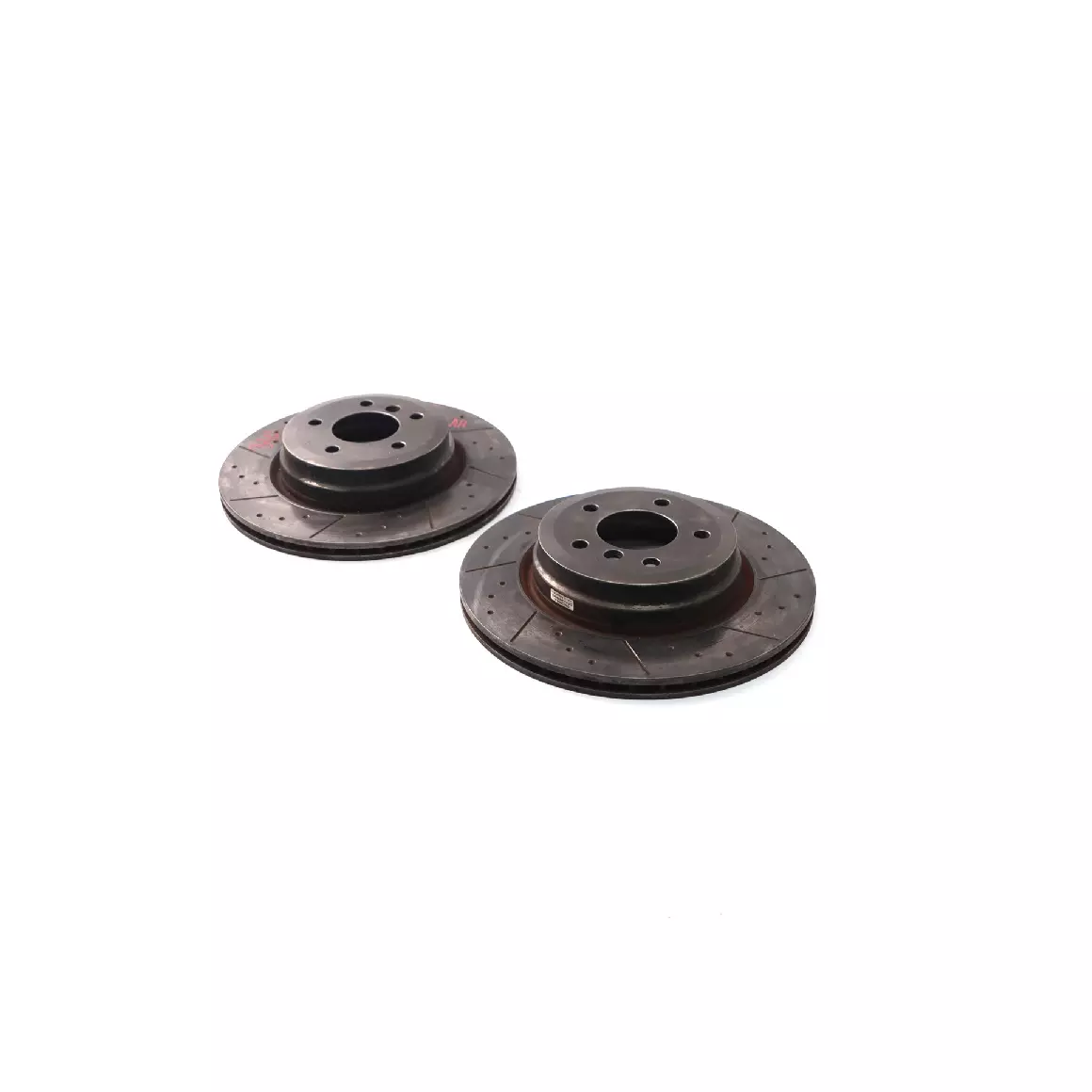
Brake drums for durability and compatibility with various vehicle models
Durable brake drums to fit your model
Brake drums are key components of the braking system, especially in older and smaller vehicles, which work in conjunction with brake shoes. They are responsible for generating braking force through friction, ensuring the vehicle stops stably. In the Global Parts automotive store, you will find a wide selection of used car parts, including brake drums, ideal for brands like Ford and many others.
Design and purpose of brake drums
Brake drums are enclosed components of the braking system and parts, most commonly mounted on the rear axle of a vehicle. Their operation involves expanding brake shoes inside a rotating drum, which generates friction and effectively reduces the vehicle's speed. In typical city cars, the diameter of the brake drum ranges from 180 to 230 mm, and its design promotes an even distribution of braking forces. This solution is widely used in models such as the Ford Fiesta Mk7, where brake drums work with a mechanical handbrake and a compact rear axle suspension, ensuring stability and space efficiency.
What functions do brake drums perform?
Brake drums play an essential role in the braking system:
- Generating braking force – By working with brake shoes, drums effectively reduce the vehicle's speed.
- Stability during braking – They ensure an even distribution of braking force to the wheels.
- Durability of the braking system – High-quality drums protect other braking components from excessive wear.
Components working with brake drums
Brake drums work directly with brake shoes, wheel cylinders, and the handbrake cable. Their proper fit affects the effectiveness of the entire system, including the even retraction of the shoes and the stable operation of the parking brake. In many models – including the Ford Fiesta Mk7 – integrated solutions are used, where the drum serves as both the working surface for the service brake and the parking brake. Due to their enclosed design, brake drums are less exposed to direct environmental factors, which contributes to the long service life of the entire braking assembly.
Comparison of brake drum parameters
| Parameter | Practical meaning | What to check before purchase |
|---|---|---|
| Working diameter | Affects compatibility with shoes and braking force | OEM number, diameter, and rear axle system version |
| Friction surface width | Determines proper shoe contact inside the drum | Compatibility with the set of brake shoes and handbrake mechanism |
| Mounting type | Defines how it is seated on the hub or integrated assembly | Bolt pattern, hub, OEM part number, and replacement numbers |
| Vehicle placement | Usually refers to the rear axle, but design depends on the car version | Mounting side, body version, and equipment compatibility |
Why is it worth taking care of brake drums?
Wear or damage to brake drums can lead to reduced braking efficiency and increased road risk. Typical symptoms of malfunction include:
- Noise or squealing during braking – May indicate excessive wear of the drums or brake shoes.
- Vibrations during braking – Uneven wear of the drums can cause vibrations when stopping the vehicle.
- Extended braking distance – Worn drums can reduce the efficiency of the braking system. If replacement is necessary, at Global Parts you will find suitable used car parts that will restore the full functionality of your braking system.
How to choose the right brake drums?
When choosing brake drums, you should pay attention to several key aspects:
- Compatibility with the vehicle model – Every braking system has its specific technical requirements. In the Global Parts automotive store, you will find brake drums matched to many models.
- Technical condition – Used drums should be free from cracks, deep scratches, and uneven wear.
- Drum size – Ensure that the selected drums are compatible with your braking system.
Principles of selection and compatibility verification
Brake drums are selected based on the OEM part number, replacement numbers, and data regarding placement on the vehicle. It is also important to compare the mounting type, working diameter, and whether the component works with specific brake cylinders or the handbrake mechanism. For parts such as Ford Fiesta Mk7 brake drums, it is also worth verifying the friction surface width and the rear axle version. When completing a repair, it is also good to check the condition of adjacent components, such as brake hoses, lines, and connectors as well as brake calipers and brackets in cars with mixed system configurations. Technical knowledge can be supplemented by the article Brake calipers under the microscope: How to effectively reduce repair costs by choosing proven recycled parts.
Matching brake drums to the Ford Fiesta Mk7
For models such as the Ford Fiesta Mk7, the compatibility of the drum diameter, working surface width, and hub mounting type is crucial. Brake drums for this model are designed with the compact rear axle suspension and optimized vehicle weight distribution in mind. Proper matching allows for maintaining factory braking parameters and compatibility with factory shoes and the handbrake mechanism, which facilitates installation and integration with other components.
Why choose used brake drums?
Used car parts, such as Brake drums, are an economical solution that allows for savings while maintaining high quality. By choosing used braking system components, you gain:
- Lower costs – Used drums are significantly cheaper than new ones but offer equally high quality.
- Ecology – Recycling parts supports environmental protection and reduces waste.
- Wide selection – In our store, you will find used brake drums for many car brands.
How to maintain brake drums?
To ensure brake drums work reliably for a long time, it is worth following a few rules:
- Regular inspections – Check the condition of the drums during periodic technical inspections of the braking system.
- Replace brake shoes on time – Worn shoes can accelerate drum wear.
- Avoid overloading the braking system – Careful braking reduces drum wear. Regular inspection of the working surface, return springs, and adjustment components allows for early detection of uneven wear patterns. The expansion mechanism refers to the assembly of levers and pivot points that transfer pressure to the shoes inside the drum; its efficiency affects even braking and the operation of the parking brake.
FAQ
| Question | Answer |
|---|---|
| What is the design and purpose of brake drums? | Brake drums are metal working components most commonly mounted on the rear axle of a vehicle. Their inner surface works with brake shoes, which, when expanded, press against the drum and generate friction. A typical component has a friction surface, a part seated on the hub, and a solution matched to a specific mounting method. The design must correspond to the car version, OEM number, and other parts of the braking assembly. |
| What are brake drums used for? | Brake drums are used to reduce vehicle speed through cooperation with shoes and cylinders. They are also responsible for the stable operation of the parking brake in systems where the drum serves a dual function. Without a properly selected drum, the system may operate unevenly, and the effectiveness of shoe retraction and braking uniformity may deteriorate. |
| What is the design and function of the expansion mechanism? | The expansion mechanism is an assembly of components that transfers force from the cylinder or handbrake system to the brake shoes. It serves to evenly press the shoes against the inner surface of the drum and to retract them after pressure is released. In practice, it works with springs, pivot points, and clearance adjustment, so its condition affects the effectiveness and consistency of braking. |
| How to choose brake drums for a specific car? | It is best to compare the OEM part number, replacement numbers, placement on the vehicle, and mounting type. It is also worth checking the working diameter, friction surface width, and compatibility with the used shoes and cylinders. For different equipment versions, verification via VIN is also helpful. |
| What symptoms indicate wear of brake drums? | Most commonly, these are friction noises, vibrations during braking, weaker stopping power, and uneven operation of the parking brake. Symptoms can also result from cooperating components, so it is worth evaluating the entire assembly, not just the drum itself. Checking the working surface and signs of wear facilitates an accurate assessment of the part's condition. |
| How to take care of brake drums after installation? | After installation, it is worth regularly checking the cleanliness of the assembly interior, the condition of the shoes, springs, and adjustment components. It is also good practice to check if the handbrake works evenly on both sides and if no unusual noises appear. Periodic inspection helps maintain the proper cooperation of all system parts. |
Summary: brake drums at the Global Parts automotive store
Brake drums are fundamental components of the braking system that ensure safety and braking effectiveness. The Global Parts offer includes used parts for many models, including for the Ford brand and others. When choosing, it is worth comparing the OEM number, replacement numbers, condition, placement on the vehicle, and compatibility with other system components. We invite you to contact us – we are here to help you! For more information and interesting facts, we also invite you to visit our automotive blog.