


Brake shoes
More informationAt Global Parts, we offer a wide selection of original used car parts, including brake shoes for many popular car brands such as BMW, Mini, Mercedes, Audi, Volkswagen, and others. Our brake shoes are quality-controlled to ensure you receive a top-quality product.
Find it faster
Match to your vehicle
Make
Category
Subcategory
Condition
In Stock
Price
-5%
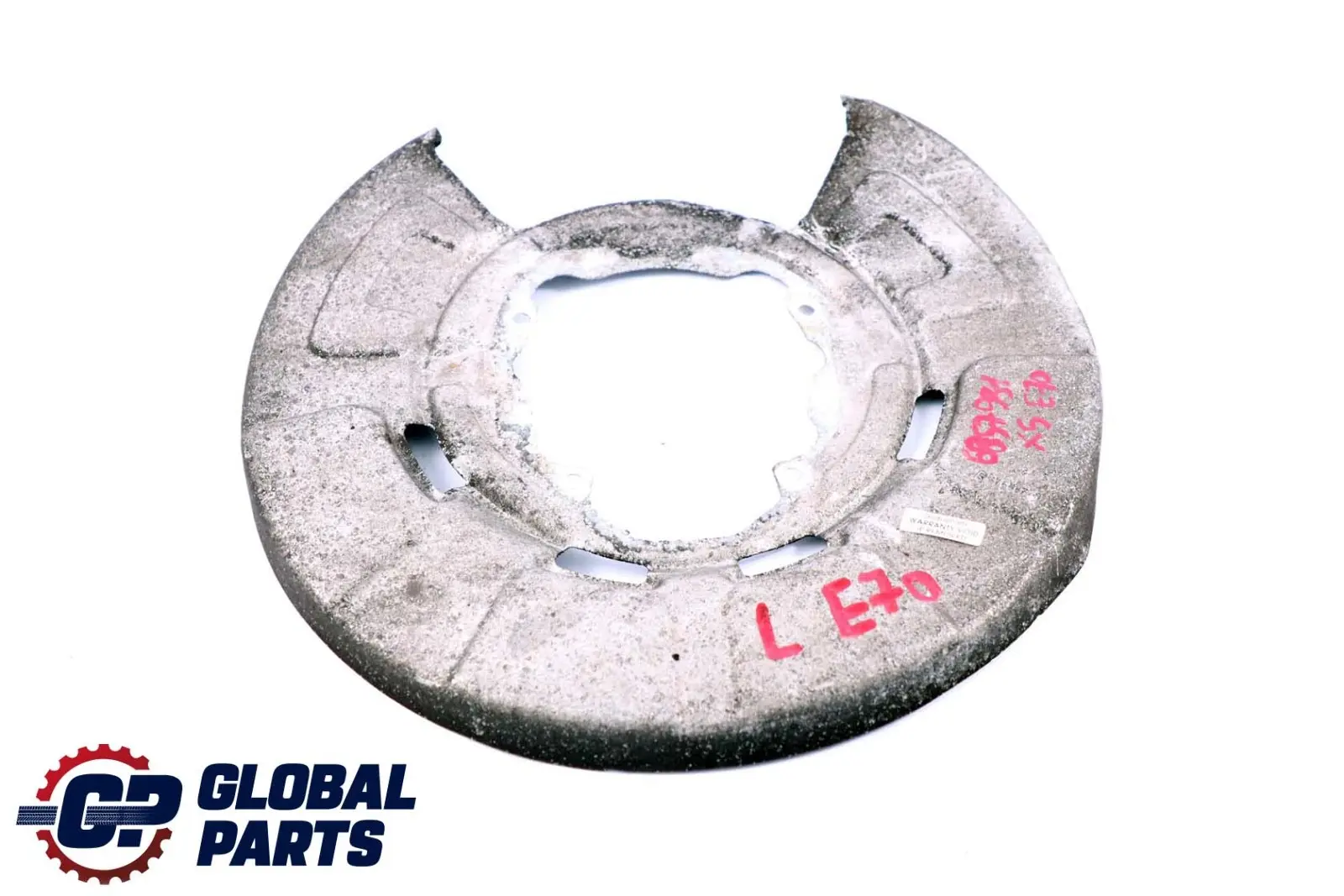
Part no. 6857981
BMW X5 X6 Series E70 E71 Rear Brake Disc Protection Plate 6857981
Promo price
£13.95
£13.25
Free delivery: Oct 13
If paid before 14:00
-40%
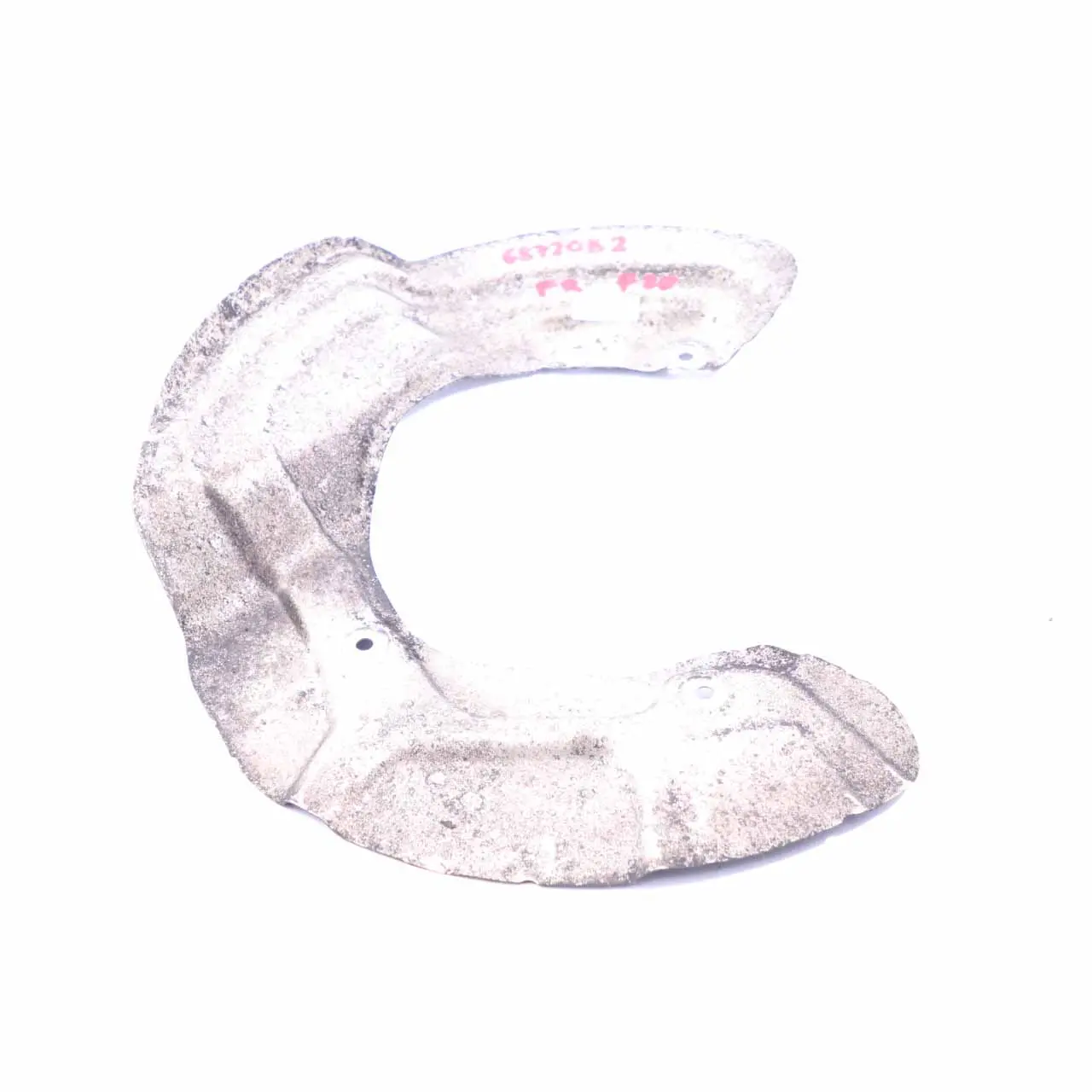
Part no. 6872082
Brake Disc BMW F20 F30 M Performance Front Right O/S Protection Plate 6872082
Promo price
£23.95
£14.37
Free delivery: Oct 13
If paid before 14:00
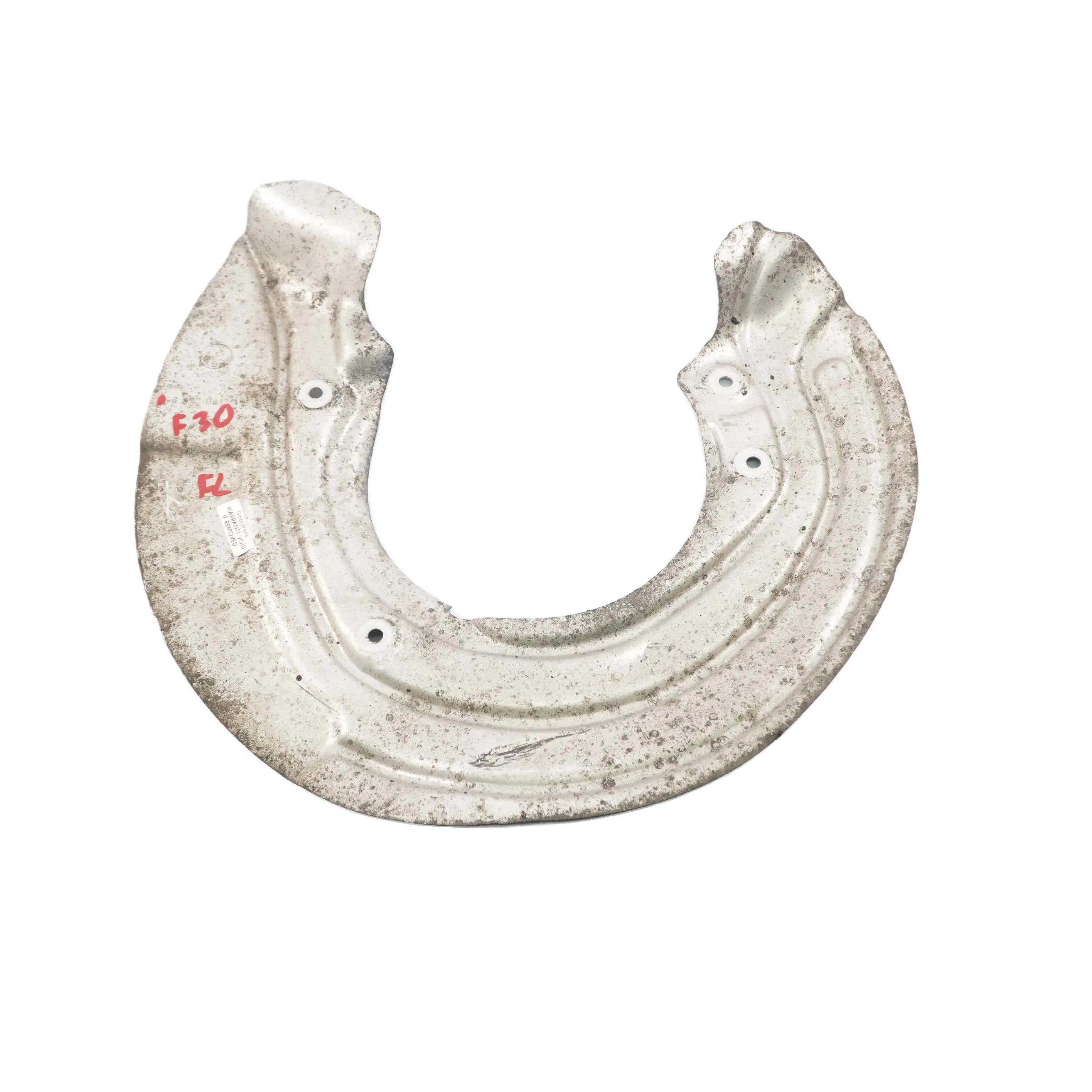
Part no. 6872081
BMW 1 2 3 4 F20 F22 F30 F32 Front Left N/S Brake Disc Protection Plate 6872081
Product currently unavailable
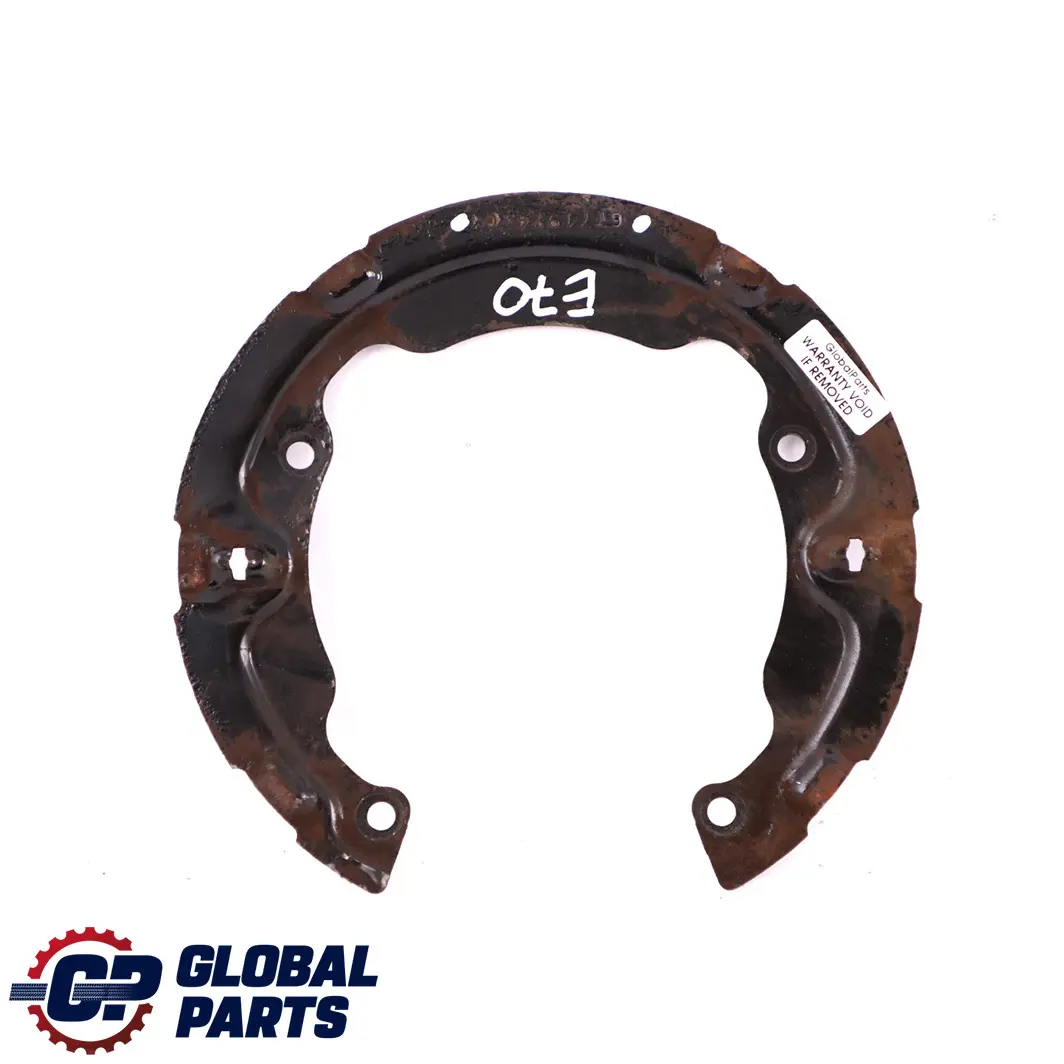
Part no. 6771974
BMW X5 X6 E70 E71 Rear Hand Parking Brake Shoe Supporting Ring Plate 6771974
Product currently unavailable
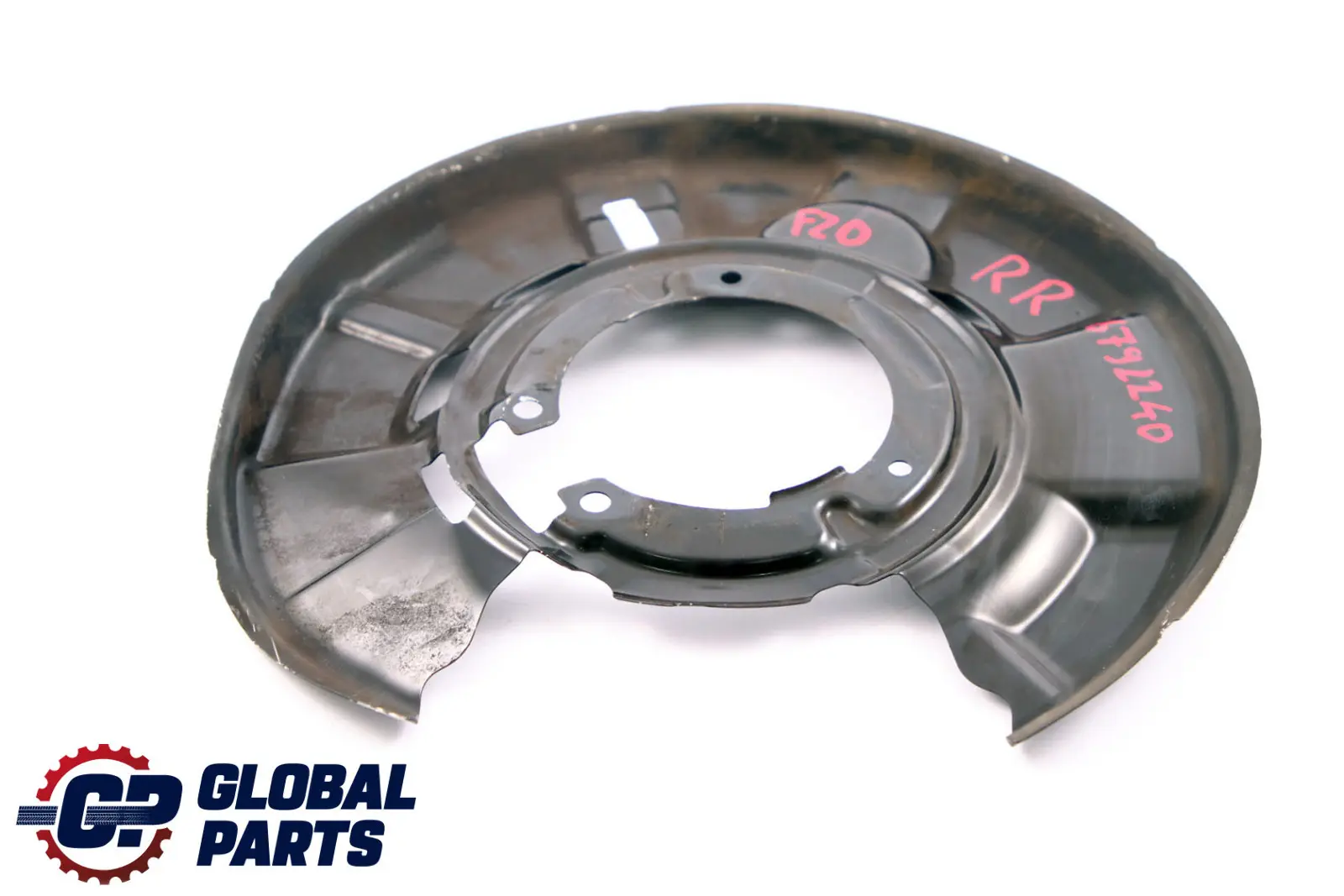
Part no. 6792240
BMW 1 2 3 Series E87 E90 F20 F22 F30 Rear Brake Disc Protection Plate 6792240
Product currently unavailable
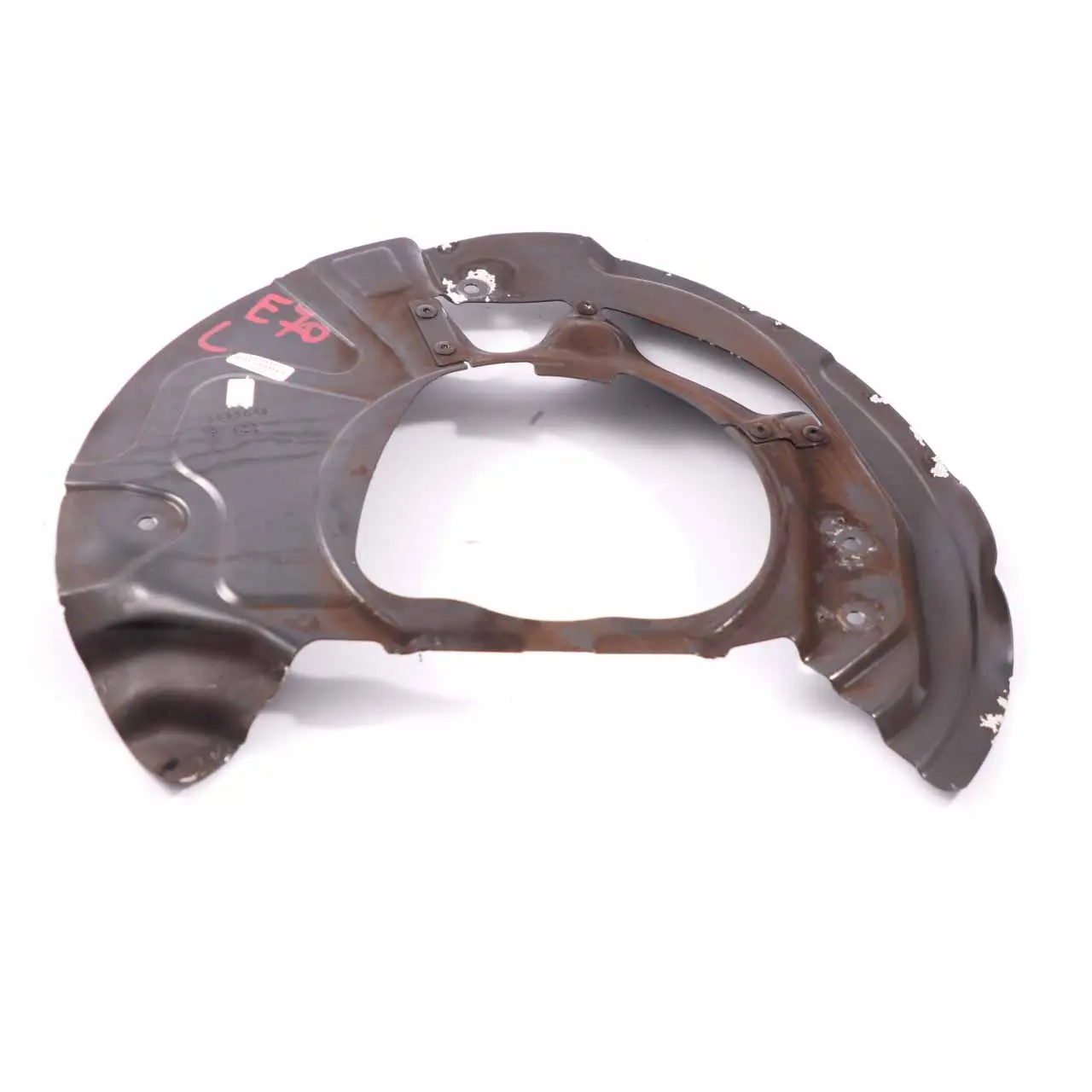
Part no. 6895049
Brake Disc Plate BMW X5 E70 X6 E71 Front Left N/S Wheel Protection Cover 6895049
Product currently unavailable
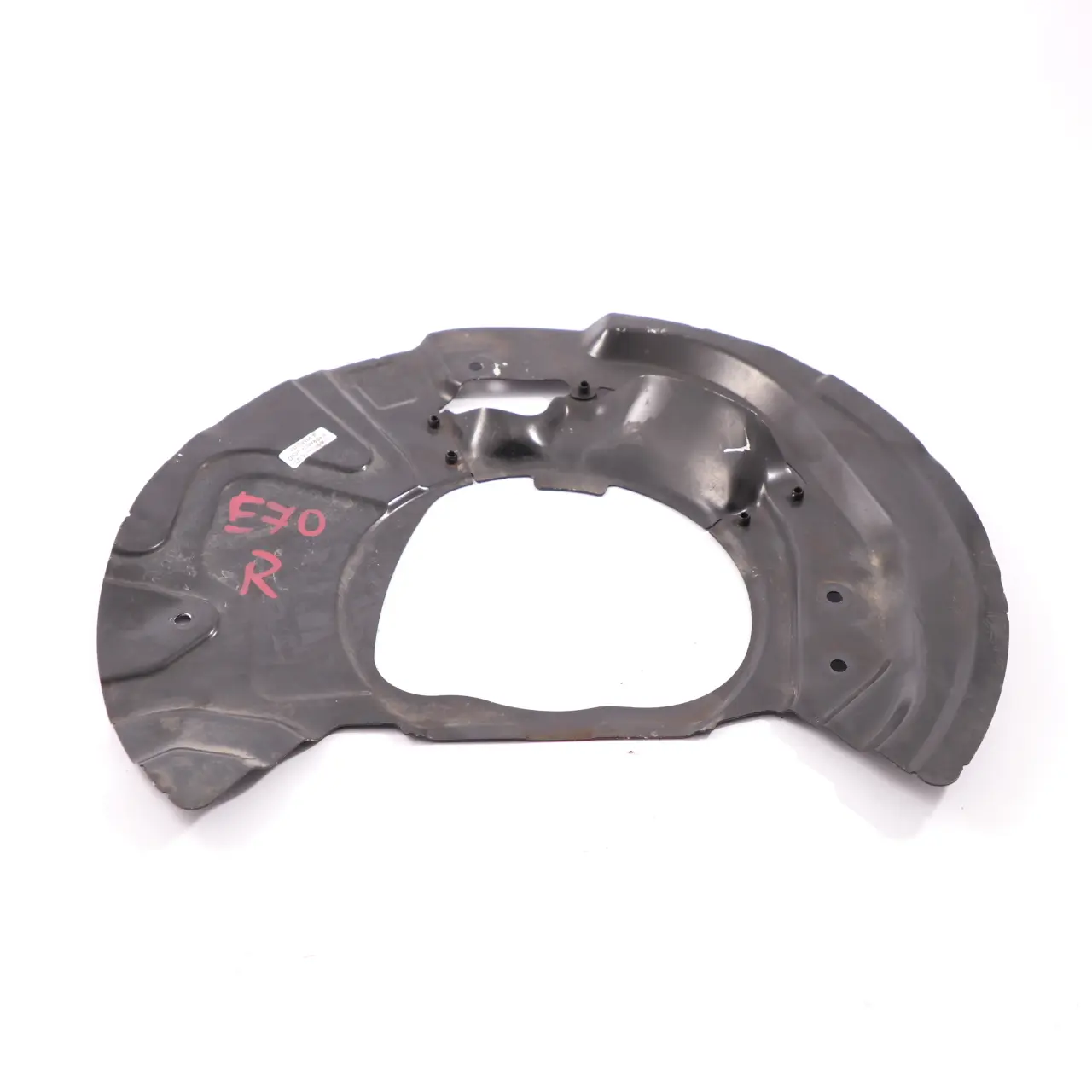
Part no. 6895050
Brake Disc Plate BMW X5 E70 X6 E71 Front Right O/S Wheel Protection 6895050
Product currently unavailable
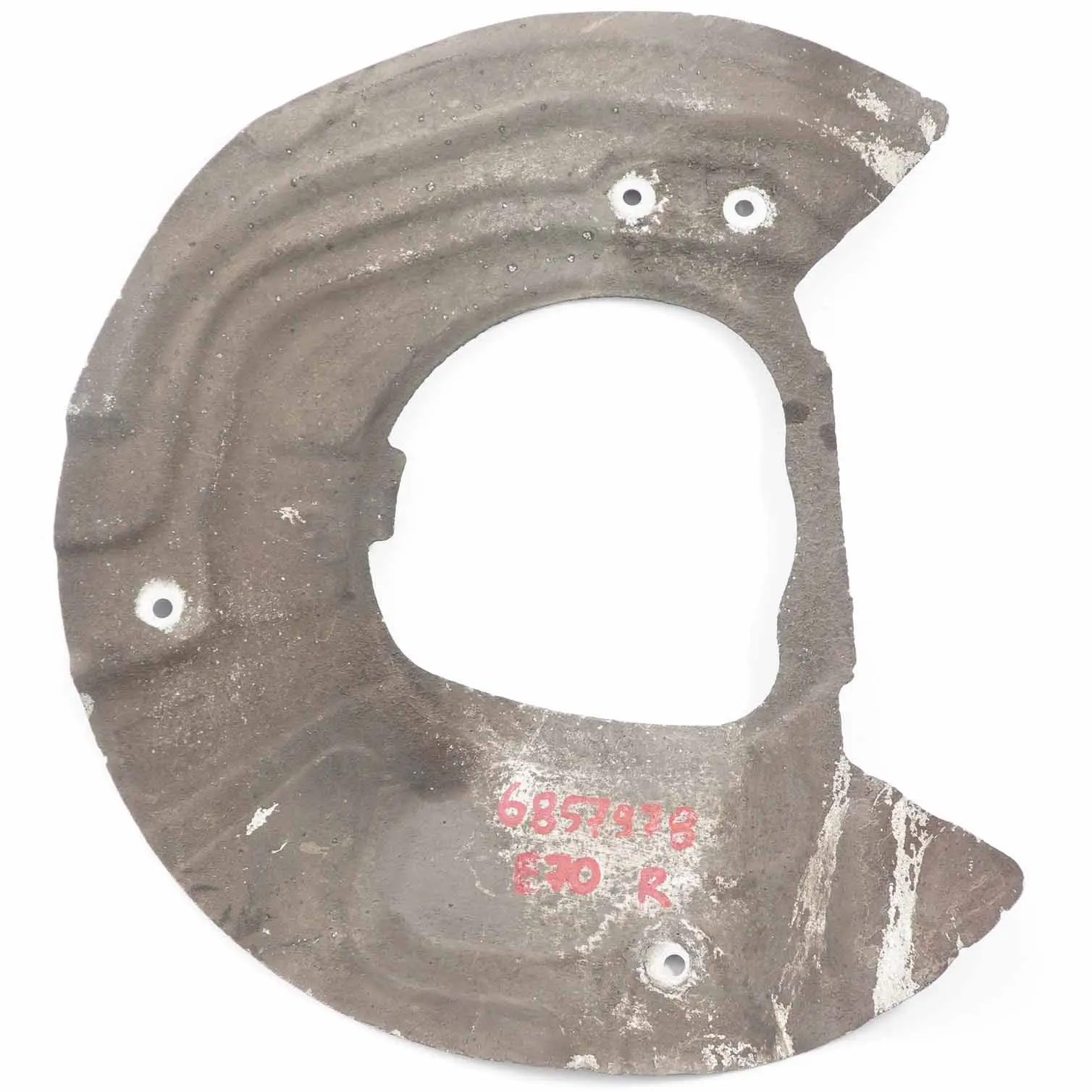
Part no. 6857978
Brake Disc Plate BMW X5 E70 Front Right O/S Wheel Protection Cover 6857978
Product currently unavailable
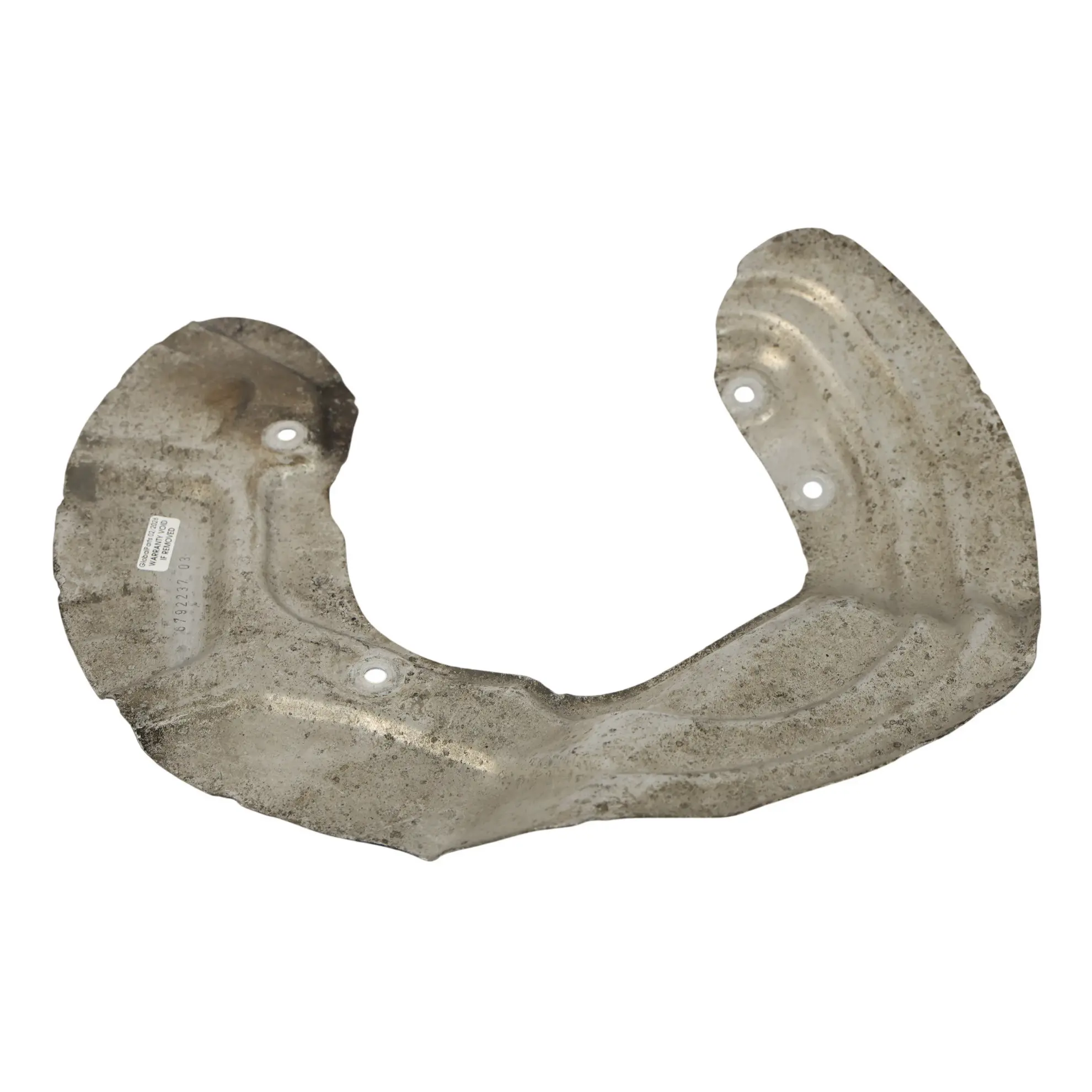
Part no. 6792237
BMW F20 F22 F30 F32 Front Brake Disc Protection Plate Left N/S 6792237
Product currently unavailable
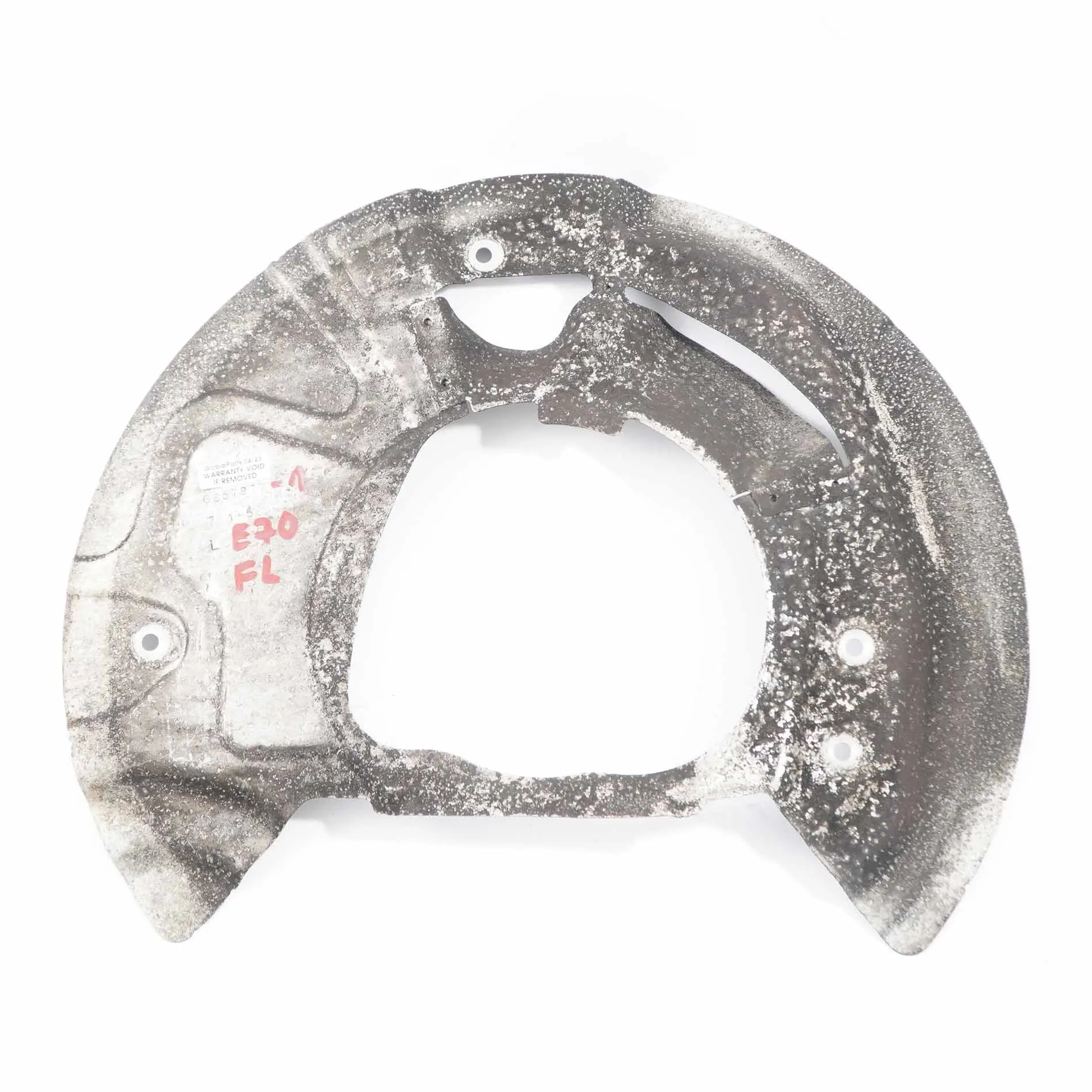
Part no. 6857977
Brake Disc Plate BMW X5 E70 X6 E71 Front Left N/S Wheel Protection Cover 6857977
Product currently unavailable
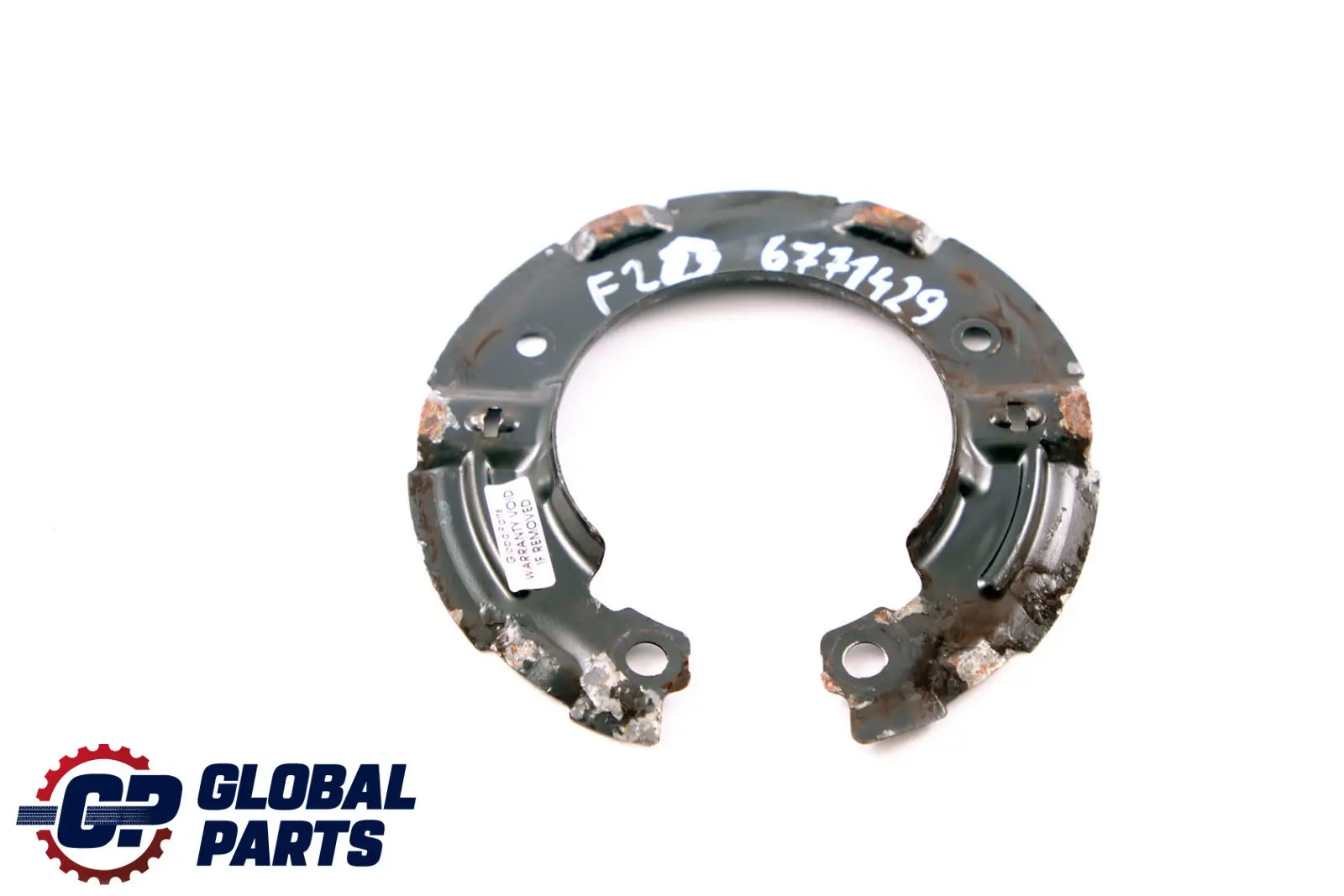
Part no. 6771429
BMW 1 3 E87 E90 F20 F30 Rear Hand Parking Brake Shoe Supporting Ring Plate
Product currently unavailable
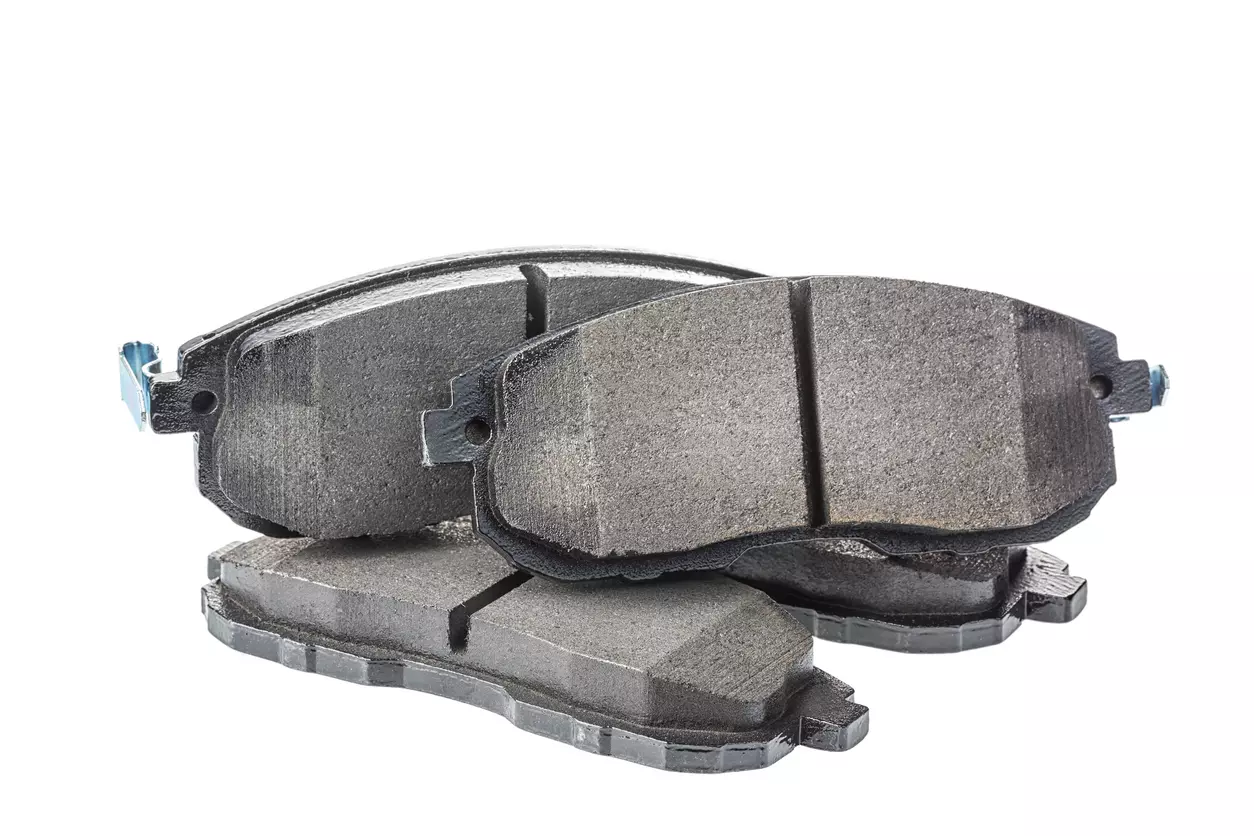
Brake shoes for reliable performance in drum brake systems
Reliable jaws for drum systems
Brake shoes are key components of the braking system in vehicles equipped with drum brakes. They are responsible for generating the friction force that allows the vehicle to stop by working in conjunction with brake drums. Their efficiency has a direct impact on braking performance and driving safety. In the Global Parts automotive store, you will find a wide selection of used car parts, including brake shoes, ideal for BMW and many other brands.
Design and purpose of brake shoes
Brake shoes are friction elements used in drum brakes, which are hydraulically or mechanically expanded and pressed against the inner surface of the drum during braking. As a result of friction, the vehicle's kinetic energy is converted into heat, which leads to a reduction in speed or a complete stop. A typical set of shoes consists of a metal carrier and a friction lining with a friction coefficient adapted to the vehicle's weight, most often in the range of 0.30–0.45 μ. Brake shoes are commonly used on the rear axle of many city, compact, and commercial vehicle models, where durability, stability, and low operating costs are essential.
What functions do brake shoes perform?
Brake shoes play a vital role in a vehicle's braking system:
- Generating braking force – By contacting the brake drum, the shoes reduce the vehicle's speed.
- Ensuring even braking – The design of the shoes allows for an even distribution of braking force across the entire surface of the drum.
- Long-lasting effectiveness – High-quality shoes are resistant to wear and overheating.
Comparison of brake shoe variants and data to verify
| Application type | Mounting location | Cooperating elements | What to check before purchase |
|---|---|---|---|
| City and compact cars | Usually rear axle | Drum, wheel cylinder, springs, adjuster | OEM number, drum working diameter, lining width |
| Models with drum parking brake | Rear axle or parking assembly | Handbrake cable, expander, lever | Handbrake mechanism type, anchor points, and mounting side |
| Commercial and heavy-duty versions | Rear axle | Drum, wheel cylinder, mounting kit | OEM part number, system load capacity, and compatibility with vehicle version |
Cooperation of brake shoes with other system elements
Brake shoes work in close compatibility with other components, such as brake drums, wheel cylinders, return springs, and brake cables. Proper matching of these elements affects the even distribution of braking force and vehicle stability at low speeds. In many BMW models, rear-axle drum brakes also work with the parking brake mechanism, making the shoes a key element for the handbrake function as well. Thanks to the standardization of sizes, for example, drum diameters of 180 mm, 200 mm, 230 mm, it is possible to precisely match the shoes to a specific engine and body version.
Why is it worth taking care of brake shoes?
Wear or damage to brake shoes can lead to reduced braking efficiency and an increased risk of braking system failure. Typical symptoms of malfunction include:
- Noise during braking – Squealing or grinding may indicate wear of the friction material.
- Uneven braking – This may result from uneven wear of the shoes.
- Reduced braking force – Worn shoes can lower the effectiveness of the braking system. If replacement is necessary, at Global Parts you will find suitable used car parts that will restore your braking system to full efficiency.
Technical parameters of brake shoes and the importance of the OEM number
When selecting brake shoes, specific technical parameters such as lining width, drum working diameter, and carrier design are important. The friction material used in modern designs is asbestos-free and resistant to temperatures reaching 300–350°C, which ensures stable braking characteristics in city and extra-urban traffic. The OEM number is a manufacturer's designation used to uniquely compare parts with the vehicle version. In product cards, it is also worth checking the condition, interchangeable numbers, and placement on the vehicle.
How to choose the right brake shoes?
When choosing brake shoes, several key aspects should be considered:
- Matching the vehicle model – Every braking system has its specific technical requirements. At Global Parts, you will find brake shoes perfectly matched to BMW and others.
- Technical condition – Used shoes should have an appropriate thickness of friction material and be free from cracks and damage.
- Compatibility with drums – Ensure that the selected shoes fit the brake drums in your vehicle.
Selecting brake shoes for vehicle versions and cooperating elements
Brake shoes are used to generate friction force inside the drum and must work with other parts without play or assembly errors. The expander is a mechanism element that transmits force and sets the shoes in the correct position relative to the drum. When choosing, it is worth comparing the spring mounting type, handbrake cable attachment, and compatibility with mounting parts for brake pads and shoes. If the system requires more comprehensive diagnostics, it is helpful to check other components from the braking system and parts group.
Practical tips for installation and operation checks
When choosing an element like a BMW E90 bumper, one compares mounting points and body versions, whereas for brake shoes, working dimensions and compatibility with the drum mechanism are equally important. When completing a repair for a specific model, e.g., E91 M-package, it is worth separating the car's styling issues from the braking system's technical data and checking the OEM number directly from the removed part. If a component like an Audi A6 C7 steering wheel is sought, connectors and buttons are usually compared, while for shoes, one must focus on the drum diameter, lining width, and mounting side. Additional supplementary material on related elements is available in the article Brake calipers under the microscope: How to effectively reduce braking system repair costs by choosing proven recycled parts.
Why choose used brake shoes?
Used car parts, such as used brake shoes, are a practical solution that allows for savings while maintaining high quality. By choosing used braking system elements, you gain:
- Lower costs – Used shoes are significantly cheaper than new ones but offer equally high quality.
- Ecology – Recycling parts supports environmental protection and reduces waste.
- Wide offer – In our store, you will find used brake shoes for many car brands.
How to maintain brake shoes?
To ensure brake shoes work reliably for a long time, it is worth following a few rules:
- Regular inspections – Check the condition of the shoes during periodic technical inspections of the braking system.
- Replace shoes in time – Worn shoes can lead to damage to the brake drums.
- Avoid excessive brake loading – Careful driving reduces the wear of shoes and other system components.
FAQ
| Question | Answer |
|---|---|
| What is the design and purpose of brake shoes? | Brake shoes are friction elements designed to work in drum brakes, most often mounted on the rear axle of a vehicle. A typical shoe consists of a metal carrier, friction lining, and points of cooperation with springs and the expanding mechanism. Their task is to press against the inner surface of the drum and generate the friction needed to reduce speed. |
| What are brake shoes used for? | Brake shoes are used to convert the vehicle's kinetic energy into heat through friction against the brake drum. They are responsible for effectively slowing down the car and often work with the parking brake as well. Without properly selected shoes, the system may brake unevenly, noisily, or with reduced force. |
| What is the design and function of the brake shoe expander? | The brake shoe expander is a mechanical element that transmits the force needed to push the shoes toward the drum. Depending on the design, it works with a wheel cylinder, self-adjuster, or handbrake mechanism. Its proper operation affects the even pressure of the linings and correct working clearance after releasing the brake. |
| How to choose brake shoes for a specific car? | It is safest to compare the OEM number, interchangeable part number, and mounting location on the vehicle. The drum diameter, lining width, and method of cooperation with the parking brake are also important. For different equipment or body versions, it is worth verifying data using the VIN. |
| What symptoms indicate brake shoe wear? | Typical symptoms include noise during braking, reduced effectiveness, uneven operation on the rear axle, or excessive handbrake travel. In some cars, drum overheating or uneven lining wear also occurs. Such a condition usually requires an inspection of the entire drum assembly. |
| How to ensure proper installation of brake shoes? | During installation, it is necessary to maintain the correct arrangement of springs, clips, and adjustment elements, as well as check the condition of the drum's working surface. It is also important to check the wheel cylinders, handbrake cables, and mounting kit, as the return of the shoes to the rest position depends on them. After assembling the system, check the wheel's free rotation and the operation of the parking brake. |
Summary: brake shoes at the Global Parts automotive store
Brake shoes are basic elements of the drum braking system that ensure braking effectiveness and safety. The Global Parts offer includes used parts for many vehicle versions, including for the BMW brand and others, taking into account data such as OEM part number, condition, interchangeable numbers, and placement on the vehicle. This makes it easier to compare part compatibility with a specific car and choose the right variant for the repair. We invite you to contact us – we are here to help! For more information and interesting facts, we also invite you to visit our automotive blog.