


Voltage Regulators
Find it faster
Match to your vehicle
GB
Make
Category
Subcategory
Condition
In Stock
Price
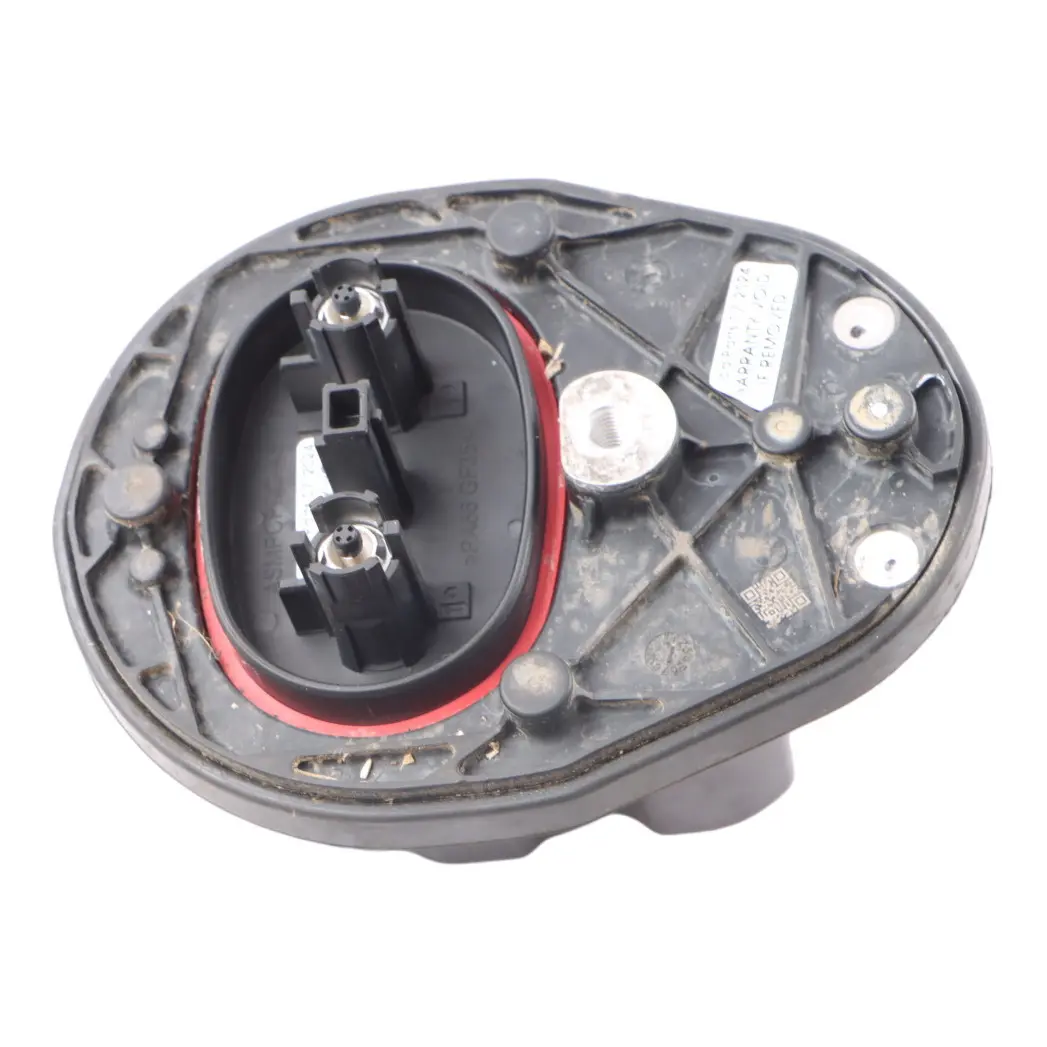
-40%
Part no. 8846215
BMW G60 G61 i4 G26 iX3 G08 High Voltage Connection Charging Socket 8846215
Promo price
£113.95
£68.37
Free delivery: Sep 18
If paid before 14:00
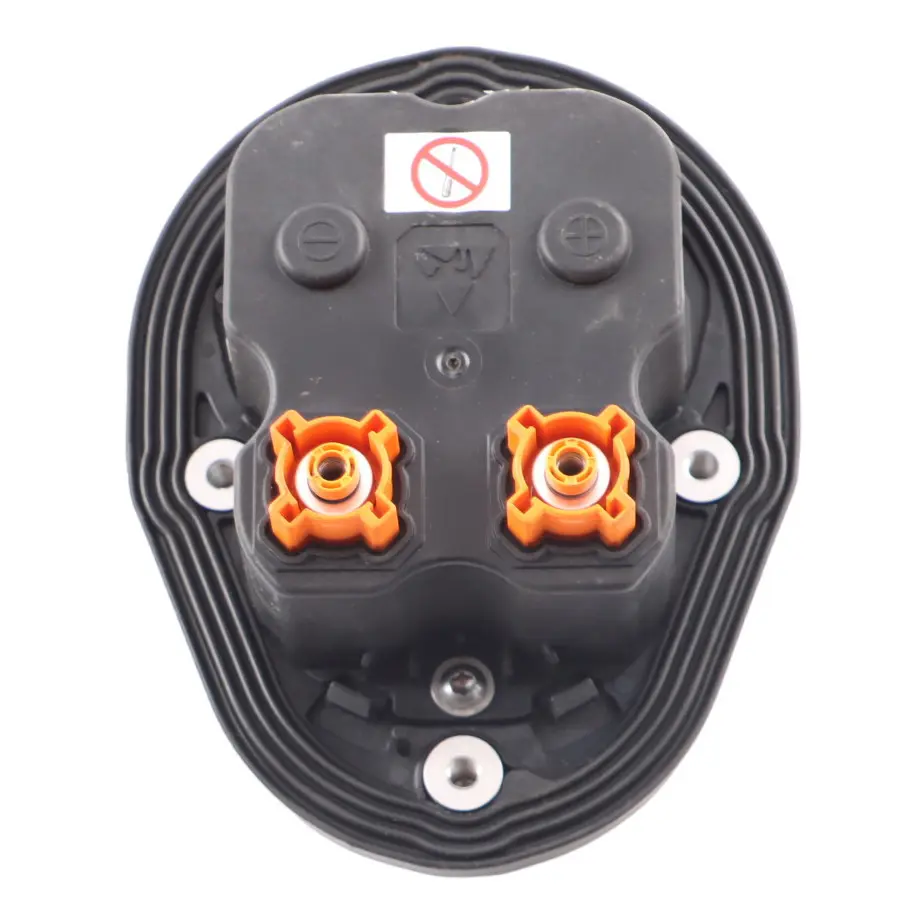
-40%
Part no. 8846214
High Voltage BMW G08 G26 G70 Connection Charging Socket 8846214
Promo price
£113.95
£68.37
Free delivery: Sep 18
If paid before 14:00

Part no. 8856559
BMW G60 G61 G68 G70 i4 G26 High Voltage Connection Charging Socket 8856559
Product currently unavailable
Voltage Regulators
In the Global Parts automotive store, you will find a wide selection of used car parts, compatible with brands such as Mercedes, Land Rover, Volkswagen, and many others.
Design and purpose of voltage regulators
Voltage regulators are components of the charging system, most often mounted on the alternator or integrated into its housing. A voltage regulator is used to maintain the correct battery charging level and stabilize the electrical system during operation. A typical component works with brushes, the rotor, power cables, and the charging control system; its compatibility should be verified by the OEM number, connector type, and alternator version. In practice, this means that even seemingly similar voltage regulators may differ in mounting method, pin layout, and compatibility with specific engine accessories. When planning a repair for a specific model, e.g., BMW E90, it is advisable to verify the engine version, alternator type, and interchangeable numbers before ordering the part.
Comparison of voltage regulator variants
| Variant | Typical design | What to check before purchase | Cooperating elements |
|---|---|---|---|
| Regulator integrated with brush holder | Single housing with electronic circuit and brushes | OEM number, housing shape, number of pins, mounting points | Rotor, slip rings, alternator, charging cables |
| Separately mounted regulator | Separate control module matched to a specific alternator | Connector type, compatibility with alternator housing, interchangeable numbers | Alternator, electrical wiring, charging control |
| Regulator for electronically controlled versions | Circuit cooperating with vehicle electronics and control modules | Compatibility with the system, car version, manufacturer markings, and pinout | electronic control modules and ECUs, alternator, battery |
Function of the voltage regulator in the charging system
The voltage regulator is used to control the alternator's excitation current, ensuring the electrical system receives stable voltage regardless of engine speed and momentary load from electrical consumers. This component reduces the risk of undercharging or overcharging, which affects the operation of lighting, starting, and onboard electronics. When choosing a component such as an alternator voltage regulator, it is worth comparing the OEM part number, contact layout, presence of brushes, and compatibility with the specific alternator housing. During a single repair, it is also common to check the condition of cooperating parts, such as alternators and generators, car batteries, and cables, wiring harnesses, and connectors. If the system has unstable charging, it is worth verifying the entire circuit rather than limiting the check to just one component.
Selection and compatibility check before installation
The selection of a voltage regulator should consider not only the car brand but also the alternator manufacturer, engine version, connector type, and interchangeable numbers. The brush holder is an assembly that guides the brushes, which make contact with the rotor rings; its wear often affects the regulator's operation and charging quality. If you are looking for a component such as an alternator for Mercedes W204, you must compare the alternator marking, control method, and the regulator's compatibility with the vehicle's specific equipment. Before installation, it is worth inspecting the housing for mechanical damage, checking the condition of the pins, and comparing the arrangement of mounting points with the removed part. For more extensive diagnostics, it is also helpful to check related components from the automotive electrical systems section, especially when symptoms involve more than just the charging system.
Symptoms of wear and practical operating tips
A worn voltage regulator can cause fluctuations in light brightness, battery charging problems, fault messages, or unstable operation of electrical accessories. These symptoms should always be compared with the OEM number, connector condition, and alternator type, as similar symptoms may also result from a damaged wiring harness, a weak battery, or worn brushes. In the case of parts such as alternator brushes, it is important to check the working length, compatibility with the regulator, and the condition of the contact surfaces. Diagnostic efforts can be supplemented by reading our guide: Buying a used engine: 5 things you must check before installation. Although the article concerns a different component, it effectively demonstrates how to verify markings, part condition, and equipment compatibility before installation.
FAQ
| Question | Answer |
|---|---|
| What is the design and purpose of voltage regulators? | Voltage regulators are charging system components responsible for controlling alternator operation and maintaining stable voltage in the vehicle's electrical system. A typical element consists of a housing, an electronic circuit, contacts, and in many versions, brushes that work with the rotor. Voltage regulators are mounted on the alternator or directly within its structure, depending on the solution used by the manufacturer. |
| What are voltage regulators used for? | Voltage regulators are used to control the battery charging level and adjust the alternator's operation to the current demand of the electrical system. Thanks to them, the system limits both undercharging and overcharging, which could affect the lifespan of electrical equipment. Their operation is crucial for starting, lighting, onboard electronics, and the stable operation of power consumers. |
| What is the design and function of an alternator brush holder? | An alternator brush holder is an assembly that guides the brushes, which transmit current to the rotor through slip rings. This element maintains the correct brush pressure and works directly with the voltage regulator in many alternator designs. Its condition affects charging stability, and when selecting one, you should check for compatibility with the specific alternator type and mounting layout. |
| How to choose voltage regulators for a specific car? | The safest method is to compare the OEM number, alternator manufacturer marking, plug type, and pin layout. It is also worth considering the engine version, electrical equipment, and interchangeable numbers, as the same car model may come with different charging variants. If in doubt, comparing the part with the removed element is helpful. |
| What symptoms indicate a problem with the voltage regulator? | Common symptoms include voltage fluctuations, uneven light brightness, battery charging problems, and electrical system error messages. Sometimes, starting difficulties or unstable operation of electrical consumers after starting the engine may also occur. Such symptoms should be confirmed by checking the alternator, cables, and connector condition. |
| What should be paid attention to during the installation of voltage regulators? | Before installation, compare the housing, mounting points, contacts, and connector type with the removed part. You must also check the condition of the brushes, the cleanliness of the contact surfaces, and the absence of cable damage in the vicinity of the alternator. After installation, it is worth checking the charging system's operation and ensuring the part works correctly with the vehicle's equipment. |
Summary: voltage regulators in the Global Parts automotive store
Voltage regulators are essential components responsible for the proper operation of the charging system and the stability of the vehicle's electrical system. The Global Parts offer includes used parts for many brands, including Mercedes, Land Rover, Volkswagen, and others; when choosing, it is worth comparing the OEM number, connector type, alternator manufacturer, and interchangeable numbers. This category is useful both for resolving charging issues and when gathering equipment for electrical system repairs. Feel free to contact us – we are here to help! For more information and interesting facts, we also invite you to visit our automotive blog.