


Vacuum pumps
More informationAt Global Parts, we offer a wide selection of original used car parts, including vacuum pumps for many popular car brands such as BMW, Mini, Mercedes, Audi, Volkswagen, and others. Our vacuum pumps undergo quality control to ensure you receive a top-quality product.
Find it faster
Match to your vehicle
GB
Make
Category
Subcategory
Condition
In Stock
Price
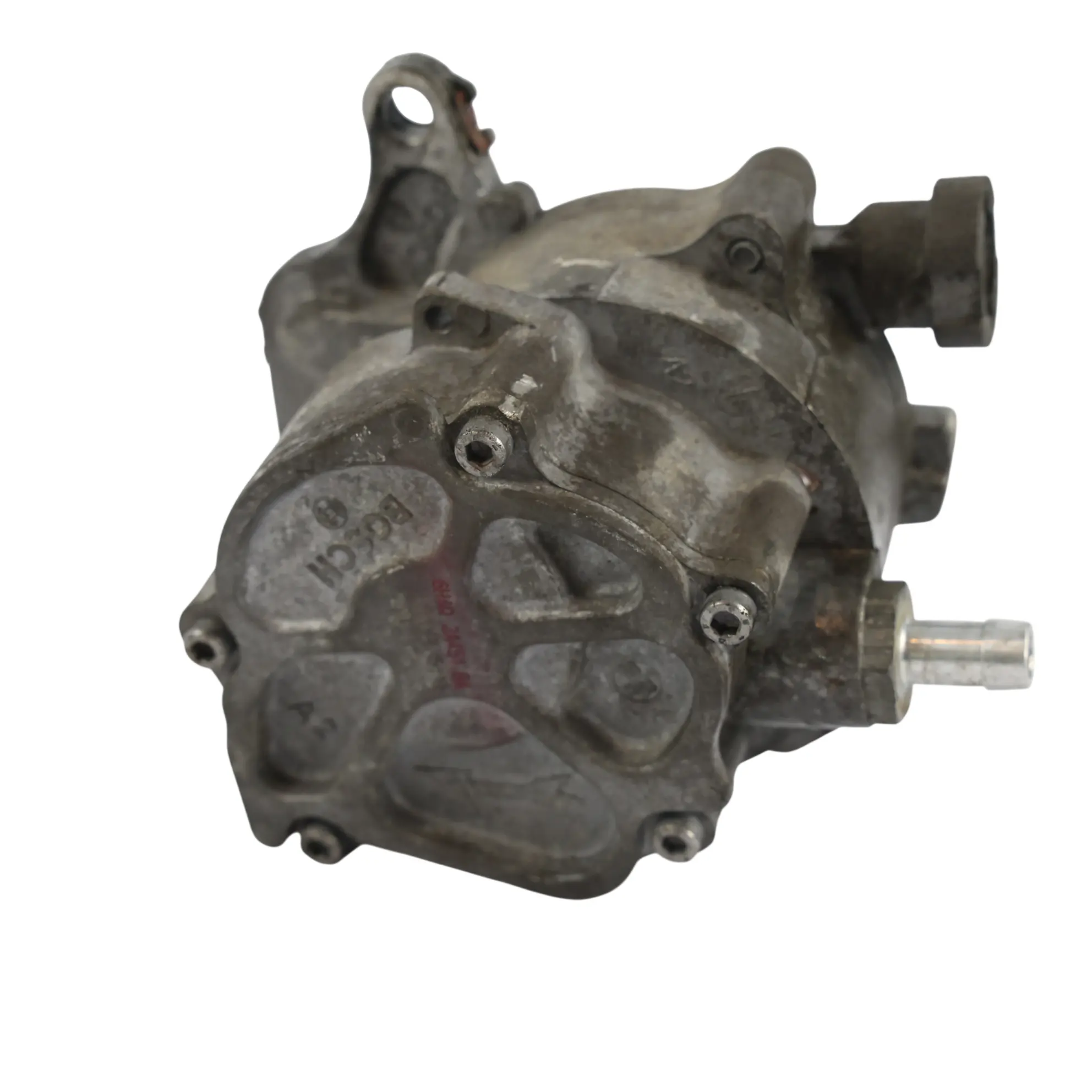
Part no. LR001852
Land Rover Range Rover L322 Vacuum Pump 3.6 TDV8 Diesel 6H4Q-2A451-BA
Product currently unavailable
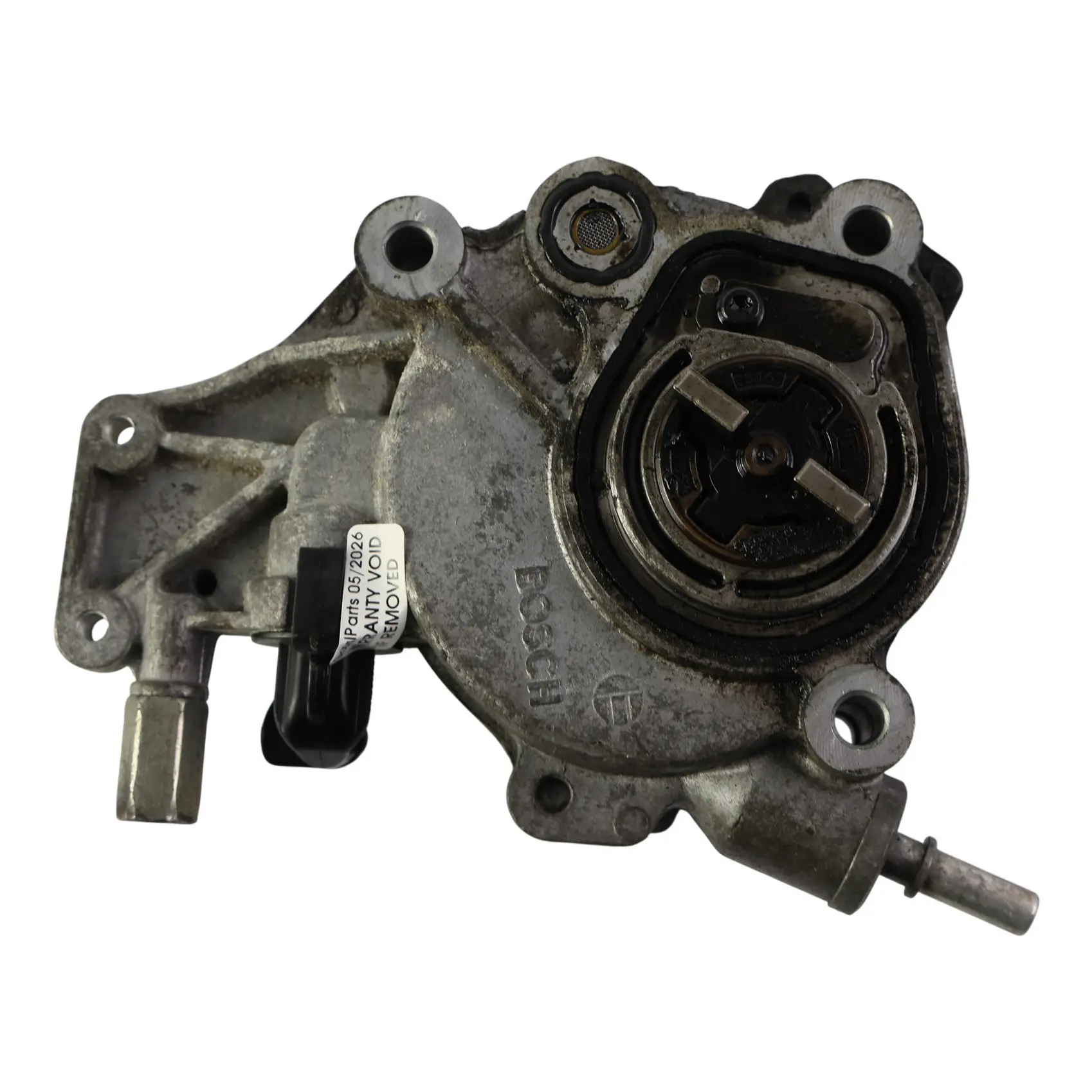
Part no. D171B-1A
Land Rover L359 Range Rover Evoque L538 Vacuum Pump 2.2 Diesel D171B-1A
Product currently unavailable
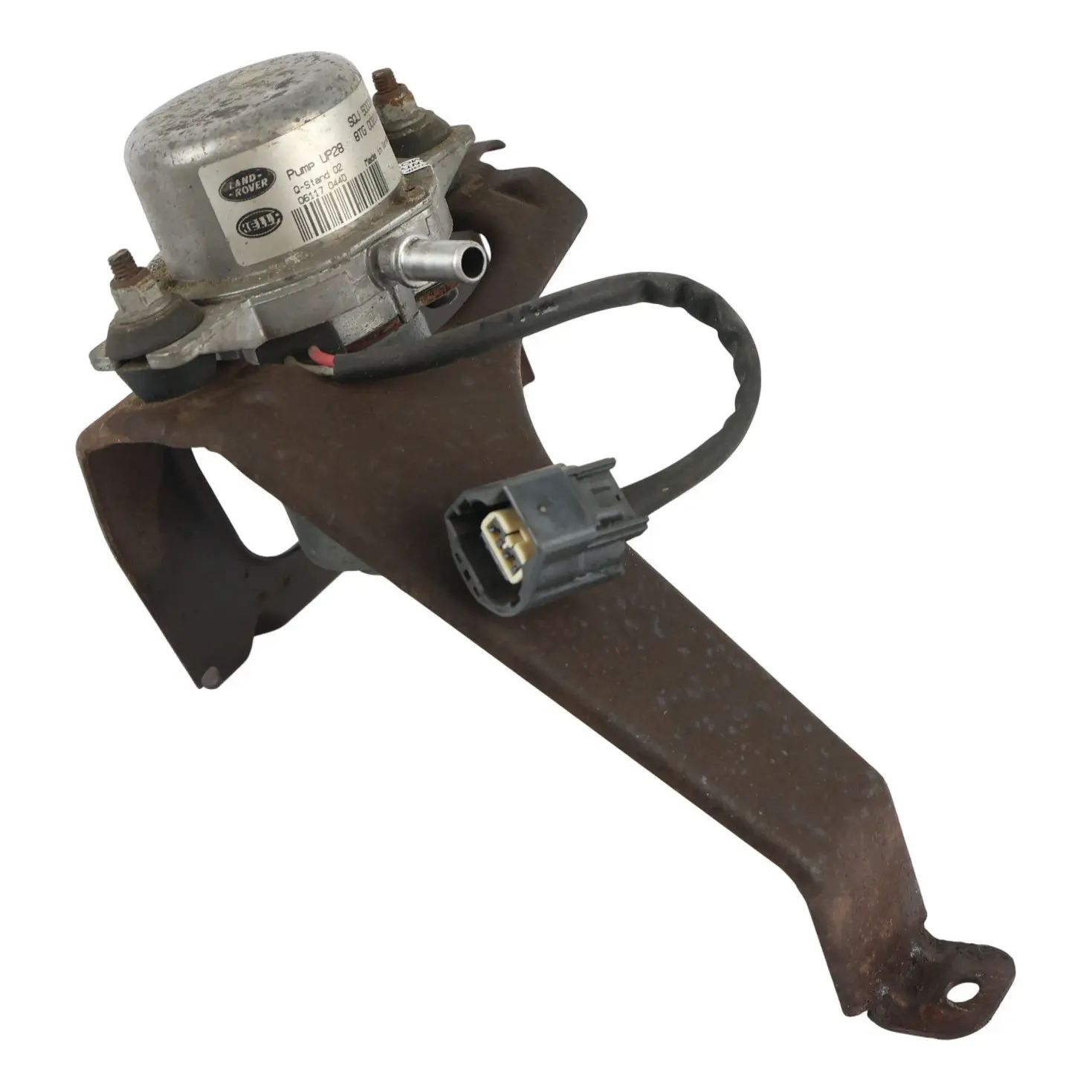
Part no. SQJ500081
Range Rover Sport L320 L322 ABS Brake Vacuum Pump 2.0 D200 4x4 SQJ500081
Product currently unavailable
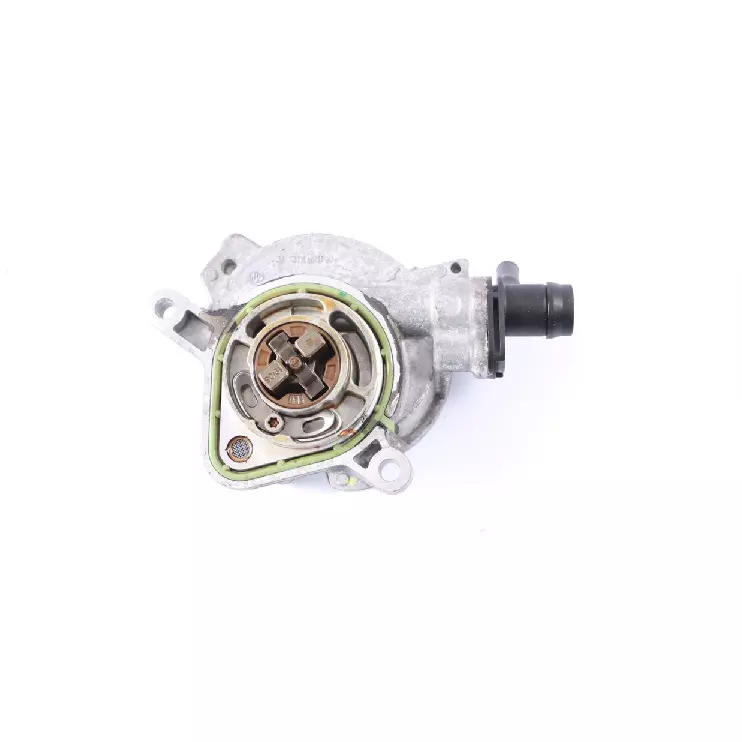
Vacuum pumps for reliable vehicle power assist systems
Vacuum pumps in power steering systems
Vacuum pumps are essential components in the braking system and engine support systems. They generate the vacuum that assists the brake booster, ensuring braking efficiency with minimal driver effort. In modern vehicles, vacuum pumps can also power other systems, such as the EGR system, valve systems, or turbocharger control. In the Global Parts automotive store, you will find a wide selection of used car parts, including vacuum pumps, perfectly matched to BMW, Audi, Mercedes, Volkswagen, Mini, and other brands.
Construction and operating principle of vacuum pumps
Vacuum pumps are mechanical or electrical devices designed to create a stable vacuum in vehicle systems. In gasoline engines, vacuum can be partially generated naturally in the intake manifold, whereas in diesel engines and modern direct-injection units, dedicated vacuum pumps are used to ensure constant and predictable operating parameters. Typical operating vacuum values in the brake booster system are approximately –0.7 to –0.9 bar, which directly translates to braking assistance effectiveness.
What functions do vacuum pumps perform?
Vacuum pumps play a key role in the functioning of the braking system and engine support:
- Vacuum generation – they provide the vacuum necessary for brake assistance, which facilitates effective braking.
- Support for control systems – they supply vacuum to EGR valves, turbochargers, or intake manifold flaps.
- Increased safety – thanks to a functional vacuum pump, the braking system operates with full efficiency in any situation.
Comparison of vacuum pump types and data to check
| Pump type | Drive method | Typical application | What to check before purchase |
|---|---|---|---|
| Mechanical pump | Driven by camshaft or engine | Most commonly diesel engines | OEM number, connector type, mounting points, housing tightness |
| Electric pump | Electric motor | Start-stop systems, hybrids, selected gasoline units | Connector type, number of pins, installation compatibility, control version |
| Integrated pump | Dependent on engine design | Models with complex vacuum systems | Hose layout, valve presence, compatibility with engine accessories and booster |
Application of vacuum pumps in modern cars
Modern vacuum pumps support not only the brake booster but also exhaust emission support systems and forced induction systems. In vehicles from brands such as BMW, Audi, or Mercedes, vacuum pumps work with variable geometry turbocharger actuators, solenoid valves, and exhaust gas recirculation systems. This means that a single vacuum pump can simultaneously influence driving comfort, fuel economy, and engine performance, making it a vital element of the entire powertrain.
The importance of vacuum and associated components
Vacuum is the pressure difference used in a car to operate components dependent on suction or diaphragm control. In practice, the vacuum system includes not only the pump itself but also check valves, hoses, and hoses, pipes, and lines. Such a set is used to maintain the stable operation of the booster and engine accessories, which is why it is worth checking gaskets and sealing rings during diagnostics.
Why is it worth taking care of vacuum pumps?
Malfunction of vacuum pumps can lead to serious problems with the braking system and engine, which affects vehicle safety and performance. Typical symptoms of failure include:
- Hard brake pedal – may indicate insufficient vacuum generated by the pump.
- Poor response of control systems – problems with the turbocharger, EGR valves, or other vacuum-controlled elements.
- Noise or leaks from the pump – mechanical damage or oil leaks may indicate pump wear. If replacement is necessary, at Global Parts you will find suitable used car parts that will restore full functionality to your braking and engine system.
Symptoms and system dependencies – a practical perspective
Vacuum pumps work in close cooperation with other components, such as vacuum lines, check valves, or pneumatic actuators. From a compatibility standpoint, it is important that the pump is matched to the specific engine type and braking system, as differences in performance can affect the operating characteristics of the entire system. For parts such as a BMW E60 vacuum pump, it is worth comparing the OEM number, the layout of the connectors, the drive type, and compatibility with vacuum accessories.
How to choose the right vacuum pumps?
When choosing vacuum pumps, pay attention to several key aspects:
- Vehicle model fitment – every braking and engine system has its specific technical requirements. In the Global Parts automotive store, you will find vacuum pumps perfectly matched to BMW, Audi, Mercedes, Volkswagen, Mini, and others.
- Technical condition – used pumps should be free from leaks, mechanical damage, and signs of excessive wear.
- Pump type – ensure the selected pump is compatible with your powertrain, for example as a mechanical or electric version.
Selection by OEM, engine, and equipment version
A vacuum pump is a part best compared by OEM number, interchangeable numbers, and engine type. When completing a repair for a specific model, such as the BMW E60, not only the brand matters, but also the fuel version, accessory layout, and pump mounting type. It is also helpful to check related categories, such as Fuel pumps and level sensors and Turbochargers, compressors, and radiators, as these elements often work with the vacuum system or influence diagnostic symptoms.
Types of vacuum pumps and their parameters
| Pump type | Drive | Application | Example parameters |
|---|---|---|---|
| Mechanical pump | Camshaft | Diesel engines | Vacuum up to –0.9 bar |
| Electric pump | Electric motor | Hybrids, start-stop | Independent of engine RPM |
Why is it worth choosing used vacuum pumps?
Used car parts, such as Vacuum pumps, are a practical solution that allows for savings while maintaining high quality. By choosing used braking and engine system elements, you gain:
- Lower costs – used pumps are significantly cheaper than new ones but offer equally high quality.
- Ecology – recycling parts supports environmental protection and reduces waste.
- Wide offer – in our store, you will find used vacuum pumps for the most popular car brands.
Cost savings and OEM fitment
Choosing a used vacuum pump allows for maintaining the original manufacturer specification, which is particularly important in premium class vehicles. When choosing an element like a BMW E60 530d vacuum pump, it is good to verify the OEM part number, vacuum connector type, and compatibility with the specific engine version. This is a solution often used in workshops specializing in brands such as BMW, Audi, or Mercedes-Benz.
How to take care of vacuum pumps?
To ensure vacuum pumps operate reliably for a long time, it is worth following a few rules:
- Regular inspections – check the pump condition during periodic technical inspections.
- Keep the system clean – avoid contaminants that can disrupt pump operation.
- Replace damaged elements on time – the lack of a functional pump can reduce the effectiveness of brakes and other systems. A functional vacuum pump facilitates maintaining the proper operation of the brake booster, solenoid valves, and engine accessories, which is why its condition should be checked along with the hoses and the tightness of the entire system. For more information on diagnostics and selecting power supply system elements, see our article Fuel system – injectors, pumps, and fuel tank: maintenance and regeneration.
FAQ
| Question | Answer |
|---|---|
| What is the construction and purpose of vacuum pumps? | Vacuum pumps are components responsible for generating vacuum in a car. A typical element consists of a housing, a mechanical or electric drive, vacuum connectors, and seals. They are mounted near the engine or within its accessories, depending on the vehicle design. Their primary task is to supply the brake booster and selected vacuum-controlled systems. |
| What are vacuum pumps used for? | Vacuum pumps are used to create a stable vacuum needed for the proper operation of the brake booster. In many cars, they also support control valves, actuators, and selected elements of the forced induction system. Without a functional vacuum, the brake pedal can become harder, and the response of pneumatically controlled parts can be delayed or unstable. |
| What is the construction and function of the vacuum system check valve? | The vacuum system check valve is an element that maintains the correct direction of vacuum flow between the pump and the consumers. It usually has a small housing with hose connections and an internal mechanism blocking air backflow. Its role is to stabilize the operation of the booster and protect the system against vacuum loss after a change in engine load. Damage to this element can cause symptoms similar to a faulty pump. |
| How to choose a vacuum pump for a specific car? | It is safest to compare the OEM number, interchangeable numbers, fuel type, and engine version. It is also worth checking the shape of the housing, the layout of the connectors, the drive method, and the mounting type. For some versions, the vehicle equipment and the type of accessories working with the vacuum also matter. |
| What symptoms indicate a problem with the vacuum pump? | Common symptoms include a hard brake pedal, weaker response of vacuum-controlled systems, and noise coming from the pump area. In some cases, oil leaks or unstable engine accessory operation also occur. However, similar symptoms can also be caused by leaking hoses or a damaged check valve. |
| What to pay attention to during installation and system tightness checks? | Before installation, it is worth comparing the mounting points, the condition of the seals, and the compatibility of the connections with the vacuum hoses. After installation, check the tightness of the connections and the operation of the brake booster in practice. A good procedure is also to check the associated elements so that the newly selected pump operates in stable conditions. |
Summary: vacuum pumps at the Global Parts automotive store
Vacuum pumps are key elements supporting the operation of the braking system and other control systems in a vehicle. In the Global Parts offer, you will find matched solutions for many models and engine versions, including parts intended for cars from brands such as Mercedes, BMW, Audi, and others. When selecting, it is worth comparing the OEM number, condition, fuel type, and interchangeable numbers to maintain compatibility with the factory vacuum system. We invite you to contact us – we are here to help you! For more information and interesting facts, we also invite you to our automotive blog.