


Starter parts
More informationAt Global Parts, we offer a wide selection of original used car parts, including starter motor parts for many popular car brands such as BMW, Mini, Mercedes, Audi, Volkswagen, and others. The starter parts we offer undergo quality control to ensure you receive a top-quality product.
Find it faster
Match to your vehicle
Make
Category
Subcategory
Condition
In Stock
Price
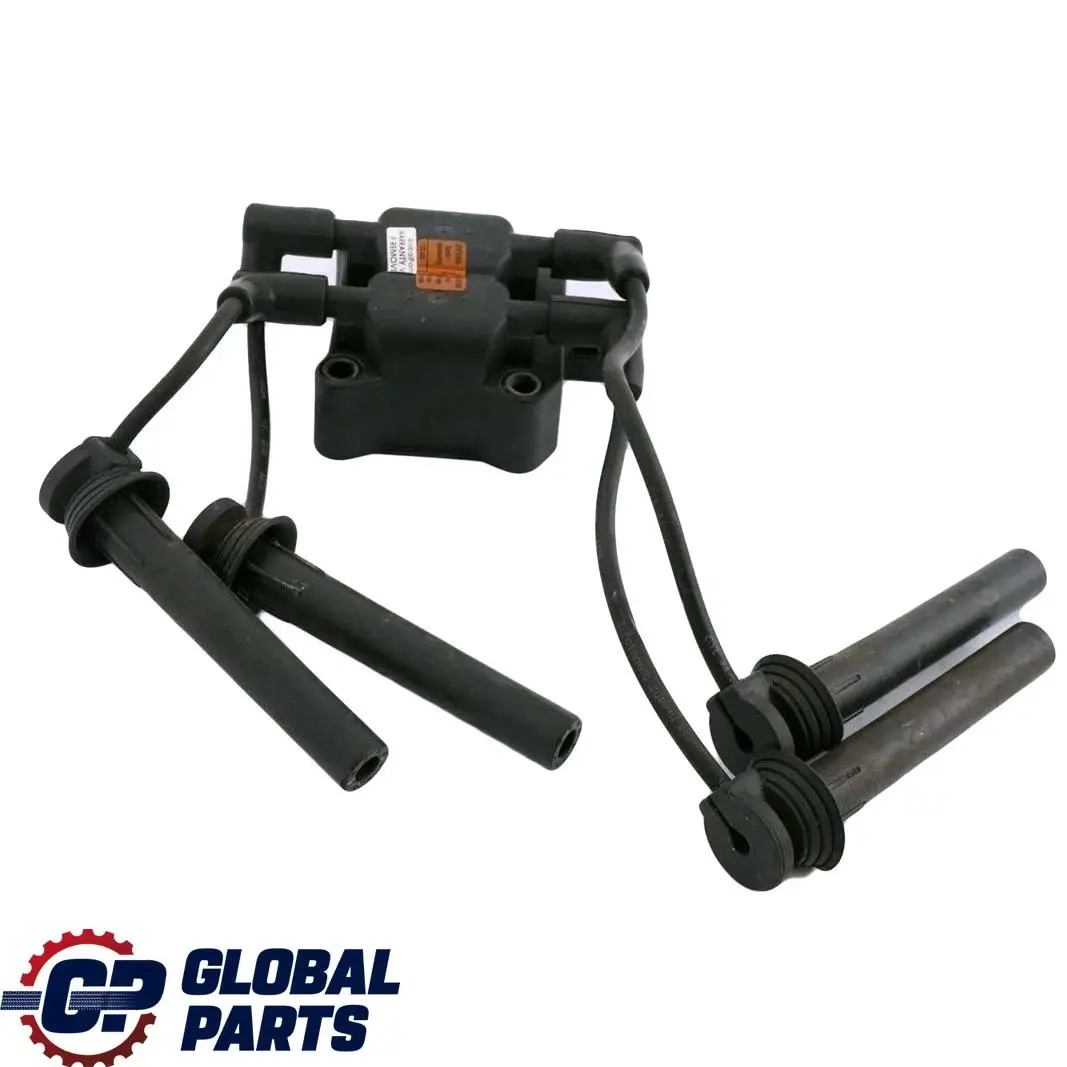
Part no. 7510738
Mini Cooper One R50 R52 R53 Ignition Coil Pack and Leads Set 2122435
£23.95
Free delivery: Oct 01
If paid before 14:00
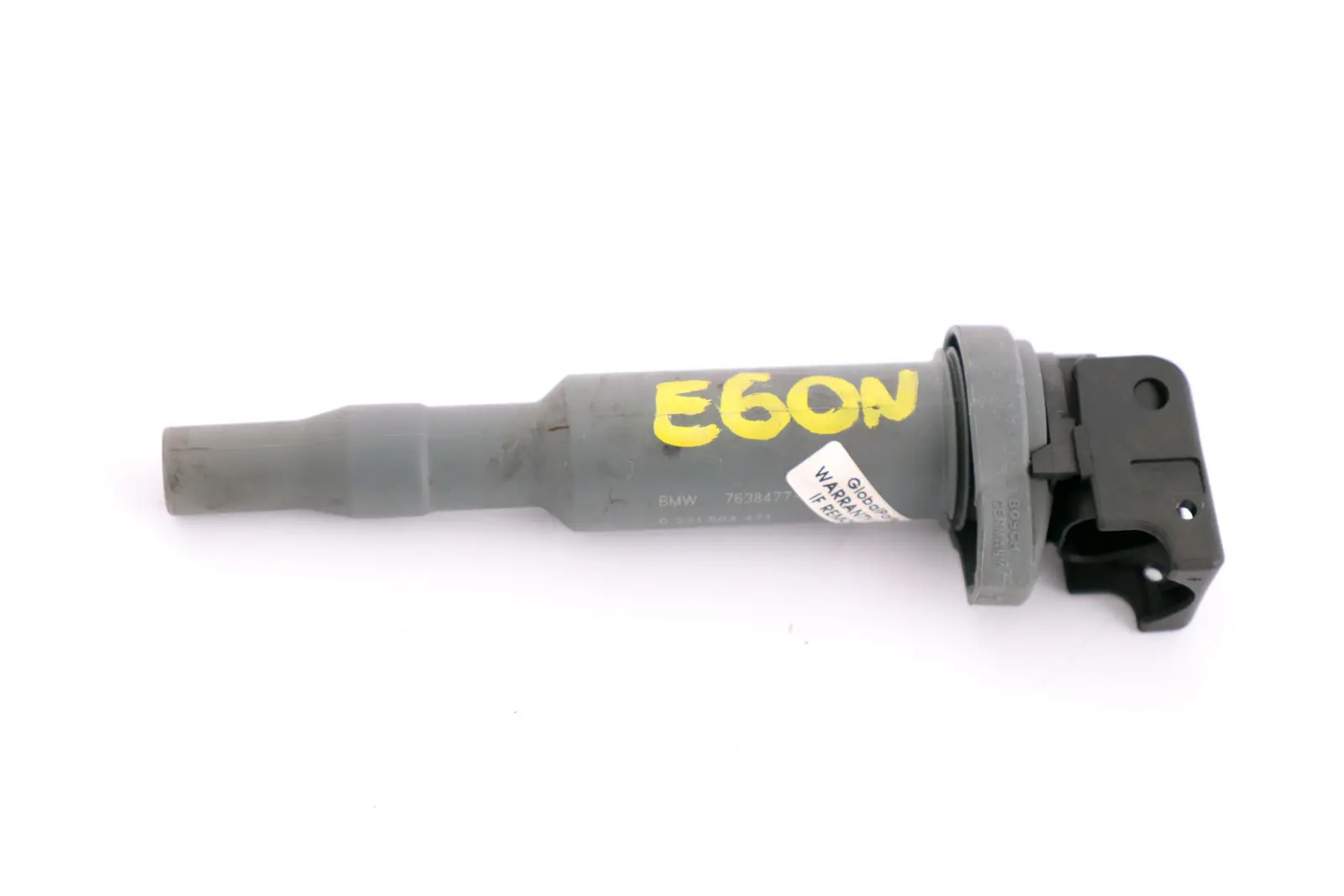
Part no. 7638477
Ignition Coil BMW E81 E87N LCI E90 E91 E92 F10 F11 Bosch 7638477
£13.95
Free delivery: Oct 01
If paid before 14:00
Part no. 7638477-1
BMW 1 3 5 Series E81 E87N LCI E90 E91 E92 F10 F11 Ignition Coil Haas 413110321
£13.95
Free delivery: Oct 01
If paid before 14:00
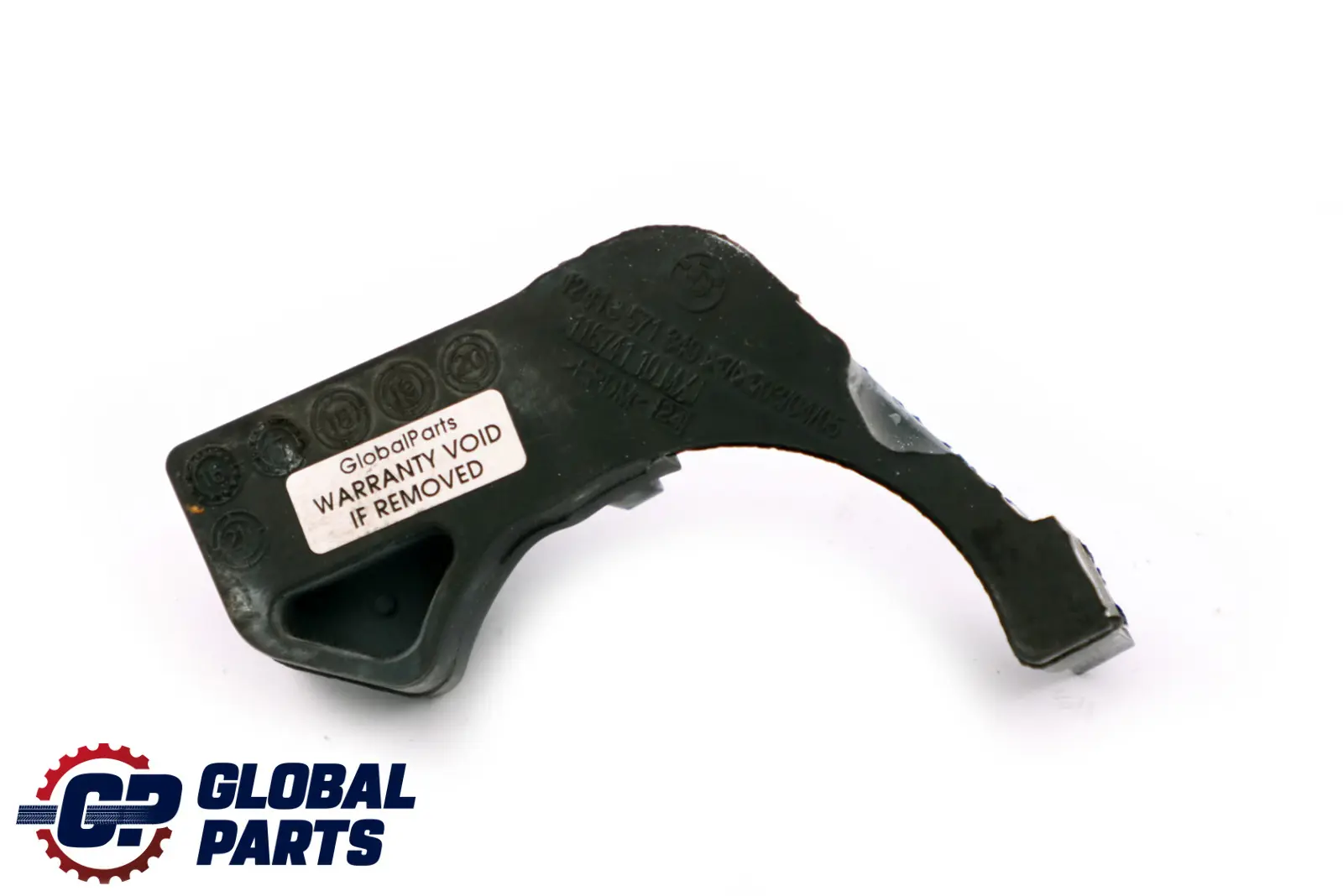
Part no. 8571349
BMW F20 F21 F30 LCI F22 F32 G30 X3 F25 Starter Acoustic Vibration Plug 8571349
£13.95
Free delivery: Oct 01
If paid before 14:00
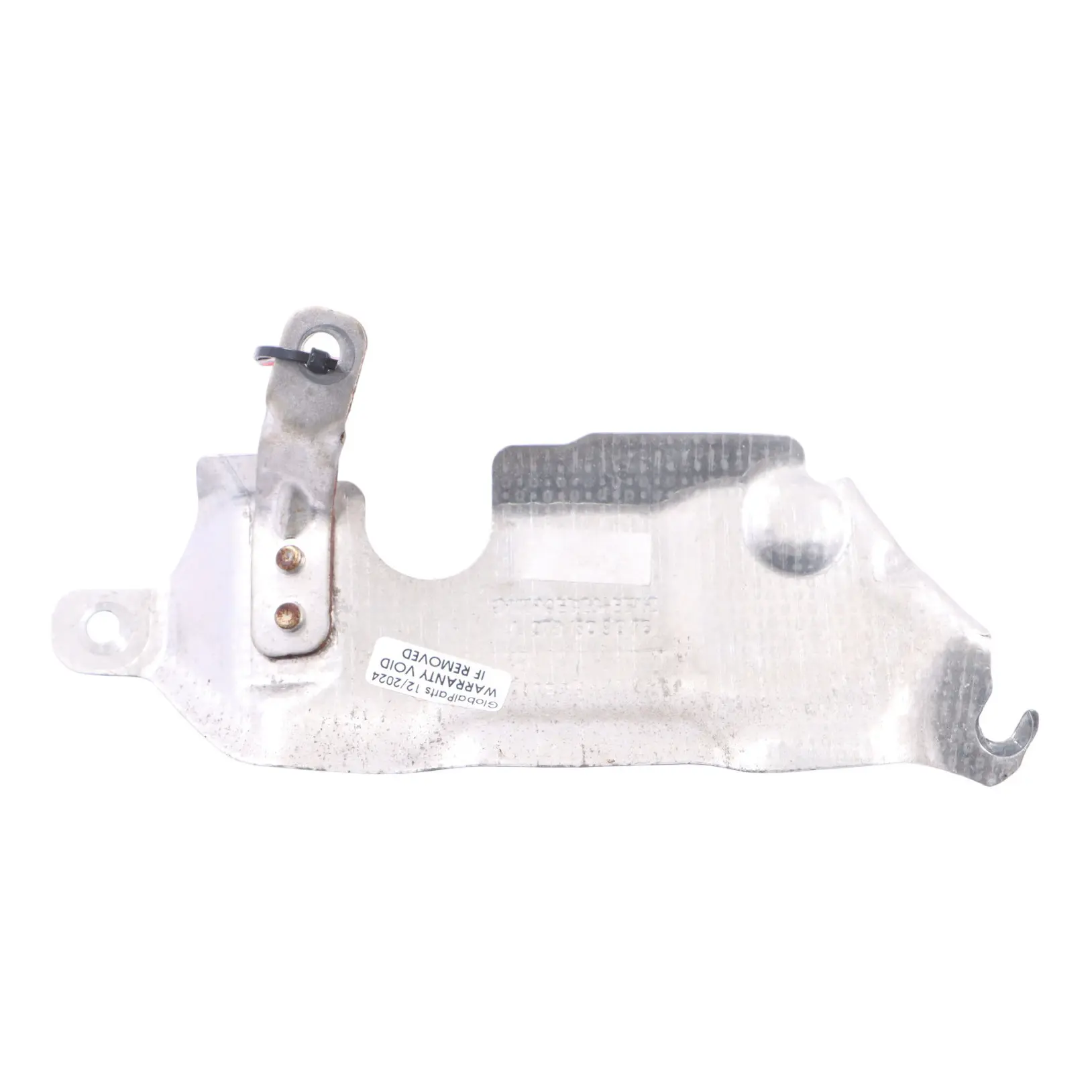
Part no. A2761509875
Mercedes W213 W222 A238 M276 Starter Screening Plate Shield A2761509875
£18.95
Free delivery: Oct 01
If paid before 14:00
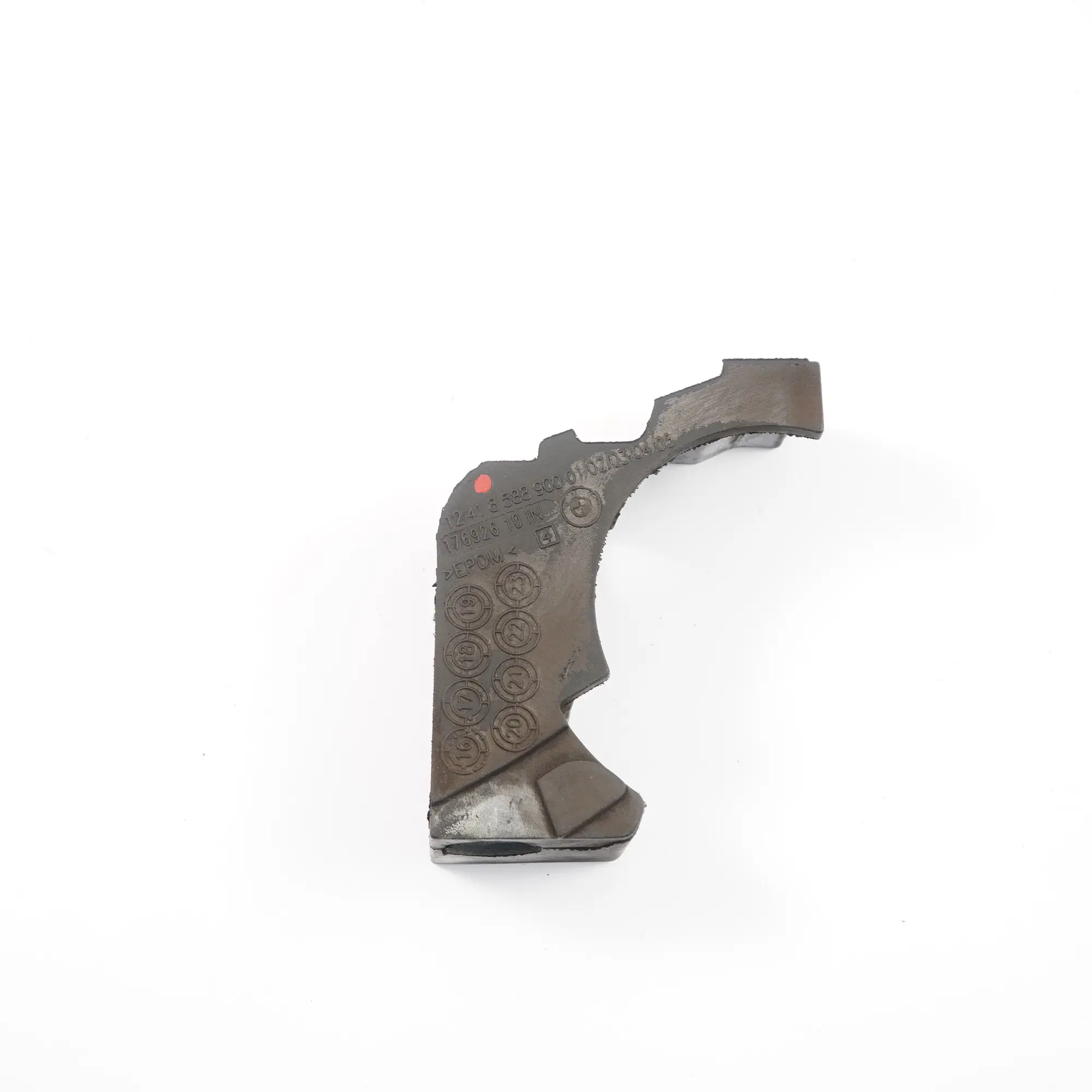
Part no. 8576484
BMW X3 G01 G20 G21 G30 G31 Starter Acoustic Vibration Plug 8576484 8588900
£13.95
Free delivery: Oct 01
If paid before 14:00
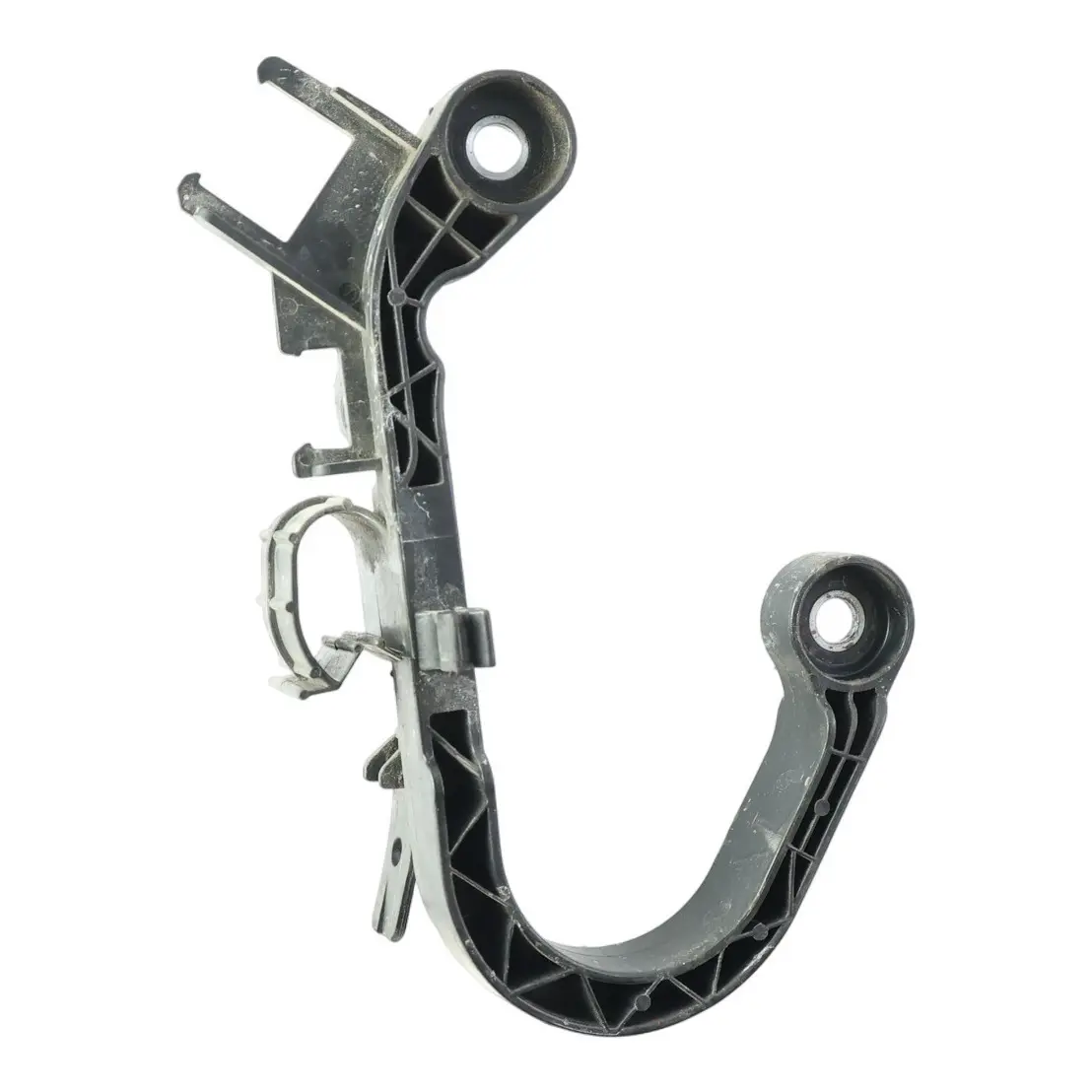
Part no. 5N0971858E
VW Volkswagen Tiguan 5N Starter Retaining Plate Bracket Mount Support 5N0971858E
£13.95
Free delivery: Oct 01
If paid before 14:00
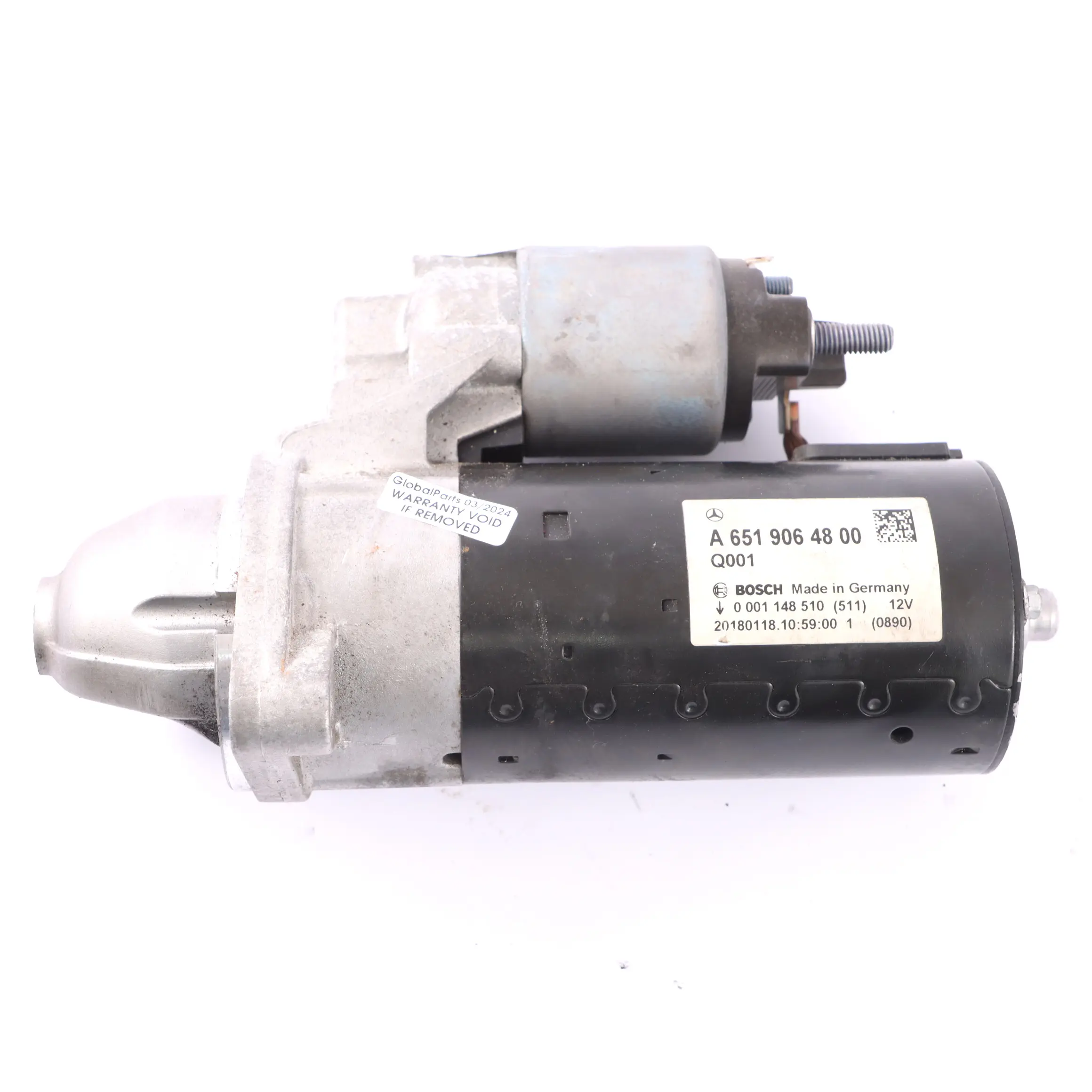
Part no. A6519064800
Mercedes GLC X253 GLC 220d Diesel OM651 Engine Starter Motor Bosch A6519064800
Product currently unavailable
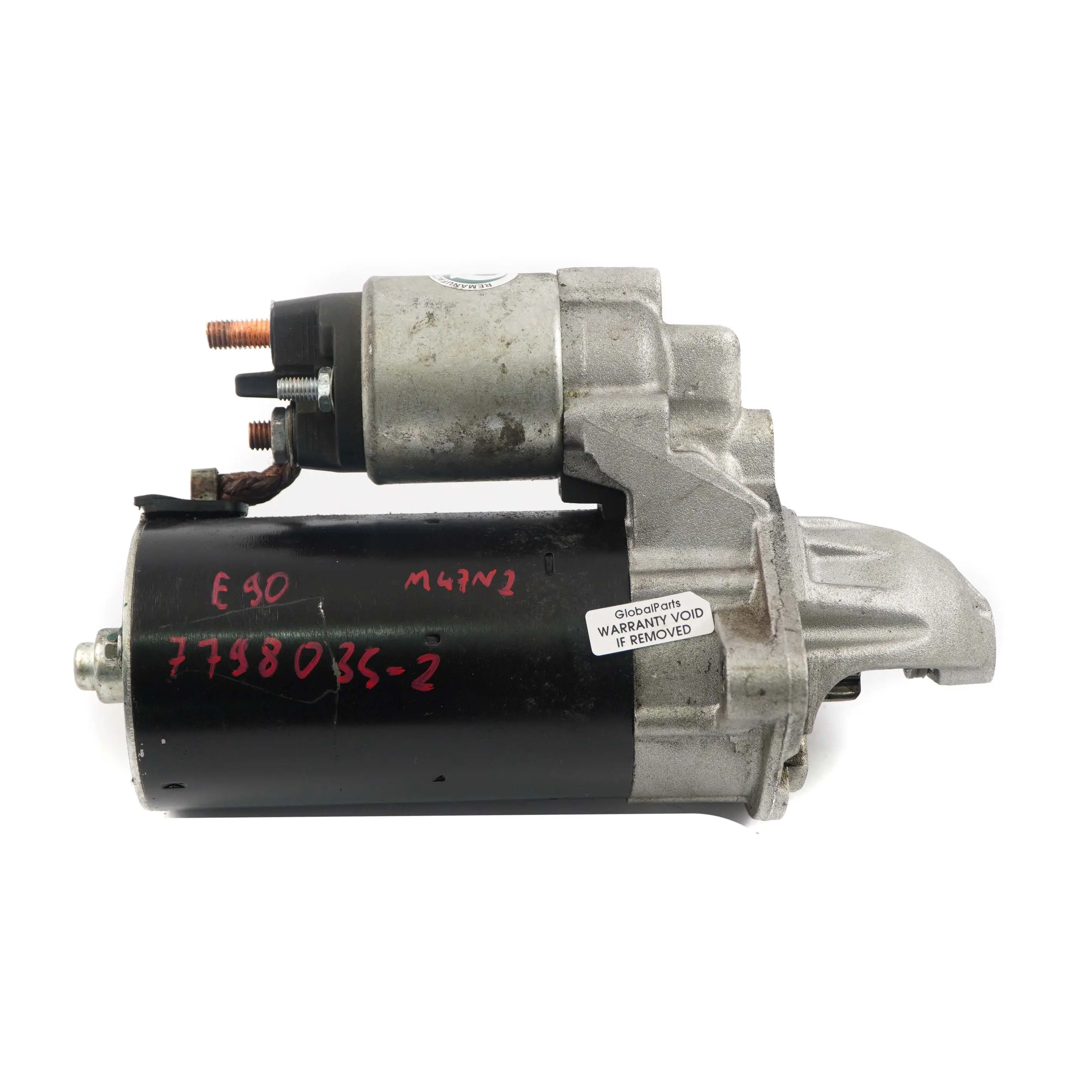
Part no. 7798035-2
BMW 1 3 5 Series E60 E61 E87 E90 E91 M47N2 M57N2 Starter Motor 7798035
Product currently unavailable
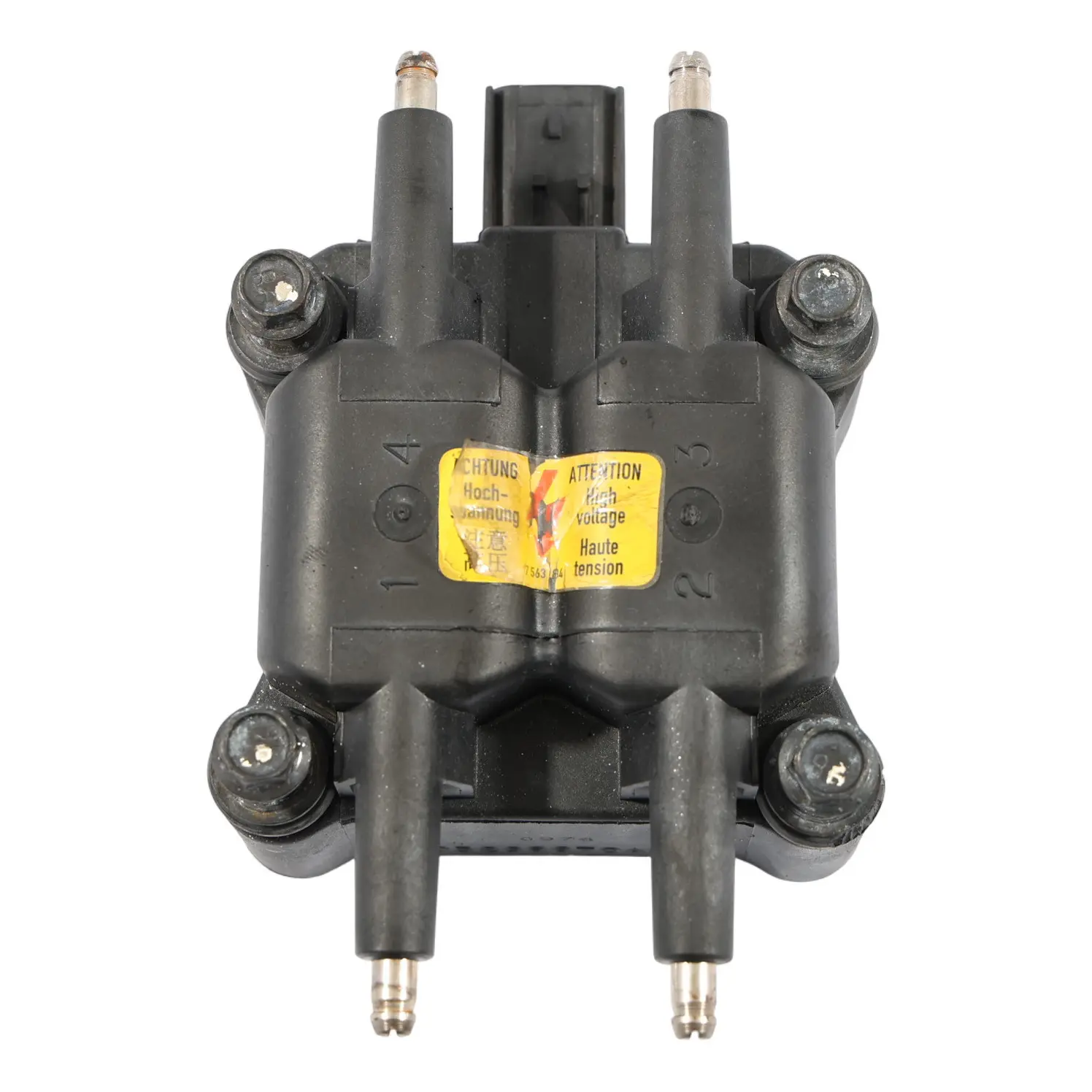
Part no. 7510738-7
Ignition Coil Mini R50 R52 R53 Petrol W10 Coil Pack Module Unit 7510738
Product currently unavailable
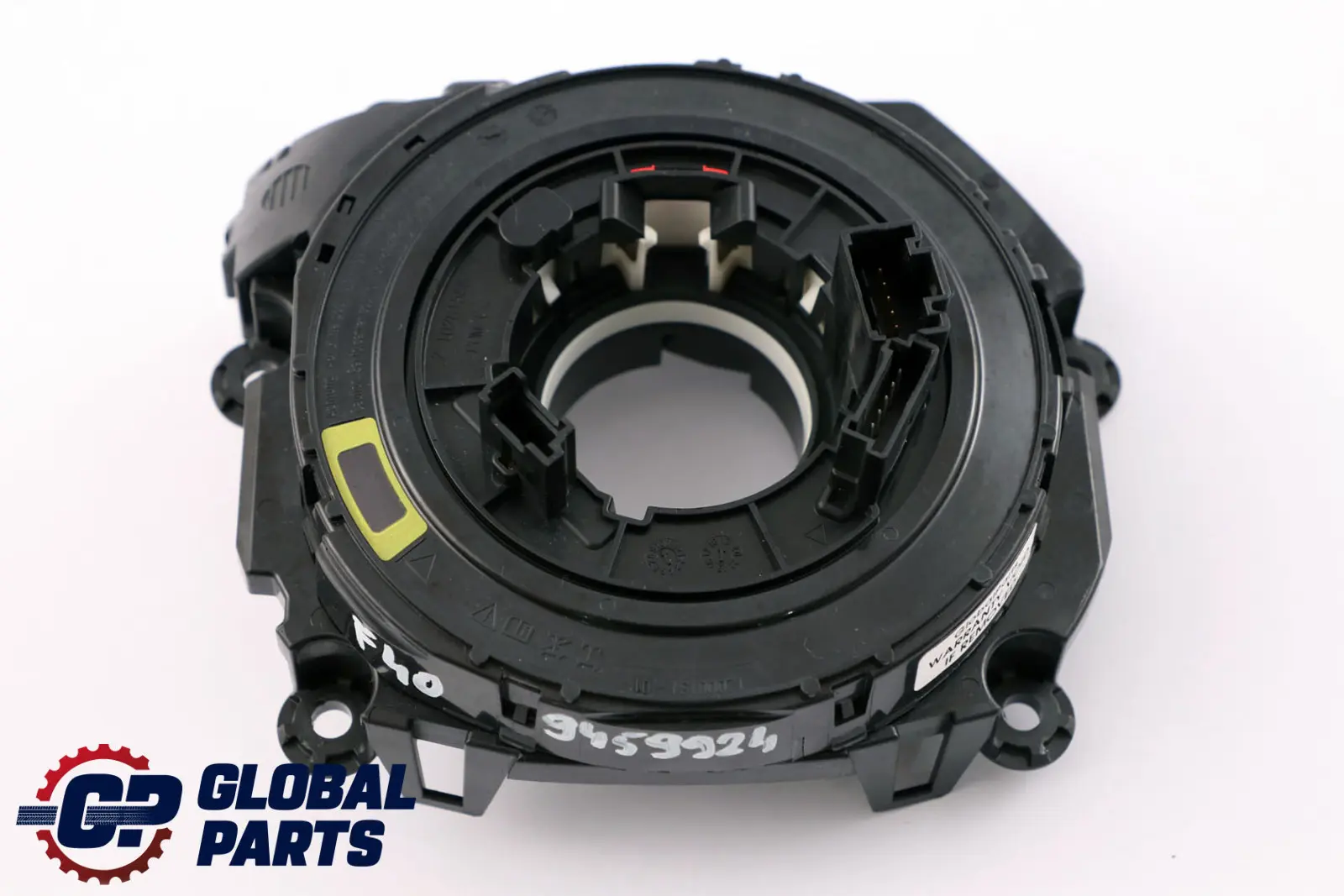
Part no. 9459924
BMW 1 Series F40 Coil Spring Cartridge Slip Ring 9459924
Product currently unavailable
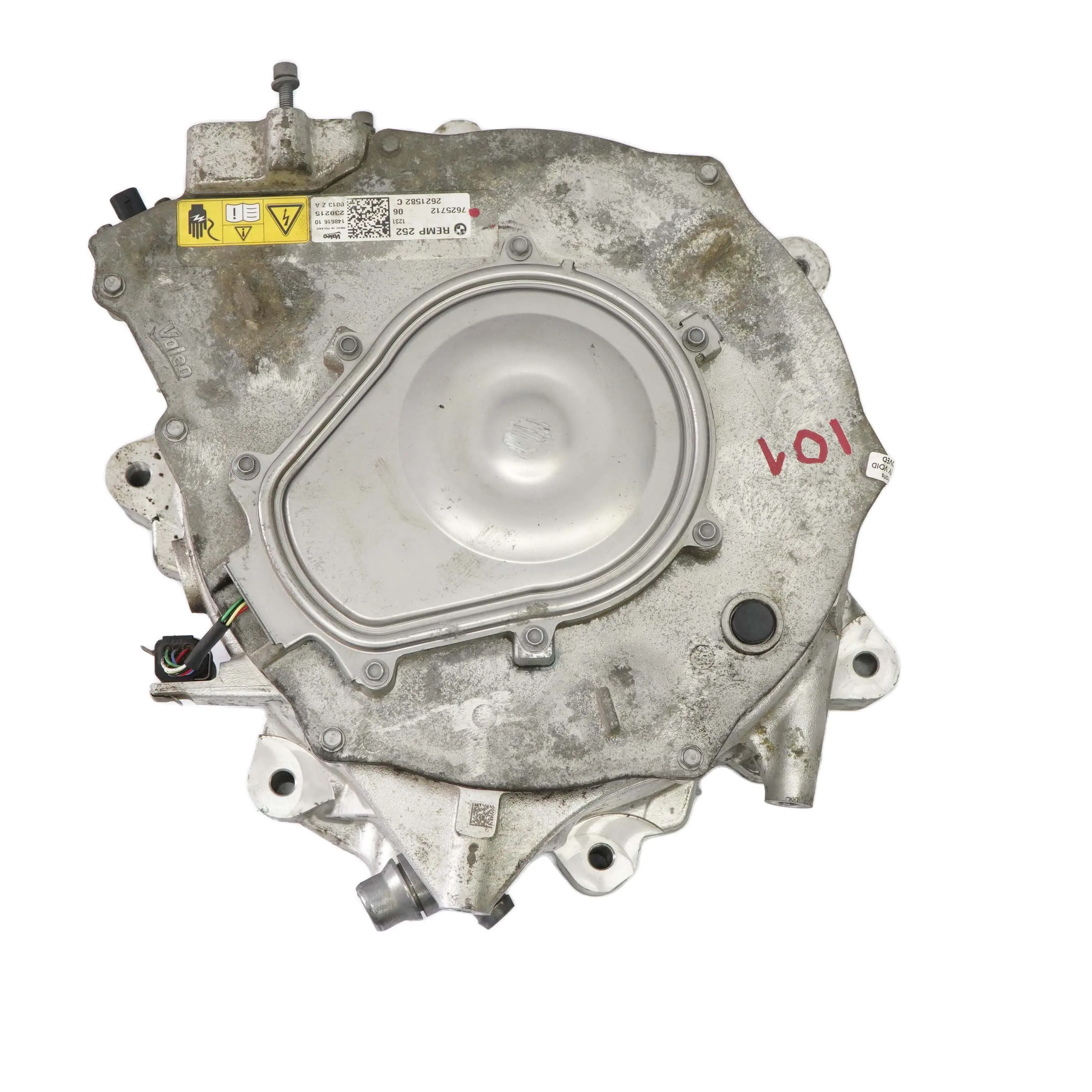
Part no. 8682498
Starter Generator BMW i3 I01 Hybrid 60Ah 94Ah 120Ah Rex Petrol Engine 7625712
Product currently unavailable
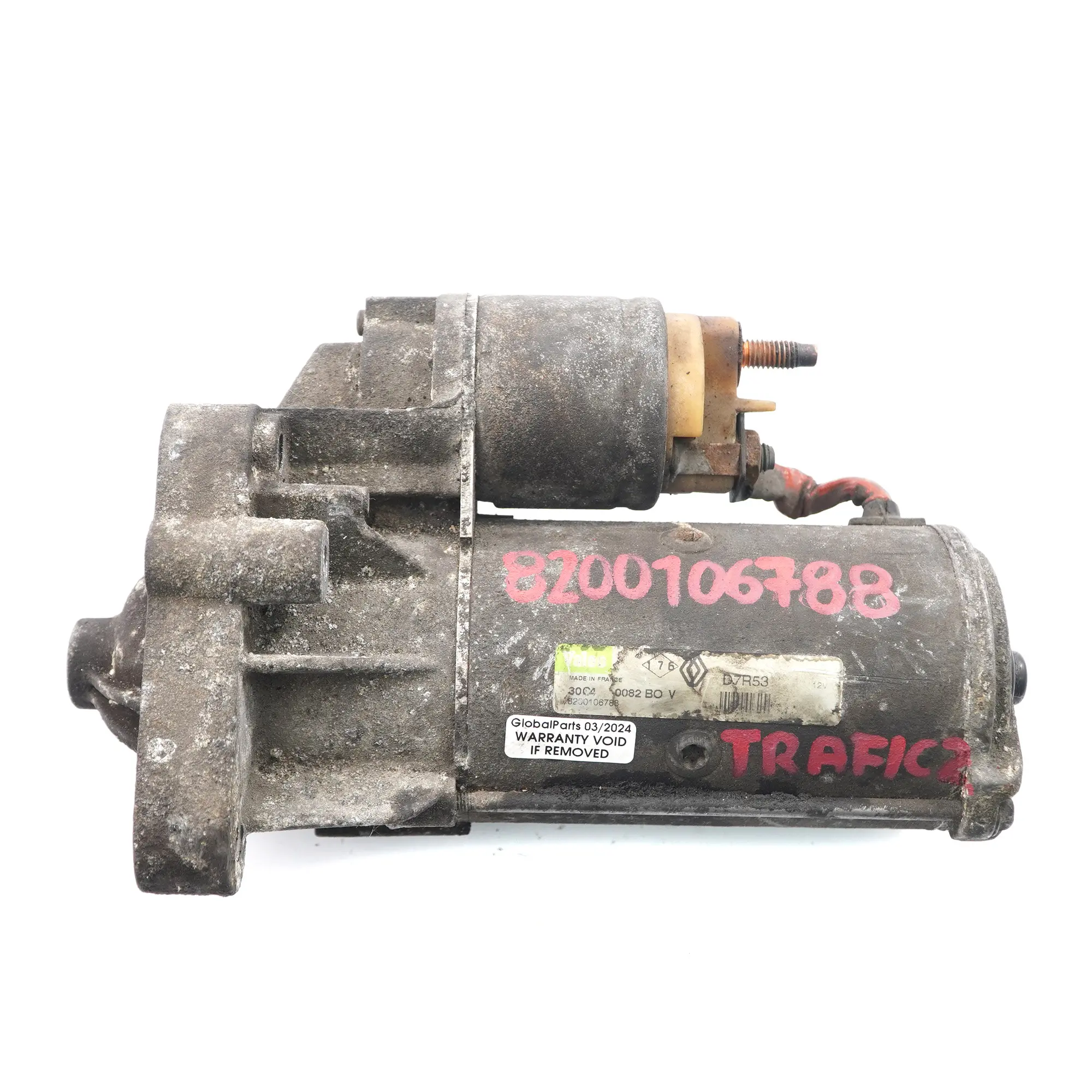
Part no. 8200106788
Starter Motor Renault Trafic II Opel Vivaro A Diesel 2.5 dCi 8200106788
Product currently unavailable
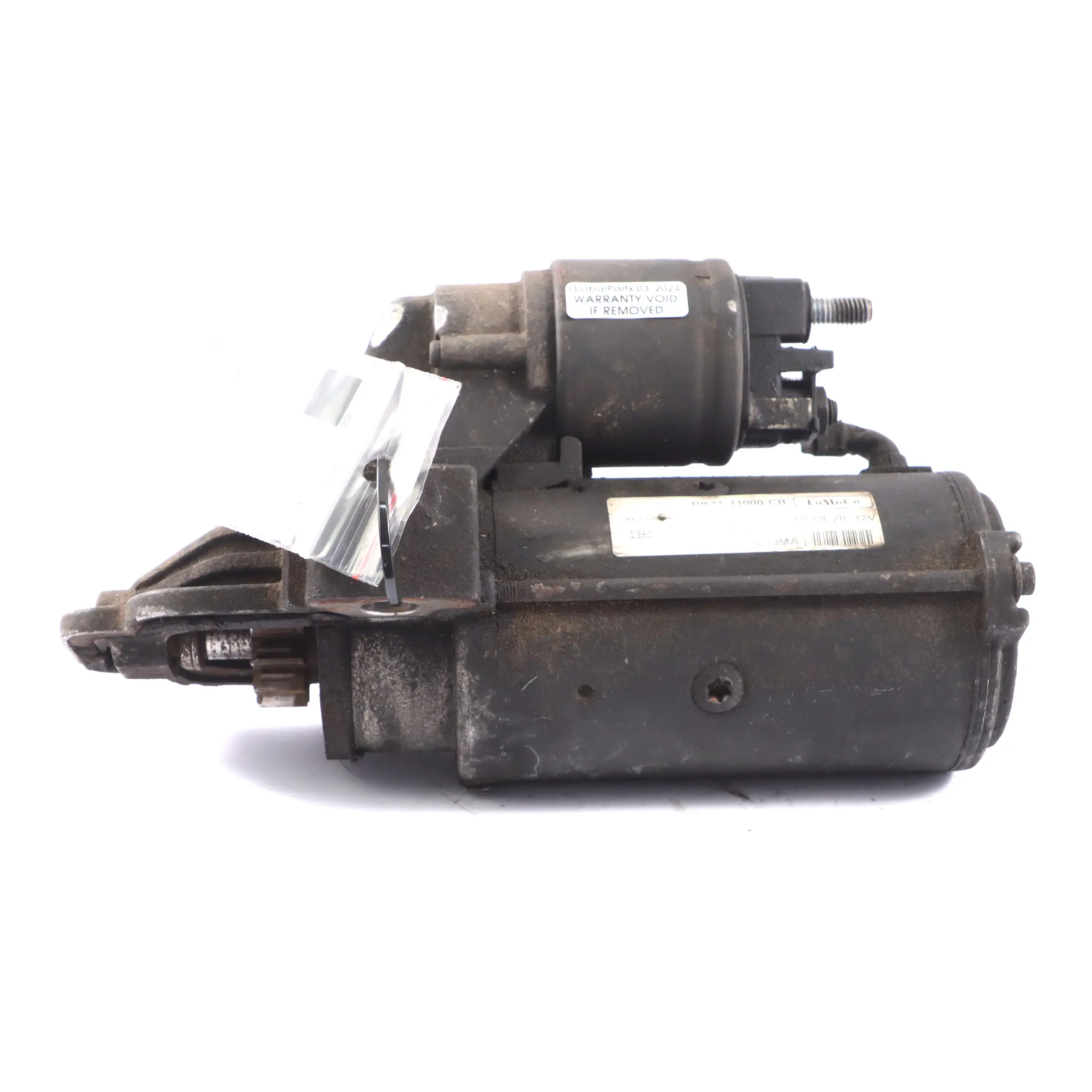
Part no. BK3T-11000-CB
Starter Ford Transit MK8 Custom V363 2,2 Tdci Starter Motor BK3T-11000-CB
Product currently unavailable
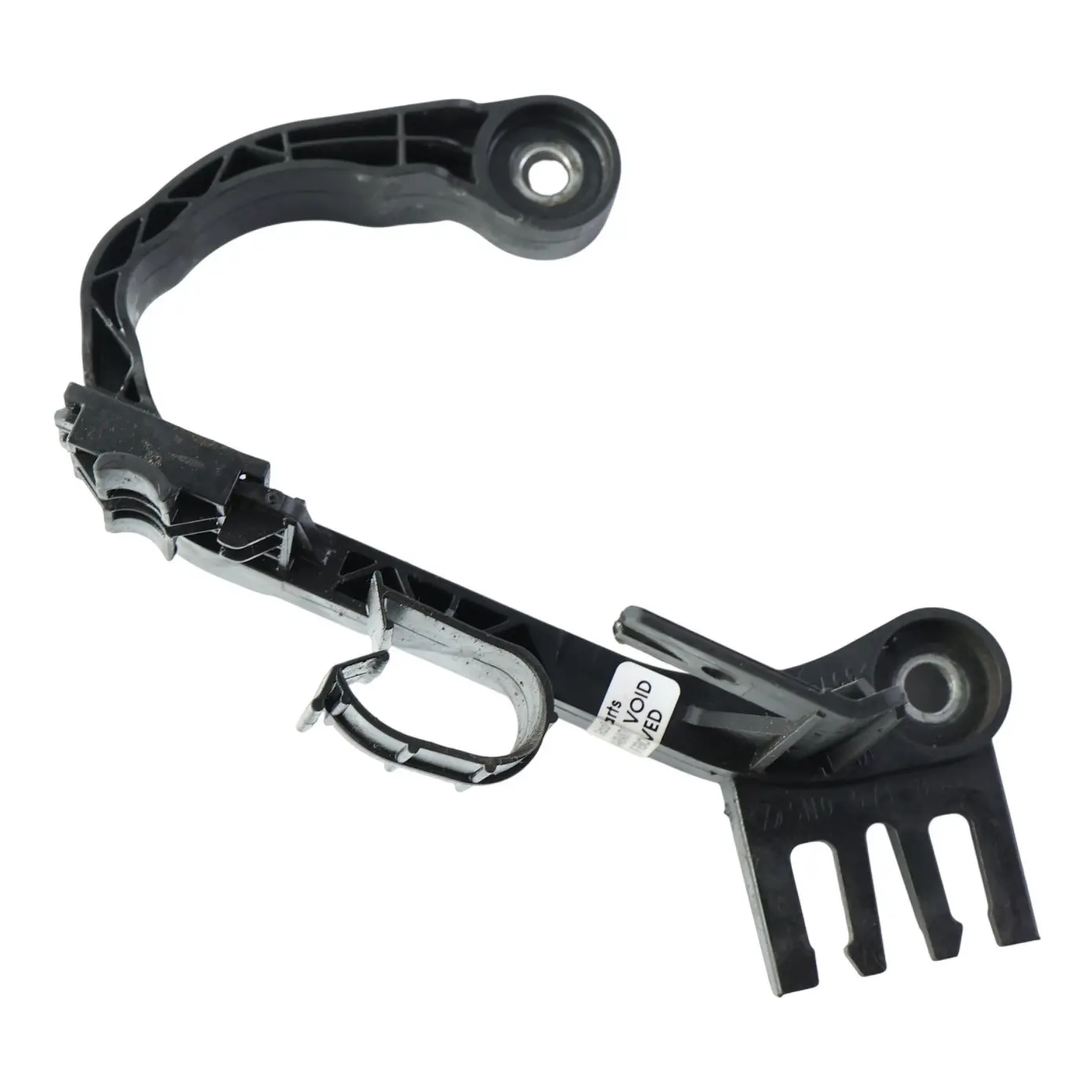
Part no. 5N0971858
Volkswagen Tiguan 5N Starter Retainning Plate Holder Bracket Mount 5N0971858
Product currently unavailable
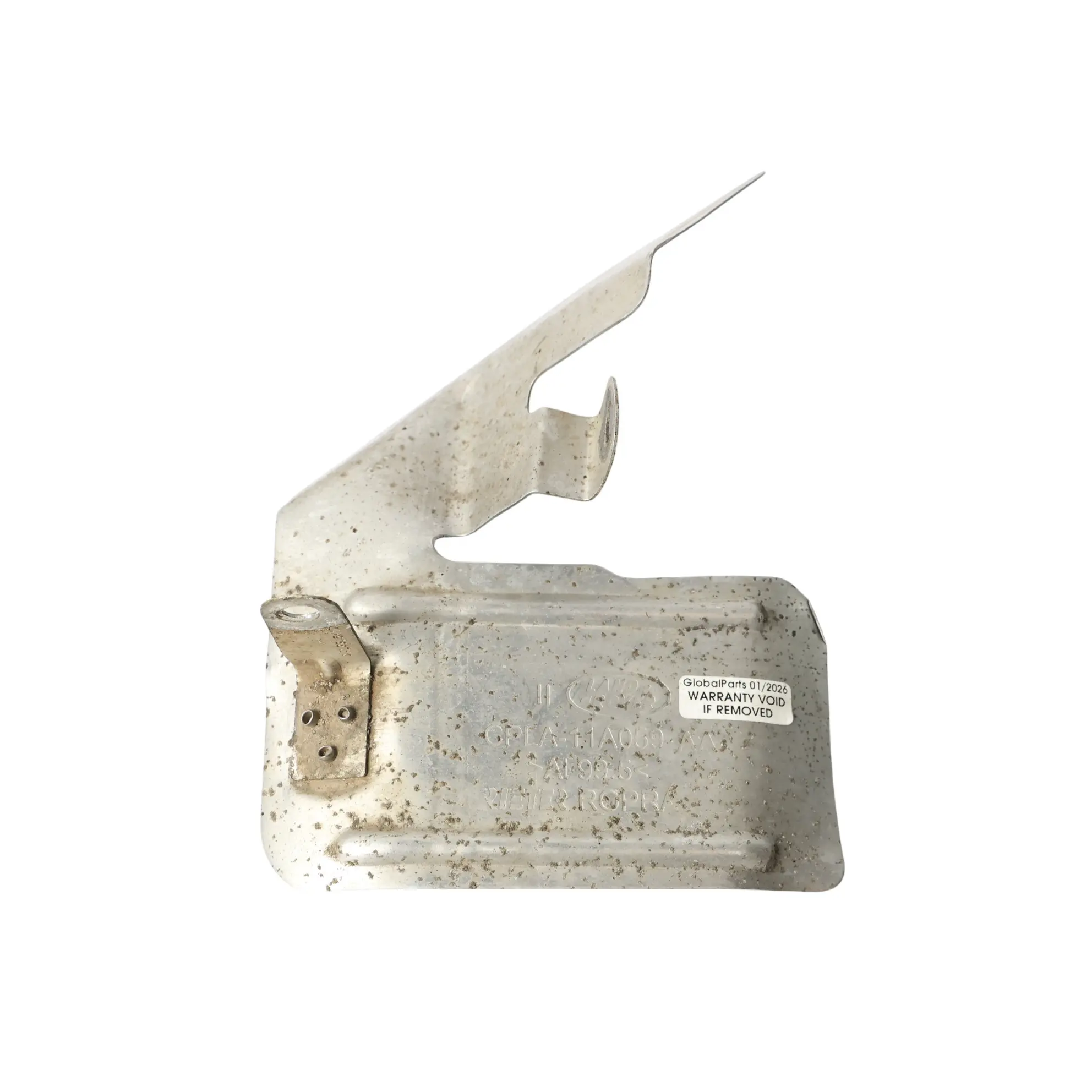
Part no. CPLA-11A059-AA
Range Rover L405 Starter Motor Heat Shield Plate Cover CPLA-11A059-AA
Product currently unavailable
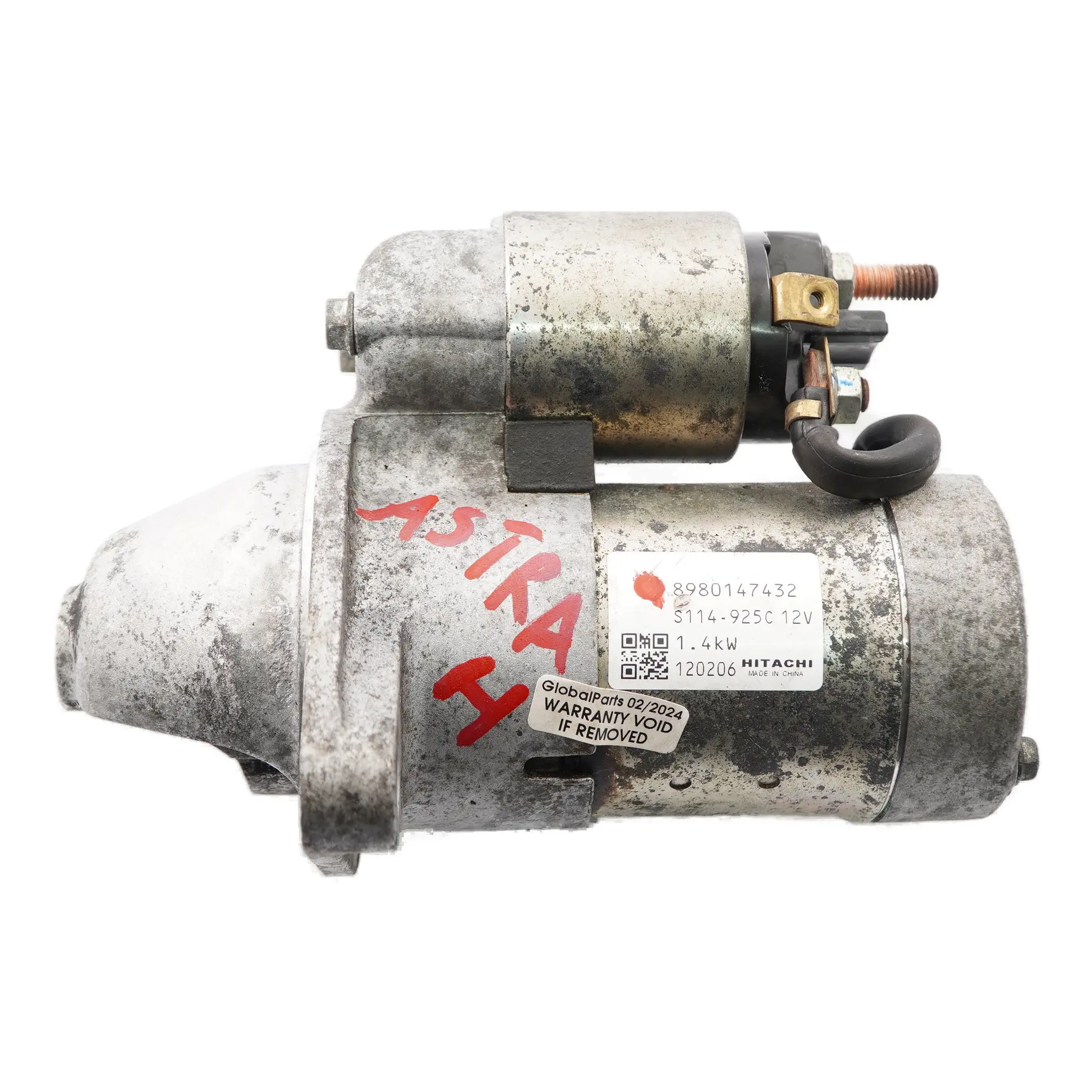
Part no. 8980147432
Vauxhall Astra H Corsa D Merriva B 1.7 CDTI Engine Starter Motor 8980147432
Product currently unavailable
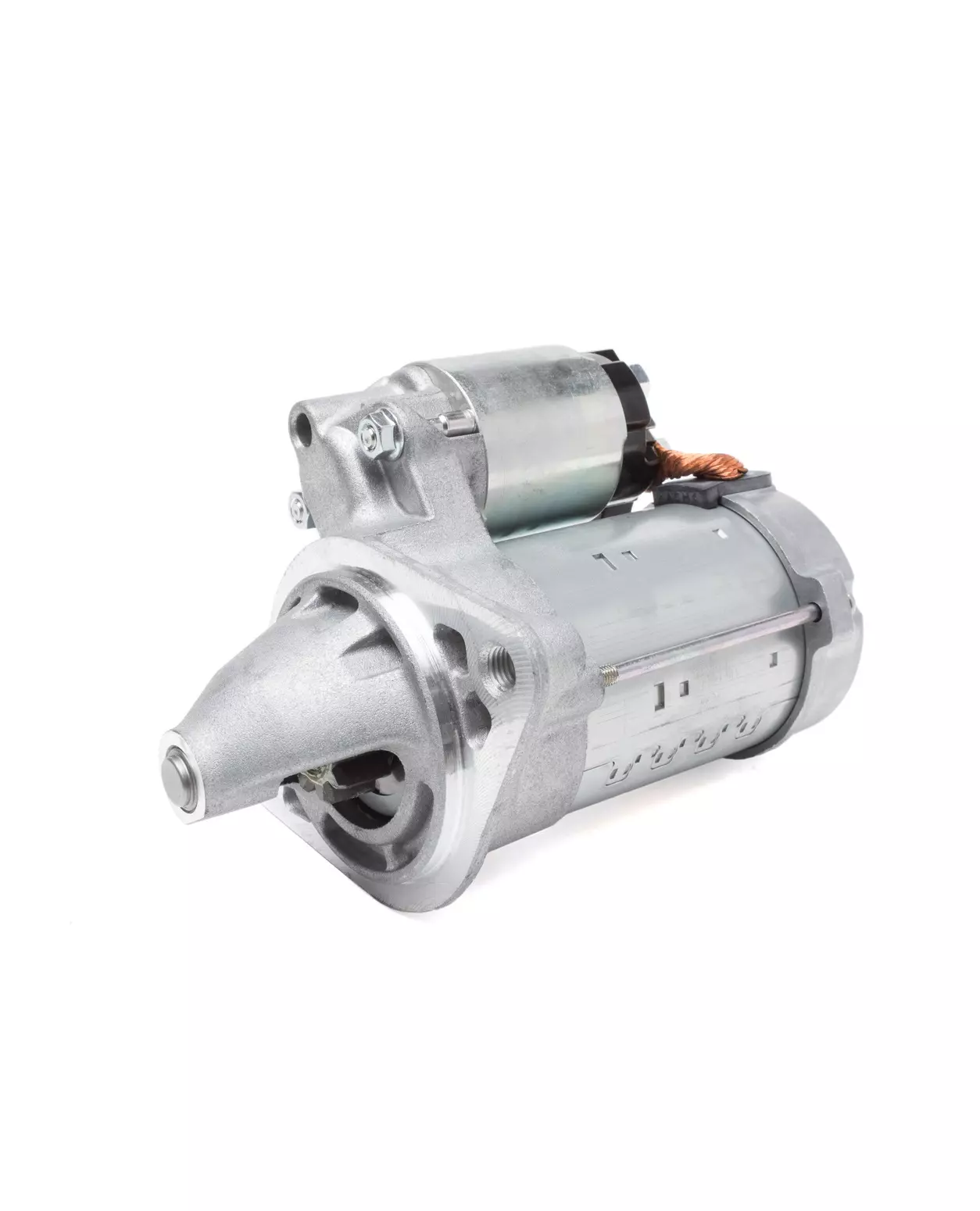
Starter motor components for reliable engine starts in all conditions
Durable engine starter components for passenger cars and vans
Starter parts are key components that enable the engine to start efficiently. The starter, powered by electrical energy from the battery, generates the torque needed to set the engine in motion. The operation of elements such as brushes, bendix drives, solenoids, or rotors affects the reliability of the entire starting system. In the Global Parts automotive store, you will find a wide selection of used car parts, including starter parts, perfectly matched to brands such as BMW, Mini, Mercedes, and others.
Starter construction and starting system operation
A starter is a DC electric motor, typically 12 V in passenger cars and 24 V in commercial vehicles, whose task is to give the crankshaft a rotational speed that enables the self-ignition of the fuel-air mixture. In gasoline engines, the minimum starting speed is usually approx. 200–300 rpm, while in diesel engines it may exceed 250–400 rpm due to a higher compression ratio. A typical starter consists of:
- an electric motor (rotor + stator),
- a solenoid (electromagnetic switch),
- a coupling mechanism (bendix drive),
- a gear, in many models a planetary one, which increases torque.
Construction and purpose of starter parts
Starter parts are consumable and mechanical components that make up the complete engine starting system. This group includes, among others, brushes, bushings, bendix drives, solenoids, rotors, as well as housing and mounting elements. Their task is to transfer electrical energy into rotational motion and momentarily engage with the flywheel ring gear. These are components mounted directly in the starter, not in a random place in the engine compartment. For example, starters used in various models may operate in a 12 V system, but they differ in power and gear design. It is the power parameters and the number of pinion teeth that determine compatibility with the flywheel.
What functions do starter parts perform?
Starter parts play an important role in the vehicle starting process:
- Torque generation – the starter converts electrical energy into mechanical energy, setting the engine flywheel in motion.
- Precise engagement and disengagement – solenoids and bendix drives enable the correct coupling of the starter with the flywheel and its disconnection after the engine starts.
- Wear minimization – brushes, bearings, and gears support the smooth operation of the starter, extending its service life.
- Electrical system protection – high-quality parts prevent overloads and failures of the electrical system during startup.
Differences between starting system elements
| Element | Main function | What to check before selection |
|---|---|---|
| Solenoid | Extends the pinion and closes the high-current circuit | Connector type, pin layout, housing and mounting compatibility |
| Bendix drive | Transfers drive to the flywheel ring gear only during startup | Number of teeth, rotation direction, diameter, and shaft compatibility |
| Rotor | Generates rotational motion inside the starter | Length, winding, commutator condition, housing fit |
| Brushes and bushings | Ensure current conduction and stable guidance of moving parts | Dimensions, mounting method, wear of working surfaces |
Starter types and design differences
In the automotive industry, two main types of starters are used:
- Classic (without a gear) – higher current consumption, simpler design.
- Planetary (with a reduction gear) – smaller dimensions, higher torque with lower current consumption. In modern designs, starters with a planetary gear are more common, as they improve energy efficiency and help save the battery. Compatibility depends on, among other things:
- system voltage,
- power in kW,
- number of pinion teeth,
- mounting flange diameter,
- arrangement of mounting bolts. Matching is done based on the model, engine version, and VIN, which allows for precise determination of the mounting variant without the risk of a mismatch.
Function of the starting system and associated elements
The starting system is used to momentarily start the internal combustion engine by giving it the appropriate rotational speed. In practice, the starter works with the battery, the power supply system, and components from the Cables, wiring harnesses, and connectors and Car electrical relays categories. If you are looking for a component such as an e90 starter, it is worth comparing the OEM number, the number of pinion teeth, and the mounting layout to the gearbox. This makes it easier to select the right variant for a specific engine version and equipment.
Why is it worth taking care of starter parts?
Malfunction of starter parts can lead to problems with starting the vehicle and faster wear of the electrical system. Typical symptoms of malfunction include:
- Difficulty starting the engine – the starter works too slowly or does not start the engine.
- Clicking when trying to start – may indicate a problem with the solenoid or bendix drive.
- No reaction when turning the key – may result from damage to the brushes, rotor, or electrical circuits.
- Loud noises – grinding or squeaking may indicate wear of bearings or mechanical starter elements. If replacement is necessary, at Global Parts you will find suitable used parts for the starting system.
The importance of the bendix drive and symptoms of its wear
The bendix drive is a coupling mechanism that extends the starter pinion toward the flywheel ring gear only for the duration of the start. This element is used to transfer the drive and immediately disconnect after the engine starts, to prevent overloading the starter. A worn bendix drive can cause slipping, grinding, or lack of full engagement. During diagnostics, it is worth checking the condition of Car batteries and power connections at the same time.
Symptoms and possible causes – technical summary
| Symptom | Possible cause | Related element |
|---|---|---|
| Slow engine rotation | Low starting torque | Brushes / rotor |
| Clicking without starting | Incomplete pinion extension | Solenoid / bendix drive |
| Grinding during startup | Improper engagement | Pinion / flywheel |
| No reaction | Circuit break | Electrical system / contacts |
Such a summary facilitates diagnostics and allows for faster determination of which component is responsible for the given symptoms. In practice, this means more efficient part selection and shorter repair time.
How to choose the right starter parts?
When choosing starter parts, you should pay attention to several key aspects:
- Vehicle model fitment – every starting system has its specific technical requirements.
- Technical condition – used parts should be fully functional, free from mechanical and electrical damage.
- Starter type – ensure that the selected parts match the type of starter in your vehicle, for example, classic or planetary.
Selection and installation procedure – step by step
- Identification of the engine version.
- Verification of system voltage.
- Checking starter power.
- Comparison of the number of pinion teeth.
- Installation according to the manufacturer's bolt tightening torque. Proper installation ensures optimal engagement and durability of cooperating elements, such as the flywheel, battery, or alternator.
Selection of parts by OEM number and product parameters
The OEM number is the manufacturer's designation that allows you to compare the part with the vehicle's factory specification. In this category, it is worth checking not only the OEM part number and interchangeable numbers but also the brand, condition, location on the vehicle, and fuel type assigned to a given version. It is also helpful to compare with the offer of Car starters and Alternator and generator parts when the repair involves more than one element of the electrical system. Further knowledge about electronics in BMW brand cars can be found in the article Driving pleasure for years – how to take care of iDrive systems and electronic modules in BMW 3 and 5 series models using dismantled parts?.
Why is it worth choosing used starter parts?
Used car parts, such as used starter parts, are an economical solution that allows for savings while maintaining high quality. By choosing used starting system elements, you gain:
- Lower costs – used parts are significantly cheaper than new ones but offer equally high quality.
- Ecology – recycling parts supports environmental protection and reduces waste.
- Wide offer – in our store, you will find used starter parts for many car brands.
How to take care of starter parts?
For starter parts to work reliably for a long time, it is worth following a few rules:
- Regular diagnostics – check the condition of the starter during technical inspections.
- Take care of the battery – ensure an adequate battery charge level to avoid overloading the starter.
- Cleaning contacts – contaminated connections can disrupt the operation of the electrical system.
- Replace worn elements on time – damaged brushes, bearings, or bendix drives should be replaced to avoid more serious failures.
FAQ
| Question | Answer |
|---|---|
| What is the construction and purpose of starter parts? | Starter parts are a set of elements forming the mechanism responsible for starting the engine. They include, among others, a rotor, solenoid, bendix drive, brushes, bushings, and housing. They are mounted in the starter located near the engine and gearbox. Their purpose is to generate rotational motion and proper engagement with the flywheel for the duration of the start. |
| What are starter parts used for? | Starter parts are used to start the engine by momentarily transferring high torque from the electric drive to the mechanical system of the power unit. They are also responsible for closing the high-current circuit, extending the pinion, and safely disconnecting it after the start. Without functional elements, the start may be delayed, unstable, or completely impossible. |
| What role does the bendix drive play in the starting system? | The bendix drive is a coupling mechanism mounted on the starter shaft that extends the pinion to the flywheel ring gear only during startup. It is used to transfer the drive to the engine and automatically disconnect after the unit starts. Its condition affects the smoothness of engagement, noise during startup, and protection of the rotor and gear against overload. |
| How to choose starter parts for a specific car? | It is safest to compare the OEM number, interchangeable numbers, engine version, system voltage, and mounting type. It is also worth checking the number of pinion teeth, connection layout, and location on the vehicle. For several versions of the same model, matching by VIN and comparing photos of the parts is helpful. |
| What symptoms indicate wear of starter elements? | Most often these are clicking without starting, slow shaft rotation, grinding during startup, or a complete lack of reaction after turning the key. Such symptoms may indicate wear of brushes, solenoid, bendix drive, bushings, or a problem with power contacts. Before replacing parts, it is also worth checking the condition of the battery and cables. |
| How to take care of starter parts after installation? | The basis is maintaining a functional battery, clean electrical connections, and proper charging. Avoid long, repeated cranking of the starter without breaks, as this increases the load on the rotor and contacts. During periodic maintenance, it is also good to check cooperating elements, such as power cables, engine ground, and the charging system. |
Summary: starter parts in the Global Parts automotive store
Starter parts are essential elements of the starting system that ensure efficient and reliable engine starting. The Global Parts offer includes used components matched to many brands, including BMW, Unbranded, Mercedes, and others. When selecting, it is worth comparing the OEM number, interchangeable numbers, fuel type, mounting location, and part condition to maintain compliance with the specific vehicle version. We invite you to contact us – we are here to help you! For more information and interesting facts, we also invite you to our automotive blog.