


Rocker Arms & Parts
Find it faster
Match to your vehicle
GB
Make
Category
Subcategory
Timing Components & Kits
Condition
In Stock
Price
No search results
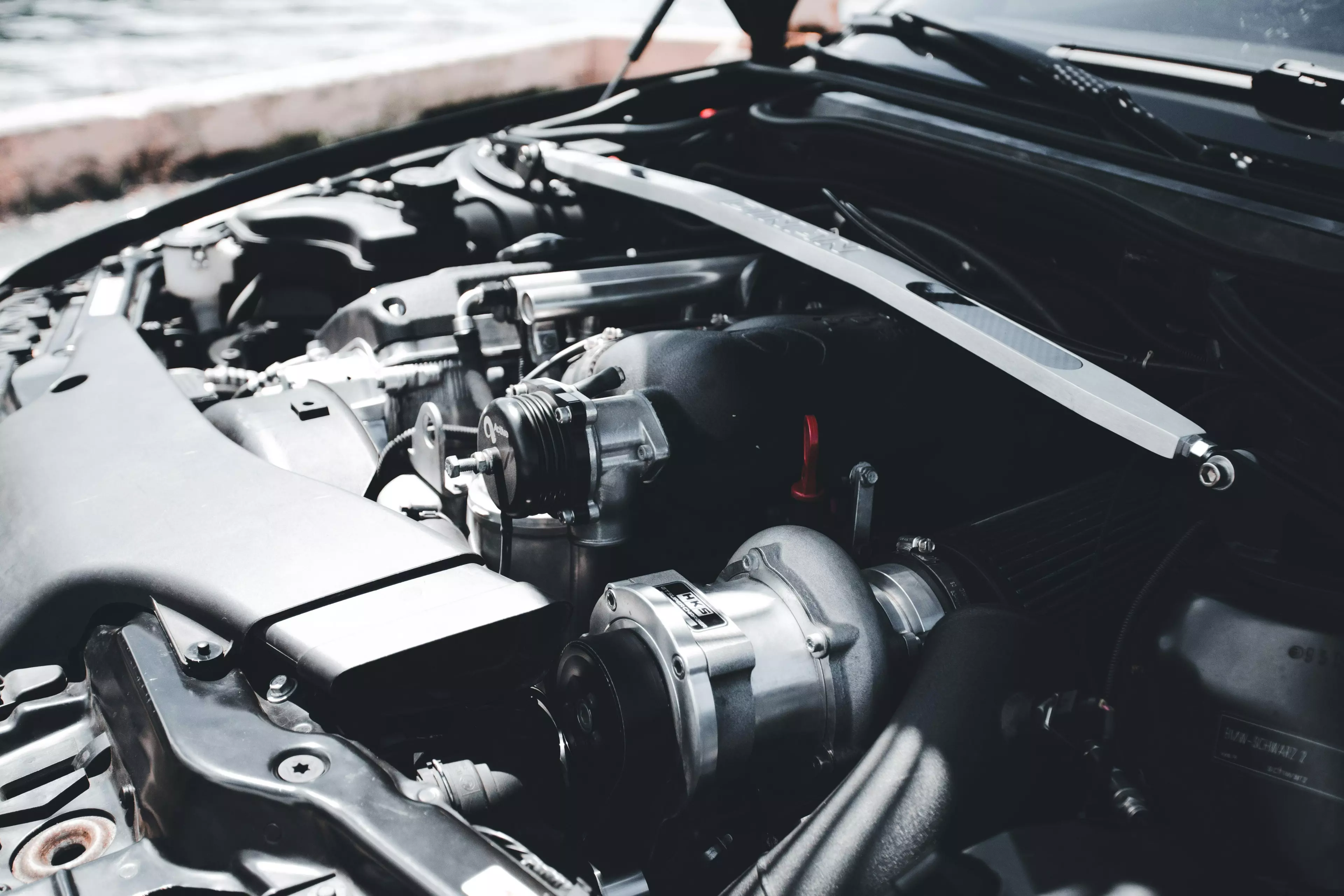
Valve lifters for smooth timing system performance
Hydraulic and mechanical lifters for timing systems
In the Global Parts automotive store, you will find a wide selection of used car parts, compatible with brands such as Ford, BMW, Honda, and others. Rocker arms and related components are responsible for the proper transmission of movement within the timing system, which is why their selection is crucial for the operation of valves, the camshaft, and the entire upper engine assembly. This category includes components for many engine versions, and in the product cards, you can check data such as Brand, Fuel type, Condition, OEM part number, and Interchangeable numbers.
Design and purpose of rocker arms and components
Rocker arms and components are timing system elements mounted in the engine cylinder head, between the camshaft lobe and the valve or the lever interacting with it. Their task is to transmit the force that opens the valves while maintaining proper operating geometry and the intended clearance or hydraulic compensation. A typical set includes the rocker arm itself, a lever, a roller or sliding surface, and contact points with the valve stem. In practice, compatibility is determined not only by dimensions but also by compliance with a specific engine version, fuel type, and OEM number.
Comparison of rocker arm variants and components
| Variant | Characteristics | Interacting elements | What to check before selection |
|---|---|---|---|
| Rocker arm with sliding surface | Transmits pressure without a roller, through direct working contact. | Camshafts, engine valves | OEM number, signs of wear on the contact surface, compatibility with the cylinder head and engine version. |
| Roller rocker arm | Uses a roller to reduce friction between timing components. | valve lifters, camshaft, cylinder head guides | Roller type, axle mounting, structural compatibility, and interchangeable numbers. |
| Valve lever with auxiliary elements | Connects camshaft movement with valve operation and may work with clearance compensation. | valve guides, springs and parts, valve stems, cylinder head | Shape of support points, mounting location, compatibility with engine code and part number. |
Function of rocker arms and their impact on timing operation
Rocker arms and components are used to transfer movement from the camshaft to the valves in a manner intended by the engine design. The smoothness of valve opening and closing, as well as proper interaction with elements such as timing adjustment parts, depends on them. Signs of wear may include changes in the operating sound of the upper engine, uneven valve operation, or signs of wear on contact surfaces. When choosing a part, unlike selecting a BMW F30 steering wheel where buttons and connectors are compared, for these parts, the OEM number, working design, and compatibility with a specific engine unit are key.
Interacting elements and practical selection rules
A valve lever is an intermediate part that receives movement from the cam and transmits it further to the valve or lifter, depending on the cylinder head design. Its construction affects the operating geometry of the entire mechanism, so when selecting, it is worth analyzing contact surfaces, mounting points, and the completeness of interacting sub-assemblies. When completing a repair for a specific model, e.g., BMW E90, it is good to verify the engine code, fuel type, and part compatibility with the equipment version. For parts such as an Audi A3 8P rear bumper, mountings and body version are important, while here, the basis remains comparing the OEM number, interchangeable numbers, and the mounting location in the cylinder head.
Selecting parts by OEM number and offer data
The safest matching method is to compare the OEM part number and the markings used by the manufacturer. In this category, it is worth paying attention to the vehicle brand, fuel type, part condition, and interchangeable numbers, as visually similar elements may differ in construction details. If you are planning a major service, it will also be helpful to check related groups such as timing parts and assess the condition of interacting sub-assemblies. Additional tips on selecting and maintaining components can be found in the article Air conditioning and heating – part selection and maintenance for year-round comfort, which shows how to compare OEM parts and product card data.
FAQ
| Question | Answer |
|---|---|
| What is the design and purpose of rocker arms and components? | Rocker arms and components are timing system elements mounted in the engine cylinder head, between the camshaft and the valves. They usually consist of a working body, a contact surface or roller, and support points interacting with the lever or valve stem. Their purpose is the proper transmission of movement and pressure during valve opening. Compatibility is determined by the engine design, OEM number, and compliance with a specific engine unit version. |
| What are rocker arms and components used for? | Rocker arms and components are used to transfer movement from camshaft lobes to the valves at the appropriate moment of the engine cycle. They allow for maintaining proper geometry and interaction between timing elements, which affects the engine's operating culture. Without properly selected parts, incorrect valve operation, faster wear of contact surfaces, or problems with the upper engine assembly may occur. |
| What is the design and function of a valve lever? | A valve lever is an intermediate timing system element that transmits movement between the camshaft, lifter, and valve. Its design includes support points, contact surfaces, and a contact point with the valve or clearance compensation. The function of the lever is to maintain the correct ratio and movement guidance in the cylinder head. It also influences the even loading of interacting elements and their operational wear. |
| How to select rocker arms and components for a specific engine? | It is best to compare the OEM number, engine code, fuel type, and any interchangeable numbers. It is also worth checking whether the part is intended for the correct cylinder head version and whether it corresponds to the design of the interacting timing elements. For used parts, the condition of working surfaces and the completeness of mounting points are also important. |
| What symptoms indicate the need to check these elements? | Changes in the operation of the upper engine, uneven valve operation, or visible signs of wear on contact surfaces may prompt verification. In practice, the condition of interacting elements is also checked, as the wear of one sub-assembly often affects another. Therefore, when selecting, it is worth looking at the entire system, not just a single part. |
| What data from the offer should be checked before purchase? | The most important are Brand, Fuel type, Condition, OEM part number, and Interchangeable numbers. This information helps assess the part's compatibility with a specific engine unit and reduces the risk of ordering errors. Additionally, it is worth comparing photos, mounting locations, and structural features visible on the element. |
Summary: rocker arms and components at the Global Parts automotive store
Rocker arms and components are an important group of sub-assemblies for the proper operation of the timing system and the upper engine. In the Global Parts offer, you will find used elements for many car versions from brands such as Ford, BMW, Honda, as well as Mini and others, with the ability to compare basic data needed to match parts. We invite you to contact us – we are here to help! For more information and interesting facts, we also invite you to visit our automotive blog.