


Pulleys
More informationAt the Global Parts automotive store, we offer a wide selection of original used car parts, including pulleys for many popular car brands such as BMW, Mini, Mercedes, Audi, Volkswagen and others. The pulleys we offer undergo quality control so that you can be sure that you are receiving a top-quality product.
GB
-40%
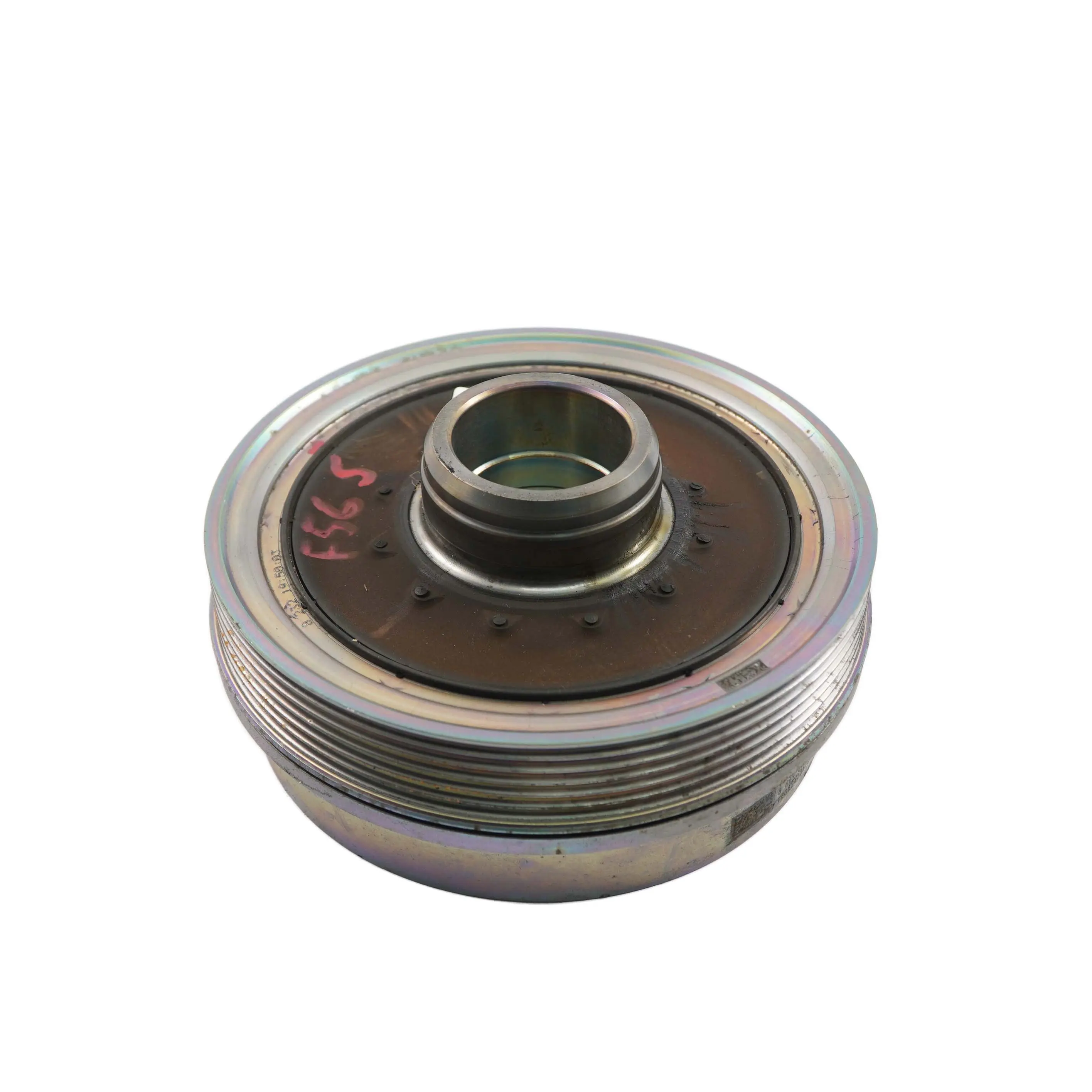
Part no. 8669098
BMW X1 F48 Mini F55 F56 Cooper S Vibration Damper Engine Crank Pulley Petrol
Promo price
£56.95
£34.17
Free delivery: Aug 26
If paid before 14:00
-5%
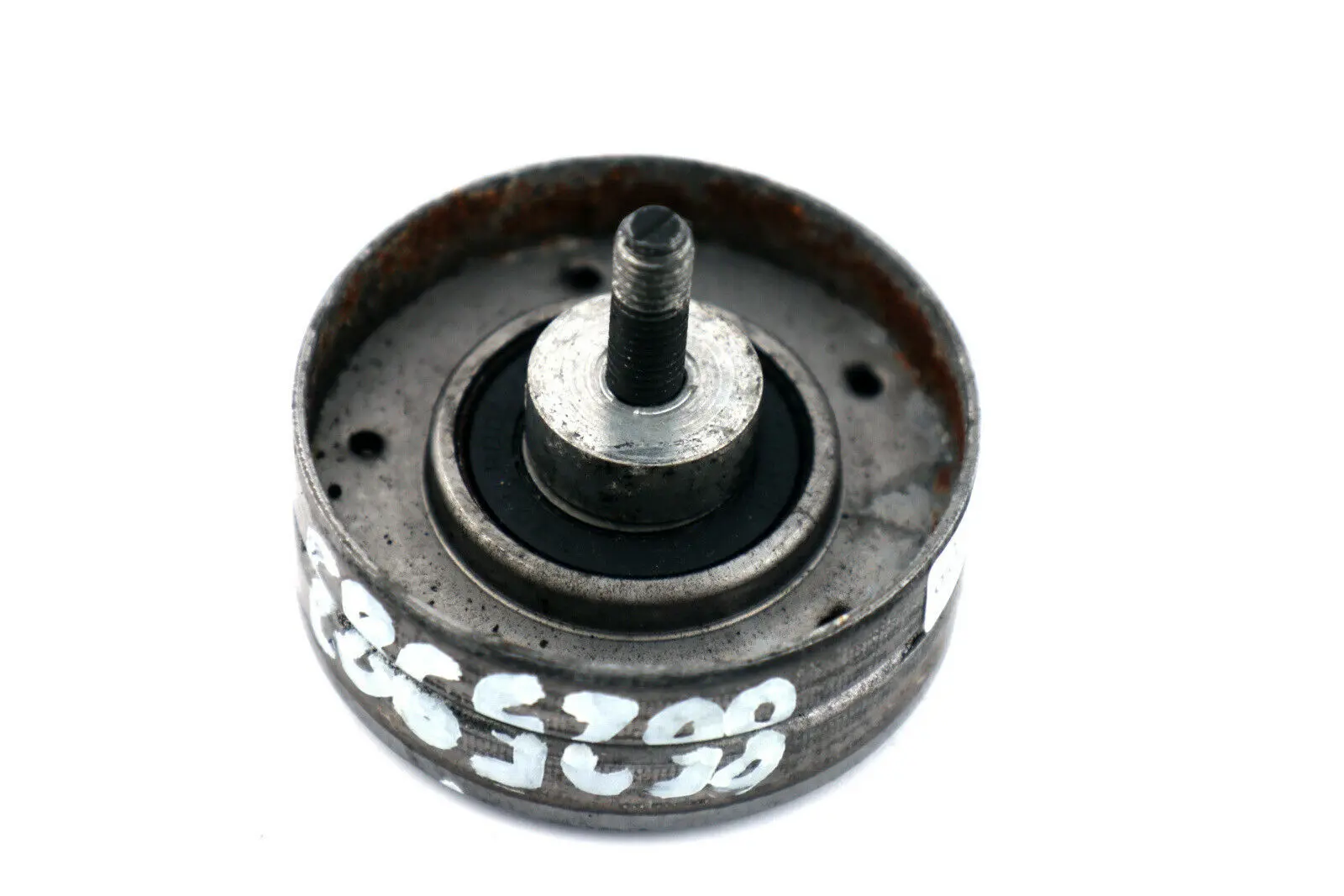
Part no. 8625983
Mini Cooper S R52 R53 Belt Drive Lower Adjusting Pulley 8625983
Promo price
£13.95
£13.25
Free delivery: Aug 26
If paid before 14:00
-5%
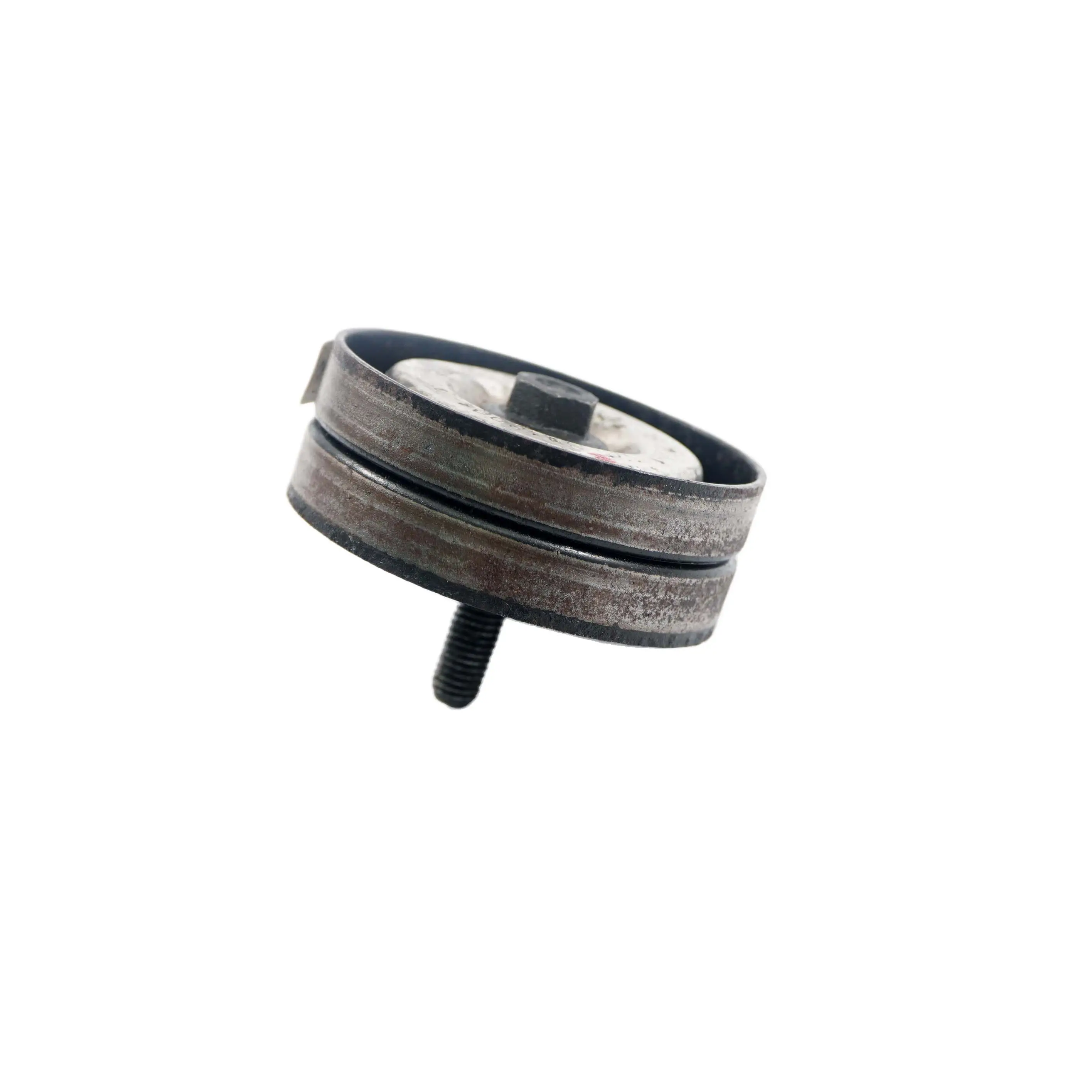
Part no. 946004
Mini R52 R53 Cooper S Water Pump Adjusting Pulley Belt Drive 0946004
Promo price
£13.95
£13.25
Free delivery: Aug 26
If paid before 14:00
-15%
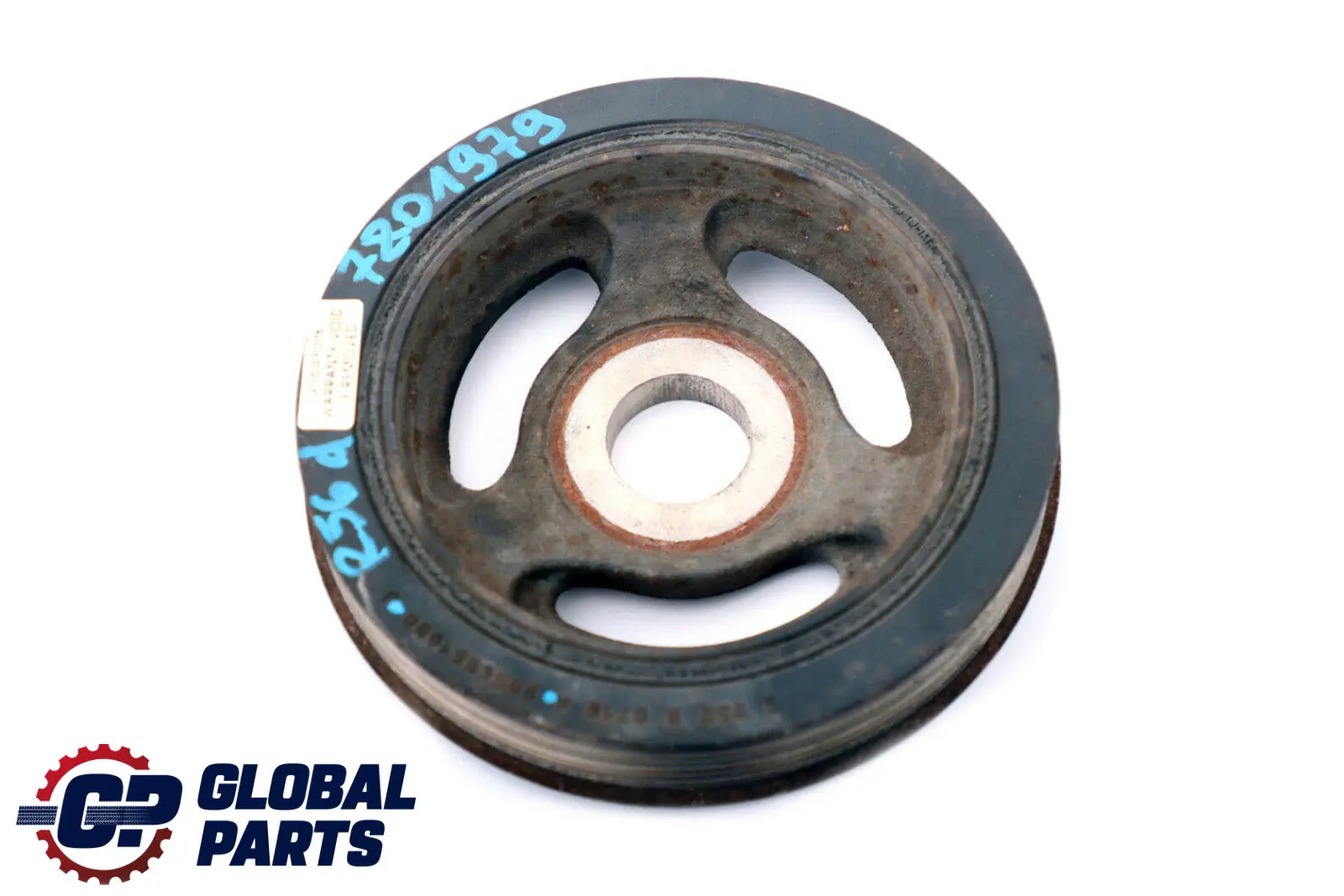
Part no. 7801979
BMW Mini Cooper R55 R56 d W16 Vibration Damper Crankshaft Pulley Belt Drive
Promo price
£18.95
£16.11
Free delivery: Aug 26
If paid before 14:00
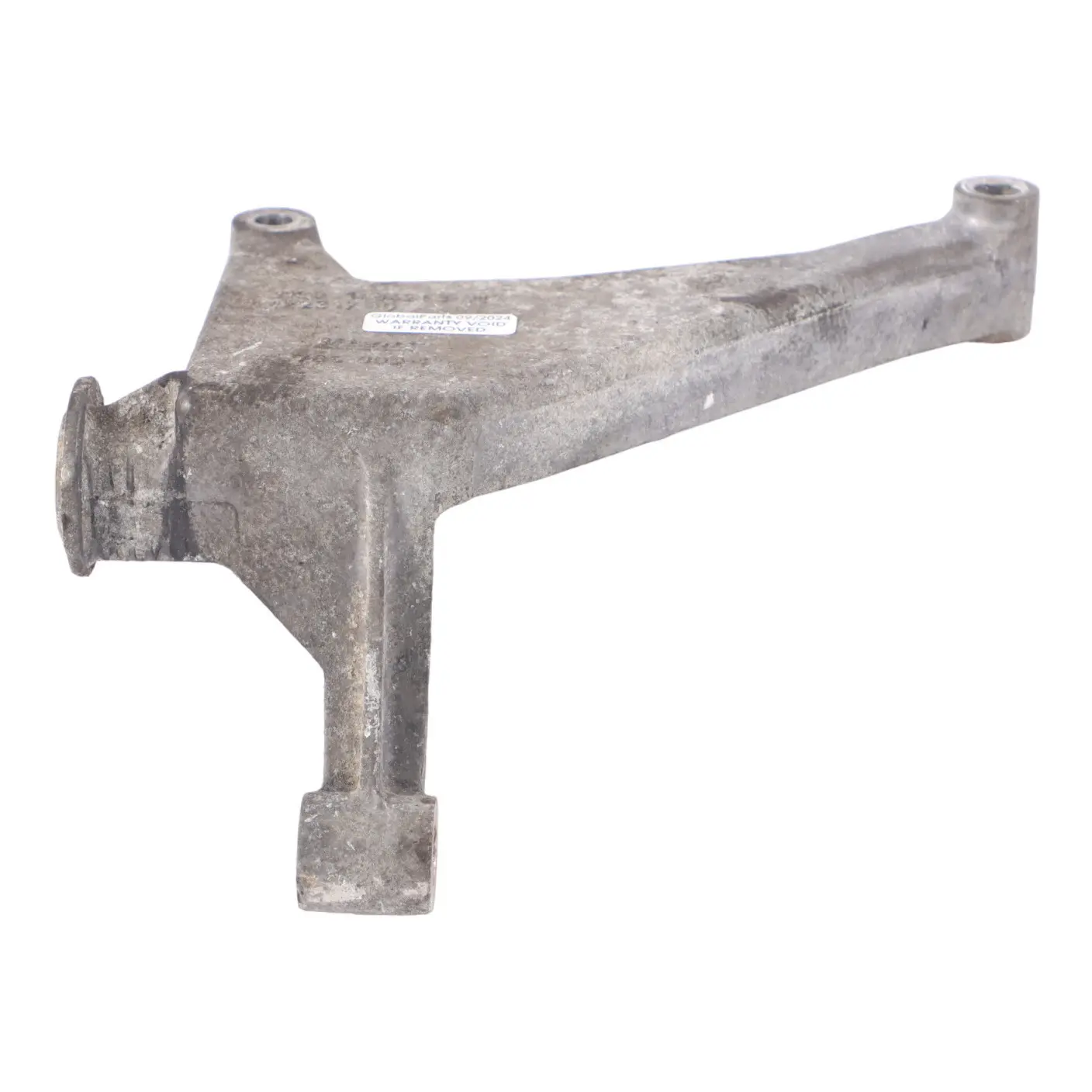
Part no. 1484243-1
Mini Cooper S R52 R53 W11 Deflection Belt Drive Engine Mount Holder 1484243
£18.95
Free delivery: Aug 26
If paid before 14:00
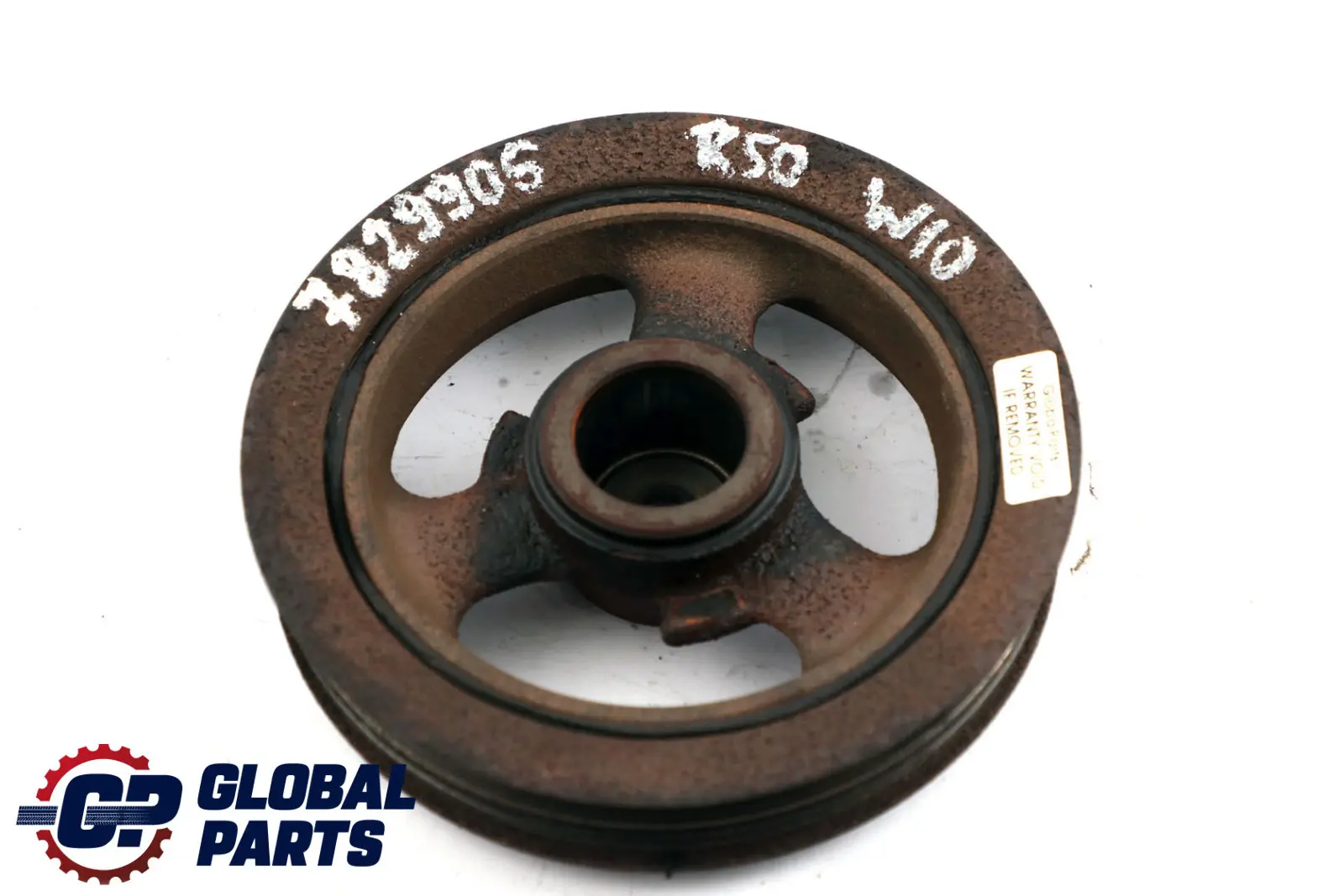
Part no. 7829906
Mini Cooper R50 R52 W10 Petrol Vibration Damper Engine Crank Pulley 7829906
Product currently unavailable
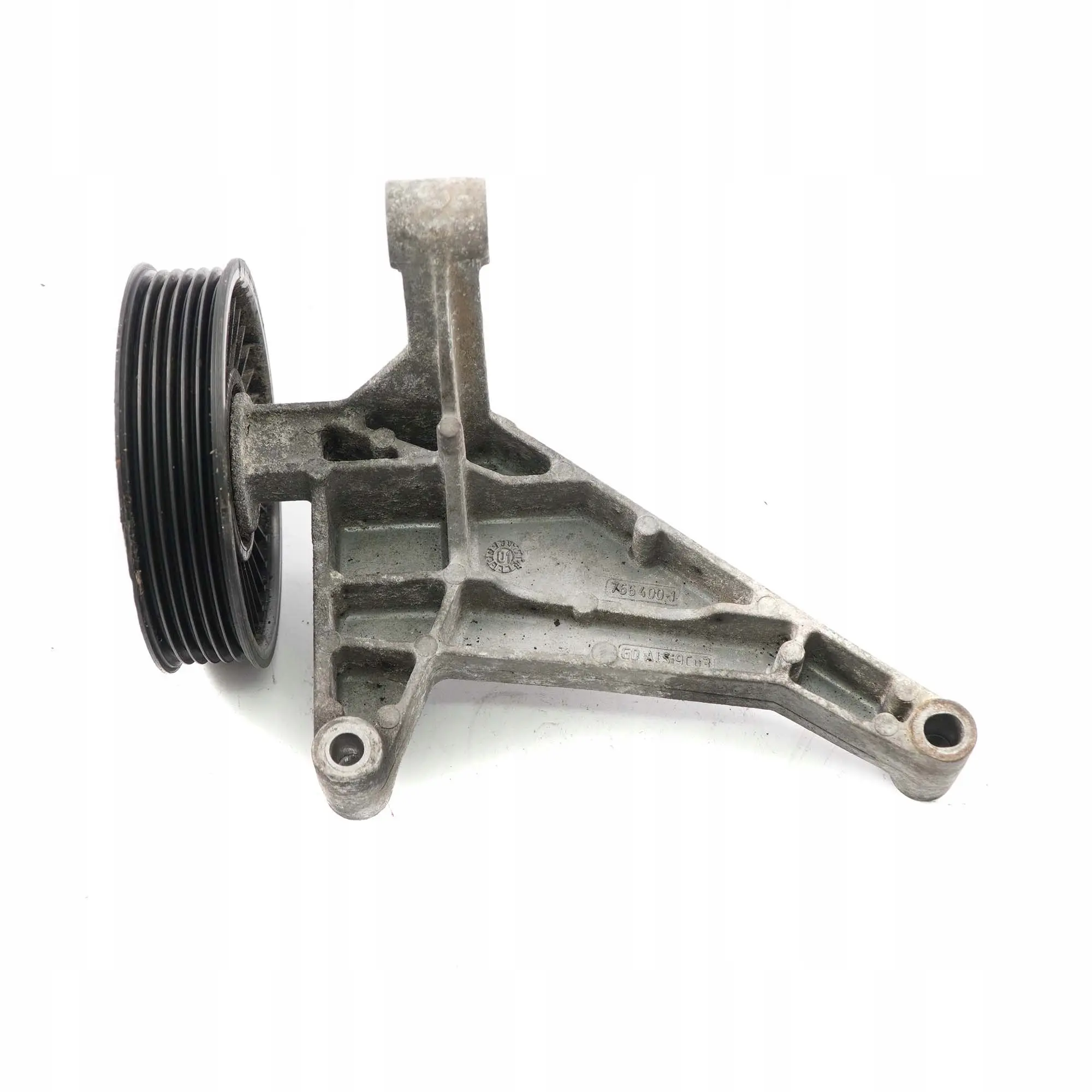
Part no. 1484243
BMW Mini Cooper S R52 R53 W11 Deflection Pulley Belt Drive Engine 1484243
Product currently unavailable
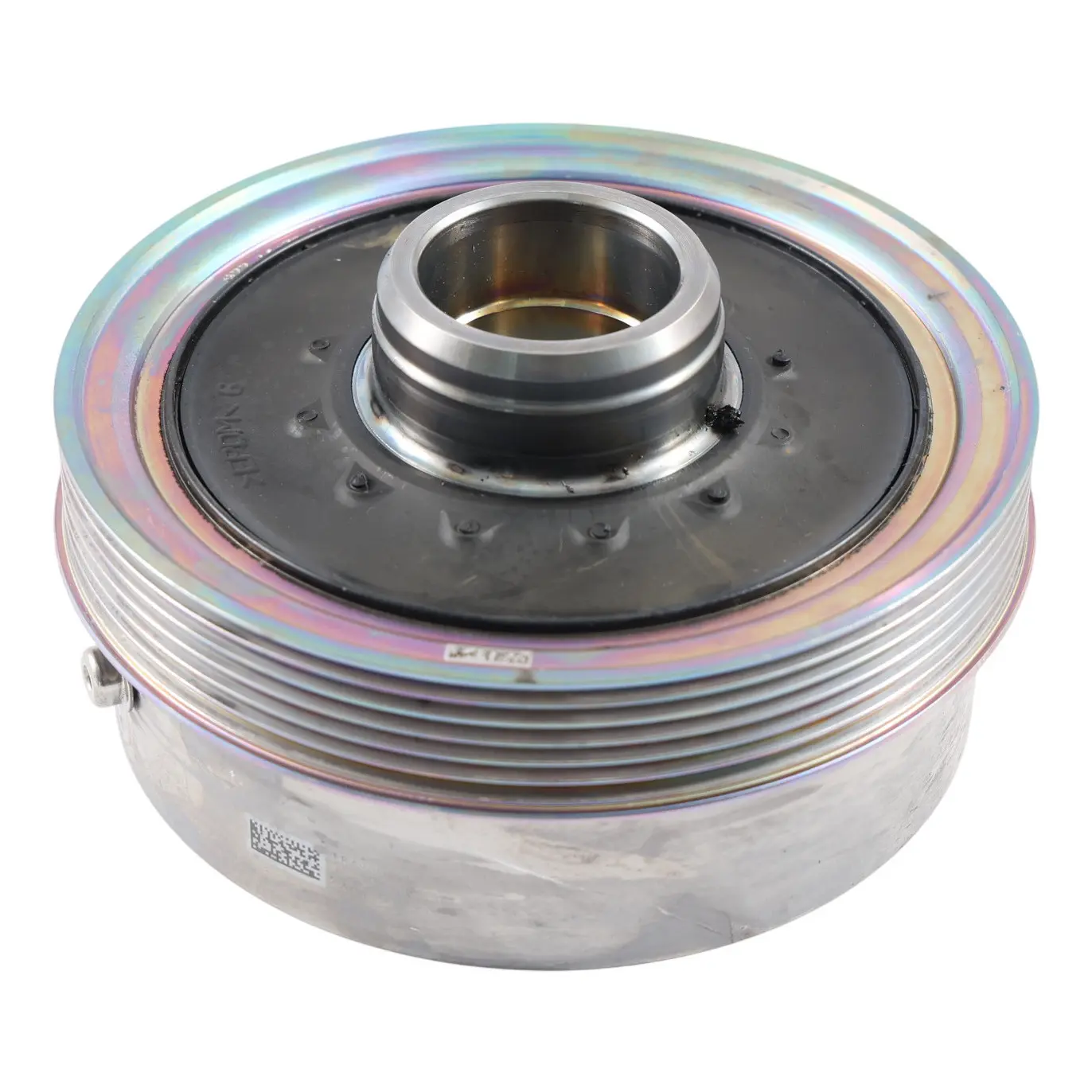
Part no. 7952888
Mini F66 BMW F74 X1 U11 Accesory Belt Vibration Damper Pulley B48P 7952888
Product currently unavailable

Pulley wheels for durable and efficient power transfer
Durable pulley wheels for drivetrain efficiency
Pulleys are essential components of the drive system that transfer energy from the crankshaft to other vehicle sub-assemblies, such as the alternator, power steering pump, or air conditioning compressor. Properly selected and functional pulleys ensure smooth and efficient operation of the entire system. In the Global Parts automotive store, you will find a wide selection of used car parts, including pulleys, perfectly matched for brands such as BMW, Audi, Mercedes, Volkswagen, Mini, and others.
What functions do pulleys perform?
Pulleys play a key role in the vehicle's drive system:
- Drive transmission – They transfer energy from the crankshaft to the belts driving auxiliary systems, such as the alternator or water pump.
- Vibration reduction – Pulleys with a vibration damper minimize vibrations generated by engine operation, which increases driving comfort.
- Belt operation optimization – They maintain proper tension and precise belt movement, ensuring their durability.
- Support for auxiliary systems – They enable the efficient operation of air conditioning, power steering, or the charging system. Used car parts, such as pulleys, offer durable and cost-effective solutions for maintaining the efficiency of drive systems.
Construction and purpose of pulleys
Pulleys are working components mounted on the crankshaft or engine accessories that work with a belt to transfer torque to subsequent sub-assemblies. A typical pulley consists of a working rim, a hub, and, depending on the version, a rubber vibration damper. In practice, not only the diameter is important, but also the number of grooves, the belt guide width, and the mounting method. When choosing, it is worth comparing the OEM number, interchangeable numbers, and compatibility with the fuel type and vehicle equipment.
Comparison of pulley variants
| Pulley type | Construction characteristics | Application | What to check before purchase |
|---|---|---|---|
| Crankshaft pulley | Usually larger, often with a torsional vibration damper | Drive of accessories at the front of the engine | OEM number, number of grooves, diameter, damper type, mounting points |
| Alternator pulley | Can be a rigid version or with an overrunning clutch | Belt operation stabilization and alternator drive | Thread type, alternator connector type, compatibility with engine version |
| Power steering or A/C pump pulley | Construction depends on the accessory and belt system | Transfer of drive to a specific auxiliary component | Diameter, groove profile, mounting location, compatibility with accessories |
The role of vibration damping and cooperation with the accessory belt
A vibration damper in a pulley refers to an elastic layer that limits the transfer of torsional vibrations from the crankshaft to the belt and accessories. This element serves to stabilize the operation of the auxiliary drive, and its wear can manifest as pulley runout, noise, or uneven belt operation. Pulleys work with tensioner and idler pulleys as well as V-belts and ribbed belts, so when selecting, it is good to assess the entire belt path, not just one sub-assembly.
Why is it worth taking care of pulleys?
Functional pulleys are crucial for the efficiency and durability of the drive system. Typical problems include:
- Vibration damper wear – Can lead to excessive vibrations and reduced driving comfort.
- Corrosion or mechanical damage – Cracks or deformations can disrupt the operation of the drive system.
- Uneven belt tension – Worn or damaged pulleys can cause belts to slip, reducing system efficiency.
- Excessive belt load – Improper pulley operation can lead to premature belt wear. If replacement is necessary, choose used car parts that will ensure durability and reliability.
Symptoms of wear and data useful for matching
Worn pulleys can cause belt squealing, uneven belt running, or visible vibrations while the engine is running. In the product description, it is worth paying attention to available information such as brand, fuel type, condition, OEM part number, and interchangeable numbers, as these data facilitate confirming compatibility with a specific vehicle version. If you are looking for a sub-assembly such as an Audi TT 8N power steering pump, you must additionally check whether the pulley works with the correct accessories and belt system in the given engine configuration.
How to choose the right pulleys?
- Matching the vehicle model – At Global Parts, you will find pulleys perfectly matching BMW, Audi, Mercedes, Volkswagen, Mini, and others.
- Technical condition – Used pulleys should be free of cracks, deformations, and excessive wear of the vibration damper.
- Material of construction – Choose pulleys made of high-quality materials, such as steel or aluminum, which ensure durability and resistance to loads.
- Compatibility with the drive system – Ensure that the pulley matches the technical specifications of your vehicle. Auto parts, such as pulleys, must be precisely selected to ensure optimal efficiency and system durability.
Selection by OEM, accessories, and engine version
Pulley selection should take into account the mounting location, the type of driven component, and the groove layout working with the belt. In practice, it is best to compare the OEM number, working diameter, number of grooves, and the method of seating on the hub or shaft. When completing a repair, it is also good to verify the condition of components from the V-belts, ribbed belts, and parts group, because misalignment or wear of adjacent sub-assemblies can affect the operation of the newly selected pulley. A supplement to practical tips can be the article Rising repair costs and the boom in used parts – how to save on car service?.
How to take care of pulleys?
- Regular inspection – During technical inspections, check the condition of pulleys and drive belts.
- Removing contaminants – Clean pulleys of dirt and deposits that can reduce their efficiency.
- Vibration damper check – Regularly check the condition of the damper to prevent excessive vibrations.
- Repair or replacement on time – In case of damage, choose car parts that will quickly restore full functionality to the drive system.
FAQ
| Question | Answer |
|---|---|
| What is the construction and purpose of pulleys? | Pulleys are accessory drive system components mounted on the crankshaft or engine auxiliary devices. A typical element consists of a hub, a belt guide surface, and sometimes a torsional vibration damper. Their task is to transfer drive to sub-assemblies such as the alternator, air conditioning compressor, or power steering pump. |
| What are pulleys used for? | Pulleys are used to transfer torque from the power unit to accessories working with a belt. They maintain the correct belt path and influence the stability of the entire system. In versions with a damper, they also help limit vibrations that could accelerate the wear of accessories and the belt itself. |
| What role does the vibration damper play in a pulley? | A vibration damper is a part of the pulley responsible for limiting torsional vibrations generated during engine operation. This element usually means a combination of a metal part with an elastic layer that reduces overloads transferred to the accessory belt. Its efficiency affects engine smoothness, belt durability, and the proper operation of adjacent sub-assemblies. |
| How to choose a pulley for a specific car? | It is safest to compare the OEM number, interchangeable numbers, fuel type, and engine version. It is also worth checking the number of grooves, diameter, and mounting location, as differences can occur even within one model. Verification by VIN and comparing the old part with product photos is also useful. |
| What symptoms indicate pulley wear? | Common symptoms include vibrations at idle, belt squealing, uneven belt running, and visible pulley runout. In some cases, noise from the accessory area or accelerated belt wear also occurs. Such signals should be assessed together with the condition of the tensioner and idler pulleys. |
| How to take care of pulleys after installation? | After installation, it is good to regularly check the belt tension and path, as well as the condition of the pulley's working surface. It is also important to maintain cleanliness in the accessory zone and react quickly to noise or excessive vibrations. Periodic inspection of cooperating elements helps detect misalignment or wear early. |
Summary: pulleys in the Global Parts automotive store
Pulleys are key components of the drive system that affect efficiency, driving comfort, and vehicle durability. By taking care of their technical condition, you can prevent drive system problems, improve vehicle performance, and ensure longer belt life. Global Parts offers used parts for many car brands, including Mercedes, BMW, Audi, Volkswagen, Mini, and others, taking into account data important for matching, such as condition, OEM part number, or interchangeable numbers. We invite you to contact us – we are here to help you! For more information and interesting facts, we also invite you to visit our automotive blog.