


Heat exchangers
More informationAt Global Parts, we offer a wide selection of original used car parts, including heat exchangers for many popular car brands such as BMW, Mini, Mercedes, Audi, Volkswagen, and others. Our heat exchangers undergo quality control to ensure you receive a top-quality product.
Find it faster
Match to your vehicle
GB
Make
Category
Subcategory
Condition
In Stock
Price
-40%
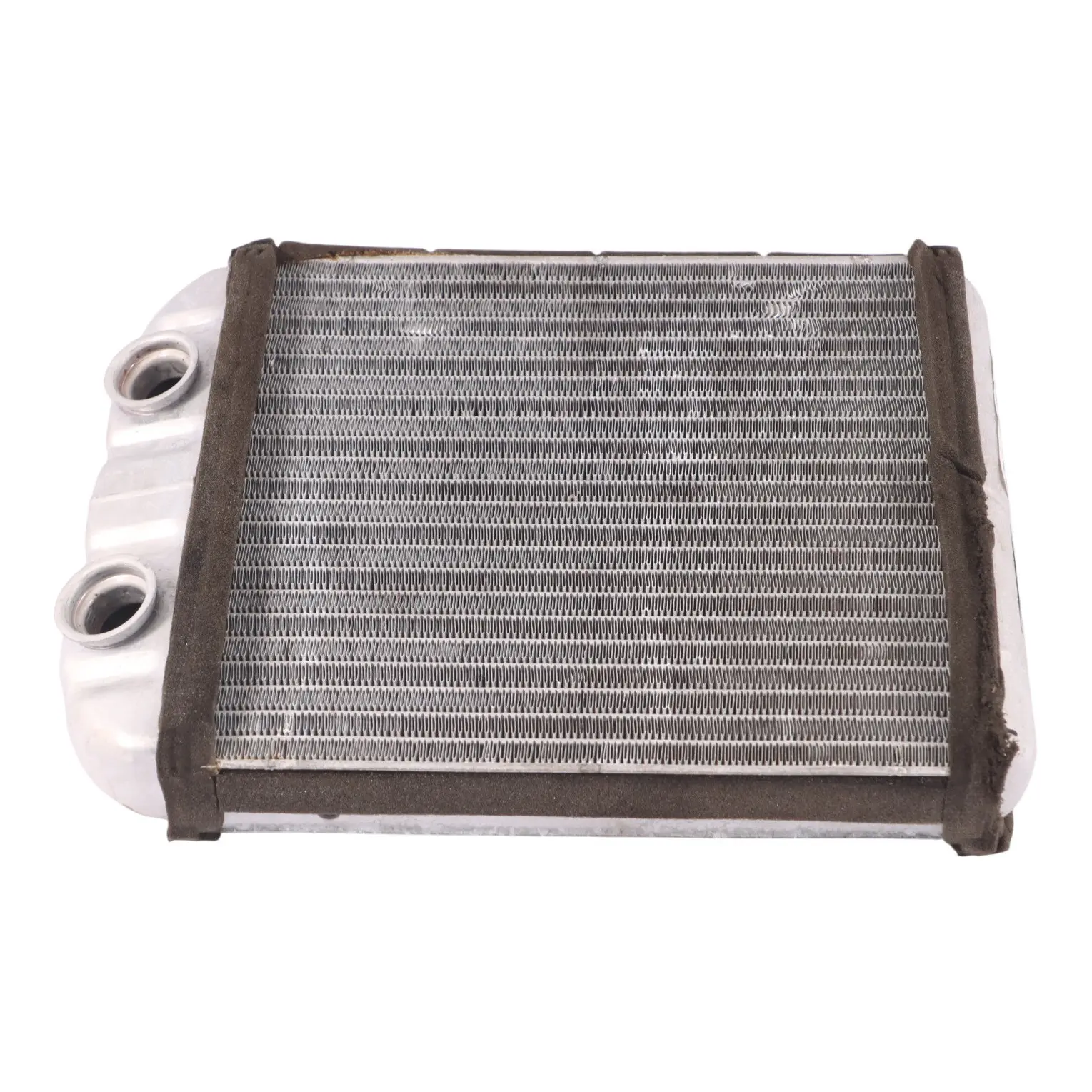
Part no. RHD-7L0819031A
Audi Q7 4L Heater Matrix Element Unit Heat Exchanger Radiator 7H1819121
Promo price
£23.95
£14.37
Free delivery: Oct 09
If paid before 14:00
-15%
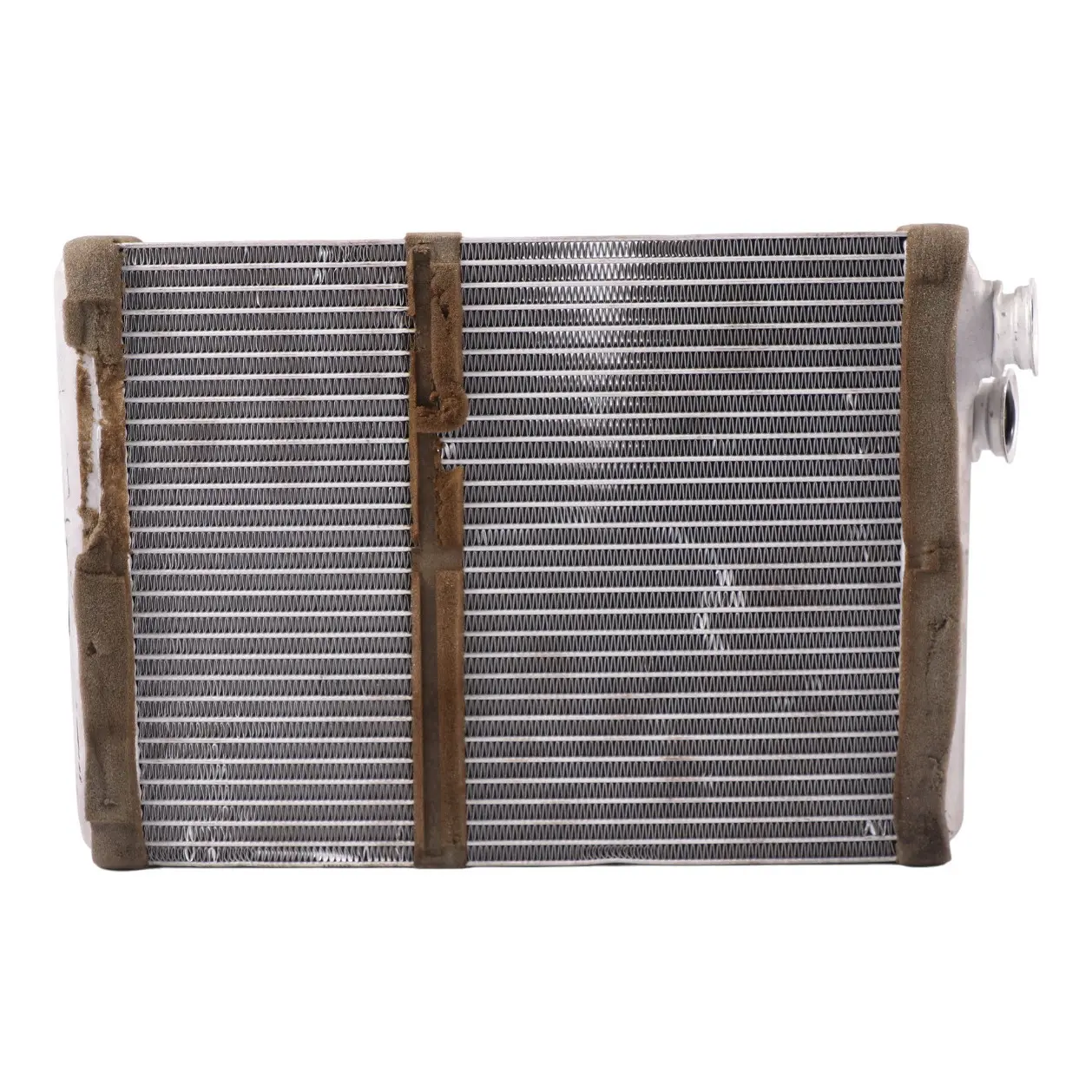
Part no. 8K0898037A
Audi A4 B8 Heater Matrix Element Unit Heat Exchanger Radiator 8K0898037A
Promo price
£28.95
£24.61
Free delivery: Oct 09
If paid before 14:00
-40%
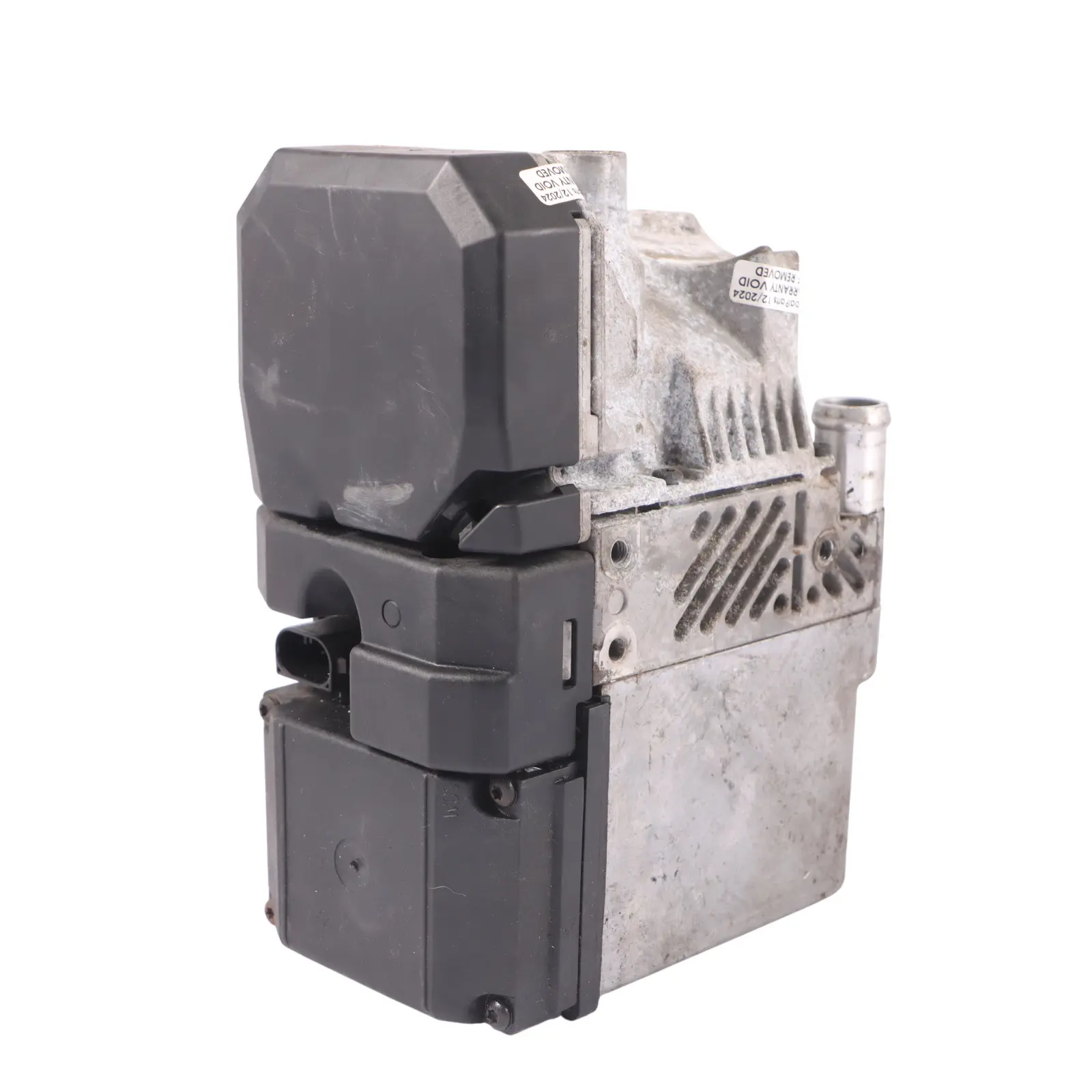
Part no. 4L0815071H
AUDI Q7 4L 3.0 TDI Parking Auxiliary Heater Diesel Webasto C 4L0815071H
Promo price
£108.95
£65.37
Free delivery: Oct 09
If paid before 14:00
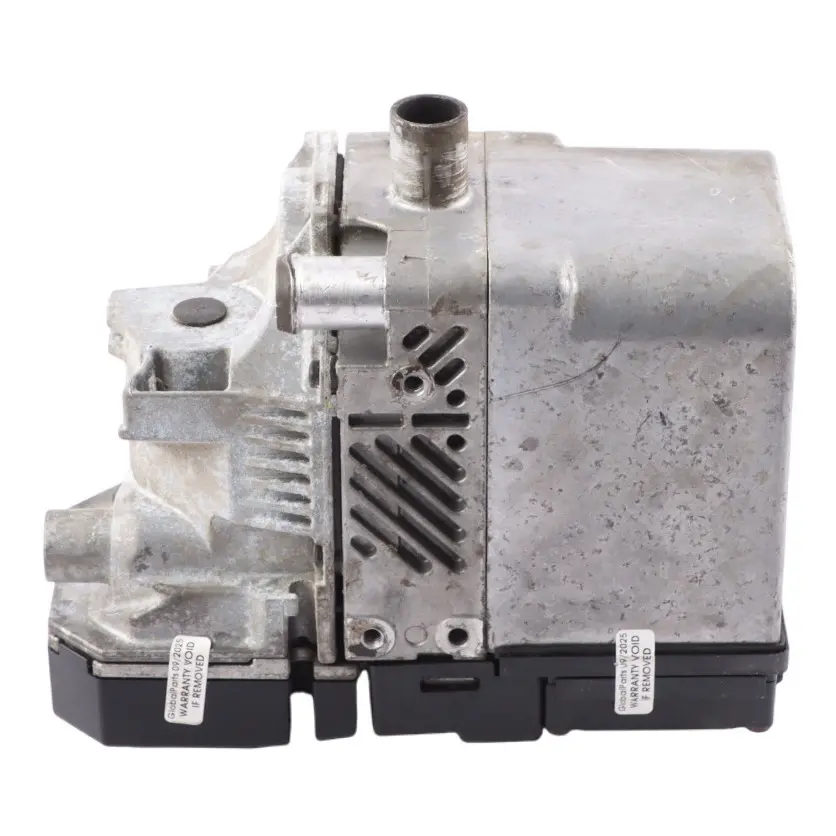
Part no. 4L0815071E
Audi Q7 4L Webasto Auxiliary Additional Pre Heater Diesel 4L0815071E
£51.95
Free delivery: Oct 09
If paid before 14:00
-5%
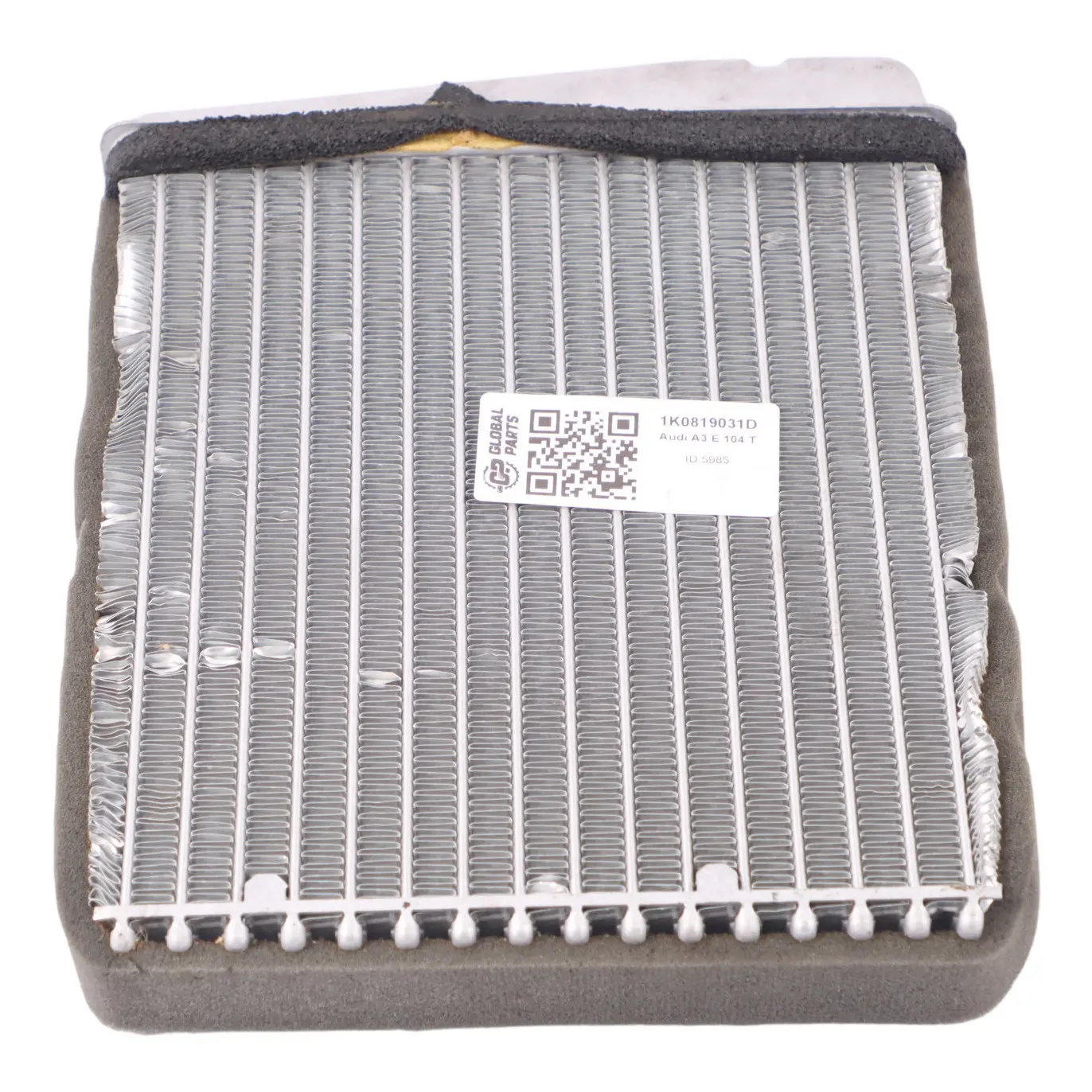
Part no. 1K0819031D
Volkswagen Seat Audi A3 8P Heater Matrix Unit Heat Exchanger 1K0819031D
Promo price
£13.95
£13.25
Free delivery: Oct 09
If paid before 14:00
-5%
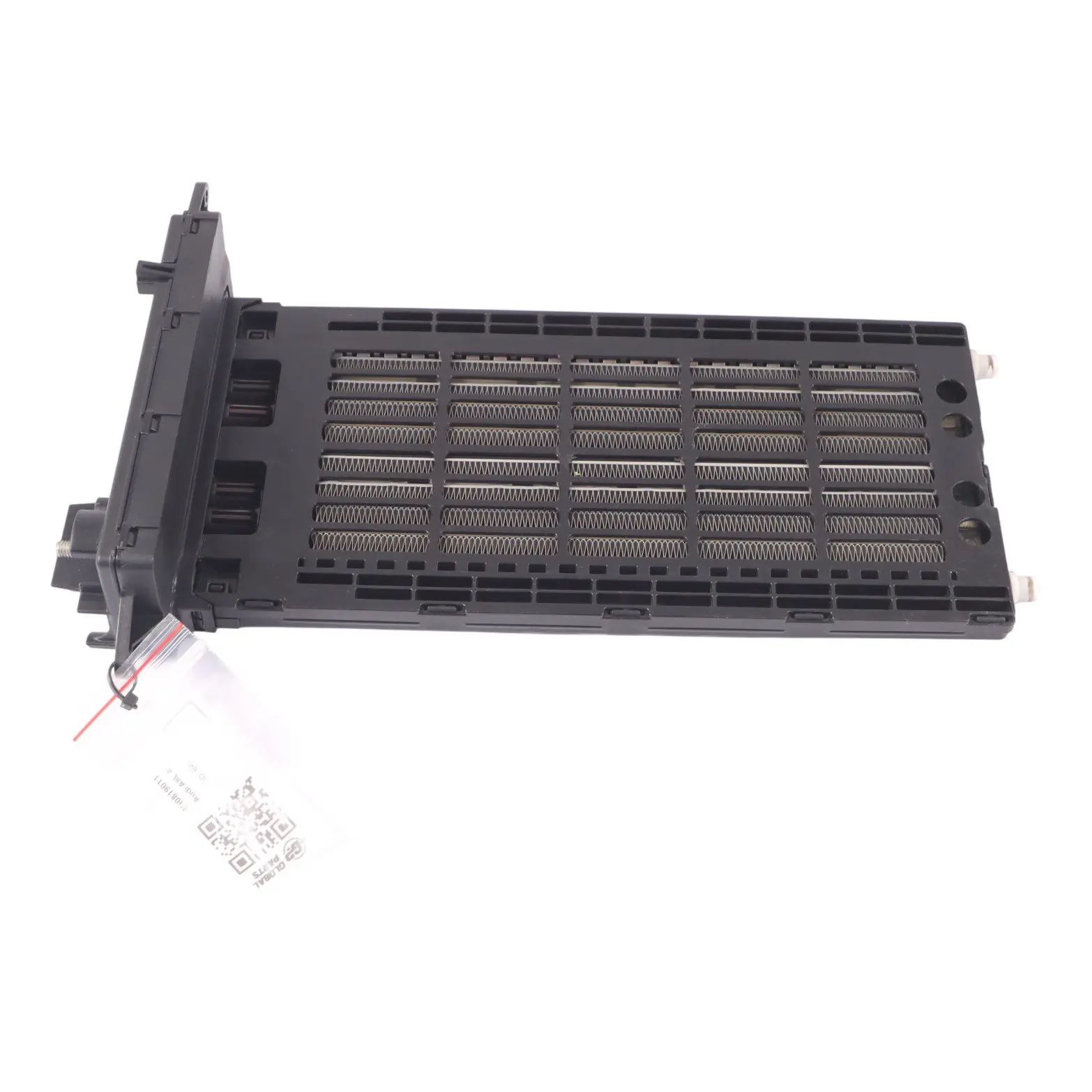
Part no. 4H0819011
Audi A8 D4 4H Electric Heater Matrix Auxiliary Heating Element Unit 4H0819011
Promo price
£13.95
£13.25
Free delivery: Oct 09
If paid before 14:00
-15%
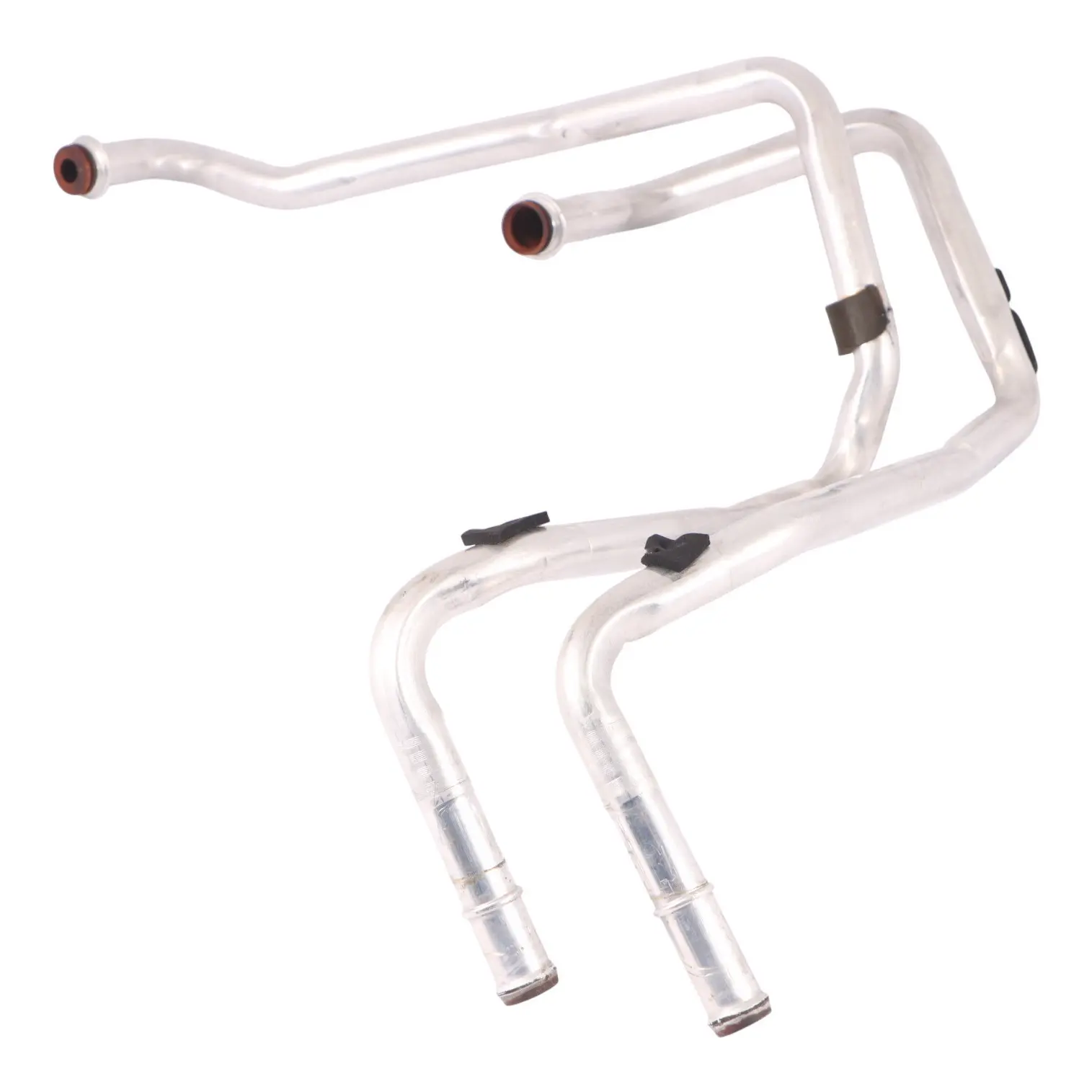
Part no. 4H2898037
Audi A8 D4 4H Heat Exchanger Heater Matrix Element Unit 4H0898037
Promo price
£18.95
£16.11
Free delivery: Oct 09
If paid before 14:00
-5%
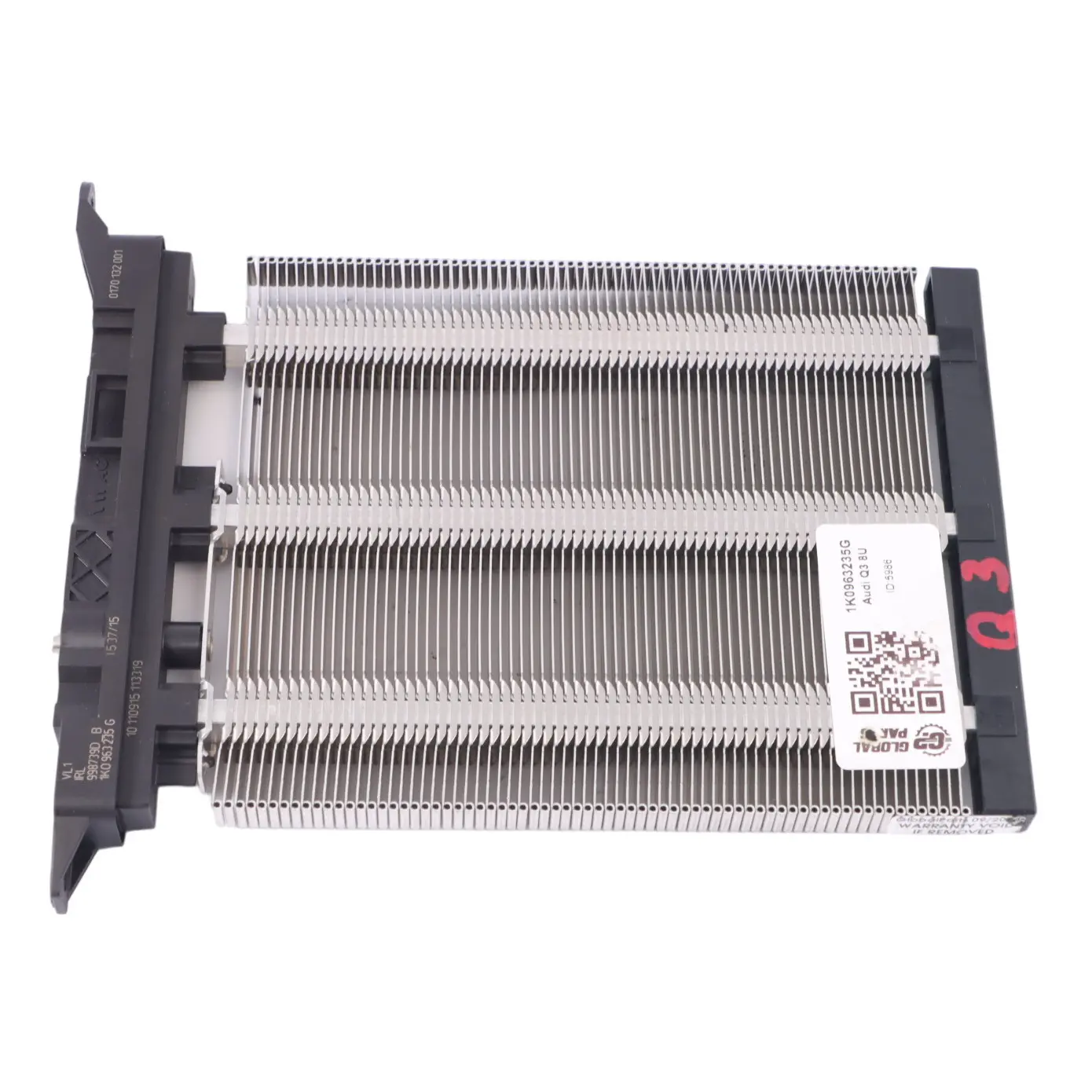
Part no. 1K0963235G
Audi Q3 8U Auxiliary Electric Heater Radiator Element Core 1K0963235G
Promo price
£13.95
£13.25
Free delivery: Oct 09
If paid before 14:00
-40%
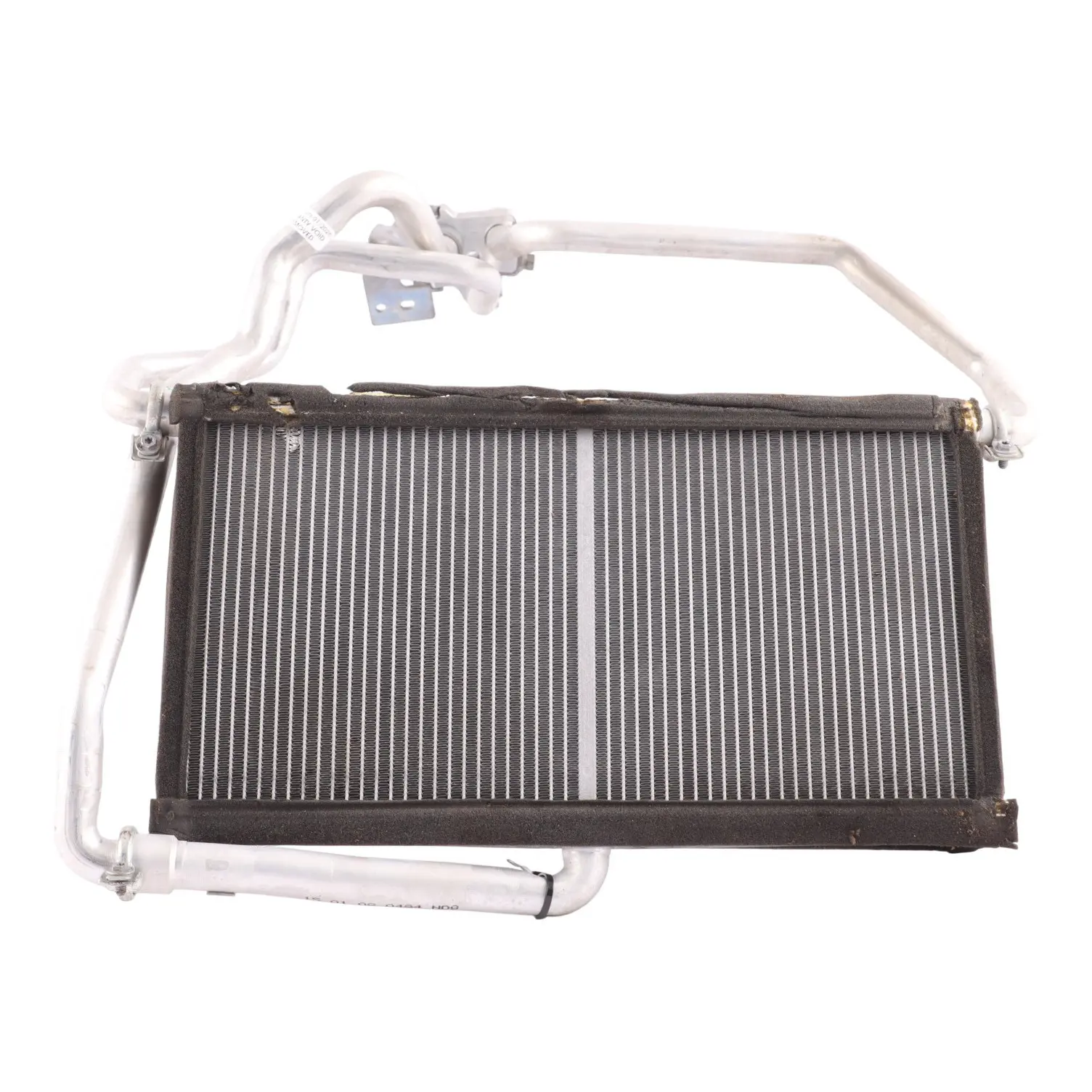
Part no. 420898037A-1
Audi R8 42 RS6 C6 Air Conditioning Heat Exchanger Hose 420898037A
Promo price
£47.95
£28.77
Free delivery: Oct 09
If paid before 14:00
-40%
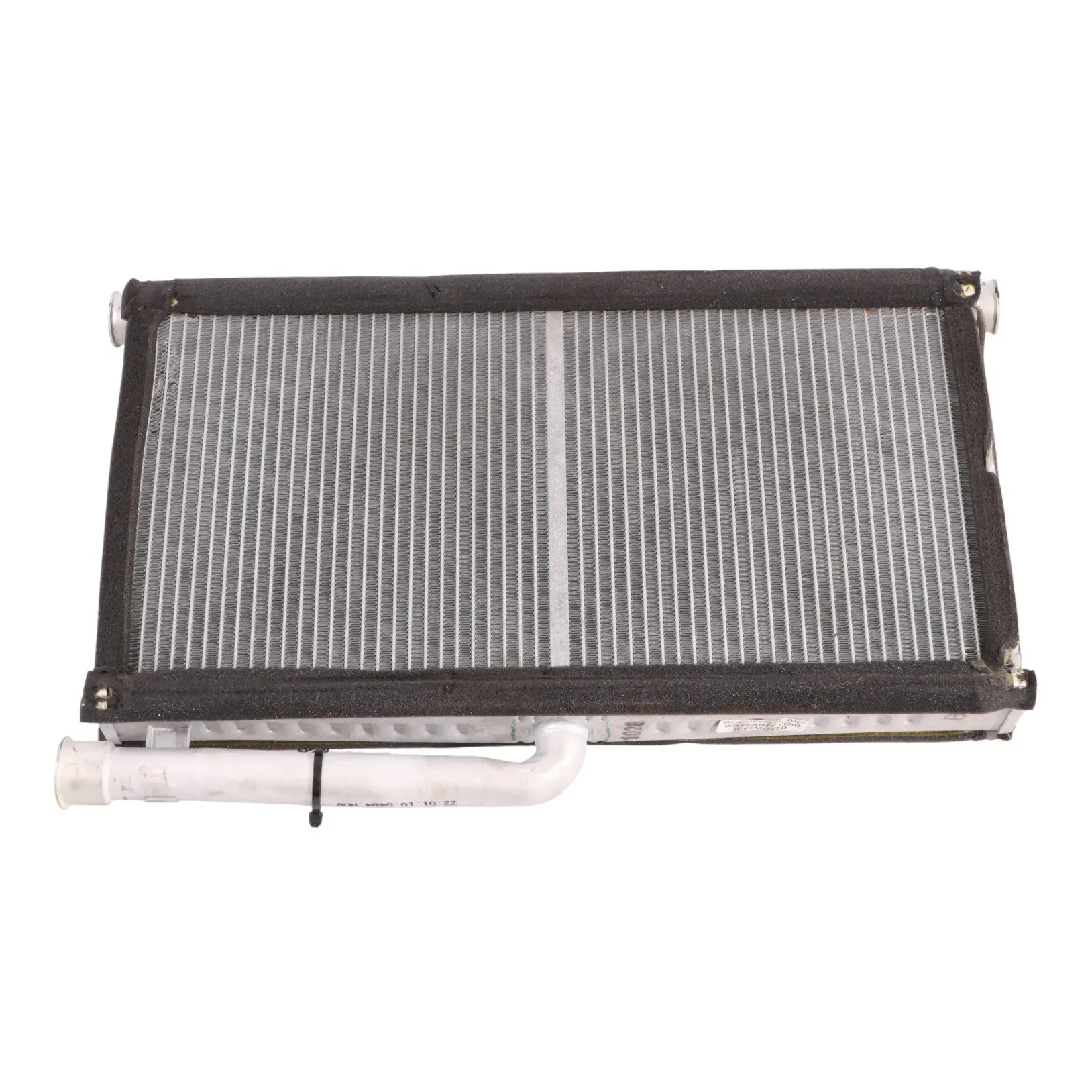
Part no. 420898037A
Audi A6 C6 4F Air Conditioning Heat Exchanger Hose 420898037A
Promo price
£37.95
£22.77
Free delivery: Oct 09
If paid before 14:00
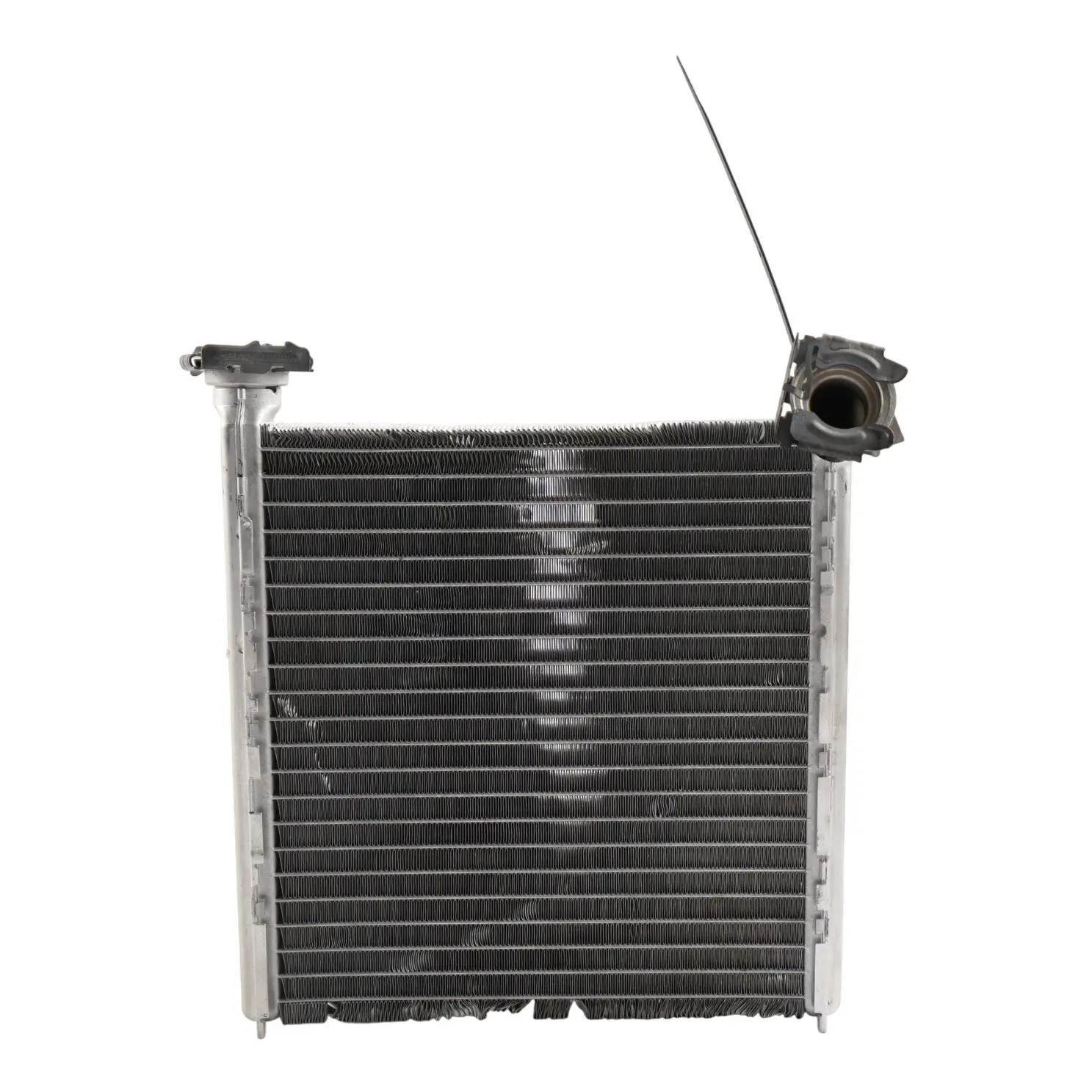
Part no. RHD-2Q2819031
Audi A1 GB Interior Heater Radiator Auxiliary Matrix 2Q2819031
£28.95
Free delivery: Oct 09
If paid before 14:00
-15%
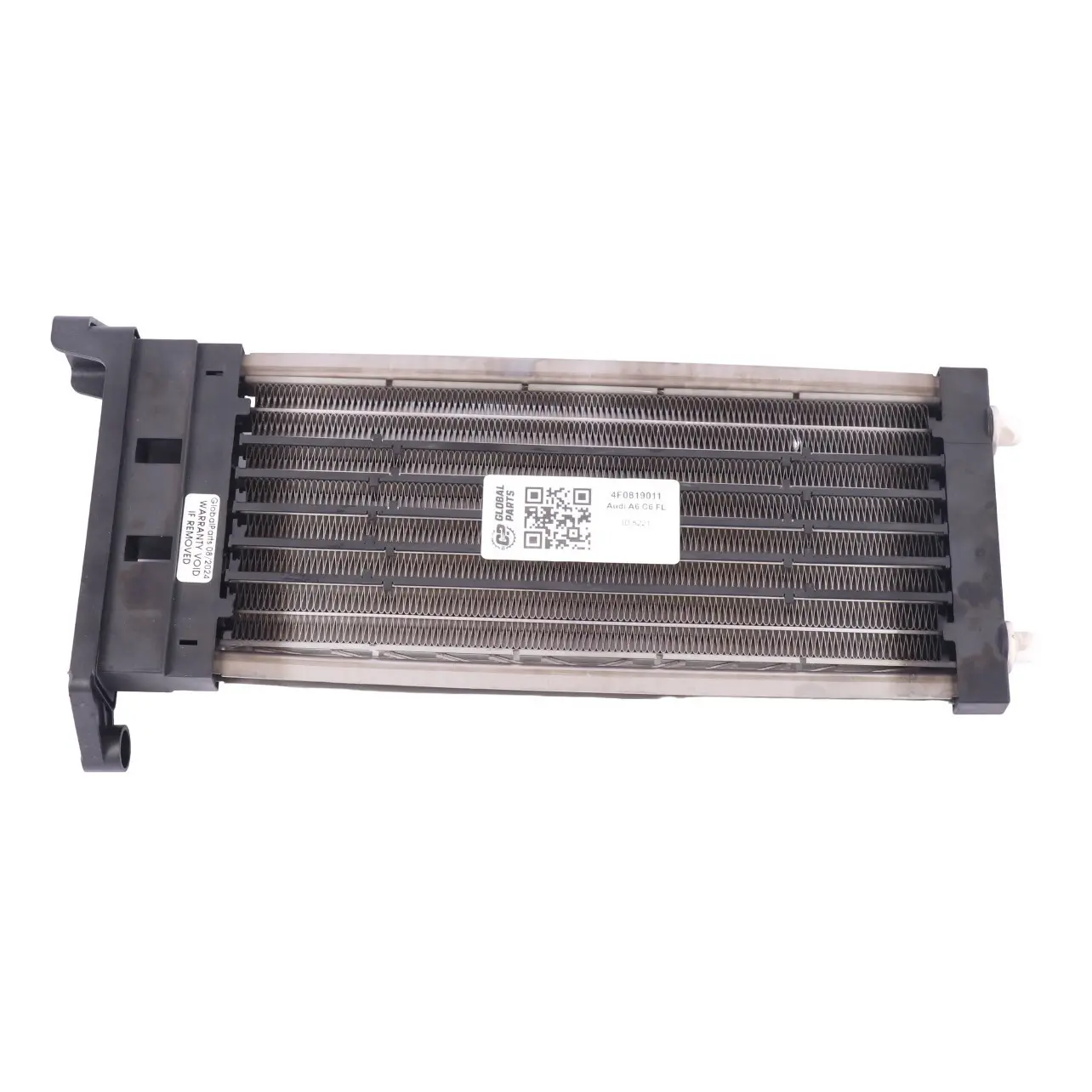
Part no. 4F0819011
Audi A6 C6 Electric Additional Auxiliary Heater Booster 4F0819011
Promo price
£18.95
£16.11
Free delivery: Oct 09
If paid before 14:00
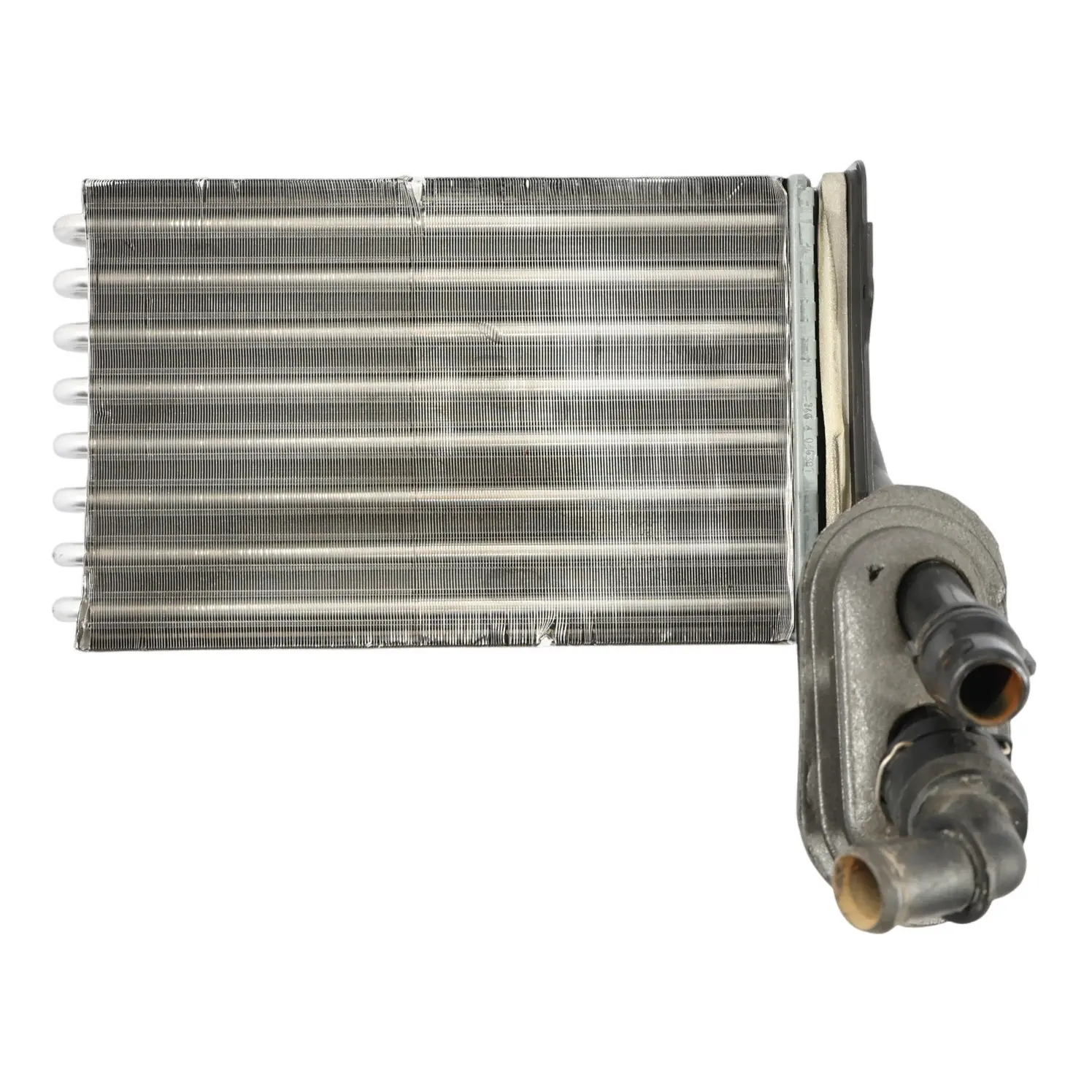
-40%
Part no. RHD-1J2819031B
Audi TT 8N Heat Exchanger Heater Matrix Cooling Element Unit 1J2819031B
Promo price
£28.95
£17.37
Free delivery: Oct 09
If paid before 14:00
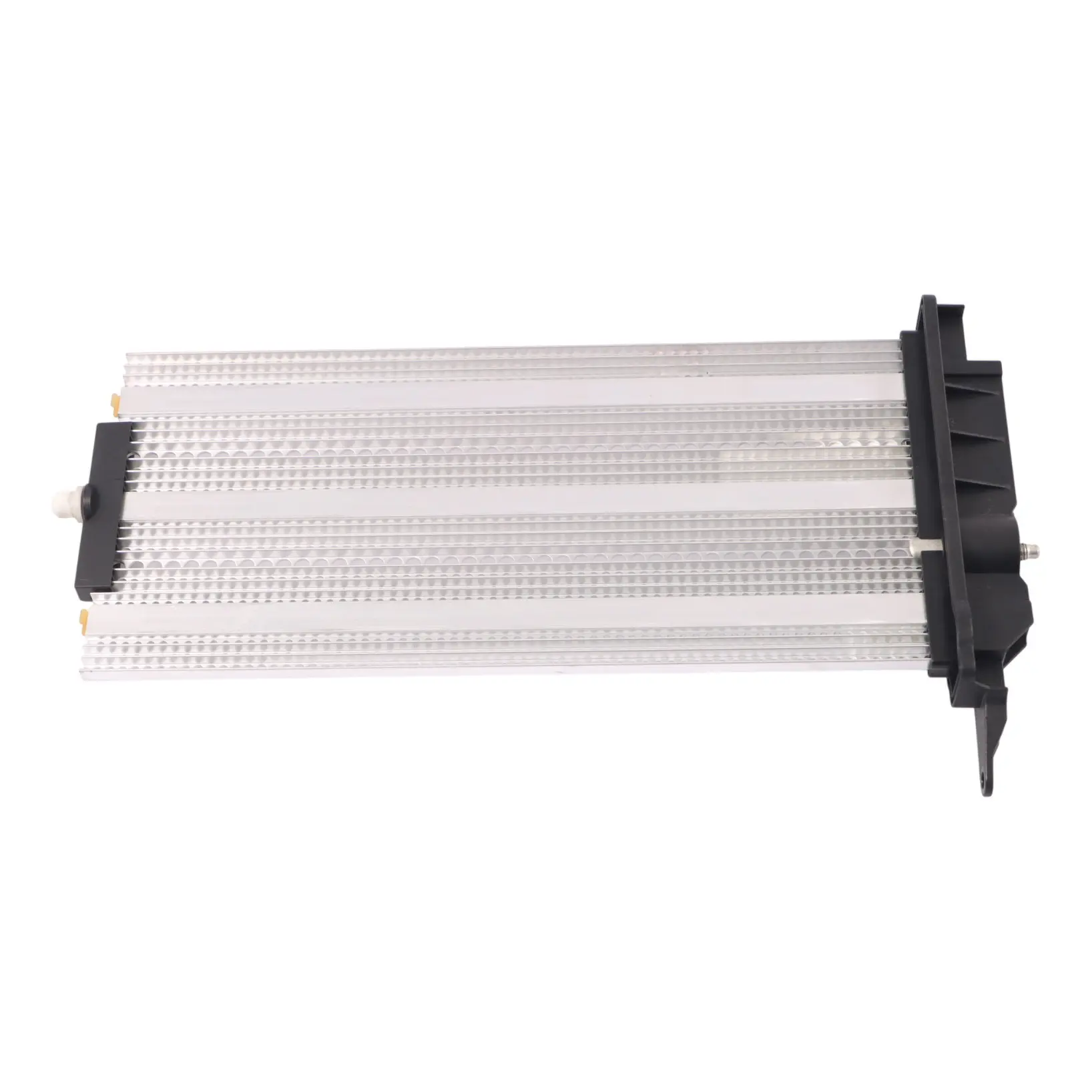
-15%
Part no. 4G0819011A
Audi A6 C7 2.0 TDI Electric Core Heater Matrix Auxiliary Element 4G0819011A
Promo price
£18.95
£16.11
Free delivery: Oct 09
If paid before 14:00
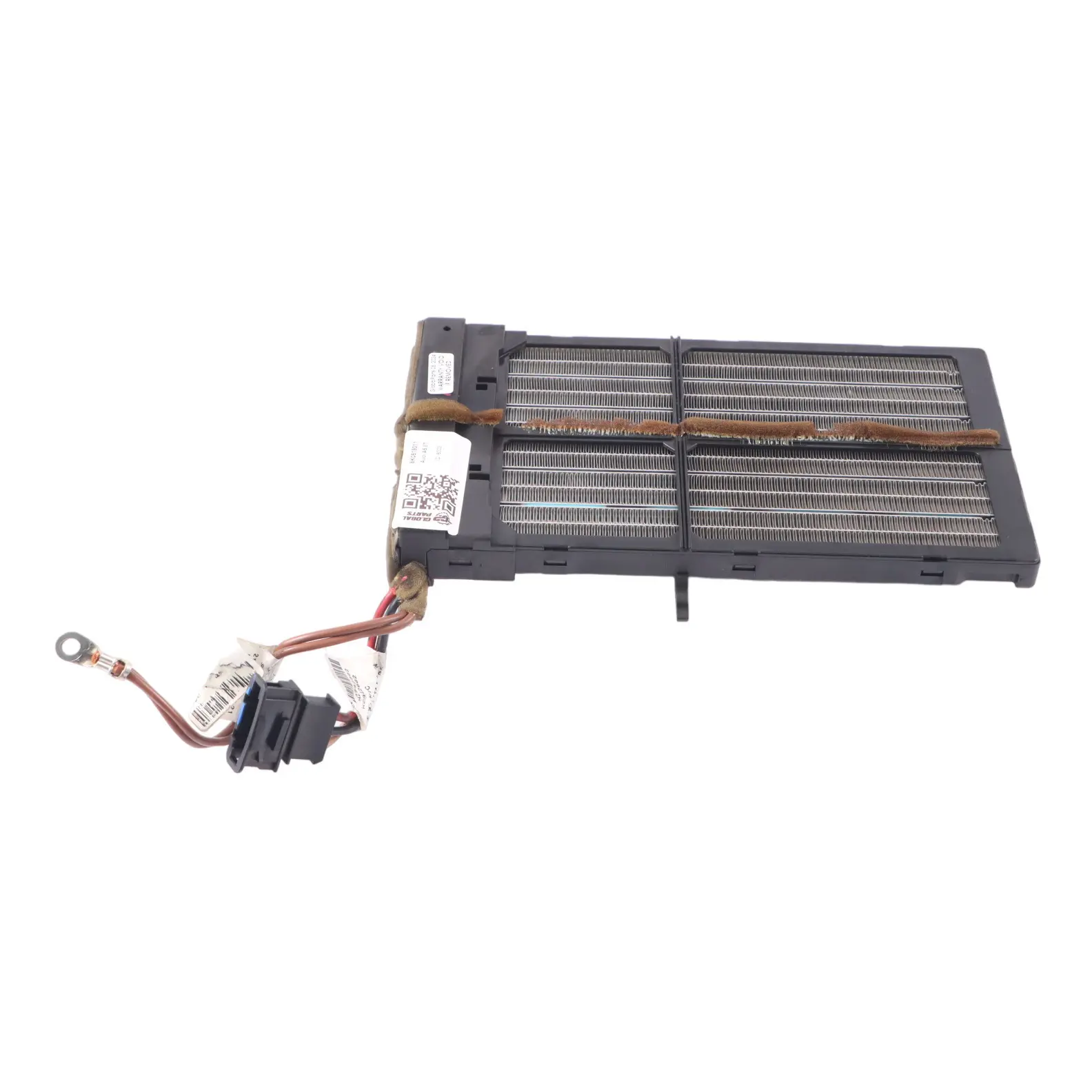
-5%
Part no. 8K0819011
Audi A5 8T Electric Auxiliary Heater Hybrid Heater Element 8K0819011
Promo price
£13.95
£13.25
Free delivery: Oct 09
If paid before 14:00
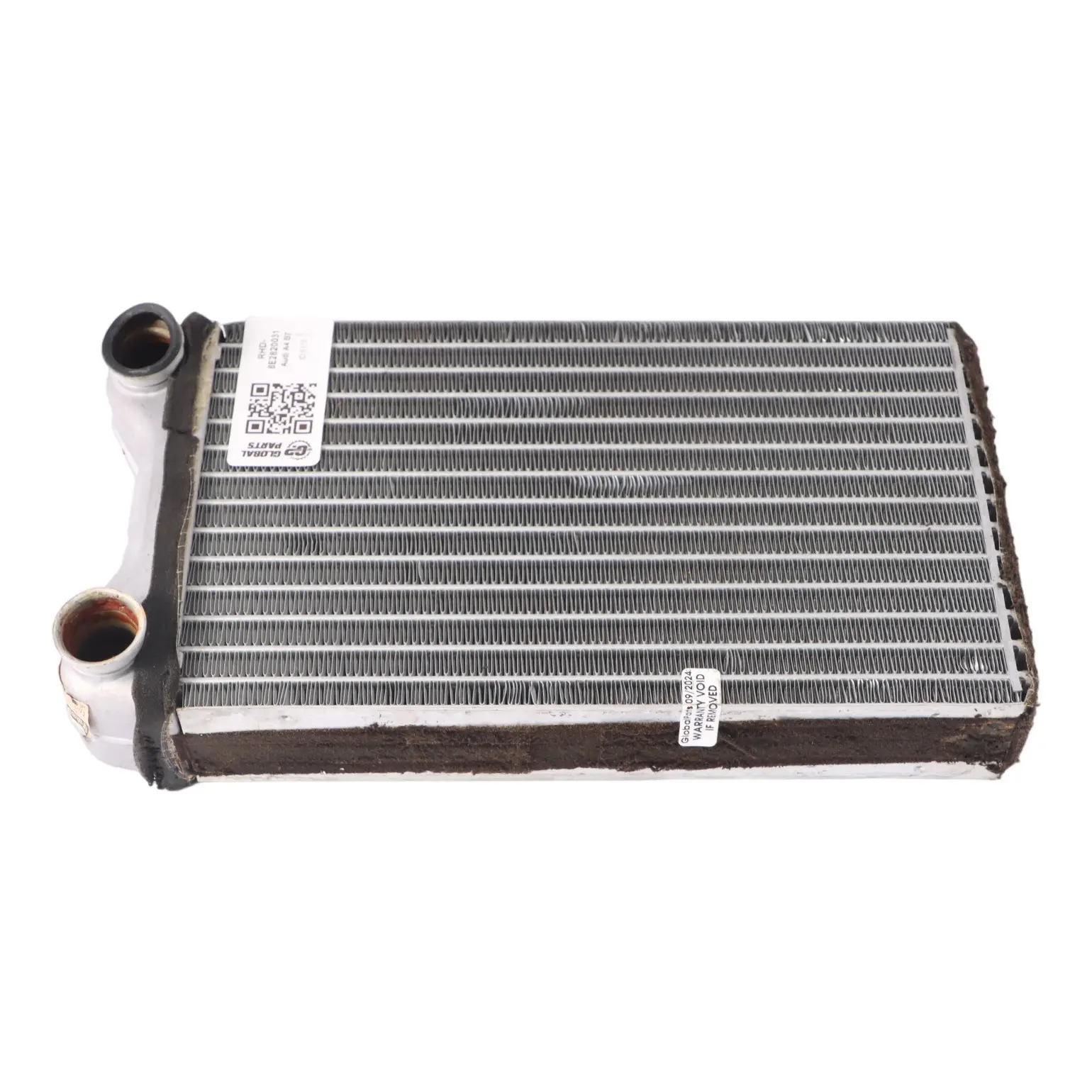
Part no. RHD-8E2820031
Audi A4 B7 Air Conditioning Heater Matrix Heat Exchanger Unit 8E2820031
Product currently unavailable
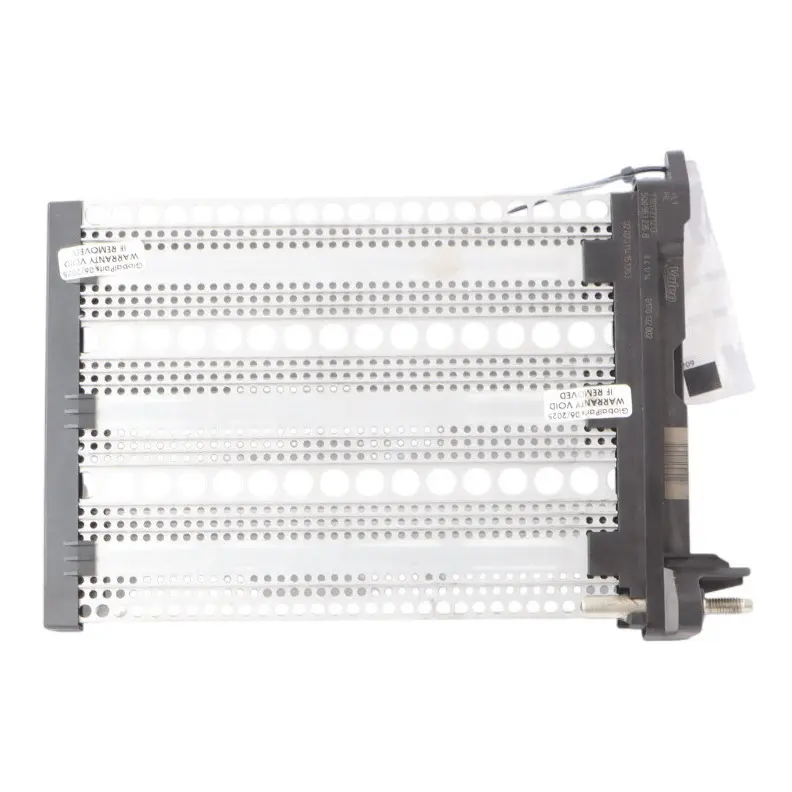
Part no. 5Q0963235B
Audi A3 8V 2.0 TDI Heater Matrix Element Heating Unit 5Q0963235B
Product currently unavailable
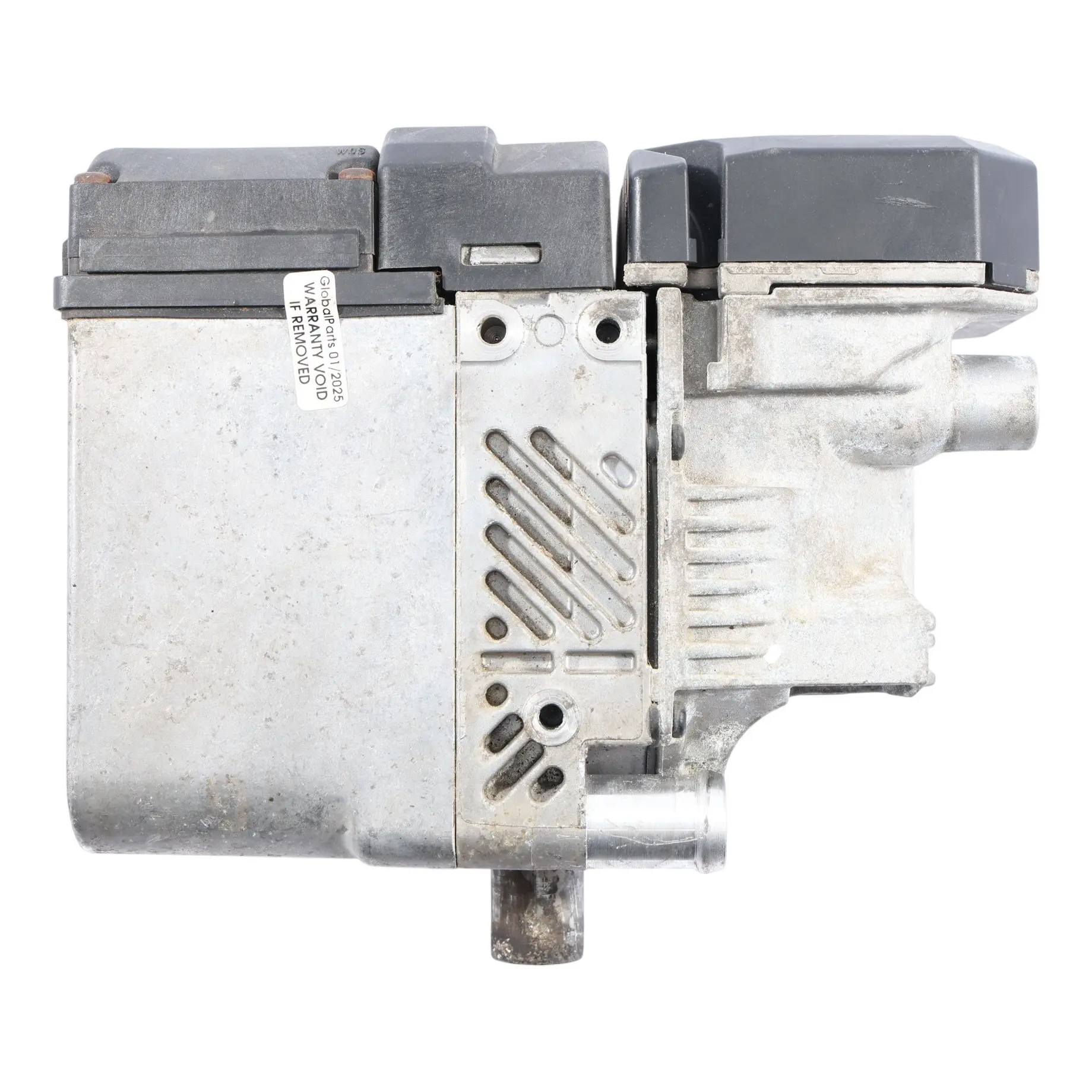
Part no. 4L0815071F
Audi Q7 4L Webasto Auxiliary Additional Heater Blower Pump Unit 4L0815071C
Product currently unavailable
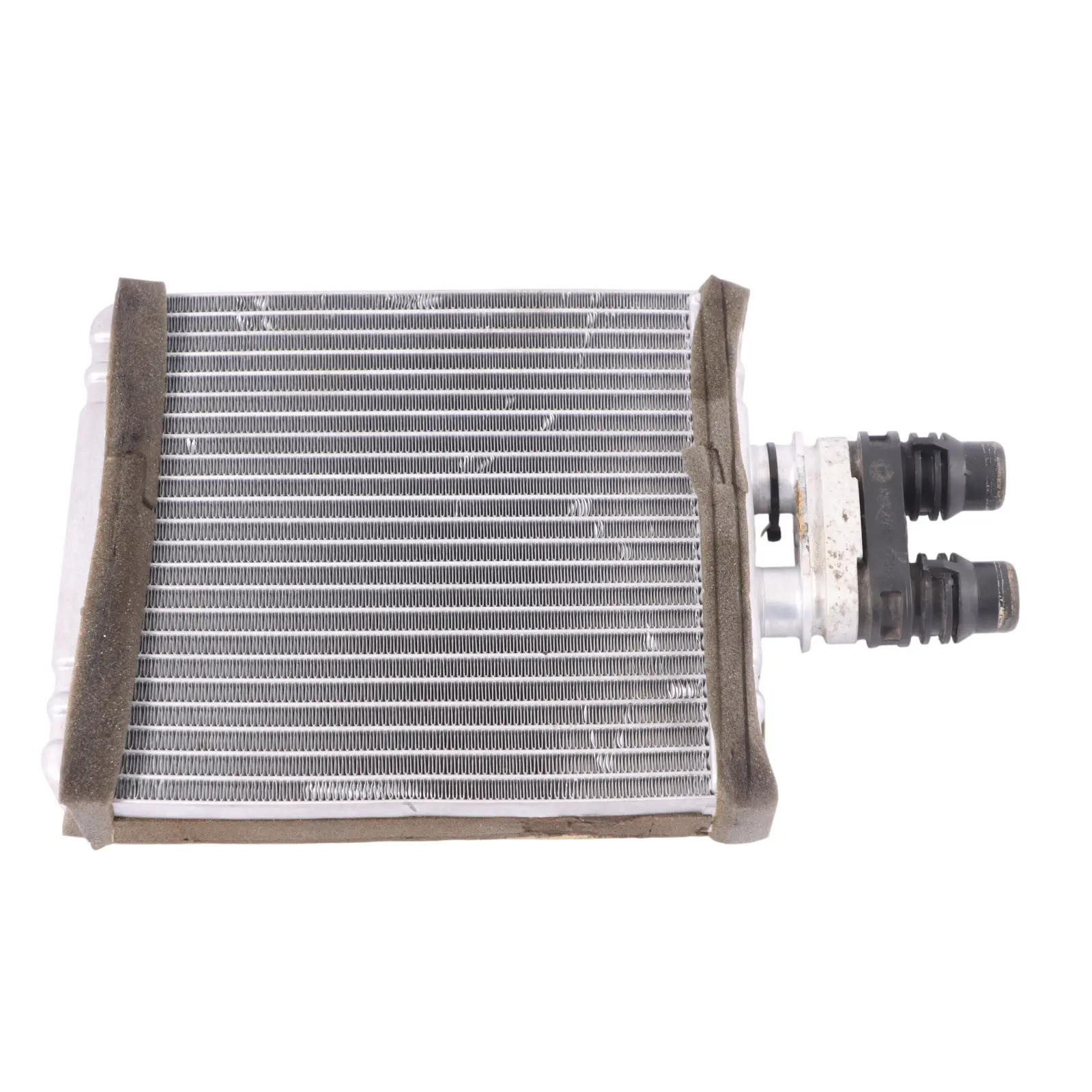
Part no. 6R0819031
Audi A1 8X Heater Matrix Core Radiator Heat Heating Exchanger 6R0819031
Product currently unavailable
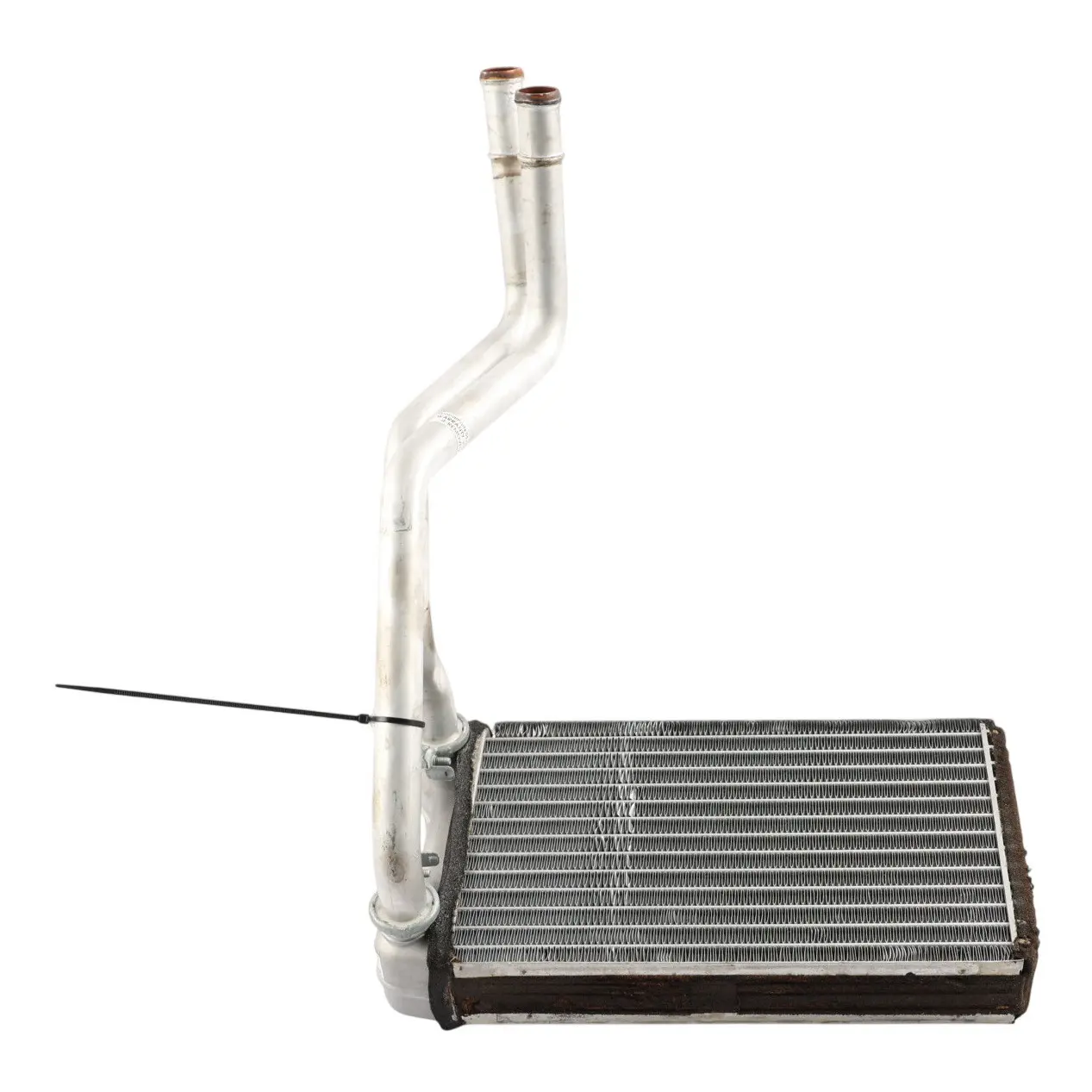
Part no. RHD-8E2820031A
Audi A4 B7 Air Conditioning Heater Matrix Heat Exchanger Unit 8E2820031A
Product currently unavailable
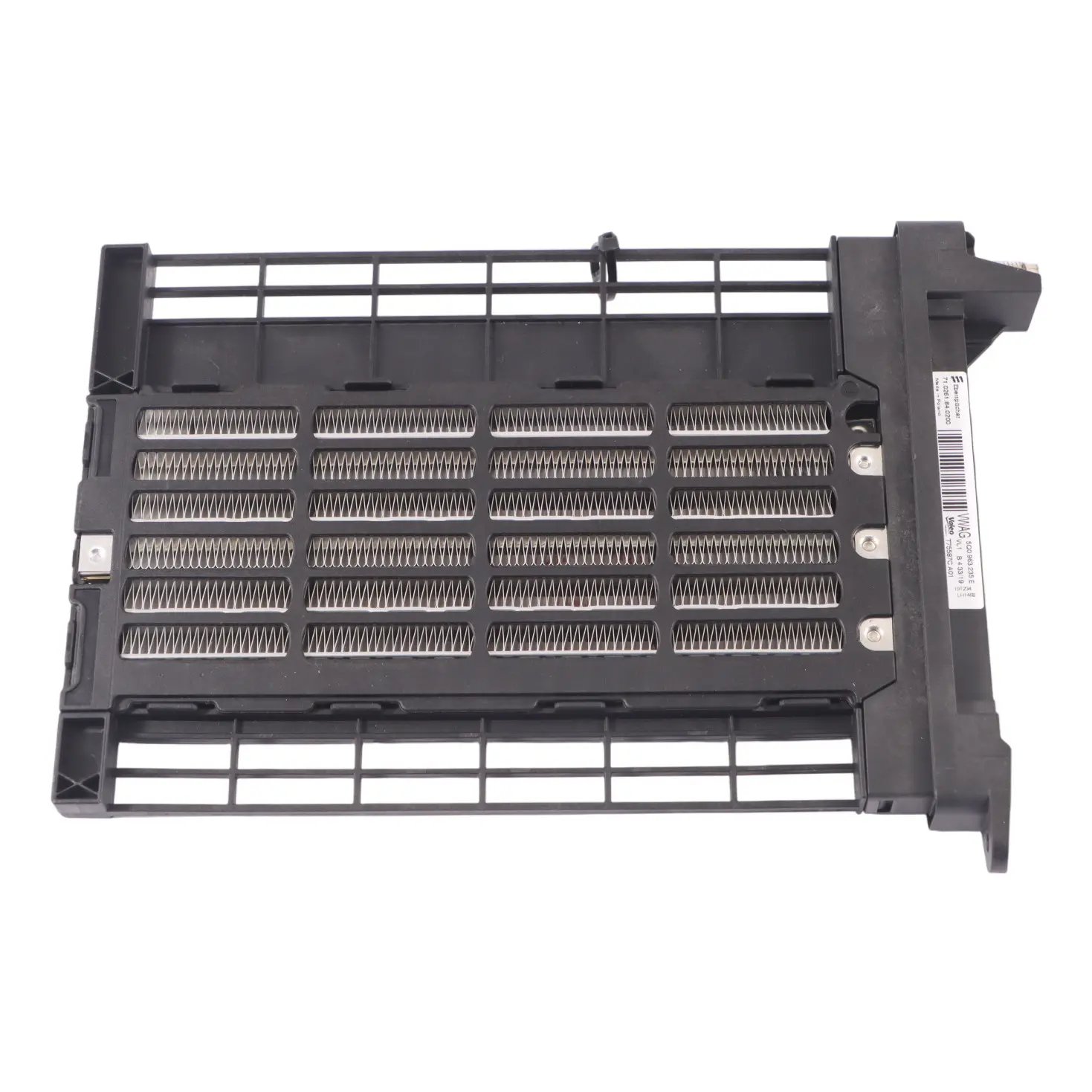
Part no. 5Q0963235E
Electric Heater AUDI A3 8V VW Golf 7 Auxiliary Matrix Element 5Q0963235E
Product currently unavailable
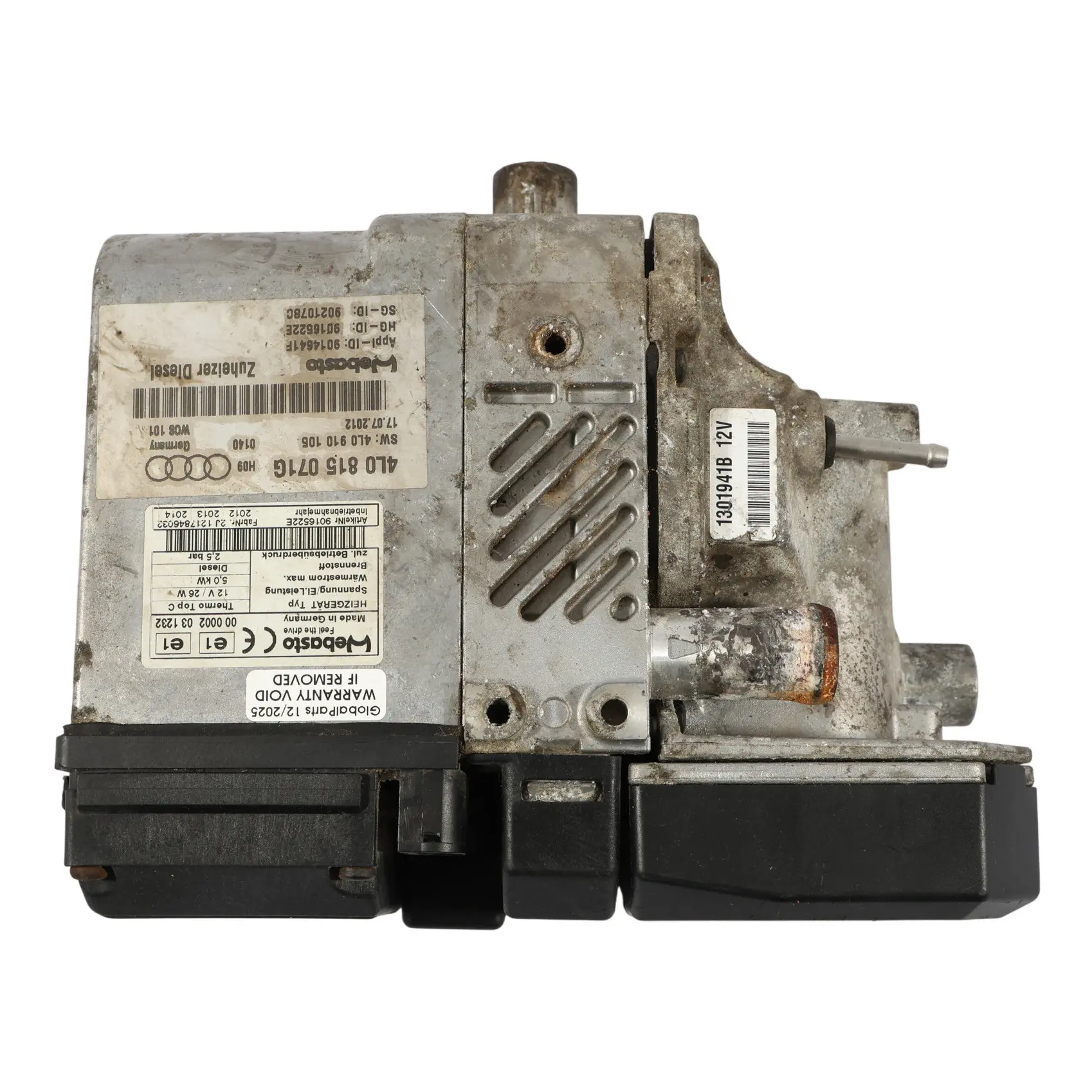
Part no. 4L0815071G
Audi Q7 4L Webasto Auxiliary Additional Pre Heater Diesel 4L0815071G
Product currently unavailable
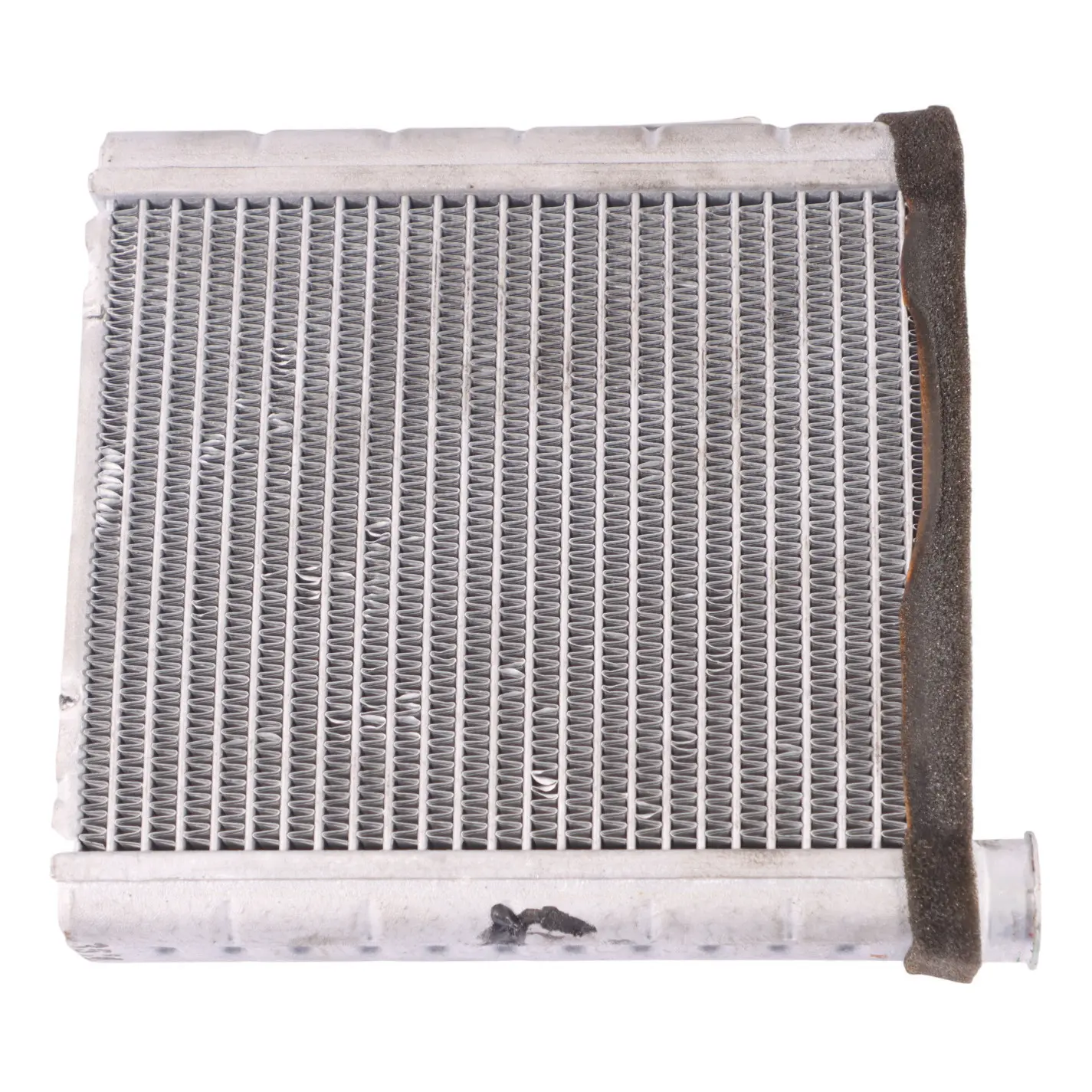
Part no. 4H0898037B
Audi A8 4H D4 Heater Matrix Heat Exchanger Rear 4H0898037B
Product currently unavailable
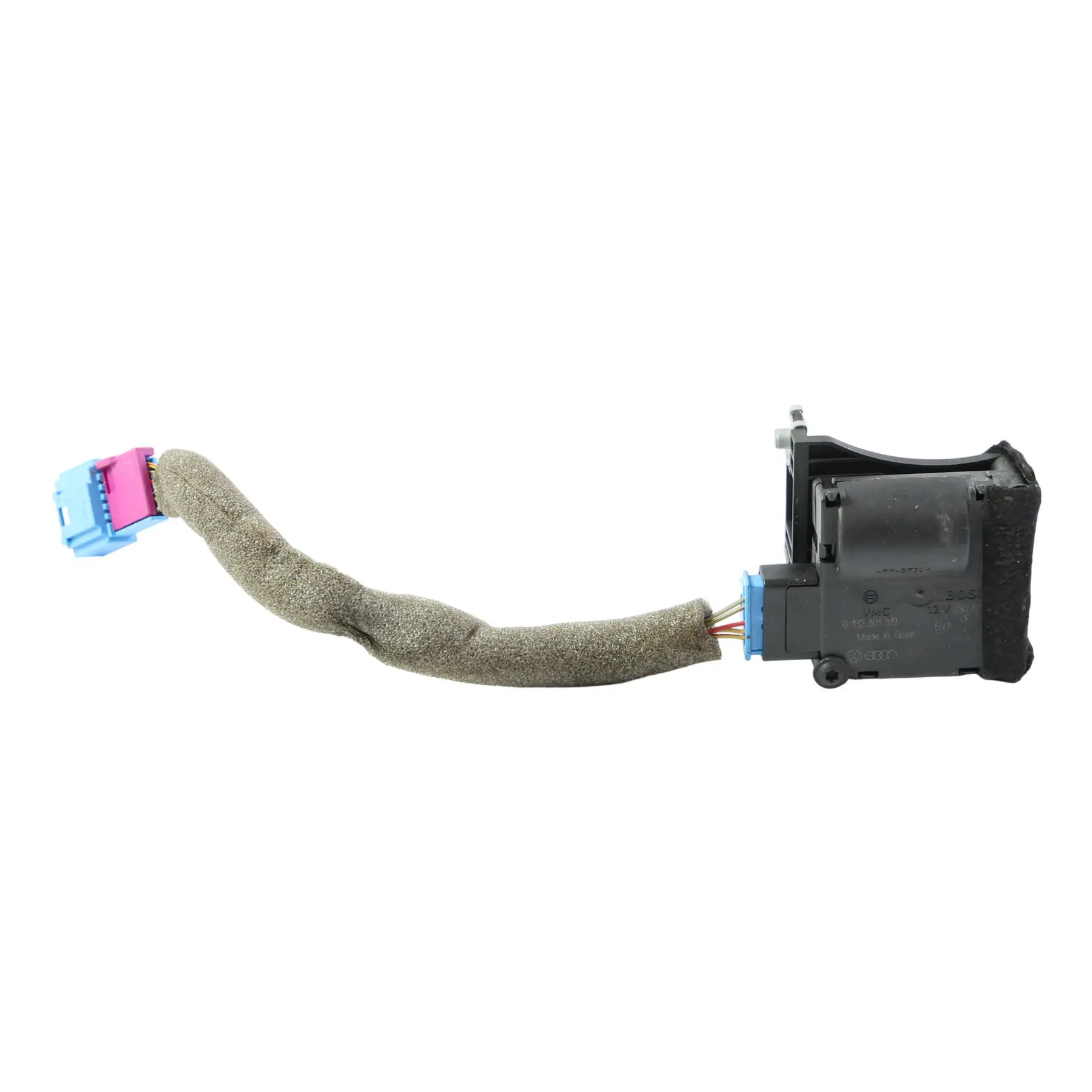
Part no. 4F0820511B-7
Audi A8 D3 Heater A/C Dashboard Air Vent Flap Actuator 4F0820511B
Product currently unavailable
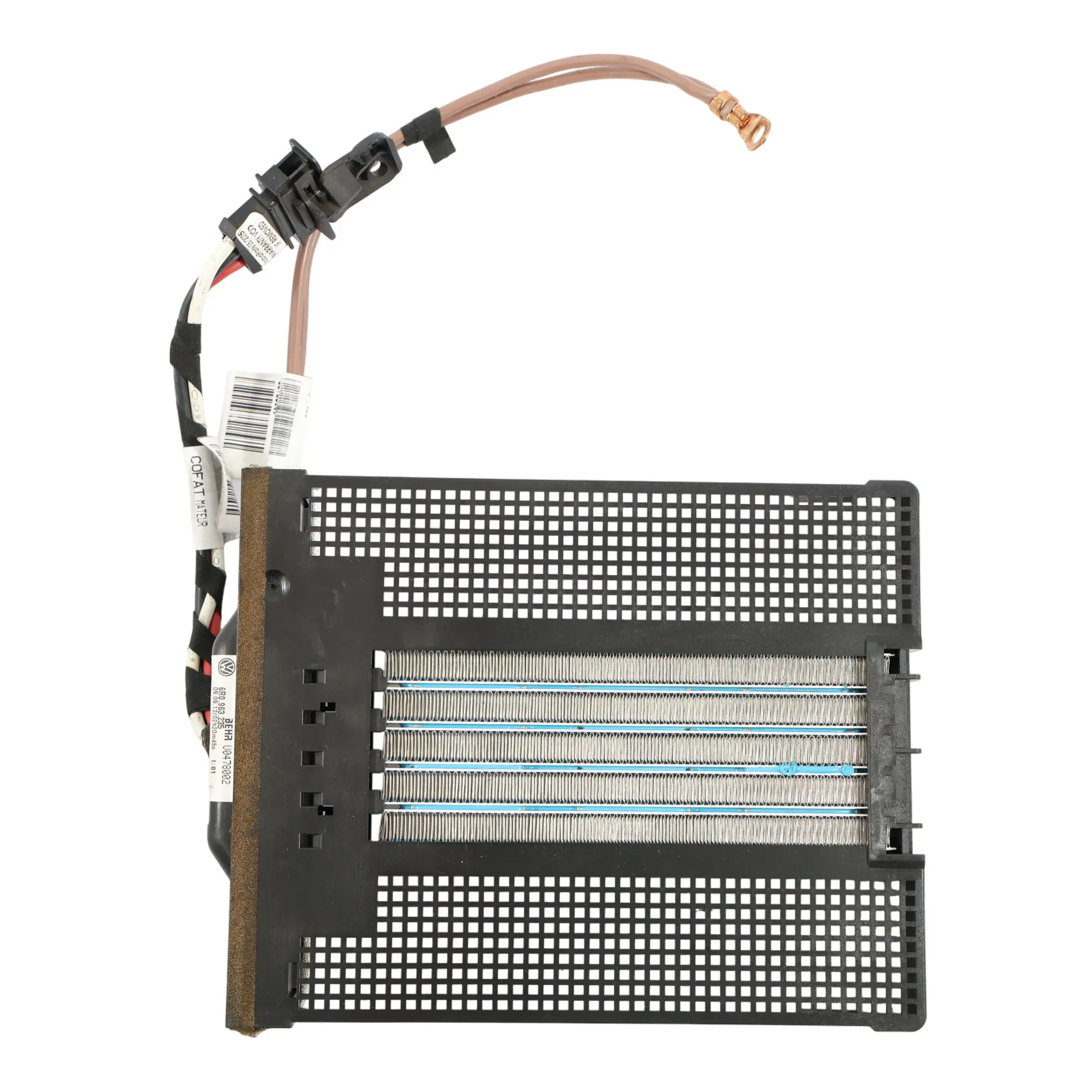
Part no. 6R0963235
Audi A1 8X VW Polo 6R Electric Auxiliary Heater Matrix Element Unit 6R0963235
Product currently unavailable
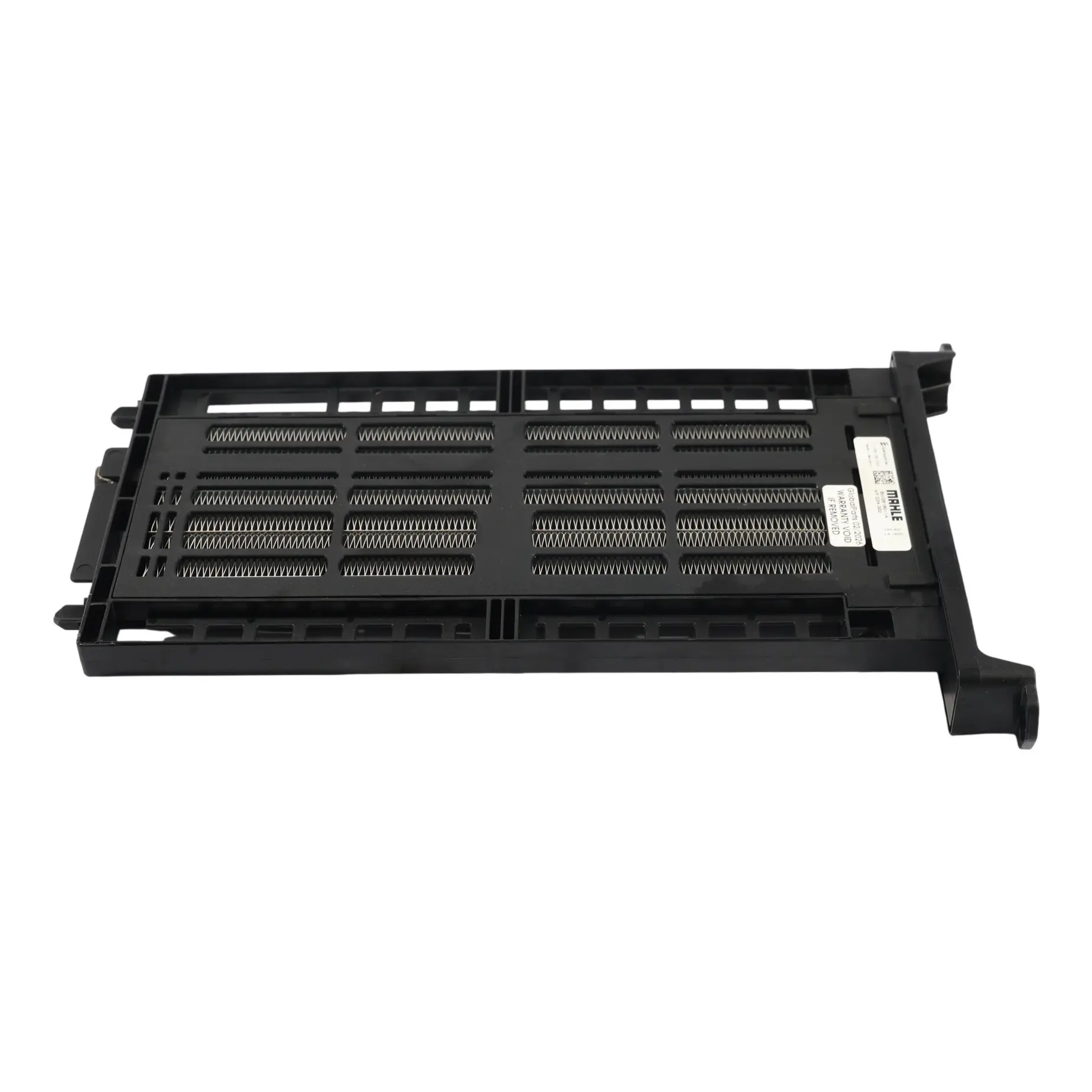
Part no. 8W0819011A
Audi A6 C8 Additional Radiator Auxiliary Heater Element 8W0819011A
Product currently unavailable
Heat exchangers for efficient vehicle heating and cooling
Airflow sensors for proper ventilation
Heat exchangers are key components in cooling, heating, and air conditioning systems, responsible for transferring heat between different fluids or gases. Their primary task is to ensure the correct operating temperature of the engine, air conditioning, or other thermal systems, which directly affects the vehicle's efficiency and durability. In the Global Parts automotive store, you will find a wide selection of used car parts, including heat exchangers, perfectly matched to brands such as BMW, Audi, Mercedes, Volkswagen, Mini, and others.
Construction and operating principle of a car heat exchanger
A car heat exchanger is a structural component that enables controlled thermal energy transfer between two media, most commonly coolant, engine oil, transmission oil, or air. In practice, this means stabilizing the operating temperature of key systems, cabin heating, or air conditioning. A typical heat exchanger operates in a temperature range of 80 to 110°C in the engine cooling system or 70–120°C in the engine and transmission oil circuit. An example is the BMW E60 heat exchanger, used in versions such as the 530d, where it is responsible for stabilizing oil temperature in the drivetrain and working with the radiator and lubrication system.
What functions do heat exchangers perform?
Heat exchangers play a key role in temperature management in vehicles:
- Heat absorption and transfer – they move heat from one medium to another, allowing for effective cooling or heating.
- Maintaining optimal operating temperature – they ensure the proper functioning of the engine, gearbox, air conditioning, or heating system.
- Increasing thermal system efficiency – they improve cooling or heating effectiveness, minimizing energy loss.
- Component protection – they prevent overheating and excessive wear of key vehicle elements.
Function of heat exchangers in cabin heating and fluid circuits
Heat exchangers are used to capture thermal energy from one circuit and transfer it to another without mixing the working media. In the cabin heating system, such a component transfers heat from the coolant to the air pushed by the blower, and in the oil system, it stabilizes the lubricant temperature. For parts such as an Audi A6 C6 heater core, it is particularly important to compare the OEM number, the layout of the connectors, and compatibility with the air conditioning version and heater housing.
Comparison of heat exchanger types used in cars
| Exchanger type | Main application | Working media | What to check before purchase |
|---|---|---|---|
| Oil-to-liquid exchanger | Engine oil temperature stabilization | Engine oil and coolant | OEM number, connection diameters, mounting type, housing tightness |
| Air-to-liquid exchanger | Vehicle interior heating | Coolant and air | Core dimensions, connector layout, compatibility with air vent housing |
| Transmission oil exchanger | Transmission oil cooling | Transmission oil and coolant | Gearbox type, mounting points, connection hoses |
Heat exchanger in the BMW E60 – application and compatibility
In BMW 5 Series E60 models, the heat exchanger plays a particularly important role in vehicles with diesel engines, such as the BMW E60 530d, where there is increased thermal load on the oil system. The BMW E60 530d heat exchanger works directly with the lubrication and cooling system, stabilizing oil temperature even during prolonged highway driving. In versions with an automatic transmission, a BMW E60 automatic transmission heat exchanger is also used, which helps maintain the correct transmission oil temperature, translating into smoother gear changes and efficient operation of the entire drivetrain. These types of exchangers are designed for specific engine and gearbox generations, which is why matching the model, capacity, and drive type is crucial.
Why is it worth taking care of heat exchangers?
Damage or malfunction of a heat exchanger can lead to problems with the vehicle's thermal systems. Typical symptoms of failure include:
- Engine overheating – an ineffective heat exchanger can cause the coolant temperature to rise.
- Lack of cabin heating – the exchanger may inefficiently transfer heat to the heating system.
- Coolant or oil leaks – mechanical damage to the exchanger can lead to leaks.
- Irregular air conditioning operation – reduced cooling efficiency may indicate a problem with the exchanger. If a replacement is needed, at Global Parts you will find suitable used car parts that will restore full functionality to your thermal systems.
Core construction and components working with the heat exchanger
The heat exchanger core is the working part with channels and thin walls through which the fluid or oil flows, transferring temperature to the second medium. This element usually works with hoses, seals, the air vent housing, and, depending on the system, also with heater control valves and temperature sensors. When choosing an element like a BMW E60 heater core, it is worth checking the pipe layout, mounting location, and compatibility with the engine version and interior equipment type.
How to choose the right heat exchangers?
When choosing heat exchangers, several key aspects should be considered:
- Matching the vehicle model – every thermal system has its specific technical requirements. In the Global Parts automotive store, you will find heat exchangers perfectly matched to BMW, Audi, Mercedes, Volkswagen, Mini, and others.
- Technical condition – used exchangers should be fully functional, free from mechanical damage and corrosion.
- Exchanger type – choose the appropriate type of exchanger depending on its application.
Matching a heat exchanger by VIN, OEM, and vehicle system
Matching a heat exchanger is based primarily on the engine configuration and drivetrain type, not just the vehicle brand. In practice, it is worth comparing the OEM part number, interchangeable numbers, location on the vehicle, fuel type, and gearbox type. If a component such as an E90 heater core is sought, the housing version, connector position, and compatibility with adjacent elements, such as blowers and fans or cabin and pollen filters, must be verified.
Why choose used heat exchangers?
Used car parts, such as used heat exchangers, are an economical solution that allows for savings while maintaining high quality. By choosing used thermal system components, you gain:
- Lower costs – used exchangers are significantly cheaper than new ones but offer high quality.
- Ecology – recycling parts supports environmental protection and reduces waste.
- Wide offer – in our store, you will find heat exchangers for many car brands.
How to maintain heat exchangers?
To ensure heat exchangers work reliably for a long time, it is worth following a few rules:
- Regular inspection – check the condition of the exchanger during cooling and heating system maintenance.
- Keep operating fluids clean – contaminants in the coolant or oil can reduce the exchanger's efficiency.
- Remove external dirt – regular cleaning of the exchanger prevents the accumulation of dust and debris that can disrupt airflow.
- Replace on time – worn or damaged exchangers should be replaced to avoid more serious problems with thermal systems. When servicing the system, it is also worth checking the condition of elements from the Air conditioning and heating systems section, as the efficiency of the entire circuit depends on the cooperation of several components.
FAQ
| Question | Answer |
|---|---|
| What is the construction and purpose of heat exchangers? | Heat exchangers are components of the cooling, heating, or lubrication system whose task is to transfer thermal energy between two media. A typical element consists of a working core, flow channels, connections, and a housing or mounting points. In a car, they can be mounted near the engine, gearbox, or inside the heater housing. |
| What are heat exchangers used for? | Heat exchangers are used to stabilize the operating temperature of the vehicle's most important systems. Thanks to them, oil, coolant, and cabin air reach the parameters needed for the proper operation of the engine, gearbox, and interior heating. Their operation also affects the effectiveness of window defrosting and driving comfort. |
| What is the construction and function of a heat exchanger core? | The heat exchanger core is the essential working part where heat transfer occurs. It consists of channels, thin heat-conducting walls, and connectors supplying the medium. Its design affects flow efficiency, system tightness, and fitment to the housing or connection hoses. |
| How to choose a heat exchanger for a specific car version? | It is safest to compare the OEM number, engine version, fuel type, gearbox type, and mounting location. In many models, the same production year may come with different variants of connectors, housings, and mounts. Checking interchangeable numbers and VIN compatibility is also helpful. |
| What symptoms indicate wear or malfunction of a heat exchanger? | Most often, these are weaker cabin heating, unstable engine operating temperature, coolant or oil leaks, and a decrease in heat exchange effectiveness. Symptoms may also include fogged windows and uneven heating system operation. It is then worth checking the exchanger itself as well as hoses, seals, and flow control elements. |
| What data in the product offer helps check heat exchanger compatibility? | Information about the brand, condition, OEM part number, interchangeable numbers, location on the vehicle, fuel type, and gearbox type is most useful. Such data makes it easier to compare the part with the removed element. During installation, the layout of connections and compatibility with the housing and hoses also matter. |
Summary: heat exchangers in the Global Parts automotive store
Heat exchangers are essential elements of cooling, heating, and air conditioning systems that support vehicle efficiency and reliability. The Global Parts offer includes solutions matched to many brands, including Mercedes, Unbranded, Audi, as well as BMW and others. When choosing, it is worth considering the OEM number, interchangeable numbers, mounting location, and engine and gearbox version so that the part works correctly with the entire thermal system. We invite you to contact us – we are here to help you! For more information and interesting facts, we also invite you to visit our automotive blog.