


Fuel Vapour Canisters
Find it faster
Match to your vehicle
GB
Make
Category
Subcategory
Condition
In Stock
Price
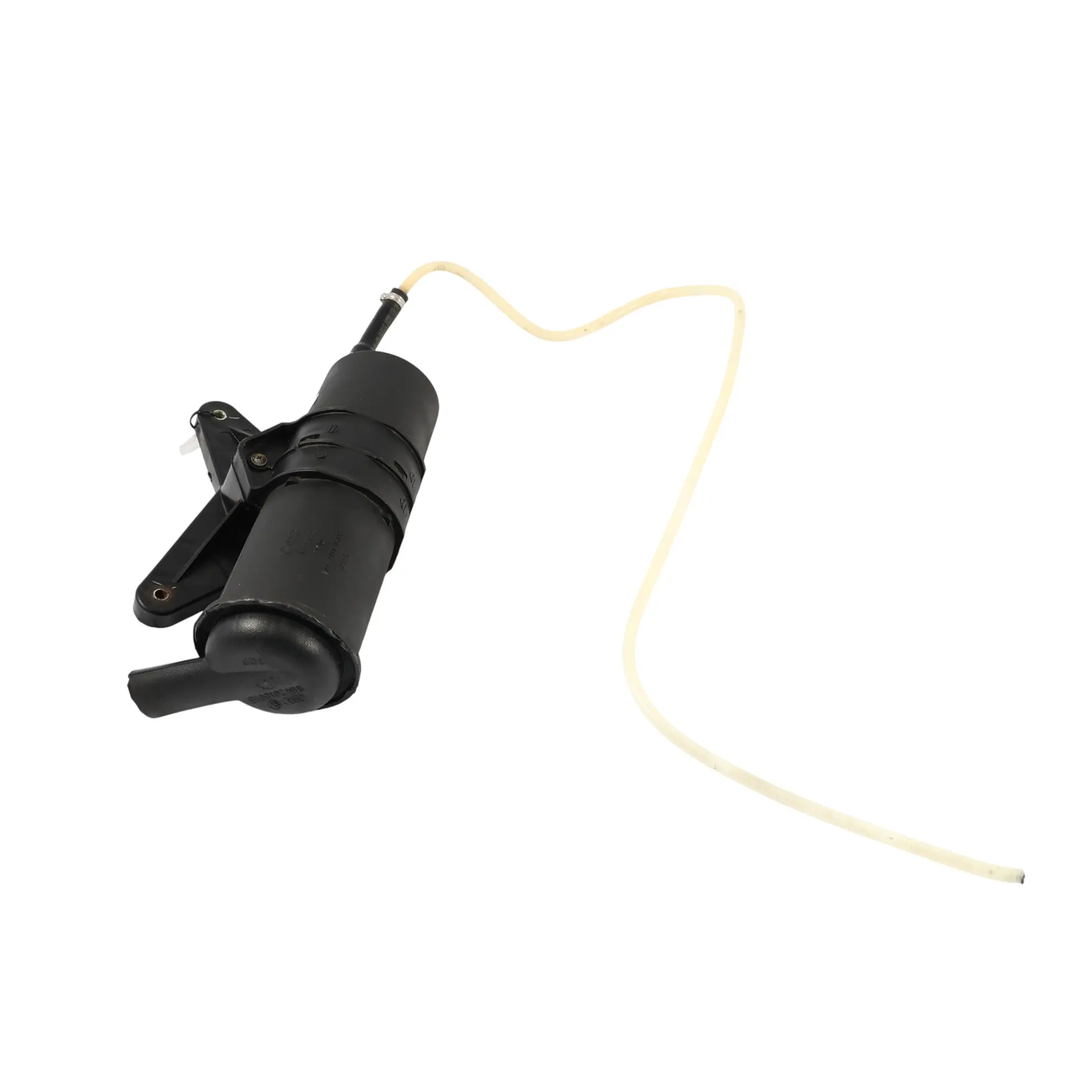
Fuel Vapour Canisters
In the Global Parts automotive store, you will find a selection of used car parts compatible with brands such as Unbranded, Volkswagen, and others. Fuel vapor canisters are components of the evaporative emission control system that work in conjunction with hoses, the purge valve, and the intake system. In this category, parts are available for which it is worth comparing the OEM number, replacement numbers, fuel type, mounting location, and compatibility with the vehicle version.
Design and purpose of fuel vapor canisters
Fuel vapor canisters are components installed in the fuel tank ventilation system, most often located near the wheel arch, chassis, or engine compartment, depending on the car's design. Their task is to temporarily store fuel vapors and direct them into the circulation system instead of releasing them into the atmosphere. A typical unit consists of a housing, hose connections, and an internal filter medium responsible for trapping vapors. Mounting points, housing shape, and the layout of the ports are crucial when selecting the right part.
Comparison of fuel vapor canister variants
| Variant | Characteristics | What to check before purchase |
|---|---|---|
| Canister with a simple housing | Used where hose routing is uncomplicated and there is more mounting space available. | OEM number, connection diameter, bracket type, and port positioning. |
| Canister profiled for wheel arch or cover | Features a housing adapted to a specific body zone and limited installation space. | Compatibility with body version, body shape, mounts, and hose routing. |
| Canister for complex auxiliary systems | Found in systems where compatibility with additional valves or emission system hoses is essential. | OEM part number, fuel type, completeness of ports, and compatibility with associated equipment. |
The role of the evaporative emission control system in vehicle operation
The evaporative emission control system is used to capture volatile vapors generated in the fuel tank during vehicle parking and operation. The fuel vapor canister reduces fuel loss in the form of vapors and supports the proper functioning of the exhaust emission control system. In practice, it works with components from the Exhaust systems and emission control section, and in some designs, also with components such as solenoid valves. Symptoms of mismatch or wear may include problems with fuel system ventilation, fuel odor, or emission-related errors.
Selection and mounting compatibility of fuel vapor canisters
When choosing a fuel vapor canister, the most important step is to compare the OEM number, port layout, and mounting method with the part removed from the vehicle. The term OEM number refers to the factory part designation assigned to a specific vehicle version and equipment, making it easier to verify compatibility with the installation. When completing a repair for a specific model, e.g., bmw e90, it is also good to verify the engine version, fuel type, and hose routing. When selecting an item such as a catalytic converter volkswagen golf 5, different parameters are checked than in this category, so it is not advisable to transfer selection criteria between different components. For comparison, the operation of the emission system can also be assessed by the condition of elements such as EGR valves and parts or Lambda sensors and O2 sensors.
Installation tips and part condition inspection
The fuel vapor canister is installed with consideration for connection tightness, correct hose routing, and secure seating in the mounting points. During installation, it is necessary to check that the housing has no cracks, the ports are not damaged, and the brackets were not deformed during removal. If you are looking for a component such as a fuel pump audi a4 b6, you primarily verify other elements of the fuel system, but in the case of fuel vapor canisters, tightness, connection compatibility, and proper cooperation with the ventilation equipment are key. Additionally, it is worth checking the guide material Personalization and ergonomics – when is it worth replacing the steering wheel with a premium model?, which shows how to compare equipment and part versions before purchasing.
FAQ
| Question | Answer |
|---|---|
| What is the design and purpose of fuel vapor canisters? | Fuel vapor canisters are components of the ventilation and evaporative emission control system, installed in various areas of the vehicle depending on its design. A typical unit has a housing, connection ports, mounting points, and an internal filter medium that traps vapors. This part works with ventilation hoses and valves that control vapor flow. Its design must correspond to the specific vehicle version, as the housing shape and port arrangement vary. |
| What are fuel vapor canisters used for? | Fuel vapor canisters are used to capture fuel vapors that form in the fuel tank and fuel lines. Their task is to reduce emissions and direct vapors for further processing in the system instead of allowing them to escape uncontrollably. A properly functioning unit supports stable fuel system operation and compliance with emission control systems. This is important both for daily operation and for proper cooperation with control equipment. |
| What is the design and function of the filter medium in a fuel vapor canister? | The filter medium is the working part located inside the fuel vapor canister housing. It serves to trap fuel vapors and store them temporarily under controlled conditions so they can be further utilized by the system. Its effectiveness depends on the tightness of the entire assembly, the patency of the hoses, and compatibility with control valves. In practice, damage to the housing or ports can reduce the efficiency of the medium even if the working material itself is not mechanically compromised. |
| How to select a fuel vapor canister for a specific car? | It is best to compare the OEM part number, port layout, mounting points, and fuel type indicated with the product. It is also worth checking the engine version, body style, and vehicle equipment, as this data affects equipment compatibility. For used parts, the condition of the ports, housing, and mounting brackets is also significant. |
| What symptoms may indicate a problem with the fuel vapor canister? | Typical signs include fuel odor, problems with system ventilation, or errors related to the evaporative emission control system. It is also worth paying attention to damaged connections, housing cracks, or signs of improper installation. Such symptoms do not always mean the canister itself has failed, but they require an inspection of the entire associated system. |
| What should be paid attention to when installing a fuel vapor canister? | Before installation, check the tightness of the hoses, the condition of the brackets, and the compatibility of all connections with the vehicle's installation. The part should be seated without stress and in the exact intended location so that the hoses are not twisted or stretched. After installation, it is worth checking the correctness of the connections and the cooperation with the ventilation system valves and hoses. |
Summary: fuel vapor canisters at the Global Parts automotive store
Fuel vapor canisters are important elements of the evaporative emission control system, so when selecting them, it is worth focusing on OEM number compatibility, fuel type, port layout, and mounting points. Global Parts offers used parts for many models, including brands such as Unbranded, Volkswagen, and others. This selection method makes it easier to match the component to the specific vehicle version and associated equipment. We invite you to contact us – we are here to help! For more information and interesting facts, we also invite you to visit our automotive blog.