


Fuel filler flaps and caps
More informationAt Global Parts, we offer a wide selection of original used car parts, including fuel filler flaps and caps for many popular car brands such as BMW, Mini, Mercedes, Audi, Volkswagen, and others. Our fuel filler flaps and caps undergo quality control to ensure you receive a top-quality product.
Find it faster
Match to your vehicle
GB
Make
Category
Subcategory
Condition
In Stock
Price
-5%
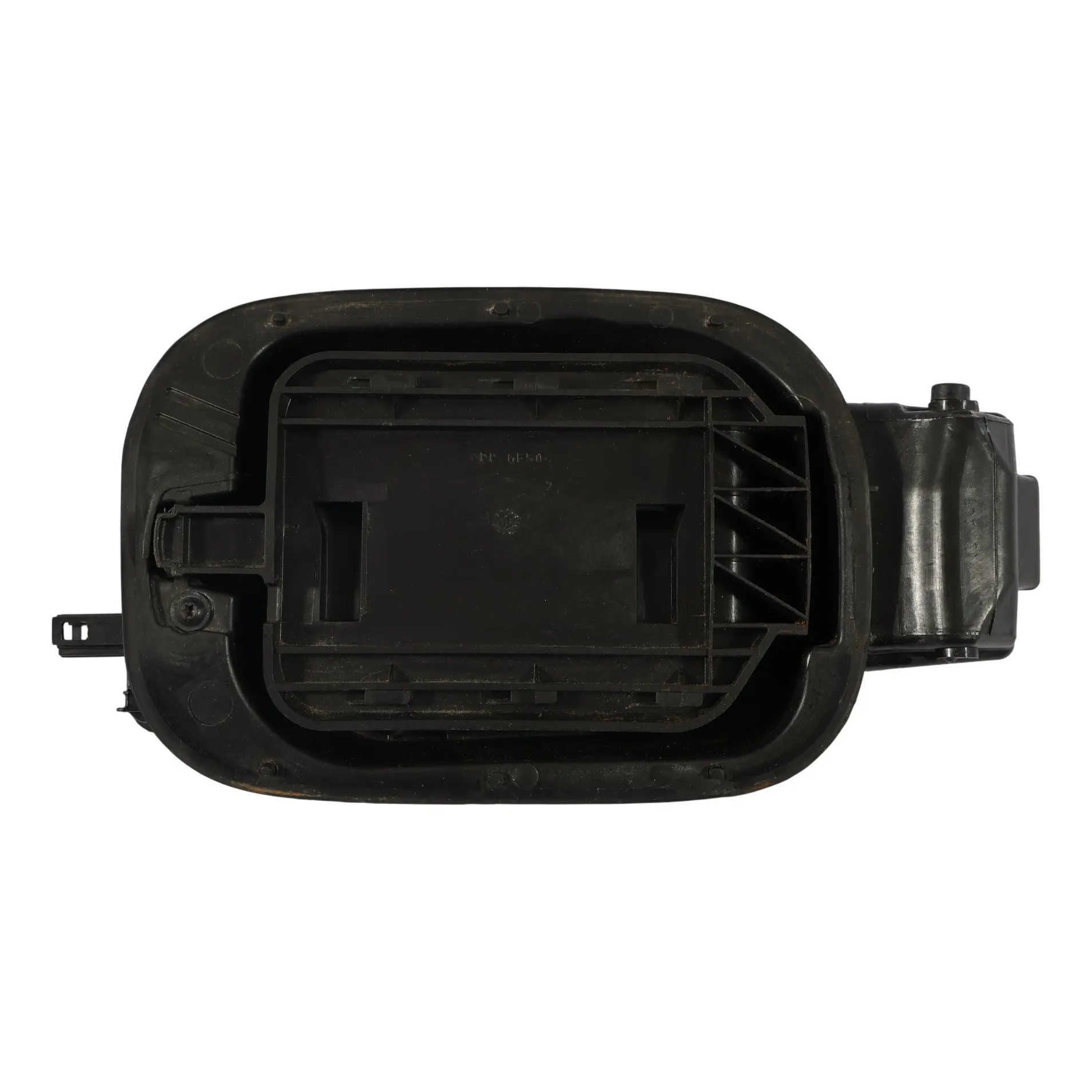
Part no. 5E0809702B
Skoda Octavia Mk3 5E Fuel Filler Tank Cap Flap Cover Trim 5E0809702B
Promo price
£13.95
£13.25
Free delivery: Oct 14
If paid before 14:00
-5%
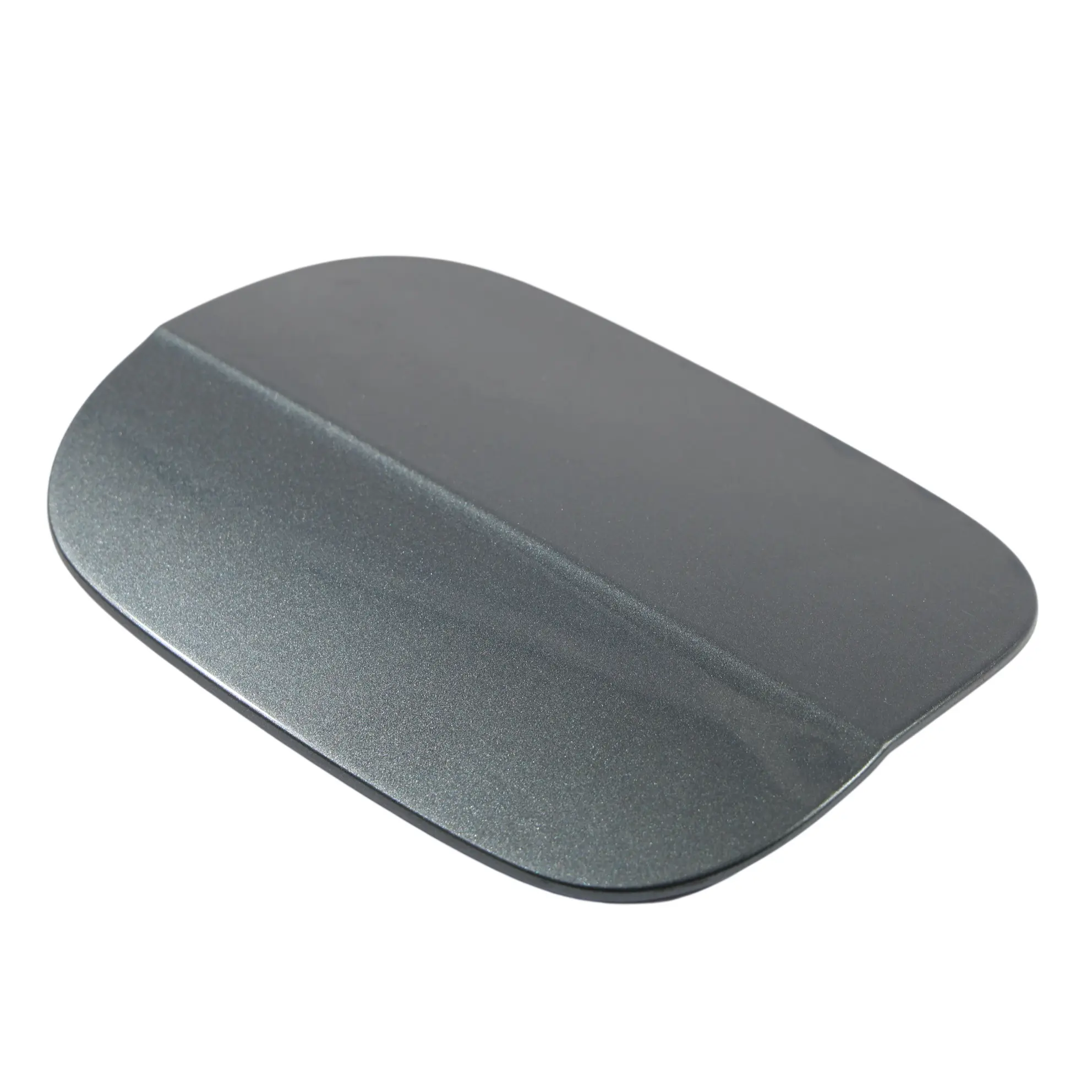
Part no. 5E0809909A-MEGR
Skoda Octavia Mk3 5E Fuel Flap Cover Fill In Filler Cap Trim Metal Grey - F7Y
Promo price
£13.95
£13.25
Free delivery: Oct 14
If paid before 14:00
-5%
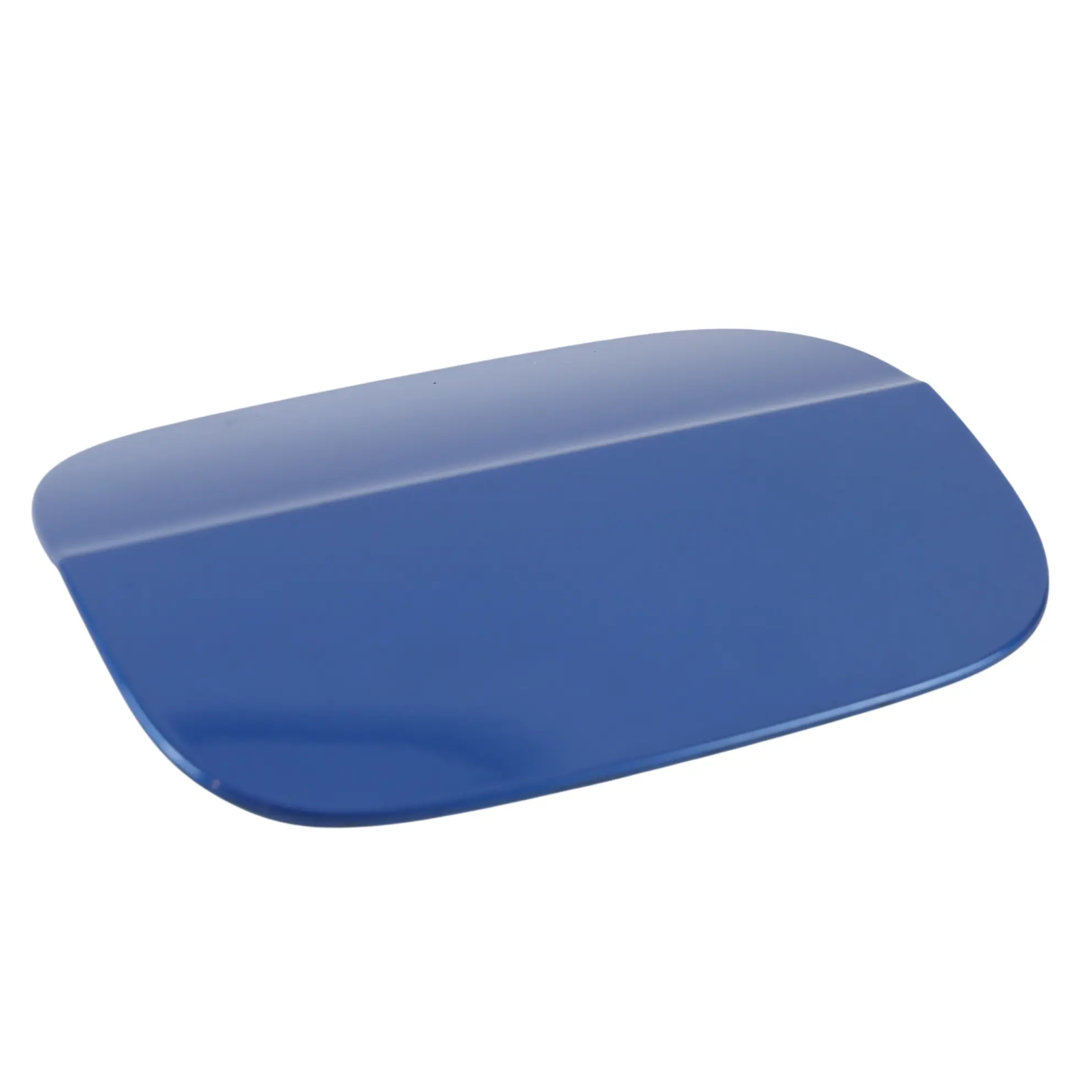
Part no. 5E0809909A-RAB
Skoda Octavia Mk3 5E Fuel Flap Cover Fill In Filler Cap Trim Race Blue F5W
Promo price
£13.95
£13.25
Free delivery: Oct 14
If paid before 14:00
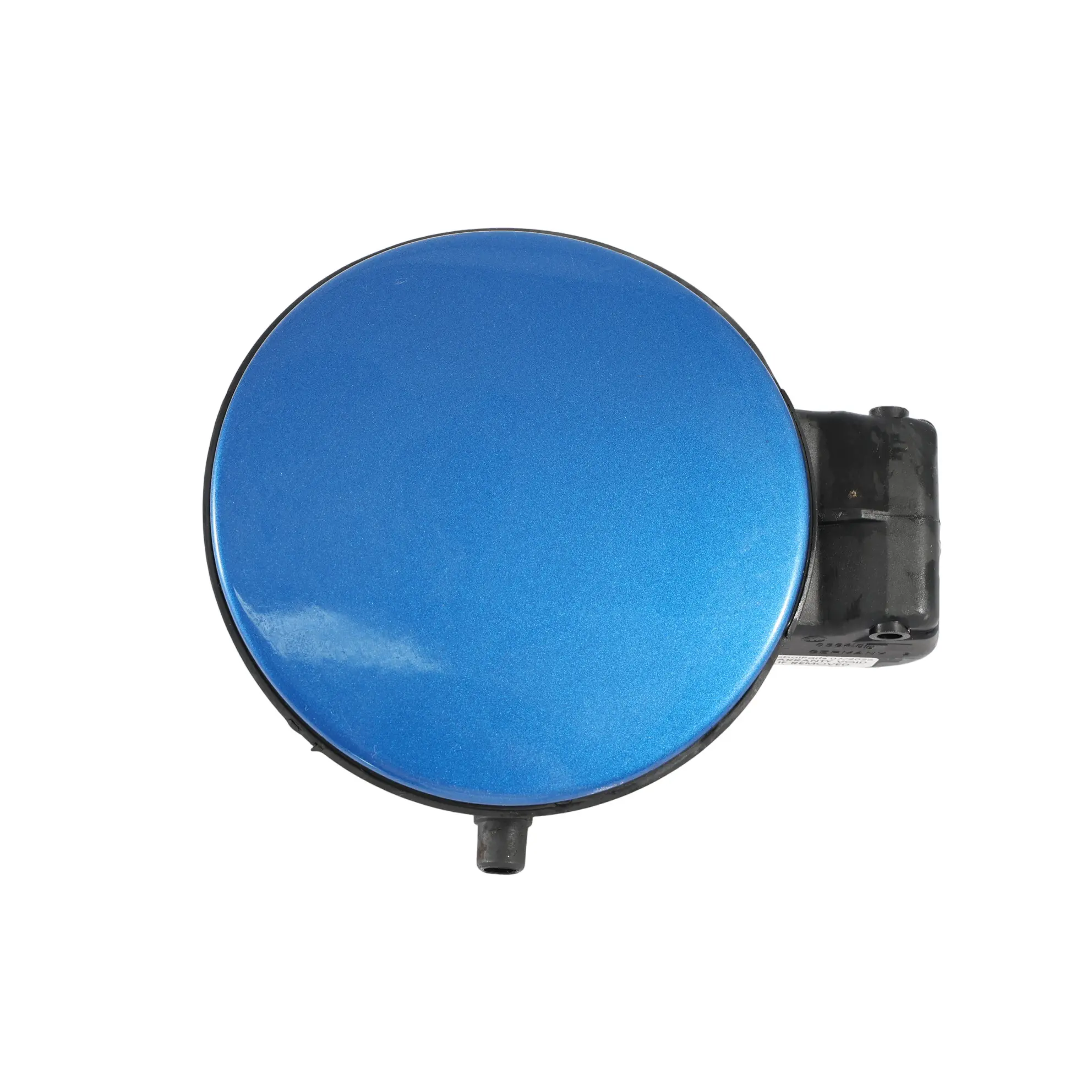
Part no. 6Y6809857-MDR
Skoda Fabia 6Y Fuel Filler Flap Cover Housing Madra Race Blue - 8X 6Y6809857
Product currently unavailable
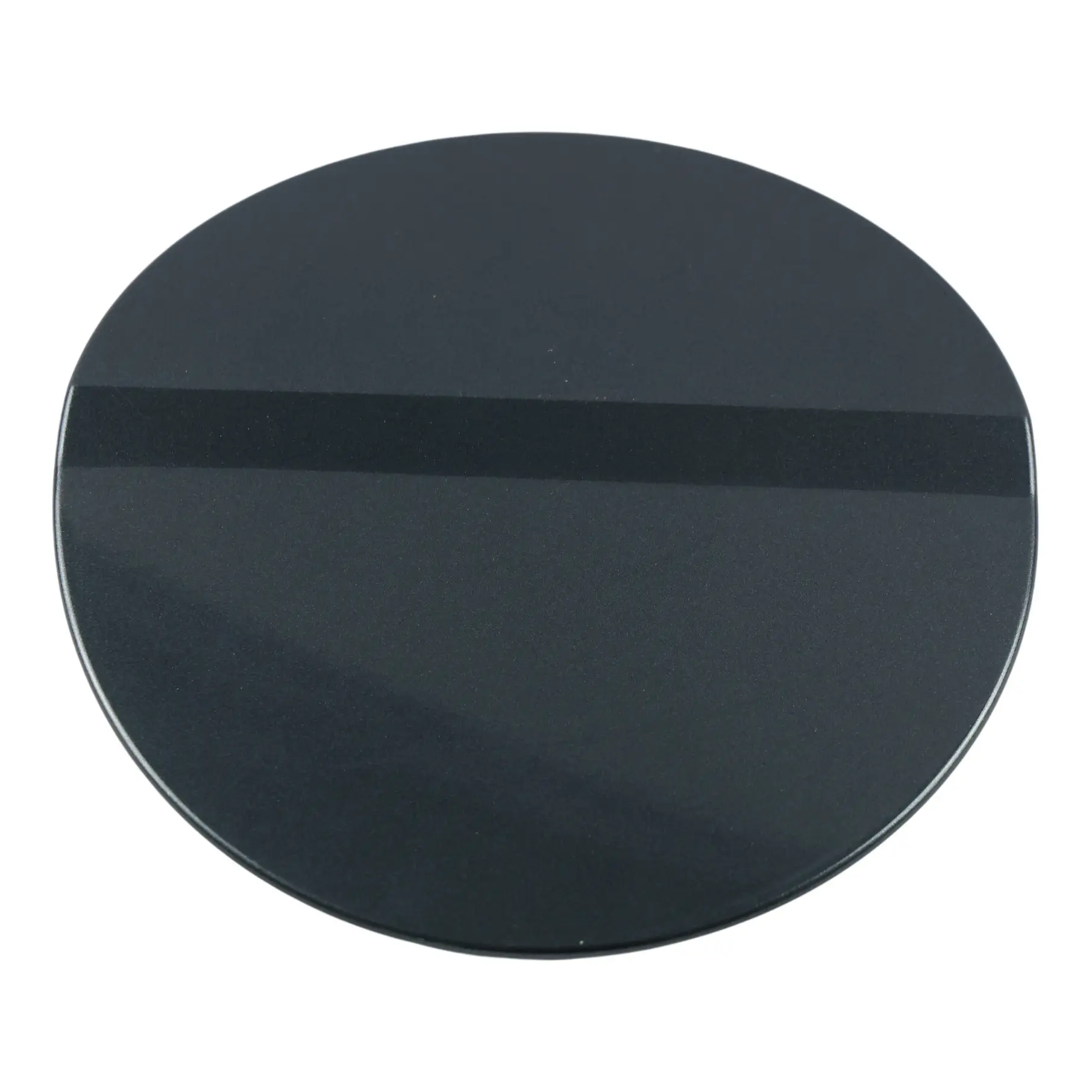
Part no. 6V6809909-MEGR
Skoda Fabia Nj Fuel Flap Cover Fill In Filler Cap Trim Metal Grey F7Y 6V6809909
Product currently unavailable

Part no. 5E0809909A-CORE
Skoda Octavia Mk3 5E Fuel Flap Cover Fill In Filler Cap Trim Corrida Red - F3K
Product currently unavailable
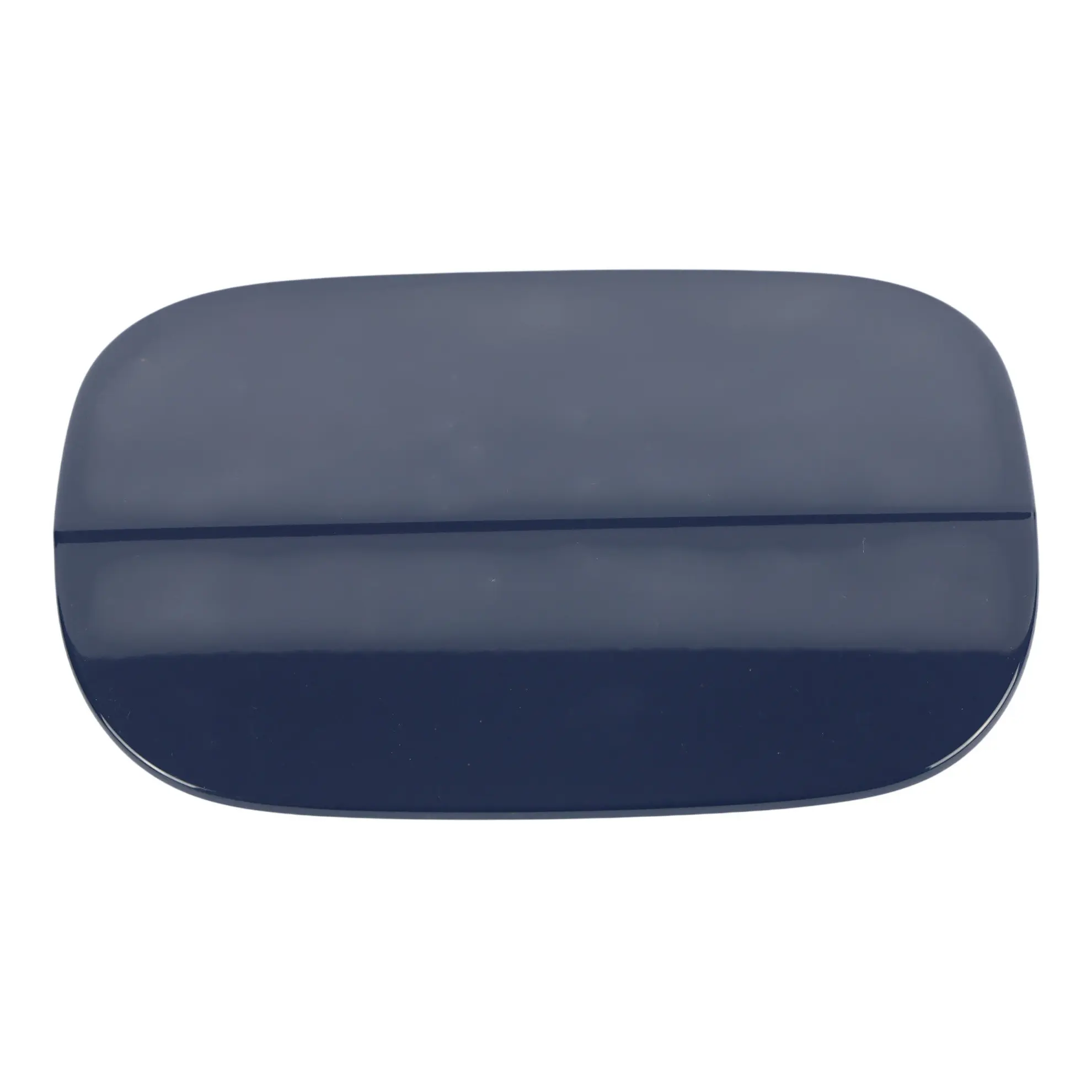
Part no. 5E0809909A-PAB
Skoda Octavia Mk3 5E Fuel Flap Cover Fill In Filler Cap Trim Pacific Blue - F5A
Product currently unavailable
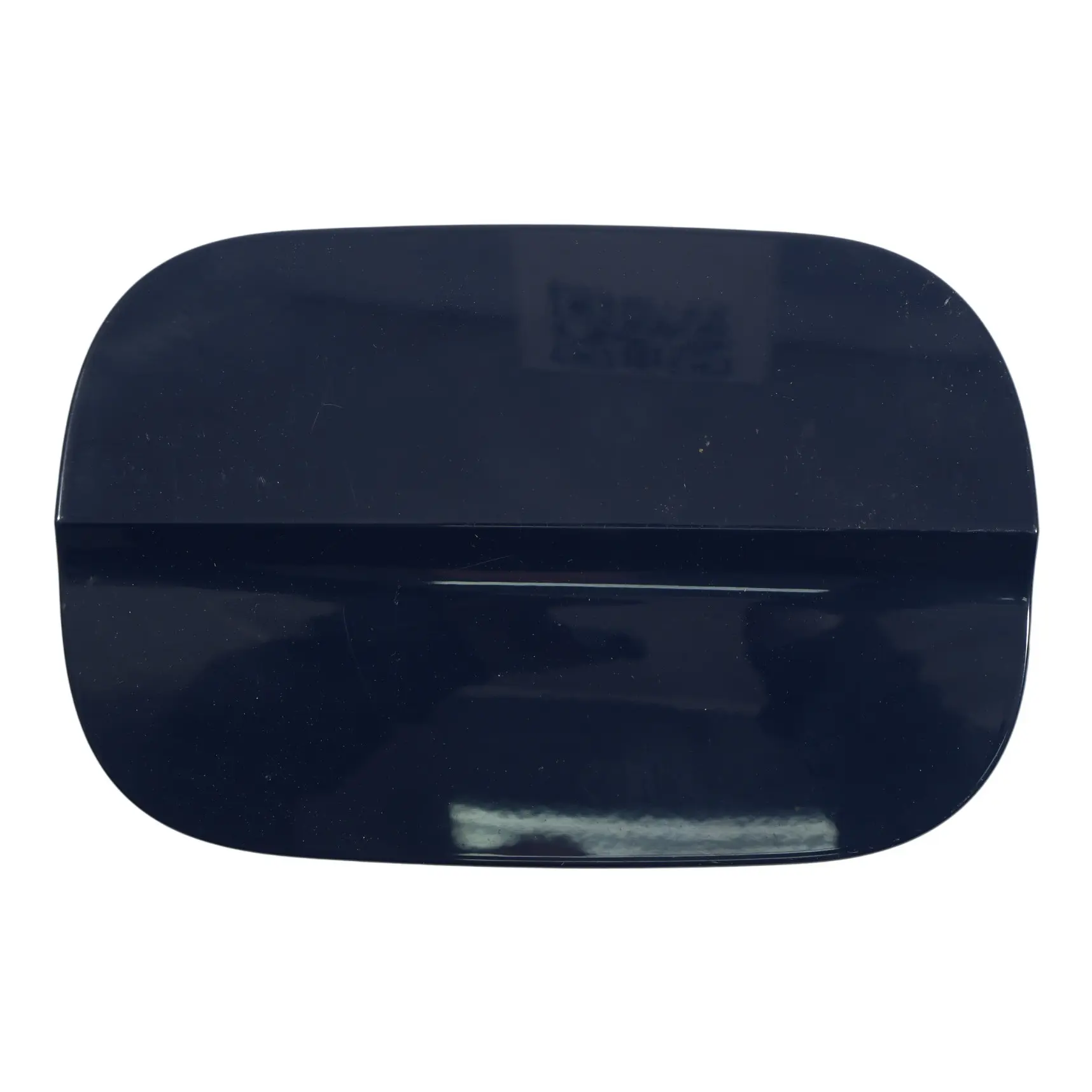
Part no. 3V9809909-PAB
Skoda Superb 3V Fuel Filler Cover Fill Flap Pacific Blue - F5A 3V9809909
Product currently unavailable
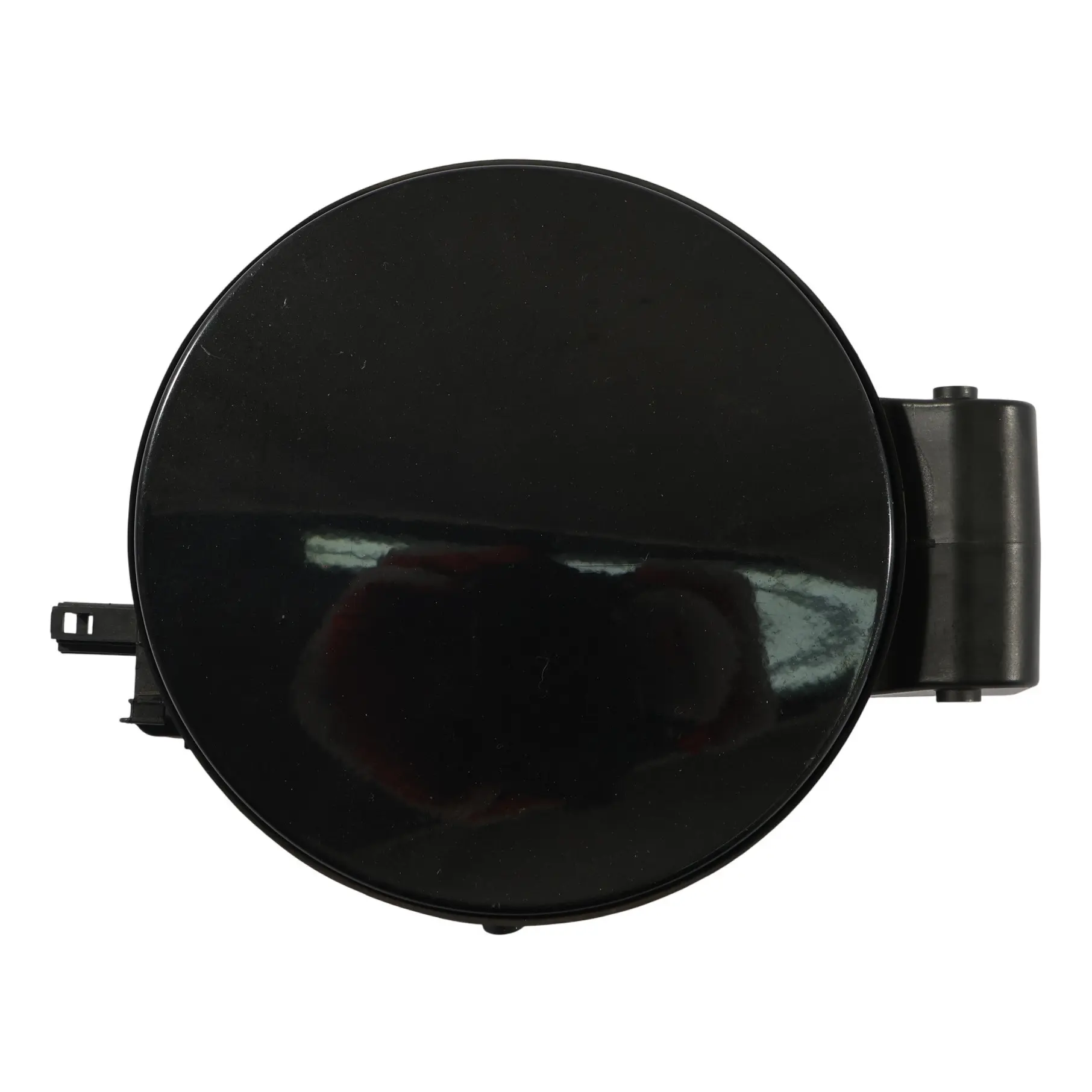
Part no. 5L6809857-BMA
Skoda Yeti 5L Fuel Filler Tank Cap Cover Flap Black Magic Pearl - F9R 5L6809857
Product currently unavailable
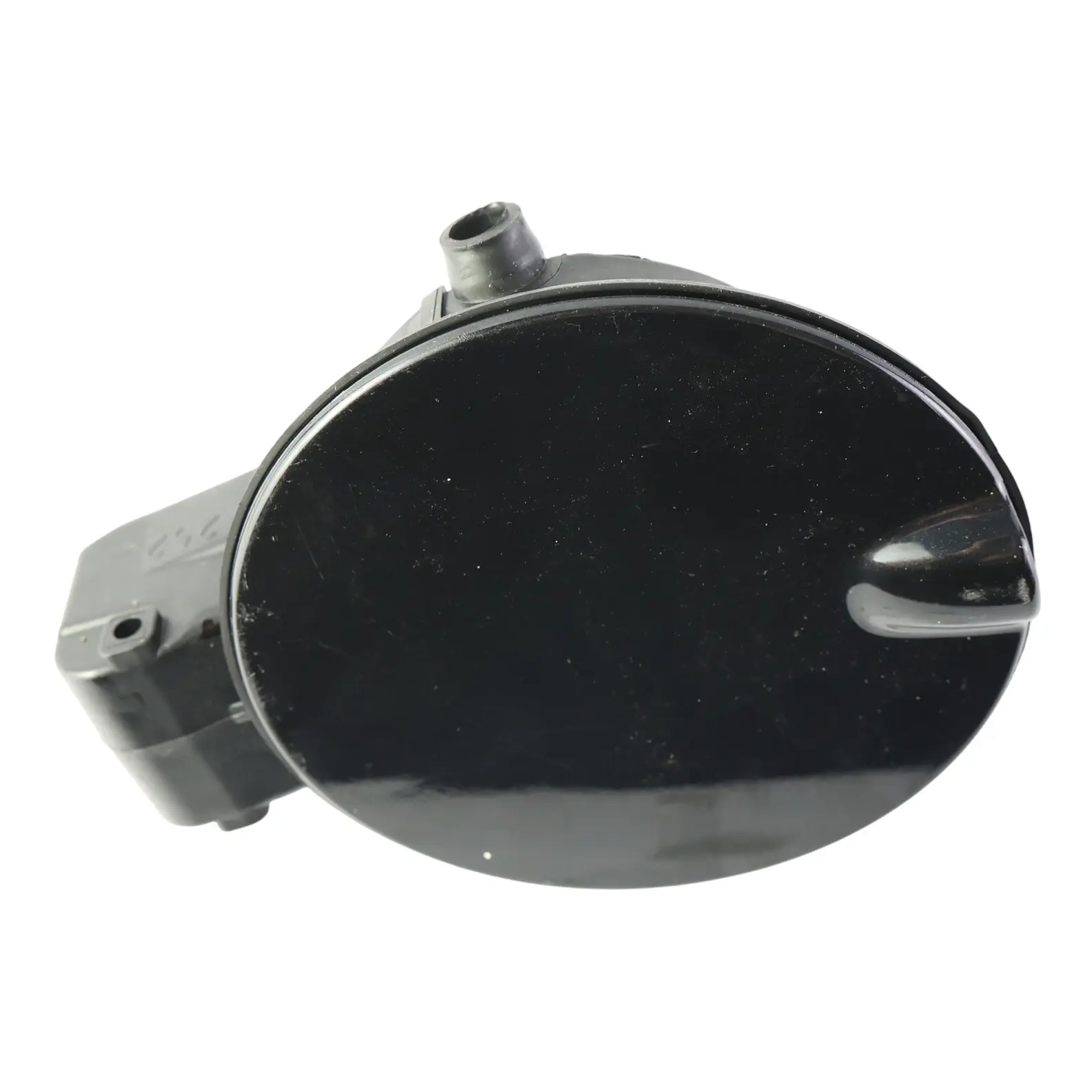
Part no. 5J9809857A-BMA
Skoda Fabia Rs 5j Fuel Filler Flap Cap Door Housing Black Magic Pearl - F9R
Product currently unavailable
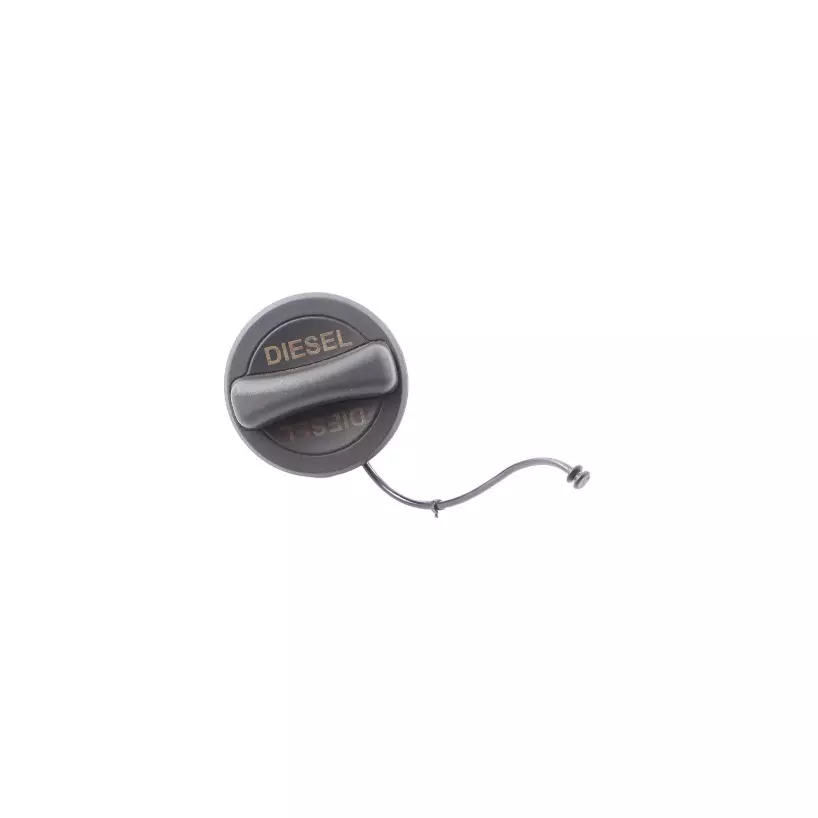
Fuel filler flaps and caps for safe and sealed refueling
Safe flaps and tight filler caps
Fuel filler flaps and caps are inconspicuous yet essential components of the fuel system that secure the fuel filler against contaminants and protect against leaks. They ensure the fuel is stored securely, which contributes to safety, fuel economy, and the durability of the fuel system. In the Global Parts automotive store, you will find a wide selection of used car parts, including fuel filler flaps and caps, perfectly matched to BMW, Audi, Mercedes, Volkswagen, Mini, and many other models.
The role of flaps and caps in daily vehicle use
Fuel filler flaps and caps not only secure the fuel but also facilitate daily refueling. Their airtight seal minimizes fuel evaporation, which can reduce unnecessary losses over the year. Flaps and caps can be made of heat-resistant plastics or corrosion-resistant metals, ensuring longevity and resistance to mechanical damage.
What functions do fuel filler flaps and caps perform?
Fuel filler flaps and caps perform several key roles:
- Protection against contaminants – they prevent dirt, water, and dust from entering the fuel system.
- Prevention of fuel leaks – airtight fuel caps protect against fuel loss and minimize vapor emissions.
- Safety – flaps and locking caps protect against unauthorized access to the fuel filler.
Construction and purpose of fuel filler flaps and caps
Fuel filler flaps and caps are components mounted at the refueling opening, most often on the fender or the side of the bodywork. The flap serves as an external cover, while the cap closes the filler neck itself and is responsible for the system's tightness. A typical set consists of a housing, a hinge or spring mechanism, mounting points, and a seal. In practice, it is worth comparing the selection of parts with items from the Fuel tanks and filler pipes category, as the shape of the neck and the way the cap is seated must work together.
Types of fuel filler flaps and caps
The most common types are:
- Threaded cap – e.g., effective in older models.
- Snap-on cap – often used in newer designs.
- Spring-loaded flap – typical for many commercial and passenger vehicles.
- Key-locked systems – used in higher-class cars.
Comparison of fuel filler flap and cap variants
| Component type | Construction | Advantage | What to check before purchase |
|---|---|---|---|
| Threaded cap | Body with thread and seal | Secure, mechanical closure | Diameter, thread pitch, seal condition, OEM number |
| Snap-on cap | Push-in mechanism with lock | Quick operation during refueling | Catch type, compatibility with filler neck, fuel version |
| External flap | Cover with hinge or spring | Protection of the filler recess and aesthetic fit | Color, mounting side, mounting points, body version |
| Locking cap | Body locked with a key or locking mechanism | Additional protection against fuel access | Lock type, insert completeness, compatibility with car model |
Example compatibility table
| Vehicle model | Filler type | Material | Notes |
|---|---|---|---|
| Audi A4 B6 | Threaded cap | Plastic | Airtight, resistant to evaporation |
| Passat B6 | Snap-on cap | Plastic/metal | Compatible with EVAP system |
| BMW E46 | Threaded cap | Plastic | Easy installation and removal |
| Audi A4 B8 | Snap-on flap | Plastic | Spring mechanism |
| Renault Trafic | Spring-loaded flap | Plastic | Adapted for commercial vehicles |
| BMW E87 | Fuel filler flap | Plastic | Compatible with refueling system |
Why is it worth taking care of fuel filler flaps and caps?
Damage or wear to these components can affect the safety and functionality of the fuel system. Typical symptoms of failure include:
- Leaks – visible fuel leaks may indicate damage to the cap or flap.
- Difficulty opening or closing – may result from damage to the lock mechanism or the flap hinge.
- Malfunction of the vapor recovery system – a damaged cap can interfere with the operation of the EVAP system, i.e., fuel vapor recovery. At Global Parts, you will find suitable used components that help restore the full functionality of the fuel system.
Application and fitment in practice
Fuel filler flaps and caps are designed to fit a specific vehicle model and its VIN. For example, a fuel cap for one body variant may differ from another in size, thread diameter, catch type, or the presence of a security feature. Proper fitment of the component ensures tightness and safety during refueling.
Selecting parts by OEM number and related components
The fuel cap is used to tightly close the filler neck and maintain the correct operating conditions of the fuel system. When selecting, it is worth checking the OEM part number, interchangeable numbers, fuel type, flap color, and location on the vehicle if an external cover is being replaced. If you are looking for a sub-assembly such as a BMW E90 fuel cap, it is important to compare the thread, seal, and compatibility with the body version. It is also helpful to check related components from the Gaskets and sealing rings category.
How to choose the right fuel filler flaps and caps?
When choosing fuel filler flaps and caps, pay attention to several key aspects:
- Compatibility with the vehicle model – every car has its specific technical requirements. In Global Parts, you will find fuel filler flaps and caps perfectly matched to BMW, Audi, Mercedes, Volkswagen, Mini, and others.
- Technical condition – used components should be free of cracks, mechanical damage, and signs of corrosion.
- Locking mechanism – check if the selected cap or flap is equipped with a functional locking mechanism, manual or key-operated.
Comparison of materials and mounting types
- Plastic – lightweight, corrosion-resistant, popular in many newer models.
- Metal – used in some older models or commercial vehicles, provides greater durability.
- Threaded mechanism – precise mounting, typical for many classic solutions.
- Snap-on mechanism – quick refueling, used in numerous newer cars.
Why choose used fuel filler flaps and caps?
Used car parts, such as Fuel filler flaps and caps, are an economical solution that allows for savings while maintaining high quality. By choosing used fuel system components, you gain:
- Lower costs – used flaps and caps are significantly cheaper than new ones, yet they can still meet installation requirements.
- Ecology – recycling parts supports environmental protection and reduces waste.
- Wide range – in our store, you will find used fuel filler flaps and caps for many car brands.
Compatibility and universal application
Many used caps and flaps have broad compatibility with different model years of the same vehicle or related versions. This means that during renovation or repair, it is worth comparing not only the model name but also the OEM number, closure diameter, fuel type, and mounting method. When choosing an element like BMW F11 black, the finish color, visual consistency with the bodywork, and completeness of the mounts also matter. For system diagnostics, the article Fuel system – injectors, pumps, and fuel tank: maintenance and regeneration will also be helpful.
How to maintain fuel filler flaps and caps?
To ensure fuel filler flaps and caps work reliably for a long time, it is worth following a few rules:
- Regular inspection – check the condition of the flap and cap during technical inspections or refueling.
- Keep clean – maintain cleanliness around the fuel filler to prevent contaminants from entering.
- Avoid excessive force – do not use excessive force when opening or closing the flap and cap to avoid damage.
Steps for proper installation of a cap or flap
The cap seal is the component that interacts with the filler neck, limiting vapor escape and protecting the thread or contact surface from dirt. Before installation, clean the filler recess, check the condition of the mating surfaces, and compare the flap mounting points with the bodywork. When replacing a set, it is also worth checking adjacent sub-assemblies, such as Fuel pumps and level sensors and Lines, hoses, and pipes, if the problem concerns the entire refueling area.
- Clean the fuel filler recess of dust and dirt.
- Match the cap or flap according to the thread type or snap-on mechanism.
- Gently tighten or snap the element into place until you feel it is properly seated.
- Check if the flap closes evenly and if the cap has no play after closing.
FAQ
| Question | Answer |
|---|---|
| What is the construction and purpose of fuel filler flaps and caps? | Fuel filler flaps and caps are components that close and cover the vehicle's refueling zone. A typical set includes a cap with a seal, an external flap, a hinge or spring, and mounting points to the body or filler neck. These parts are mounted at the fuel filler and are responsible for tightness, protection against dirt, and proper use during refueling. |
| What are fuel filler flaps and caps used for? | Fuel filler flaps and caps are used to secure the fuel and limit the ingress of contaminants into the system. The cap maintains the tightness of the filler neck, and the flap protects the filler recess from water, mud, and external damage. Their proper operation is also important for the convenience of refueling and the correct closure of the entire assembly. |
| What role does the fuel cap seal play? | The fuel cap seal is a contact element, usually made of rubber or plastic resistant to contact with fuel and vapors. It serves to close the space between the cap and the filler neck and limits loss of tightness while driving. A worn seal can cause the cap to sit loosely, fit poorly, and lead to problems with proper closure. |
| How to choose a flap or cap for a specific car? | It is safest to compare the OEM part number, interchangeable numbers, fuel type, and body version. For a flap, it is also worth checking the color, mounting side, and mounting layout, and for a cap, the diameter, thread type, or snap-on mechanism. Verification by VIN can also be an additional help. |
| What symptoms indicate wear of a fuel filler cap or flap? | The most common symptoms are difficulty opening, lack of a secure closure, housing cracks, a damaged hinge, or a worn seal. In practice, you may also notice play, uneven flap fitment, or poorer protection of the filler recess from dirt. Such a condition usually means a need to check the fitment and mounts. |
| How to care for fuel filler flaps and caps after installation? | It is worth regularly cleaning the area around the fuel filler and removing sand and moisture from contact points. It is good to periodically check the condition of the seal, hinge, and locking mechanism, especially after winter or after washing the car. Avoiding excessive force when opening and closing helps extend the durability of these components. |
Summary: fuel filler flaps and caps at the Global Parts automotive store
Fuel filler flaps and caps are key components that ensure the safety, protection, and efficiency of the fuel system. In the Global Parts offer, you will find used parts matched to models like BMW, Mercedes, Mini, and others, taking into account parameters such as OEM number, interchangeable numbers, color, location on the vehicle, or fuel type. This is a practical choice for those who want to maintain the proper operation of the refueling zone and aesthetic body fitment. We invite you to contact us – we are here to help! For more information and interesting facts, we also invite you to visit our automotive blog.