


Wing Covers
GB
Make
Category
Subcategory
Condition
In Stock
Price
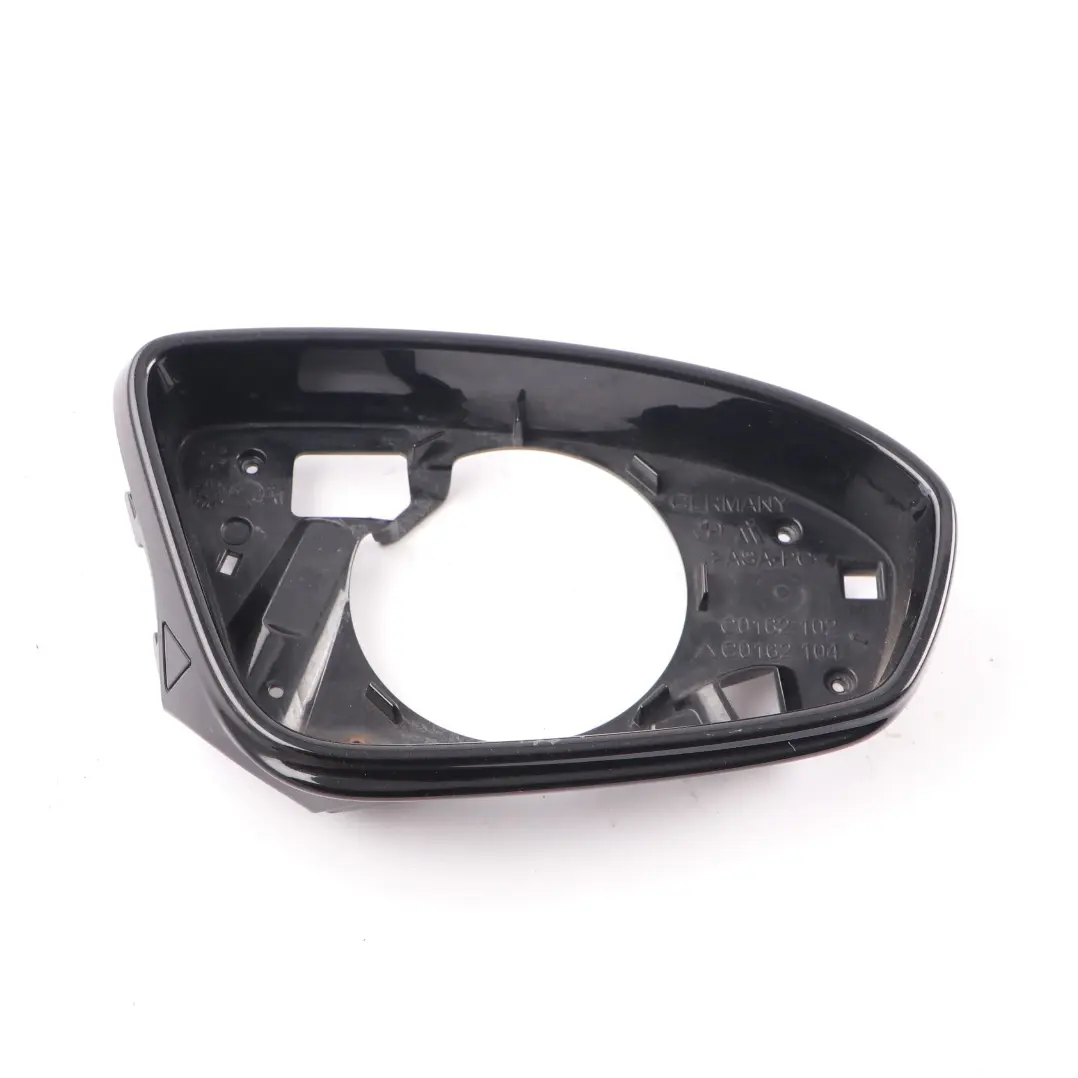
Wing Covers
In the Global Parts automotive store, you will find a selection of used car parts from this category, compatible with vehicles from brands such as BMW and others. Fender covers are practical protective accessories used during service, bodywork, and detailing tasks. Their purpose is to protect the paintwork and body edges from scratches, dirt, and accidental contact with tools or work clothing.
Design and purpose of fender covers
Fender covers are shields placed over the upper part of the fender and the engine bay area during repairs and inspections. A typical cover consists of a dirt-resistant outer layer, a soft lining that protects the paint, and mounting zones based on magnets, hooks, or elastic edges. Such an element is installed temporarily, without interfering with the bodywork, which is why the material, size, and fit to the workspace are important.
Comparison of fender cover variants
| Cover type | Design | Application | What to check before choosing |
|---|---|---|---|
| Magnetic | Protective layer with sewn-in magnets | Quick installation on steel body elements | Holding strength, cover width, compatibility with metal surfaces |
| With hooks or straps | Protective material with additional attachment points | Working on cars with non-standard fender shapes | Mounting type, edge length, stability during service |
| Foam or multi-layer | Soft lining and thicker cushioning layer | Repairs requiring tools to be rested on the body edge | Cover thickness, resistance to workshop agents, ease of cleaning |
Protective function and related components
Fender covers are used to protect external body panels while accessing the engine bay. They reduce the risk of abrasions when working near the hood, lights, seals, and upper fender edges, and help keep the paint clean. In this application, paint protection refers to a safety layer that separates tools and clothing from the body surface, reducing the risk of micro-damage.
Selecting fender covers for the workspace
When choosing a cover, it is worth comparing the material, mounting method, width of the protective zone, and whether the product is suitable for frequent cleaning. Product cards may contain information such as brand, condition, OEM part number, interchangeable numbers, and vehicle placement, which makes it easier to match workshop equipment to a specific application. If you are assembling service equipment, the categories Workshop supplies, Profile maintenance, and Abrasive materials may also be helpful.
Practical application during body maintenance
If you are looking for a component such as fender covers, it is worth paying attention to the material's resistance to grease, cleaning agents, and frequent folding. When preparing for a repair on a specific model, e.g., BMW, it is good to check the shape of the engine bay and the height of the fender edge so that the cover does not shift during work. Additionally, it is worth checking out the guide on the impact of summer heat on the cooling system and choosing used radiators and fans, as protecting the paint and maintaining order at the station are very important when servicing the front of the car.
FAQ
| Question | Answer |
|---|---|
| What is the design and purpose of fender covers? | Fender covers are workshop shields designed to protect painted body edges during work near the engine bay. They usually consist of a dirt-resistant outer layer, a soft lining, and mounting elements such as magnets, straps, or hooks. They are installed temporarily on the fender and its upper working zone. |
| What are fender covers used for? | Fender covers are used to protect paint from scratches, dirt, and accidental damage during repairs, diagnostics, and service activities. They limit contact between tools, cables, and work clothing with the bodywork. They also help maintain the car's aesthetics during frequent hood opening and work on the front part of the body. |
| What role does the protective layer of the cover play? | The protective layer of the cover is the part of the material that comes into direct contact with the fender and is responsible for securing the painted surface. Its task is to cushion pressure and separate the bodywork from dirt, metal elements, and sharp tool edges. In practice, it affects both the safety of the paint and the stability of the cover itself during work. |
| How to choose fender covers for a specific car or workspace? | It is worth comparing the width of the cover, the mounting type, and the material, as well as checking whether the cover will sit properly on the fender edge and near the engine bay threshold. For more specific workstations, referring to the OEM number, interchangeable numbers, and information about vehicle placement is helpful if the manufacturer provides such data. |
| What symptoms indicate that a fender cover is no longer fulfilling its function? | A cover with a worn-out protective layer, weakened mounting, or a surface that cannot be effectively cleaned of workshop dirt qualifies for replacement. Slipping off the fender or material that is too stiff to fit properly on the bodywork can also be a problem. |
| How to care for fender covers after finishing work? | After use, it is worth removing dust, filings, and chemical residues from the surface so as not to transfer them to the next car. It is best to store the cover flat or in a way that does not deform the mounting zones. Regular cleaning helps maintain the effectiveness of the protection and better contact of the cover with the bodywork. |
Summary: fender covers at the Global Parts automotive store
Fender covers are useful workshop equipment for those who want to protect paint and body edges during daily car maintenance. In the Global Parts offer, you can find solutions useful when working with cars of many brands, including BMW, and also supplement your station with practical accessories such as Towels. We invite you to contact us – we are here to help you! For more information and interesting facts, we also invite you to visit our automotive blog.