


Engine Valves
More informationAt the Global Parts automotive store, we offer a wide selection of original used car parts, including valves for many popular car brands such as BMW, Mini, Mercedes, Audi, Volkswagen and others. The valves we offer undergo quality control so that you can be sure that you are receiving a top-class product.
GB
Make
Category
Subcategory
Timing Components & Kits
Condition
In Stock
Price
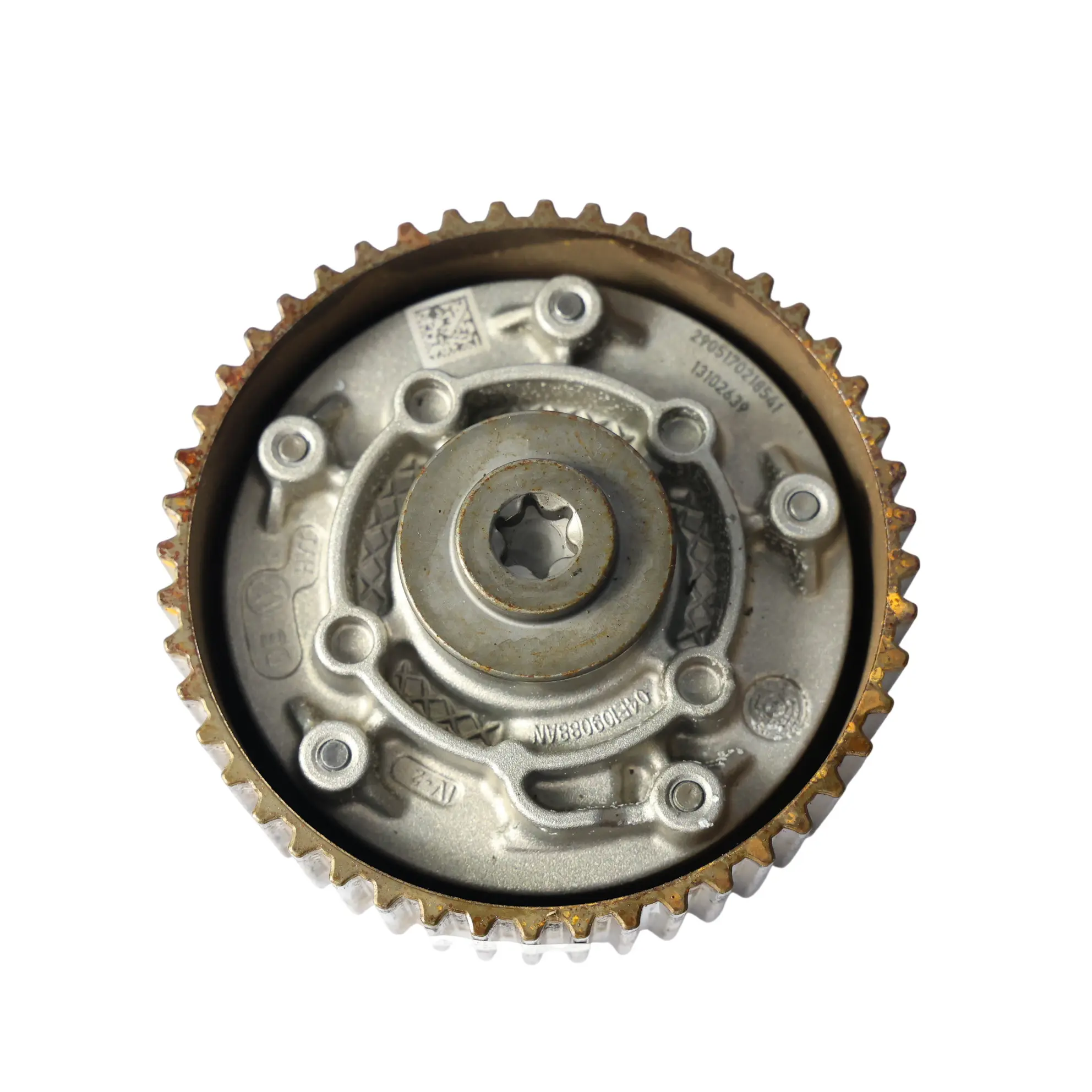
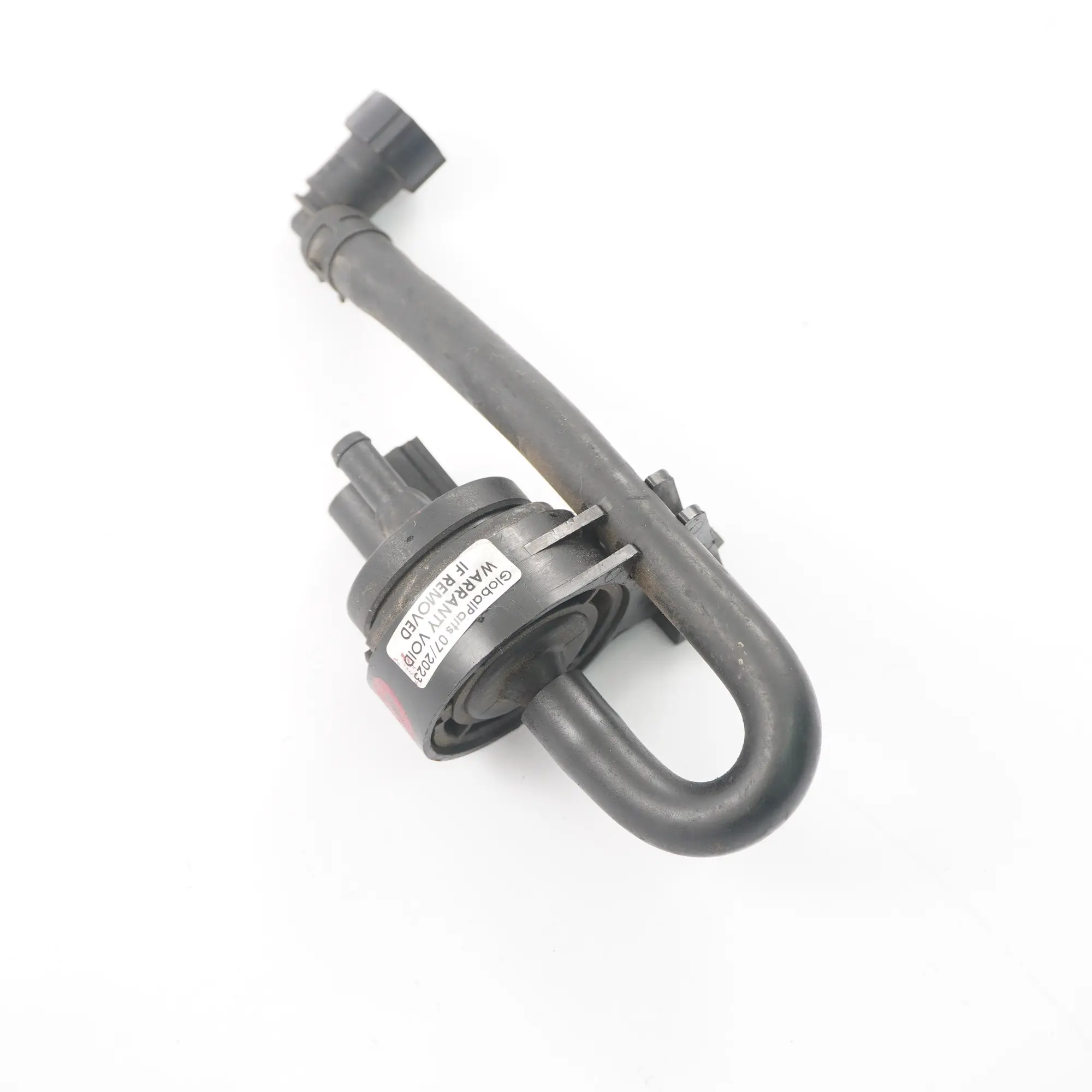
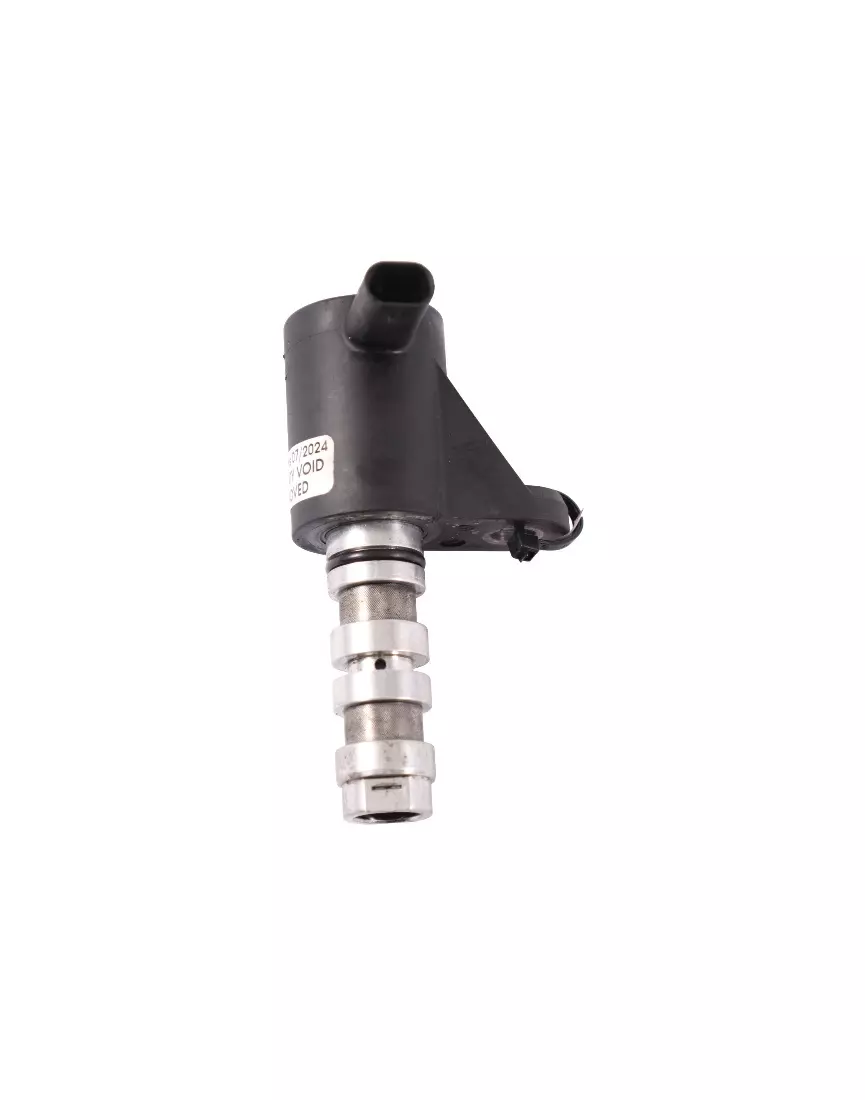
Engine valves for high-temperature and pressure resistance
Durable engine valves resistant to high temperatures and pressure
Valves are key components of the timing system that control the flow of the air-fuel mixture into the cylinders and the removal of exhaust gases from the engine. Their precise operation ensures the proper functioning of the power unit, affecting engine efficiency and economy. In the Global Parts automotive store, you will find a wide selection of used car engines, including valves, ideal for brands such as BMW, Audi, Mercedes, Volkswagen, Mini, and others.
What functions do valves perform?
Valves play a crucial role in the operation of the timing system:
- Mixture flow control – Intake valves are responsible for delivering the air-fuel mixture to the cylinders.
- Exhaust removal – Exhaust valves allow for the removal of exhaust gases from the cylinders into the exhaust system.
- Precise synchronization – Thanks to the valves, synchronization of engine operating cycles is possible, which affects its efficiency and power.
Construction and purpose of engine valves
Engine valves are working components of the cylinder head that open and close the intake and exhaust ports at the appropriate moment of engine operation. A typical valve consists of a head, a stem, and a tip that interacts with a tappet or rocker arm. Valves are mounted in the cylinder head and work with seats, guides, and springs. Their task is to maintain the tightness of the combustion chamber and ensure proper charge exchange.
Comparison of basic engine valve variants
| Valve type | Main function | Cooperating components | What to check when selecting |
|---|---|---|---|
| Intake valve | Delivers air-fuel mixture or air to the cylinder | Valve seat, guide, spring, tappet | OEM number, head diameter, stem length, engine type |
| Exhaust valve | Removes exhaust gases from the cylinder to the exhaust system | Valve seat, guide, spring, stem seal | Temperature resistance, OEM part number, compatibility with cylinder head |
| Accessory control valve | Regulates medium flow or the operation of a selected auxiliary system | Vacuum lines, electrical connector, engine control unit | Connector type, vehicle location, OEM number, fuel type |
Why is it worth taking care of valves?
Wear or damage to valves can lead to serious engine performance issues. Typical symptoms of malfunction include:
- Loss of engine power – Faulty valves can restrict the flow of the air-fuel mixture or exhaust gases.
- Increased fuel consumption – Valve problems can disrupt the combustion process, leading to higher fuel usage.
- Exhaust smoke – Damaged valves can cause leaks, resulting in increased exhaust emissions.
- Engine compartment noise – Tapping or other noises may indicate excessive wear of the valves or their seats. At Global Parts, we offer used valves that have undergone detailed quality tests, ensuring their durability and reliability.
Valve function and the operation of the entire timing system
The valve train is used to control cylinder filling and exhaust removal in strict synchronization with the movement of the piston and crankshaft. Even a small leak at the valve-to-seat interface can impair compression, engine smoothness, and load response. Valves work directly with components such as Camshafts and Timing parts, which is why it is worth evaluating the entire assembly during diagnostics rather than a single component in isolation.
How to choose the right valves?
When choosing valves, pay attention to several key aspects:
- Vehicle model fitment – Every engine has its specific technical requirements. At Global Parts, you will find valves perfectly matched to BMW, Audi, Mercedes, Volkswagen, Mini, and others.
- Technical condition – Used valves should be free from excessive wear, deformation, and other damage.
- Valve type – Choose intake, exhaust, or universal valves according to your vehicle's requirements.
Selecting engine valves based on technical data
When selecting valves, it is worth comparing the OEM part number, interchangeable numbers, fuel type, and the component's location in the engine. Compatibility with the specific cylinder head, guide diameter, and cooperating elements such as Valve tappets or Valve guides, springs and parts is also important. If you are looking for a component such as a BMW E60 solenoid valve, you should additionally check the connector type, engine version, and control compatibility with the vehicle's equipment.
Why choose used valves?
Used car engines, such as valves, are an economical solution that allows for savings while maintaining high quality. By choosing used valves, you gain:
- Lower costs – Used components are significantly cheaper than new ones but offer equally high quality.
- Ecology – Recycling car parts supports environmental protection and reduces waste.
- Wide selection – In our store, you will find valves for the most popular car brands.
The importance of guides and seats for valve durability
A valve guide is a component that keeps the valve stem in the correct position and is responsible for its smooth movement along the working axis. A valve seat refers to the mating surface in the cylinder head where the valve closes the combustion chamber. Wear on these parts affects tightness, operating temperature, and contact pressure, which is why it is good to assess the condition of the entire assembly during repairs, not just the valve itself.
How to maintain valves?
To ensure valves operate reliably for a long time, it is worth following a few rules:
- Regular inspections – Check the condition of the valves during periodic timing system inspections.
- Fuel system cleanliness – Using high-quality fuel and regular fuel filter replacement can prevent deposit buildup on the valves.
- Timely replacement – Damaged or worn valves should be replaced to avoid more serious failures. If replacement is necessary, at Global Parts you will find suitable used auto parts that will help restore full functionality to your timing system.
FAQ
| Question | Answer |
|---|---|
| What is the construction and purpose of engine valves? | Engine valves are cylinder head components responsible for opening and closing intake and exhaust ports. A typical valve consists of a head, a stem, and a tip that interacts with the control system. This part operates in a guide and closes against a seat, ensuring the tightness of the combustion chamber. Its purpose is to control gas exchange in the cylinder. |
| What are engine valves used for? | Engine valves are used to precisely meter the flow of air, air-fuel mixture, and exhaust gases. Thanks to their operation, the engine can properly fill the cylinders and remove gases after combustion. Compression, engine smoothness, and combustion efficiency depend on their tightness. |
| What role does a valve guide play? | A valve guide is a component embedded in the cylinder head that guides the valve stem along the axis of movement and limits its operating clearance. It is responsible for stable valve operation at high temperatures and variable loads. It works with the stem seal, and its wear can affect tightness, oil consumption, and even valve seating. |
| How to select engine valves for a specific engine? | The safest way is to compare the OEM number, interchangeable numbers, fuel type, and engine version. It is also worth checking whether it is an intake or exhaust valve and whether the component fits a specific cylinder head. For used parts, verifying the condition of the stem, working surface, and compatibility with timing equipment is also helpful. |
| What symptoms may indicate a problem with engine valves? | Typical signs include power loss, rough engine operation, exhaust smoke, and increased fuel consumption. In some cases, tapping sounds from the top of the engine and problems maintaining compression also occur. These symptoms should be evaluated in conjunction with checking the seats, guides, and other timing system components. |
| What should be paid attention to when installing engine valves? | Before installation, check the cleanliness of the seats, the condition of the guides, and the compatibility of the parts with engine documentation. It is also important to match springs, seals, and control elements so that the valve operates axially and tightly. After assembling the system, it is worth checking the interaction with the timing gear and engine operating parameters. |
Summary: engine valves at the Global Parts automotive store
Valves are key components of the timing system that ensure precise regulation of air-fuel mixture and exhaust gas flow. By taking care of their technical condition, you can improve the efficiency and reliability of your engine. In the Global Parts offer, you will find parts matched to brands such as Audi, Mercedes, BMW, and others, taking into account data such as brand, condition, OEM part number, interchangeable numbers, vehicle location, and fuel type. We invite you to contact us – we are here to help! For more information and interesting facts, we also invite you to visit our automotive blog.