


Transmission Sensors
More informationAt the Global Parts automotive store, we offer a wide selection of original used car parts, including gearbox sensors for many popular car brands such as BMW, Mini, Mercedes, Audi, Volkswagen and others. The gearbox sensors we offer undergo quality control so that you can be sure that you are receiving a top-quality product.
GB
Make
Category
Subcategory
Differentials and parts
Condition
In Stock
Price
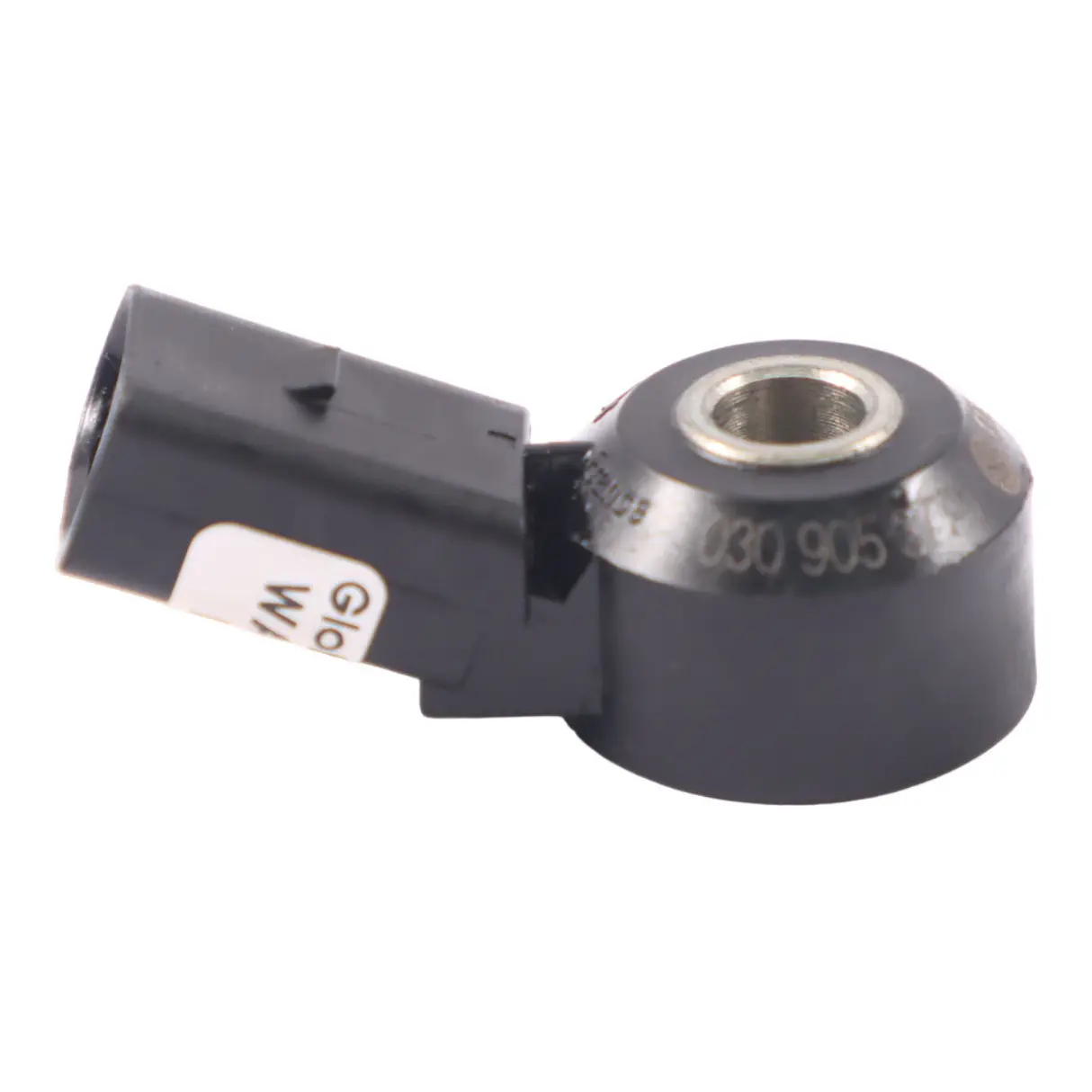
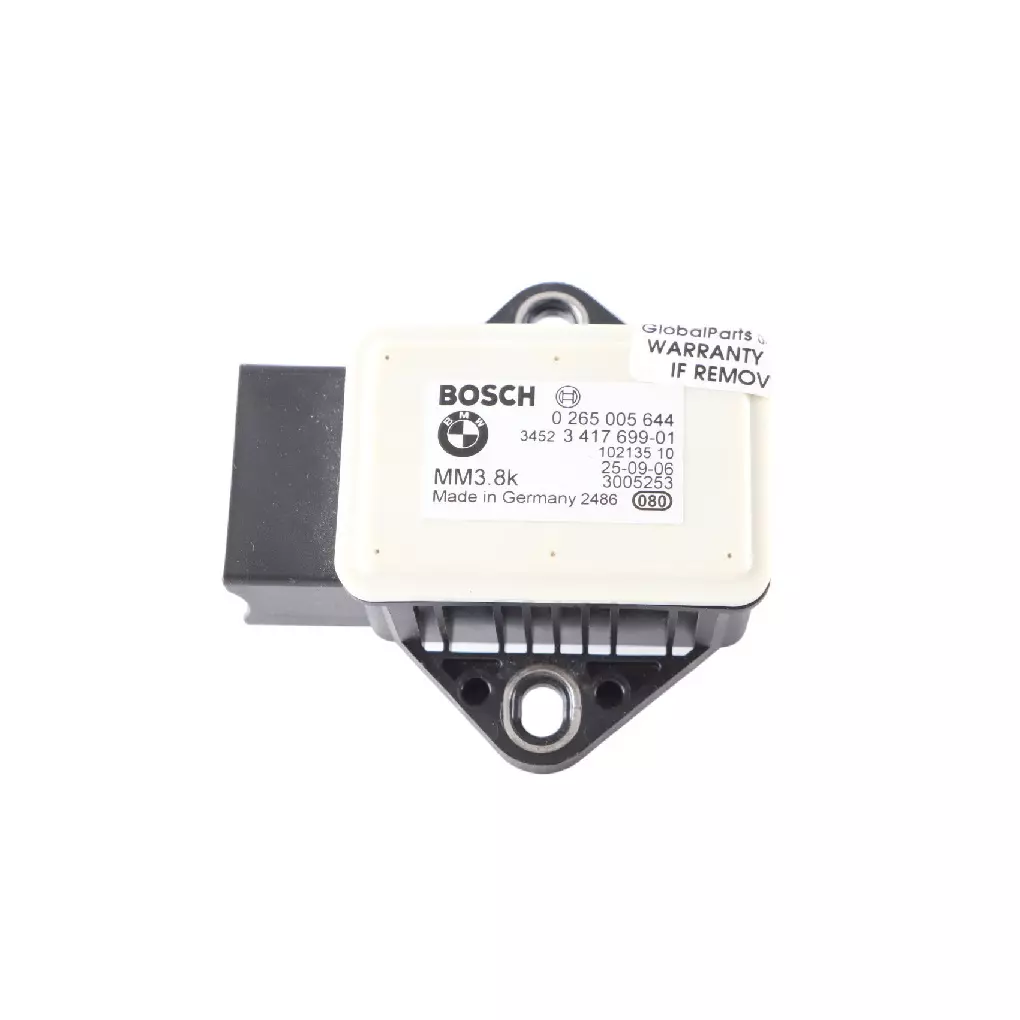
Transmission sensors for diagnostics and performance monitoring
Accurate transmission sensors for precise diagnostics
Transmission sensors are key components of automatic and manual transmissions that monitor the operation of the drivetrain and provide data to the vehicle's engine control unit (ECU). Thanks to their operation, it is possible to precisely control gear ratios, improve engine efficiency, and maintain driving safety. In the Global Parts automotive store, you will find a wide selection of used car parts, including transmission sensors, ideal for brands such as BMW, Audi, Mercedes, Volkswagen, Mini, and others.
What functions do transmission sensors perform?
Transmission sensors play a key role in monitoring and optimizing the operation of the drivetrain:
- Gear monitoring – Gear position sensors inform the vehicle's control unit about the currently selected gear.
- Temperature control – Temperature sensors monitor the condition of the transmission fluid, preventing the transmission from overheating.
- Safety assurance – Sensors coupled with safety systems, such as ESP, enable their proper operation by adjusting the transmission's performance to driving conditions.
Design and purpose of transmission sensors
Transmission sensors are electrical and electronic components mounted in the transmission housing, near the selector, or near the hydraulic system. This type of sensor is used to read a specific transmission operating parameter, such as rotational speed, gear position, or oil temperature. A typical component consists of a body, an electrical connector, a mounting point, and a measuring part that works with the control unit. In practice, compatibility is determined by the OEM number, transmission type, number of pins, and mounting location on the vehicle.
Comparison of common transmission sensor variants
| Sensor type | Main function | Where it is mounted | What to check before purchase |
|---|---|---|---|
| Gear position sensor | Transmits information about the selected gear | Near the selector or on the transmission housing | OEM number, connector type, compatibility with the gear shift mechanism |
| Rotational speed sensor | Reads the transmission input or output speed | In the transmission housing, near shafts or the pulse wheel | Number of pins, transmission type, location on the vehicle |
| Transmission oil temperature sensor | Controls the transmission operating temperature | In the pan, body, or mechatronics unit | Compatibility with the installation, transmission version, OEM part number |
Why is it worth taking care of transmission sensors?
Wear or damage to transmission sensors can lead to problems with the operation of the drivetrain and vehicle safety. Typical symptoms of failure include:
- Dashboard errors – Warning lights, such as "check engine" or transmission warnings, may indicate sensor problems.
- Difficulty shifting gears – Damaged sensors can cause delays or incorrect gear changes.
- Uneven engine operation – Sensor problems can disrupt the cooperation between the engine and the transmission.
- Transmission overheating – Faulty temperature sensors can lead to an uncontrolled increase in transmission fluid temperature. At Global Parts, we offer used transmission sensors that have undergone detailed quality tests, ensuring their durability and reliability.
Signal function and cooperation with other components
The signal from a transmission sensor is used for real-time correction of transmission operation and communication with other vehicle systems. Data from the sensors is used by transmission control units, and in many versions, also by the engine system and stability control systems. If you are looking for a component such as an automatic transmission sensor, it is worth comparing the OEM number, fuel type, and the specific transmission version. For extensive repairs, it is also helpful to check the condition of oil coolers and lines, as operating temperature has a direct impact on readings.
How to choose the right transmission sensors?
When choosing transmission sensors, you should pay attention to several key aspects:
- Vehicle model fitment – Every transmission has its specific technical requirements. At Global Parts, you will find transmission sensors perfectly matched to BMW, Audi, Mercedes, Volkswagen, Mini, and others.
- Technical condition – Used sensors should be free from mechanical and electrical damage.
- Sensor type – Choose the appropriate sensor type, e.g., gear position, temperature, or speed.
Selection by OEM number, connector, and transmission type
Sensor selection should be based on technical data from the product listing, not just the car model name. The most important factors are the OEM part number, interchangeable numbers, transmission type, fuel type, and mounting location on the vehicle. For parts such as a Mercedes transmission speed sensor, it is crucial to compare the plug, number of pins, and mounting position in the housing. For major repairs, it is also worth verifying components from the automatic transmission parts or manual transmission parts departments.
Why choose used transmission sensors?
Used car parts, such as transmission sensors, are an economical solution that allows for savings while maintaining high quality. By choosing used sensors, you gain:
- Lower costs – Used components are significantly cheaper than new ones but offer equally high quality.
- Ecology – Recycling car parts supports environmental protection and reduces waste.
- Wide selection – In our store, you will find transmission sensors for the most popular car brands.
Symptoms of damage and the importance of the speed sensor
A speed sensor refers to a component that measures the rotational speed of the transmission input or output shaft. Its reading affects the gear shift timing, control unit strategy, and the car's reaction during acceleration. When choosing a component such as a Mercedes transmission speed sensor, you must check compatibility with the transmission version, OEM number, and electrical connector type. Diagnostic support can be found in the article Engine cooling system – overheating, repair, and used radiators, as overheating of operating systems often affects the performance of sensors and the transmission itself.
How to take care of transmission sensors?
To ensure transmission sensors work reliably for a long time, it is worth following a few rules:
- Regular inspections – Check the condition of sensors during periodic drivetrain inspections.
- Vehicle electrical maintenance – Keeping wires and electrical connectors clean and in good condition can prevent sensor failures.
- Responding to errors – If transmission warnings appear, you should diagnose and fix the problem as soon as possible. If a replacement is needed, at Global Parts you will find suitable used auto parts that will restore the full functionality of your transmission.
FAQ
| Question | Answer |
|---|---|
| What is the design and purpose of transmission sensors? | Transmission sensors are measuring components mounted on the transmission housing, near the selector, or inside control units. A typical element consists of a body, an electrical connector, a mounting point, and a part that reads the selected parameter. Their purpose is to transmit data to the control unit regarding gear position, rotational speed, or operating temperature. It is based on this information that the control system selects the appropriate transmission operating strategy. |
| What are transmission sensors used for? | Transmission sensors are used to monitor transmission operating parameters and send them to the vehicle's control unit. Thanks to them, smooth gear shifting, oil temperature control, and proper cooperation with engine electronics are possible. Lack of a correct signal can cause delayed gear shifts, limp mode, or incorrect dashboard indications. |
| What role does the transmission speed sensor play? | The transmission speed sensor is a component that measures the rotational speed of a selected transmission shaft. It is used to compare input and output speeds, which helps the control unit determine the transmission's operating state and the moment to shift gears. Depending on the design, it works with a pulse wheel, wiring harness, and control module. Its correct reading is also important for diagnosing slippage or incorrect gear ratios. |
| How to choose a transmission sensor for a specific car? | The safest way is to compare the OEM part number, interchangeable numbers, transmission type, and mounting location. It is also worth checking the fuel type, equipment version, and connector type, as similar-looking sensors are not always interchangeable. Verification by VIN is also helpful during selection. |
| What symptoms may indicate a faulty transmission sensor? | Typical symptoms include transmission errors, engine warning lights, jerking during gear changes, and the car entering limp mode. In some cases, incorrect gear readings or delayed transmission response to range selection also occur. Symptoms should be compared with electrical diagnostics and transmission oil condition. |
| What should be paid attention to when installing transmission sensors? | Before installation, compare the position of mounting holes, seal type, and the condition of the socket in the transmission. You must also check if the harness and plug show signs of corrosion or mechanical damage. After installation, it is worth checking for errors stored in the control unit and confirming proper operation during a test drive. |
Summary: transmission sensors at the Global Parts automotive store
Transmission sensors are key control components that ensure the smooth and safe operation of the drivetrain. By taking care of their technical condition, you can improve the precision of the transmission and avoid costly repairs. In the Global Parts offer, you will find used components matched to many versions of cars from brands such as Mercedes, Audi, Mini, and others, with parameters helpful for selection, such as OEM number, interchangeable numbers, transmission type, or mounting location on the vehicle. We invite you to contact us – we are here to help! For more information and interesting facts, we also invite you to visit our automotive blog.