


Timing Belts
GB
Make
Category
Subcategory
Timing Components & Kits
Condition
In Stock
Price
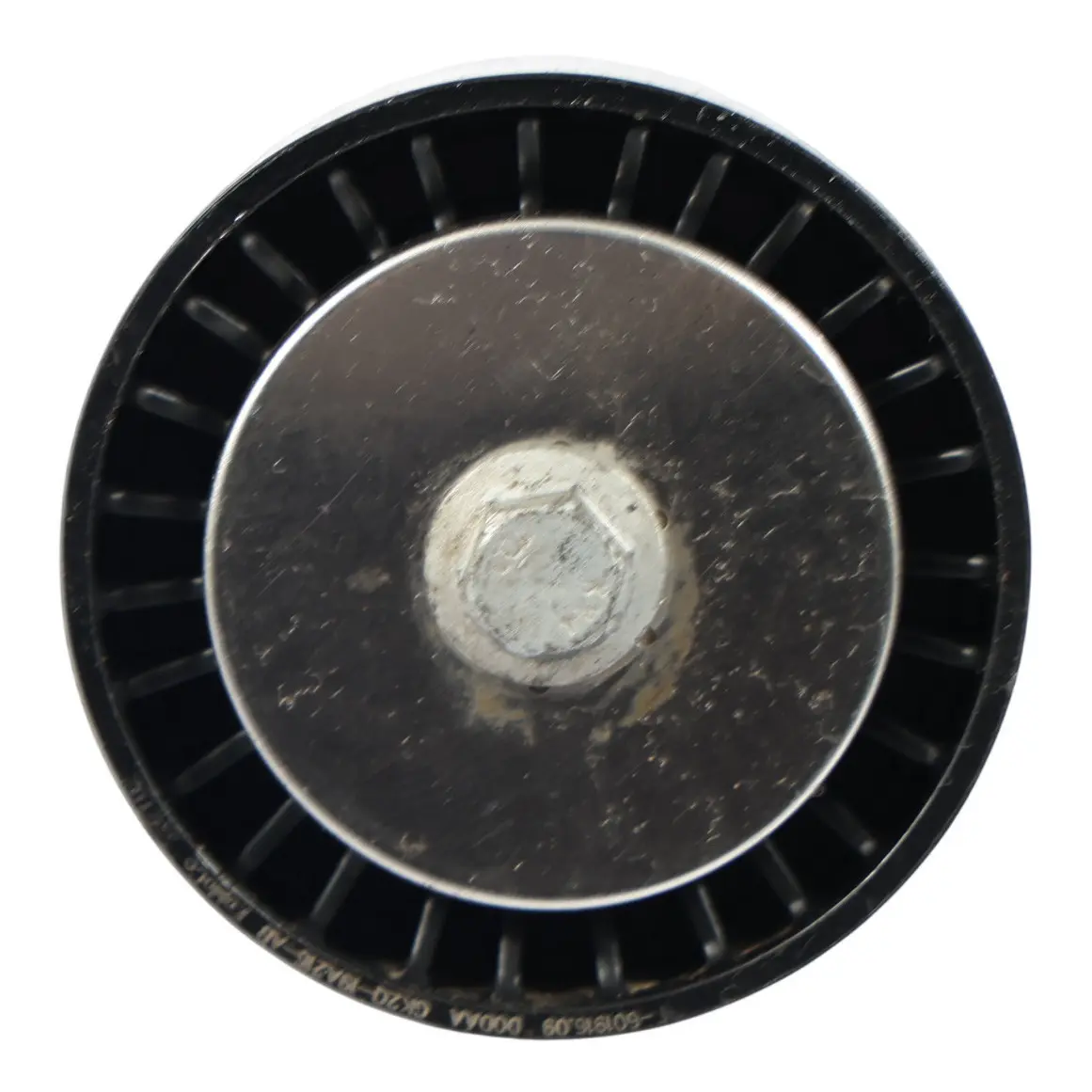
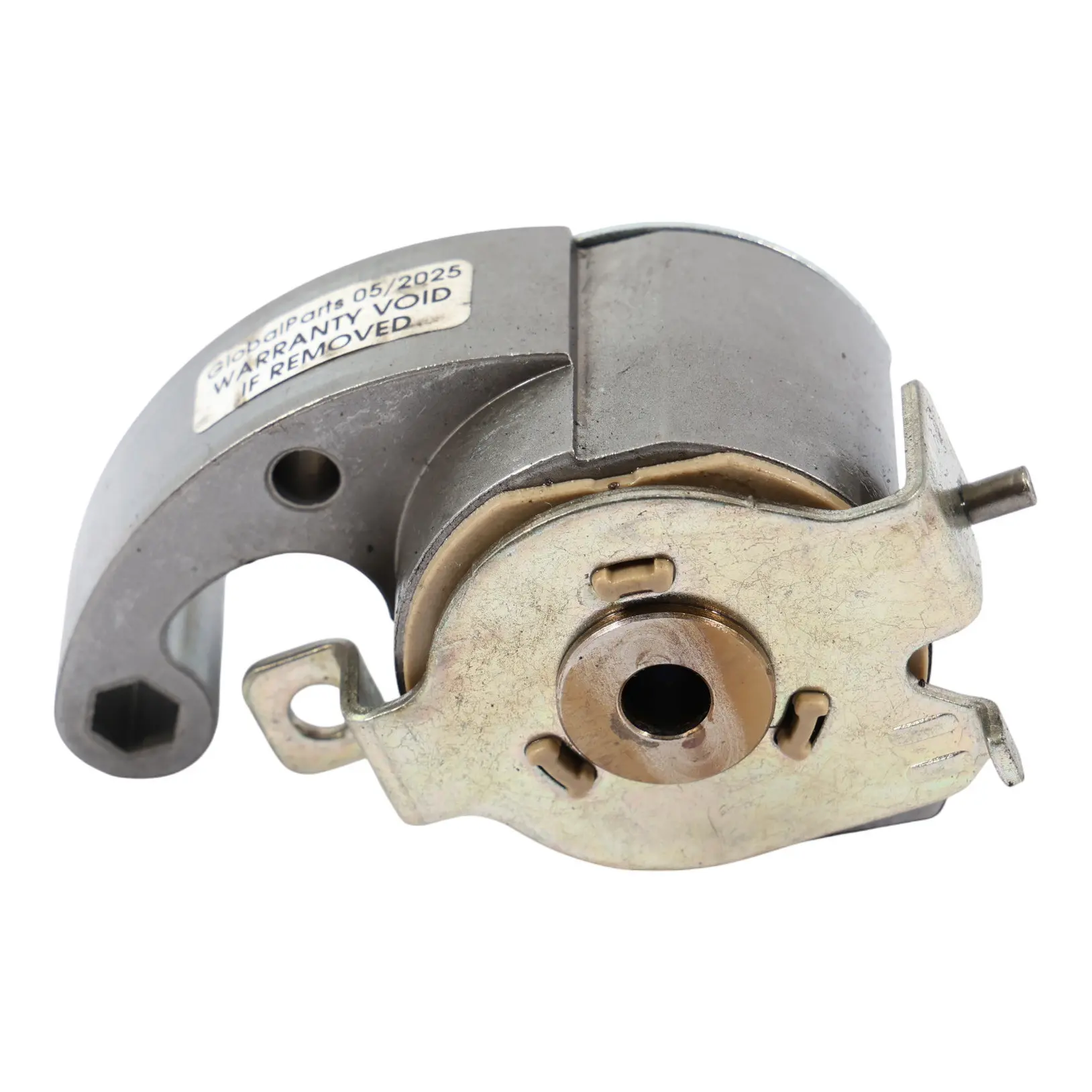
Timing belts for reliable engine drive and safety
Durable timing belts resistant to stretching and cracking
In the Global Parts automotive store, you will find a wide selection of used car parts, tailored to brands such as Audi, Ford, BMW, and others. Timing belts are essential components of the timing drive system and require precise selection for a specific engine, its accessories, and the vehicle version.
Construction and purpose of timing belts
Timing belts are flexible drive components that connect the crankshaft to the camshaft or camshafts. The timing belt is used to synchronize the operation of valves and pistons, which is why its compatibility with the drive system has a direct impact on proper engine performance. A typical component consists of a load-bearing layer, teeth that mesh with gears, and an outer coating resistant to stress and operating conditions under the timing cover.
Differences between timing belt variants
| Variant | Characteristics | Cooperating components | What to check before selection |
|---|---|---|---|
| Single timing belt | Used in systems where one belt handles the main camshaft drive. | Tensioners and pulleys, timing gears | OEM number, tooth profile, length, and compatibility with engine code |
| Timing belt with additional pulleys | Found in more complex systems where the belt path depends on several routing points. | Guide pulleys, tensioner, camshaft gears | Routing layout, number of associated components, accessory version |
| Belt selected for a complete kit | Usually requires comparison with parts installed together during timing service. | timing chain and belt kits, covers, tensioner | OEM part number, replacement numbers, compatibility with engine variant |
Function of timing belts and the importance of proper fitment
The timing belt is used to maintain proper synchronization between the lower and upper parts of the engine. It is not a universal component, as its shape, tooth profile, and interaction with the tensioner depend on the design of the power unit. When selecting, it is worth comparing the OEM part number, replacement numbers, fuel type, and engine version, especially when the part is intended for vehicles such as Iveco or Jaguar, where accessory differences may result from a specific drive variant.
Cooperating components and installation practice
A timing tensioner is a sub-assembly that maintains proper belt tension during engine operation. Its task is to stabilize the belt path and limit slack that could affect synchronization accuracy. Therefore, during verification, it is also worth checking Chains, timing belts and mounting kits as well as timing chain and belt covers, as the condition of these elements is important for assembly completeness and protecting the system from contamination. When choosing a component such as a timing belt, you should compare the OEM number, tooth count, compatibility with fuel type, and engine variant. When completing a repair for a specific model, e.g., Audi A4 B8, it is good to verify not only the belt itself but also the accessory version and the guide pulley layout. If you are looking for a sub-assembly such as a timing belt tensioner, you need to check the way it interacts with the belt, mounting points, and compatibility with the intended timing system. For those completing a wider range of technical maintenance, an article on the suspension system may also be useful, as it organizes the basic principles of selecting cooperating components in a car and shows how important it is to compare versions and part markings.
FAQ
| Question | Answer |
|---|---|
| What is the construction and purpose of timing belts? | Timing belts are engine drive components that transfer rotational motion between the crankshaft and camshafts. A typical belt has a load-bearing layer, a toothed working surface, and an outer material or rubber cover. It is mounted in the front part of the engine, under the timing cover, and works with gears and a tensioning system. |
| What are timing belts used for? | Timing belts are used to maintain proper synchronization of valve and piston operation. They are responsible for precise control of timing phases, which is why their fitment affects the engine's performance and the synchronized movement of all cooperating elements. In practice, they are one of the key sub-assemblies responsible for the correct operation of an internal combustion engine. |
| What role does a timing tensioner play? | A timing tensioner is a component that works with the belt, and its task is to maintain proper tension during engine operation. Adequate pressure reduces vibrations, stabilizes the belt path, and helps maintain its alignment with the gears. Depending on the vehicle design, the tensioner may also work with guide pulleys and the system cover. |
| How to select timing belts for a specific car? | It is safest to compare the OEM part number, replacement numbers, engine code, and fuel type. It is also worth considering the brand, vehicle version, and the set of cooperating elements, because visually similar parts may differ in tooth profile or belt path. |
| What symptoms indicate the need to check the timing system? | During an inspection, it is worth paying attention to the condition of the belt's working surface, tension consistency, and signs of uneven operation of cooperating elements. The completeness of covers and pulleys is also important, as they influence the stable guidance of the belt throughout the system. |
| What data from the offer helps in matching parts? | In this category, information about the brand, fuel type, part condition, OEM part number, and replacement numbers is particularly useful. Comparing this data allows for faster verification of compatibility with a specific car version and reduces the risk of ordering errors. |
Summary: timing belts in the Global Parts automotive store
The timing belts available in the Global Parts offer are a category intended for those looking for parts tailored to specific power units and many vehicle versions. Among the available products, you can find elements for cars of brands such as Audi, Ford, BMW, and others, taking into account data such as OEM number, replacement numbers, condition, or fuel type. We invite you to contact us – we are here to help you! For more information and interesting facts, we also invite you to visit our automotive blog.