


Tie rods and ends
More informationAt Global Parts, we offer a wide selection of original used car parts, including tie rods and tie rod ends for many popular car brands such as BMW, Mini, Mercedes, Audi, Volkswagen, and others. Our tie rods and tie rod ends undergo quality control to ensure you receive a top-quality product.
GB
Make
Category
Subcategory
Condition
In Stock
Price
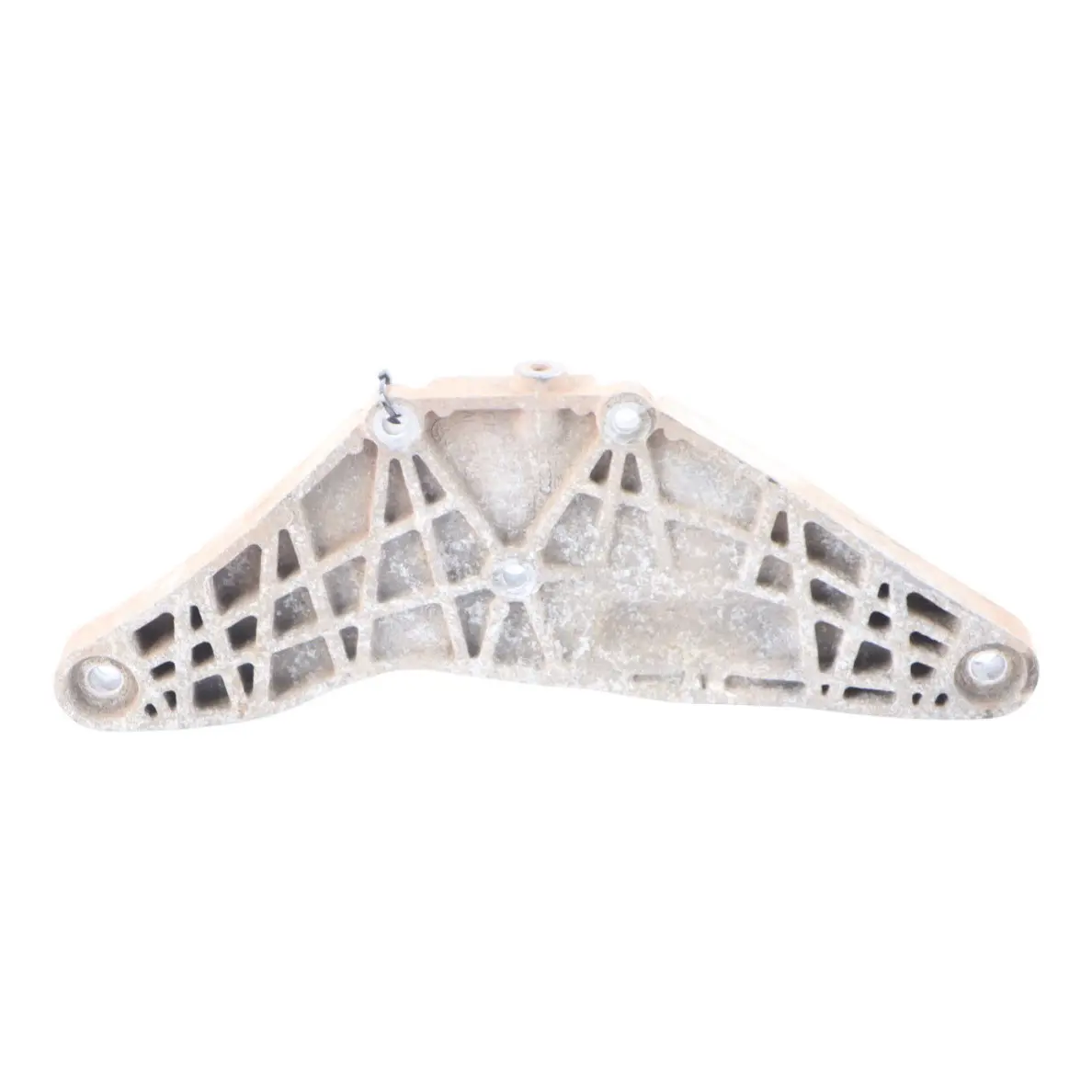
Part no. 8E0599287L
Audi A4 B7 Rear Axle Quattro Differential Holder Mount Bracket 8E0599287L
£18.95
Free delivery: Jul 06
If paid before 14:00
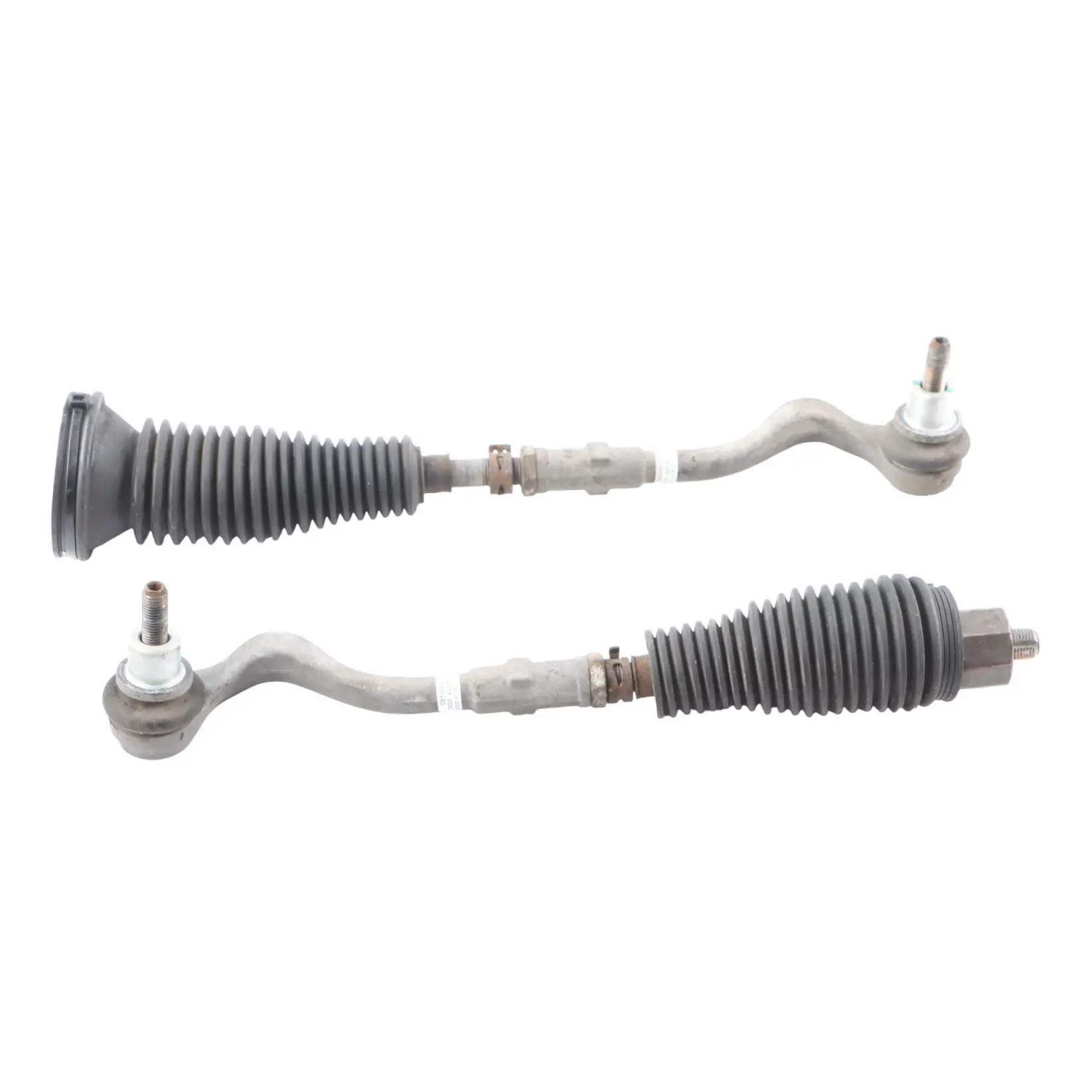
Part no. 4G0423811A-1
Audi A4 B8 Steering Tie Rod Left Right N/O/S Set 2.0 TFSI CDNC Petrol 4G0423811A
£94.95
Free delivery: Jul 7 – 14
If paid before 14:00
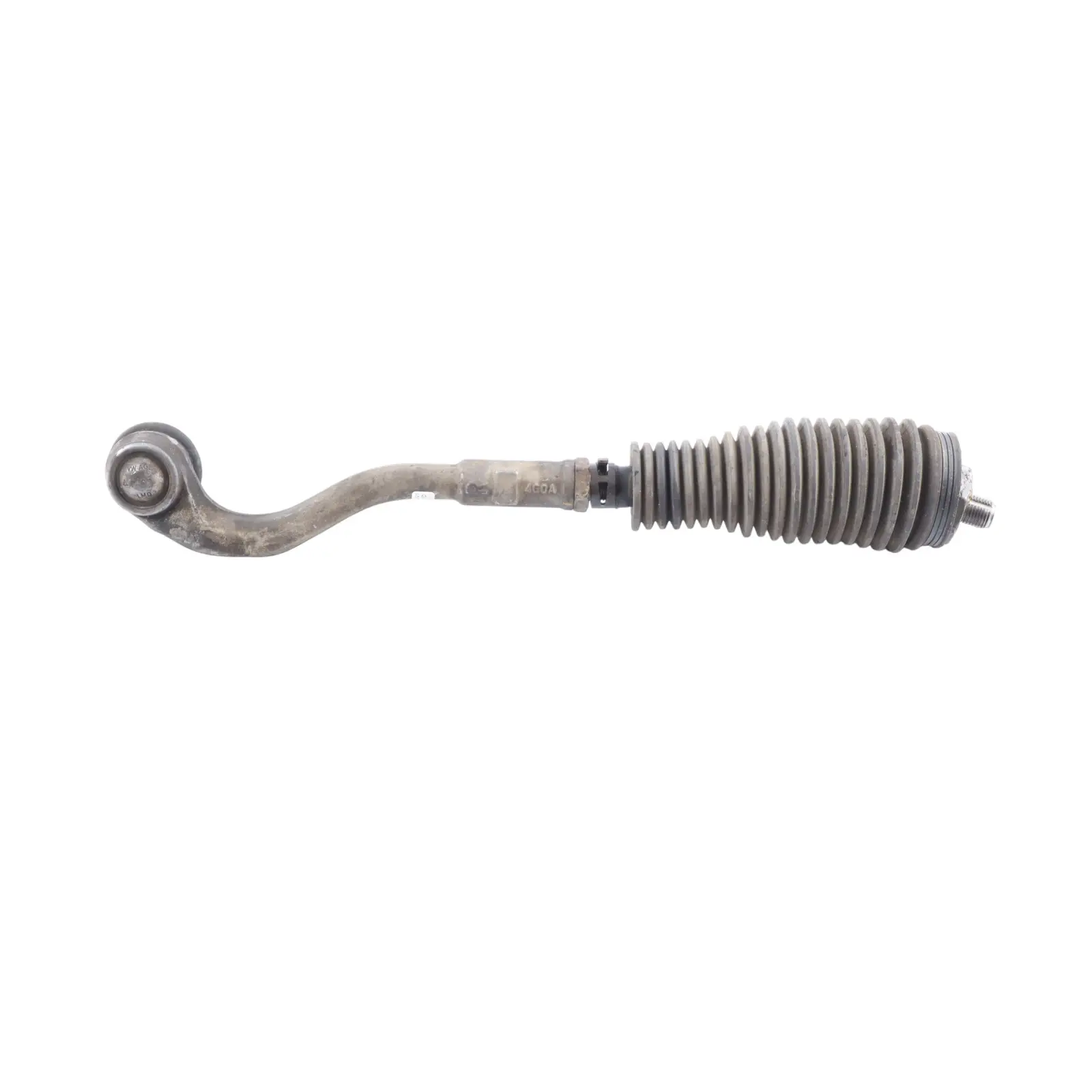
Part no. 4G0423812A
Audi A4 B8 2.0 TFSI CDNC Petrol Steering Track Tie Rod Right O/S 4G0423812A
£18.95
Free delivery: Jul 06
If paid before 14:00
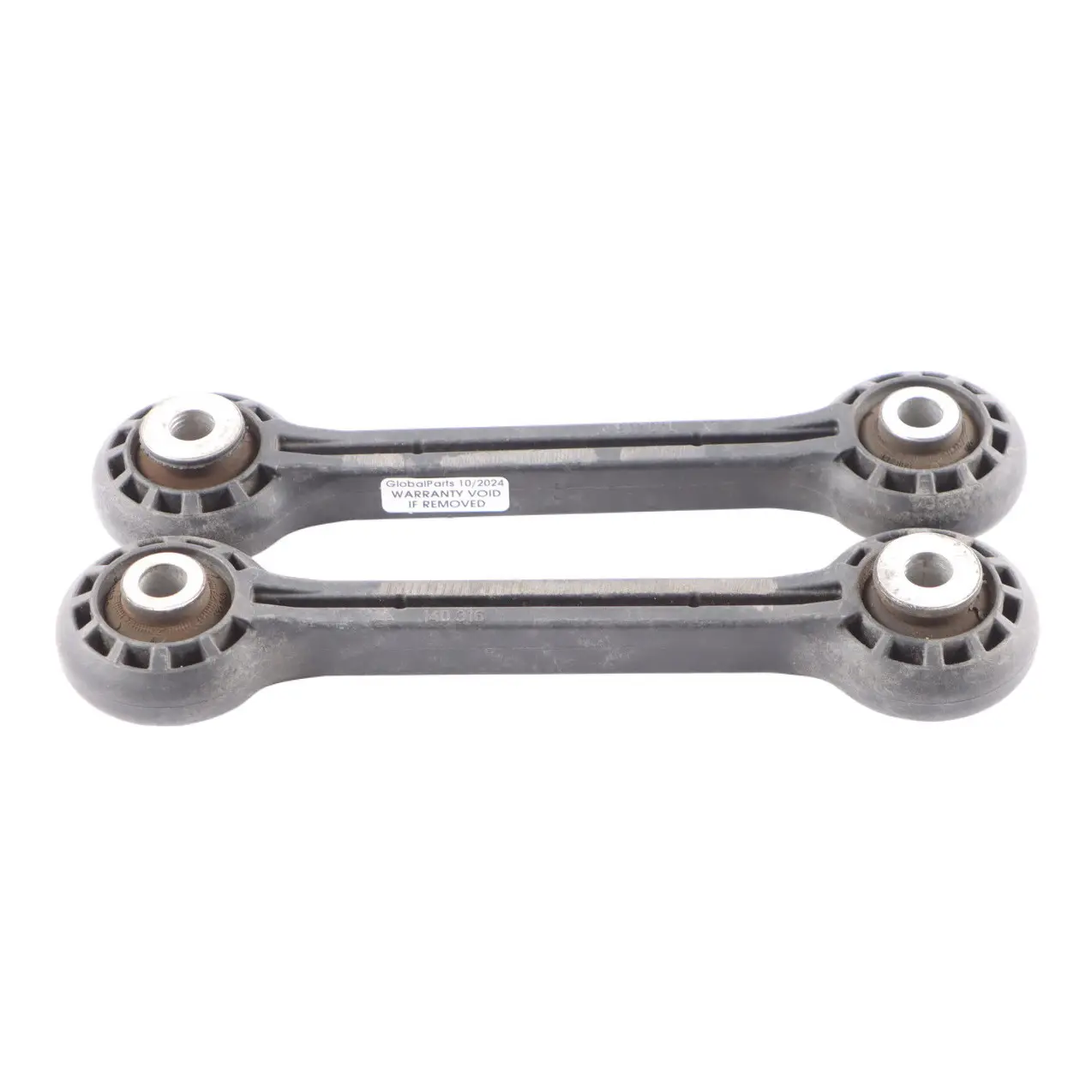
Part no. 8K0411317D-1
Audi A4 B8 Front Sway Bar Stabilizer Tie Rod Set Left Right N/O/S 8K0411317D
£23.95
Free delivery: Jul 06
If paid before 14:00
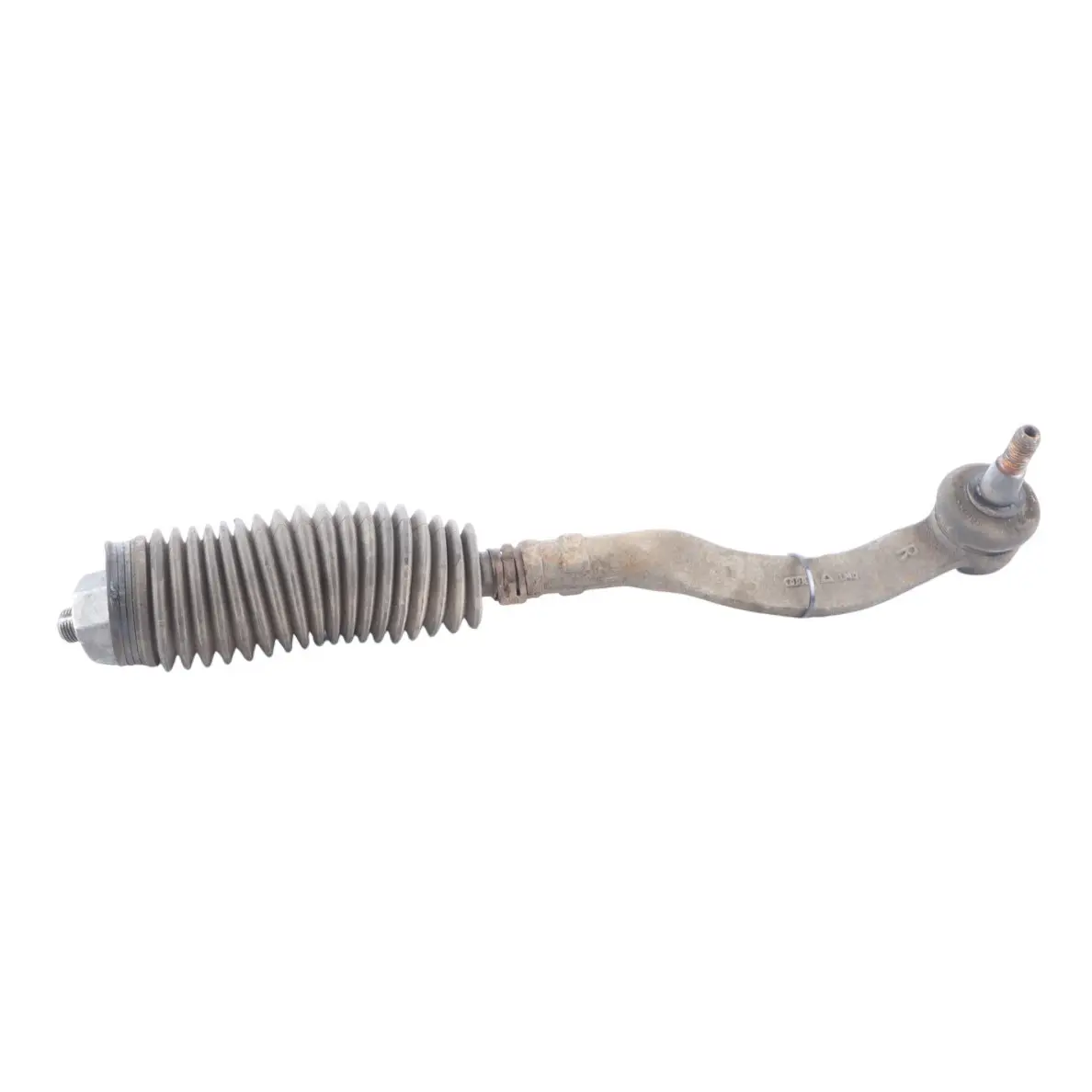
Part no. 8J0423812
Audi TT 8J 2.0 TFSI Petrol Steering Track Tie Rod Right O/S 8J0423812
£28.95
Free delivery: Jul 06
If paid before 14:00
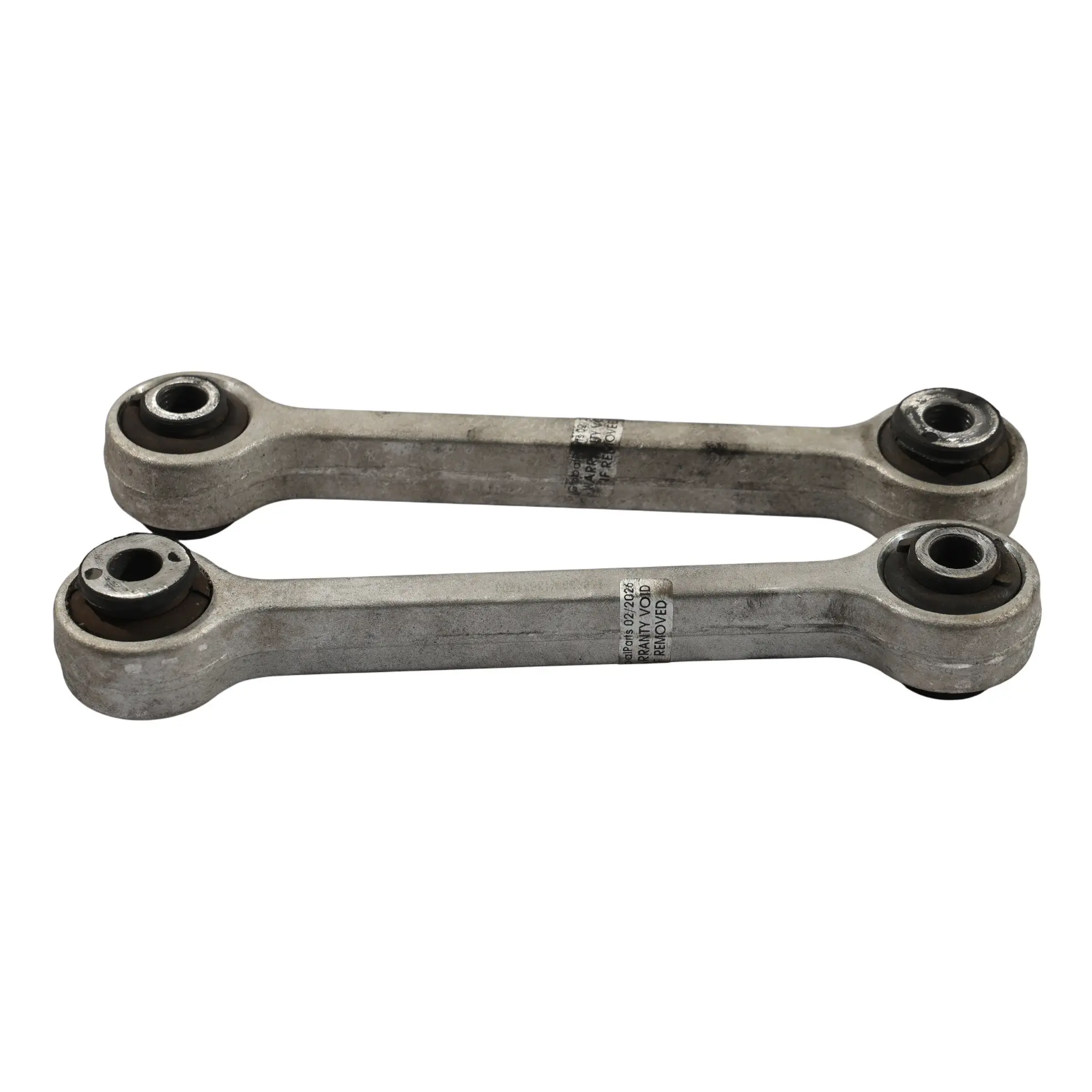
Part no. 8K0411317D
Audi A6 C8 Front Sway Bar Stabilizer Tie Rod Set Left Right N/O/S 8K0411317D
£23.95
Free delivery: Jul 06
If paid before 14:00

Part no. RHD-8K0422817B-1
Audi A5 8T Steering Track Tie Rod Left Right N/O/S Set 8K0422817B 8K0422818B
£66.95
Free delivery: Jul 06
If paid before 14:00
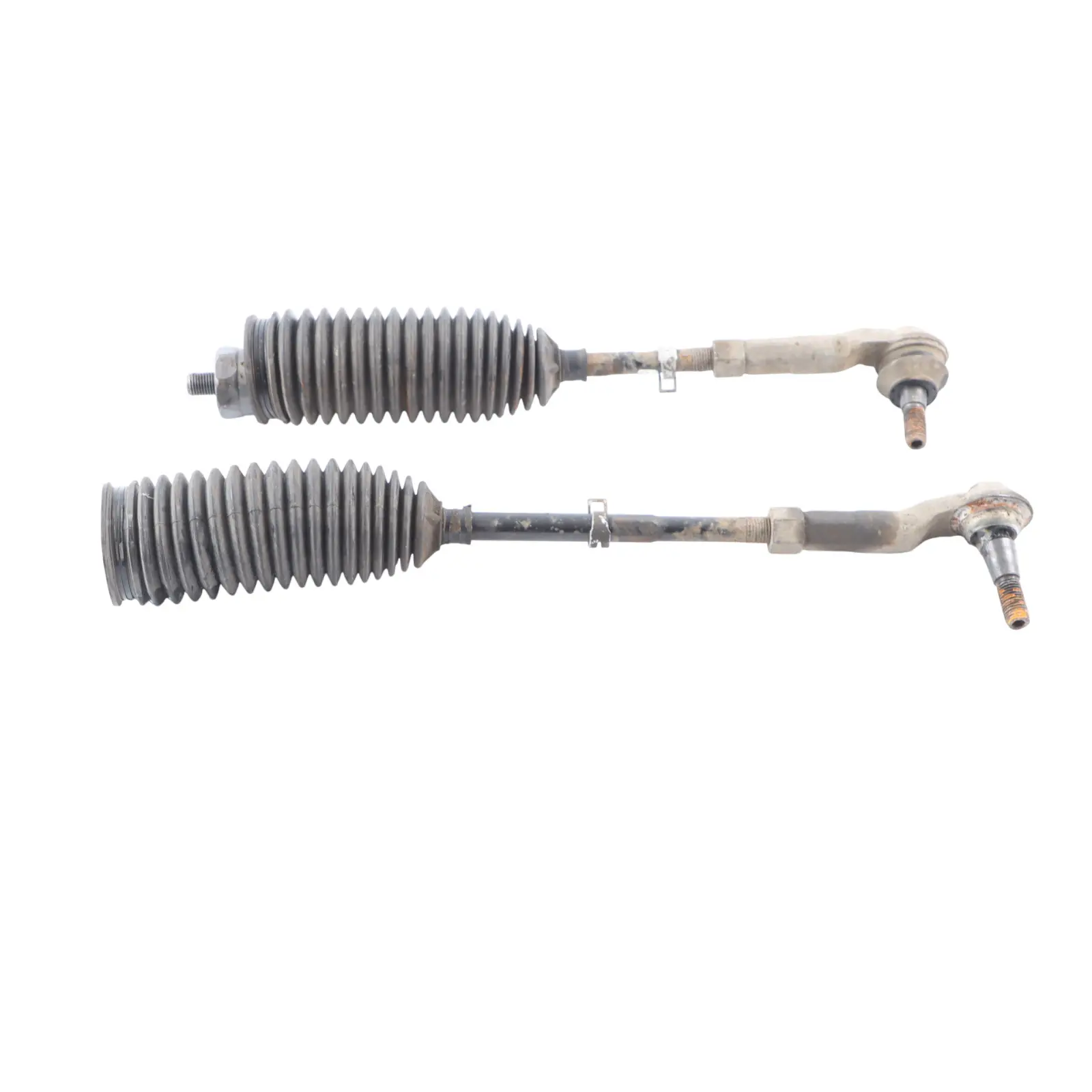
Part no. 1S0423811A
Audi S1 8X Steering Rack Arm Tie Rod Left Right N/O/S 6C0423810C Set
£66.95
Free delivery: Jul 06
If paid before 14:00
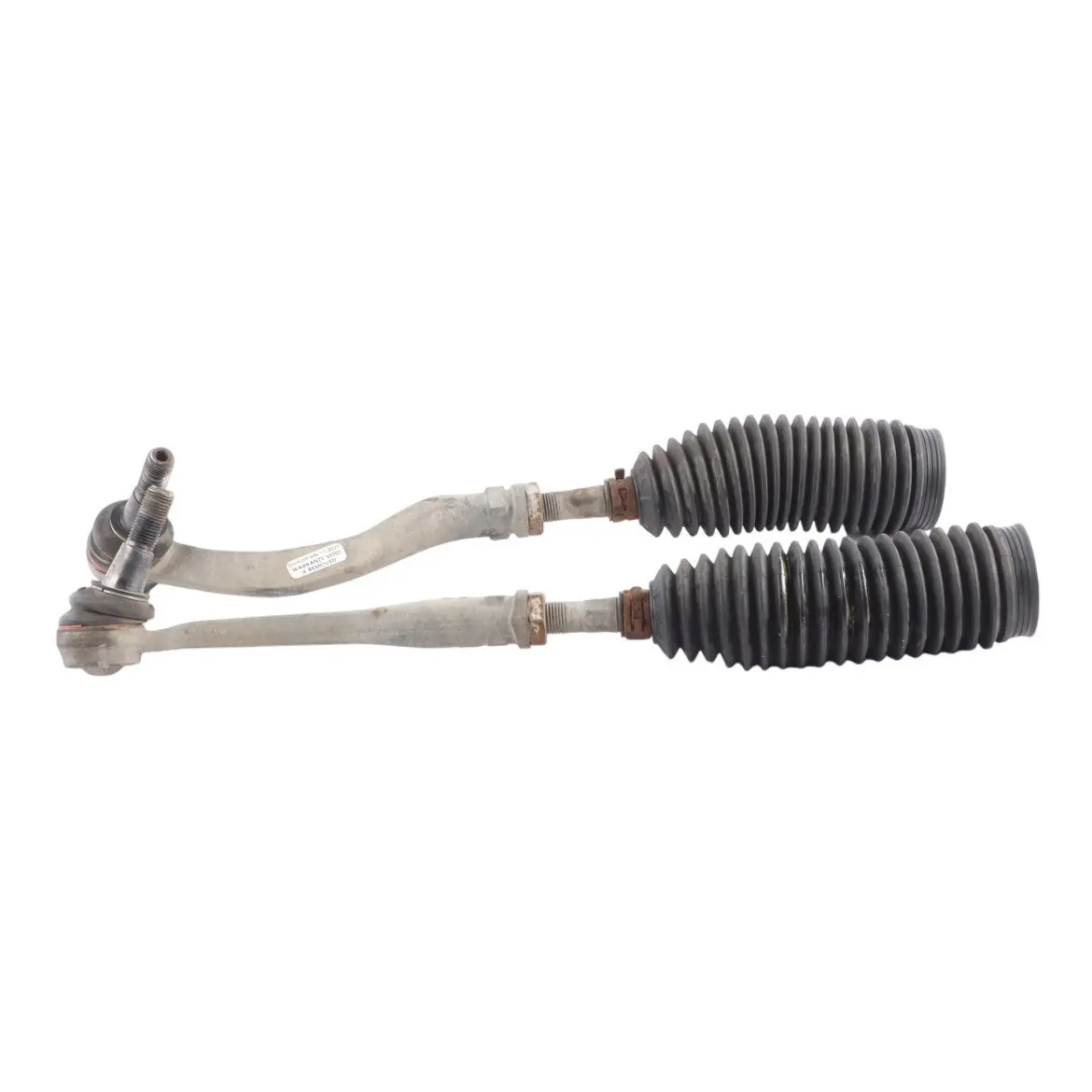
Part no. 8S0423811A
Audi TT FV Front Axle Tie Rod Steering Left Right N/O/S Set Kit 8S0423811A
£42.95
Free delivery: Jul 06
If paid before 14:00
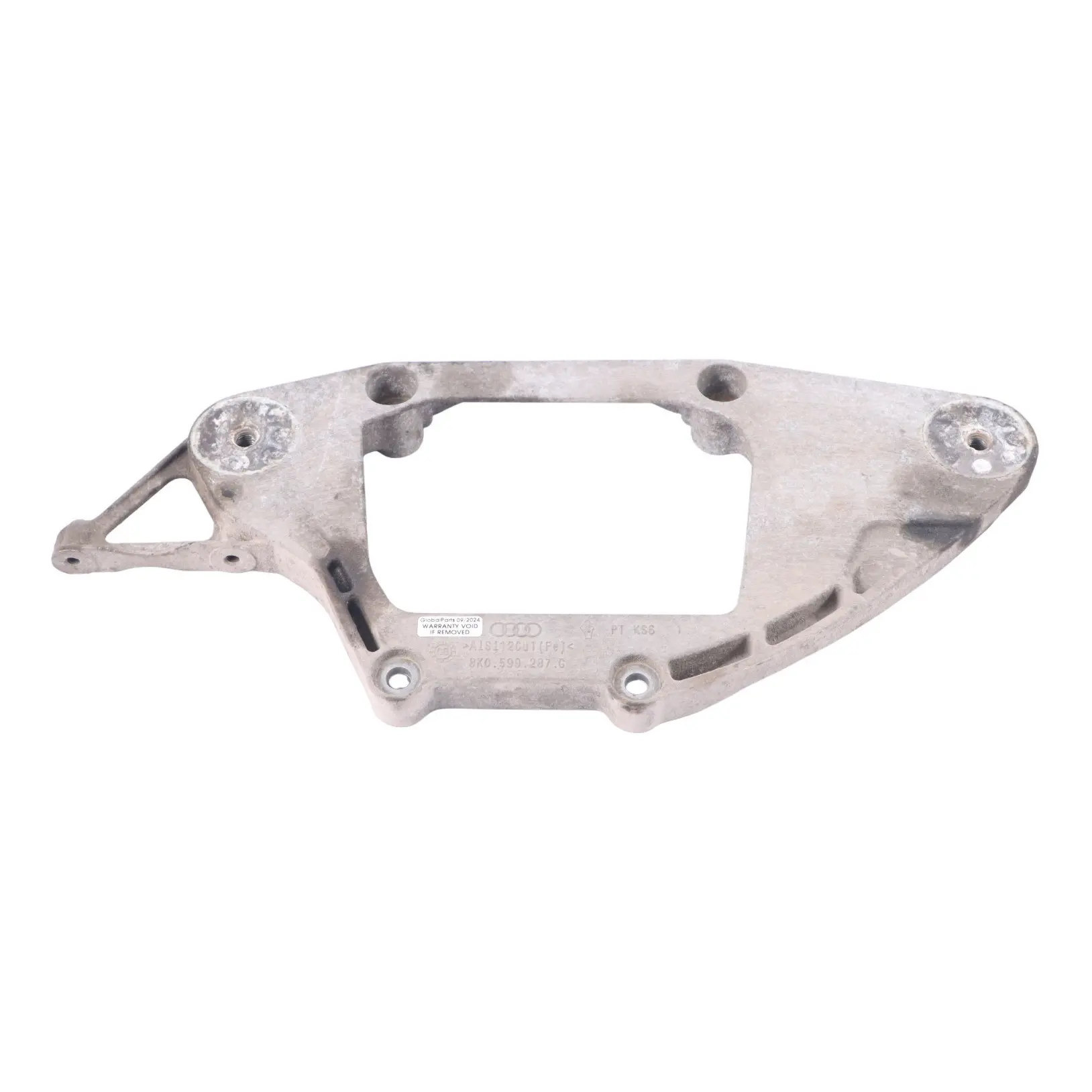
Part no. 8K0599287C
Audi A4 B8 Rear Axle Differential Holder Mount Bracket 8K0599287C
£47.95
Free delivery: Jul 06
If paid before 14:00
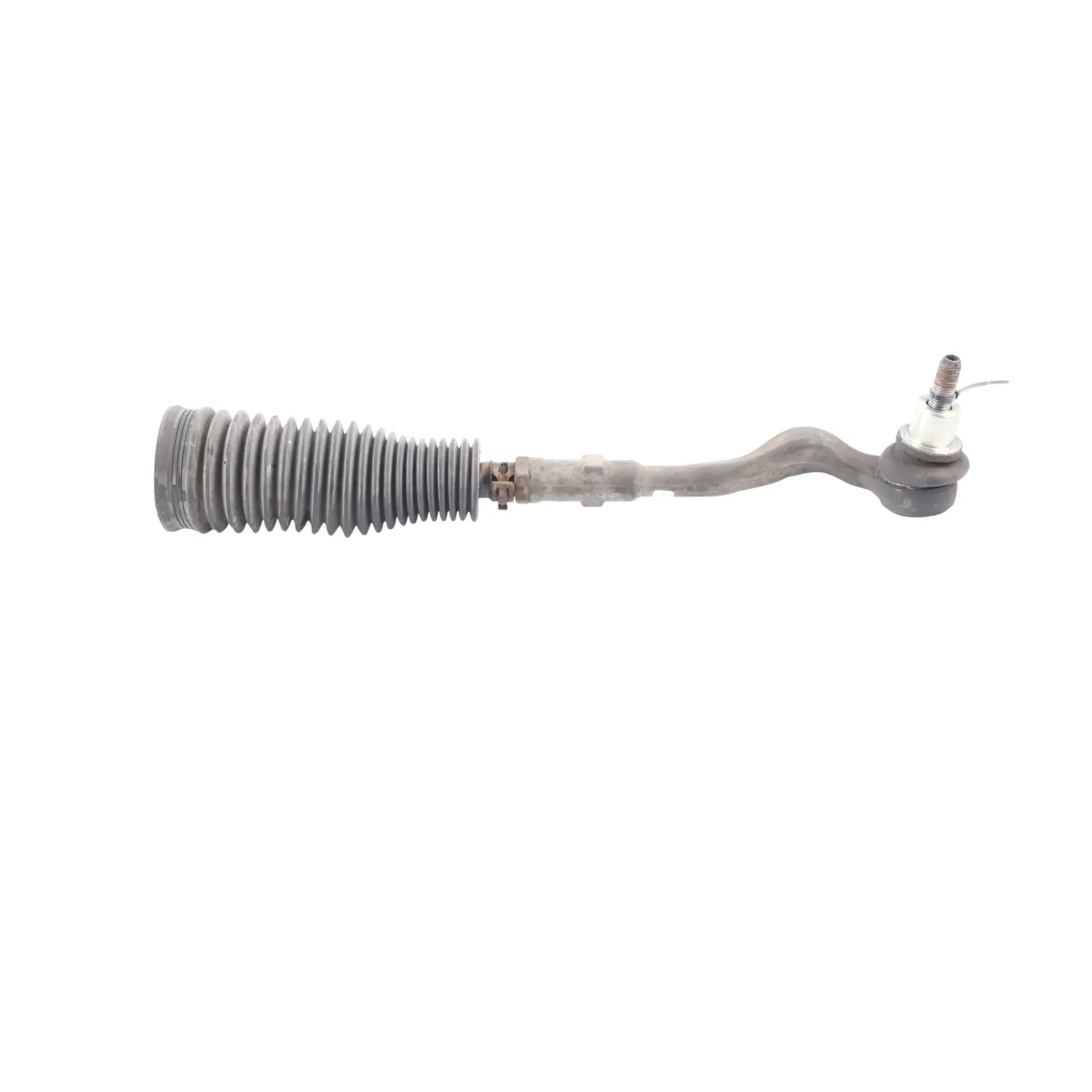
Part no. RHD-8K0422817B
Audi S5 8T 4.2 FSI CAUA Petrol Steering Track Tie Rod Left N/S 8K0422817B
£37.95
Free delivery: Jul 06
If paid before 14:00
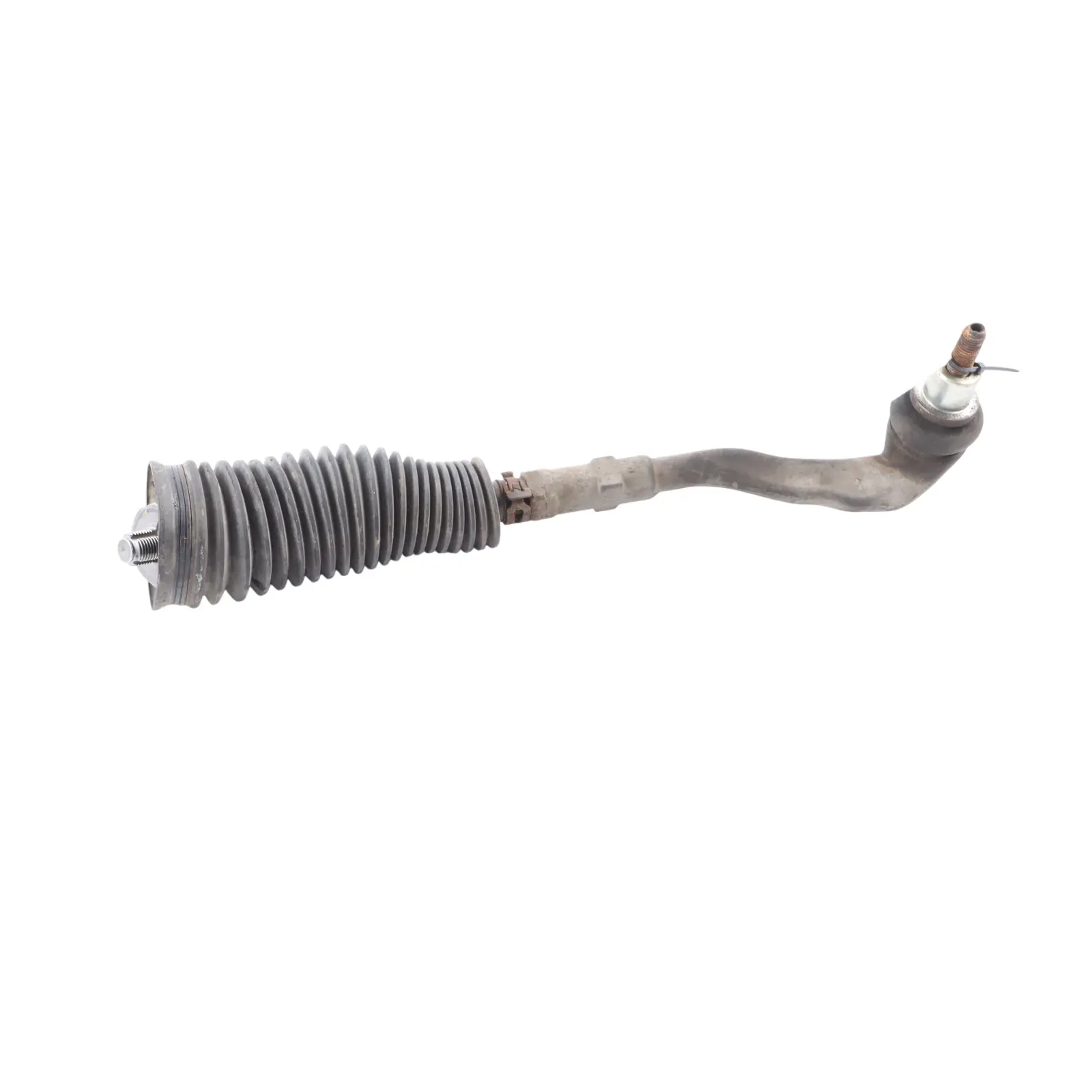
Part no. RHD-8K0422818B
Audi S5 8T 4.2 FSI CAUA Petrol Steering Track Tie Rod Right O/S 8K0422818B
£37.95
Free delivery: Jul 06
If paid before 14:00
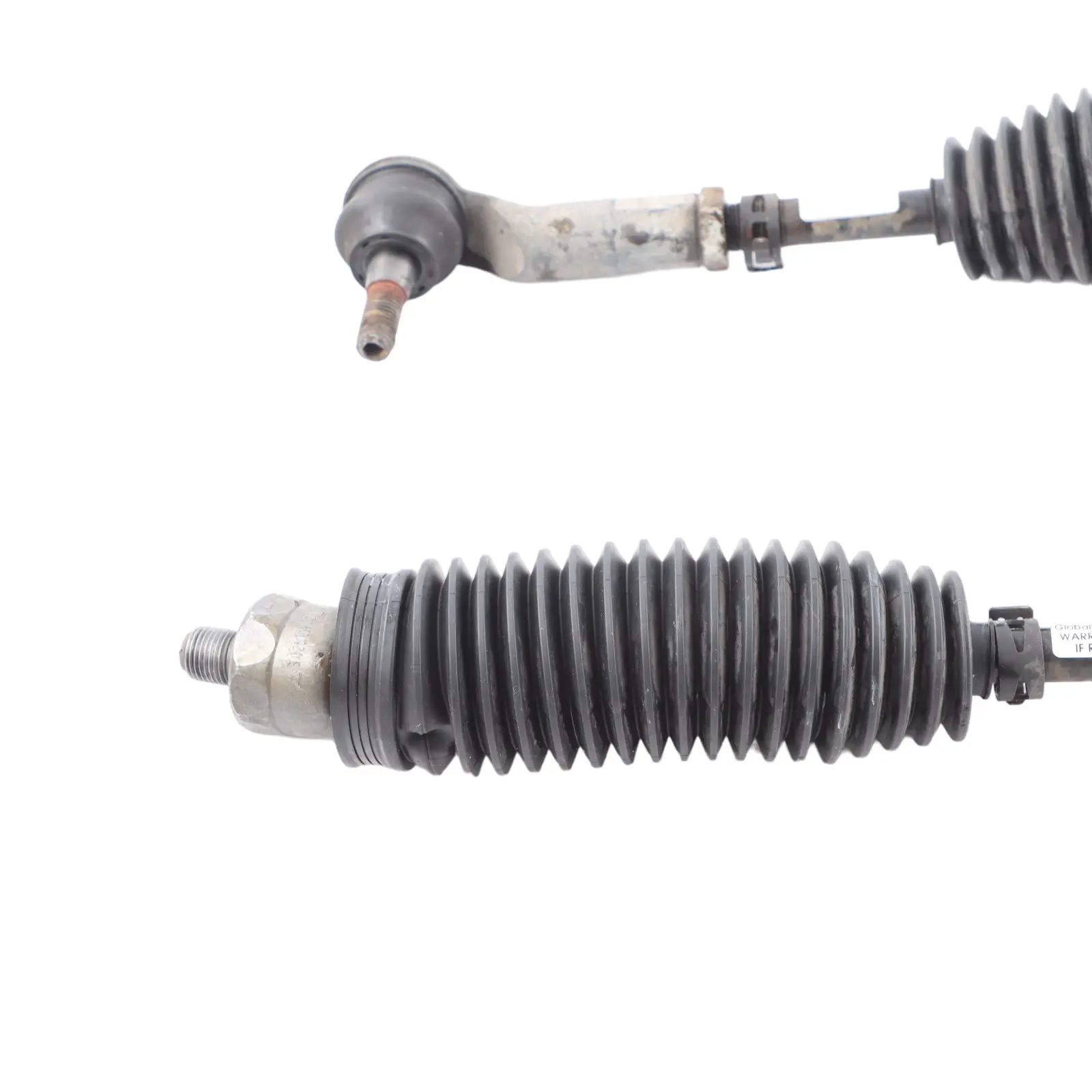
Part no. 1K0423810A
Audi A3 8P Steering Tie Rod Outside Left Right N/O/S Steering Set 1K0423810A
£47.95
Free delivery: Jul 06
If paid before 14:00
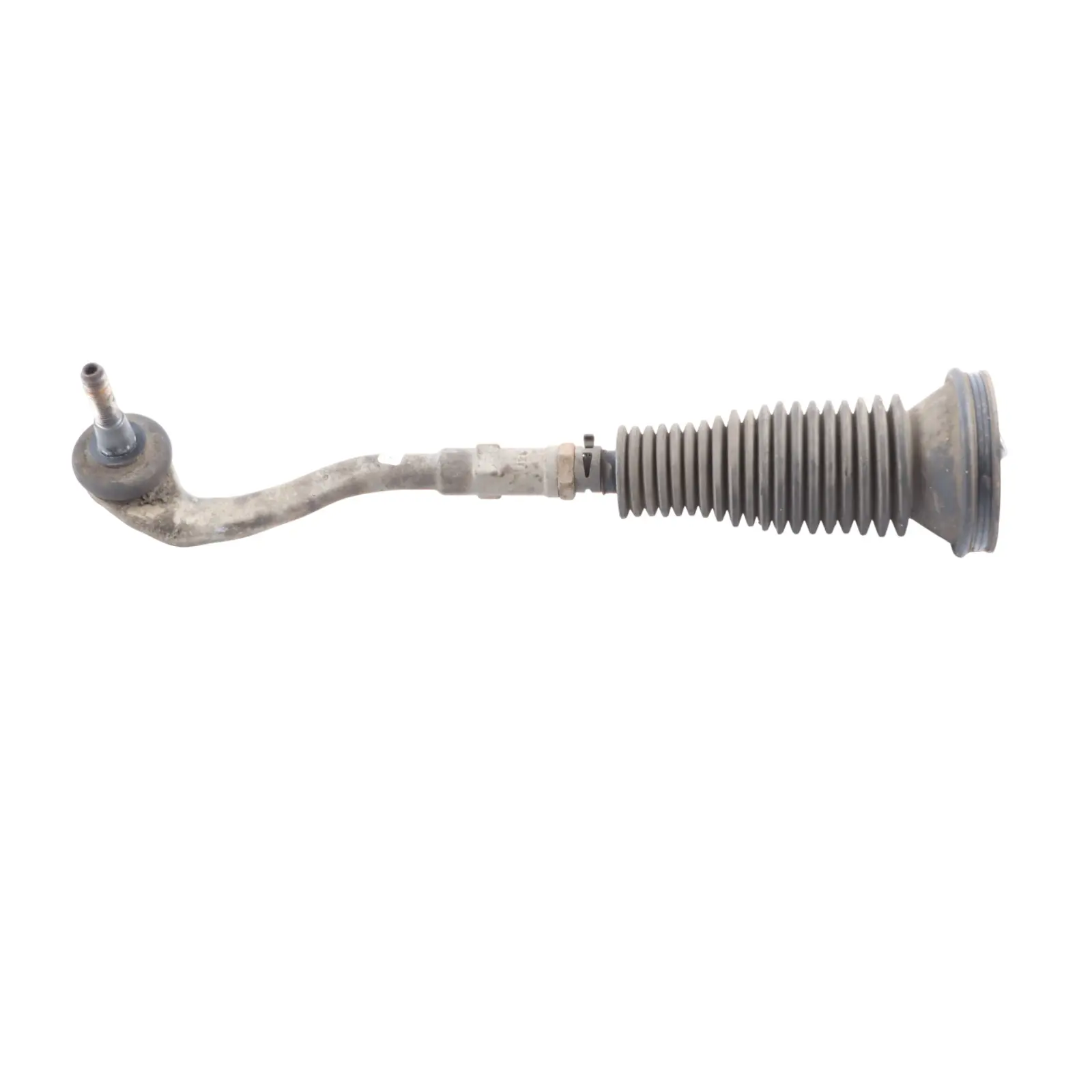
Part no. 4G0423811A
Audi A4 B8 2.0 TFSI CDNC Petrol Steering Track Tie Rod Left N/S 4G0423811A
£42.95
Free delivery: Jul 06
If paid before 14:00
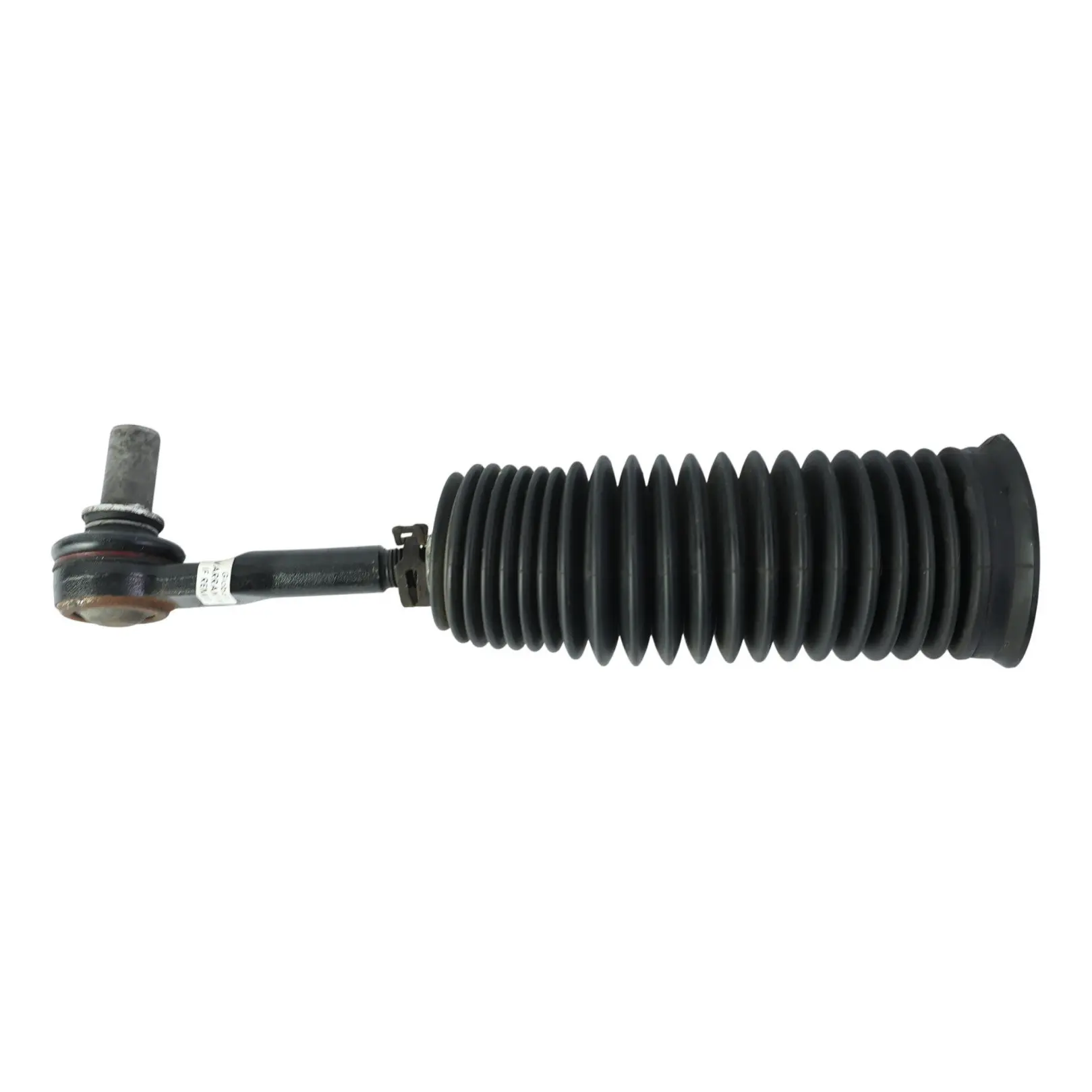
Part no. 4F0498811A
Audi A4 B7 A6 C6 Steering Rack Tie Rod End Left Right N/O/S 4F0498811A
£18.95
Free delivery: Jul 06
If paid before 14:00
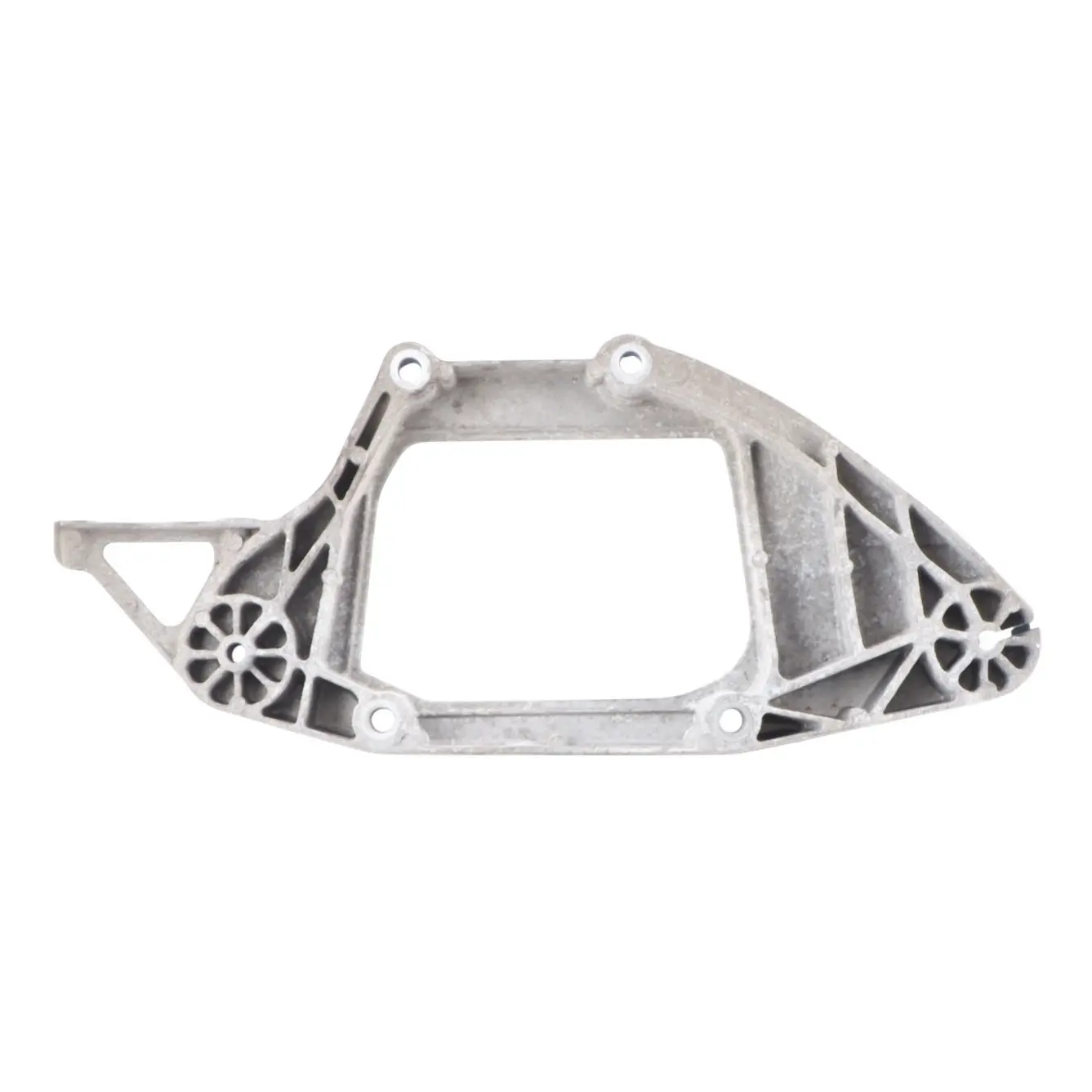
Part no. 8K0599287J
Audi A5 S5 8T Rear Axle Differential Holder Mount Bracket 8K0599287J
£13.95
Free delivery: Jul 06
If paid before 14:00
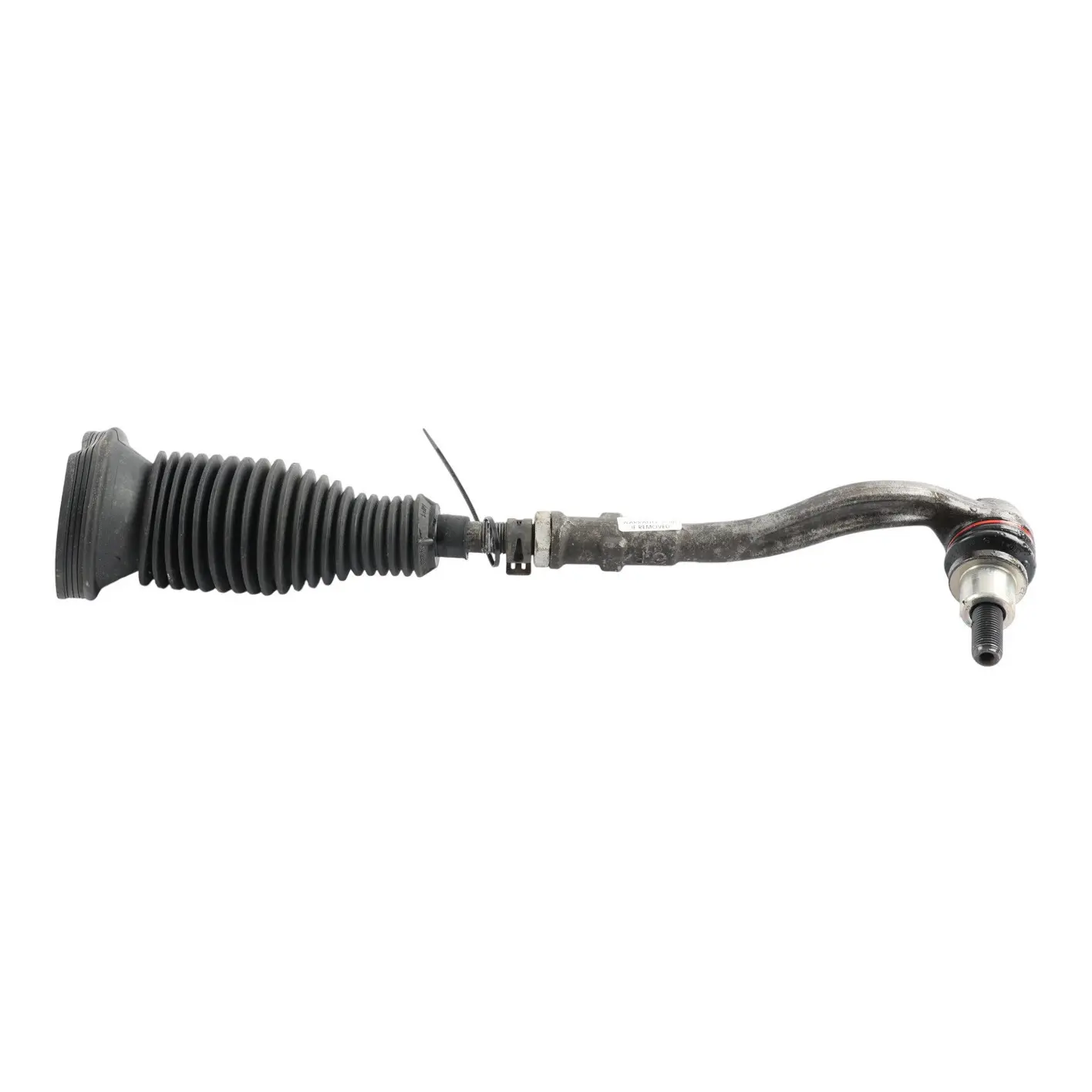
Part no. 8W0423811C
Audi A5 F5 A6 C8 Q5 FY Tie Rod End Steering Linkage Left N/S 8W0423811C
£56.95
Free delivery: Jul 06
If paid before 14:00
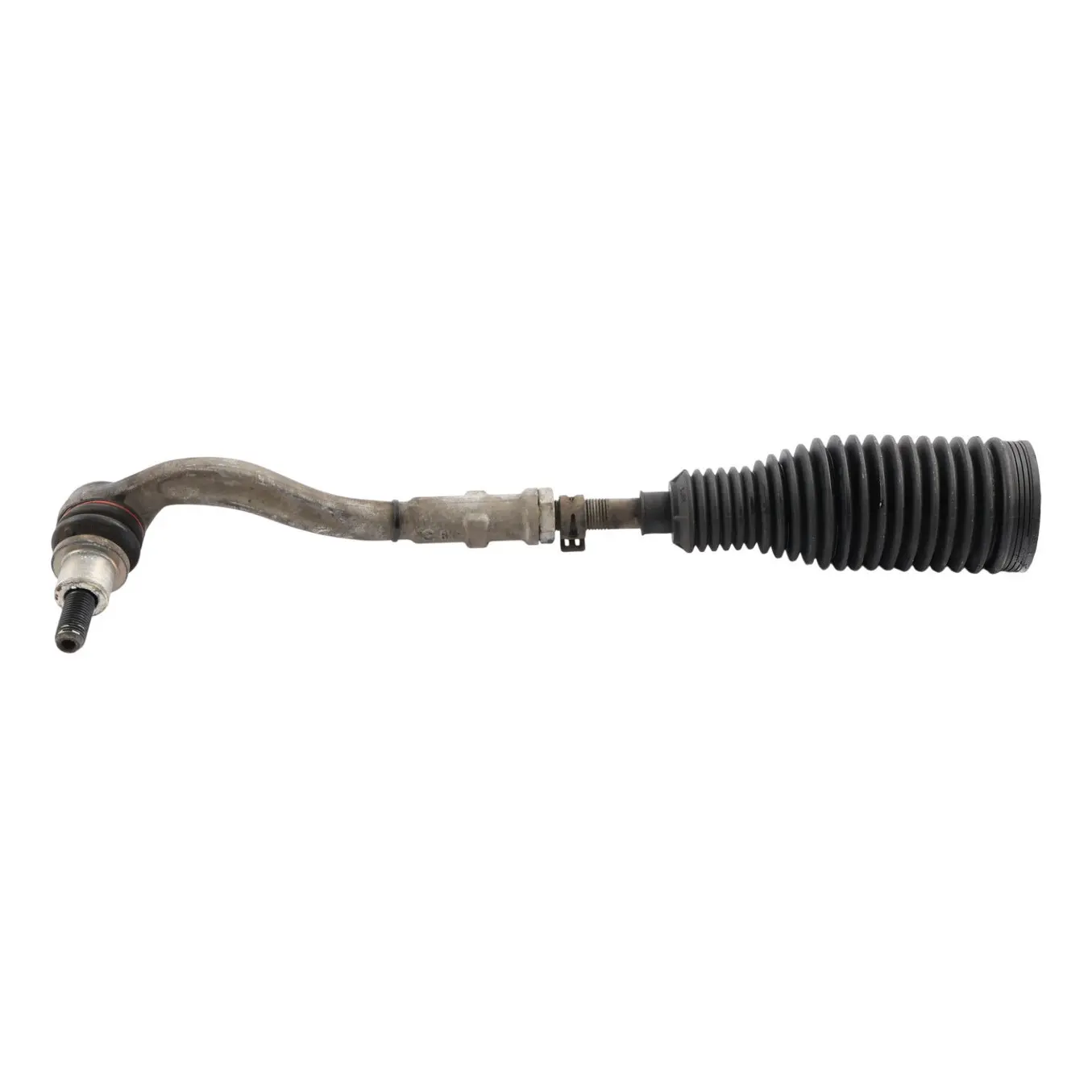
Part no. 8W0423812C
Audi A5 F5 A6 C8 Q5 FY Tie Rod End Steering Linkage Right O/S 8W0423812C
£56.95
Free delivery: Jul 06
If paid before 14:00
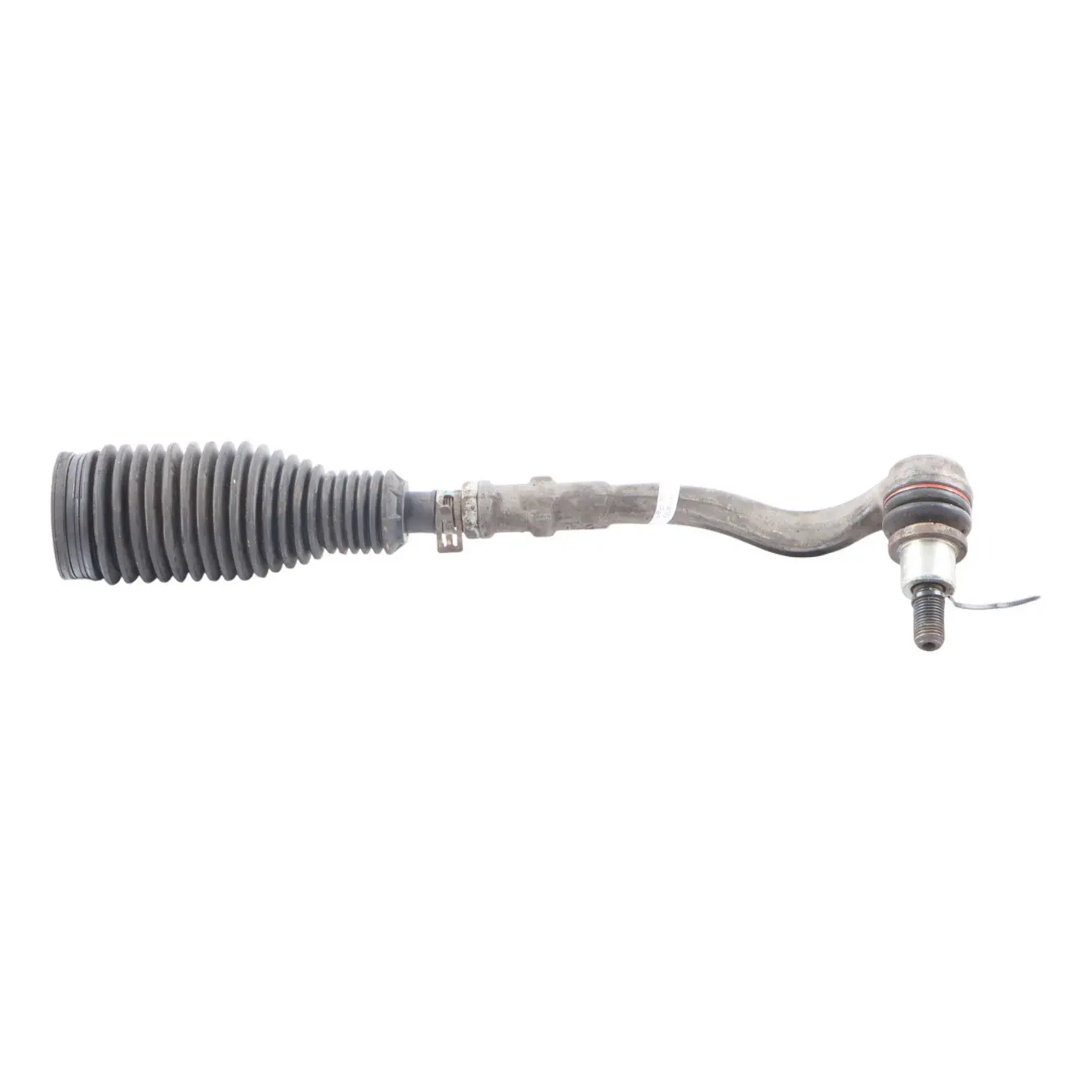
Part no. 8W0423812B
Audi Q5 FY Steering Tie Rod Right O/S 8W0423812B
Product currently unavailable
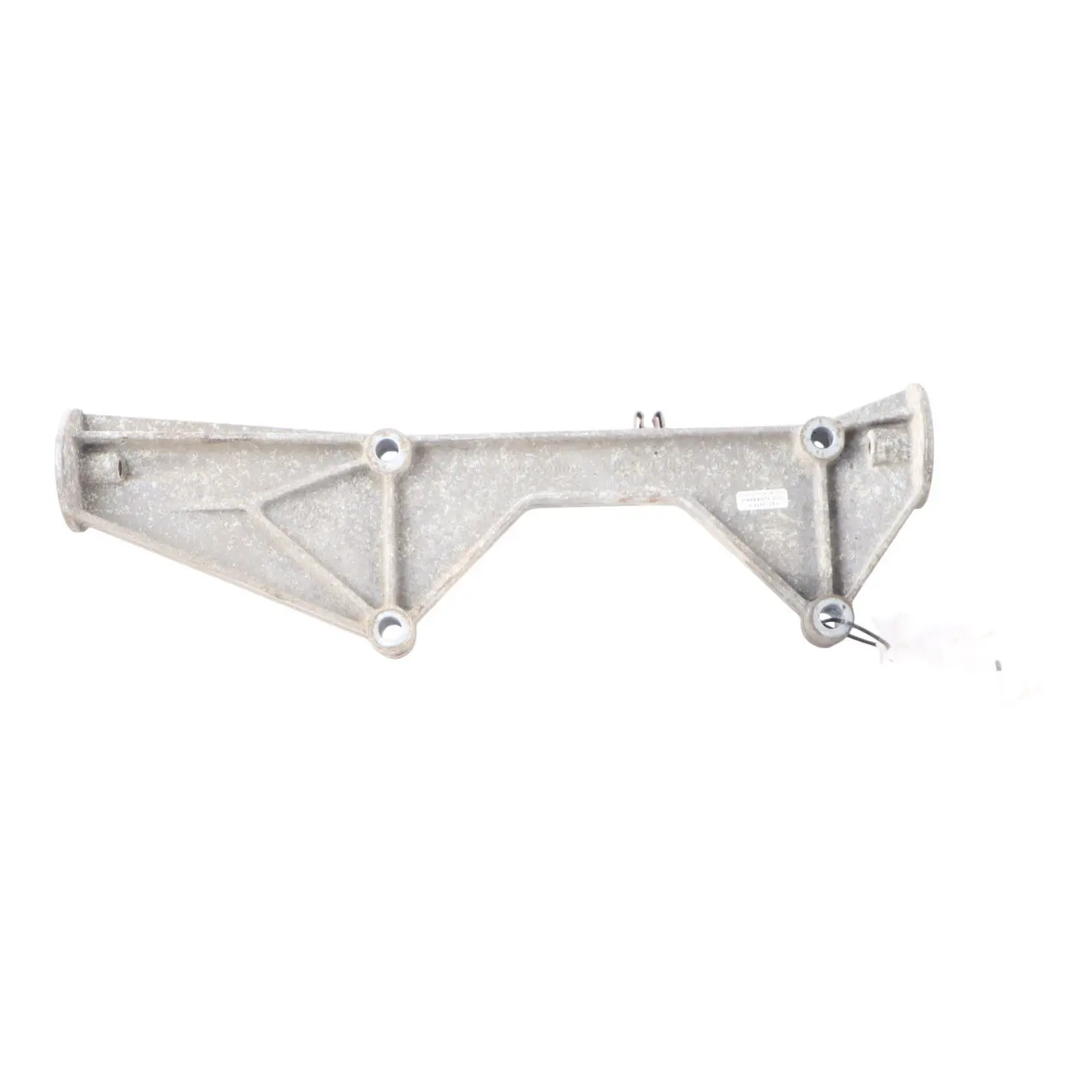
Part no. 1J0599287C
Audi TT 8N 1.8T Rear Differential Holder Mount Bracket 1J0599287C
Product currently unavailable
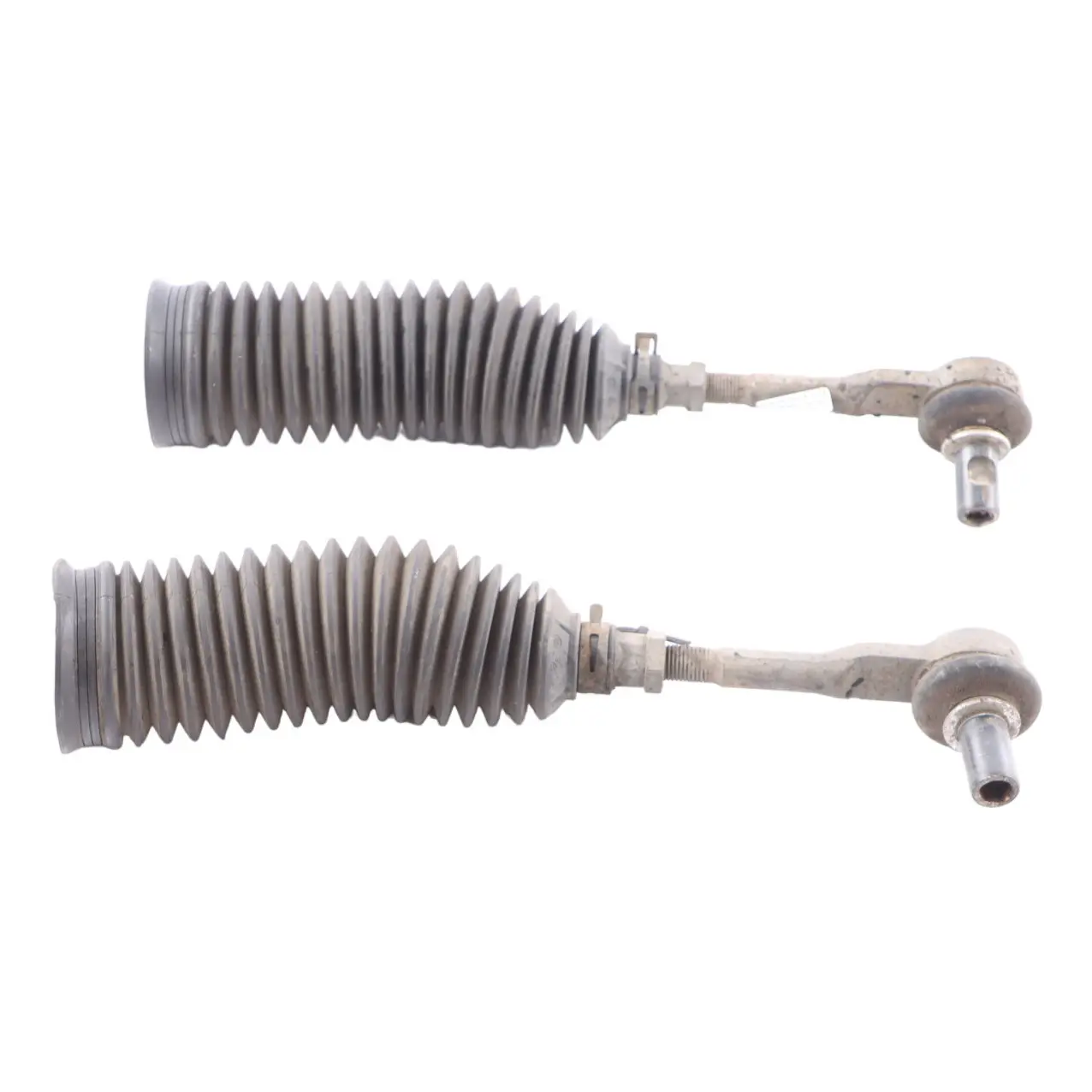
Part no. 4F0422821D
Audi A6 C6 Steering Tie Rod Outside Left Right N/O/S Steering Set 4F0422821D
Product currently unavailable
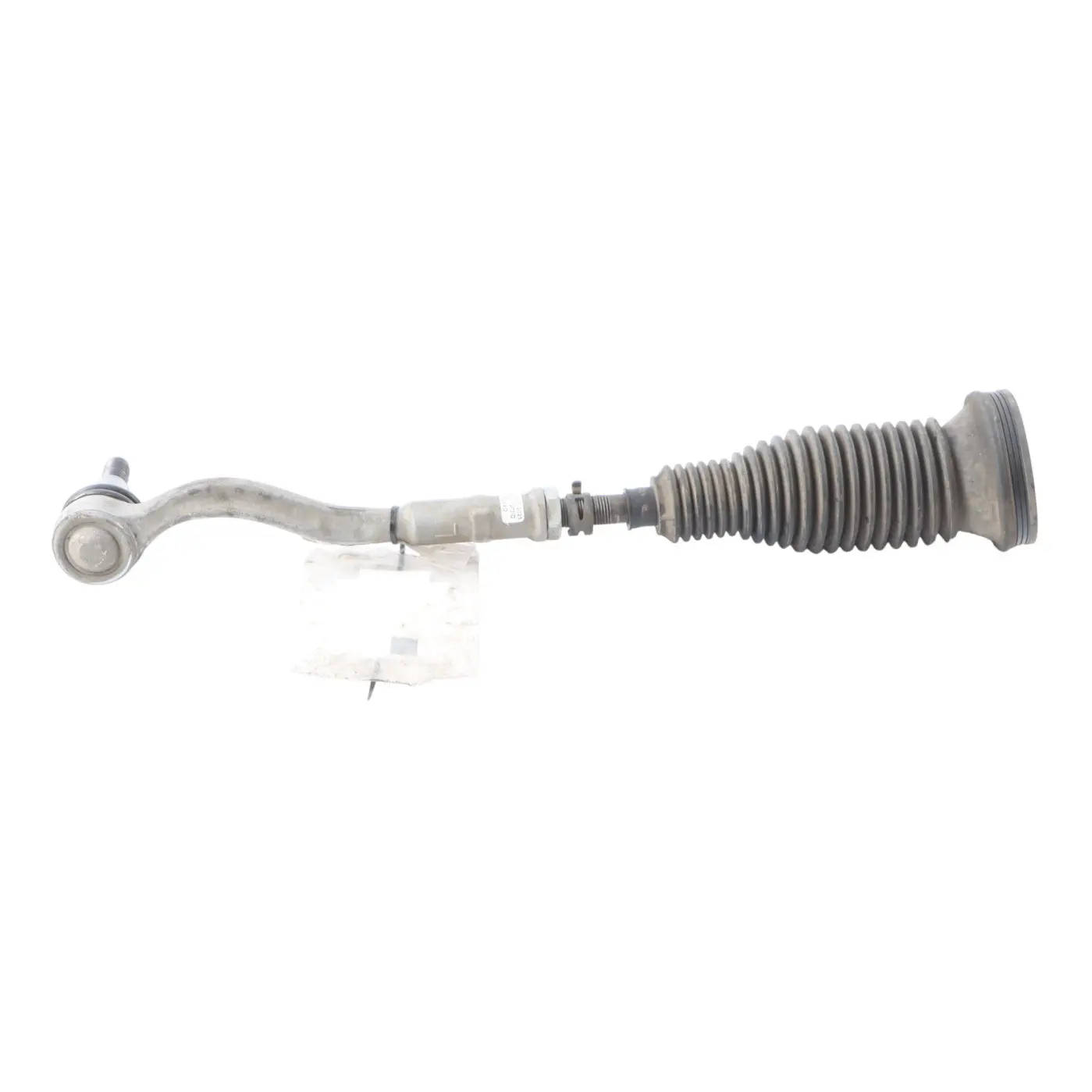
Part no. 4M0423811D
Audi Q7 4M 3.0 DCBD Petrol Steering Track Tie Rod Left N/S 4M0423811D
Product currently unavailable
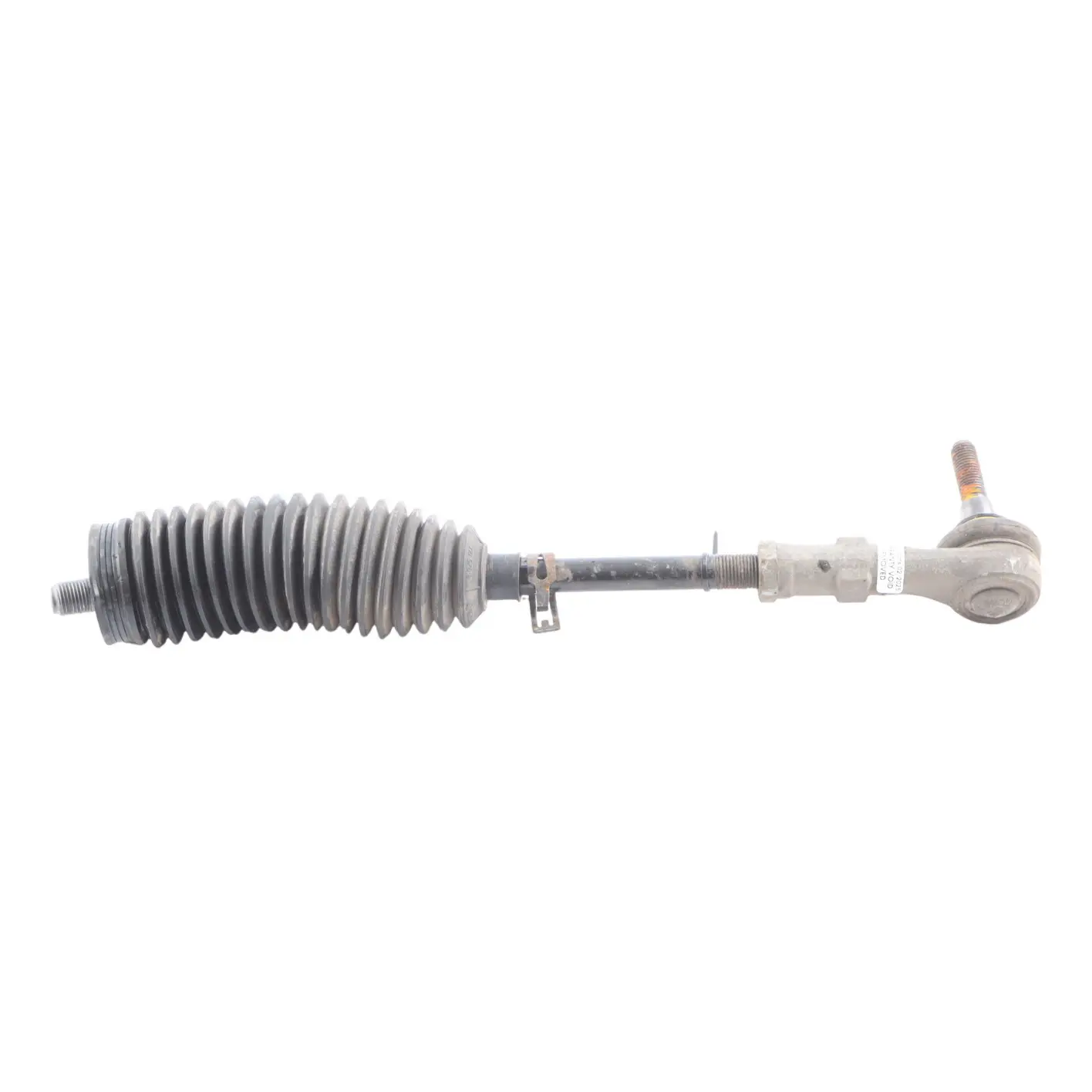
Part no. 8V0423812
Audi Q3 F3 Tie Rod Steering Front Right O/S 8V0423812
Product currently unavailable
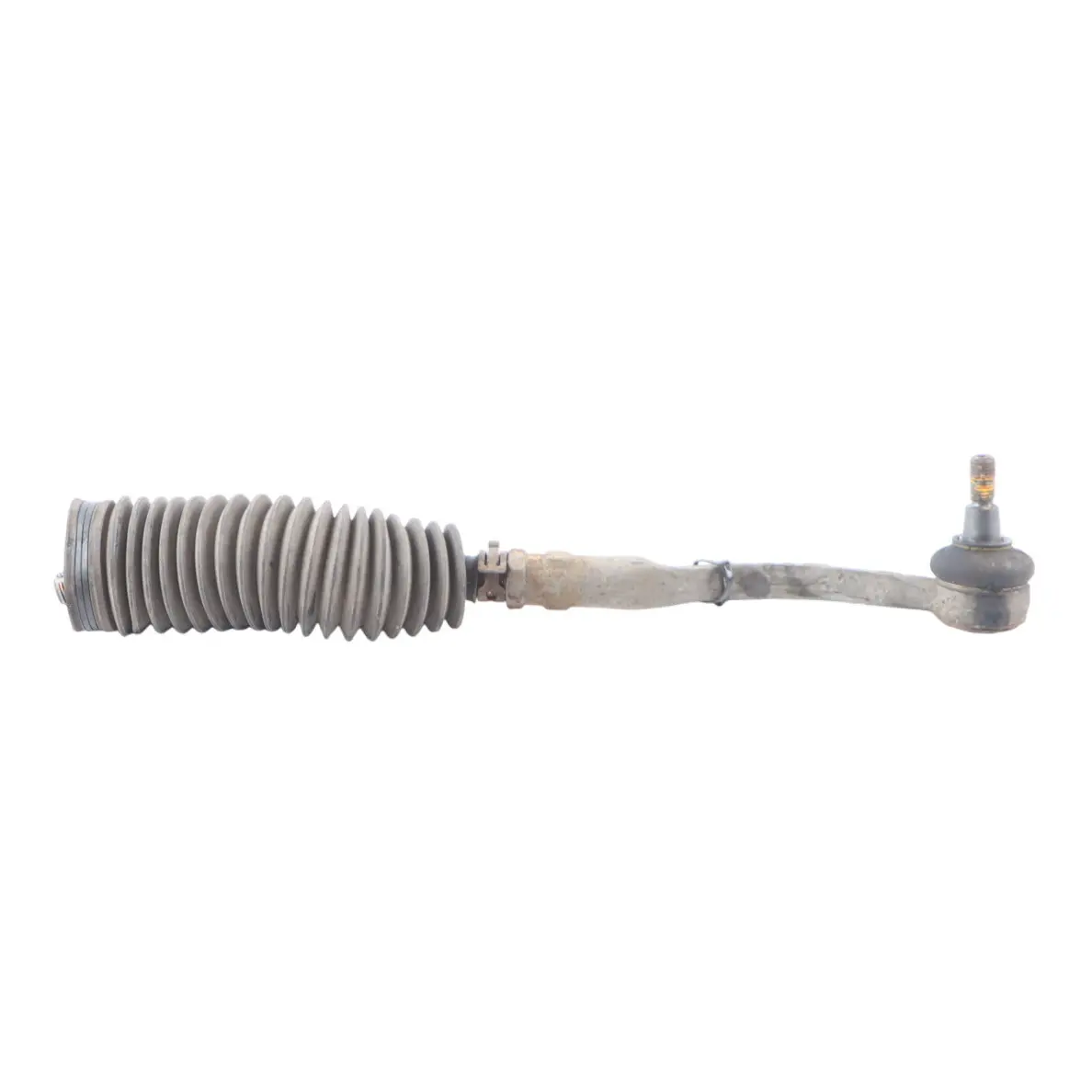
Part no. 8J0423811
Audi TT 8J 2.0 TFSI Petrol Steering Track Tie Rod Left N/S 8J0423811
Product currently unavailable
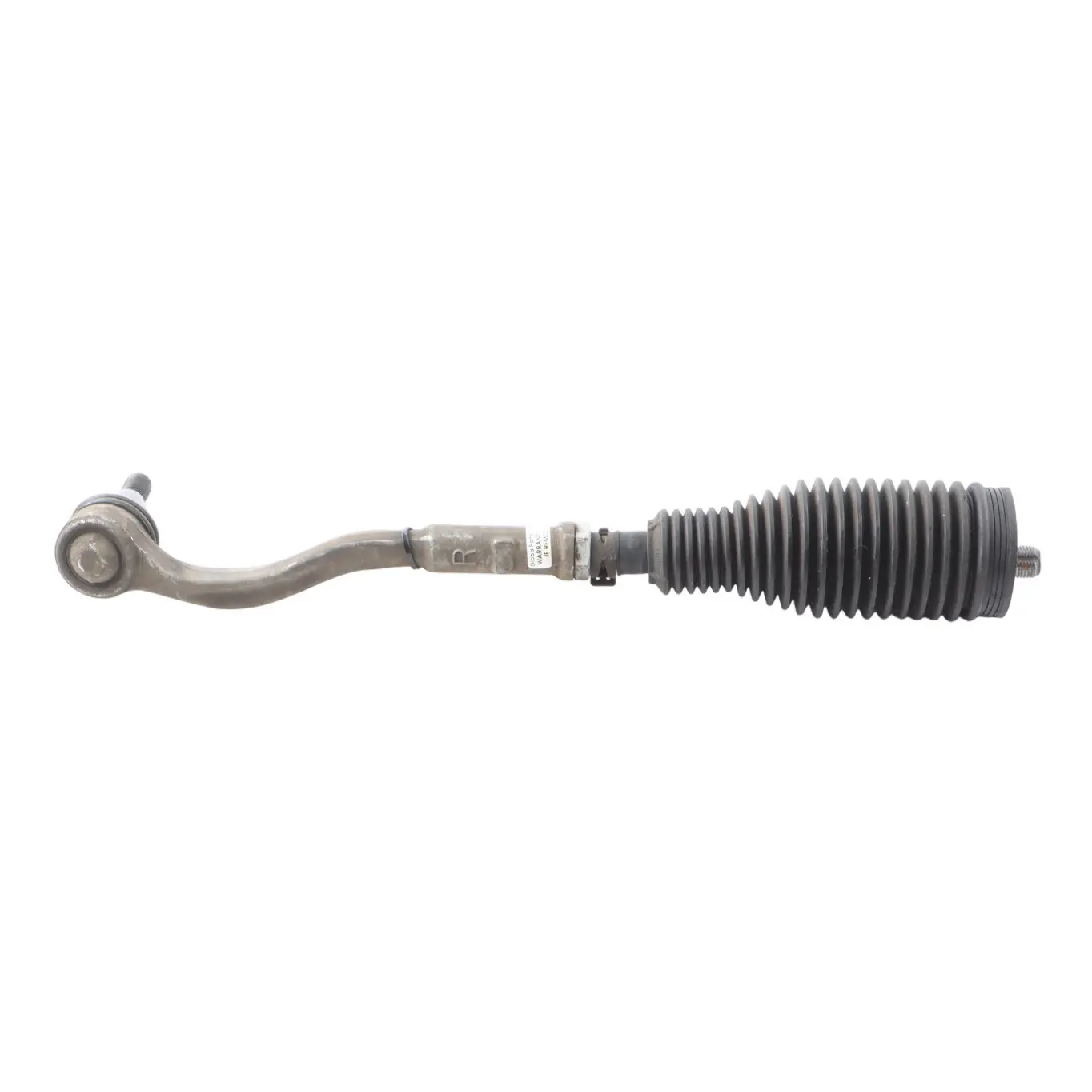
Part no. 4M0423812D
Audi Q7 4M 3.0 DCBD Petrol Steering Track Tie Rod Right O/S 4M0423812D
Product currently unavailable
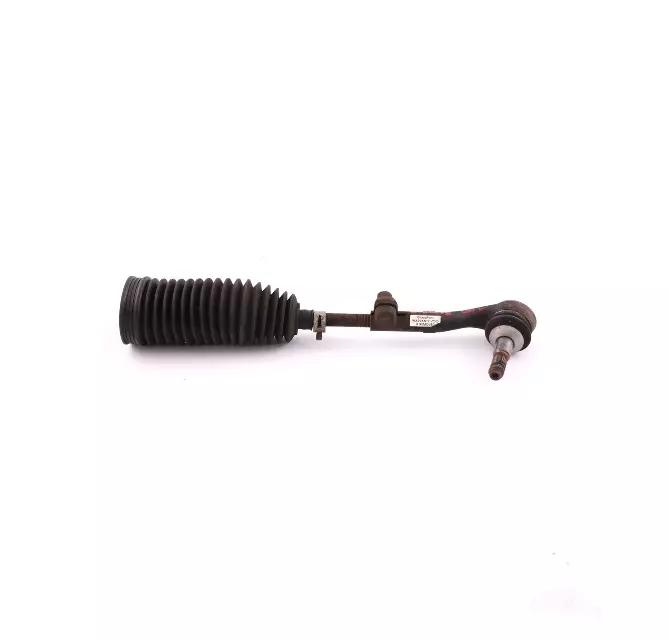
Steering tie rods and ends for precise vehicle control
Precision steering rods with tips for precise steering
Tie rods and tie rod ends are key components of the steering system responsible for precisely transferring steering wheel movements to the wheels. Their efficient operation is essential for driving safety and comfort, ensuring stability and control over the vehicle in all road conditions. In the Global Parts automotive store, you will find a wide selection of used car parts, including tie rods and tie rod ends, ideal for brands such as BMW, Audi, Mercedes, Volkswagen, Mini, and many others.
Design and purpose of tie rods in the vehicle steering system
A tie rod is a mechanical component of the steering system that connects the steering gear (rack) to the wheel knuckle. In practice, this means that every movement of the steering wheel – even the slightest one – is transferred directly to the front wheels through the system of rods and ends. In a typical passenger car design, two tie rods (left and right) finished with ball joints are used, which allow for free movement during steering and suspension operation. Tie rods are designed to withstand very high loads. When cornering, lateral forces act upon them, which in passenger cars can reach several hundred kilograms of pressure. Therefore, manufacturers use high-strength steel and ball joints that ensure smooth movement. In many popular car models – such as the BMW 3 Series E46 or BMW 5 Series E60 – the steering system uses precision rods that work with a rack and pinion gear. Thanks to this, the vehicle reacts to steering wheel movement almost instantly.
What functions do tie rods and tie rod ends perform?
Tie rods and tie rod ends play essential roles in the steering system:
- Transferring steering movements – Rods and ends transmit the steering wheel movement to the wheels, enabling them to turn.
- Steering system stabilization – They ensure proper wheel geometry, which affects driving stability and precision.
- Force absorption – Tie rod ends absorb some of the shocks and vibrations, protecting the steering system from excessive load.
Differences between the inner tie rod, tie rod end, and cooperating elements
Tie rods and tie rod ends are parts that work together but perform different tasks. The inner tie rod is a component connected to the steering gear that transfers force from the rack towards the wheel side, while the tie rod end is an articulated component mounted at the knuckle, responsible for movement at varying suspension working angles. From a practical point of view, it is also worth checking the condition of parts from the Steering gears and housings and Steering columns groups, as play in these areas can cause similar symptoms.
Comparison of tie rod and tie rod end variants
| Component type | Mounting location | Main function | What to check when selecting |
|---|---|---|---|
| Inner tie rod | Between the rack and the end | Transferring movement from the steering gear | OEM number, length, thread, mounting method to the gear |
| Tie rod end | At the wheel knuckle | Articulated connection and toe adjustment | Mounting side, pin taper, thread, vehicle placement |
| Rod + end kit | Set for one side or axle | Facilitating the replacement of elements with similar wear | Compatibility with car version, interchangeable numbers, adjustment range |
Tie rod construction and cooperating elements
Tie rods work with many suspension and vehicle steering components. The most important include:
- steering gear (rack)
- wheel knuckle
- suspension control arms
- steering column
- suspension stabilizer Proper adjustment of these elements ensures correct suspension geometry, i.e., the setting of angles such as toe, camber, or caster. Even a small change in toe – e.g., 0.2–0.3 degrees – can affect vehicle stability when driving at higher speeds.
Why is it worth taking care of tie rods and tie rod ends?
Wear or damage to tie rods and tie rod ends can lead to problems with the steering system and driving safety. Typical symptoms of malfunction include:
- Play in the steering wheel – May indicate wear of the tie rod ends.
- Uneven vehicle handling – Damaged rods can disrupt suspension geometry.
- Noises when turning – Knocking or clicking sounds can be a sign of damage in the rods or their ends.
- Uneven tire wear – Problems with rods can affect incorrect wheel alignment. If replacement is necessary, at Global Parts you will find suitable used car parts that will restore full functionality to your steering system.
Typical symptoms related to the tie rod system
In workshop practice, mechanics pay attention to several characteristic symptoms indicating steering system components. The table below presents the most common symptoms and their possible causes.
| Symptom | Possible cause | Impact on vehicle handling |
|---|---|---|
| Play in the steering | Wear of the tie rod end joints | reduced steering precision |
| Steering wheel vibration while driving | change in geometry or toe | lower driving comfort |
| Knocking during turns | play in the end ball joint | reduced stability |
| Uneven tire wear | incorrect wheel geometry | higher rolling resistance |
Regular inspection of steering system components allows for maintaining driving precision and optimal suspension geometry.
Selecting parts by OEM number, mounting side, and vehicle version
The OEM number is the factory designation of a part, which makes it easier to compare compatibility with a specific car version. When choosing a rod or end, it is worth checking not only the OEM part number and interchangeable numbers but also the placement on the vehicle, mounting side, and thread type. In the case of parts such as an Audi A4 B8 tie rod, it is important to compare the working length, the method of connection to the gear, and compatibility with the suspension version.
How to choose the right tie rods and tie rod ends?
When choosing tie rods and tie rod ends, you should pay attention to several key aspects:
- Vehicle model fitment – Every steering system requires specific technical parameters. In the Global Parts automotive store, you will find tie rods and tie rod ends perfectly matched to BMW, Audi, Mercedes, Volkswagen, Mini, and others.
- Technical condition – Used elements should be free from play, corrosion, and mechanical damage.
- Rod type – Choose the appropriate components (e.g., central or side rods) according to your vehicle's design.
Technical parameters and tie rod compatibility
When choosing tie rods, technical parameters are also important, as they determine the compatibility of the part with a specific vehicle. The most important include:
- tie rod length
- mounting thread diameter
- ball joint type
- mounting method to the steering rack
- toe adjustment range In mid-range cars, the tie rod length is usually 30–45 cm, while the end thread diameter can be 12–16 mm, depending on the vehicle model. Thanks to this, it is possible to precisely set wheel geometry and match the steering system to the suspension design.
Practical installation tips and inspection of related elements
A tie rod end is a ball joint that allows changing the working angle between the rod and the knuckle during turns and suspension compression. When choosing an element such as a BMW E87 tie rod, it is good to compare the pin taper, thread type, and the position of mounting points relative to the knuckle. After installation, it is also worth checking elements from the Control arms and ball joints and Knuckles categories, as their wear affects driving feel and geometry settings.
Why choose used tie rods and tie rod ends?
Used car parts, such as Tie rods and tie rod ends, are a practical solution that allows for savings while maintaining high quality. By choosing used steering system elements, you gain:
- Lower costs – Used rods and ends are significantly cheaper than new ones but offer equally high quality.
- Ecology – Recycling parts supports environmental protection and reduces waste.
- Wide selection – In our store, you will find used tie rods and tie rod ends for the most popular car brands.
Economy and availability of steering system parts
The automotive parts market includes both new components and used elements sourced from vehicle dismantling. In the case of popular car models – such as BMW, Audi, or Volkswagen – this allows for quick matching of parts to a specific vehicle generation.
- BMW 3 Series (E46)
- BMW 5 Series (E60)
- Audi A3, A4, and A6
- Volkswagen Passat
- Mercedes C-Class and E-Class
- Skoda Octavia Such wide compatibility enables efficient matching of steering system elements to a specific car model and makes it easier to keep the vehicle in good technical condition.
How to take care of tie rods and tie rod ends?
To ensure tie rods and tie rod ends work reliably for a long time, it is worth following a few rules:
- Regular inspections – Check the condition of rods and ends during periodic technical inspections.
- Avoid driving on uneven surfaces – Excessive shocks can accelerate the wear of steering elements.
- Replace worn parts on time – Damaged rods or ends can affect driving safety and cause further system damage. If replacement is needed, a properly selected element allows for restoring full steering system efficiency.
Application in various vehicles and the importance of technical compliance
Tie rods are used not only in passenger cars but also in other vehicles requiring mechanical transfer of steering system movement. If a component such as a C-360 tie rod is sought, one must compare the mounting method, threads, total length, and compatibility with the steering system version. For more extensive repairs, it is also helpful to check the offer of the Suspension, steering system department to select cooperating parts in one place.
FAQ
| Question | Answer |
|---|---|
| What is the design and purpose of tie rods and tie rod ends? | Tie rods and tie rod ends are steering system components mounted between the steering gear and wheel knuckles. A typical set consists of an inner rod and an end with a ball joint, which together transfer movement from the steering wheel to the wheels. These parts work on the left and right sides of the vehicle, and their design must match the construction of the specific car model. |
| What are tie rods and tie rod ends used for? | Tie rods and tie rod ends are used to transfer movement from the steering gear to the knuckles and to maintain proper driving geometry. Their task is to ensure precise wheel reaction to steering wheel turns and stable suspension operation when driving over bumps. Wear of these elements can cause play, knocking, and poorer control over the driving path. |
| What role does the tie rod end play? | The tie rod end is an articulated element mounted at the wheel knuckle. It serves to connect the rod to the wheel system in such a way that it is possible to change the working angle during turns and suspension movement. In addition to the connection itself, it also affects the ability to set toe and the accuracy of the steering system's response. |
| How to select a tie rod or end for a specific car? | It is best to compare the OEM part number, interchangeable numbers, mounting side, and placement on the vehicle. It is also worth checking the engine version, suspension type, and steering gear type, as these differences affect part compatibility. |
| What symptoms indicate wear of tie rods or tie rod ends? | The most common symptoms are play in the steering, knocking during turns, unstable handling, and uneven tire wear. In practice, it is also worth paying attention to steering wheel vibrations and the need for frequent steering corrections. |
| What to check after installing new or used steering system elements? | After installation, you should check the toe and overall wheel geometry, as even a correctly selected part may require setting adjustment. A good practice is also to check the condition of knuckles, control arms, the steering gear, and joint boots. |
Summary: tie rods and tie rod ends at the Global Parts automotive store
Tie rods and tie rod ends are responsible for accurately transferring steering wheel movement to the wheels, which is why their proper selection is important for stability, geometry, and driving comfort. The Global Parts offer includes used parts for many models, including for brands such as BMW, Mercedes, Mini, and others, taking into account data such as OEM number, interchangeable numbers, condition, and placement on the vehicle. We invite you to contact us – we are here to help you! For more information and interesting facts, we also invite you to visit our automotive blog.