


Self-Levelling Suspension Parts
More informationAt the Global Parts automotive store, we offer a wide selection of original used car parts, including automatic level control for many popular car brands such as BMW, Mini, Mercedes, Audi, Volkswagen and others. The automatic level control we offer undergo quality control so that you can be sure that you are receiving a top-class product.
GB
Make
Category
Subcategory
Condition
In Stock
Price
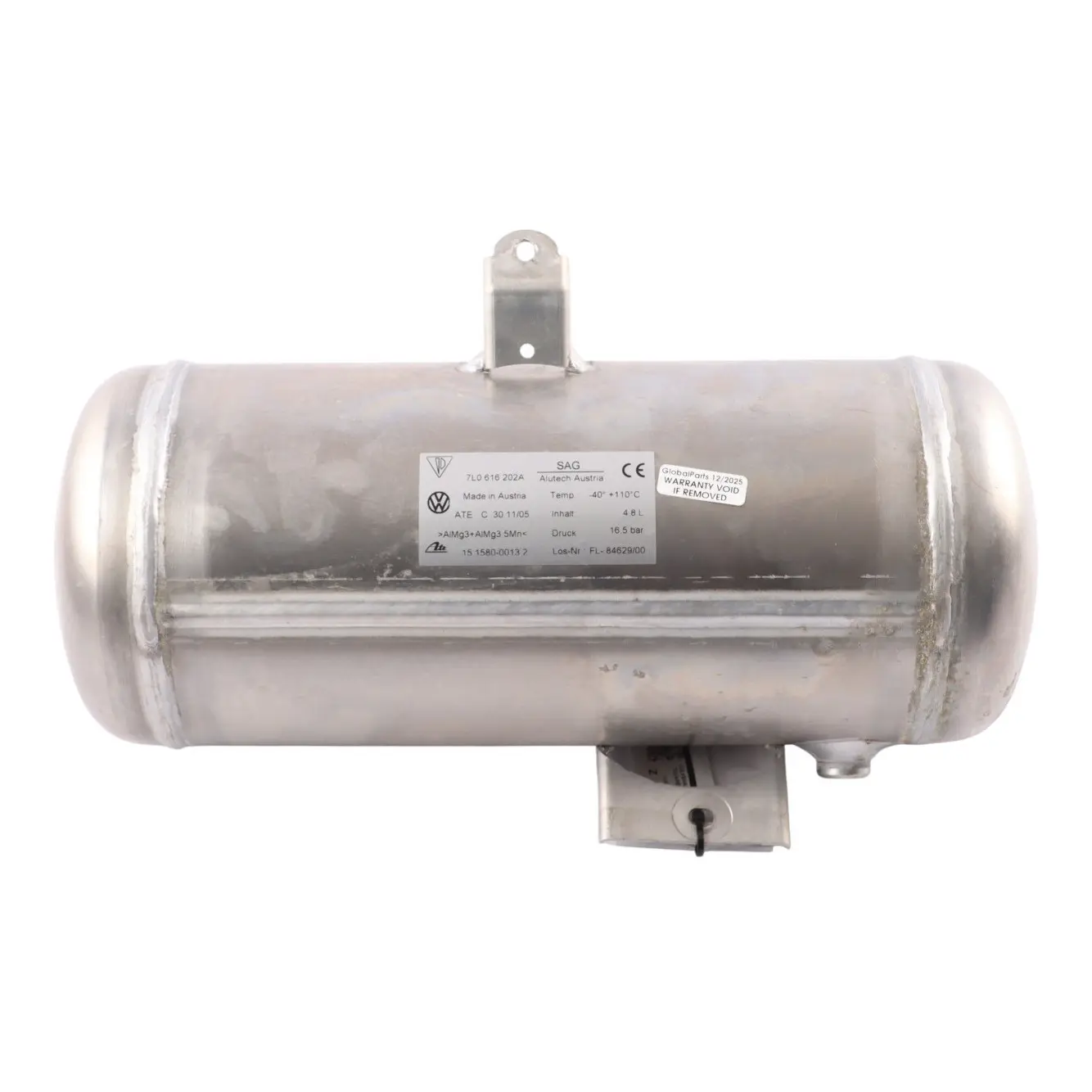
Part no. 7L0616202A
VW Touareg 7L Suspension Air Capacity Tank Cylinder Reservoir 7L0616202A
£37.95
Free delivery: Jul 08
If paid before 14:00

Part no. 4E0616571E
VW Volkswagen Phaeton 3D Light Leveling Height Sensor Rear Left N/S 4E0616572D
£23.95
Free delivery: Jul 08
If paid before 14:00
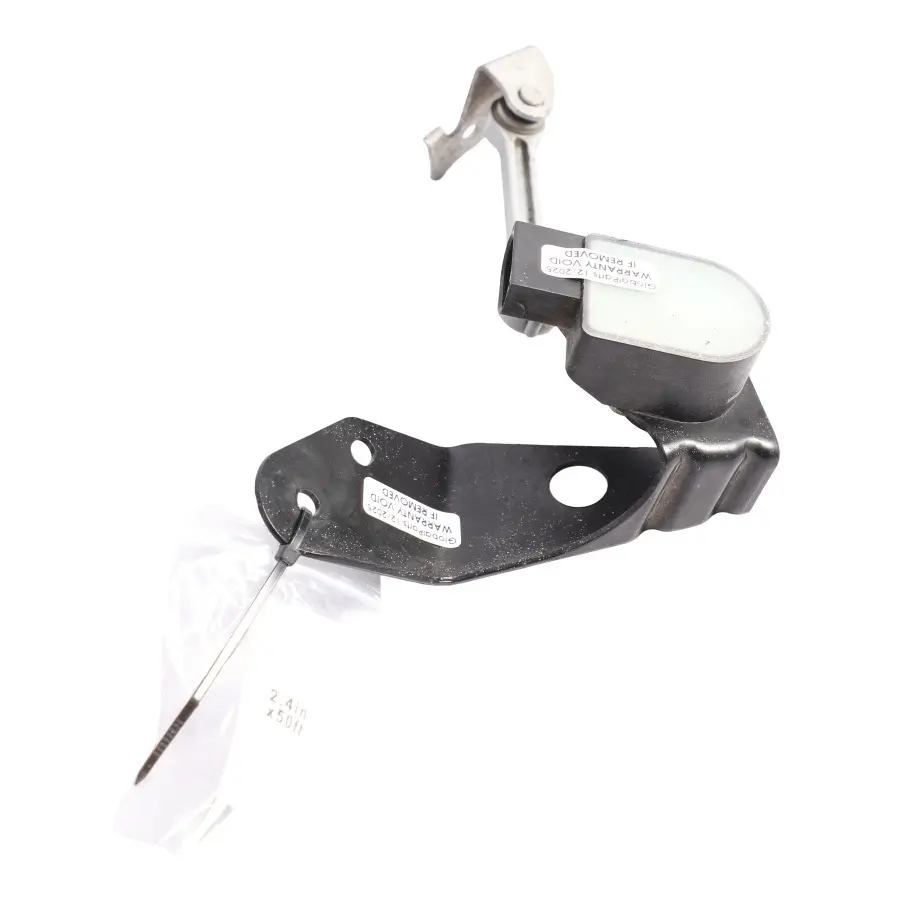
Part no. 4E0616572E
VW Phaeton 3D Audi A8 D3 Light Leveling Height Sensor Rear Right O/S 4E0616572E
£32.95
Free delivery: Jul 08
If paid before 14:00

Part no. 7L0616006D
VW Volkswagen Touareg 7L Air Suspension Compressor Pump 7L0616006D
Product currently unavailable
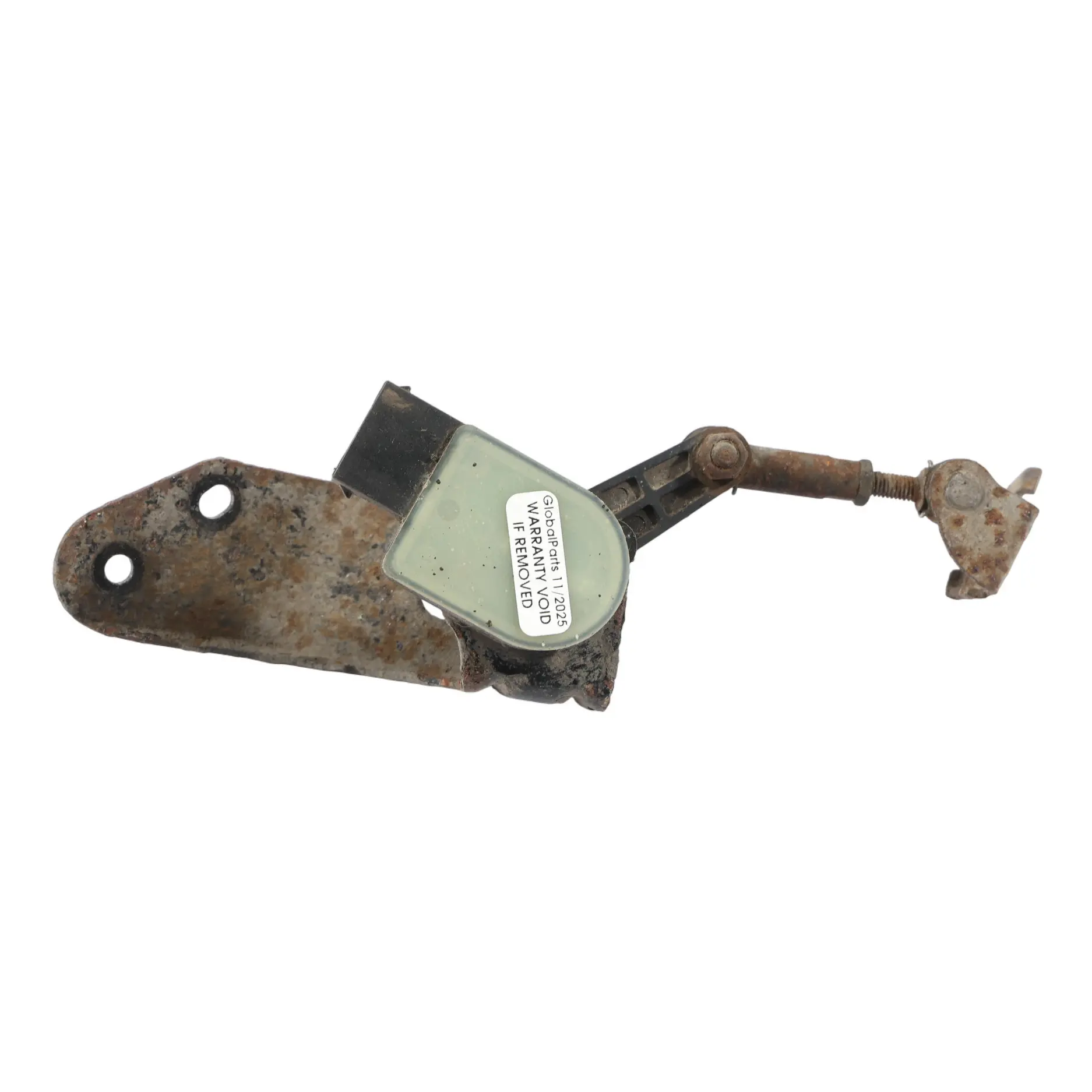
Part no. 4E0616572D
VW Volkswagen Phaeton 3D Light Leveling Height Sensor Rear Right O/S 4E0616572D
Product currently unavailable
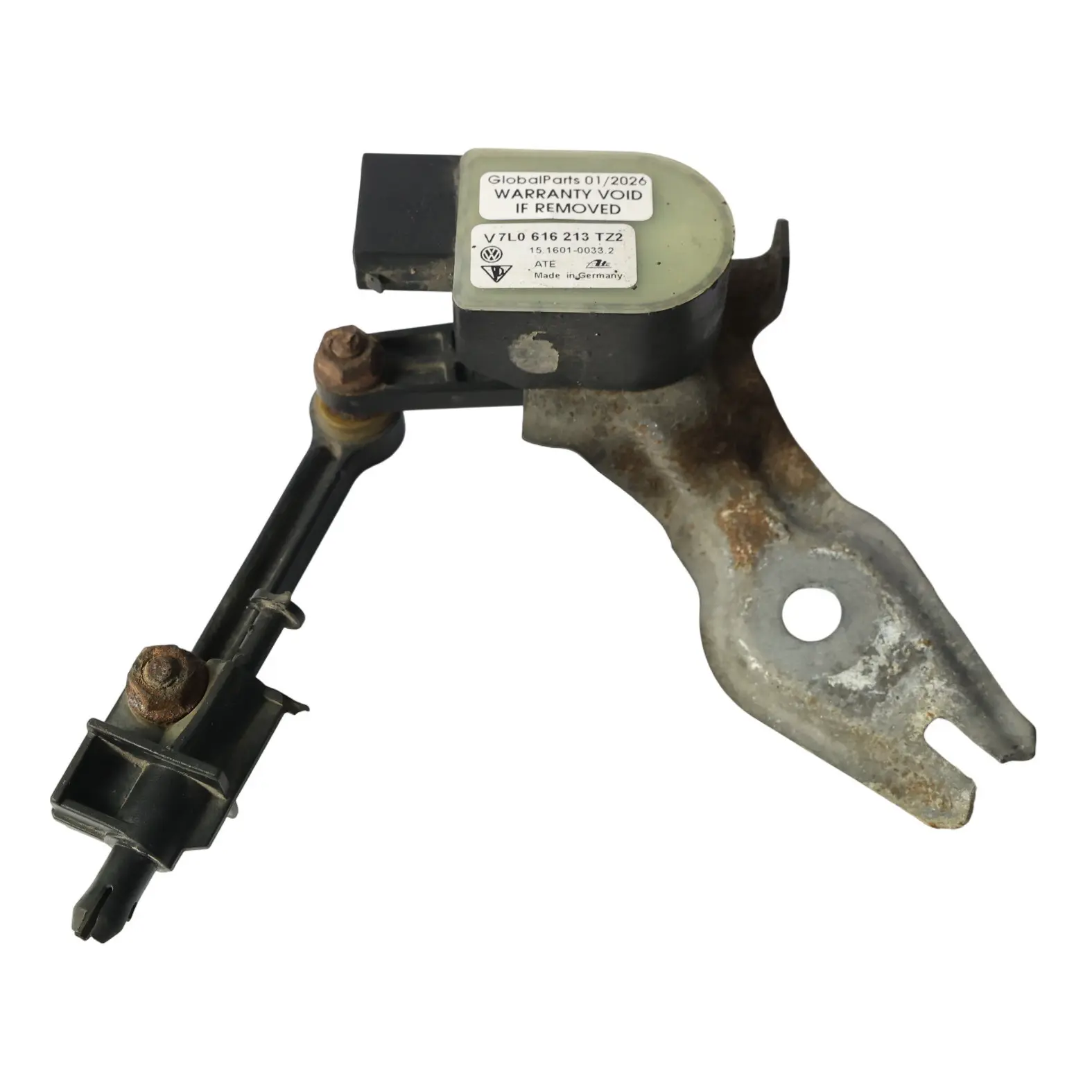
Part no. 7L0616213
Porsche Cayenne 9PA Front Air Suspension Height Level Sensor Left N/S 7L0616213
Product currently unavailable
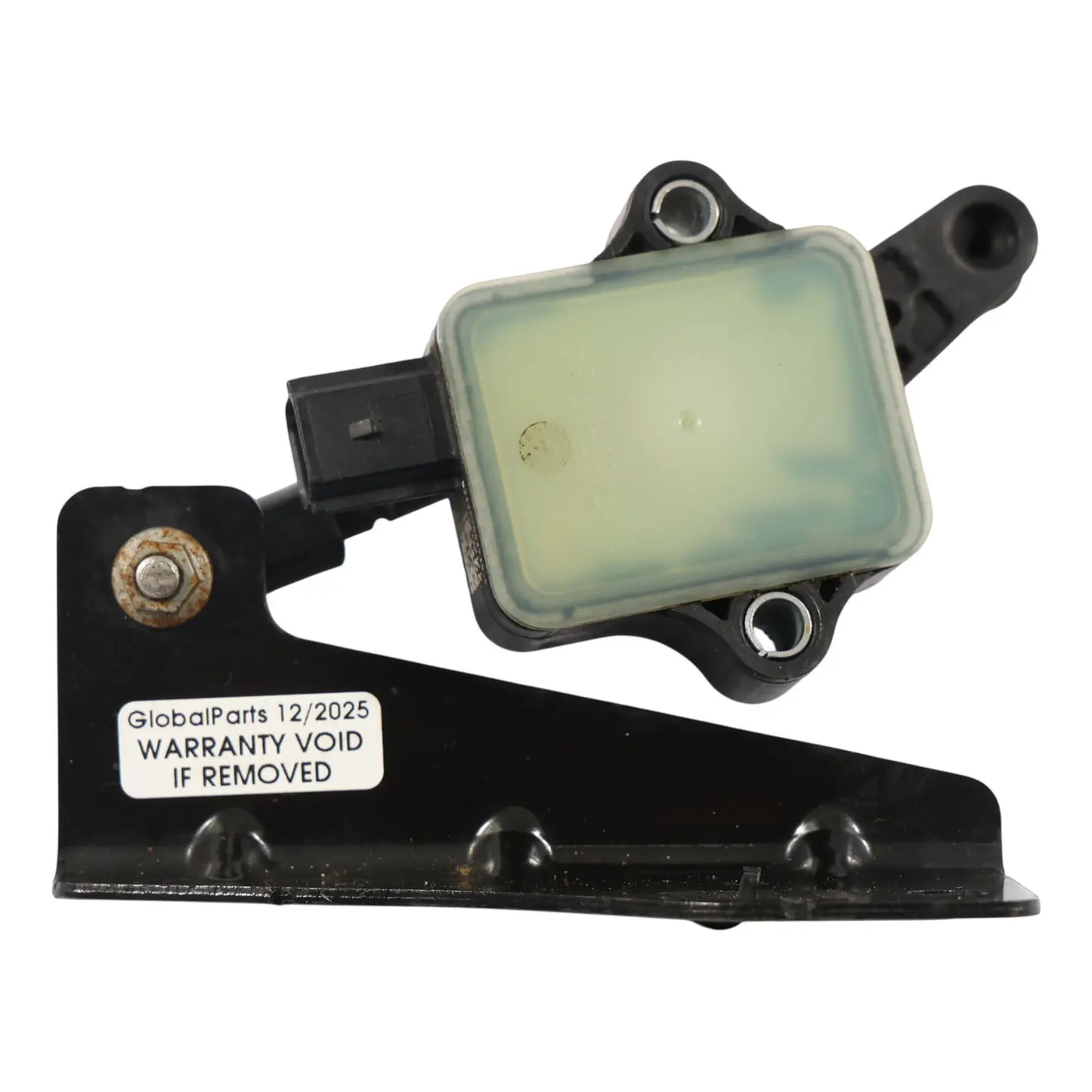
Part no. 2HJ616571
Volkswagen Amarok NF Headlight Leveling Height Sensor Front Right O/S 2HJ616571
Product currently unavailable
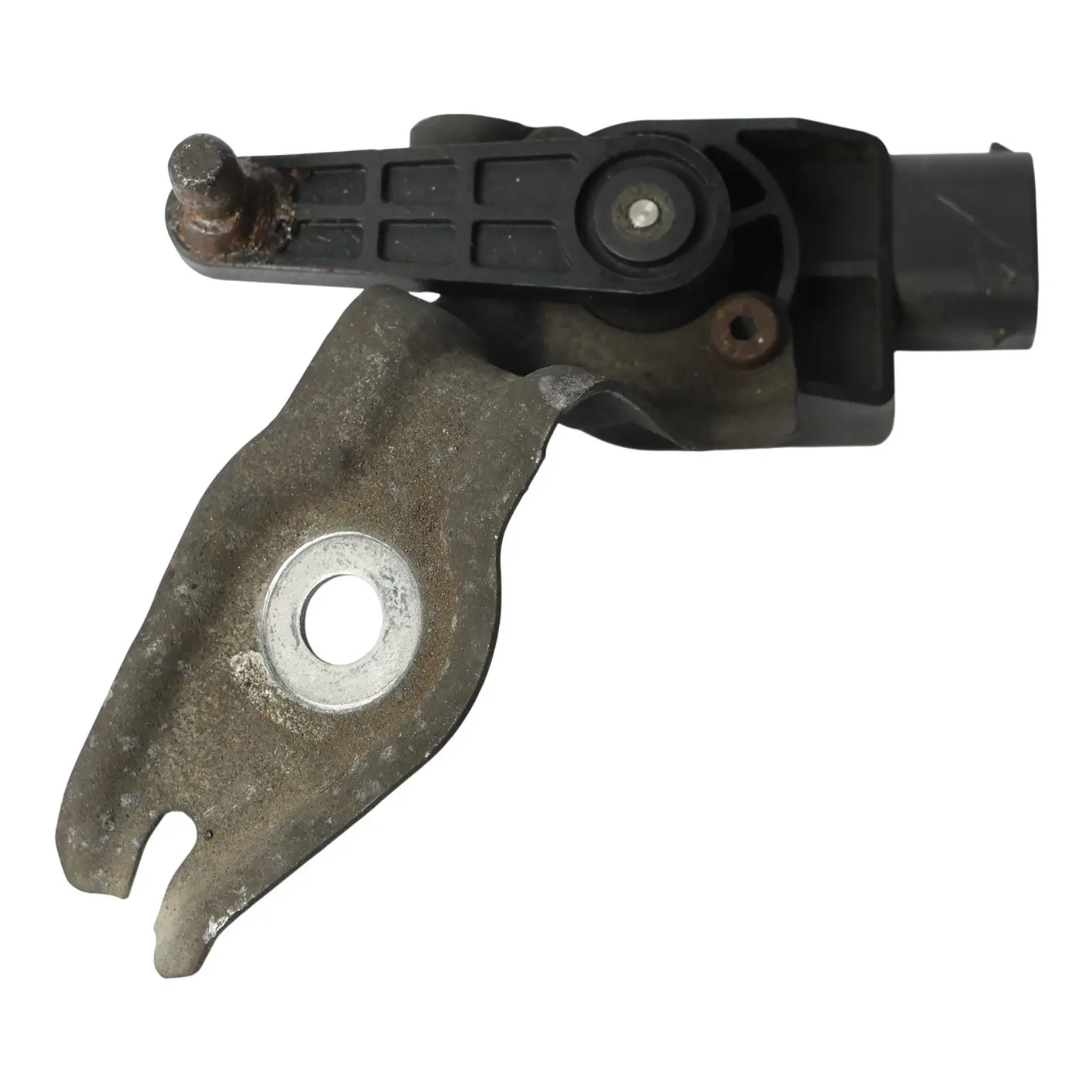
Part no. 7L0616213B
VW Touareg 7L Front Air Suspension Height Level Sensor Left N/S 7L0616213B
Product currently unavailable
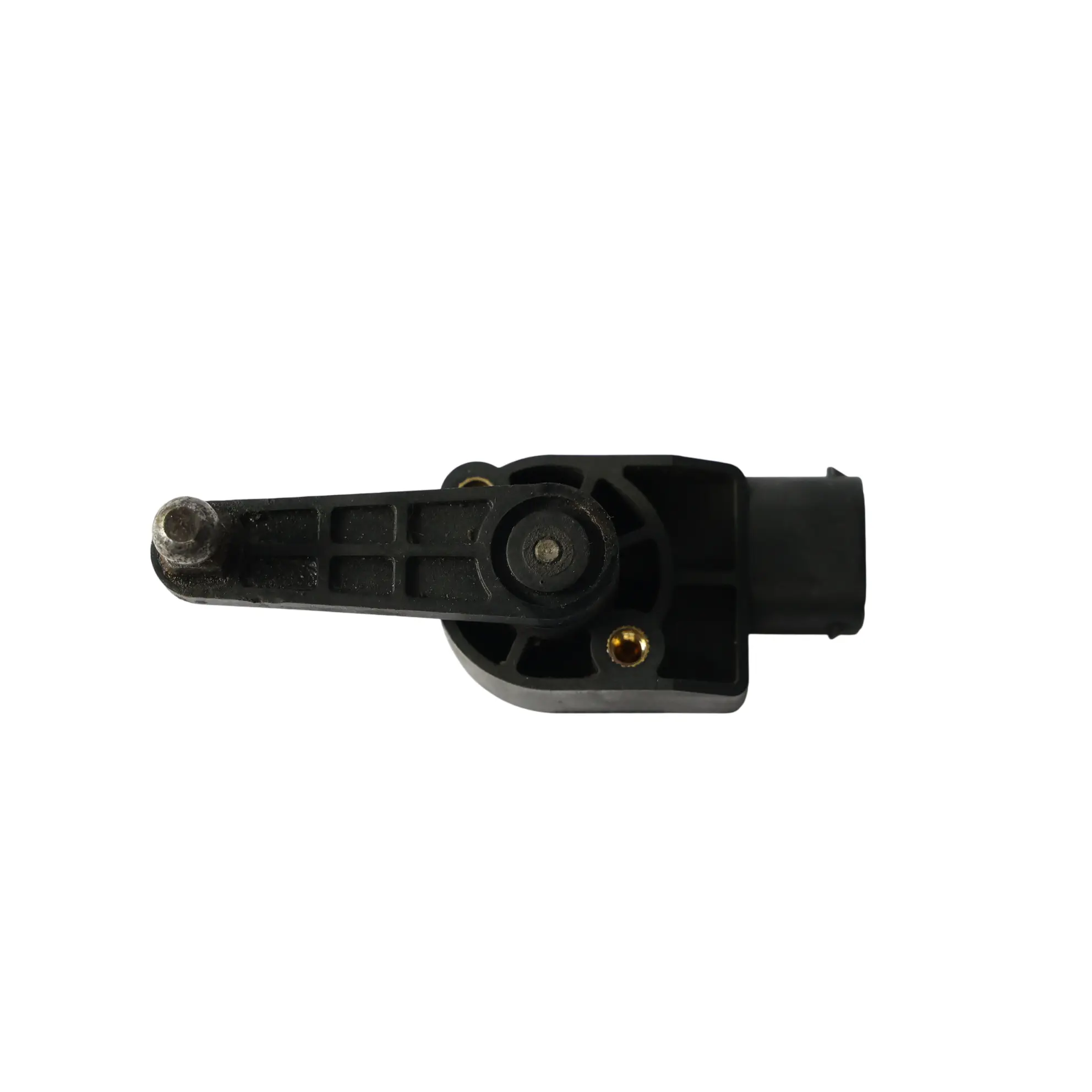
Part no. 7L0616214B
VW Touareg 7L Front Air Suspension Height Level Sensor Right O/S 7L0616214B
Product currently unavailable
Automatic suspension leveling systems for enhanced driving comfort
Automatic suspension leveling systems for premium vehicles
Automatic level control is an advanced suspension system that adjusts the vehicle's height based on its load and driving conditions. Thanks to this solution, the car remains stable, ensuring maximum comfort, safety, and improved performance. In the Global Parts automotive store, you will find a wide selection of used car parts, including automatic level control components, ideal for brands such as BMW, Audi, Mercedes, Volkswagen, and others.
What functions does automatic level control perform?
Automatic level control plays a key role in the vehicle's suspension system:
- Maintaining proper vehicle height – The system automatically adjusts the suspension level according to the vehicle's load.
- Improving stability and traction – Thanks to even weight distribution, the vehicle handles better on corners and in difficult road conditions.
- Increasing driving comfort – The system absorbs shocks and vibrations, ensuring a smooth ride.
Design and purpose of automatic level control
Automatic level control is a suspension system that works with body height sensors, actuators, and a control unit that reacts to changes in the vehicle's load. The system is designed to maintain the correct body position relative to the axles, regardless of the number of passengers or luggage. Typical parts from this category are mounted within the suspension and its accessories, and their selection requires comparing the OEM number, mounting location, and vehicle version.
Comparison of automatic level control components
| Component type | Main function | What to check before purchase |
|---|---|---|
| Compressor / system pump | Generates the pressure needed to change suspension height. | OEM number, connector type, controller compatibility, vehicle placement. |
| Leveling sensor | Reads the body position and sends data to the control system. | Mounting side, type of mount, arm length, interchangeable numbers. |
| Pneumatic line or element | Transfers the working medium between suspension components. | Connector type, tightness, line routing, compatibility with a specific car version. |
| Controller or module | Manages the entire system based on signals from sensors. | OEM part number, equipment version, coding and installation compatibility. |
Why is it worth maintaining the automatic level control system?
Wear or damage to the components of this system can lead to suspension problems and a decrease in driving comfort and safety. Typical symptoms of malfunction include:
- Vehicle sagging – One side of the vehicle may sag, indicating a failure in the leveling system.
- No reaction to load changes – The vehicle does not adjust its height to the load.
- Noise while driving – Knocking or squeaking may indicate damage to the pneumatic or mechanical components of the system.
- Warning messages – Dashboard lights may inform you about problems with level control. At Global Parts, you will find suitable used car parts that will help restore the proper operation of your suspension system.
The role of sensors and cooperating suspension components
A leveling sensor is a component that measures the body position relative to the axle and sends a signal to the control module. Its operation affects the response of the compressor, valves, and other system parts, so during diagnostics, it is worth assessing the condition of groups such as Shock absorbers and struts and Shock absorber and strut mounts. For parts such as a BMW E61 suspension compressor, it is important to compare the OEM number, connector type, and compatibility with the body version.
How to choose the right automatic level control components?
When choosing parts for automatic level control, you should pay attention to several key aspects:
- Matching the vehicle model – Each level control system has its own specific technical requirements. At Global Parts, you will find automatic level control components perfectly matched to BMW, Audi, Mercedes, Volkswagen, and others.
- Technical condition – Used parts should be free of leaks, mechanical damage, and electronic faults.
- System type – Choose the appropriate components (e.g., compressors, actuators, sensors) according to your vehicle's design.
Selecting parts by OEM, mounting location, and car version
Selecting automatic level control components should be based on product data, which helps reduce the risk of ordering errors. The most important factors are: brand, condition, OEM part number, interchangeable numbers, and placement on the vehicle. If you are looking for a component such as an E61 compressor, it is also good to compare the equipment version and whether the part works with other elements from the Suspension replacement kits group or the Suspension, steering system category.
Why choose used automatic level control components?
Used car parts, such as used automatic level control components, are a practical solution that allows for savings while maintaining high quality. By choosing used suspension components, you gain:
- Lower costs – Used components are significantly cheaper than new ones but offer equally high quality.
- Ecology – Recycling parts supports environmental protection and reduces waste.
- Wide selection – In our store, you will find used automatic level control components for the most popular car brands.
Practical symptoms of wear and system inspection during installation
The leveling system compressor is used to generate the pressure needed to lift or level the body height after a load change. During replacement, you should verify not only the element itself but also the tightness of the lines, the condition of the mounts, and sensor readings, as a fault often affects several cooperating parts. As an additional tip for operation, you can check out our guide materials, such as Car interior tuning with Global Parts, where the importance of proper selection of used components is described.
How to take care of automatic level control?
To ensure the automatic level control system works reliably for a long time, it is worth following a few rules:
- Regular inspections – Check the condition of compressors, pneumatic lines, and sensors during technical inspections.
- Maintain proper operating conditions – Avoid overloading the vehicle, which can strain the system.
- React to signs of malfunction – Warning messages or vehicle sagging may indicate the need to replace components. If replacement is necessary, at Global Parts you will find the right parts to ensure the proper operation of your automatic level control system.
FAQ
| Question | Answer |
|---|---|
| What is the design and purpose of automatic level control? | Automatic level control is a suspension system responsible for maintaining the correct body height under varying vehicle loads. The system usually consists of leveling sensors, a pressure-generating element, lines or working connections, and a controller. These parts are mounted within the suspension and its accessories, and their cooperation allows for maintaining correct geometry and vehicle stability. |
| What is automatic level control used for? | Automatic level control is used to level the vehicle height after loading or changing weight distribution. The system improves handling, reduces body roll, and supports proper suspension operation when driving with passengers or luggage. Its efficiency also affects comfort and the predictable behavior of the car on uneven surfaces. |
| What is the design and function of a suspension leveling sensor? | A suspension leveling sensor is a component that reads the body position relative to the axle and sends this information to the controller. It most often works with a measuring arm and a mount on the suspension, so its mounting side and compatibility of mounting points are important. Damage to this element can cause incorrect height adjustments or a lack of system response. |
| How to choose an automatic level control component for a specific car? | It is best to compare the OEM number, interchangeable numbers, brand, vehicle version, and the part's placement on the car. It is also worth checking the connector type, mounting method, and compatibility with equipment, as visually similar elements may differ functionally. If in doubt, matching by VIN or comparing the old part with the offer is helpful. |
| What symptoms indicate a problem with automatic level control? | The most common symptoms are one side of the vehicle sagging, slow reaction to load, uneven body height, and warning messages. In practice, unusual compressor noises or a lack of level change after loading also occur. Such signals should be compared with the condition of lines, sensors, and mounts. |
| How to maintain automatic level control components after installation? | After installation, it is worth periodically checking the system's tightness, the condition of lines, electrical connections, and mounting points. It is also good practice to react to the first signs of uneven suspension operation before the fault affects other components. Regular inspection helps maintain proper system operation and facilitates early detection of wear. |
Summary: automatic level control at the Global Parts automotive store
Automatic level control is an advanced system that increases vehicle comfort and stability in various road conditions. By taking care of its technical condition, you can improve driving safety and extend the durability of the suspension system. Global Parts offers used parts matched to many models and brands, including BMW, Audi, Mercedes, and others. Feel free to contact us – we are here to help! For more information and interesting facts, we also invite you to visit our automotive blog.