


Car electrical relays
More informationAt Global Parts, we offer a wide selection of original used car parts, including relays for many popular car brands such as BMW, Mini, Mercedes, Audi, Volkswagen, and others. The relays we offer undergo quality control to ensure you receive a top-quality product.
GB
Make
Category
Subcategory
Condition
In Stock
Price
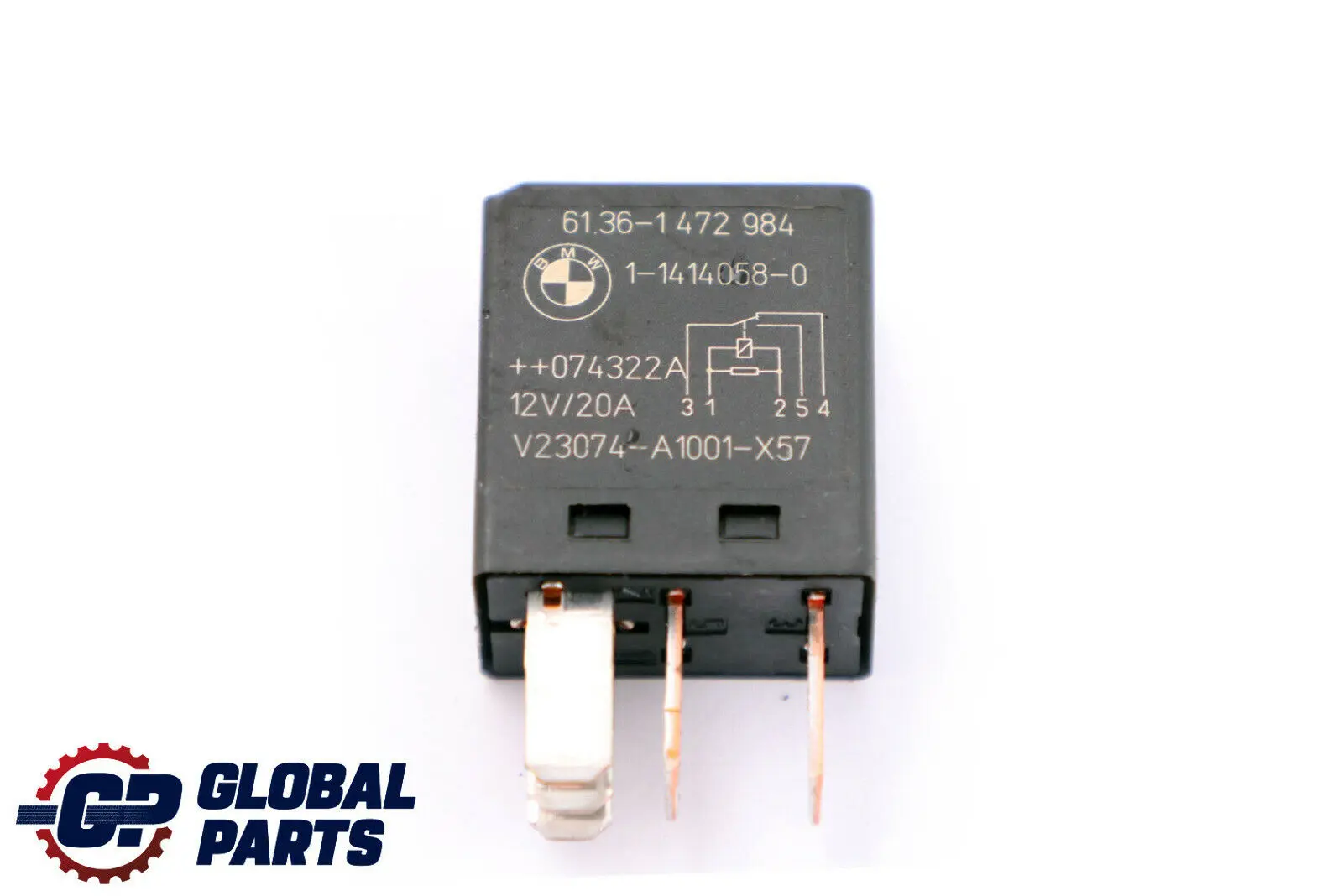
Part no. 1472984
Mini R50 R52 R53 R55 R56 R57 R58 R59 R60 R61 5-Pin Black Relay Wiper 1472984
£13.95
Free delivery: Jul 03
If paid before 14:00
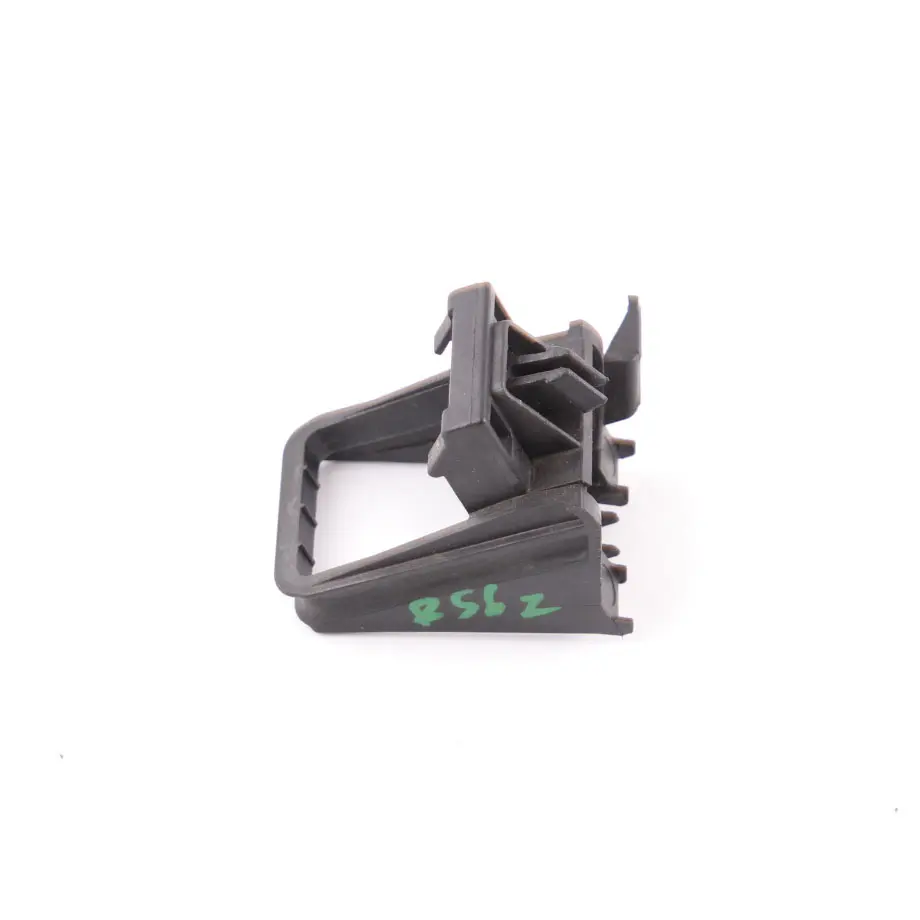
Part no. 2755650
Mounting Heater Relay Mini R55 R56 Cooper D W16 Holder Bracket Mount 2755650
£13.95
Free delivery: Jul 03
If paid before 14:00
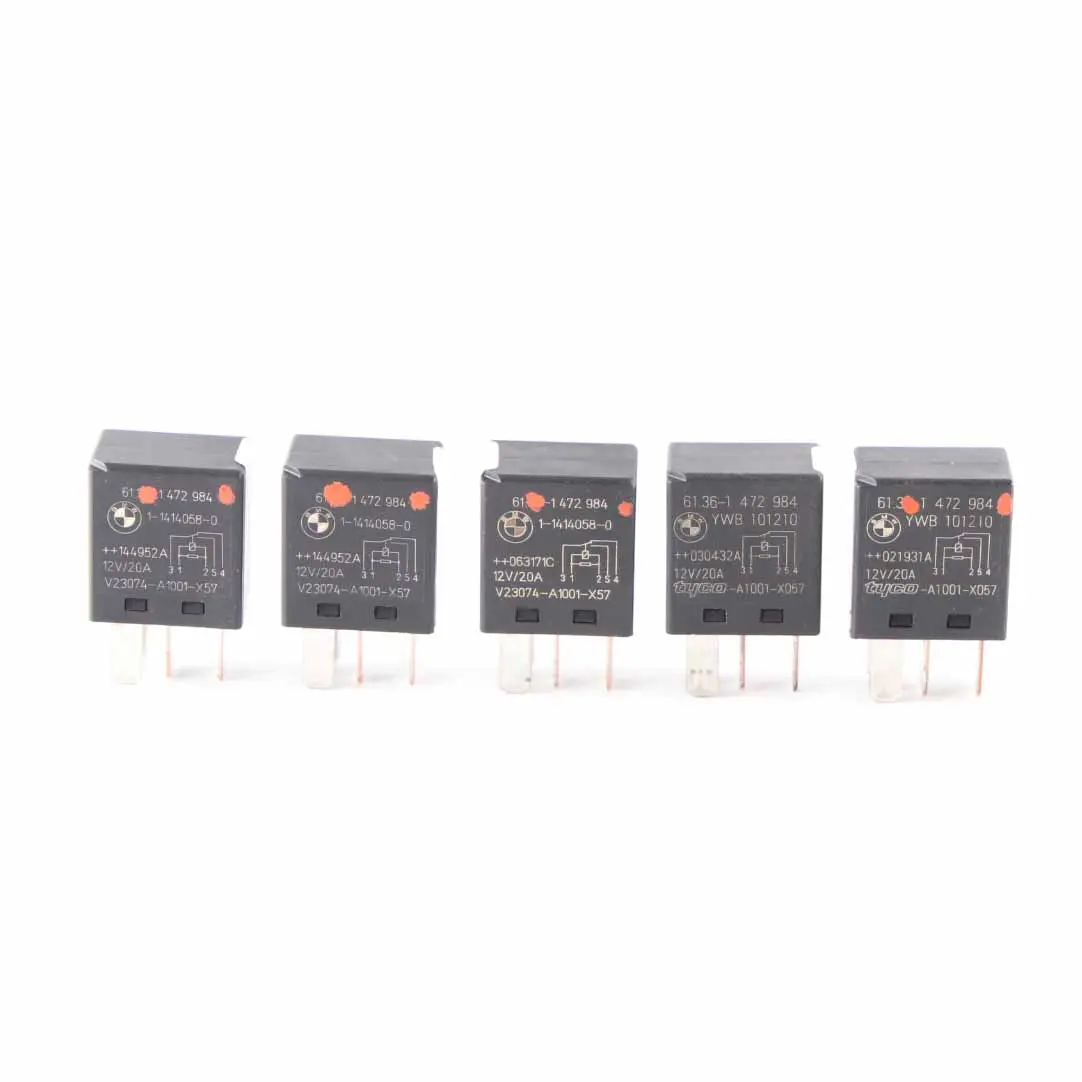
Part no. 1472984-3
Mini R50 R52 R53 R55 R56 R57 R58 R59 R60 5-Pin Black Relay Wiper Set 1472984
£13.95
Free delivery: Jul 03
If paid before 14:00
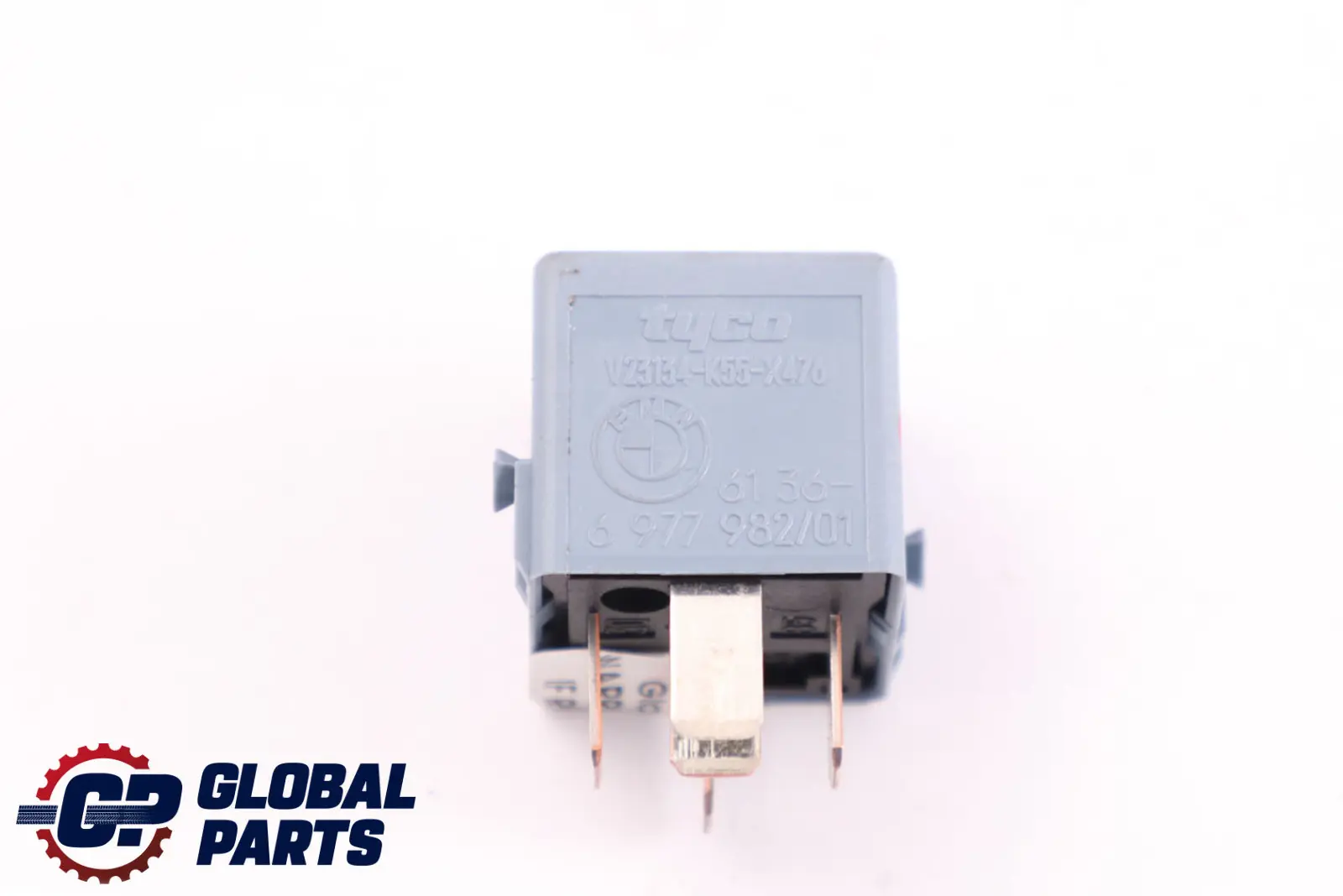
Part no. 6977982
Mini Cooper R50 R56 R57 R60 Relay No Contact Taubenblau 6977982
Product currently unavailable
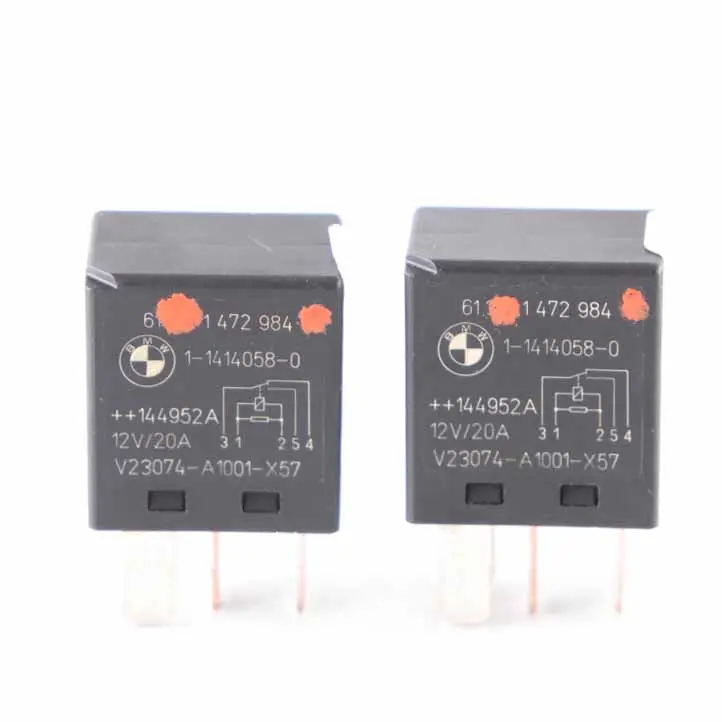
Part no. 1472984-1
Mini R50 R52 R53 R55 R56 R57 R58 R59 R60 5-Pin Black Relay Wiper Set 1472984
Product currently unavailable
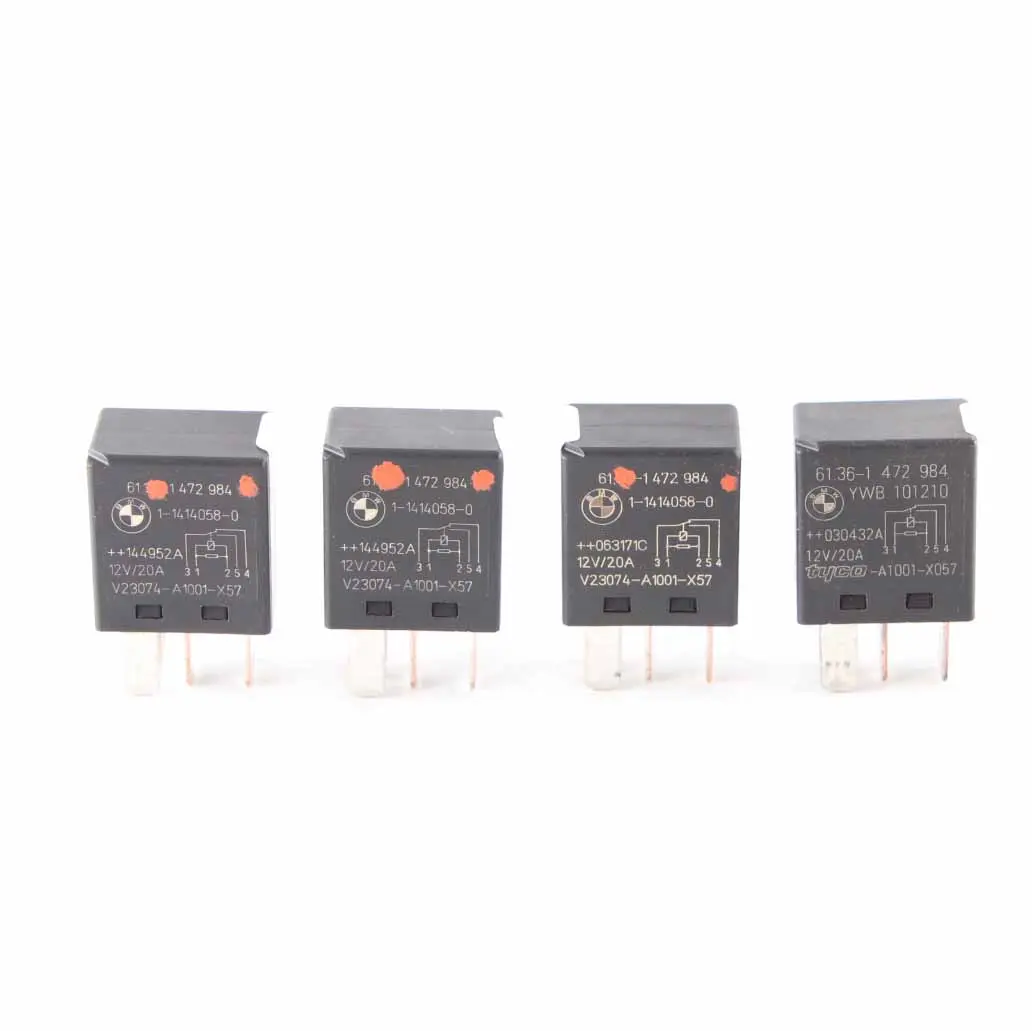
Part no. 1472984-2
Mini R50 R52 R53 R55 R56 R57 R58 R59 R60 5-Pin Black Relay Wiper Set 1472984
Product currently unavailable
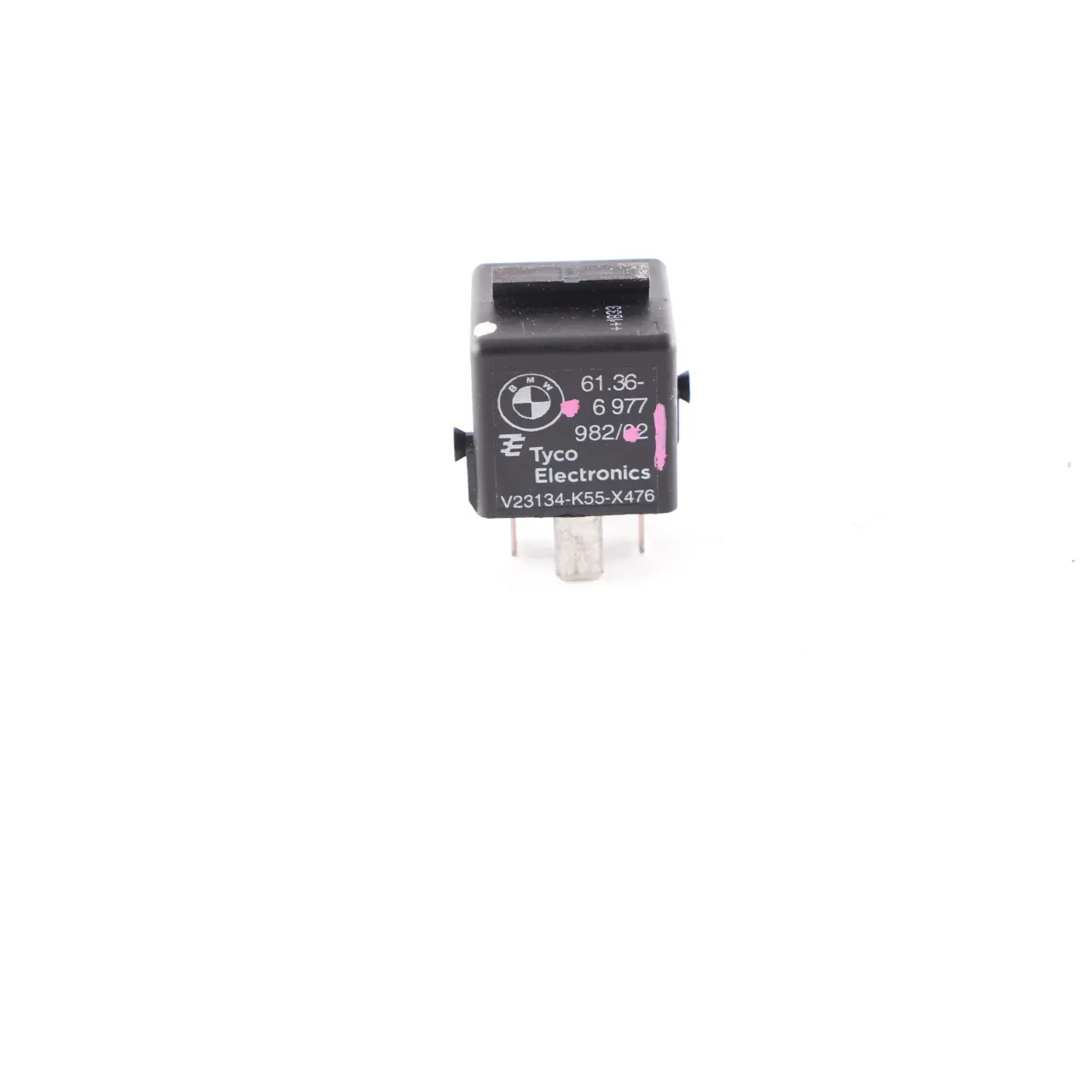
Part no. 6977982-1
Mini Cooper One R50 R53 R56 R57 R60 Relay TYCO 5 Pins Black 6977982
Product currently unavailable

Part no. 6977982-2
Mini Cooper R50 R53 R56 R57 R60 Relay No Contact Taubenblau Blue Set 2X 6977982
Product currently unavailable

Part no. 6977982-3
Mini Cooper R50 R53 R56 R57 R60 Relay No Contact Taubenblau Blue Set 4X 6977982
Product currently unavailable

Part no. 6977982-4
Mini Cooper R50 R53 R56 R57 R60 Relay No Contact Taubenblau Blue Set 5X 6977982
Product currently unavailable
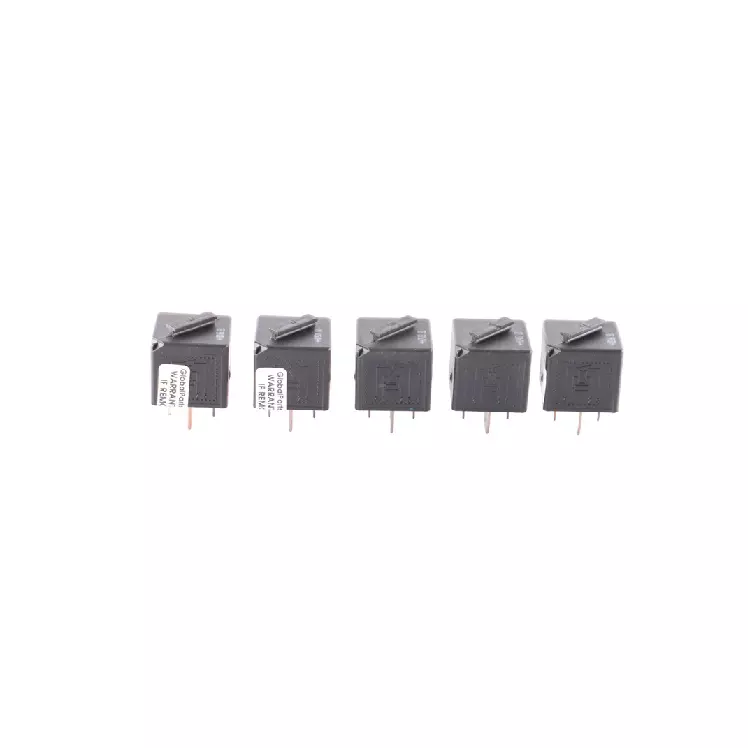
Electrical relays for stable vehicle electrical system performance
Stable and reliable relays for the car's electrical system
Relays are key components of a vehicle's electrical system that enable the control of current flow to various electrical devices, such as lights, fans, fuel pumps, or air conditioning systems. Thanks to relays, it is possible to control high electrical loads using low-voltage signals, which ensures the failure-free operation of vehicle systems. In the Global Parts automotive store, you will find a wide selection of used car parts, including relays, perfectly matched to brands such as BMW, Audi, Mercedes, Volkswagen, Mini, and others.
Construction and operation of an electrical relay in practice
An electrical relay is an electromechanical or solid-state control element that acts as a switch activated by a low-current signal. In a classic 12V automotive solution, it consists of an electromagnetic coil, a core, a movable contact (armature), and a set of power contacts (NO – normally open or NC – normally closed). After applying a control voltage (usually 12V), the coil generates a magnetic field that closes or opens the power circuit. In practice, this means the ability to control devices drawing 20A, 30A, or even 70A using a signal with a load of 0.1–0.2A. This is a huge saving for the control installation and components such as switches, comfort modules, or ECU controllers. In modern vehicles, relays work with BCM modules and CAN systems, ensuring precise adjustment of the operating parameters of the entire installation.
Construction and purpose of automotive electrical relays
Automotive electrical relays are switching elements most often mounted in electrical boxes, the engine compartment, or under the dashboard. A relay is used to separate the control circuit from the power circuit, so that the switch, controller, or body module does not have to carry the full load of the receiver. A typical component has a housing with pin markings, power contacts, a coil, and terminals with a specific layout and number of pins. When selecting, it is worth comparing the OEM number, interchangeable numbers, housing color, and contact configuration.
What functions do relays perform?
Relays play a key role in many of a vehicle's electrical systems:
- Switching high loads – They control high-power electrical devices, minimizing the risk of system overload.
- Protection of electrical systems – They reduce the load in control circuits, protecting against surges and overloads.
- Remote control – They enable the switching of devices on and off using control signals.
- System operation optimization – Thanks to relays, electrical systems operate efficiently and without interference.
Function of relays in starter, lighting, and fan circuits
A relay is used to safely switch on devices that draw more current than the switches in the cabin or controller outputs. In practice, it is responsible for supplying power to the starter, wipers, blower, fuel pump, or radiator fan exactly when a control signal appears. In the case of parts such as a BMW E46 wiper relay, you need to check the pin layout, the marking on the housing, and compatibility with the mounting location in the box. If you are looking for a component such as an Audi A6 C6 starter relay, the current capacity, OEM number, and compatibility with the engine version are key.
Types of relays and their technical parameters
Several basic types of relays are used in automotive installations:
| Relay type | Characteristics | Typical parameters | Application |
|---|---|---|---|
| Electromechanical | Classic design with mechanical contacts and an electromagnetic coil | 12V / 24V, 20–70A | Fuel pump, radiator fan, heating |
| Mini / Micro ISO | Compact housing compliant with the ISO standard | 12V, 20–30A | Low beam, horn, module control |
| Time delay relay | Switching with a (regulated) time delay | 12V, 1–30 s adjustment | Interior lighting, window heating |
| Solid-state relay (SSR) | No mechanical parts, fast switching | 12V, high switching frequency | Electronic systems, ECU controllers |
The most common contact markings are: 30 (power supply), 85 and 86 (coil), 87 (NO contact), 87a (NC contact). Relay matching should take into account voltage compatibility (12V in passenger cars, 24V in trucks), maximum operating current, and contact configuration.
Comparison of relay variants used in cars
| Variant | What to check | Construction and connector | Typical application |
|---|---|---|---|
| Standard 4-pin | OEM number, 30/85/86/87 layout, installation voltage | One pair of power contacts, no 87a contact | Pumps, lights, fans |
| Switching 5-pin | Presence of 87a contact, pin compatibility with the box | Additional NC contact, same housing or similar format | Circuits switching two operating paths |
| Mini or Micro ISO | Housing size, socket type, color and markings | Compact format, depends on the car manufacturer | Modern electrical boxes |
| Time delay or specialized | Delay function, description on housing, control compatibility | Extended electronics inside the housing | Window heating, wipers, comfort modules |
Why is it worth taking care of relays?
A faulty relay can lead to problems with the operation of electrical devices and reduce the reliability of the vehicle's electrical system. Typical symptoms of failure include:
- No response from electrical devices – Lights, fans, or fuel pumps do not work despite functional components.
- Irregular operation – Devices turn on and off randomly.
- No control signal – A damaged relay does not transmit current to the controlled device.
- Relay overheating – May indicate an overload or internal damage. In case of replacement, at Global Parts you will find suitable used parts that will restore the full functionality of the electrical system.
Symptoms and dependencies with other installation elements
In practice, an electrical relay works directly with fuses, control modules, temperature sensors, and the electrical harness. For example, the fuel pump relay in many BMW or Volkswagen models activates only after receiving a signal from the crankshaft position sensor. In the case of a radiator fan, the relay reacts to a signal from the coolant temperature sensor (usually at 92–105°C). Proper parameter matching (e.g., 40A instead of 30A in the fan circuit) ensures operational stability, optimization of current flow, and reduction of voltage drops. This is also important when upgrading LED lighting or installing additional accessories, where load compatibility is of key importance.
Dependencies between relays and cooperating elements
A relay socket is a part of the installation where the control element is seated and from which power is routed to the receiver. The socket works with contacts, pins, wires, and circuit protection, so during diagnosis, you must evaluate not only the relay itself but also the condition of fuses and fuse boxes as well as wires, harnesses, and connectors. When completing a repair for a specific model, e.g., E36 relays, it is good to verify the layout in the box, manufacturer markings, and compatibility with the equipment version. For more complex systems, it is also worth comparing cooperation with electronic control modules and controllers.
How to choose the right relays?
When choosing relays, you should pay attention to several key aspects:
- Vehicle model fitment – Every electrical system has its specific technical requirements. At Global Parts, you will find relays perfectly matched to BMW, Audi, Mercedes, Volkswagen, Mini, and others.
- Electrical parameters – Check the operating voltage, maximum current, and control circuit specification.
- Technical condition – Used relays should be fully functional and free from signs of overheating or mechanical damage.
Criteria for selecting relays according to OEM and mounting parameters
Selecting a relay involves comparing not only voltage and capacity but also the OEM part number, interchangeable numbers, and housing type. Product offers may contain data such as brand, condition, OEM part number, interchangeable numbers, and color, which makes it easier to match to a specific mounting location. For power supply and charging systems, it is worth checking the connection with alternators and generators, especially when the fault manifests as voltage drops or unstable switching of receivers. Complementing the knowledge about cost-effective selection of original parts from dismantling is the article Most popular repairs in Ford cars: why cheap replacements are a false economy and it is better to choose a used original?.
Step-by-step relay matching procedure
- Check the installation voltage (usually 12V).
- Verify the maximum device current (e.g., radiator fan 25–40A).
- Determine the contact configuration (NO/NC).
- Match the housing size (Mini ISO, Micro ISO).
- Compare pin markings (30/85/86/87). This approach allows for maintaining full compatibility with the electrical installation and ensures proper assembly without the need for wiring harness modifications.
Why is it worth choosing used relays?
Used car parts, such as used relays, are an economical solution that allows for savings while maintaining high quality. By choosing used electrical system components, you gain:
- Lower costs – Used relays are significantly cheaper than new ones but offer equally high quality.
- Ecology – Recycling parts supports environmental protection and reduces waste.
- Wide offer – In our store, you will find Automotive electrical relays for the most popular car brands.
How to take care of relays?
To ensure relays work reliably for a long time, it is worth following a few rules:
- Regular inspection – Check the condition of relays during technical inspections.
- Clean connections – Take care of the proper condition of connectors and wires to avoid current flow interference.
- Avoid overloads – Use relays with appropriate parameters for a given electrical system.
- Replace on time – Damaged or worn relays should be replaced to prevent problems with the operation of electrical devices.
FAQ
| Question | Answer |
|---|---|
| What is the construction and purpose of automotive electrical relays? | Automotive electrical relays are elements controlling current flow in the vehicle's installation. A typical relay consists of a housing, a coil, power contacts, and pins with a specific layout, and its location is usually in the fuse box or engine compartment. The task of this component is to separate the control circuit from the circuit powering a device with a higher current draw. |
| What are automotive electrical relays used for? | Relays are used to switch electrical receivers on and off without overloading switches, the ignition switch, or the controller. They enable the operation of systems such as the starter, fuel pump, wipers, radiator fan, or window heating. Without a properly selected relay, the circuit may operate unstably, and connectors and wires are more exposed to overheating. |
| What is the construction and function of a relay socket? | A relay socket is a part of the installation where the relay is seated and to which power and control wires are routed. It consists of a body and contacts corresponding to the pin layout of a given relay. Its function is to ensure a secure electrical connection, proper seating of the component, and easy removal during diagnostics or replacement. |
| How to choose a relay for a specific car? | It is best to compare the OEM number, interchangeable numbers, pin layout, installation voltage, and current capacity. It is also worth checking the car brand, engine version, mounting location, and type of electrical box. If the part has a specific housing color or non-standard marking, these features also help avoid mistakes. |
| What symptoms indicate wear or damage to a relay? | Typical symptoms include no response from the receiver, random switching of the device, excessive heating of the housing, or characteristic clicking without the system working. Sometimes the fault manifests only under load when the contacts are burnt or weakened. In diagnostics, it is also worth checking the fuse, power on the pins, and the condition of the socket. |
| What should be paid attention to when installing a relay? | Before installation, verify the compliance of pin markings and the direction of seating in the socket. It is also important to clean the contacts, check the wires, and ensure that the circuit has no short circuit or excessive current draw. Proper installation should not require harness modifications if the part has been selected according to the OEM number and vehicle version. |
Summary: automotive electrical relays in the Global Parts store
Relays are essential elements of the electrical system that control the operation of many devices in the vehicle. In the Global Parts offer, you will find used components matched to cars of brands such as Mercedes, BMW, Volkswagen, and others, taking into account data important for selection, such as condition, OEM part number, interchangeable numbers, or color. This makes it easier to compare the component with the part dismantled from the car and select the right variant for a specific installation. We invite you to contact us – we are here to help you! For more information and interesting facts, we also invite you to our automotive blog.