


Pipes & Hoses
GB
Make
Category
Condition
In Stock
Price
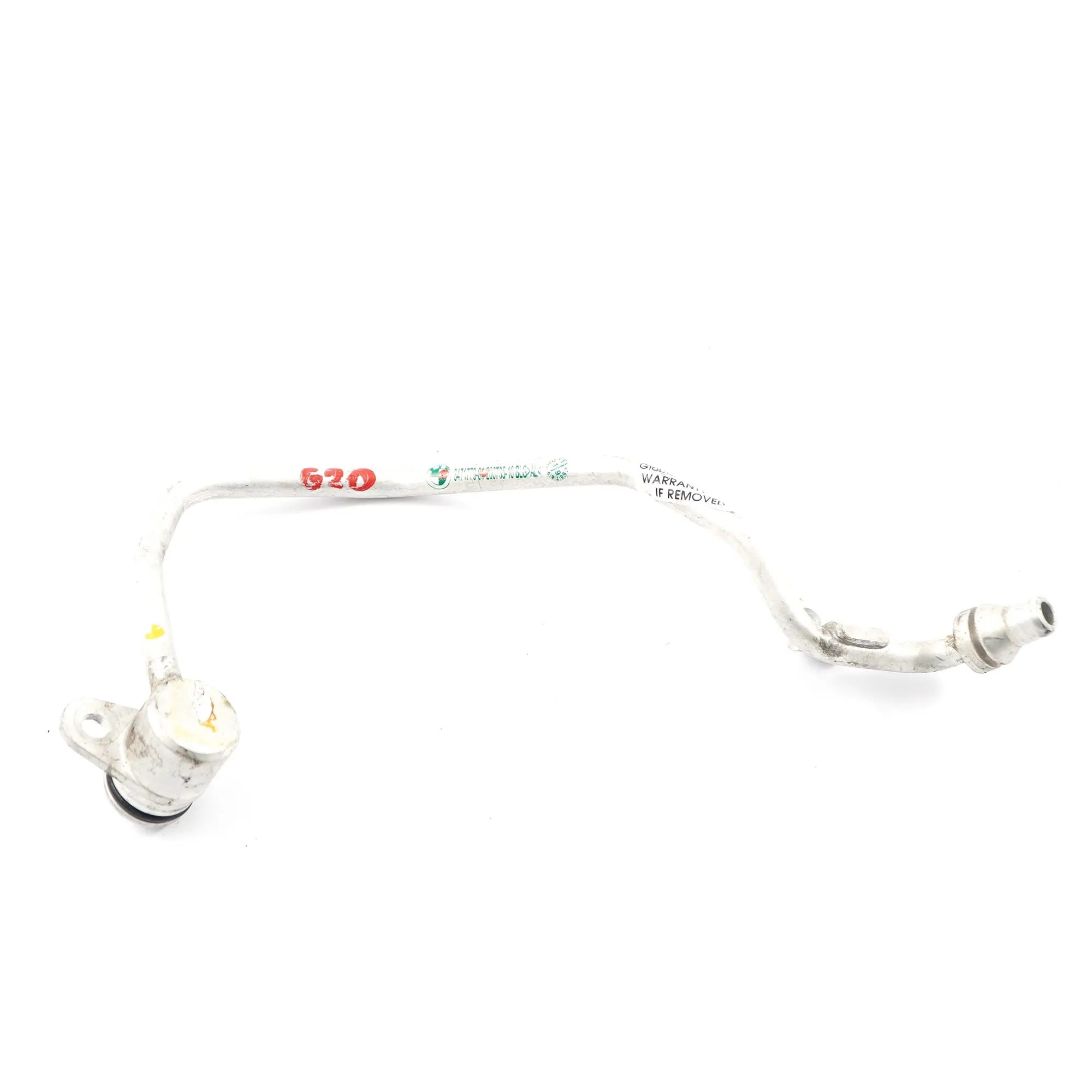
Pipes & Hoses
In the Global Parts automotive store, you will find a wide selection of used car parts, compatible with brands such as Mini, Unbranded, BMW, and others. The Hoses and pipes category includes components responsible for transporting fluids or gases in a vehicle, installed in systems such as cooling, intake, ventilation, and auxiliary circuits. A typical hose can be made of rubber, plastic, or composite material, and its compatibility should be verified by OEM number, diameter, mileage, type of ends, and mounting location.
Construction and purpose of hoses and pipes
Hoses and pipes are parts responsible for the safe transport of media between vehicle components. They are used to convey coolant, air, vapors, or fuel, depending on the vehicle's design and the specific system. This group contains elements with various profiles, flexibility, and diameters; therefore, when selecting them, it is important to consider not only dimensions but also the shape of elbows, the presence of quick-connectors, clamps, and fittings that interface with radiators and other circuit components.
Comparison of hose and pipe variants
| Component type | Application | Typical construction | What to check before purchase |
|---|---|---|---|
| Cooling hose | Fluid circulation between engine, radiator, and reservoir | Rubber or plastic, often with an elbow and clamps | OEM number, diameter, mileage, top/bottom position, connector type |
| Ventilation hose | Vapor extraction or system pressure equalization | Thinner flexible hose, sometimes with a valve or tee | Length, diameter, routing direction, and mounting points |
| Intake hose | Air supply to the engine or accessories | Corrugated plastic or rubber with sensor sockets | Engine compatibility, presence of branches, connectors, and seals |
The role of hoses in system operation and related components
A car hose is designed to maintain a sealed connection between components operating at specific temperatures and under varying pressure. Its condition affects the proper flow of the medium and the interaction with parts such as thermostats and housings, water pumps, or expansion tanks. Signs of wear may include material degradation, micro-cracks at the ends, leaks at the clamp, or traces of previous repairs.
Selecting the right variant for your vehicle version
When choosing an item such as a BMW E90 intercooler hose, you must compare the OEM number, connection diameter, bend layout, and compatibility with the specific engine version. When completing a repair for a specific model, e.g., BMW E46, it is worth checking if the hose fits the fuel type, accessory type, and fitting arrangement. If you are looking for a component such as a Mini Cooper R50 radiator hose, mounting points, position in the engine bay, and the presence of additional outlets for thinner auxiliary hoses are also important. In practice, it is worth comparing the manufacturer's marking, the OEM part number, and interchangeable numbers if available with the product. It is also helpful to check the fuel type, body version, and part location, as hoses with a similar appearance may differ in their end fittings, working length, or internal diameter. A useful supplement to this verification is reading the article Most popular repairs in Ford cars: why cheap replacements are a false economy and it is better to choose a used original?, which shows how to approach the selection of original parts sensibly.
FAQ
| Question | Answer |
|---|---|
| What is the construction and purpose of hoses and pipes? | Hoses and pipes are components connecting vehicle parts in systems transporting fluids, air, or vapors. A typical element consists of a flexible body, end fittings matched to connectors, and sections interfacing with clamps, quick-connectors, or seals. They are installed, among other places, in the engine bay, near the radiator, expansion tank, and intake system. |
| What are hoses and pipes used for? | Hoses and pipes are used to maintain a sealed flow of media between interacting vehicle parts. Thanks to them, the cooling system can transfer fluid, the intake supplies air, and auxiliary hoses extract vapors or equalize pressure. Damage to such a component can lead to leaks, reduced system efficiency, and problems with the proper operation of accessories. |
| What is the construction and function of a connection fitting? | A connection fitting is a rigid connection point onto which a hose or pipe is slid. It serves to stably seat the component and maintain a sealed connection using a clamp, latch, or quick-connector. Its shape, diameter, and working length are important for correct installation and compatibility with the given system. |
| How to select hoses and pipes for a specific car version? | The safest way is to compare the OEM number, interchangeable number, fuel type, and mounting location. It is also worth verifying the hose routing, shape of elbows, diameter of ends, and the presence of additional outlets. For visually similar elements, the engine version and equipment level also matter. |
| What symptoms indicate wear of a pipe or hose? | Most commonly, these are cracks, degraded surface, leaks at clamps, deformations, and signs of abrasion. In intake hoses, leaks may also appear at bends and sensor sockets. Before installation, it is worth inspecting the condition of the material along the entire length, not just at the ends. |
| What parameters should be considered before installation? | You must check the compatibility of the diameter, type of ends, number of branches, and mounting layout. The condition of the material, the routing of the hose, and the fit to adjacent components are also important. If the part works with clamps or seals, it is also good to compare the contact surface and connection type. |
Summary: hoses and pipes in the Global Parts automotive store
In the Hoses and pipes category, there are elements used in many vehicle systems, requiring a precise comparison of the OEM number, mileage, type of ends, and mounting location. In the Global Parts offer, you will find parts compatible with cars from brands such as Mini, Unbranded, BMW, as well as Mercedes, Vespa, and others. This is a good category for those who are completing a repair of the cooling system, intake, or auxiliary lines and want to select a part based on specific technical data of the product. We invite you to contact us – we are here to help you! For more information and interesting facts, we also invite you to visit our automotive blog.