


Mufflers & Resonators
More informationAt the Global Parts automotive store, we offer a wide selection of original used car parts, including mufflers and resonators for many popular car brands such as BMW, Mini, Mercedes, Audi, Volkswagen and others. The mufflers and resonators we offer undergo quality control so that you can be sure that you are receiving a top-class product.
GB
Make
Category
Subcategory
Condition
In Stock
Price
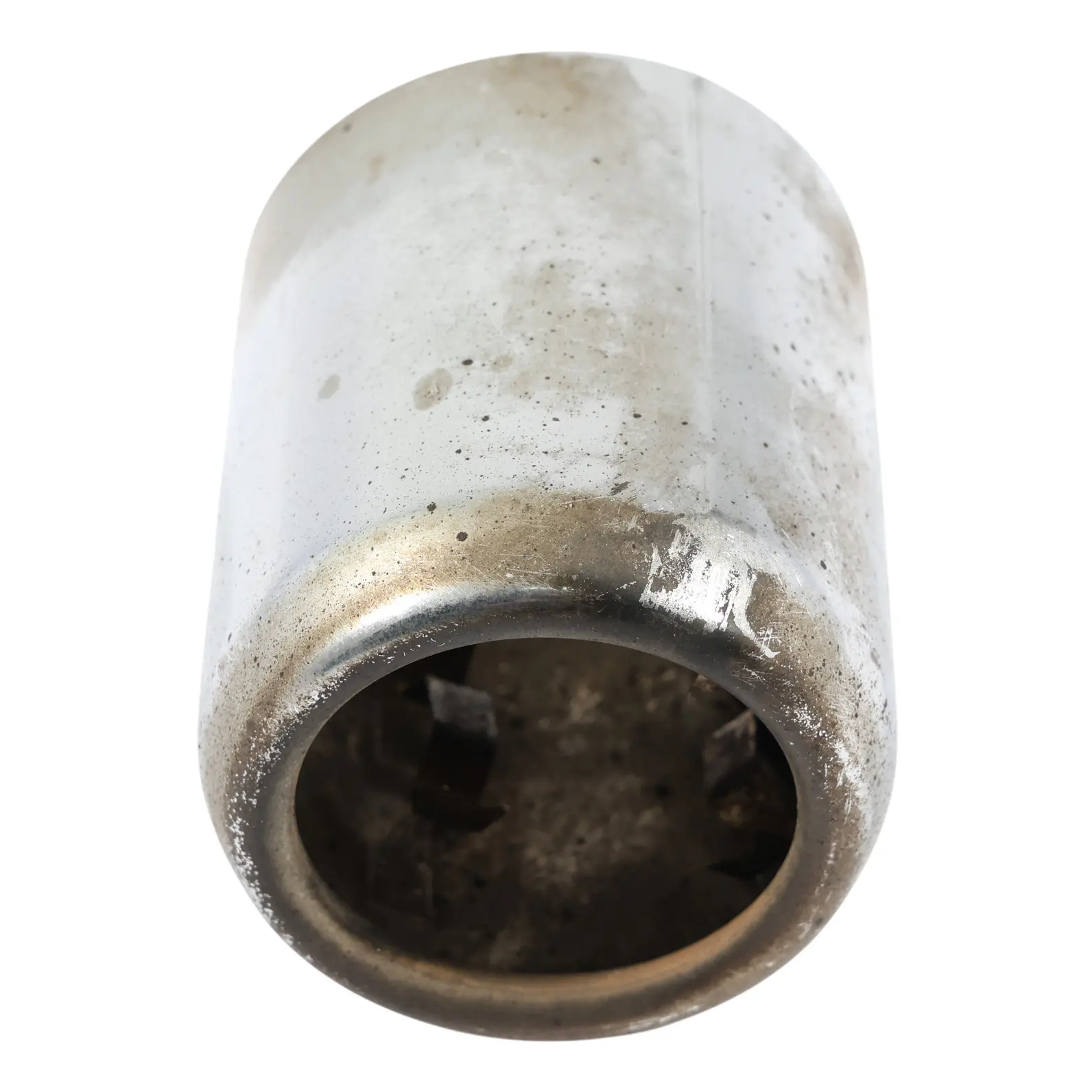
Part no. 8654203-1
Mini Cooper One F54 F55 F56 F57 F60 Exhaust Tip Muffler Pipe Chrome 8654203
£32.95
Free delivery: Jul 03
If paid before 14:00
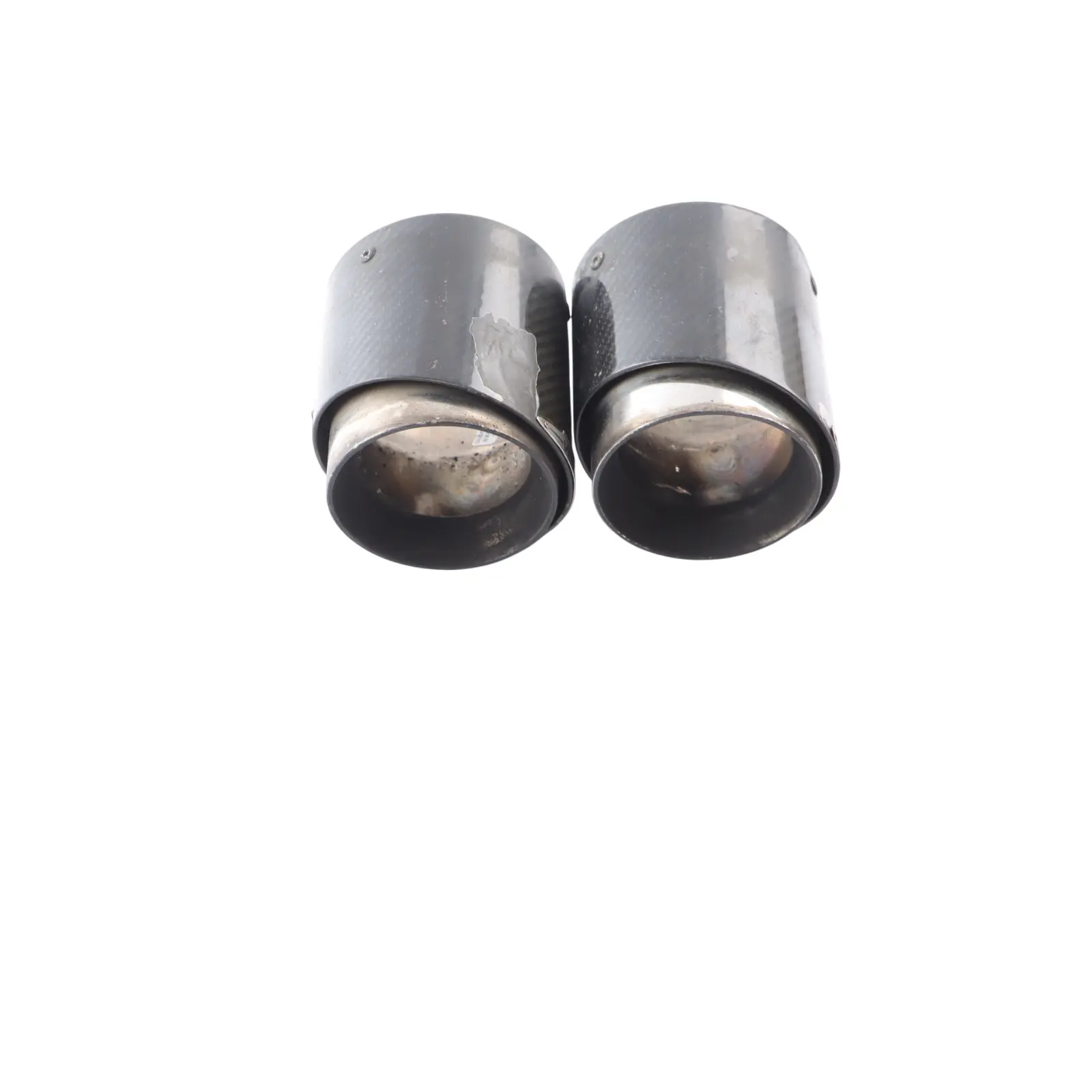
Part no. 2468715
Mini F56 Rear Bumper Muffler Tailpipe Exhaust End Tip Cover Carbon Set 2468715
£142.95
Free delivery: Jul 6 – 13
If paid before 14:00
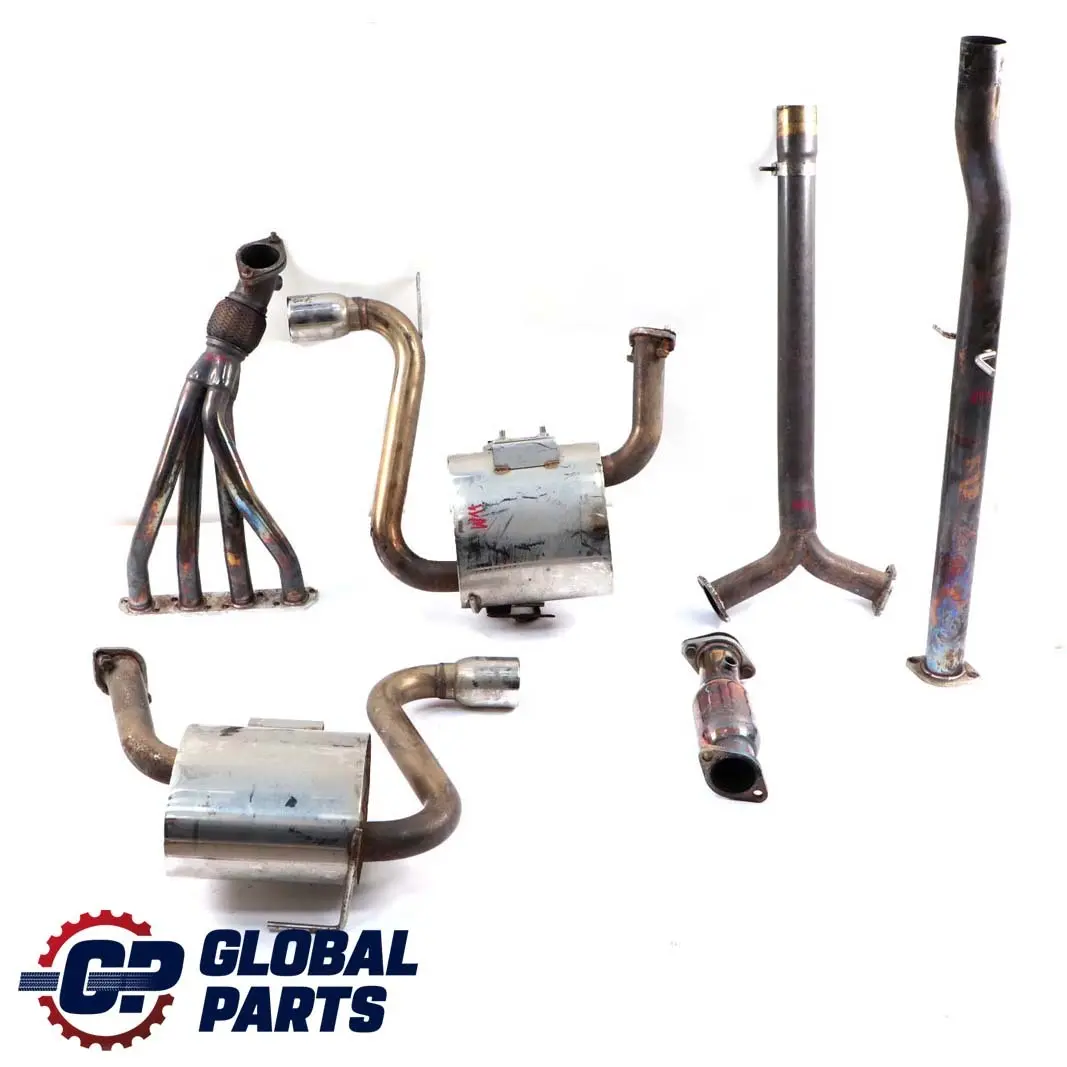
Part no. R53 Exhaust Kit
BMW Mini R53 Cooper S Rear Sport Exhaust Manifold Silencer Muffler Back Box Kit
Product currently unavailable
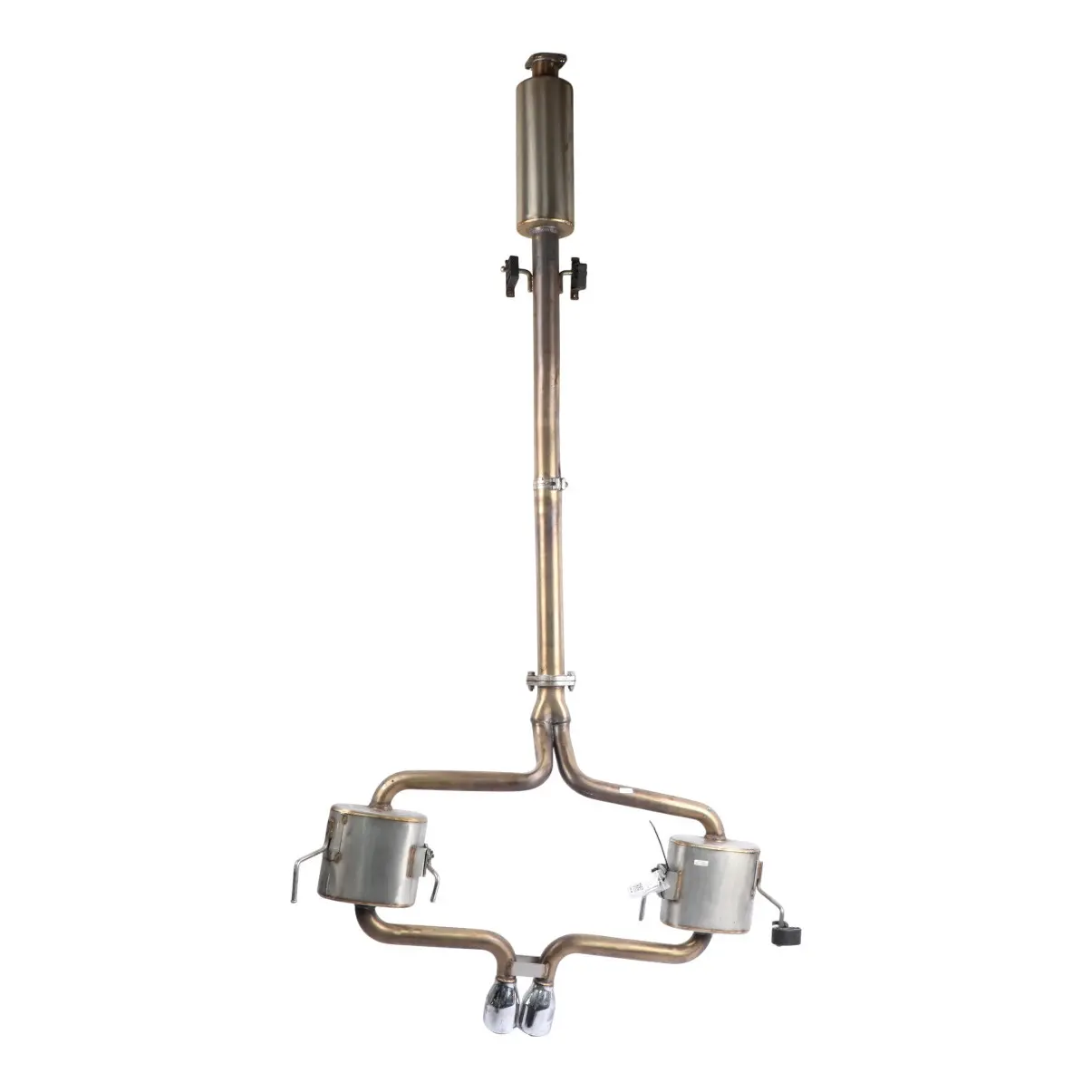
Part no. 0301875
Mini R53 JCW Cooper S Exhaust System Rear Silencer Back Box Muffler 0301875
Product currently unavailable
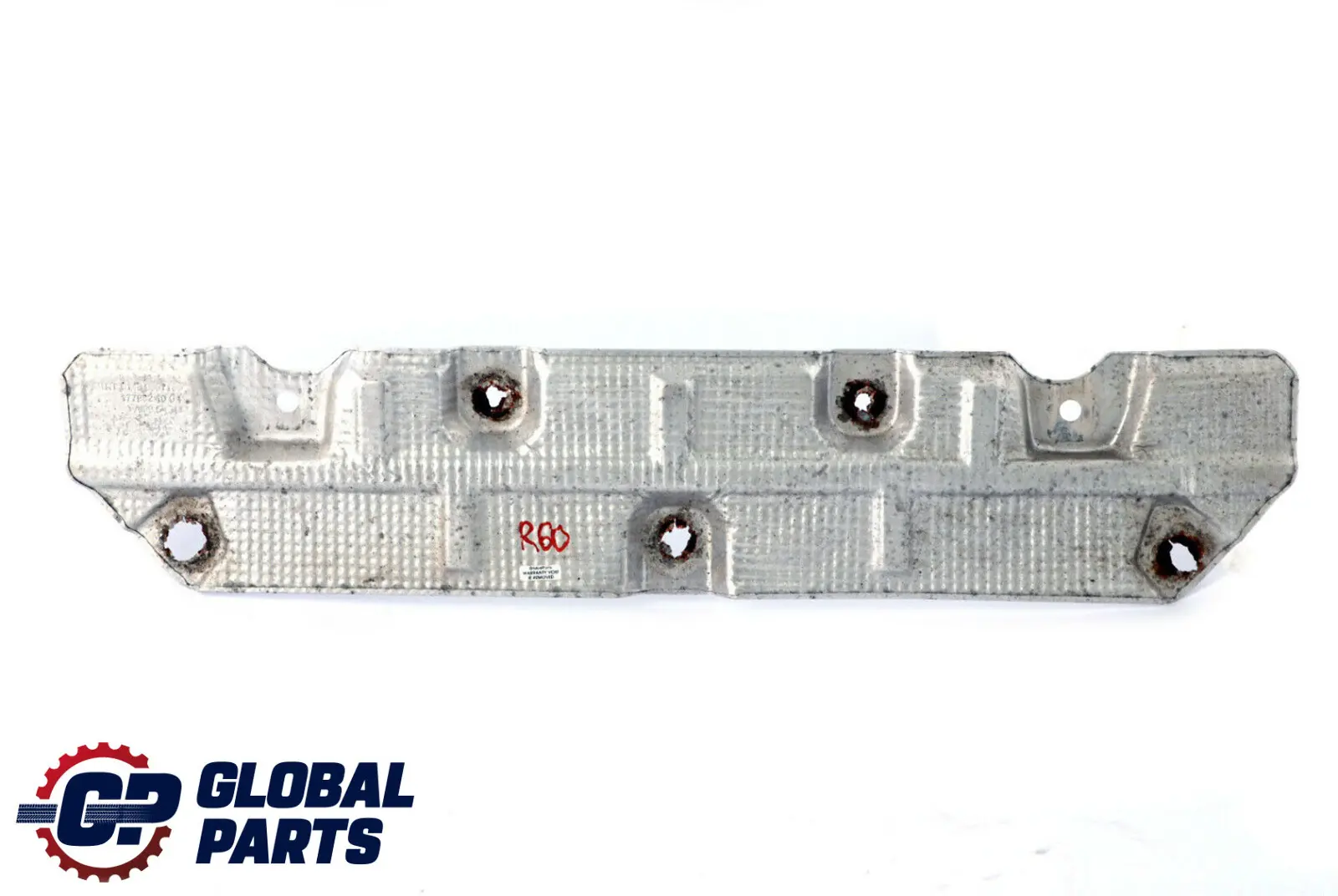
Part no. 9807158
Mini Cooper R60 R61 Heat Insulation Rear Silencer Right O/S 9807158
Product currently unavailable
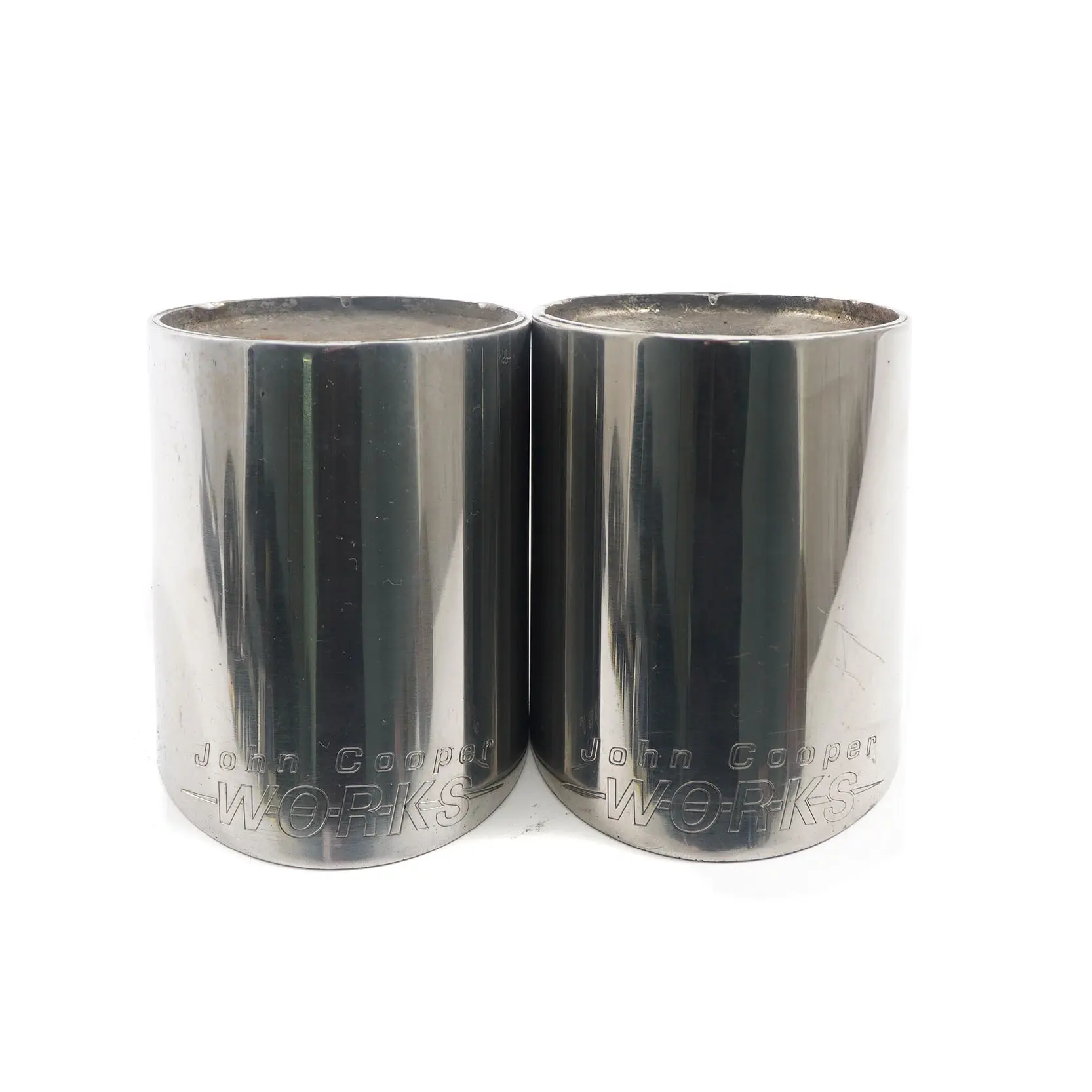
Part no. Mini R56 JCW Exhaust Tips
Exhaust Tips Mini R56 JCW John Cooper Works Rear System Muffler Pipe Chrome
Product currently unavailable
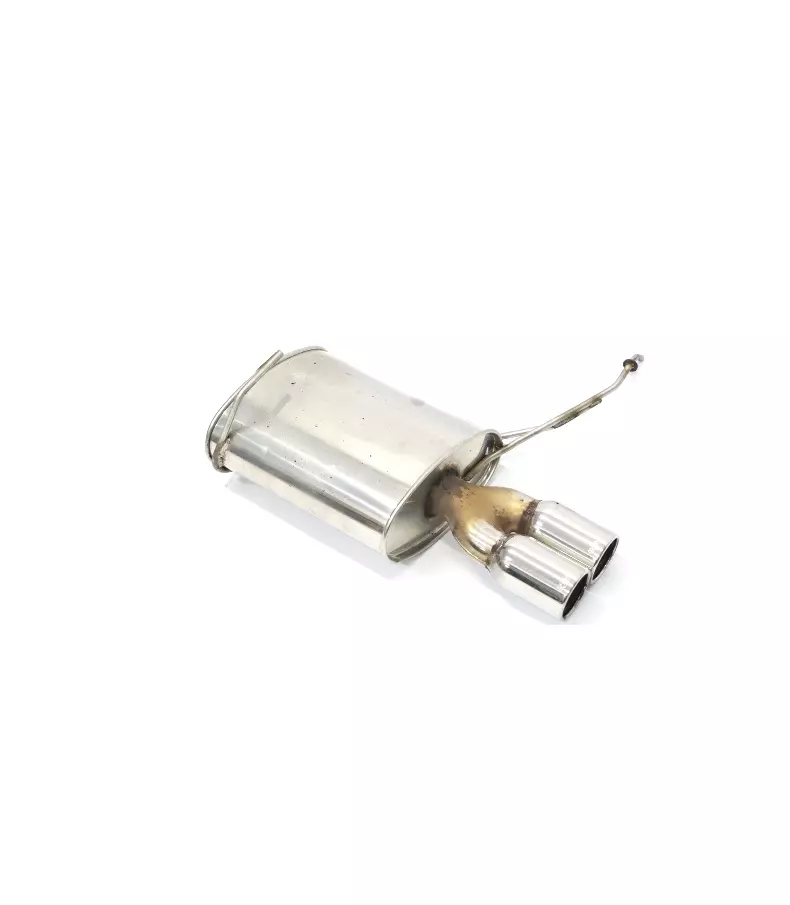
Mufflers and resonators for quiet engine operation and comfort
Quiet mufflers and resonators for reduced engine noise
Silencers and resonators are key components of the exhaust system, responsible for reducing noise generated by the engine and improving exhaust gas flow. They make driving more comfortable and ensure the vehicle meets acoustic standards. In the Global Parts automotive store, you will find a wide selection of used car parts, including silencers and resonators, perfectly matched to brands such as BMW, Audi, Mercedes, Volkswagen, Mini and others.
What functions do silencers and resonators perform?
Silencers and resonators perform several important functions in a vehicle's exhaust system:
- Noise reduction – Silencers reduce the noise emitted by exhaust gases, which improves driving comfort.
- Improved exhaust flow – Resonators optimize gas flow, which increases the efficiency of the exhaust system.
- Environmental protection – They work with other components, such as catalytic converters, to reduce the emission of harmful substances.
- Aesthetics and personalization – High-quality rear silencers can emphasize a vehicle's character thanks to unique exhaust tips. Used auto parts, such as silencers and resonators, allow for the cost-effective restoration of full exhaust system functionality.
Construction and purpose of silencers and resonators
Silencers and resonators are components mounted in the middle or rear part of the exhaust system, between the pipes carrying exhaust gases and the final outlet section. A silencer usually consists of a housing, internal chambers, baffles, and connection ports, while a resonator is designed to dampen specific acoustic vibration frequencies. In practice, selecting these parts requires comparing the OEM number, connection diameter, vehicle placement, and fuel type.
Comparison of silencer and resonator types
| Component type | Main function | Mounting location | What to check before selection |
|---|---|---|---|
| Center silencer | Initial exhaust silencing and acoustic vibration reduction | Middle part of the exhaust system | OEM number, pipe diameter, mounting type, and engine version compatibility |
| Rear silencer | Final noise reduction and exhaust gas discharge | Rear part of the vehicle | Housing shape, hanger position, exhaust tip, and body version |
| Resonator | Damping specific frequencies and stabilizing gas flow | Depends on car design, usually before the rear silencer | Component length, pipe routing, connection to adjacent sections, and interchangeable numbers |
Why is it worth taking care of silencers and resonators?
Well-maintained silencers and resonators are crucial for vehicle performance and comfort. Typical problems include:
- Corrosion and perforation – Moisture and road salt can cause corrosion, leading to leaks and noise.
- Internal contamination – Accumulation of soot and deposits can reduce exhaust flow efficiency.
- Loose mounts – Damaged mounts can cause vibrations and noise while driving.
- Resonator cracks – These can disrupt gas flow and reduce exhaust system efficiency. If replacement is necessary, choose used car parts that meet technical standards and ensure durability.
The role of silencers and resonators in overall exhaust operation
Silencers and resonators are used to limit noise, reduce unpleasant booming, and stabilize the flow of gases leaving the engine. Their operation is important not only for acoustic comfort but also for interaction with components such as catalytic converters, lambda sensors and O2 sensors, and other exhaust sections. For parts such as a BMW E92 exhaust, it is particularly important to check pipe routing, suspension points, and compatibility with the body version.
How to choose the right silencers and resonators?
- Matching the vehicle model – In the Global Parts automotive store, you will find silencers and resonators perfectly suited to BMW, Audi, Mercedes, Volkswagen, Mini and others.
- Technical condition – Used silencers and resonators should be free from perforations, cracks, and excessive deposits.
- Material – Choose components made of high-quality stainless steel or corrosion-resistant materials.
- Exhaust system compatibility – Ensure the components work with the exhaust pipes, catalytic converter, and lambda sensors. Auto parts, such as silencers and resonators, must be matched to the vehicle's technical specifications to function effectively.
Selection criteria based on OEM number and mounting location
The OEM number is the manufacturer's designation that allows you to compare a part with the car's factory equipment without guessing based on appearance alone. When choosing, it is also worth checking interchangeable numbers, vehicle placement, fuel type, and the method of connection to adjacent sections, including exhaust pipes and tips and clamps, brackets, flanges, and mounting parts. When selecting an item like an original Akrapovic exhaust tip, it is worth comparing the mounting diameter, seating method, and compatibility with the specific rear silencer.
How to maintain silencers and resonators?
- Regular condition checks – During technical inspections, check silencers and resonators for corrosion, leaks, and contamination.
- Exhaust system cleaning – Regular removal of soot and deposits can extend the lifespan of the components.
- Protection against damage – Use anti-corrosion agents to prevent metal component corrosion.
- Timely repair or replacement – In case of damage, choose car parts that will restore full exhaust system functionality.
Symptoms of wear and mounting components
Exhaust mounting refers to the set of hangers, clamps, flanges, and joints that keep the silencer or resonator in the correct position relative to the chassis. Wear of these components often manifests as knocking, sagging of exhaust sections, or vibration transfer to the body, even when the silencer housing itself is not yet perforated. If you are looking for a sub-assembly such as an E92 exhaust, it is good to also verify the condition of rubber mounts, connection tightness, and engine version compatibility; further knowledge about parts for Mini can also be found in the article Go-Kart Feeling XXL: used N18 versus B48 turbocharger – which one to choose for a Mini Cooper S?.
FAQ
| Question | Answer |
|---|---|
| What is the construction and purpose of silencers and resonators? | Silencers and resonators are exhaust system components mounted in the section from the middle to the rear of the vehicle. A typical silencer consists of a metal housing, internal chambers and baffles, and connection ports, while a resonator has a design focused on damping specific acoustic vibrations. Their purpose is to silence exhaust operation, organize exhaust gas flow, and maintain proper vehicle performance. |
| What are silencers and resonators used for? | Silencers and resonators are used to limit noise generated during exhaust gas discharge from the engine. They also help reduce acoustic vibrations and stabilize gas flow throughout the system. Without their proper operation, the car may run louder, and leaks or damage can impair driving comfort and interaction with other exhaust sections. |
| What role does the exhaust mounting play? | Exhaust mounting is a set of hangers, rubbers, clamps, and joints that keep exhaust system components in the correct position. These parts are used to dampen vibrations and isolate system movements from the chassis. Their condition affects the absence of knocking, correct silencer alignment, and connection tightness between adjacent elements. |
| How to choose a silencer or resonator for a specific car? | The safest way is to compare the OEM part number, interchangeable numbers, fuel type, and vehicle placement. It is also worth checking the connection diameter, hanger layout, and pipe routing, as differences can occur even within a single model. Verification via VIN and car equipment is also useful. |
| What symptoms indicate wear of silencers and resonators? | The most common symptoms are louder exhaust operation, metallic vibrations, knocking under the chassis, and visible signs of corrosion or leaks. In some cases, there is also a change in sound during acceleration or sagging of one of the system sections. It is then worth checking both the component itself and the mounting parts. |
| What to pay attention to when installing silencers and resonators? | Before installation, check the condition of clamps, gaskets, flanges, and rubber mounts, as worn accessories can reduce the tightness of the newly selected part. It is also important to correctly position the component relative to the chassis and adjacent exhaust sections. After installation, it is worth verifying that the system does not transfer vibrations and does not rub against shields or beams. |
Summary: silencers and resonators in the Global Parts automotive store
Silencers and resonators are not only noise-reducing elements but also important components affecting exhaust system performance and proper exhaust gas discharge. In the Global Parts offer, you will find used parts matched to many car models from brands such as Mercedes, BMW, Unbranded, as well as other manufacturers. When selecting, it is worth comparing the OEM number, condition, fuel type, vehicle placement, and compatibility with other exhaust system sections. Feel free to contact us – we are here to help! For more information and interesting facts, we also invite you to visit our automotive blog.