


Brake pumps
More informationAt Global Parts, we offer a wide selection of original used car parts, including brake master cylinders for many popular car brands such as BMW, Mini, Mercedes, Audi, Volkswagen, and others. Our brake master cylinders undergo quality control to ensure you receive a top-quality product.
GB
Make
Category
Subcategory
Condition
In Stock
Price
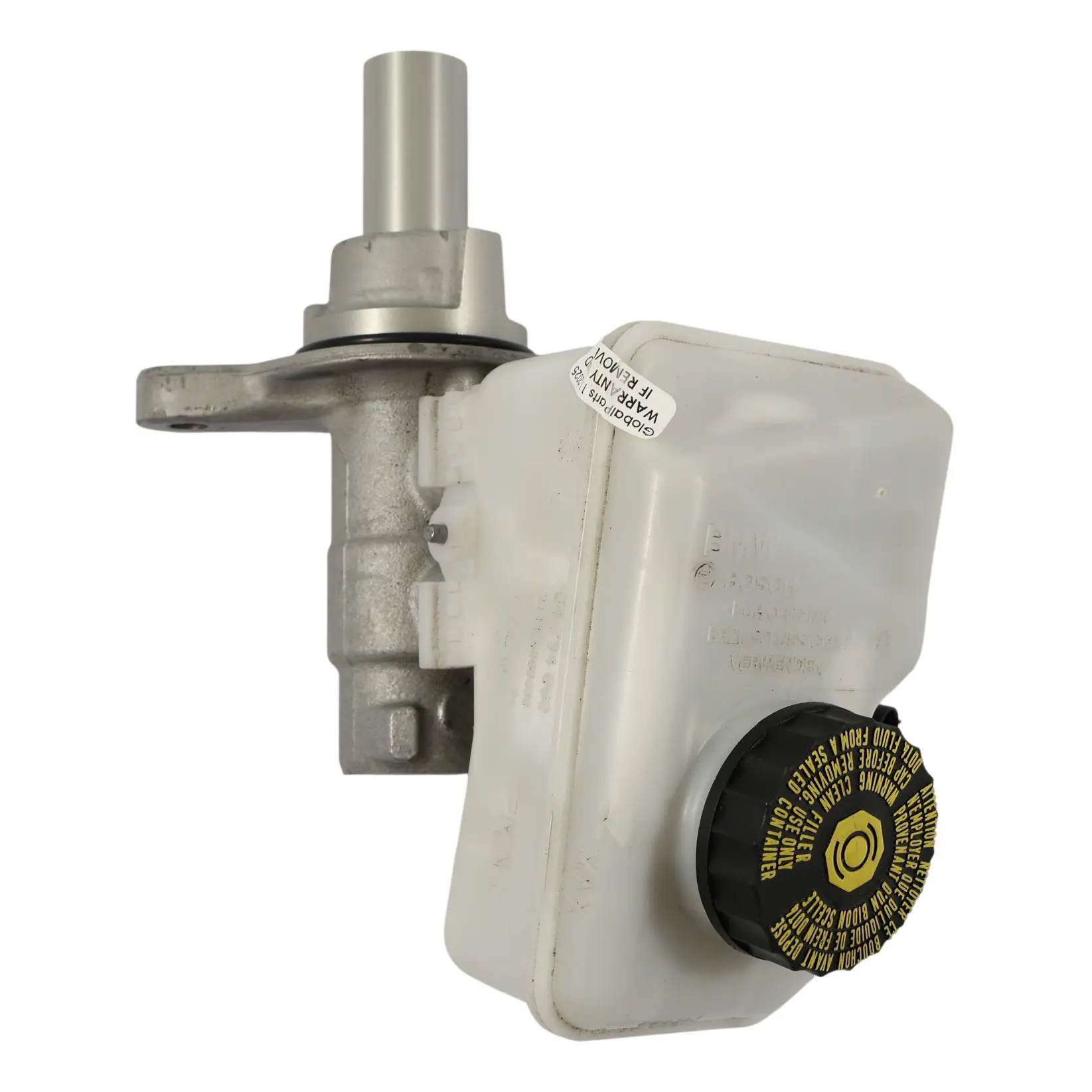
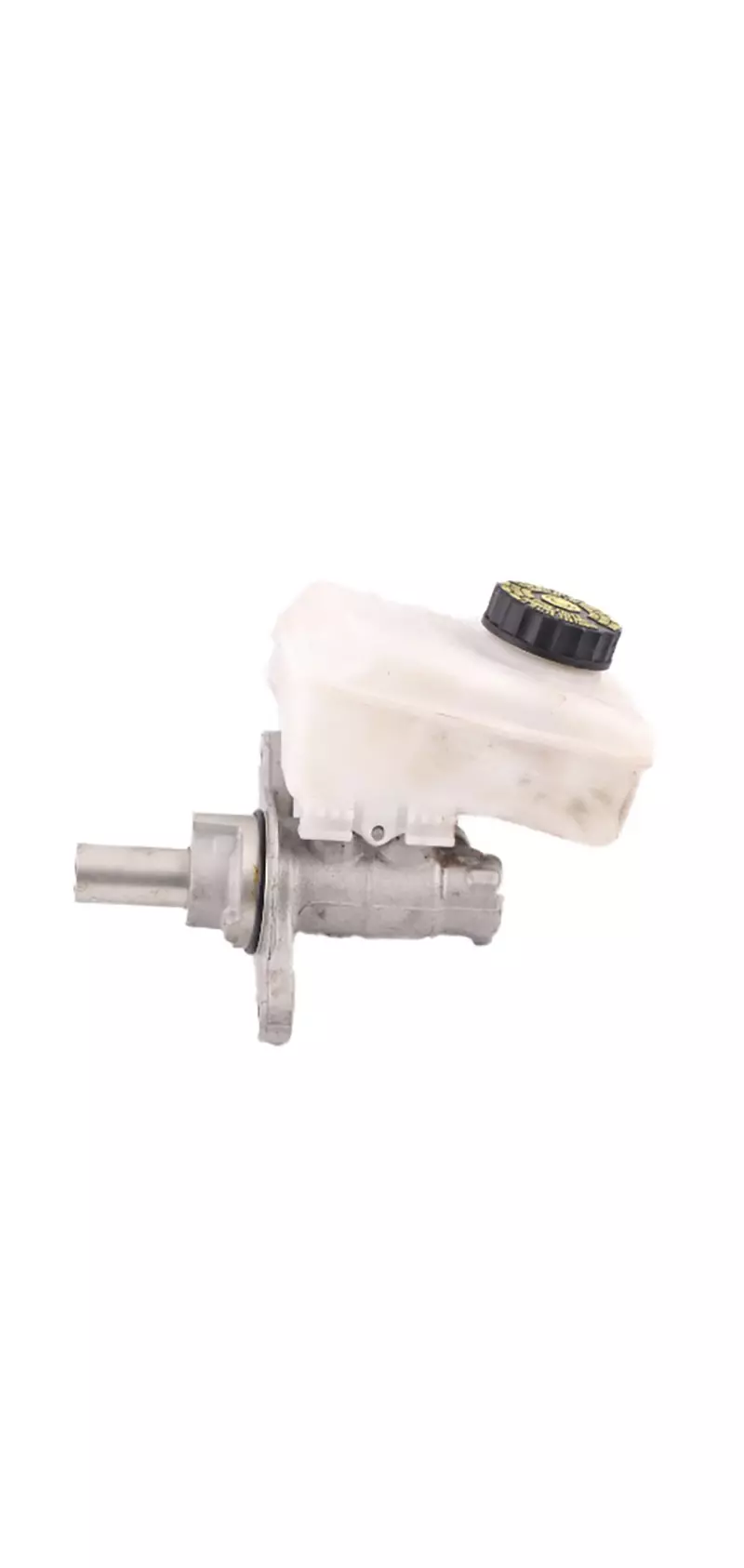
Brake master cylinders – key brake system component ensuring driving safety
The best brake master cylinders for popular brands – BMW, Mercedes, Audi, Volkswagen, Mini and others
Brake master cylinders are key components of the braking system that generate the hydraulic pressure necessary for the brakes to function correctly. They transmit the force applied to the brake pedal to the pads and discs, ensuring effective braking and vehicle control. In the Global Parts automotive store, you will find a wide selection of used car parts, including brake master cylinders, ideal for brands such as BMW, Audi, Mini, and many others.
Definition and operation of brake master cylinders
A brake master cylinder is a hydraulic piston-type device that converts the force applied to the brake pedal into brake fluid pressure. Most modern passenger cars use dual-circuit master cylinders, meaning the braking system is divided into two independent circuits, which increases safety in the event of a failure in one of them. A typical master cylinder generates pressure between 60 and 120 bar, which is sufficient to effectively stop a vehicle weighing over 1.5 tons.
What functions do brake master cylinders perform?
Brake master cylinders play a crucial role in the braking system by enabling:
- Hydraulic pressure generation – pumping brake fluid through the system, which allows brake calipers and wheel cylinders to operate effectively.
- Braking force distribution – in the case of master cylinders equipped with dual circuits, they allow for even pressure distribution between the front and rear axles of the vehicle.
- Safety system support – modern master cylinders work with ABS, ESP, or EBD systems, improving vehicle stability during braking.
Operating characteristics and cooperation with other components
Brake master cylinders are used to create and maintain operating pressure in the system, but their performance always depends on cooperation with other components. The master cylinder connects to the brake booster, fluid reservoir, and lines leading to the calipers or wheel cylinders; therefore, when selecting a part, it is worth considering Brake boosters and proportioning valves as well as Brake fluid reservoirs and caps. When choosing a part, you should compare the OEM number, the layout of the line outlets, and compatibility with the equipment version.
Comparison of brake master cylinder variants
| Variant | Construction | Application | What to check before purchase |
|---|---|---|---|
| Single-circuit master cylinder | One piston and one hydraulic circuit | Older vehicle designs | Mounting type, piston diameter, booster compatibility |
| Dual-circuit master cylinder | Two working circuits and pressure distribution | Most modern passenger cars | OEM number, line outlet layout, ABS/non-ABS version |
| Integrated master cylinder | Design working with electronic braking systems | Selected versions with advanced safety systems | Connector type, control compatibility, vehicle equipment |
Examples of models
Depending on the car model, brake master cylinders differ in piston diameter (usually from 19 to 26 mm), stroke length, and mounting method. For example:
- The Audi A3 8P brake master cylinder is compatible with 1.6–2.0 TDI engines and works with the Bosch ABS system.
- The W211 brake master cylinder (Mercedes E-Class) comes in traditional versions and SBC (Sensotronic Brake Control), which uses an electro-hydraulic assist system.
- The BMW E60 and E90 brake master cylinder has different piston diameters depending on the engine version, which affects braking force and pedal feel.
Why is it worth taking care of brake master cylinders?
Wear or damage to the brake master cylinder can lead to serious braking system problems, such as:
- Soft brake pedal – may indicate a leak in the master cylinder or air in the system.
- Ineffective braking – problems with pressure generation can significantly reduce brake efficiency.
- Brake fluid leaks – leaks in the master cylinder can lead to fluid loss, which compromises driving safety.
- ABS/ESP system errors – problems with the brake master cylinder can affect the operation of brake assist systems. At Global Parts, we offer used car parts, including brake master cylinders, that have undergone detailed quality tests.
Table of symptoms and parameters
| Symptom | Possible cause | Recommended action |
|---|---|---|
| Soft brake pedal | Loss of pressure in the master cylinder | Check for leaks and replace |
| Longer braking distance | Internal piston wear | Operating pressure diagnostics |
| Fluid leaks | Damaged seals | Regenerate or replace the master cylinder |
| No ABS response | Sensor error or incompatible master cylinder | Replace with an ABS/ESP compatible version |
How to choose the right brake master cylinders?
When choosing a brake master cylinder, you should pay attention to several key aspects:
- Vehicle model fitment – every braking system has its specific technical requirements. In the Global Parts automotive store, you will find brake master cylinders perfectly matched to BMW, Audi, Mini, and others.
- Technical condition – used brake master cylinders should be free from leaks, mechanical damage, and corrosion.
- Master cylinder type – ensure that the selected master cylinder is compatible with your vehicle's brake assist systems, such as ABS or ESP.
Fitment and compatibility
The most important selection criterion is the OEM part number, which allows you to precisely match the master cylinder to a specific braking system. For models such as the Audi A4 B7, Mercedes W211 SBC, or BMW E90, differences in master cylinder construction may result from the engine type, body version, or production year. Therefore, it is worth checking the information available in the offer regarding the brand, condition, OEM number, interchangeable numbers, and transmission type.
Selecting parts by numbers and equipment versions
The brake master cylinder is a component where even a small structural difference can determine compatibility with the car. When selecting, you should verify the piston diameter, the spacing of the mounting to the booster, the number of hydraulic outlets, and whether the version works with the ABS and ESP system. When completing a repair for a specific model, e.g., BMW E90, it is good to compare the OEM number with the marking on the old part and ensure that the system also works with Brake hoses, lines, and connectors.
Why choose used brake master cylinders?
Used car parts, such as brake master cylinders, are a practical solution that allows for savings while maintaining high quality. By choosing used brake master cylinders, you gain:
- Lower costs – used master cylinders are significantly cheaper than new ones but offer equally high quality.
- Ecology – recycling car parts supports environmental protection and reduces waste.
- Wide selection – in our store, you will find brake master cylinders for many car brands.
Technical benefits
Thanks to tests and quality control, the used brake master cylinders available at Global Parts maintain tightness and nominal operating pressure. The average lifespan of this component under typical operating conditions is over 150,000 km. When choosing a component like the Audi A3 8P brake master cylinder, you must compare the piston diameter, mounting type, and compatibility with ABS control, as these parameters affect pedal feel and system response.
How to take care of brake master cylinders?
To ensure brake master cylinders work reliably for a long time, it is worth following a few rules:
- Regularly check the brake fluid level and its quality to prevent corrosion of the internal master cylinder components.
- Bleed the braking system during technical inspections to ensure full master cylinder efficiency.
- Monitor any signs of malfunction, such as a soft brake pedal or leaks, and react to them in a timely manner.
- If replacement is necessary, a good addition to diagnostics is checking Brake calipers and carriers, as uneven system operation does not always result solely from the master cylinder.
Supplementary materials and service practice
The brake fluid reservoir is a component that works with the master cylinder, mounted directly above the body or connected by a supply line. The reservoir is used to store fluid and compensate for its level during operation and pad wear; therefore, a leak or crack in this sub-assembly can affect the entire system's operation. If you are looking for a component such as a BMW E60 brake master cylinder, it is worth checking the condition of the lines, seals, and fluid level immediately; a helpful addition to the topic is also the article Brake calipers under the microscope: How to effectively reduce braking system repair costs by choosing proven recycled parts.
FAQ
| Question | Answer |
|---|---|
| What is the construction and purpose of brake master cylinders? | Brake master cylinders are hydraulic components mounted near the brake pedal, usually in an assembly with the booster. A typical design consists of a body, one or two pistons, seals, return springs, and outlet ports for the lines. Their task is to convert the driver's pedal force into brake fluid pressure in the working circuits. |
| What are brake master cylinders used for? | Brake master cylinders are used to activate the hydraulic part of the braking system and distribute pressure to other components. Without a properly functioning master cylinder, the calipers, wheel cylinders, and assist systems do not receive the correct operating pressure. This component also affects brake pedal feel and the evenness of both circuits' operation. |
| What is the construction and function of the brake fluid reservoir? | The brake fluid reservoir is a container that works with the brake master cylinder, usually made of fluid-resistant plastic. It is used to store a reserve of fluid and compensate for level changes during system operation and pad wear. Depending on the design, it can be mounted directly on the master cylinder or connected to it by a supply line. |
| How to choose a brake master cylinder for a specific car? | The safest way is to compare the OEM number, interchangeable numbers, mounting type, and vehicle equipment version. It is worth checking if the part is compatible with the ABS or ESP system, and if it fits the booster type and line layout. Data on the brand, condition, and transmission type visible in the product offer are also helpful. |
| What symptoms may indicate problems with the brake master cylinder? | Most often, these are a soft brake pedal, extended braking distance, fluid leaks, and uneven system response after pressing the pedal. These symptoms can also appear with air in the system or leaking lines, so it is worth performing full diagnostics. It is also important to check the cooperation with the booster and the fluid condition. |
| What should be paid attention to when installing and bleeding a brake master cylinder? | Before installation, check the cleanliness of the ports, the condition of the lines, and the compatibility of the outlet ports with the car's installation. After installation, the system must be properly bled to remove air from the circuits and restore stable operating pressure. In practice, the tightness of the connection to the reservoir and the correct seating of the master cylinder at the booster also matter. |
Summary: brake master cylinders at the Global Parts automotive store
Brake master cylinders are essential components of the braking system, on which proper pressure generation and braking effectiveness depend. In the Global Parts offer, you will find original used parts for many brands, including BMW, Audi, Mini, and others, including the data needed for proper fitment, such as OEM number, interchangeable numbers, condition, or transmission type. We invite you to contact us – we are here to help you! For more information and interesting facts, we also invite you to visit our automotive blog.