


Manual gearboxes
More informationAt Global Parts, we offer a wide selection of original used car parts, including manual transmissions for many popular car brands such as BMW, Mini, Mercedes, Audi, Volkswagen, and others. Our manual transmissions undergo quality control to ensure you receive a top-quality product.
GB
Make
Category
Subcategory
Differentials and parts
Condition
In Stock
Price
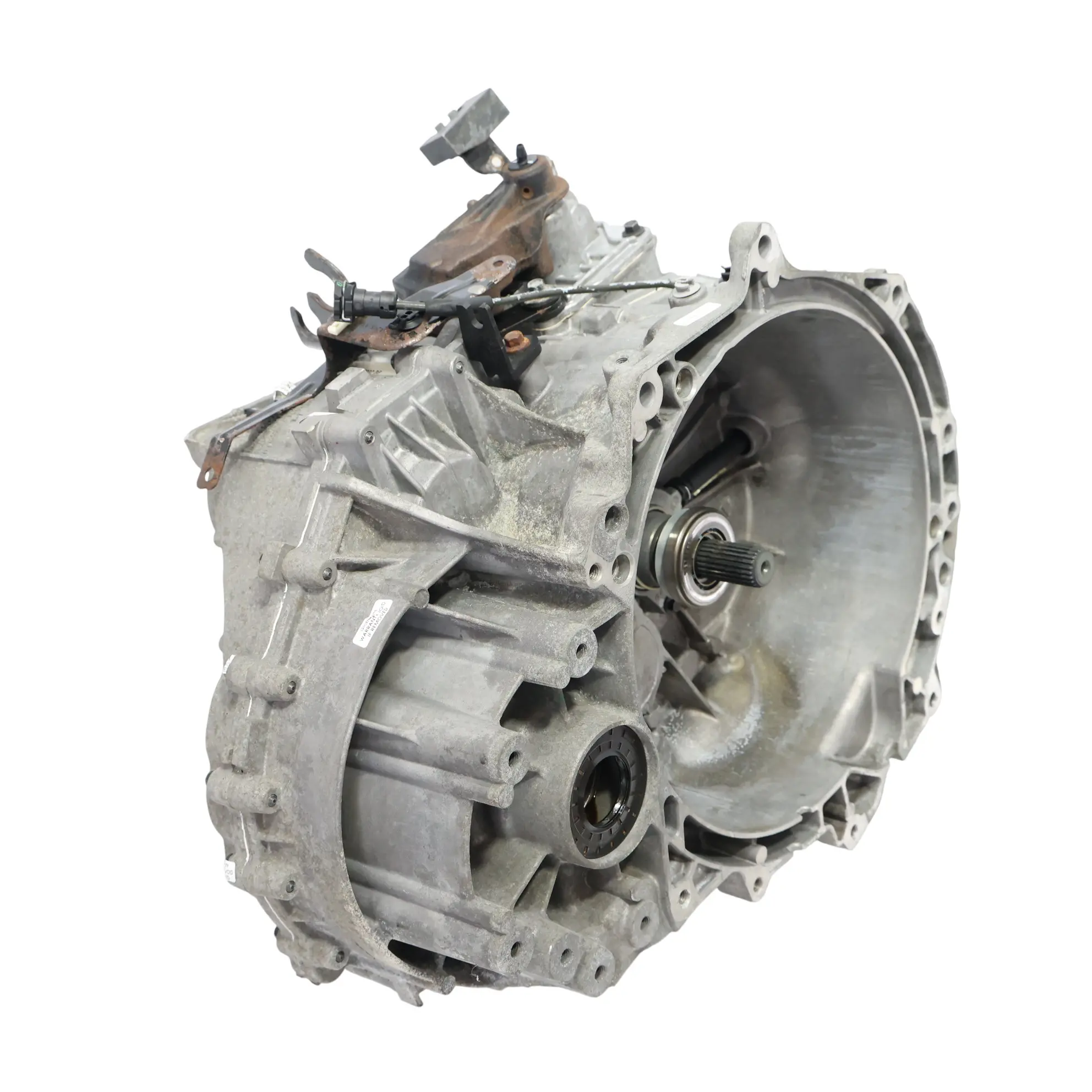
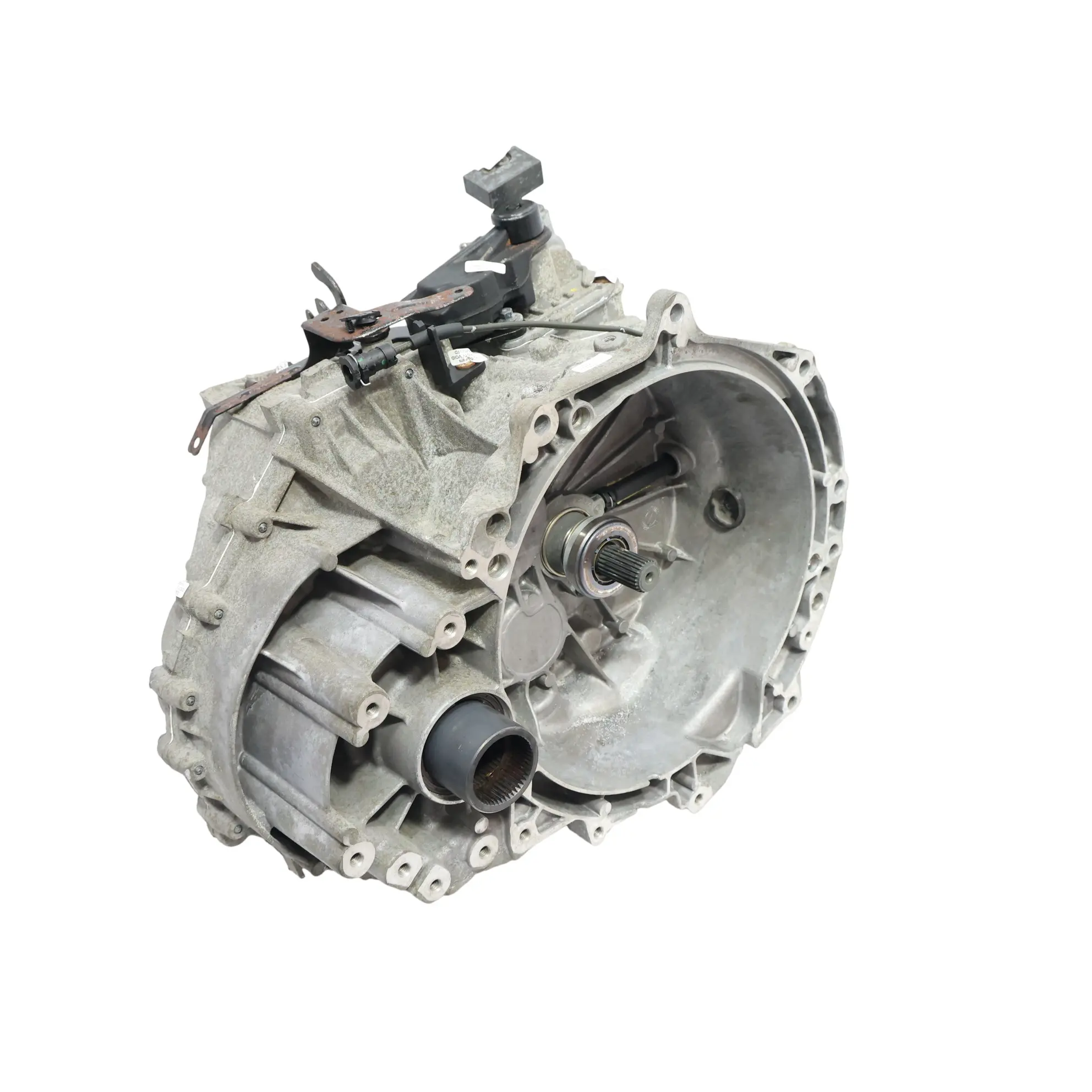
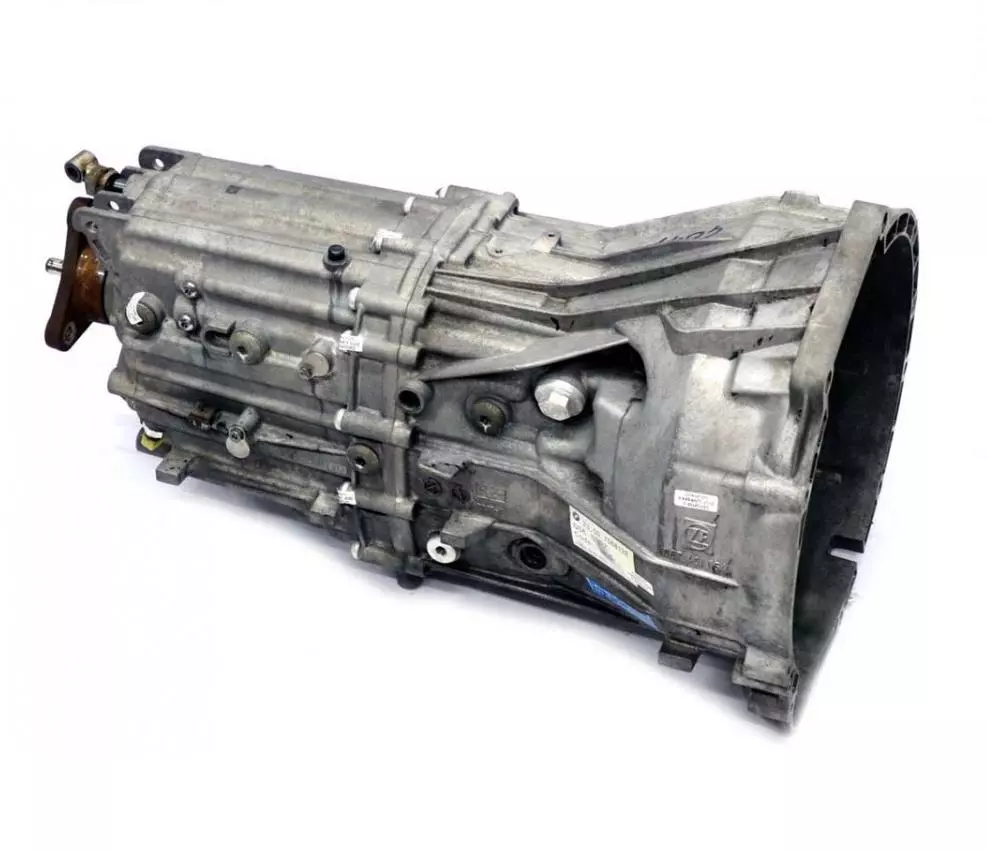
Modern manual gearboxes – durability and driving comfort
Quality you can rely on – manual transmissions for BMW, Audi, Mercedes and more
Manual transmissions are an essential solution for drivers who value precision and full control over their vehicle. Thanks to the ability to change gears manually, manual transmissions provide greater engagement in driving and better adaptation of engine performance to road conditions. In the Global Parts automotive store, you will find a wide selection of used car parts, including manual transmissions, ideal for brands such as BMW, Audi, Mercedes, Volkswagen, Mini and many others.
Construction and operating principle of a manual transmission
A manual transmission is a mechanical device that allows the driver to select the appropriate gear ratio using a gear lever and a clutch. In standard 5- or 6-speed systems, engine torque is transferred to the wheels through a set of gears with different ratios. For example, popular models like the BMW E90 or Audi A4 B8 used Getrag and ZF transmissions with ratios of 3.83–0.81, which ensures both good acceleration and economical highway driving.
What functions do manual transmissions perform?
Manual transmissions play a key role in the drivetrain, providing:
- Precise gear shifting – the driver selects the gear manually, adjusting engine performance to driving conditions.
- Better vehicle performance – manual transmissions allow for more dynamic acceleration and effective engine braking.
- Durability and reliability – manual transmissions are mechanically less complex than automatic ones, which translates into their longevity.
- Fuel efficiency – compared to some types of automatic transmissions, manual ones often allow for more economical driving.
Characteristics of manual transmissions and their applications
Manual transmissions are gear assemblies mounted between the engine and the drivetrain. Their task is to change the gear ratio, thereby adjusting torque and rotational speed to driving conditions. A typical component consists of a housing, shafts, gears, synchronizers, a selector, and mounting points for the engine and transmission mounts. In product listings, it is worth checking data such as the OEM part number, interchangeable numbers, transmission type, fuel type, and vehicle brand.
Comparison of manual transmission types
| Transmission type | Characteristics | Application | What to check before purchase |
|---|---|---|---|
| 5-speed | Simpler construction, often found in city and compact cars | Daily driving, older and mid-range drivetrains | OEM number, transmission code, mounting type, and axle compatibility |
| 6-speed | Wider range of ratios and better adaptation to higher torque | Mid-range models, diesels, and higher-power versions | Engine version, clutch type, sensors, and mounting point layout |
| Specific manufacturer code version | Construction tailored to a specific engine family and body | Repairs requiring factory configuration compliance | Transmission code, VIN, fuel type, and selector accessory compatibility |
Types and compatibility of manual transmissions
Matching a transmission to a specific car model is done based on the VIN or transmission code, for example, ZF GS6-37DZ. Choosing a compatible transmission ensures proper cooperation with the engine and drivetrain without the need for mounting modifications. When looking for parts for a specific model, such as mtx75, it is worth comparing the transmission code, housing type, and compatibility with gear-shifting accessories and mounts.
Why is it worth taking care of manual transmissions?
Damage or neglect of maintenance for manual transmissions can lead to serious drivetrain problems. Typical symptoms of failure include:
- Difficulty shifting gears – problems with synchronizers or wear of mechanical components can cause resistance when changing gears.
- Noise while driving – disturbing sounds, such as grinding or vibrations, may indicate worn bearings or other transmission components.
- Oil leaks – leaks in the transmission can lead to a decrease in its efficiency and more serious damage.
- Gear slipping – may indicate problems with the locking mechanism or worn gears. At Global Parts, we offer used manual transmissions that have undergone detailed quality tests, ensuring their durability and full functionality.
Lubrication system and the importance of gear oil
Gear oil is used to lubricate gears, bearings, and synchronizers working inside the transmission. Its task is to reduce friction, dissipate heat, and protect working surfaces from accelerated wear. In practice, one should pay attention to the viscosity recommended by the manufacturer, the tightness of seals, and the condition of drain and fill plugs. If a component such as a Golf 3 transmission is sought, it is good to compare the housing tightness, axle type, and compatibility with the selector and clutch.
How to choose the right manual transmissions?
When choosing manual transmissions, several key aspects should be considered:
- Matching the vehicle model – every drivetrain has its specific technical requirements. At Global Parts, you will find manual transmissions perfectly matched to BMW, Audi, Mercedes, Volkswagen, Mini and others.
- Technical condition – used transmissions should be free from mechanical damage, oil leaks, and excessive wear of components.
- Transmission type – depending on the vehicle model, you may need a 5-speed, 6-speed, or a transmission with a special ratio adapted to off-road conditions.
Selecting a transmission for engine version and accessories
Selecting a transmission means checking compatibility not only with the car model but also with the specific drivetrain version and equipment. Mounting points, housing type, cooperation with clutch parts and kits, compatibility with gear levers, connectors, and cables, and the presence of appropriate sensors are all important. When choosing an element like a Passat B6 transmission, it is worth comparing the OEM number, fuel type, transmission code, and body version. It is also helpful to check related groups, such as manual transmission parts or transmission sensors.
Comparison of manual and automatic transmissions
| Feature | Manual transmission | Automatic transmission |
|---|---|---|
| Vehicle control | Full, driver-dependent | Limited, dependent on hydraulic or electronic control |
| Construction | Mechanism with selector, clutch, and synchronizers | System with automatic gear shift control |
| Part selection | Usually by transmission code, OEM, and engine version | Requires additional compatibility of controls and accessories |
| Maintenance | Focus on mechanical condition, tightness, and oil quality | Controllers and hydraulics are also of greater importance |
Why is it worth choosing used manual transmissions?
Used car parts, such as manual transmissions, are a practical solution that allows for savings while maintaining high quality. By choosing used manual transmissions, you gain:
- Lower costs – used components are significantly cheaper than new ones but offer equally high quality.
- Ecology – recycling car parts supports environmental protection and reduces waste.
- Wide range – in our store, you will find manual transmissions for the most popular car brands.
Economic and technical advantages of used transmissions
A used manual transmission is not only a saving but also preserves factory compatibility with the vehicle's drivetrain. In many cases, the original housing, mounts, and accessory points better match the vehicle's specifications than randomly selected replacements. You can read more about the reasons for such a choice in the article Manual transmission failures in cars – why is an original used part a more sensible choice than regeneration?.
How to take care of manual transmissions?
To ensure manual transmissions work reliably for a long time, it is worth following a few rules:
- Regularly check the level and condition of the gear oil and change it according to the manufacturer's recommendations.
- Avoid aggressive gear shifting and improper clutch use to reduce wear on synchronizers and gears.
- Monitor any symptoms of failure, such as noises or difficulty shifting gears, and react to them in a timely manner.
- If a replacement is needed, at Global Parts you will find appropriate used car parts that will restore full functionality to the drivetrain.
FAQ
| Question | Answer |
|---|---|
| What is the construction and purpose of manual transmissions? | Manual transmissions are mechanical drivetrain assemblies mounted between the engine and the axles or driveshaft. They usually consist of a housing, input shaft, countershaft, main shaft, gears, synchronizers, selector mechanism, and seals. Their construction has a direct impact on the installation method, compatibility with the clutch, and cooperation with a given engine. |
| What are manual transmissions used for? | Manual transmissions are used to change gear ratios and transfer torque from the engine to the drivetrain in a way controlled by the driver. They allow for selecting the appropriate gear for the load, speed, and road conditions, as well as effectively utilizing engine braking. Without a properly functioning transmission, it is difficult to maintain smooth driving and proper cooperation with the clutch system. |
| What is the construction and function of a transmission synchronizer? | A transmission synchronizer is a component responsible for equalizing the rotational speed of mating parts before engaging the selected gear. It is usually formed by a hub, a sliding sleeve, and friction rings. Its efficiency affects the smoothness of gear shifting, reduction of grinding, and comfort of operating the gear lever. |
| How to choose a manual transmission for a specific car? | It is best to compare the OEM part number, transmission code, engine version, fuel type, and mounting method. It is also worth checking compatibility with accessories such as the clutch, selector, sensors, and axles. For some models, the body version and production year also matter. |
| What symptoms indicate problems with a manual transmission? | Typical symptoms include grinding when shifting gears, difficulty engaging a gear, whining while driving, and signs of leaks from the housing. In practice, it is also worth paying attention to play in the selector and gear behavior under load. Such symptoms help assess whether the problem concerns the transmission itself, the shifting accessories, or the cooperating clutch components. |
| How to take care of manual transmissions after installation? | After installation, one should monitor tightness, gear oil level, and operating culture during the first few kilometers. A good practice is also to check the operation of the gear lever, correct engagement of all gears, and the condition of the mounts. Regular maintenance makes it easier to detect leaks and wear of cooperating components before they affect the operation of the entire system. |
Summary: manual transmissions at the Global Parts automotive store
Manual transmissions are reliable and durable components of the drivetrain that provide full control and driving precision. In the Global Parts offer, you will find components matched to many models and engine versions, including cars from brands such as Audi, BMW, Unbranded and others. When selecting, it is worth comparing the OEM number, transmission code, fuel type, and cooperating components to maintain mounting compatibility and proper drivetrain operation. We invite you to contact us – we are here to help you! For more information and interesting facts, we also invite you to visit our automotive blog.