


Heating control valves
More informationAt Global Parts, we offer a wide selection of original used car parts, including heater control valves for many popular car brands such as BMW, Mini, Mercedes, Audi, Volkswagen, and others. Our heater control valves undergo quality control to ensure you receive a top-quality product.
GB
Make
Category
Subcategory
Condition
In Stock
Price
No search results
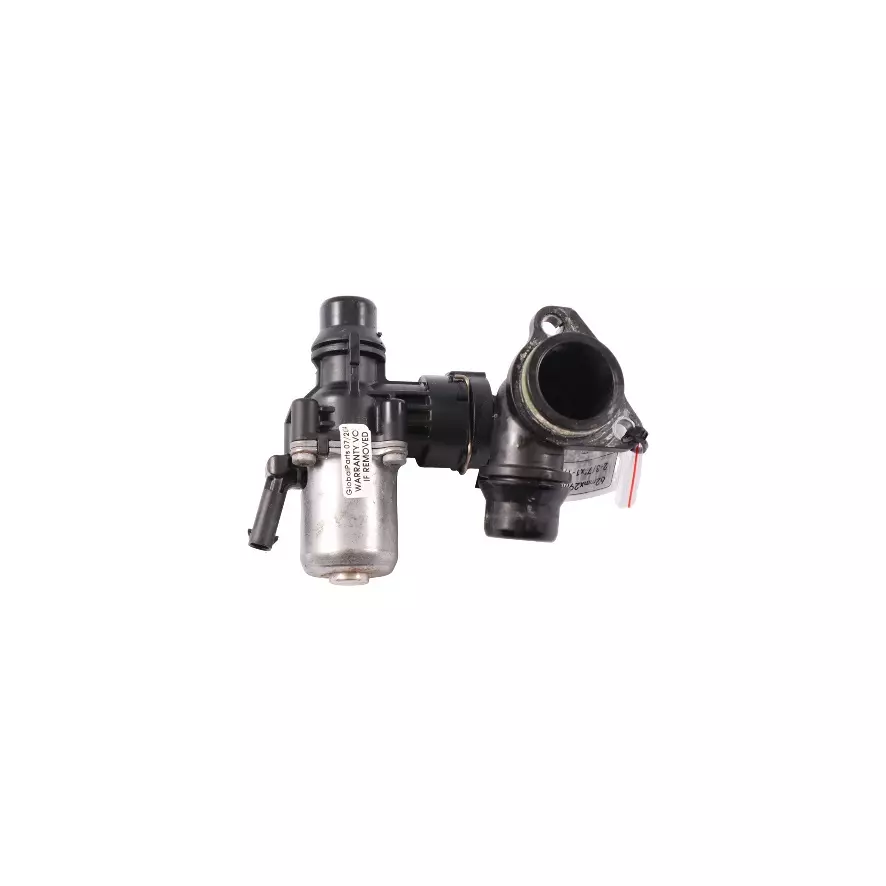
Heater valves for precise cabin temperature regulation
The role of actuators in temperature regulation
Heater control valves are key components of a vehicle's air conditioning and heating system, responsible for precisely controlling the flow of coolant to the heater core. They allow for the regulation of cabin air temperature, ensuring driving comfort in all weather conditions. In the Global Parts automotive store, you will find a wide selection of used car parts, including heater control valves, perfectly matched to brands such as BMW, Audi, Mercedes, Volkswagen, and others.
Definition and operation of the heater control valve
A heater control valve is a component usually made of brass, aluminum, or heat-resistant plastic. It operates on the principle of mechanical or electrical regulation of coolant flow through the heater core. In practice, this means that when fully open, the liquid flow can reach up to 6–8 liters per minute, allowing for rapid cabin heating. These valves can be controlled manually or automatically in air conditioning systems equipped with temperature sensors.
What functions do heater control valves perform?
Heater control valves play a key role in managing a vehicle's heating system:
- Coolant flow regulation – Valves control the amount of fluid flowing through the heater core, allowing for precise adjustment of cabin air temperature.
- Maintaining thermal comfort – They allow passengers to individually adjust the temperature according to their preferences.
- Integration with the air conditioning system – In modern vehicles, heater control valves work with the air conditioning system, ensuring even cooling or heating of the air.
- Optimization of the cooling system – By regulating coolant flow, the valves help maintain the proper engine operating temperature.
Construction and purpose of heater control valves
Heater control valves are components installed in the coolant circuit between the engine and the heater core. Their task is to open, restrict, or cut off the flow of hot fluid to the heat exchanger responsible for heating the car interior. A typical unit consists of a body, connection ports, seals, and a control part, which can be mechanical or electrical. For parts such as a BMW E60 heater solenoid valve, it is particularly important to compare the OEM number, connector type, and wiring layout.
Comparison of heater control valve types
In practice, the following valves are distinguished:
- mechanical (manual) – simpler, durable, less prone to electrical failures, but require manual adjustment;
- electrical (actuator) – computer-controlled, provide precise temperature setting within a range of ±1°C and work with automatic climate control systems;
- hybrid – combine manual control with an electronic temperature sensor.
Table of parameters and compatibility
| Valve type | Control method | What to check before purchase | Application |
|---|---|---|---|
| Mechanical | Cable, linkage, or simple manual mechanism | Port layout, hose diameter, mounting type | Most common in older heating systems |
| Electrical | Signal from panel or control module | OEM number, pin count, plug type, installation compatibility | Systems with automatic temperature control |
| Hybrid | Mechanics supported by sensor or actuator | Vehicle position, system version, heater core compatibility | Selected intermediate versions and advanced HVAC systems |
Why is it worth taking care of heater control valves?
Malfunctioning heater control valves can reduce thermal comfort in the cabin and affect the efficiency of the air conditioning and heating system. Typical symptoms of failure include:
- No heating in the cabin – The valve may not be delivering enough coolant to the heater core.
- Irregular air temperature – The system does not respond to temperature setting changes.
- Coolant leaks – A damaged valve can be a source of leaks.
- Dashboard errors – The vehicle's diagnostic system may signal problems with the heating system. If a replacement is needed, at Global Parts you will find suitable used car parts that will restore the full functionality of your heating system.
The role of the heater core and cooperating elements
The heater core is a heat exchanger located inside the ventilation system housing, through which hot coolant flows. It is the component that transfers heat to the air directed into the cabin, and the heater control valve determines how much of this heat reaches the interior. In practice, the correct operation of the valve should be assessed together with components such as temperature sensors, blowers and fans, and actuator motors, as each of them affects the final thermal comfort.
Valve operation procedure and impact on comfort
A heater control valve opens proportionally to the signal from the dial or control module, allowing coolant flow to the heater core in an amount adjusted to the set temperature. As a result, the temperature difference between the air intake and output from the vents can be as much as 25–30°C depending on external conditions, which ensures optimal comfort for the driver and passengers.
How to choose the right heater control valves?
When choosing heater control valves, several key aspects should be considered:
- Compatibility with the vehicle model – Every heating system has its specific technical requirements. At Global Parts, you will find heater control valves perfectly matched to BMW, Audi, Mercedes, Volkswagen, and others.
- Technical condition – Used valves should be fully functional, free from mechanical damage and leaks.
- System compatibility – Ensure that the selected valve matches the heating system in your vehicle.
Selection of heater control valves according to technical data
Heater control valves are selected primarily by OEM part number, interchangeable numbers, vehicle placement, and fuel type, as the cooling and heating system may differ even within one car generation. It is also worth comparing the electrical connector type, number of ports, mounting method, and hose routing. If the system works with advanced automation, it is helpful to check compatibility with the climate control regulators group and the A/C hoses, pipes and connectors category.
Synonyms and LSI
Heater control valves are also referred to as heater actuator valves, coolant flow regulators, or cabin thermal control elements. Their correct fitment, OEM compatibility, or selection via VIN ensures operating cost savings and minimizes the risk of additional cooling system repairs.
Why choose used heater control valves?
Used car parts, such as used heater control valves, are an economical solution that allows for savings while maintaining high quality. By choosing used heating system components, you gain:
- Lower costs – Used valves are significantly cheaper than new ones but offer equally high quality.
- Ecology – Recycling parts supports environmental protection and reduces waste.
- Wide selection – In our store, you will find used heater control valves for many car brands.
Examples of savings and compatibility
In practice, a used valve for a BMW 3 Series (E90, E91) costs on average 200–350 PLN, while a new equivalent exceeds 800 PLN. In the case of a Volkswagen Passat B6, a used electric valve offers a flow of 5–7 l/min and full compatibility with the automatic air conditioning system.
How to take care of heater control valves?
To ensure heater control valves operate reliably for a long time, it is worth following a few rules:
- Regular inspection – Check the condition of the valve during heating and cooling system maintenance.
- Avoid contamination – Keep the coolant clean to prevent debris from settling in the valve.
- Replace on time – Worn or damaged valves should be replaced to ensure effective cabin heating.
- Cooling system service – Regular inspections and coolant changes support the proper operation of the valves.
Heater control valve installation steps
- Disconnect the cooling system and drain the fluid.
- Locate the old valve in the heater core, usually at the fluid inlet.
- Remove old seals and mounting elements.
- Install the new valve, ensuring the seals are correctly seated.
- Fill the system with fresh coolant and bleed the system.
- Check for leaks and valve operation at different temperature settings.
FAQ
| Question | Answer |
|---|---|
| What is the construction and purpose of heater control valves? | Heater control valves are components of the cooling and heating system, installed in the fluid circuit leading to the heater core. A typical valve consists of a body, connection ports, seals, and a mechanical or electrical control part. Their purpose is to control the amount of hot fluid reaching the heater core, and thus control the cabin air temperature. |
| What are heater control valves used for? | Heater control valves are used to control the flow of coolant through the heater core. This allows the system to heat the interior faster or restrict heat supply when the driver sets a lower temperature. In cars with comfort automation, this component works with the control module, sensors, and blower, affecting temperature stability in the cabin. |
| What is the construction and function of a car heater core? | A car heater core is a small heat exchanger located in the ventilation system housing. It consists of channels through which hot coolant flows, and fins that transfer heat to the air pushed by the fan. Its function is to heat the cabin, and its efficiency depends, among other things, on the flow path's integrity and the correct operation of the heater control valve. |
| How to select a valve for a specific vehicle version? | It is safest to compare the OEM number, interchangeable numbers, port layout, plug type, and mounting location. It is also worth checking the engine version, fuel type, and air conditioning equipment, as differences may concern the control method. For used parts, the condition of the housing and mounts is also important. |
| What symptoms indicate a problem with the heater control valve? | The most common symptoms are lack of heating, delayed cabin heating, unstable vent temperature, or coolant leaks near the valve. In electric versions, control errors or lack of response to panel setting changes may also occur. Such symptoms should be assessed together with the condition of the heater core, hoses, and sensors. |
| How to maintain heater control valves after installation? | After installation, you must check the tightness of the connections, proper system bleeding, and the valve's response to temperature changes. For long-term operation, regular inspection of coolant quality and the cleanliness of the entire circuit is important. Contamination and deposits can restrict the movement of the control element and impair heating efficiency. |
Summary: heater control valves at the Global Parts automotive store
Heater control valves are responsible for correctly controlling the heat supply to the heater core, which is why they have a direct impact on driving comfort and the stability of the heating system. Global Parts offers used components matched to many vehicle versions, including for brands such as Unbranded, BMW, Mercedes, and others. When selecting, it is worth comparing the OEM number, vehicle placement, part condition, and compatibility with the car's equipment. We invite you to contact us – we are here to help you! For more information and interesting facts, we also invite you to visit our automotive blog.