


Drivetrain & Transmission
GB
Make
Category
Condition
In Stock
Price
Drivetrain & Transmission
In the Global Parts automotive store, you will find a wide selection of used car parts compatible with brands such as Audi, BMW, Mercedes-Benz, and others. The Gearboxes and Drivetrain category includes components responsible for transferring torque from the engine to the wheels, as well as parts that work with the drivetrain in various body styles and chassis configurations.
Construction and purpose of gearboxes and drivetrain components
Gearboxes and drivetrain components are a set of mechanical parts designed to transfer power and select the appropriate gear ratio for the vehicle's speed and load. This category includes manual and automatic transmissions, drive shafts, CV joints, propeller shafts, differentials, and smaller components that work with the drivetrain system. A typical component of this type is mounted between the engine and the driven wheels and must be compatible with the engine version, drive type, and mounting method. When selecting a part, it is worth checking the OEM number, gearbox code, type of drive (front-wheel, rear-wheel, or 4x4), as well as the pre-facelift or post-facelift version. When completing a repair for a specific model, e.g., Audi A4 B8, it is also good to compare the housing type, the layout of mounting points, and compatibility with auxiliary equipment.
Comparison of basic elements from the Gearboxes and Drivetrain category
| Component type | Main function | What to check before purchase | Compatible components |
|---|---|---|---|
| Gearbox | Changes gear ratios and transfers torque from the engine to the drivetrain | OEM number, gearbox code, control type, housing type, engine version | Clutch, gear selector, drive shafts, sensors, mounts |
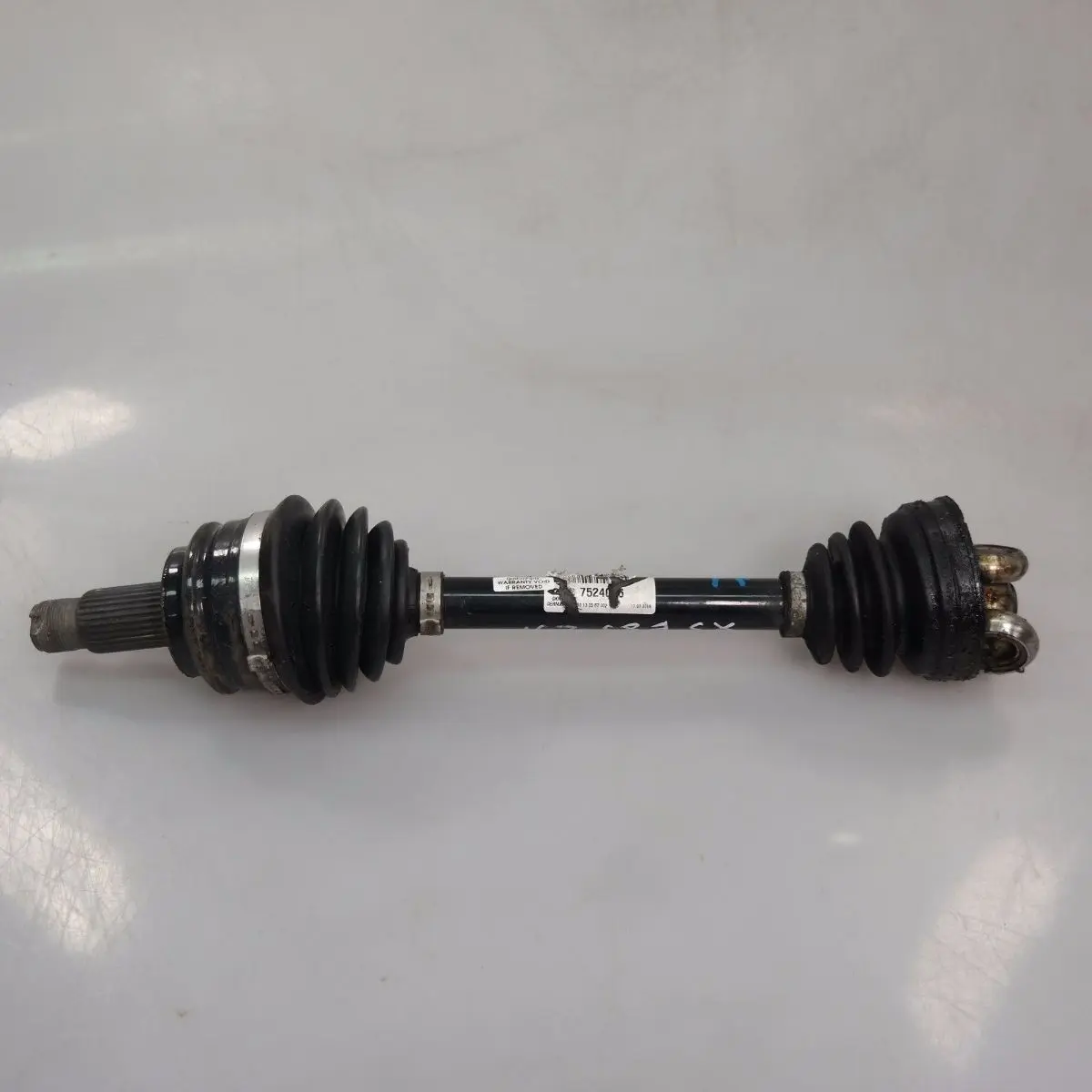
| Drive shaft or CV joint | Transfers drive from the gearbox or differential to the wheel | Mounting side, length depending on version, joint type, spline, mounting points | Hub, gearbox, bearing, suspension |
| Propeller shaft | Connects the gearbox or transfer case to the rear axle or differential | Mounting spacing, flange type, body version, length depending on the car, presence of center support | Differential, center support bearing, flexible couplings |
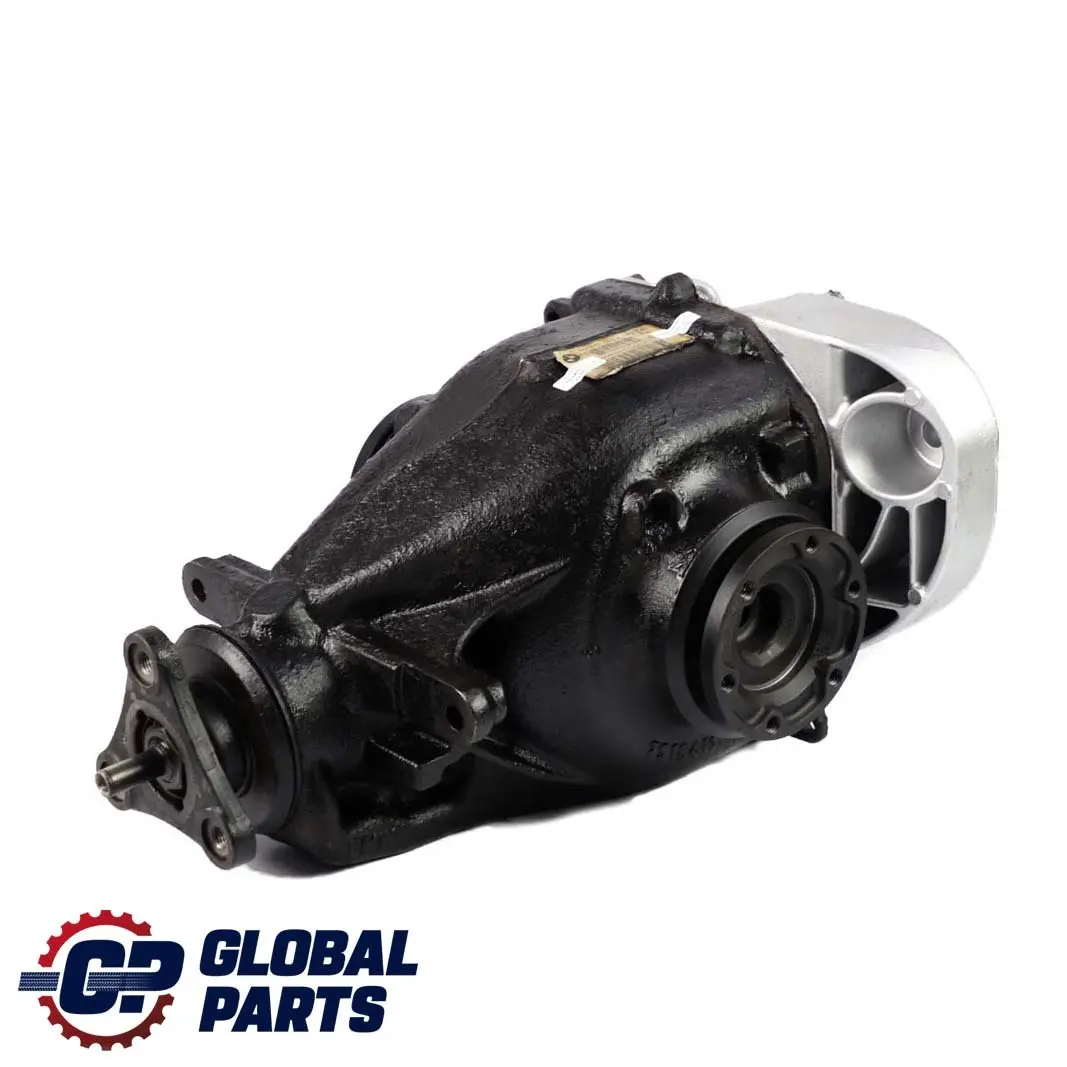
| Differential | Distributes torque between the wheels of the driven axle | Gear ratio, OEM number, housing type, mounting method, drive compatibility | Propeller shaft, drive shafts, rear axle housing |
Function of the drivetrain system and related components
The drivetrain system is used to transfer driving force from the engine to the wheels in a controlled manner, adapted to driving conditions. Its efficiency determines smooth starting, proper gear shifting, the absence of jerking, and the car's appropriate response to load. If you are looking for a component such as a BMW E90 differential, you should compare the gear ratio, mounting type, and compatibility with the drive version, as these features affect how it works with the rest of the system. In practice, during repairs, it is common to simultaneously check components from the Engines and parts, Differential parts, and Gearbox parts categories. For cars with higher mileage, it is also worth verifying the condition of covers, supports, and seals, which you can find in the Gaskets and rings section.
Selecting parts for installation and data worth comparing
The OEM number is the factory designation of a part, which makes it easier to match the component to a specific vehicle version. The OEM number allows you to compare the compatibility of the housing, connection diameters, flange type, number of teeth on the spline, and equipment version without guessing based on appearance alone. When choosing an element like an Audi A6 C6 gearbox, the transmission code, control type, sensor type, and compatibility with the engine and drive are particularly important. It is also helpful to check the mounting side, body version, fuel type, and whether the part comes from a pre-facelift or post-facelift car. Additional material for diagnostics can be found in the article Humming differential? Find out why a used OEM drive axle is a better investment than an uncertain replacement., which organizes the most important issues related to selecting drivetrain components.
FAQ
| Question | Answer |
|---|---|
| What is the construction and purpose of gearboxes and drivetrains? | Gearboxes and drivetrains are a set of components responsible for transferring torque from the engine to the wheels. This group includes transmissions, drive shafts, propeller shafts, CV joints, and differentials. These elements are mounted in the central and lower parts of the vehicle and must work with the engine, suspension, and chassis. |
| What are gearboxes and drivetrains used for? | Gearboxes and drivetrains are used to change gear ratios and transfer driving force in a way that is adapted to driving conditions. Thanks to them, the car can start, accelerate, maintain speed, and transfer torque to the correct axle. Their proper operation also affects driving comfort, smooth gear shifting, and compatibility with the clutch or automatic transmission system. |
| What is the construction and function of a differential? | A differential is a drivetrain component mounted on the driven axle or in the rear axle assembly. It is used to distribute torque between the wheels of the same axle so that they can rotate at different speeds during turns. In practice, it works with drive shafts, the propeller shaft, and the mounting housing, and when selecting one, you must verify the gear ratio and mounting method. |
| How to choose a gearbox or drivetrain component for a specific car version? | The safest way is to compare the OEM number, gearbox code, drive type, engine type, and body version. It is worth checking the layout of mounting points, flange type, mounting side, and the presence of sensors. For many models, the pre-facelift or post-facelift version also matters. |
| What symptoms may indicate a problem with drivetrain components? | Common symptoms include noise while driving, whining under load, vibrations, jerking when starting, and knocking when changing direction. Depending on the damaged element, the problem may concern the gearbox, CV joint, drive shaft, or differential. Symptoms should always be compared with the part number and the extent of damage visible during disassembly. |
| What technical data should be checked before installing a used part from this category? | Before installation, it is good to verify the OEM number, manufacturer's code, mounting type, and compatibility with the vehicle's engine version. In many cases, the number of spline teeth, sensor connector type, housing type, and compatibility with the specific axle drive are also important. Such a comparison facilitates installation and reduces the risk of mismatching equipment. |
Summary: gearboxes and drivetrains in the Global Parts automotive store
The Gearboxes and Drivetrain category includes parts essential for proper power transfer, smooth gear shifting, and cooperation with other car components. The Global Parts offer includes elements for many brands, including Audi, BMW, Mercedes-Benz, and others, making it easier to select a component compatible with the OEM number, engine version, and drive type. We invite you to contact us – we are here to help! For more information and interesting facts, we also invite you to visit our automotive blog.