


Differentials and parts
More informationAt Global Parts, we offer a wide selection of genuine used car parts, including differentials and parts for many popular car brands, including BMW, Mini, Mercedes, Audi, Volkswagen, and others. Each differential and part we offer undergoes quality control to ensure you receive a top-quality product.
GB
Make
Category
Subcategory
Differentials and parts
Condition
In Stock
Price
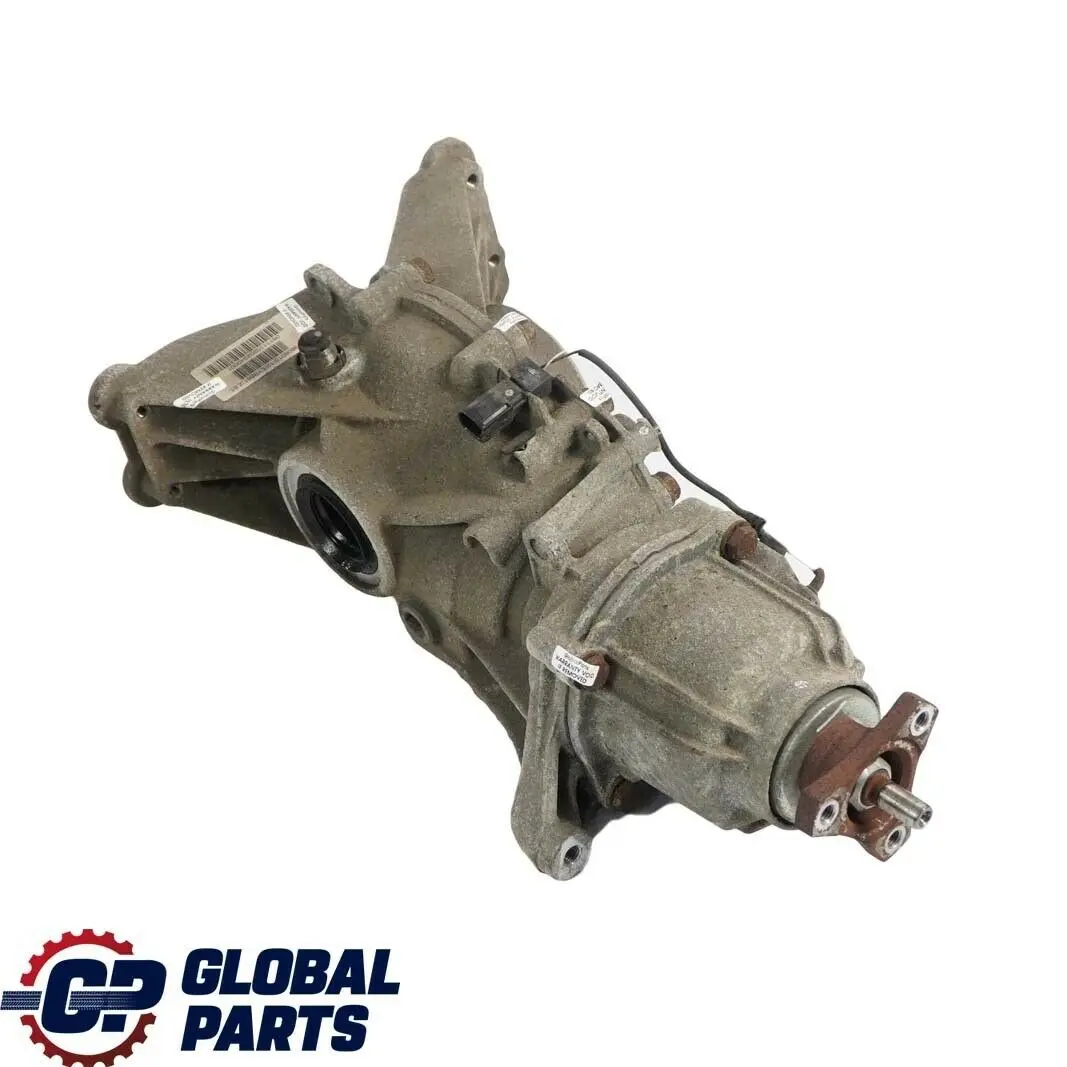
Part no. 9806010
Mini R60 R61 ALL4 Rear Differential Diff 2,81 Ratio 9806010 9803478 WARRANTY
£237.95
Free delivery: Jul 06
If paid before 14:00
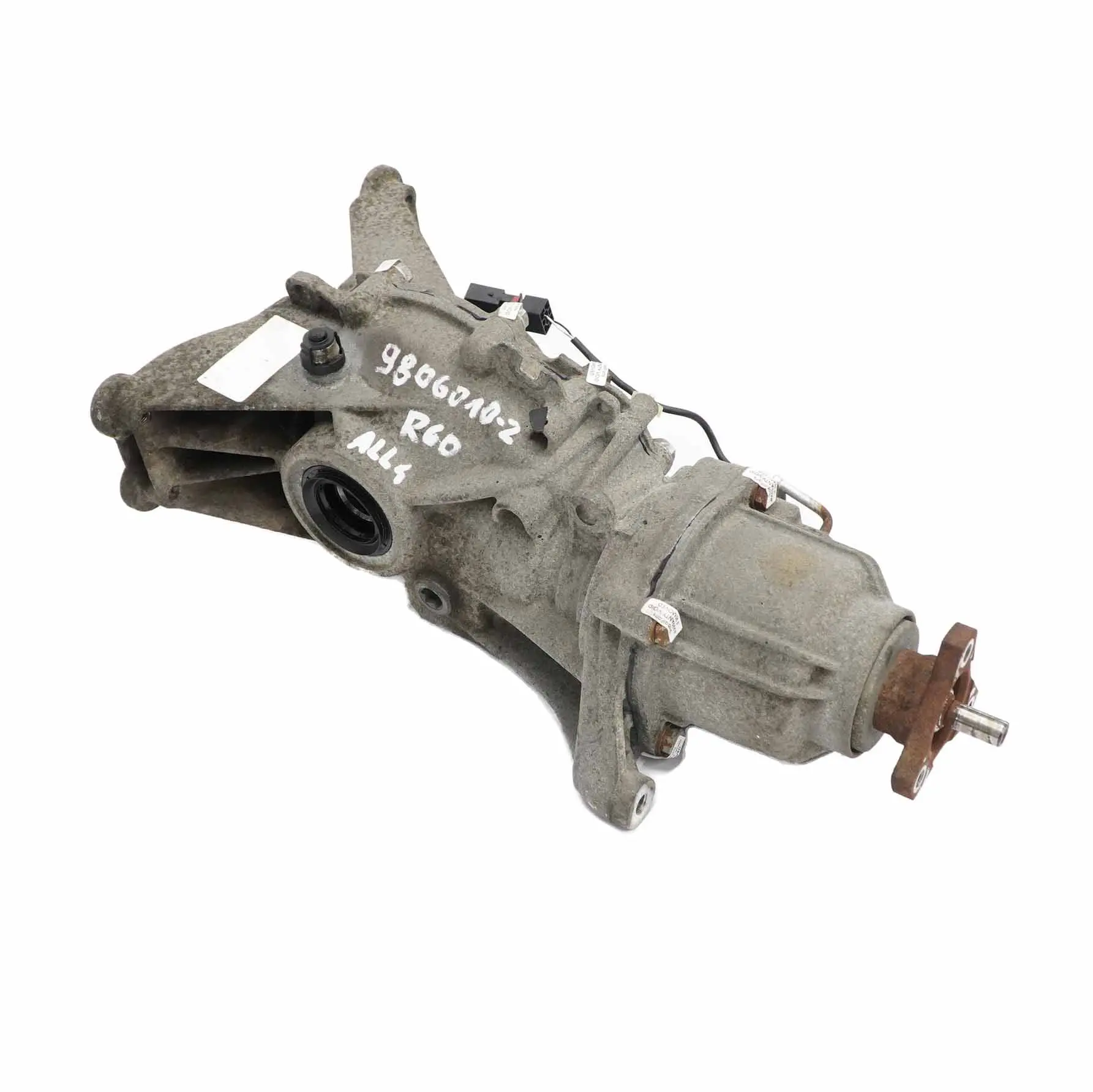
Part no. 9806010-2
Mini R60 Countryman ALL4 Rear Axle Differential Diff 2,81 Ratio 9806010 WARRANTY
£208.95
Free delivery: Jul 06
If paid before 14:00
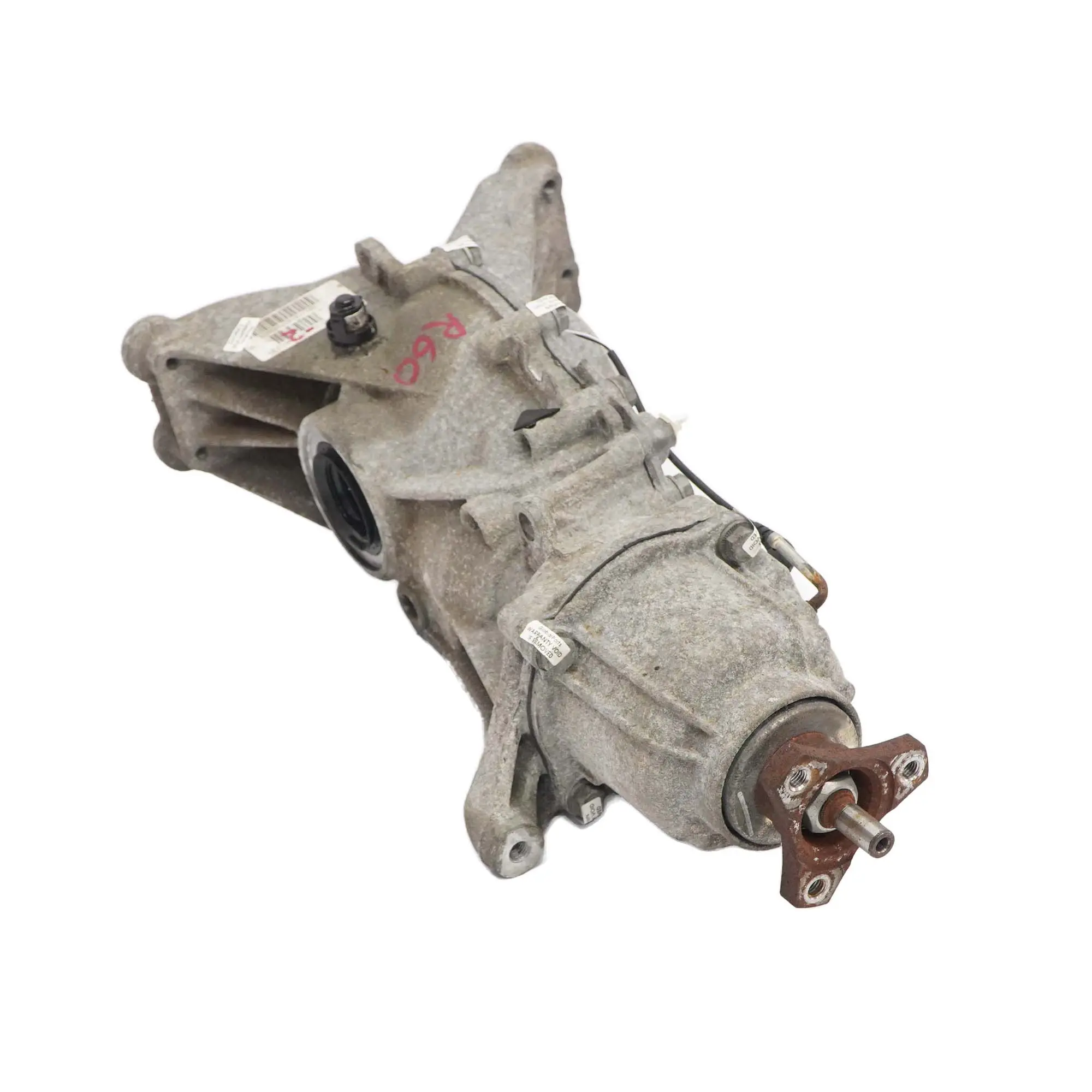
Part no. 9806010-1
Mini R60 Countryman ALL4 Rear Axle Differential Diff 2,81 Ratio 9806010 WARRANTY
Product currently unavailable
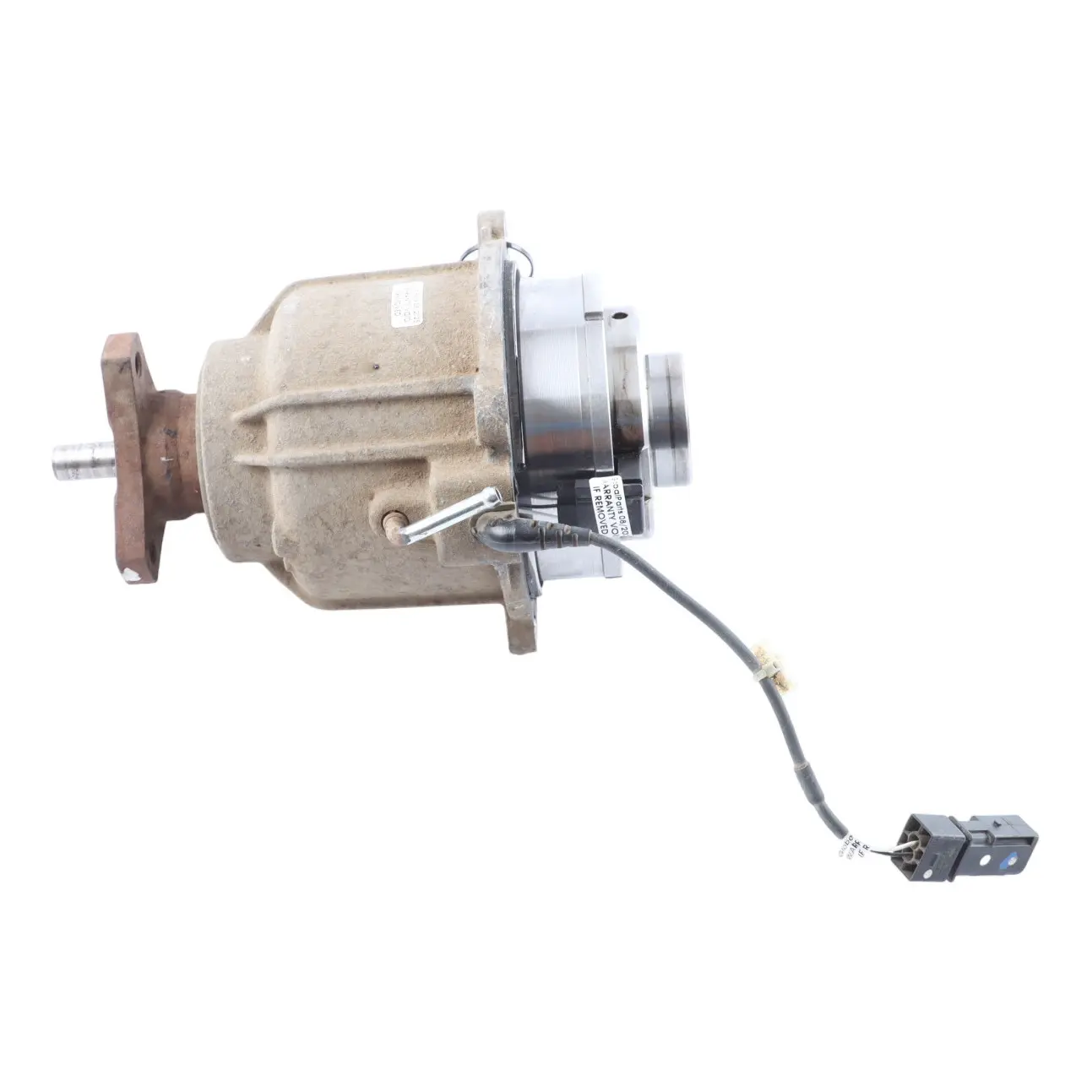
Part no. 7603858-1
Mini Countryman R60 R61 ALL4 Rear Diff Differential Clutch EMCD 7603858
Product currently unavailable
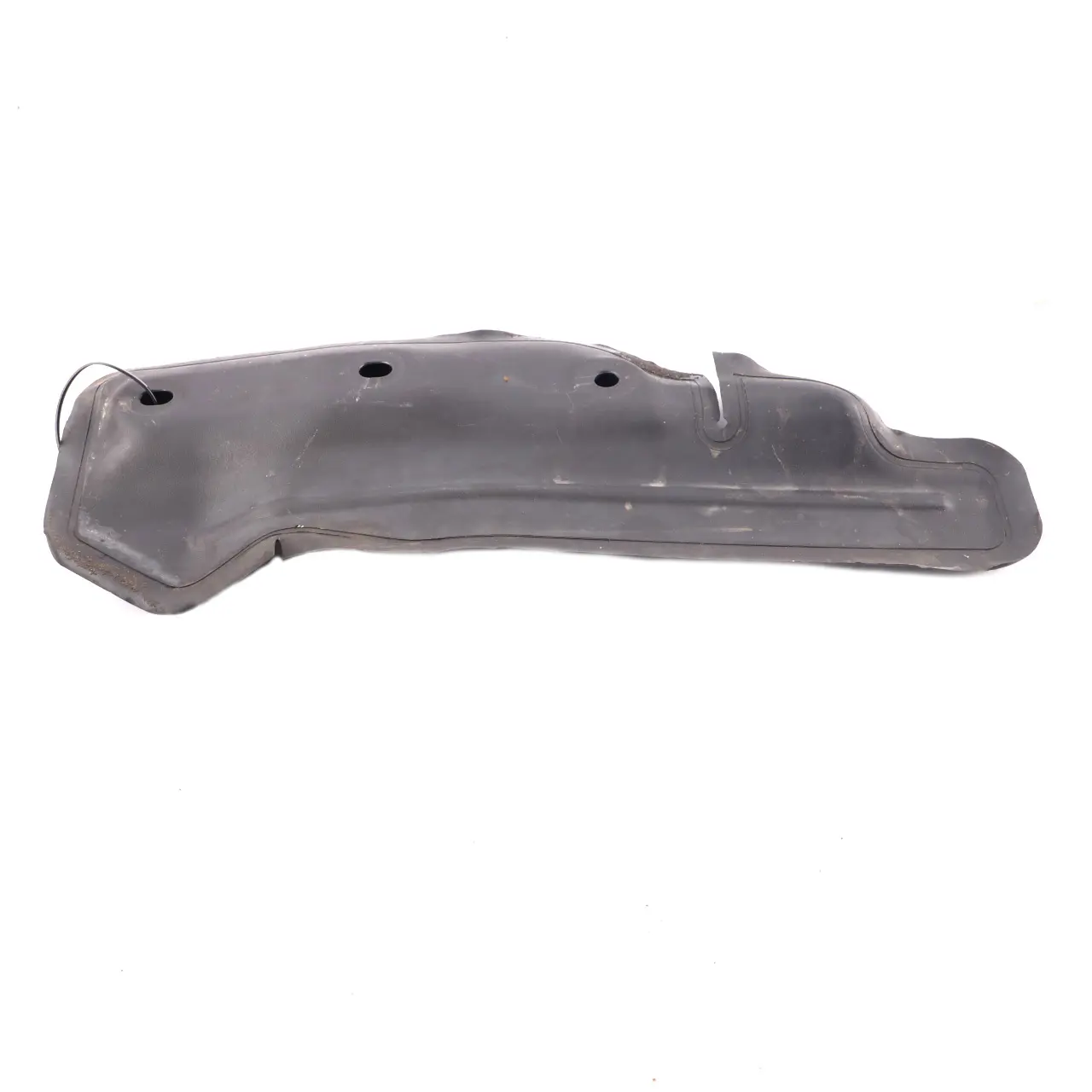
Part no. 7381977
Mini Clubman F54 Bonnet Seal Mount Front Left N/S 7381977
Product currently unavailable
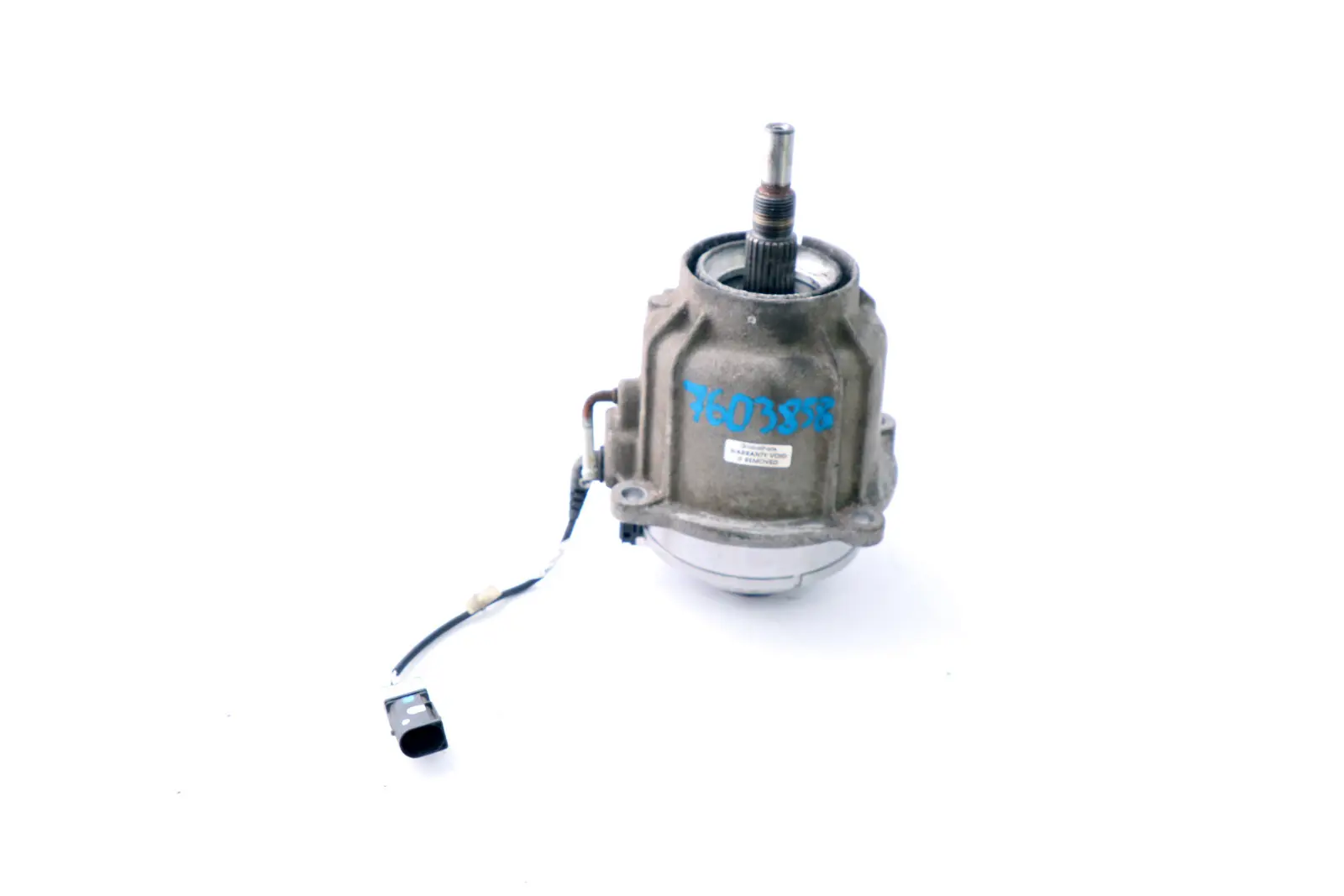
Part no. 7603858
Mini Countryman R60 R61 ALL4 Rear Diff Differential Clutch EMCD 7603858
Product currently unavailable
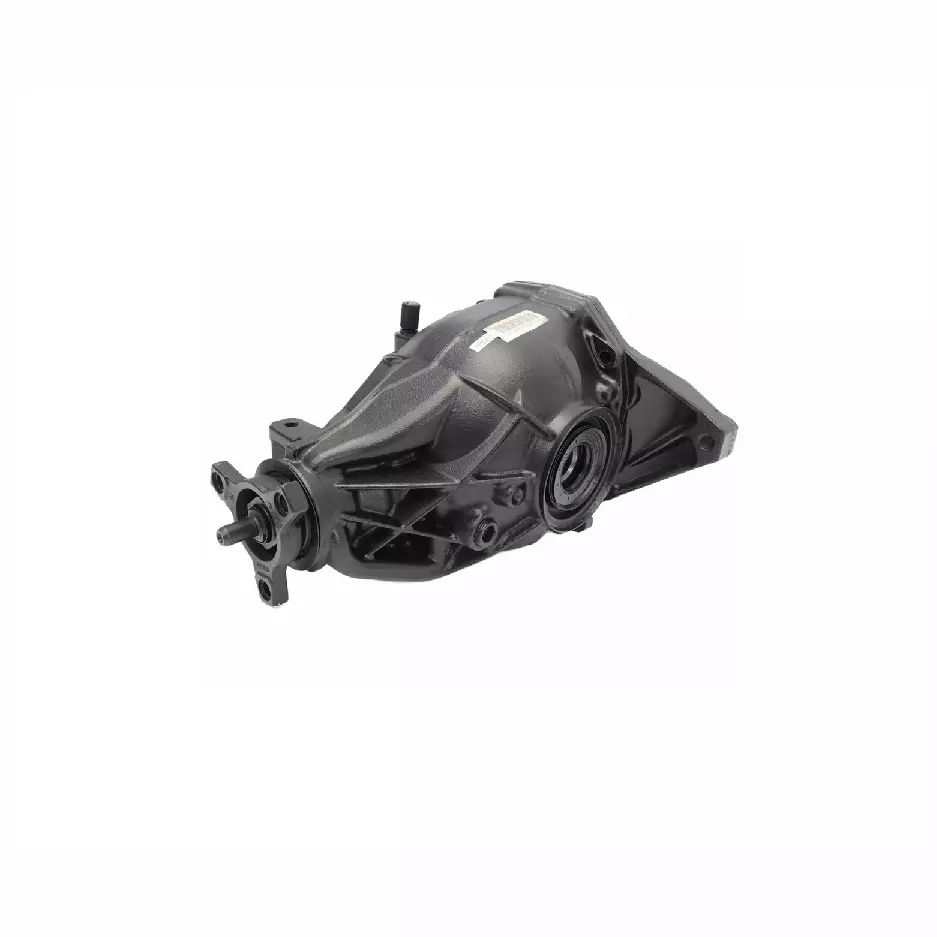
Reliable differentials – precision and durability you can rely on
Modern solutions in differential mechanisms - excellent traction control
Differential: why is it key to your car? Find the best used parts at automotive stores
Have you ever wondered what makes your car corner so smoothly? The answer is a small but extremely important component – the differential, also known as the diff. Without it, every journey could be full of unforeseen difficulties and inconveniences. But what exactly is this mysterious component and how does it benefit your car? Or perhaps you are considering purchasing used car parts and don't know where to start your search? You have come to the right place! Our automotive store Global Parts offers a wide selection of auto parts for passenger cars. Get ready to discover the fascinating world of differentials and learn how they can revolutionize your driving experience. A differential is a gear assembly that compensates for the difference in rotational speeds of the drive wheels, most commonly on the rear or front axle. In practice, it allows the wheels on the inside of a turn to rotate slower while the outer ones rotate faster. Modern cars use various types of differentials: open (standard), limited-slip (LSD), and electronically controlled (E-Diff). In sports vehicles, an LSD can distribute torque even in a 70:30 ratio, which significantly increases traction during dynamic driving.
How differentials work
The differential (diff) is a key element in every vehicle that allows for the even distribution of power between the wheels. When your car goes around a corner, the differential allows the inner wheel to rotate slower than the outer one. This avoids unnecessary slipping and ensures a smooth ride. Used car parts are a great option for those who want to save money without sacrificing quality. When looking for auto parts for your vehicle, it is worth paying attention to aspects such as technical condition and compatibility with your car model. The differential also affects other systems in the vehicle. For example, a rear differential can be significant in 4x4 vehicles. In such cases, proper adjustment of the suspension and other components is crucial for maintaining stability during off-road driving. It is also worth checking the offers of automotive stores with used parts, which often provide attractive prices and the possibility to view product photos before making a purchase. Another important element related to the differential is its cooperation with the drive axle and other mechanical systems of the vehicle. It is thanks to precise construction and solid workmanship that we can enjoy a comfortable ride both in the city and beyond. For automotive enthusiasts looking for new challenges, experiments with EPS (electronic power steering) or Reliability under the star sign – how to take care of engine accessories in popular Mercedes-Benz C-Class and E-Class models? may also be interesting. Properly selected parts can significantly improve your equipment's performance. All this makes differentials (diffs) not only fascinating engineering structures but also essential components of every modern motor vehicle.
Construction and purpose of differentials and parts
Differentials and parts are drivetrain components mounted in the axle housing, gearbox, or drive unit, depending on the car's design. Their task is to transfer torque to the half-shafts while allowing for a difference in rotational speed between wheels on the same axle. A typical set includes a housing, ring gear, pinion shaft, spider gears, side gears, bearings, and seals. In practice, the OEM number, gear ratio, flange diameter, and mounting method determine compatibility.
Technical section: types of differentials
| Differential type | Characteristics | Application |
|---|---|---|
| Open Differential | Distributes torque evenly, no locking during slip | Most passenger cars |
| LSD (Limited Slip) | Limits wheel slip – e.g., clutch-type or viscous | Sports cars, SUVs |
| Locking Differential | Rigid connection of wheels – both rotate at the same speed | Off-road vehicles, trucks |
| Electronic (E-Diff) | Controlled by ECU, dynamically distributes torque | Modern premium cars |
Differentials are designed to match the drivetrain – e.g., a front differential has a different construction than a rear one, and AWD vehicles feature an additional center differential. Therefore, compatibility between parts such as half-shafts, gears, and bearings is crucial for the durability of the entire drivetrain.
Comparison of variants and data to check before selection
| Variant | Where it is found | What to check before purchase | Cooperating elements |
|---|---|---|---|
| Front differential | Mostly in FWD and some AWD cars | OEM number, gear ratio, housing type, half-shaft exit side | Half-shafts, gearbox housing, seals |
| Rear differential | Mostly in RWD and 4x4 cars | Flange diameter, mounts, sensor type, final drive ratio | Drive shaft, axle, half-shafts, bearings |
| Center differential | AWD systems with torque distribution between axles | Compatibility with drive version, housing number, control type | Transfer case, controller, shafts |
Subcategories of differentials and parts:
- Differentials (diffs) – Responsible for distributing torque to the vehicle's wheels, allowing them to turn smoothly without losing traction.
- Differential bearings – Key components that reduce friction and ensure smooth operation of the differential.
- Other differential parts – Seals, housings, half-shafts, and other components necessary for the proper operation of the differential system.
Application and fitment of differentials
A differential is used for the controlled transfer of power to the wheels while changing driving conditions, load, and turning radius. Depending on the design, it can operate on the front axle, rear axle, or as an element distributing power between axles. This component reduces stress in the chassis during turns and affects the overall drivetrain performance. When choosing parts, it is also worth considering related components such as drive shafts, drive axles, or transfer cases.
Application and fitment of differentials
When choosing parts for a differential, it is worth paying attention to the manufacturer's part number (OEM) or matching it by the vehicle's VIN. For example, the 188L differential was used in BMW 3 Series (E46) models, while versions with a higher ratio, e.g., 210mm, were installed in more powerful R6 units. Such differences directly affect the final drive ratio (e.g., 3.15:1 or 3.64:1) and the torque transmitted to the wheels.
How to choose the right differentials and parts?
- Vehicle model fitment – At Global Parts, you will find differentials (diffs) and parts that perfectly fit BMW, Audi, Volkswagen, Mercedes, Mini, and others.
- Technical condition – Used differentials and their components should be free from excessive wear, corrosion, and mechanical damage.
- Differential type – Choose a standard differential or a locking version depending on the vehicle's purpose.
- Material – Choose components made of high-quality metal alloys resistant to heavy loads. Auto parts, such as differentials and their elements, must be precisely selected to ensure long service life and drivetrain efficiency.
Bearings, seals, and contact points in the drivetrain
A differential bearing is a rolling element supporting the pinion shaft or the differential carrier, tasked with maintaining proper alignment and reducing friction. Bearing wear can manifest as whining depending on speed, play, or a change in the gear tooth contact pattern. For parts such as BMW E46 differential bearings, it is worth comparing the OEM number, seat diameter, race type, and compatibility with the specific housing version. For larger repairs, gearbox repair kits can also be helpful if the fault involves several cooperating drivetrain components. Compared to planetary gears, differentials are characterized by higher resistance to lateral loads and better torque distribution in multi-drive systems. In commercial vehicles, their durability is often rated at over 250,000 km of operation without the need for regeneration. Using high-quality bearings and 75W-90 gear oils allows for friction reduction by up to 15%.
How to take care of differentials and parts?
- Regular oil changes – Proper lubrication reduces friction and extends the life of the differential.
- Checking play and bearings – Regularly checking the condition of differential bearings helps avoid costly failures.
- Avoiding overloads – Aggressive driving can lead to excessive stress and accelerated component wear.
- Timely repair or replacement – In case of damage, choose car parts that will ensure long-term drivetrain efficiency.
Why used car parts are a good choice
Nowadays, many drivers are looking for savings without sacrificing quality. Used car parts are becoming increasingly popular among vehicle owners who want to take care of their budget. When buying such auto parts, it is important to pay attention to a few key aspects. First of all, it is worth focusing on the technical condition of the selected components. Even the best differential (diff) will not fulfill its task if it is damaged or worn out. Therefore, before purchasing, it is always a good idea to carefully look at the product photo or – even better – see it in person at an automotive store. Buying used car parts also has ecological advantages. By choosing this solution, we contribute to reducing waste and promoting the recycling of resources already available on the market. This is an additional bonus for those who care about the natural environment. Before making a purchase, it is worth consulting experts from automotive stores – they often have extensive knowledge about available products and can advise on the best solutions tailored to individual customer needs. In summary: investing in high-quality used auto parts is a great way to save money without giving up high-class equipment for your machines! Statistically, a remanufactured differential costs up to 60% less than a new equivalent while maintaining full functionality and factory parameters. In the automotive industry, remanufacturing processes are increasingly used, which include replacing all wear elements such as bearings and seals. Such a solution is not only cheaper but also more ecological.
Differential: how it affects safety and driving comfort
The differential plays a key role in every vehicle. Its task is to allow the wheels to move at different speeds, which is necessary when cornering. Thanks to this, the inner wheel can rotate slower than the outer one, which ensures a smooth ride and prevents excessive tire wear. Many vehicle owners consider purchasing used car parts. It is an excellent way to save money without sacrificing quality. However, it is worth paying attention to a few aspects before making such a purchase. First of all, the technical condition of auto parts is of great importance. Even the best differential will not bring benefits if it is damaged or worn out. Therefore, it is always worth viewing the product photo before purchasing or visiting an automotive store in person. Properly selected elements can significantly improve equipment performance and extend its service life. For 4x4 off-road vehicles, special attention should be paid to the rear differential (rear diff) and its cooperation with the drive axle and other mechanical systems of the vehicle. Experts from automotive stores often have extensive knowledge about available products and can help in choosing the most suitable solutions for our needs. Such help can be invaluable when making decisions regarding purchased components. Investing in high-quality used auto parts is a great way not only for financial savings but also for an ecological approach promoting the recycling of resources already existing on the market! In modern vehicles, the differential works with ABS, ASR, and ESP systems. Sensors at the wheel measure the speed difference, and the controller dynamically corrects torque distribution. Premium cars use active differentials (Torque Vectoring), which can increase torque on the outer wheel in a turn by up to 20%, improving stability and traction at high speeds.
FAQ
| Question | Answer |
|---|---|
| What do differentials and parts consist of? | Differentials and parts are a set of drivetrain components mounted on the drive axle or in an AWD system. A typical set includes a housing, ring gear, pinion shaft, spider gears, side gears, bearings, and seals. Depending on the car's design, flanges, a speed sensor, and mounting elements are also included. Compatibility is primarily determined by the OEM number, gear ratio, and housing type. |
| What are differentials and parts used for? | Differentials are used to distribute torque to wheels on the same axle while maintaining a difference in their speed during a turn. This allows the drivetrain to operate smoothly, and tires and half-shafts are not excessively stressed in corners. A functional differential also affects traction, stability, and drivetrain performance. In AWD cars, it additionally cooperates with elements distributing power between axles. |
| What is the construction and function of differential bearings? | Differential bearings are rolling elements supporting the pinion shaft and the differential carrier. Their task is to maintain the alignment of the gear operation, reduce friction, and transfer loads generated during acceleration and engine braking. Worn bearings can cause whining, play, and an incorrect tooth contact pattern. When selecting, check the seat dimensions, bearing type, and compatibility with the given housing. |
| How to choose a differential for a specific car version? | It is safest to compare the OEM number, gear ratio designation, drive type, and body/engine version. It is also worth checking the flange diameter, shaft mounting method, presence of a sensor, and housing type. For 4x4 vehicles, compatibility with other drivetrain elements is also important. |
| What symptoms may indicate wear of the differential or its parts? | The most common symptoms are whining that increases with speed, vibrations during acceleration, clunking when changing loads, and oil leaks around the seals. In practice, it is also worth paying attention to excessive play on the flanges and uneven drivetrain operation in corners. Such signals do not always mean the entire unit is damaged, but they require verification of bearings, gears, and mounts. |
| How to take care of differentials after installation? | The basis is checking the level and quality of gear oil and regularly checking the housing for leaks. After installation, it is worth observing whether there is any noise, play, or weeping at the seals. It is also good practice to verify cooperating elements such as half-shafts, the drive shaft, and mounts so that the entire system operates without excessive loads. |
Summary: differentials and parts at the Global Parts automotive store
When taking care of your car yourself, it is worth understanding how important a role the differential (diff) plays. It is what makes your vehicle corner smoothly and makes driving more comfortable and safer. Without a functional differential, this would be much more difficult. Differentials (diffs) and their parts are key elements of the drivetrain that affect stability, comfort, and driving safety. By taking care of their technical condition, you can avoid problems with traction, noise, and excessive wear of drivetrain elements. At Global Parts, you will find an offer tailored to many models, including BMW, Audi, Volkswagen, Mercedes, Mini, and others. We invite you to contact us – we are here to help you! For more information and interesting facts, we also invite you to visit our automotive blog.