


Clutch Hydraulics
More informationAt the Global Parts automotive store, we offer a wide selection of original used car parts, including clutch hydraulics for many popular car brands such as BMW, Mini, Mercedes, Audi, Volkswagen and others. The clutch hydraulics we offer undergo quality control so that you can be sure that you are receiving a top-class product.
GB
Make
Category
Subcategory
Differentials and parts
Condition
In Stock
Price
-5%
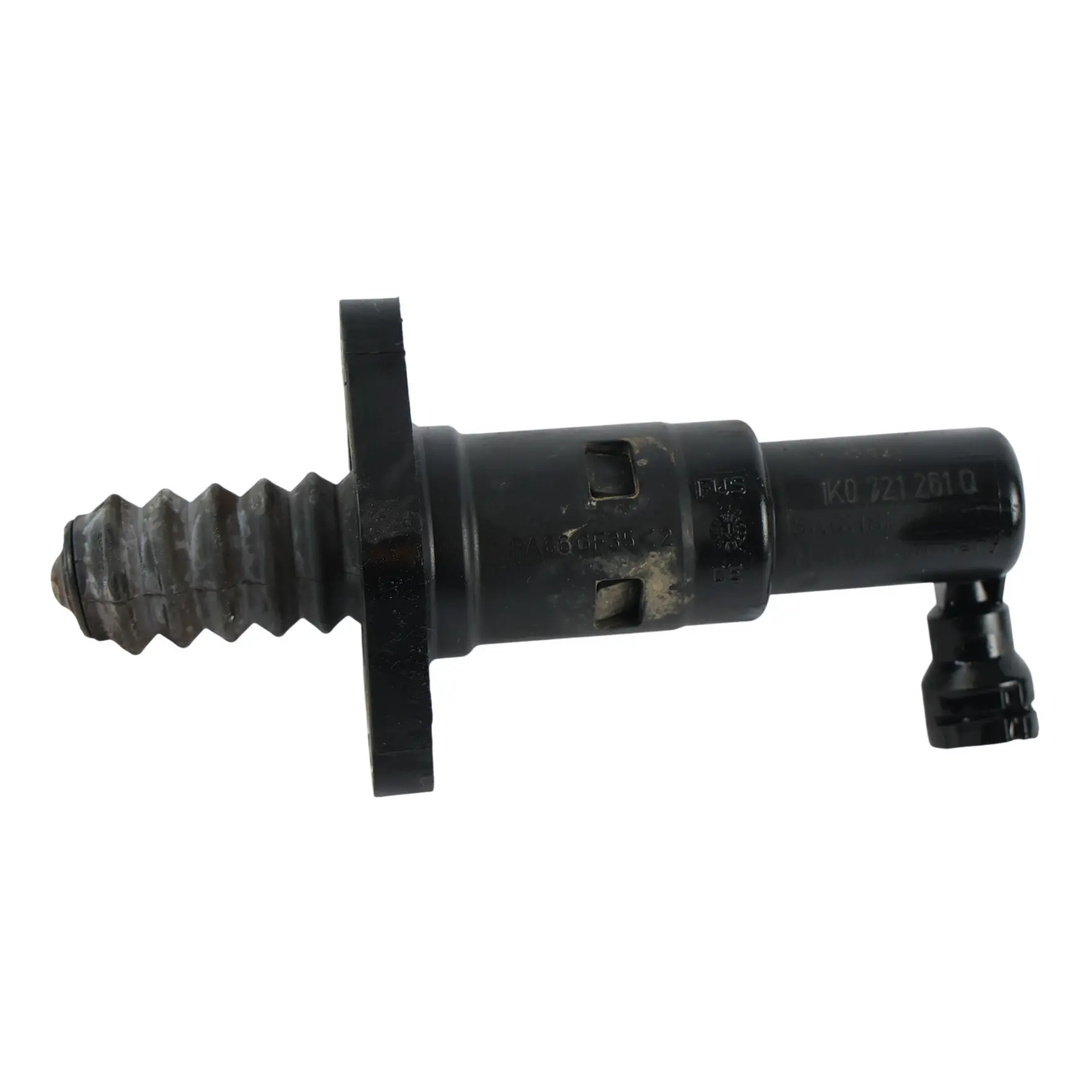
Part no. 1K0721261Q
Audi A3 8P TT 8J VW Golf MK7 Manual Clutch Hydraulic Slave Cylinder 1K0721261Q
Promo price
£13.95
£13.25
Free delivery: Jul 17
If paid before 14:00
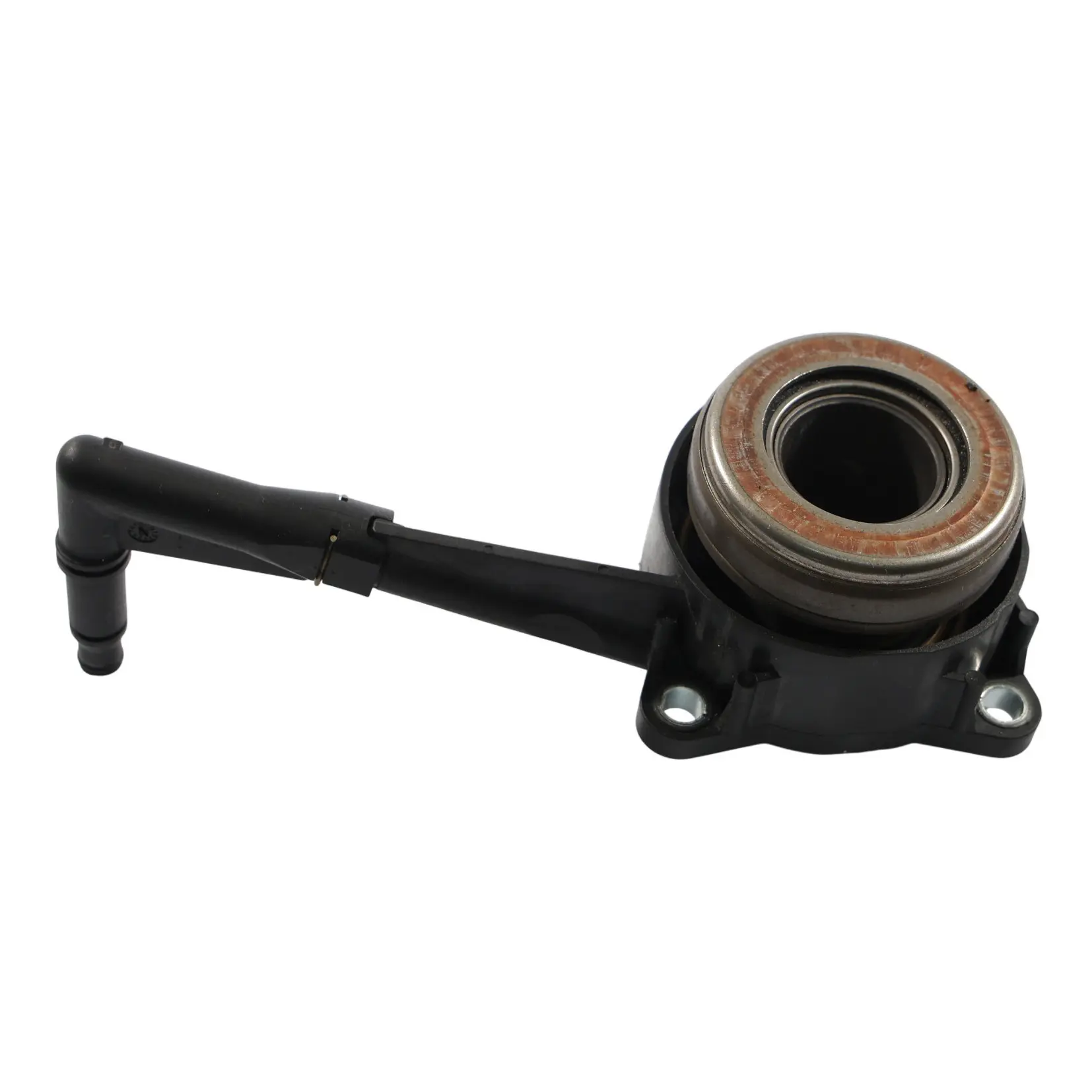
Part no. 0A5141671A
Audi A3 S3 8P TT 8J S3 Release Bearing Concentric Slave Cylinder 0A5141671A
Product currently unavailable
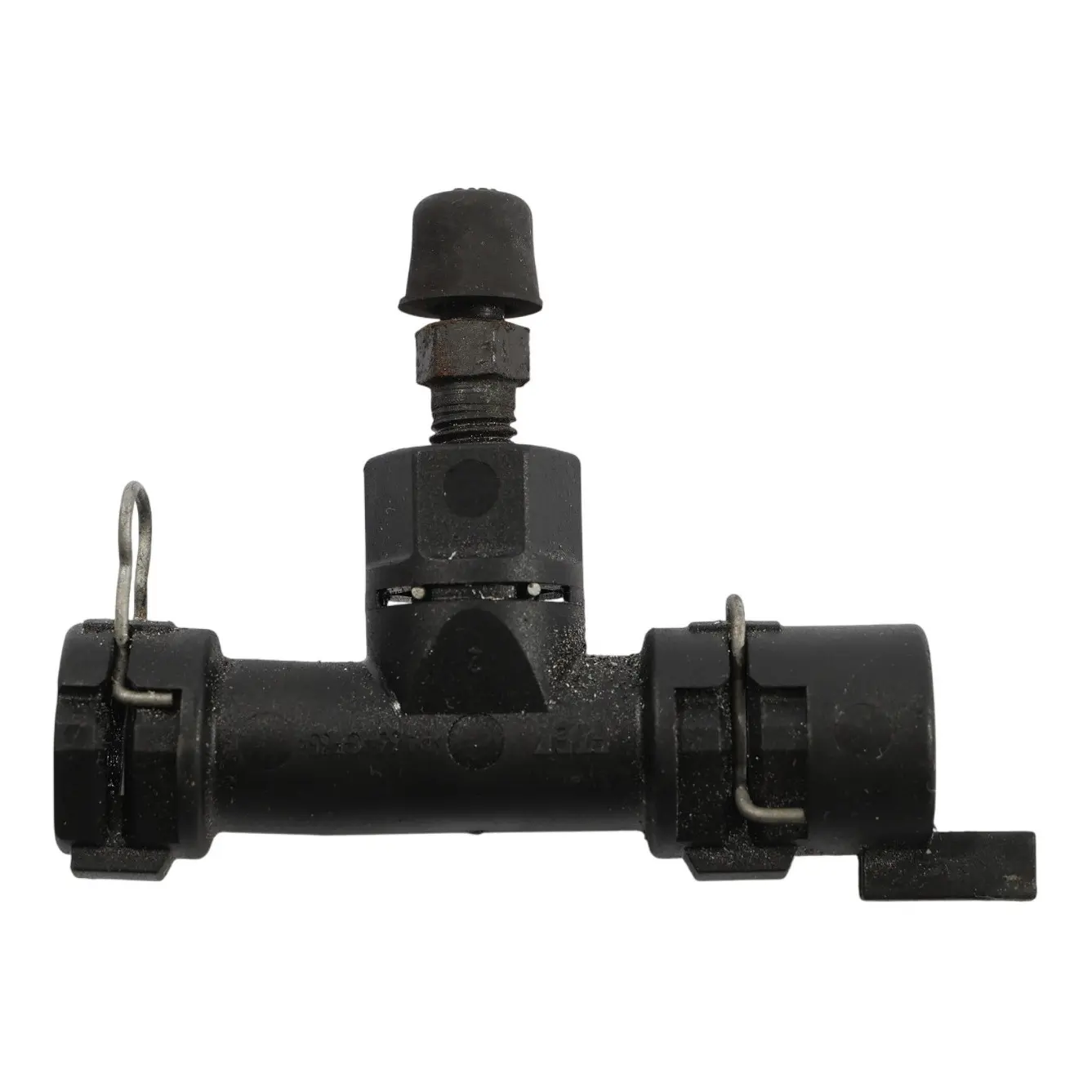
Part no. 1J0721468C
Audi A1 S1 GB A3 8P VW Golf GTI Clutch Bleeder Valve T Piece Manual 1J0721468C
Product currently unavailable
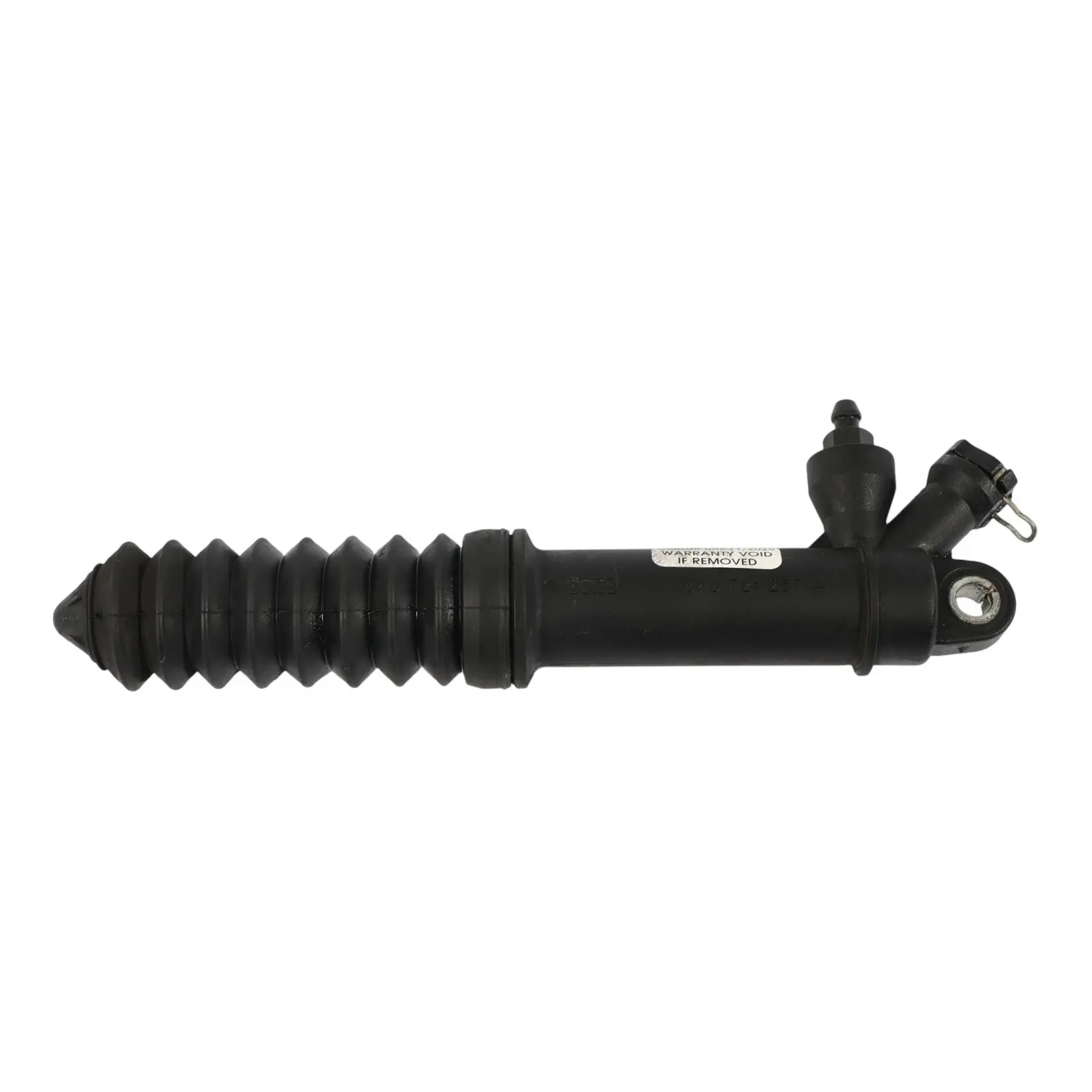
Part no. 8K0721257A
Audi A5 8T Clutch Control Slave Cylinder Manual Gearbox Transmission 8K0721257A
Product currently unavailable
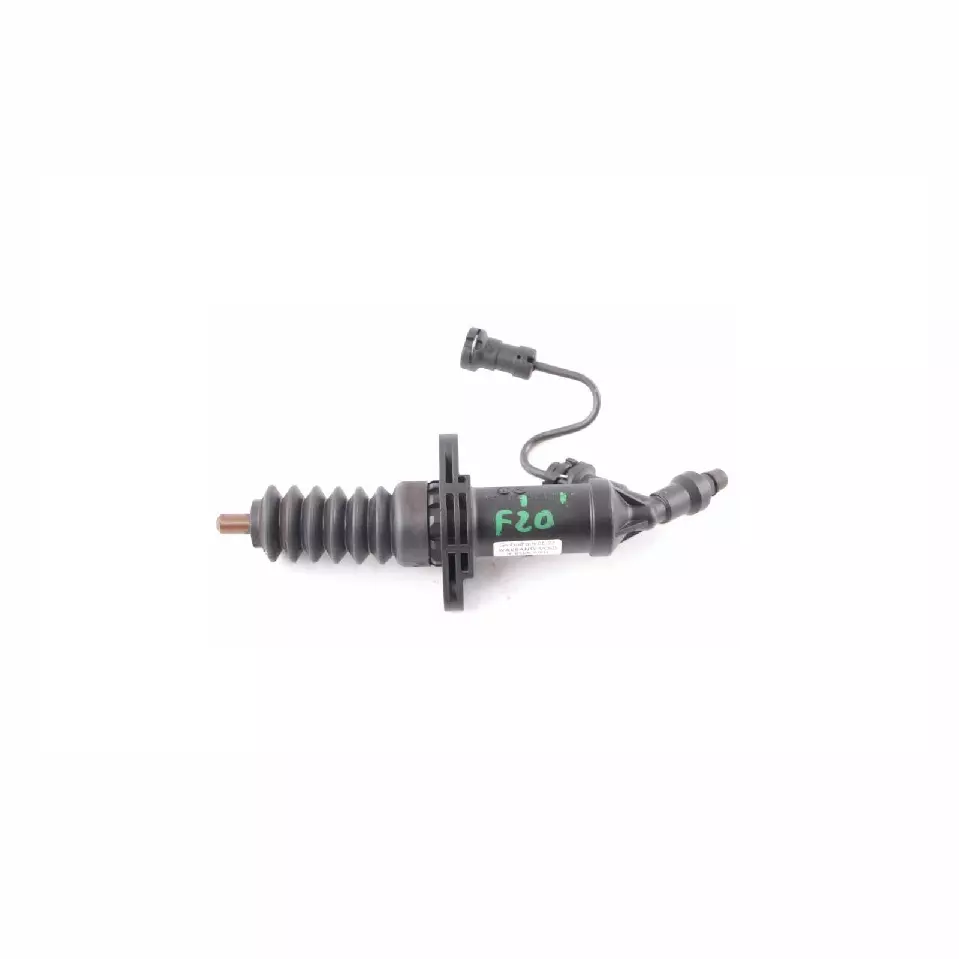
Hydraulic clutch pumps and hoses for effective force transfer
Efficient hydraulic clutch pumps for precise control
Clutch hydraulics is a key system in vehicles equipped with hydraulic clutch control. It is responsible for the smooth transfer of force from the clutch pedal to the clutch mechanism, ensuring comfortable operation and reliability of the drivetrain. In the Global Parts automotive store, you will find a wide selection of used car parts, including clutch hydraulics, ideal for brands such as BMW, Audi, Mercedes, Volkswagen, Mini, and others.
What functions does clutch hydraulics perform?
Clutch hydraulics plays a crucial role in controlling the clutch:
- Force transmission – It enables the smooth transfer of clutch pedal movement to the clutch pressure plate using hydraulic fluid.
- Reduction of driver effort – Thanks to the hydraulic system, clutch operation is light and comfortable.
- Precise clutch operation – Hydraulic components, such as slave cylinders or master cylinders, ensure accuracy in controlling the clutch mechanism.
Construction and purpose of clutch hydraulics
Clutch hydraulics is a set of components that transfers pressure from the clutch pedal to the mechanism that disengages the drive. The system usually consists of a clutch master cylinder, a hydraulic hose, and a slave cylinder, and in some designs, it also works with a fluid reservoir or an integrated actuator. Clutch hydraulics is located between the pedal assembly and the gearbox and is responsible for the predictable operation of the clutch during starting and gear shifting.
Comparison of common clutch hydraulic components
| Component | Function | Mounting location | What to check before selection |
|---|---|---|---|
| Clutch master cylinder | Generates pressure when the pedal is pressed | At the clutch pedal or on the bulkhead | OEM number, mounting type, connection diameter, and vehicle version |
| Hydraulic hose | Transfers fluid between the master and slave cylinder | Between the master cylinder and the gearbox | Length, type of fittings, hose routing, and tightness |
| Slave cylinder | Transfers pressure to the clutch mechanism | On the gearbox housing or inside the housing | OEM number, connector type, mounting method, and gearbox compatibility |
Why is it worth taking care of clutch hydraulics?
Wear or damage to clutch hydraulic components can lead to problems with clutch operation and the drivetrain. Typical symptoms of malfunction include:
- Difficulty in operating the clutch – A stiff clutch pedal may indicate problems with the master or slave cylinder.
- Hydraulic fluid leaks – Leaks in hoses or cylinders can cause fluid loss, which disrupts clutch operation.
- Incomplete clutch disengagement – Problems with hydraulic components can lead to difficulty in shifting gears.
- Noise during clutch operation – Noises may indicate damage to the slave cylinder or other system components. If a replacement is needed, at Global Parts you will find suitable used car parts that will restore full functionality to your clutch hydraulic system.
Function of the hydraulic system and cooperation with other components
Clutch hydraulics is used for the smooth disengagement and reconnection of the drive between the engine and the gearbox. Its proper operation affects the ease of gear shifting, pedal feel, and the effectiveness of the entire clutch control system. In practice, components in this category should be selected together with parts from the clutch parts and kits group, as the structural compatibility of the master cylinder, hose, and slave cylinder is important for tightness and operating stroke.
How to choose the right clutch hydraulic components?
When choosing clutch hydraulic components, you should pay attention to several key aspects:
- Fitment to the vehicle model – Every hydraulic system has its specific technical requirements. At Global Parts, you will find clutch hydraulic parts perfectly matched to BMW, Audi, Mercedes, Volkswagen, Mini, and others.
- Technical condition – Used components should be free of leaks, cracks, and mechanical damage.
- Type of hydraulic components – Choose parts compatible with your vehicle's design, such as clutch master cylinders, slave cylinders, or hydraulic hoses.
Selecting parts by OEM number, car version, and system type
The clutch master cylinder is a component activated by the pedal that generates pressure in the hydraulic hose and initiates the operation of the slave cylinder. When selecting, it is worth comparing the OEM part number, interchangeable numbers, gearbox type, and the method of hose mounting. When completing a repair for a specific model, e.g., BMW E90, it is also good to verify the engine version, fuel type, and whether the system works with a separate slave cylinder or an integrated solution.
Why is it worth choosing used clutch hydraulic components?
Used car parts, such as clutch hydraulic components, are an economical solution that allows for savings while maintaining high quality. By choosing used hydraulic components, you gain:
- Lower costs – Used components are significantly cheaper than new ones but offer equally high quality.
- Ecology – Recycling car parts supports environmental protection and reduces waste.
- Wide offer – In our store, you will find clutch hydraulic components for the most popular car brands.
The importance of the slave cylinder and practical mounting tips
The slave cylinder is a hydraulic actuator that receives fluid pressure and transfers it to the mechanism disengaging the clutch. This component can be mounted externally on the gearbox or internally, depending on the car's design, so before purchasing, you must check the mounting location, fitting type, and compatibility with the gearbox housing. When choosing a component like a Mercedes W204 slave cylinder, it is important to compare the OEM number, gearbox version, and the system bleeding method. The topic of cost-effective replacement of original components is also described in more detail in the article Used parts for Mercedes - original parts from dismantling, which can be helpful supplementary material when completing parts for systems that work with the clutch.
How to take care of clutch hydraulics?
To ensure clutch hydraulics works reliably for a long time, it is worth following a few rules:
- Regular inspections – Check the hydraulic fluid level and the condition of the hoses during periodic technical inspections.
- Hydraulic fluid replacement – Regular fluid changes prevent corrosion and contamination in the system.
- React to leaks – If leaks are noticed, damaged components should be replaced immediately to avoid further problems.
Checking for leaks and completing cooperating components
The hydraulic hose represents the connection through which working fluid flows between the master and slave cylinder, so its tightness has a direct impact on the clutch pedal response. During inspection, it is worth checking for traces of moisture at the connections, the condition of the fittings, and any deformation of the hose. If you are looking for a component such as a Mini R56 clutch master cylinder, you should compare the OEM number, mounting geometry, and compatibility with the hose and elements from the clutch cables, clutch kits, or other clutch parts categories.
FAQ
| Question | Answer |
|---|---|
| What is the construction and purpose of clutch hydraulics? | Clutch hydraulics is a system that controls clutch operation using hydraulic fluid. A typical set consists of a clutch master cylinder, a hose, and a slave cylinder, and its components are distributed from the pedal assembly to the gearbox housing. The system's task is to transfer pressure force in a smooth and repeatable manner, without using a purely mechanical connection. |
| What is clutch hydraulics used for? | Clutch hydraulics is used to disengage the drive during starting and gear shifting. Thanks to fluid pressure, the driver can operate the pedal more easily, and the clutch works more predictably. Malfunction of this system can cause problems with shifting gears, incomplete disengagement, and reduced control over gearbox operation. |
| What role does the slave cylinder play in the hydraulic system? | The slave cylinder is an actuator that converts hydraulic fluid pressure into the movement needed to activate the clutch mechanism. It can work with a clutch release fork or be integrated with the release bearing, depending on the vehicle's design. Its condition affects not only the effectiveness of disengagement but also the tightness of the entire system and the ease of bleeding after installation. |
| How to choose a clutch hydraulic component for a specific car? | It is safest to compare the OEM part number, interchangeable numbers, gearbox type, and the vehicle's engine version. It is also worth checking the mounting location, type of connections, and whether the model has an external or central slave cylinder. For used parts, the condition of the housing, threads, and fittings is also important. |
| What symptoms indicate problems with clutch hydraulics? | Typical symptoms include a soft or overly stiff pedal, difficulty in shifting gears, and fluid leaks at the master cylinder, hose, or slave cylinder. A fault can also be signaled by delayed clutch response and incomplete drive disengagement. In such situations, it is worth checking the entire system, not just one component. |
| What should be paid attention to during installation and maintenance of clutch hydraulics? | After installation, check the tightness of the connections and properly bleed the system, as even a small amount of air impairs pedal operation. You must also verify the fluid's compatibility with the manufacturer's recommendations and the condition of cooperating components. A good practice is to compare the old and new parts in terms of mountings, hose length, and connector type. |
Summary: clutch hydraulics at the Global Parts automotive store
Clutch hydraulics is a key system ensuring comfort and precision in clutch operation. By taking care of its technical condition, you can improve the performance of the drivetrain and driving comfort. In the Global Parts offer, you will find used components matched to many versions of cars from brands such as BMW, Mini, Mercedes, and others, taking into account data such as brand, condition, OEM part number, interchangeable numbers, and fuel type. We invite you to contact us – we are here to help you! For more information and interesting facts, we also invite you to visit our automotive blog.