


Brake pads
More informationAt Global Parts, we offer a wide selection of original used car parts, including brake pads for many popular car brands such as BMW, Mini, Mercedes, Audi, Volkswagen, and others. Our brake pads undergo quality control to ensure you receive a top-quality product.
GB
Make
Category
Subcategory
Condition
In Stock
Price
-15%
Part no. 6759878
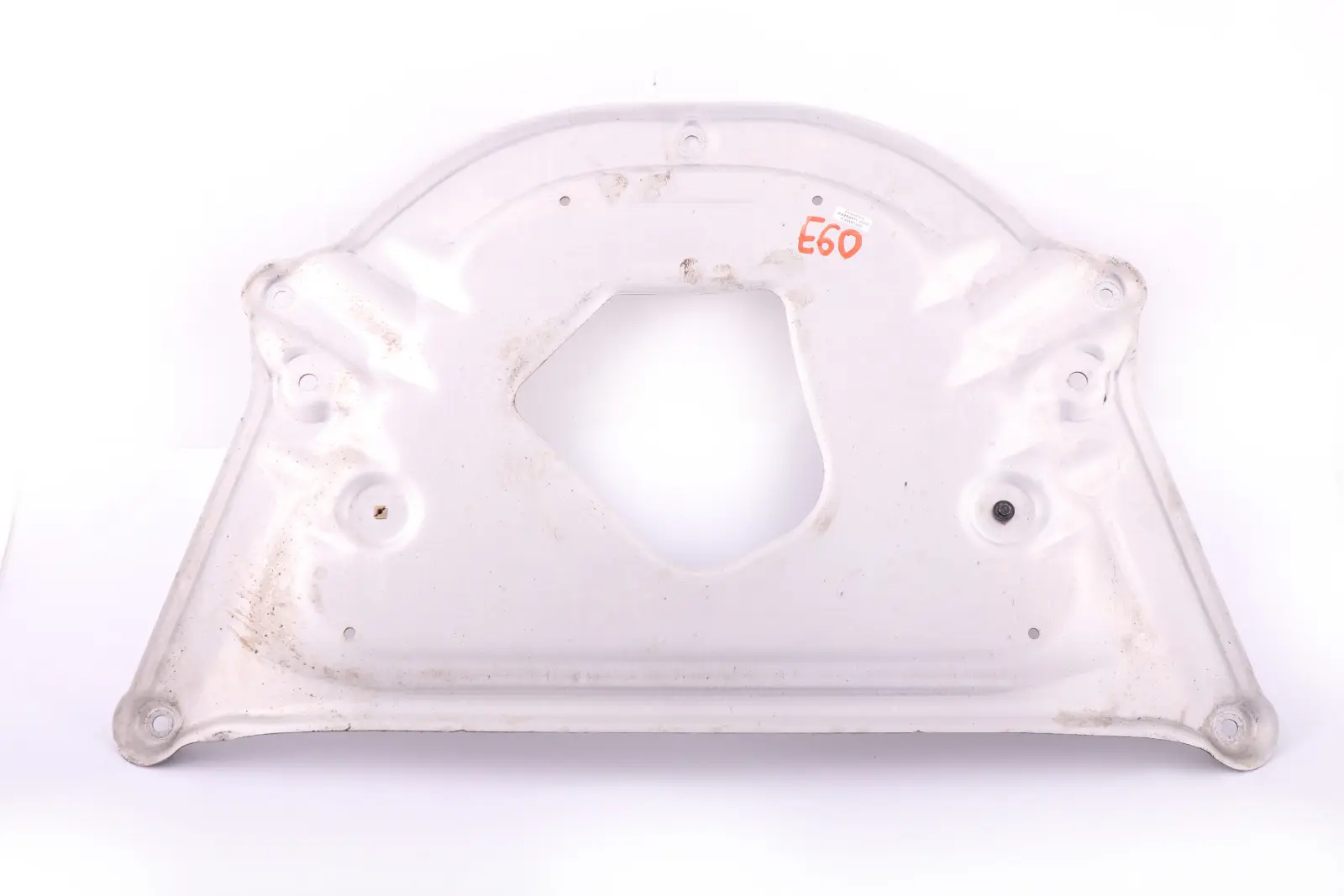
Reinforcement Plate BMW E60 E61 E63 Front Axle Support 6759878
Promo price
£18.95
£16.11
Free delivery: Jun 30
If paid before 14:00
-15%
Part no. 6776783
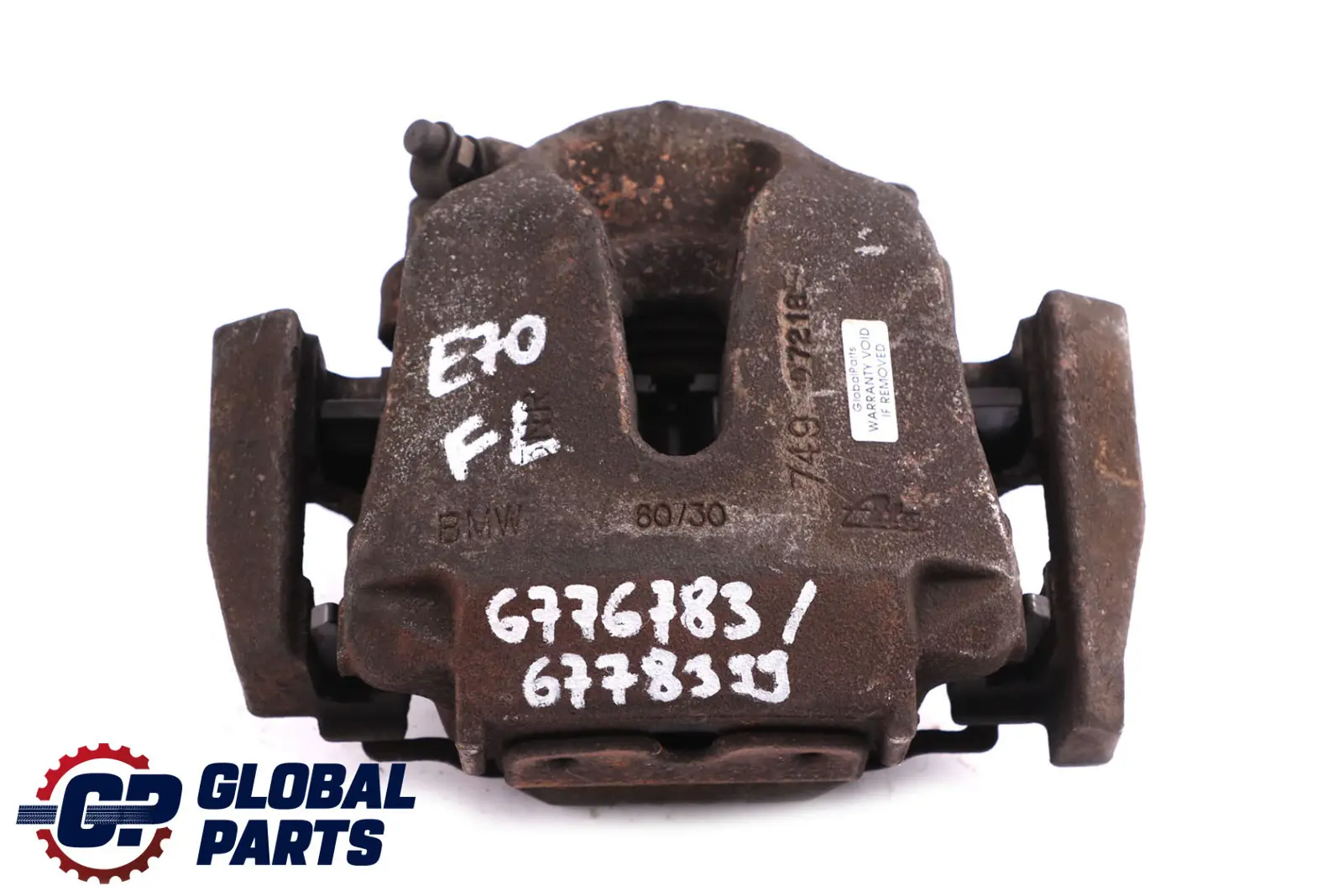
BMW X5 X6 Series E70 E71 Front Left N/S Brake Caliper Housing Carrier 60/30
Promo price
£18.95
£16.11
Free delivery: Jun 30
If paid before 14:00
Part no. 2283032
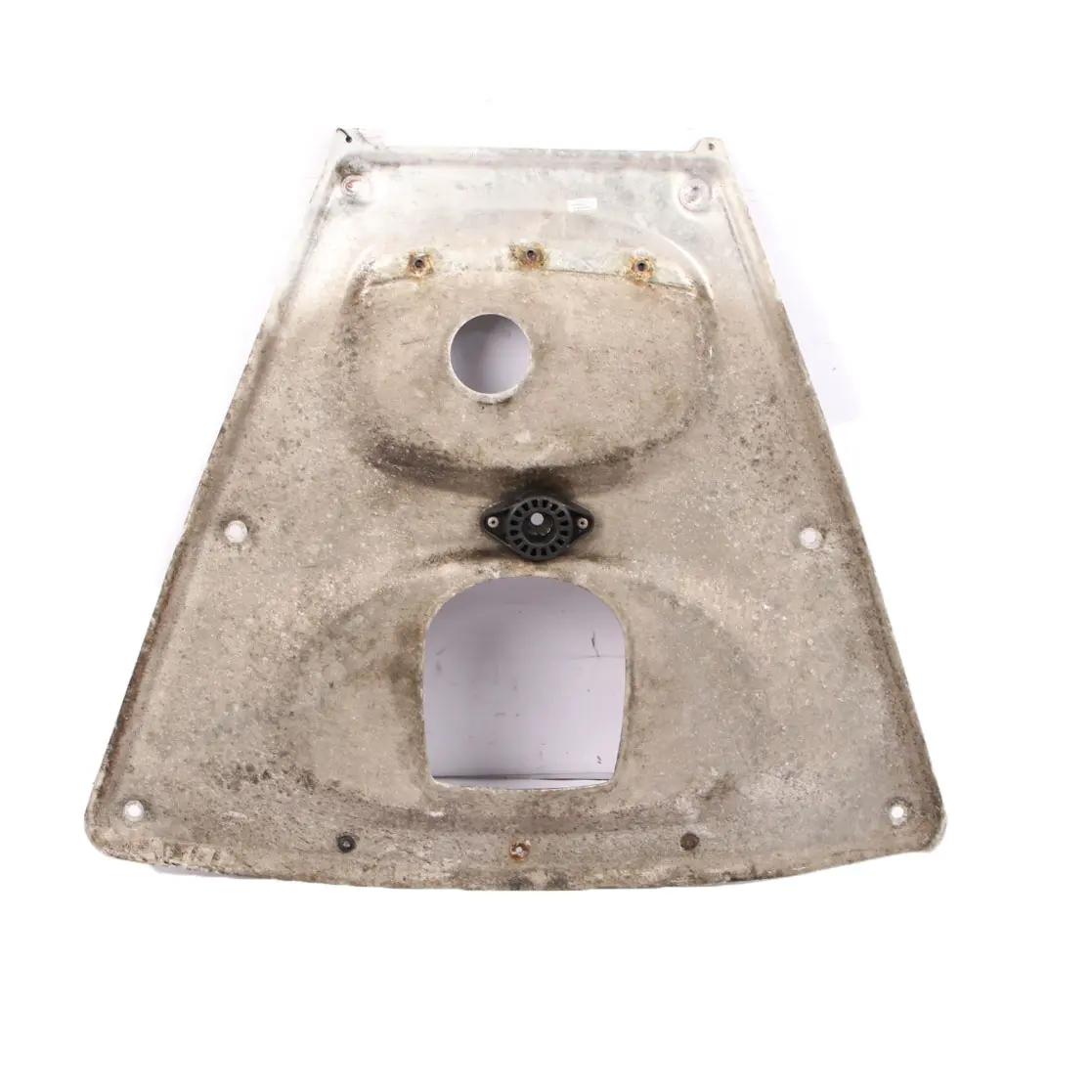
BMW 3 Series E90 E92 E93 M3 Front Axle Support Reinforcement Plate Panel Guard
Product currently unavailable
Part no. 2282970
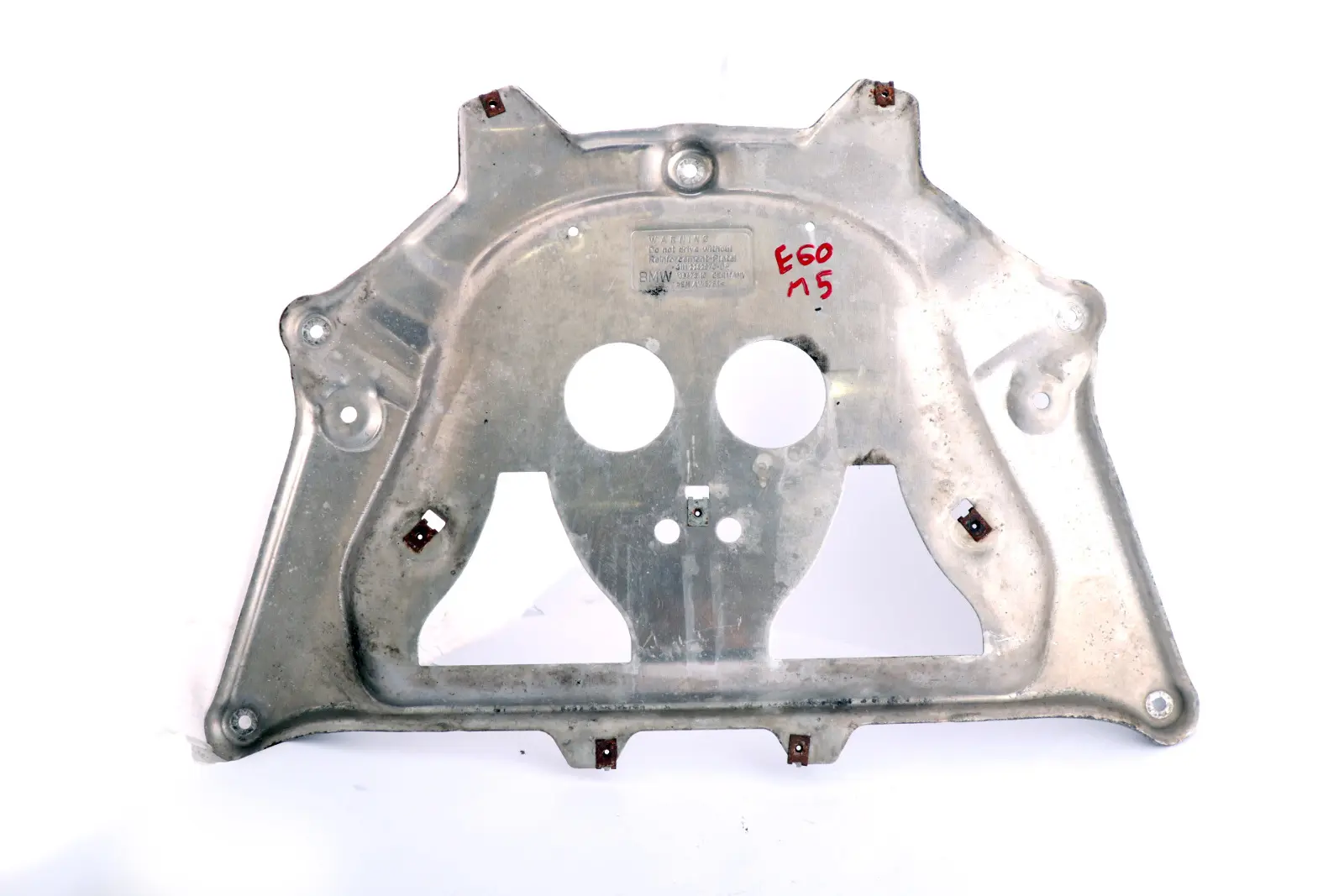
BMW E60 M5 E61N E63 E64 Lower Engine Reinforcement Insulation Plate 2282970
Product currently unavailable
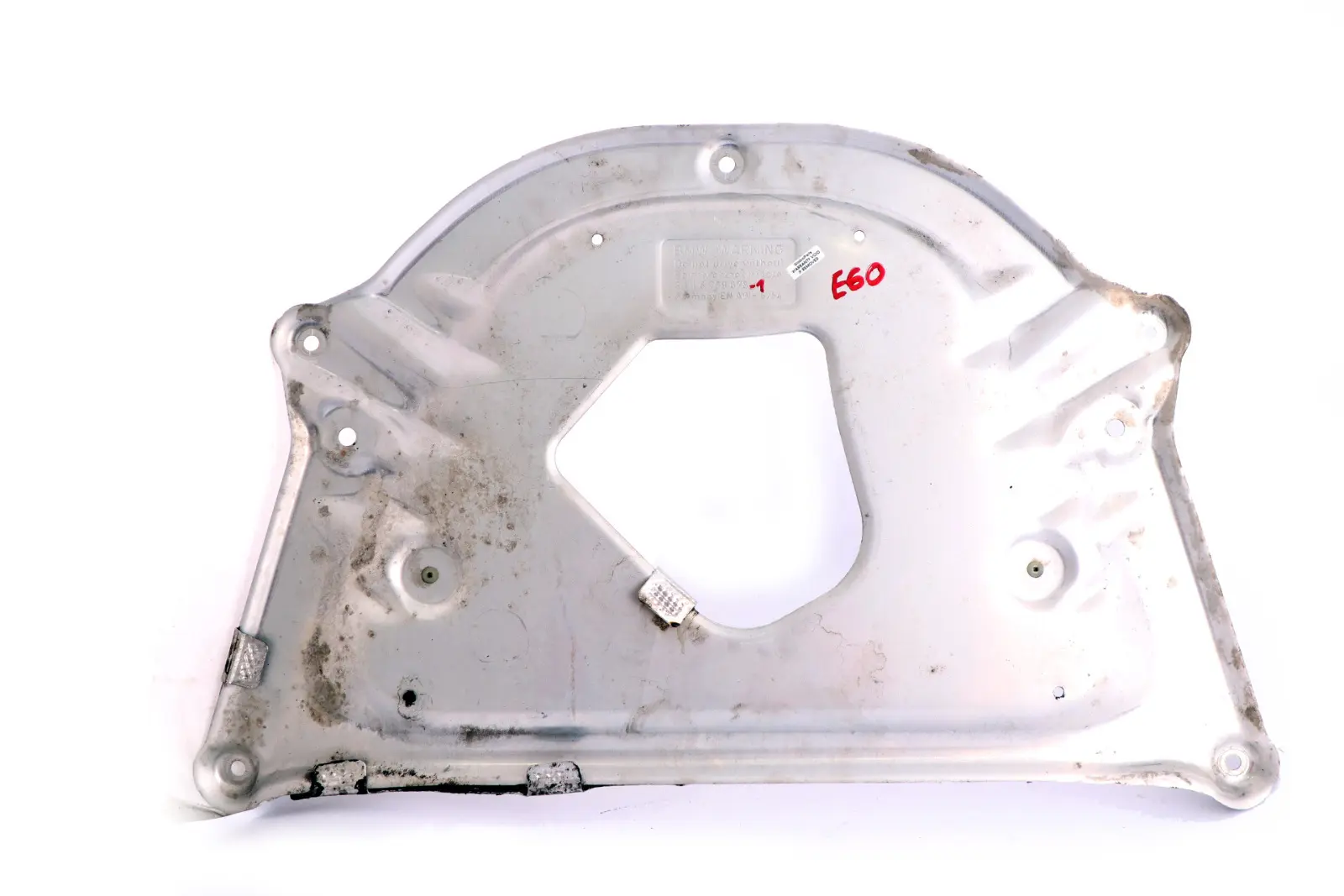
Part no. 6759878-1
BMW E60 E60N E61 E63 Reinforcement Plate Front Axle Support 6759878
Product currently unavailable
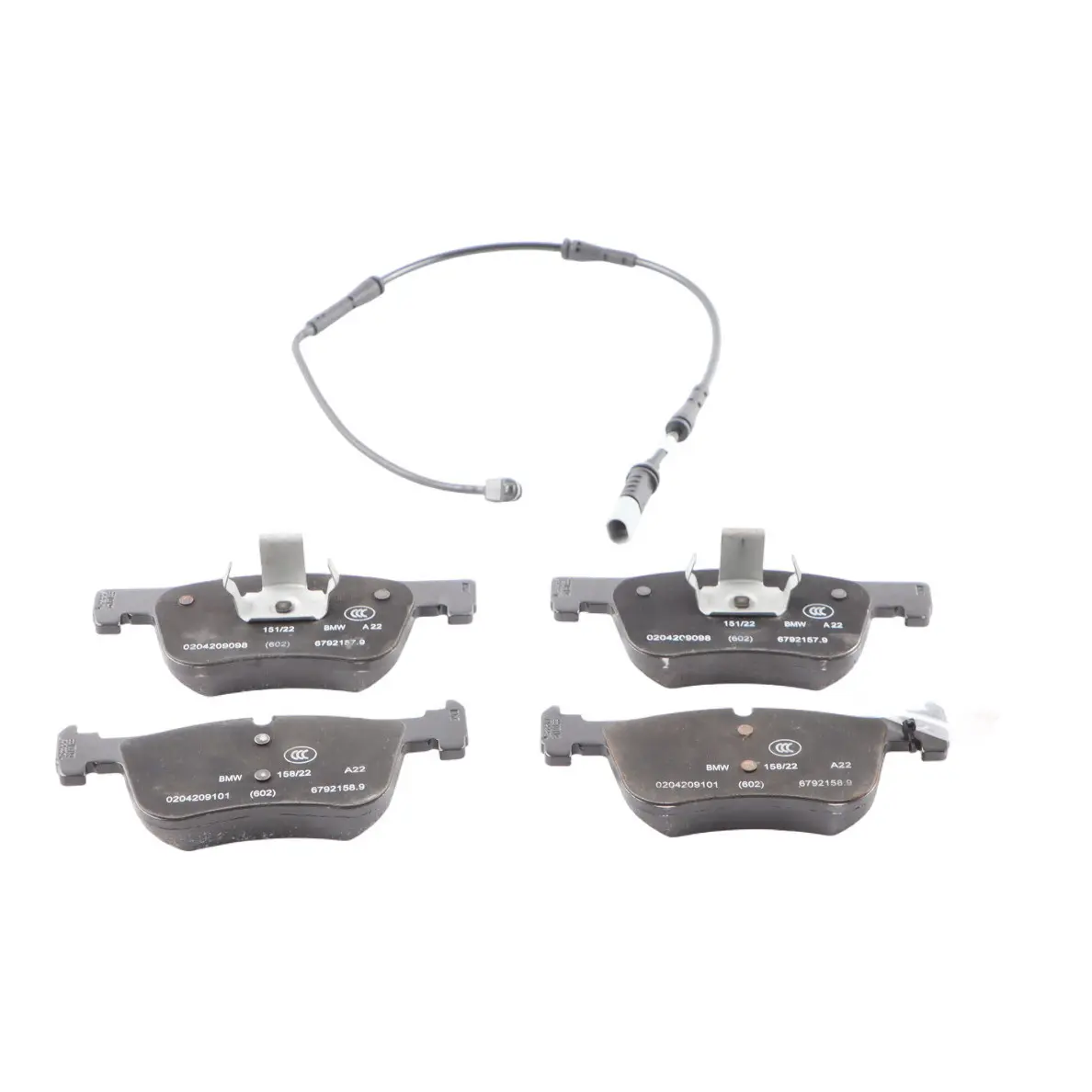
Part no. 6799801
BMW F20 F30 F32 Front Axle Brake Pads Wear Sensor Warning Left N/S Set 6799801
Product currently unavailable
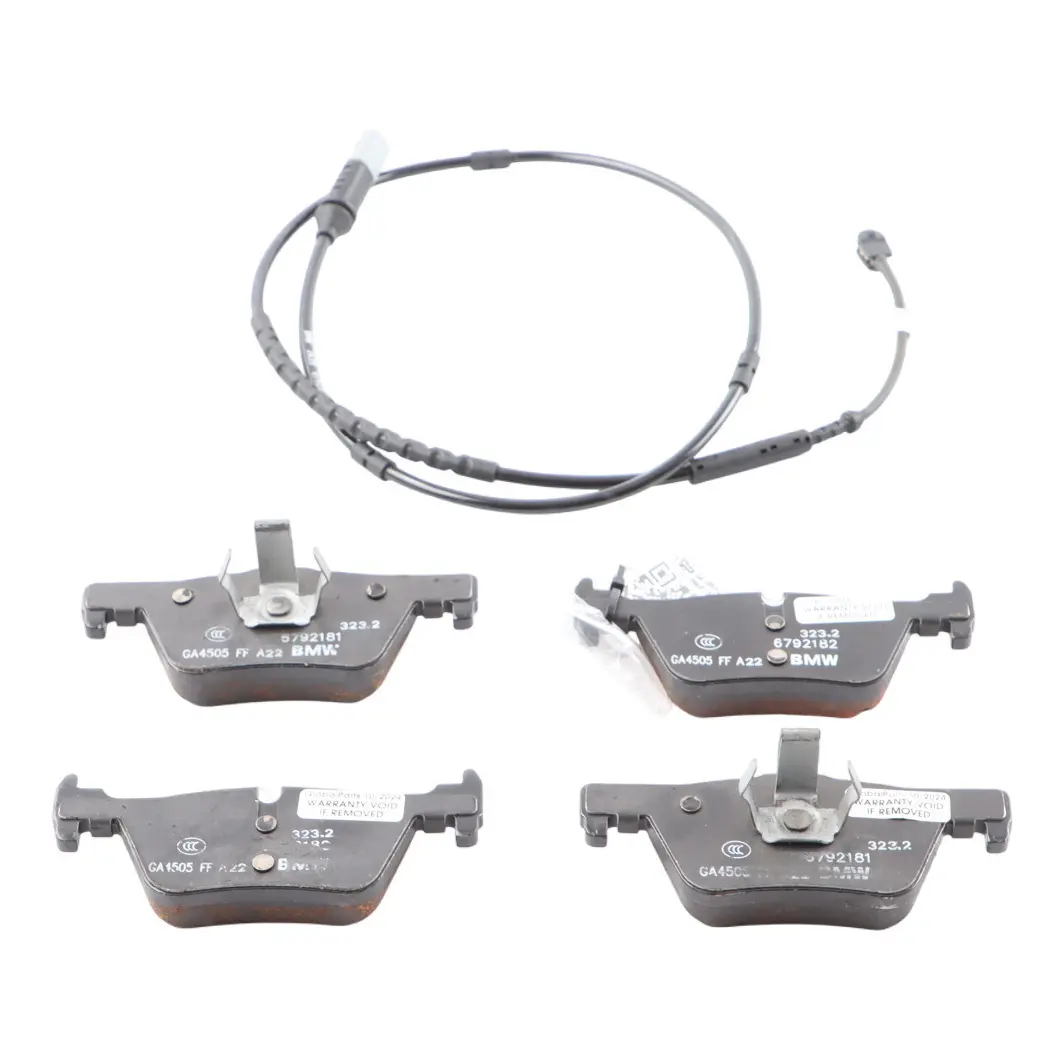
Part no. 6873093
BMW F20 F30 F32 Rear Axle Brake Pads Wear Sensor Warning Contact Set Kit 6873093
Product currently unavailable
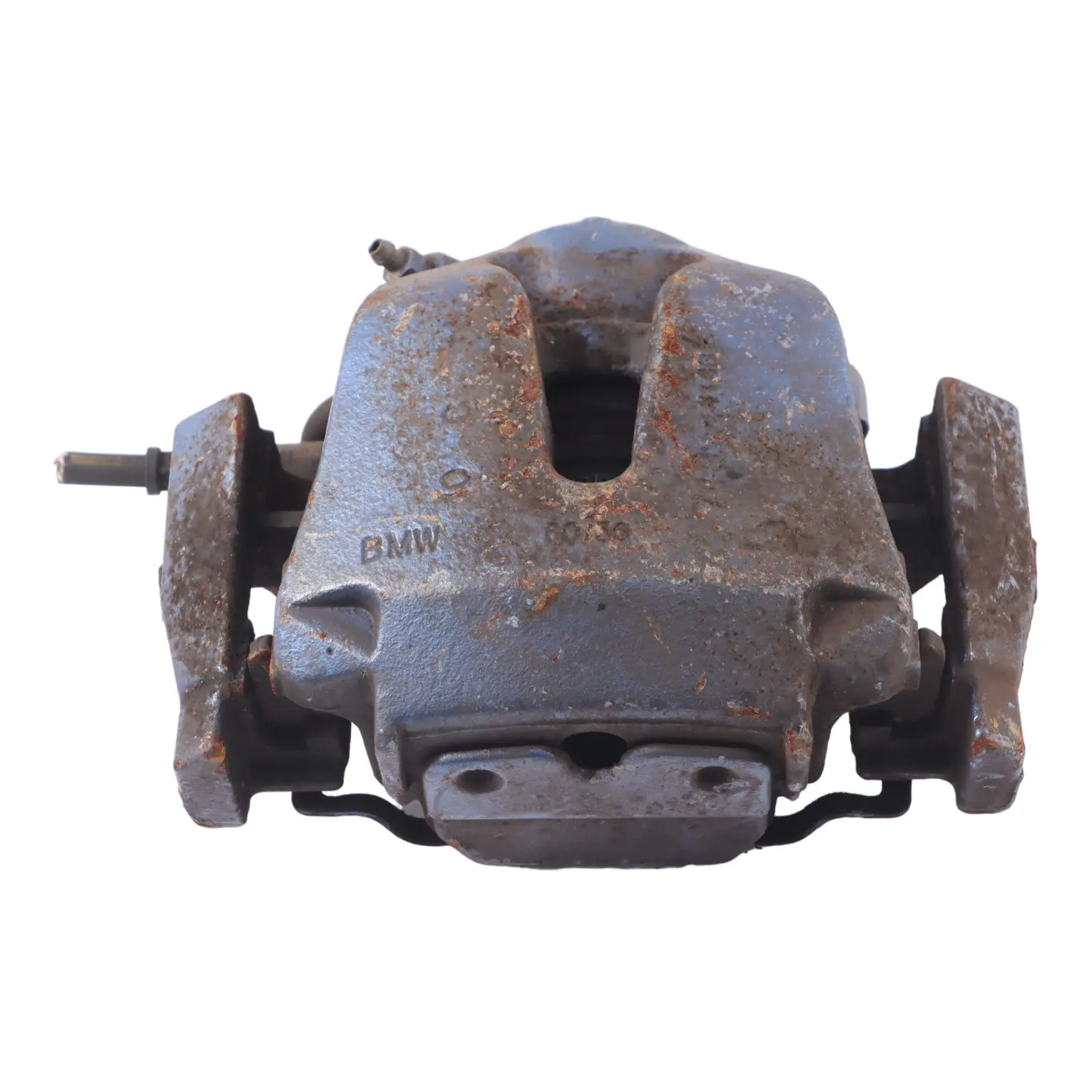
Part no. 6776783-1
Brake Caliper BMW X5 X6 E70 E71 Front Left N/S Brake Housing Carrier 60/30
Product currently unavailable
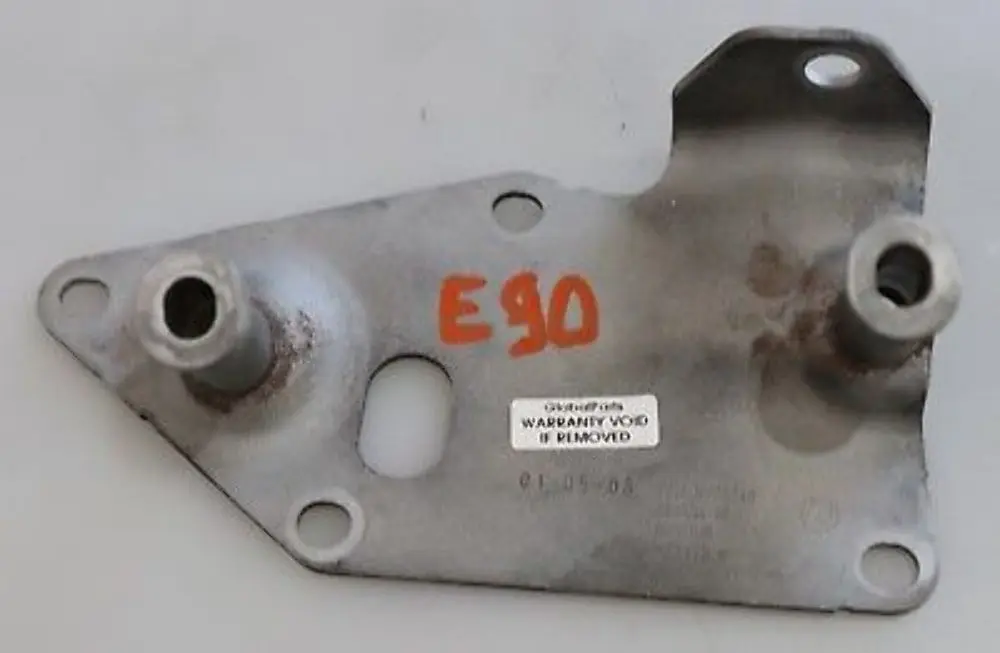
Part no. 6773249
BMW 3 SERIES E90 E91 E92 LCI M57N2 325d Reinforcement Plate 6773249
Product currently unavailable
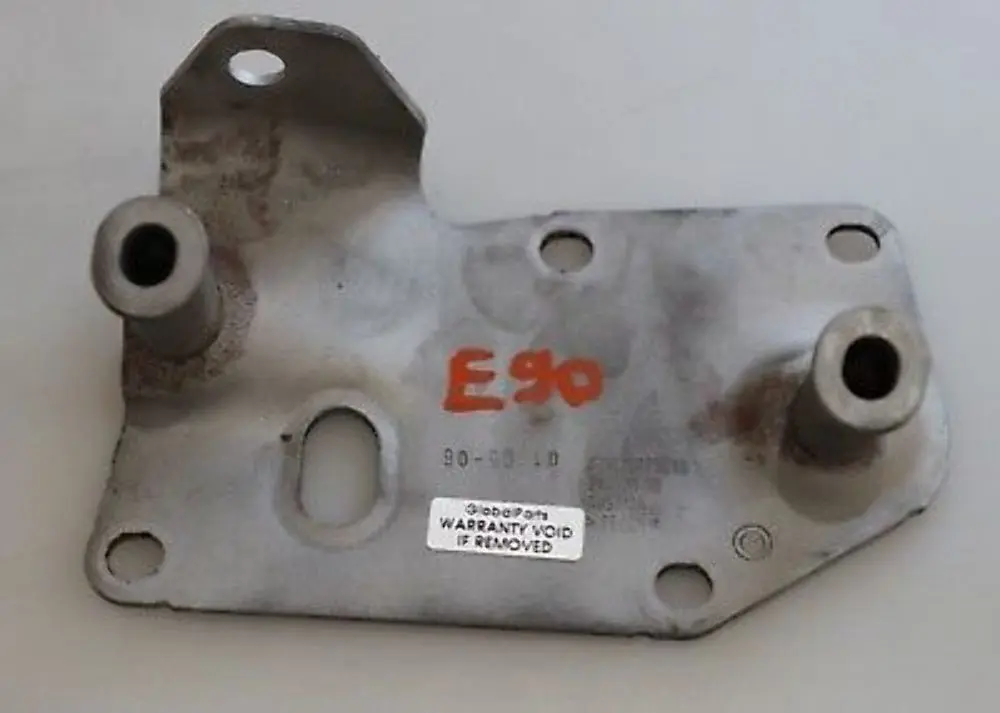
Part no. 6773250
BMW 3 SERIES E90 E91 E92 LCI M57N2 325d Reinforcement Plate 6773250
Product currently unavailable
Brake pads for effective braking in all conditions
Effective, high-resistance brake pads
Brake pads are key components of the braking system responsible for generating the friction necessary to stop the vehicle. Combined with brake discs, the pads ensure precise braking and vehicle control in any situation. In the Global Parts automotive store, you will find a wide selection of used car parts, including brake pads, ideal for brands such as BMW, Audi, Volkswagen, Mercedes, Mini, and others.
Construction and operating principle of brake pads in practice
Brake pads are friction elements mounted in brake calipers, which are pressed against the rotating disc when the brake pedal is depressed. As a result of friction, the vehicle's kinetic energy is converted into thermal energy, leading to a reduction in speed or a complete stop. In a typical passenger car, the braking force generated by the pads and discs accounts for up to 70–80% of the entire braking process efficiency, especially on the front axle. Depending on the system design, different pads are used for the front and rear of the vehicle. For example, BMW E60 front brake pads have a larger friction surface than the rear components, while BMW E90 rear brake pads are designed with a focus on driving stability and even distribution of braking forces.
Construction and purpose of brake pads
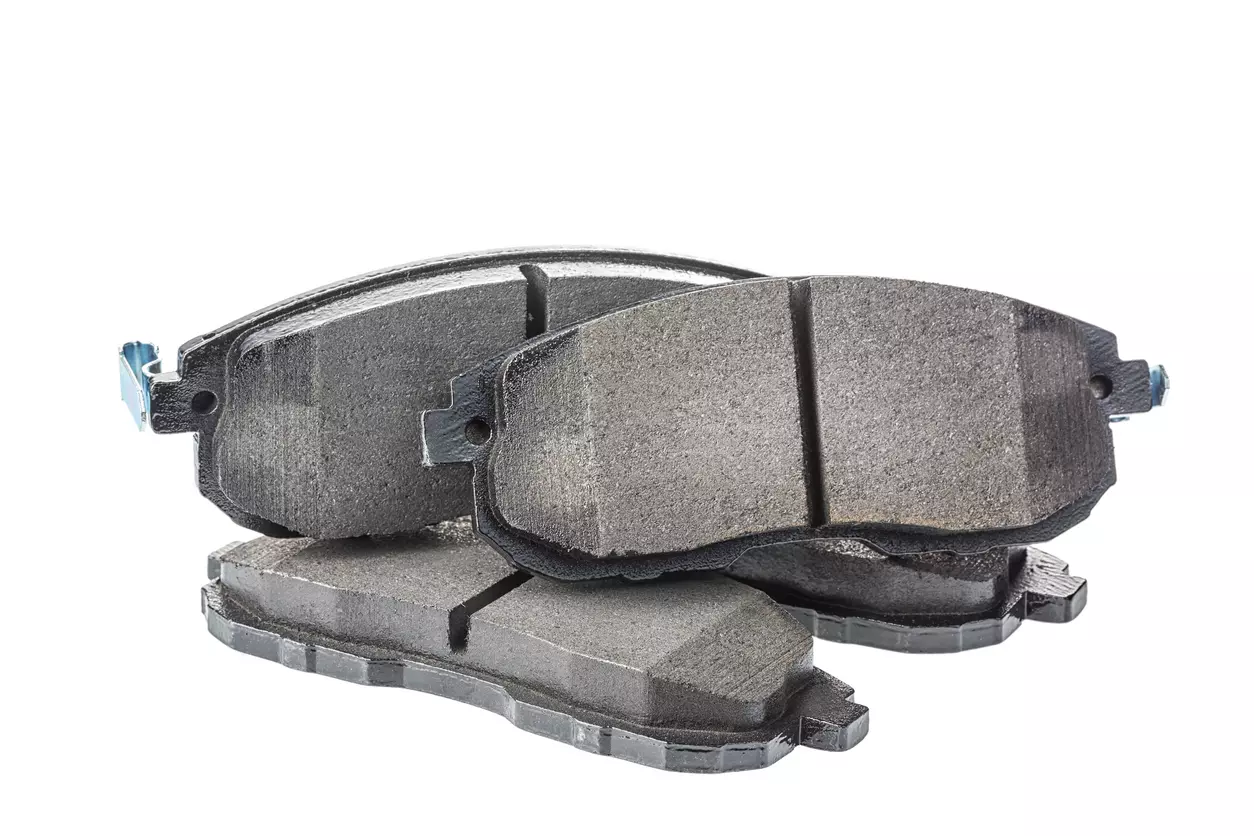
Brake pads are wear parts mounted at the brake disc, most often in the carrier and caliper on the front or rear axle of the vehicle. A typical set consists of a backing plate and a layer of friction material, and in some versions, also vibration-damping elements or a slot for a wear sensor. The pads are used to create controlled friction that allows the vehicle's speed to be reduced without losing stability. When selecting, it is worth checking the OEM part number, interchangeable numbers, and the placement on the vehicle.
What functions do brake pads perform?
Brake pads play a fundamental role in the safety and efficiency of the braking system:
- Generating braking force – through friction with brake discs, the pads effectively reduce the vehicle's speed.
- Heat dissipation – the design of the pads allows for the dissipation of heat generated during braking, which prevents the system from overheating.
- Braking stability – high-quality pads minimize vibrations and ensure smooth vehicle stopping.
Comparison of brake pad variants and data to check
| Variant | Location | Characteristics | What to check before selection |
|---|---|---|---|
| Front axle pads | Front of the vehicle | Usually operate under higher loads and dissipate heat faster | OEM number, disc type, plate shape, sensor presence |
| Rear axle pads | Rear of the vehicle | Often have a different working surface and different grooves than the front | Placement, caliper compatibility, parking system version |
| Versions with wear sensor | Depends on model and equipment | Work with the vehicle's electrical system and service messages | Connector type, mounting side, harness compatibility |
| Versions without sensor | Depends on model and equipment | Simpler design without a signal wire | Part number, guide shape, set of mounting elements |
Friction materials and their impact on braking efficiency
Modern brake pads are produced from mixtures of friction materials, the composition of which affects braking parameters, driving comfort, and compatibility with discs. The most common solutions are:
- semi-metallic pads – contain metal additives, dissipate heat well, and are widely used in mid-range cars,
- ceramic pads – characterized by a stable coefficient of friction and less dust production,
- organic pads – ensure smooth braking during daily city driving. For models such as Mini Cooper R56 brake pads, the choice of the appropriate friction material is important for both the efficiency and the operating culture of the entire braking system.
Function of friction material and impact on system operation
The friction material is the working layer of the brake pad that directly contacts the disc during braking. This material is used to achieve the appropriate coefficient of friction, reduce noise, and maintain stable operation at varying temperatures. Its composition determines not only braking efficiency but also the rate of disc wear and daily operating comfort. If you are looking for a component such as BMW E90 rear brake pads, you must compare the OEM number, caliper type, and axle version.
Why is it worth taking care of brake pads?
Wear or damage to brake pads can lead to reduced braking efficiency and an increased risk of accidents. Typical symptoms of malfunction include:
- Squealing during braking – may indicate excessive wear of the friction material.
- Extended braking time – worn pads reduce the effectiveness of the braking system.
- Uneven braking – damaged pads can cause vibrations and reduced control over the vehicle. If replacement is necessary, suitable used car parts are available to help restore the proper operation of the braking system.
Symptoms and characteristics of pad operation in daily use
Under normal road conditions, brake pads wear out gradually, and their operation should be predictable and stable. With mixed driving, a set of pads on the front axle can last on average 40–70 thousand km, depending on vehicle weight, driving style, and disc type. Rear pads – e.g., BMW E90 rear brake pads – often achieve longer mileages due to lower axle load. Properly matched pads work with discs, calipers, and ABS/DSC systems, ensuring even distribution of braking forces to all wheels.
How to choose the right brake pads?
When choosing brake pads, you should pay attention to several key aspects:
- Vehicle model fitment – every braking system has its specific technical requirements. At Global Parts, you will find brake pads perfectly matched to BMW, Audi, Volkswagen, Mercedes, Mini, and others.
- Technical condition – used pads should have an appropriate friction material thickness and be free from damage.
- Friction material type – choose between ceramic, semi-metallic, or organic pads, depending on your driving style and technical requirements.
Matching pads to a specific model and cooperating elements
The selection of pads should take into account not only the car model but also the body version, disc diameter, caliper type, and the presence of a wear sensor. Mounting clips and guide springs are auxiliary elements that stabilize the pad's operation in the caliper, reduce play, and help maintain even pressure on the disc. When completing a repair for a specific model, e.g., BMW E60, it is good to verify the OEM number, interchangeable numbers, and compatibility with brake discs and brake calipers and carriers. Such checks are also supplemented by brake pad wear sensors and brake pad and shoe mounting parts.
Why is it worth choosing used brake pads?
Used car parts, such as Brake pads, are an economical solution that allows for savings while maintaining high quality. By choosing used braking system elements, you gain:
- Lower costs – used pads are significantly cheaper than new ones but offer equally high quality.
- Ecology – recycling parts supports environmental protection and reduces waste.
- Wide offer – in our store, you will find used brake pads for the most popular car brands.
Compatibility and cost savings in practice
Used brake pads allow you to maintain compatibility with the factory braking system without the need for costly replacement of entire sets. In practice, this means the ability to match pads to existing discs, calipers, and hardware, which promotes optimization of service costs. This solution is often chosen by owners of premium brand cars. Additional knowledge about selecting caliper elements and component cooperation can be found in the article Brake calipers under the microscope: How to effectively lower repair costs of the braking system by choosing proven recycled parts.
How to take care of brake pads?
To ensure brake pads work reliably for a long time, it is worth following a few rules:
- Regular inspections – check the condition of the pads during periodic technical inspections of the braking system.
- Avoid sudden braking – careful driving reduces the wear of pads and other braking elements.
- Replace pads at the right time – pads that are too thin can reduce braking efficiency and damage the discs.
Cooperation of pads with other braking system elements
Brake pads work in close cooperation with discs, calipers, guides, and brake assist systems. Their proper fitment affects not only the vehicle's stopping efficiency but also the even wear of the discs and the stability of the entire system. When choosing a component such as Mini Cooper R56 brake pads, it is worth paying attention to the mounting axle, caliper compatibility, and any wear sensor equipment.
FAQ
| Question | Answer |
|---|---|
| What is the construction and purpose of brake pads? | Brake pads are friction elements mounted at the brake discs on the front or rear axle of the vehicle. A typical pad consists of a metal backing plate and a layer of friction material, and depending on the version, also vibration dampers or a slot for a wear sensor. Their primary task is to work with the caliper and disc to reduce the vehicle's speed. |
| What are brake pads used for? | Brake pads are used to generate the friction needed to lose speed and stop the car. During braking, they are pressed against the disc by the caliper piston, and motion energy is converted into heat. The braking distance, car stability, and even operation of the entire system depend on their condition. |
| What is the construction and function of a brake pad wear sensor? | A brake pad wear sensor is a monitoring element that works with selected pad sets. It is used to signal excessive wear of the friction material and can be integrated with the pad or mounted as a separate wire. When selecting, you must check the connector type, mounting side, and compatibility with the vehicle's electrical system. |
| How to choose brake pads for a specific car? | It is safest to compare the OEM number, interchangeable numbers, placement on the vehicle, and the braking system version. Disc diameter, caliper type, and the presence of a wear sensor also matter. In many models, the front and rear use different sets, so selection should not be based solely on the car brand. |
| What symptoms indicate brake pad wear? | Typical symptoms include squealing during braking, increased braking distance, uneven system operation, or noticeable vibrations. In some cars, a service message related to the wear sensor also appears. An additional signal can be uneven wear on one side of the set, which may indicate a problem with the guides or caliper. |
| How is the inspection and installation of brake pads performed? | Before installation, it is worth comparing the pad shape, backing plate, guide points, and compatibility with the vehicle axle. You should also check the condition of the disc, guides, covers, and mounting elements, as worn cooperating parts affect the operation of the new set. After installation, it is important to properly seat the pads and check for even brake operation. |
Summary: brake pads at the Global Parts automotive store
Brake pads are the foundation of the braking system, ensuring effective and safe vehicle stopping. The Global Parts offer includes used elements matched to various system versions, taking into account data such as brand, condition, OEM part number, interchangeable numbers, and placement on the vehicle. This is a practical solution for owners of BMW, Volkswagen, and other cars who want to choose the right set for their axle, caliper, and disc. We invite you to contact us – we are here to help! For more information and interesting facts, we also invite you to visit our automotive blog.