


Brake cables
More informationAt Global Parts, we offer a wide selection of original used car parts, including brake lines for many popular car brands such as BMW, Mini, Mercedes, Audi, Volkswagen, and others. Our brake lines undergo quality control to ensure you receive a top-quality product.
GB
Make
Category
Subcategory
Condition
In Stock
Price
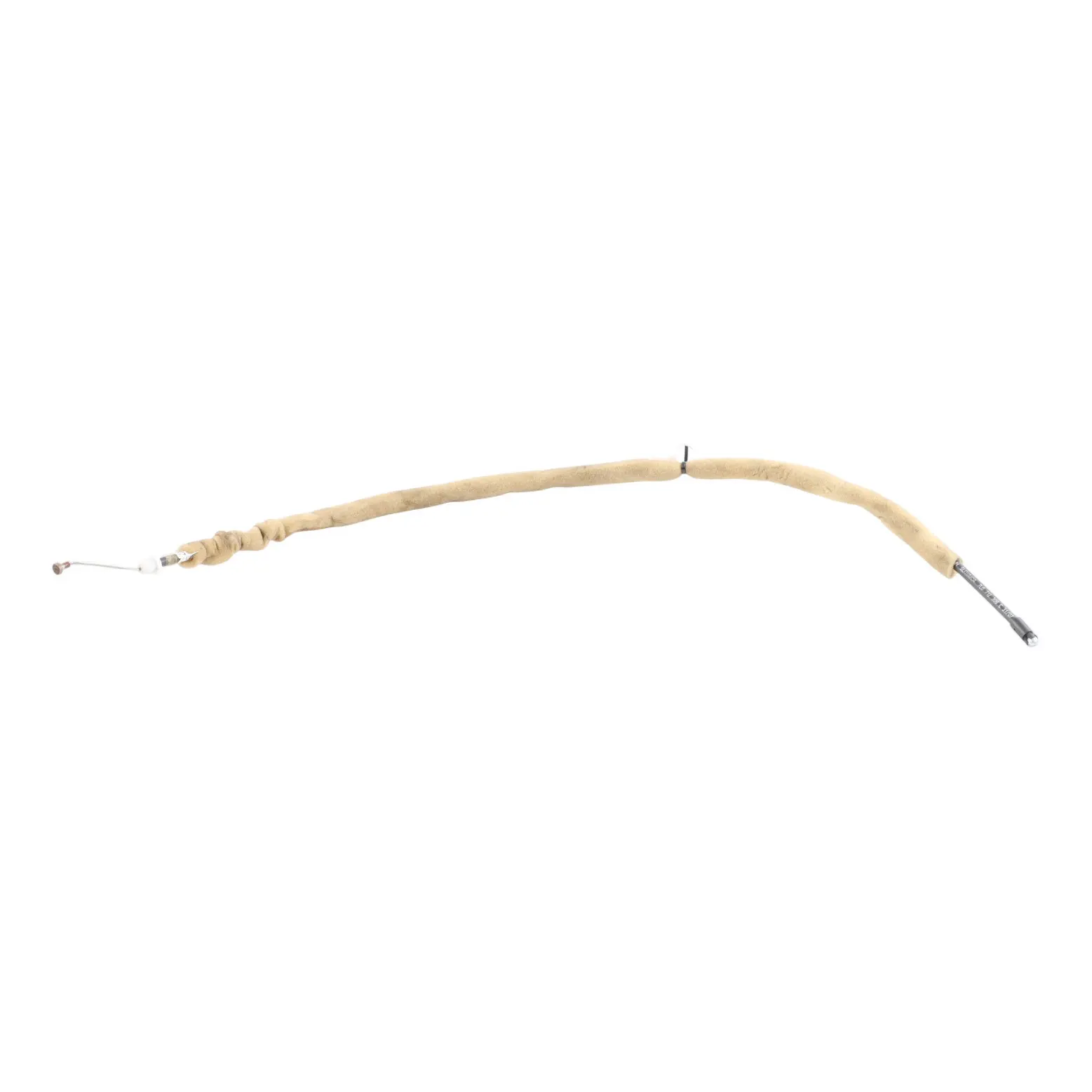
Part no. RHD-7L0712306C
Volkswagen Touareg 7L Handbrake Parking Brake Bowden Cable 7L0712306C
£13.95
Free delivery: Jul 07
If paid before 14:00

Part no. 1J0947561
Volkswagen Touran 1T Module Parking Hand Brake Actuator Control Unit 1J0947561
£13.95
Free delivery: Jul 07
If paid before 14:00
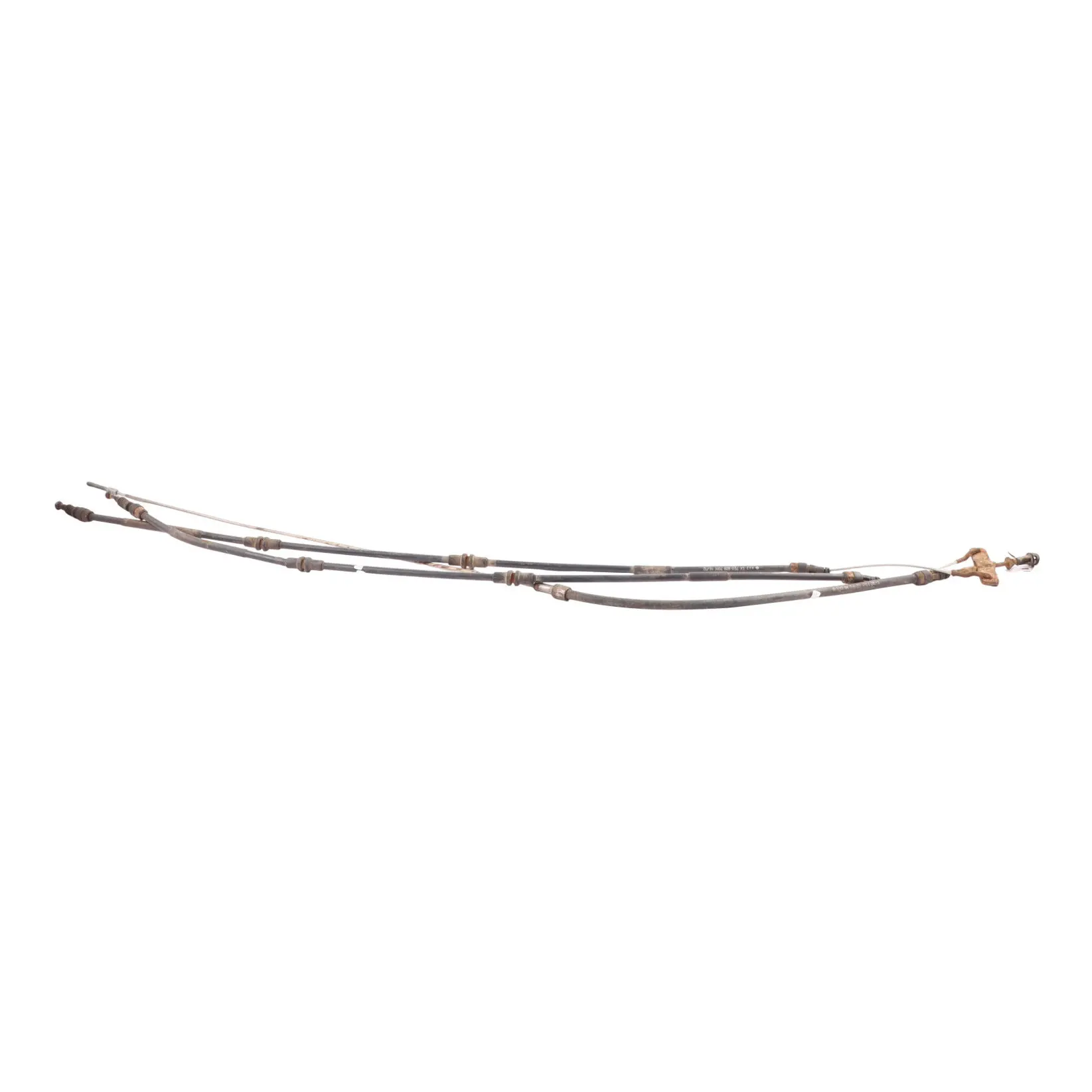
Part no. 7H0711476E
VW Volkswagen Transporter T5 Handbrake Hand Brake Cables SET X3 7H0711476E
£32.95
Free delivery: Jul 07
If paid before 14:00
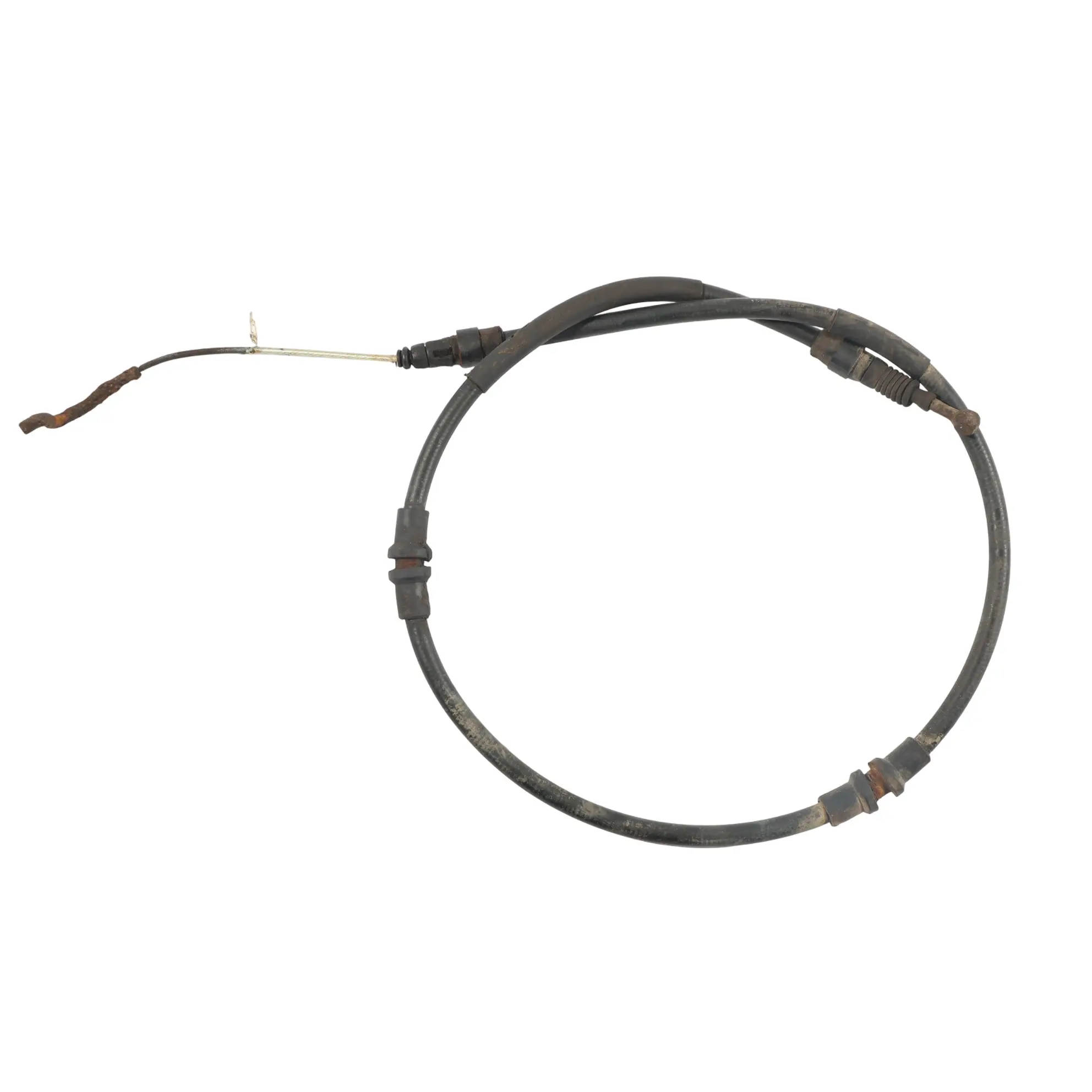
Part no. 7H0609701D
VW Volkswagen Transporter T5 Parking Brake Handbrake Cable Wire 7H0609701D
£23.95
Free delivery: Jul 07
If paid before 14:00
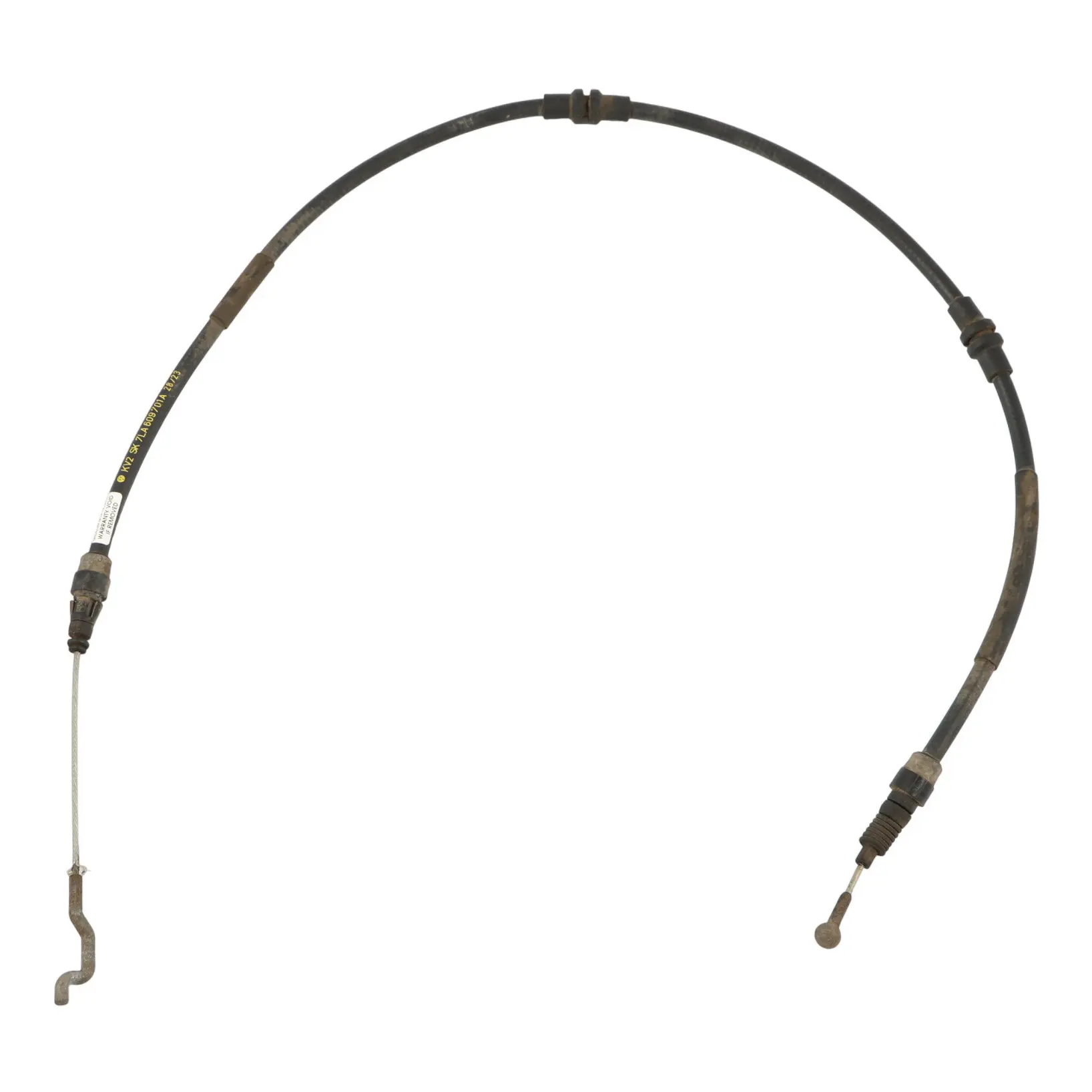
Part no. 7LA609701A
VW Volkswagen Transporter T6 Parking Brake Handbrake Cable Wire 7LA609701A
£18.95
Free delivery: Jul 07
If paid before 14:00
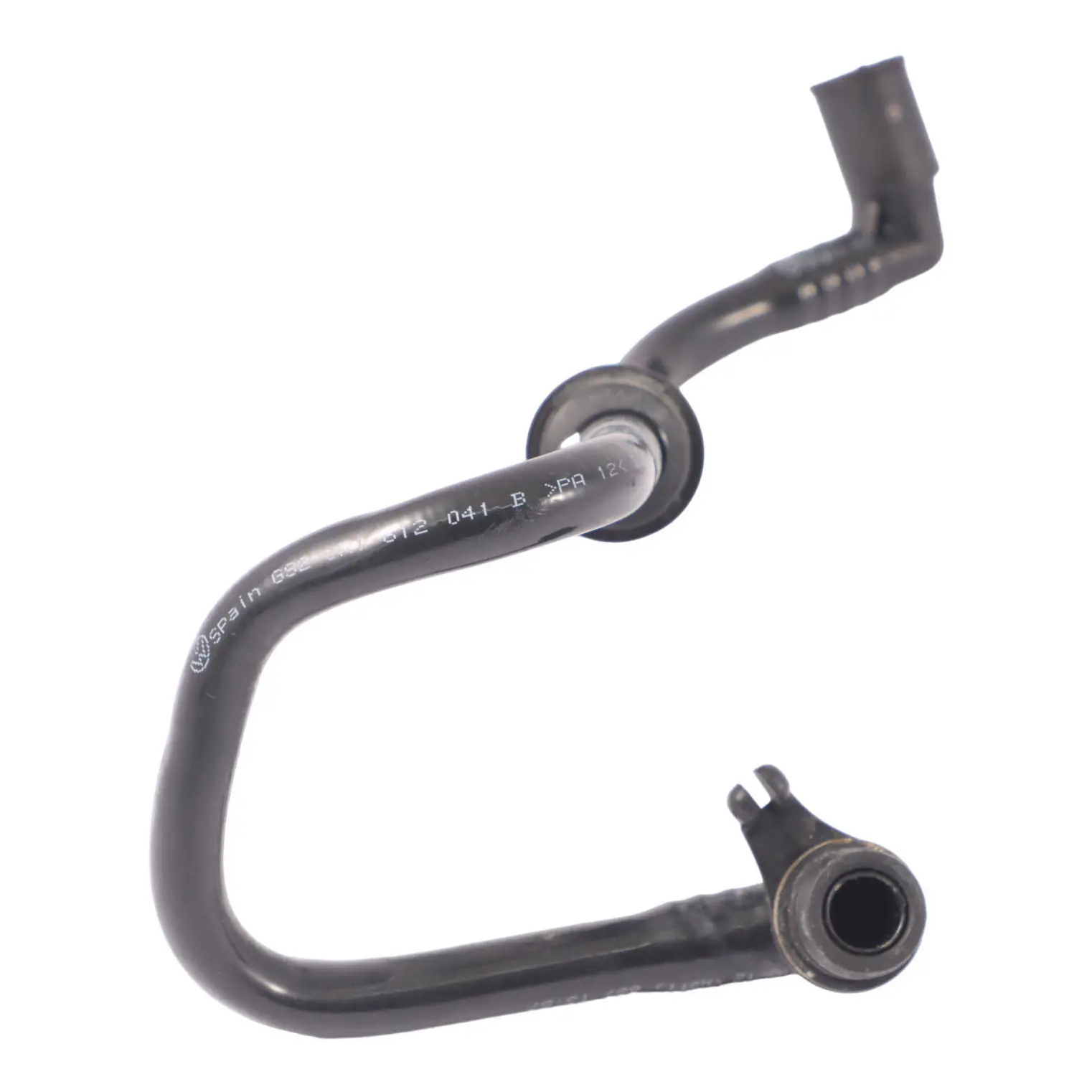
Part no. 6R1612041B
VW Volkswagen Polo 6R 1.4 CGGB Brake Servo Vacuum Pipe Hose Line Tube 6R1612041B
Product currently unavailable
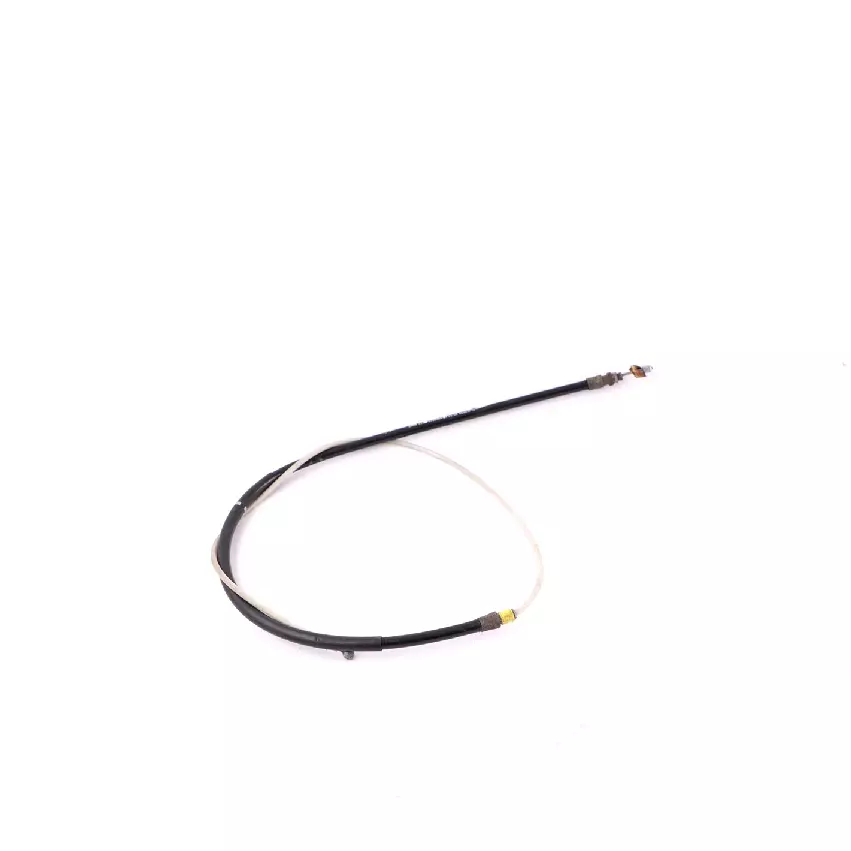
Brake cables for precise brake system control
Precise brake cables and force stabilization
Brake cables are key components of the parking brake system, responsible for transferring force from the brake lever to the brake mechanisms in the vehicle's rear wheels. Their efficient operation is essential for the effectiveness of the parking brake, ensuring safety during parking and maneuvers on inclines. In the Global Parts automotive store, you will find a wide selection of used car parts, including brake cables, ideal for brands such as BMW, Audi, Mercedes, Volkswagen, Mini, and many others.
Construction and purpose of brake cables
A brake cable (often referred to in the plural as brake cables) is a mechanical component made of a multi-strand steel core, covered by a protective sheath. Its task is to transfer mechanical force, without the use of hydraulics, directly from the parking brake lever to the rear axle brake mechanism. In most passenger cars, one main cable and two rear cables are used, one for each wheel. The typical length of a brake cable in compact and D-segment cars ranges from 1200–2200 mm, depending on the chassis design and wheelbase.
What functions do brake cables perform?
Brake cables play a significant role in the functioning of the parking brake:
- Force transfer – They connect the parking brake lever to the brake mechanisms, enabling the effective engagement of the brake.
- Wheel locking – They keep the vehicle in place during parking, even on inclined surfaces.
- Maneuvering support – They allow for precise vehicle control when starting on an incline.
Structural differences between brake cables and rear brake types
The type and operation of a brake cable depend on the type of rear braking system. In vehicles with drum brakes, the cable acts directly on the shoe expander, while in cars with disc brakes, it most often works with a separate manual mechanism integrated into the caliper or with a so-called parking drum inside the disc. For example, in many BMW 3 Series (E90/E91) models and the Volkswagen Passat B6, separate cables for each side are used, which affects their length, routing, and compatibility with other suspension components.
Comparison of brake cable variants
| Cable type | Application | Construction and installation | What to check |
|---|---|---|---|
| Main cable | Connection between lever and equalizer mechanism | Central routing under the chassis, ends matched to the adjuster | OEM number, total length, end type, and mounting points |
| Rear left/right cable | Force transfer to a specific rear wheel | Separate routing for each side, differences in sheath curves and brackets | Installation side, sheath path, compatibility with beam or multi-link suspension |
| Cable for drum system | Cooperation with parking brake shoes | Ends matched to the expander and lever in the drum | Drum mechanism type, interchangeable numbers, axle version |
| Cable for caliper with manual | Cooperation with rear brake caliper | Mounting at the caliper lever, routing dependent on covers and brackets | Caliper type, mounting position, body version compatibility |
Why is it worth taking care of brake cables?
Wear or damage to brake cables can reduce the effectiveness of the parking brake and increase the risk of uncontrolled vehicle movement. Typical symptoms of failure include:
- Loose parking brake lever – May indicate excessive stretching or a snapped cable.
- Ineffective braking – No wheel reaction when the parking brake is engaged.
- Difficulty in engaging the brake – Resistance when using the lever may result from corrosion or cable damage. If replacement is necessary, suitable used car parts are available, which restore full functionality to the braking system.
Operating symptoms and the importance of the equalizer mechanism
The equalizer mechanism is a component that distributes tension force between the left and right rear cables. Its task is to maintain as even a parking brake operation as possible on both sides of the axle, even when the cable routing lengths differ due to design. Internal sheath friction, the condition of the covers, and proper routing under the chassis also affect operational efficiency. In a properly functioning system, full engagement of the parking brake usually occurs after 5–8 "clicks" of the lever ratchet.
How to choose the right brake cables?
When choosing brake cables, several key aspects should be considered:
- Matching the vehicle model – Every braking system has its specific technical requirements. At Global Parts, you will find brake cables perfectly matched to BMW, Audi, Mercedes, Volkswagen, Mini, and others.
- Technical condition – Used cables should be free from abrasions, mechanical damage, and corrosion.
- Cable length – Ensure that the selected cables match the design and dimensions of your vehicle.
Compatibility and matching by OEM, VIN, and mounting location
Selecting the right brake cable is primarily based on the body version, type of rear suspension, and type of brakes. Within a single car model, there may be different cable variants – e.g., different ones for the estate version, sedan, or AWD versions. Therefore, matching by VIN is often used, as well as comparing the OEM number, interchangeable numbers, installation side, and the way the sheath ends are finished.
Selecting brake cables for specific versions and cooperating parts
When looking for parts for a specific model, for example, BMW E60, it is worth comparing not only the OEM number but also the cable path under the chassis, the type of mounting to the covers, and compatibility with the body version. When choosing a component such as a parking brake module for Audi A4 B8, you should check whether the system works with the appropriate control mechanism and whether the given cable is intended for that equipment version. If you are looking for a sub-assembly such as a parking brake for Mercedes W204, the completeness of the set and compatibility with items from the brake calipers and brackets or brake drums categories are important, depending on the rear axle design.
Why choose used brake cables?
Used car parts, such as brake cables, are an economical solution that allows for savings while maintaining high quality. By choosing used braking system components, you gain:
- Lower costs – Used cables are significantly cheaper than new ones but offer equally high quality.
- Ecology – Recycling parts supports environmental protection and reduces waste.
- Wide offer – In our store, you will find used brake cables for the most popular car brands.
Brake cables as a system element and connections with other parts
The brake cable works directly with elements such as the parking brake lever, adjustment mechanism, rear calipers, parking brake shoes, and expansion springs. This means that its selection should be analyzed together with parts from the brake hoses, lines, and connectors and brake shoes categories if the repair covers a larger part of the system. The article Second-hand braking system: how to safely choose discs, calipers, and ABS? also complements the topic, helping to organize the principles of selecting cooperating sub-assemblies.
How to take care of brake cables?
To ensure brake cables work reliably for a long time, it is worth following a few rules:
- Regular inspections – Check the condition of the cables during periodic technical inspections of the braking system.
- Avoid overloading the parking brake – Pulling it too hard can lead to excessive cable stretching.
- Protect cables from corrosion – Whenever possible, protect the components from moisture and road salt.
FAQ
| Question | Answer |
|---|---|
| What is the construction and purpose of brake cables? | Brake cables are mechanical components of the parking brake system, mounted between the handbrake lever and the rear brake mechanisms. A typical component consists of a steel core, a protective sheath, mounting ends, and protective covers. Their design is matched to the routing under the chassis, the installation side, and the type of rear brake. |
| What are brake cables used for? | Brake cables are used to transfer force from the lever or control mechanism to the rear axle parking brake. Thanks to them, it is possible to immobilize the vehicle during parking and start more stably on an incline. Their efficiency also affects the even operation of the left and right sides of the system. |
| What is the construction and function of the parking brake equalizer mechanism? | The parking brake equalizer mechanism is a component that distributes tension force between both rear cables. It serves to maintain as even a parking brake operation as possible on both sides of the vehicle and to compensate for differences in cable routing. It works with tension adjustment and is important for the effectiveness of the entire system. |
| How to choose brake cables for a specific car version? | It is best to compare the OEM part number, interchangeable numbers, body version, and location on the vehicle. The type of rear brake, installation side, and the way the ends are mounted are also important. In practice, matching by VIN facilitates confirmation of compliance with factory specifications. |
| What symptoms indicate brake cable wear? | Typical symptoms include increased lever travel, uneven holding of the car when parked, resistance when engaging, and failure to fully release the brake. Sheath abrasions, corrosion, or damaged covers may also occur. Such symptoms should be compared with an inspection of the adjustment mechanism and cooperating parts. |
| What should be paid attention to during installation and inspection of brake cables? | During installation, check the cable routing, the absence of sheath kinks, and correct seating in brackets and grommets. It is also important to set the tension according to the design of the given system and check the cooperation with the caliper or drum mechanism. After installation, it is worth verifying the operation of the parking brake on both sides of the axle. |
Summary: brake cables in the Global Parts automotive store
Brake cables are key components of the braking system, responsible for the effectiveness and reliability of the parking brake. Global Parts offers used parts for many models and brands, including BMW, Mercedes, Mini, and others, taking into account data such as OEM number, interchangeable numbers, condition, or location on the vehicle. This facilitates the selection of parts matched to a specific car version and rear braking system type. We invite you to contact us – we are here to help you! For more information and interesting facts, we also invite you to visit our automotive blog.