


Additional Differential Parts
More informationAt the Global Parts automotive store, we offer a wide selection of original used car parts, including Other differential parts for many popular car brands such as BMW, Mini, Mercedes, Audi, Volkswagen and others. The Other differential parts we offer undergo quality control so that you can be sure that you are receiving a top-class product.
GB
Make
Category
Subcategory
Differentials and parts
Condition
In Stock
Price
No search results
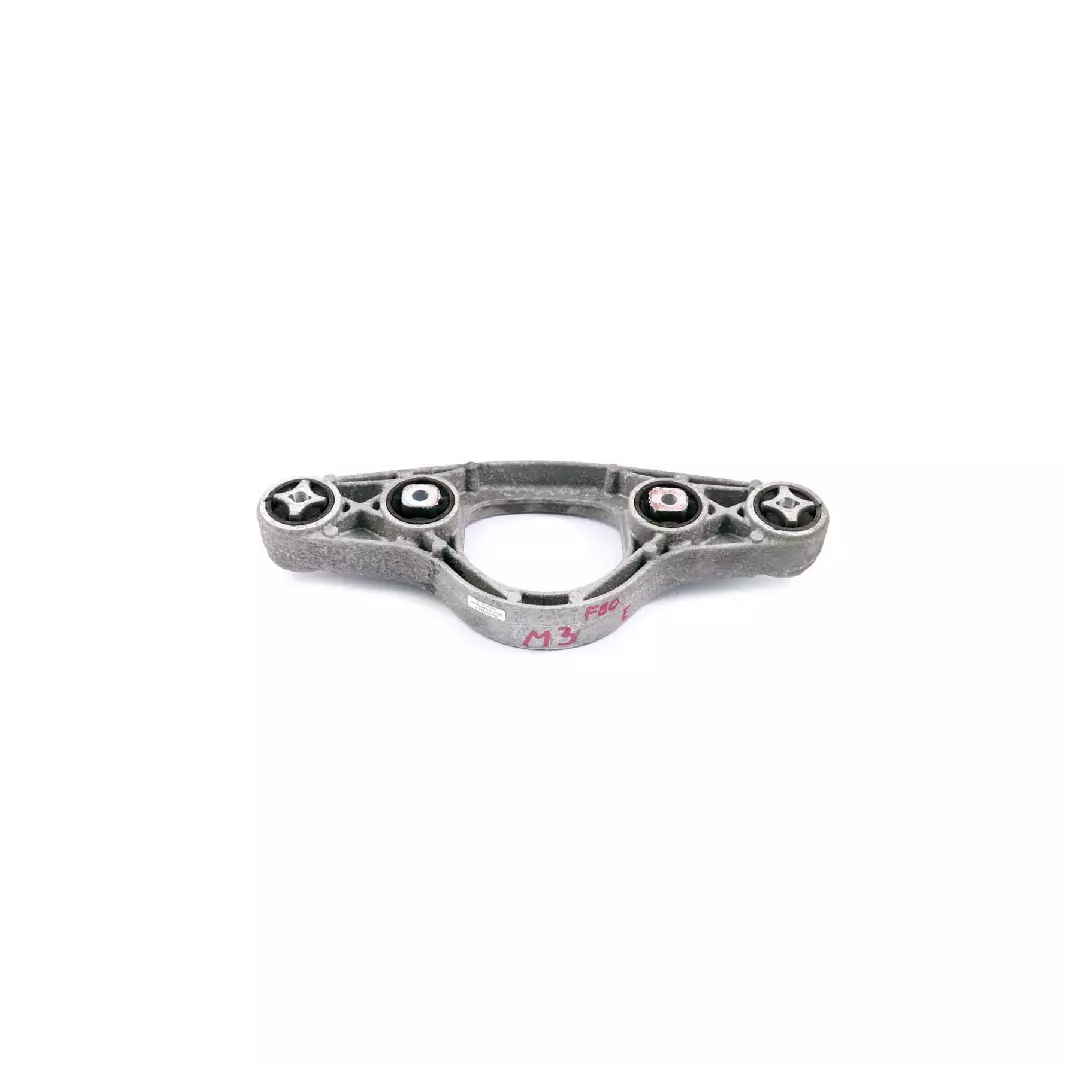
Differential parts for a complete range of components
Comprehensive differential components for reliable drivetrain
Other differential parts are a variety of components that support the operation of the differential mechanism, ensuring smooth performance and the durability of the drivetrain. Their proper maintenance and replacement are crucial for vehicle reliability under various road conditions. In the Global Parts automotive store, you will find a wide selection of used car parts, including other differential parts, ideal for brands such as BMW, Audi, Mercedes, Volkswagen, and many others.
What functions do other differential parts perform?
Other differential parts support the proper operation of the differential mechanism by:
- Mechanism stabilization – Components such as housings or mounts ensure durability and precise positioning of the differential.
- Torque transmission – Gears and axle shafts enable the effective transfer of power to the wheels.
- Leak prevention – Seals and sealing rings protect the mechanism against contaminants and oil loss.
- Friction reduction – Bushings and washers minimize friction between moving parts.
Construction and purpose of other differential parts
Other differential parts are auxiliary components of the differential mechanism, installed within its housing or directly at mounting points in the drivetrain. This group includes, among others, bushings, washers, rings, mounts, sealing elements, and small parts that work with the housing and the drive system. Their task is to maintain the correct operating clearance, tightness, and stable operation of the entire assembly.
Comparison of other differential part types
| Component type | Main function | What to check before purchase |
|---|---|---|
| Seals and sealing rings | Limiting oil leaks and protecting the mechanism interior from dirt | OEM number, seating diameter, mounting location, and compatibility with the differential housing |
| Bushings, washers, and spacers | Maintaining proper component positioning and reducing friction and play | Thickness, material type, position in the assembly, and interchangeable part numbers |
| Mounts and housing elements | Stabilizing the differential and reducing vibrations transmitted to the body | Mounting points, vehicle location, drive version, and condition of threads or bushings |
Why is it worth taking care of other differential parts?
Wear or damage to other differential parts can lead to drivetrain performance issues. Typical symptoms of failure include:
- Noise during driving – Humming, knocking, or clicking sounds may indicate problems with gears or bushings.
- Transmission oil leaks – Damaged seals can lead to a loss of lubrication, which threatens the durability of the mechanism.
- Vibrations from the drive area – Faulty mounting elements or worn bushings can cause vibrations.
- Uneven power transmission – Issues with internal differential parts can disrupt the smooth operation of the drivetrain. If replacement is necessary, at Global Parts you will find suitable used car parts that will restore full functionality to your differential mechanism.
The role of seals, bushings, and mounts in differential operation
A differential seal is a component used to keep transmission oil inside the housing and protect the interior from water and dust. A bushing refers to a spacer or damping part that stabilizes connections and limits vibrations. A differential mount is responsible for the correct seating of the entire assembly relative to the body or subframe, which is why its wear affects not only noise but also the precision of power transmission.
Selecting parts by OEM number, mounting location, and drive version
When choosing an element such as a BMW E39 differential component, it is worth comparing the OEM number, housing type, mounting method, and the axle version the part works with. For parts such as a BMW rear axle, the vehicle location, compatibility with axle shafts, and matching with items from the Differential bearings and Seals categories are also important. When completing a repair, verifying interchangeable numbers and comparing photos of mounting points is also helpful.
How to choose the right other differential parts?
When selecting other differential parts, you should pay attention to several key aspects:
- Compatibility with the vehicle model – Each differential mechanism has its own specific technical requirements. At Global Parts, you will find used differential parts for models such as BMW, Audi, Mercedes, Volkswagen, and many others.
- Technical condition – Used parts should be free from signs of excessive wear, mechanical damage, and corrosion.
- Component type – Choose the appropriate components according to the design and specification of the differential in your vehicle.
Connecting other differential parts with overall drivetrain repair
The differential mechanism works as an assembly, so replacing a single element often requires assessing the cooperating parts. If play, a leak, or noise involves a larger repair scope, it is worth comparing the offerings in the Differentials and parts and Differential repair kits categories. Additional tips on completing components can be found in the article Comprehensive supply: From the engine to the smallest clip – how to collect used car parts in one place?.
Why choose used other differential parts?
Used car parts, such as other differential parts, are an economical solution that allows for savings while maintaining high quality. By choosing used differential mechanism elements, you gain:
- Lower costs – Used components are significantly cheaper than new ones but offer equally high quality.
- Ecology – Recycling car parts supports environmental protection and reduces waste.
- Wide selection – In our store, you will find other differential parts for the most popular car brands.
How to take care of other differential parts?
To ensure other differential parts work reliably for a long time, it is worth following a few rules:
- Regular inspections – Check the condition of the differential mechanism and its components during periodic technical inspections.
- Use appropriate transmission oils – They ensure proper lubrication and reduce friction.
- React to the first signs of damage – Noises, leaks, or vibrations may indicate the need to replace damaged elements.
FAQ
| Question | Answer |
|---|---|
| What is the construction and purpose of other differential parts? | Other differential parts are a group of smaller components that complement the operation of the differential mechanism and are installed in its housing or at mounting points. These include, among others, bushings, washers, sealing rings, spacers, and mounting elements. Their purpose is to maintain tightness, limit play, and ensure the correct seating of the drivetrain assembly. |
| What are other differential parts used for? | Other differential parts are used to stabilize the operation of the differential mechanism and protect its elements from accelerated wear. They are responsible for guiding, spacing, sealing, and damping vibrations. Without them, even a functional differential may operate louder, lose oil, or transmit unwanted vibrations to the drivetrain. |
| What role does a differential mount play? | A differential mount is a component that connects the mechanism housing to the vehicle's body or subframe. It serves to maintain the correct position of the drivetrain assembly and limit its movement during acceleration and engine braking. Depending on the design, it may work with rubber-metal bushings, mounting bolts, and brackets. |
| How to select other differential parts for a specific car? | It is best to compare the OEM part number, interchangeable numbers, mounting location, and the drive version of the vehicle. It is also worth checking the type of differential housing, the shape of the mounting points, and compatibility with axle shafts or the rear axle. For used parts, comparing photos and manufacturer markings is also helpful. |
| What symptoms indicate wear of other differential parts? | Most often, these are transmission oil leaks, noise from the rear axle area, noticeable vibrations, and play during load changes in the drivetrain. Symptoms may intensify when starting, accelerating, or driving at a constant speed. In practice, it is worth checking the seals, bushings, mounts, and spacers. |
| How to maintain other differential parts after installation? | After installation, you should monitor the tightness of the housing, the condition of the transmission oil, and any vibrations or noises coming from the drive. It is also important to periodically check the tightness of mounting points and the condition of rubber-metal elements. Quick reaction to the first signs of wear helps avoid damage to cooperating components. |
Summary: other differential parts at the Global Parts automotive store
Other differential parts are essential elements supporting the reliability and durability of the drivetrain. By taking care of their technical condition, you can improve driving smoothness and avoid costly repairs. The Global Parts offer includes used parts for many brands, including BMW, Mercedes, Unbranded, and others, which makes it easy to match components according to OEM number, car version, and mounting location. We invite you to contact us – we are here to help you! For more information and interesting facts, we also invite you to visit our automotive blog.