


Diesel Exhaust Fluid System Parts
Find it faster
Match to your vehicle
GB
Make
Category
Subcategory
Condition
In Stock
Price
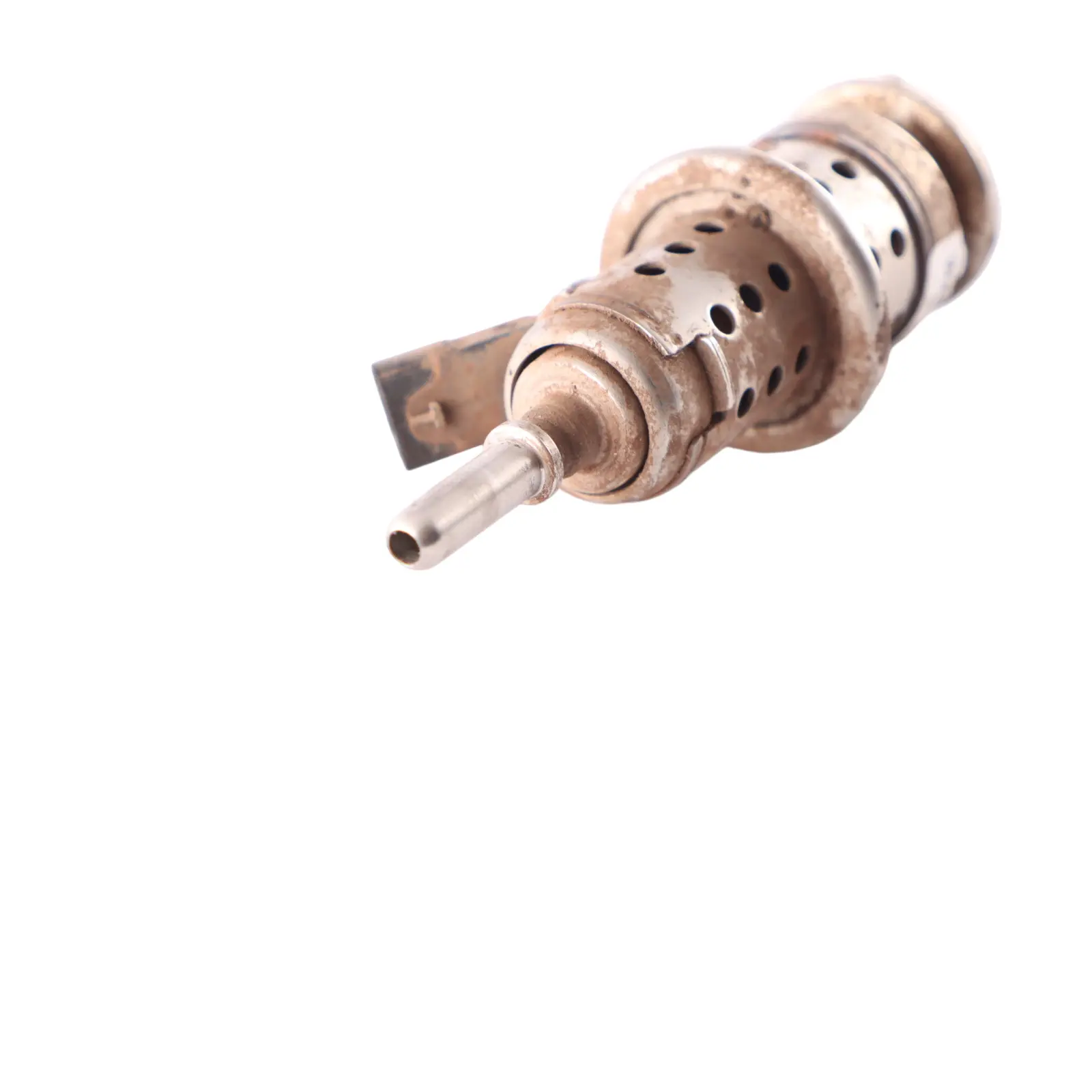
Part no. A0004900200
Injector Nozzle Mercedes Sprinter W907 Adblue Exhaust Injector A0004900200
£28.95
Free delivery: Oct 26
If paid before 14:00
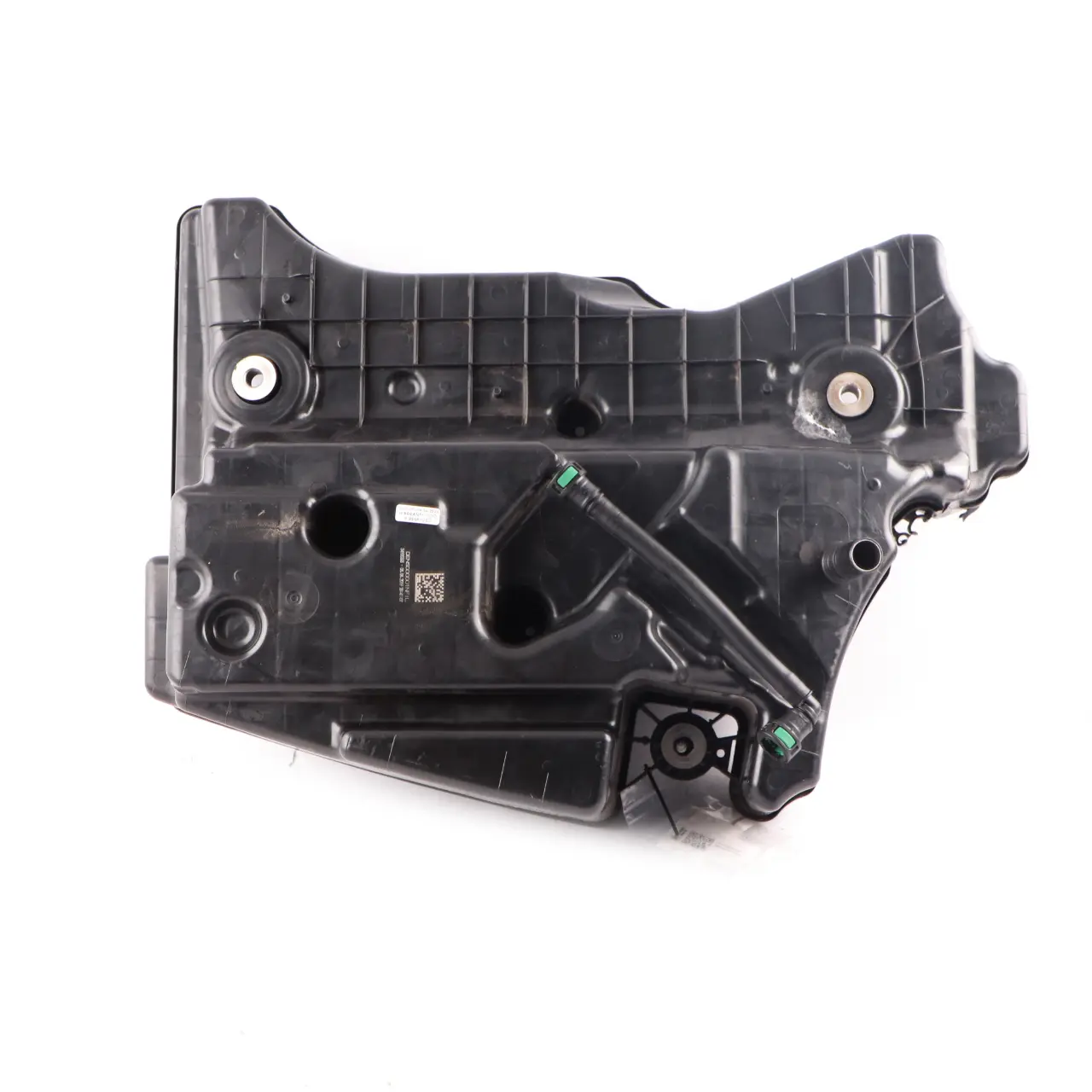
Part no. A2134709301
Mercedes W213 C257 Diesel AdBlue Additive Fuel Tank Reservoir A2134709301
£237.95
Free delivery: Oct 27 – Nov 3
If paid before 14:00
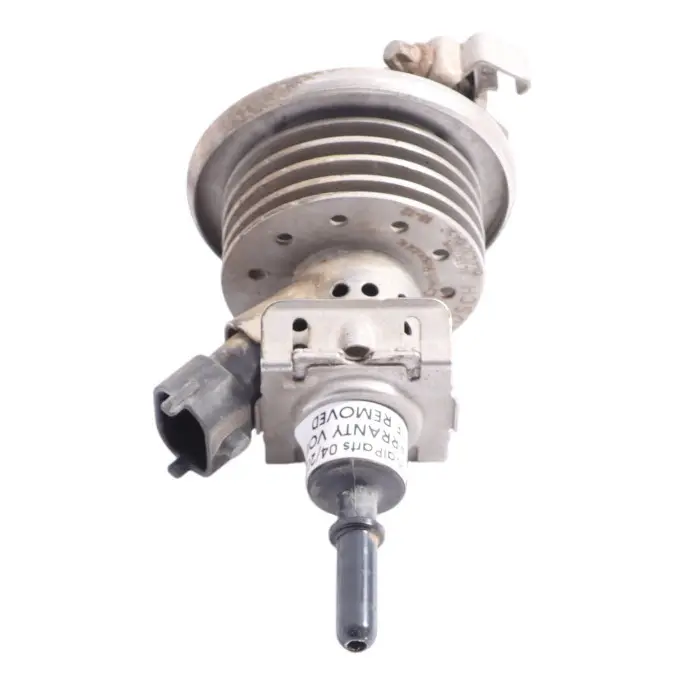
Part no. A4704907100
Mercedes W470 Ad Blue Injector Additive Nozzle Injection A4704907100
£28.95
Free delivery: Oct 26
If paid before 14:00
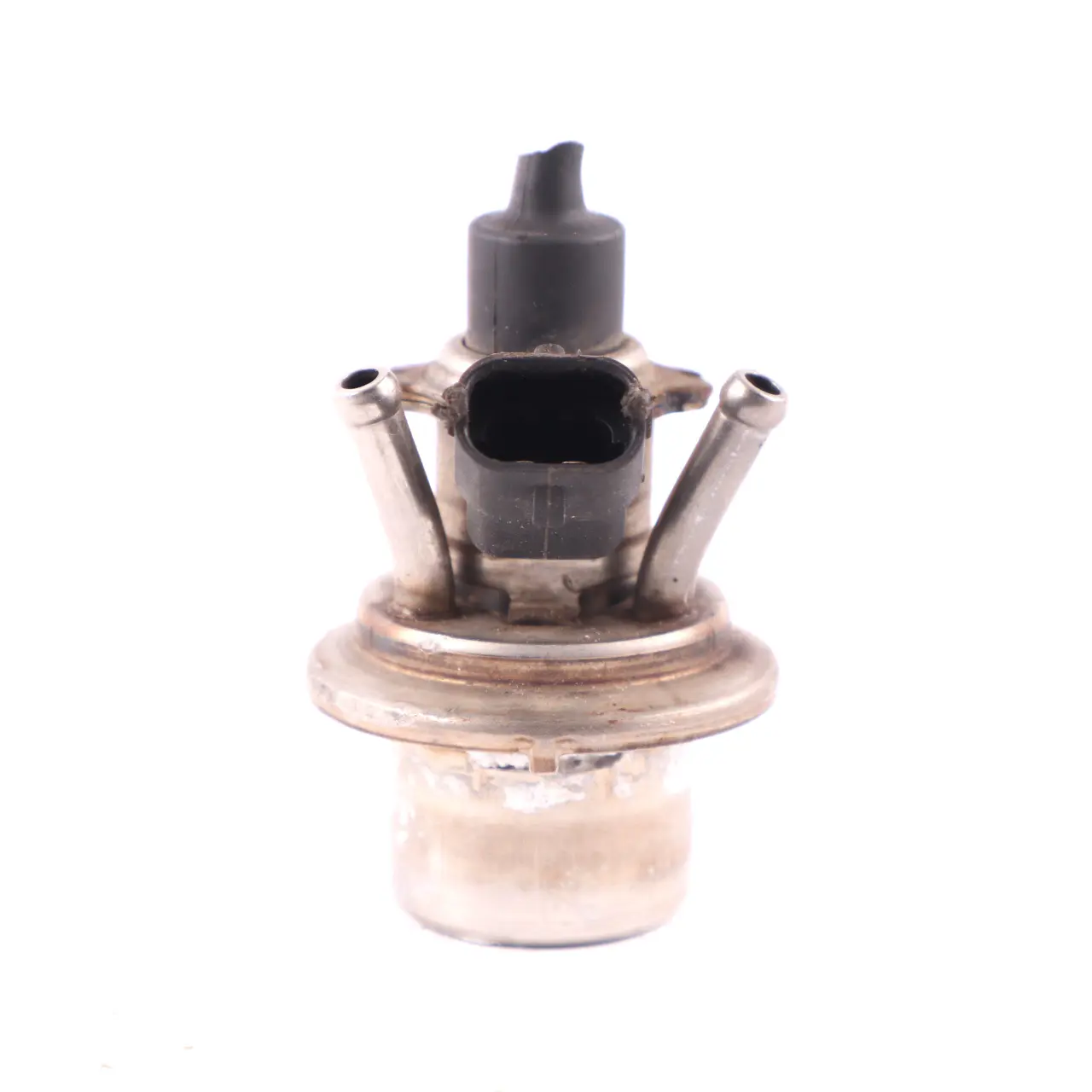
Part no. A0004901113-1
Injector Mercedes W205 OM651 Ad Blue Additive Nozzle Injection A0004901113
Product currently unavailable
Diesel Exhaust Fluid System Parts
In the Global Parts automotive store, you will find a wide selection of used car parts, compatible with Mercedes, BMW, and many other brands. Exhaust gas treatment parts include components responsible for reducing emissions and ensuring proper interaction between the exhaust system and engine electronics. This category contains elements that help maintain correct exhaust flow, working fluid dosing, and part compatibility with specific vehicle versions.
Construction and purpose of exhaust gas treatment parts
Exhaust gas treatment parts are components installed within the exhaust system and engine equipment, designed to reduce harmful exhaust components. A typical component in this group may include a housing, connections, mounting points, sensor sockets, and electrical connectors, and its fitment depends on the engine version, fuel type, and OEM number. This category includes parts that work with systems such as EGR valves and parts and lambda probes and O2 sensors.
Comparison of common exhaust gas treatment part variants
| Component type | Main function | What to check before selection | Cooperating elements |
|---|---|---|---|
| Fluid dosing system component | Participation in nitrogen oxide emission reduction | OEM number, connector type, mounting points, engine version compatibility | Sensors, hoses, engine control, tank |
| Exhaust system measuring element | Data transmission to the controller | Sensor type, number of pins to verify, mounting location | Wiring harness, controller, exhaust housing |
| System hose or connector | Medium transport and system tightness | Connection diameter for comparison, shape, length depending on version | Seals, clamps, nozzles, mounts |
Function of the exhaust gas treatment system and cooperation with other components
The exhaust gas treatment system is used to limit emissions by controlling the composition of gases leaving the engine and cooperating with control electronics. Failure of a single element can affect sensor readings, controller operation, and the efficiency of the entire system. Therefore, when selecting parts, it is worth considering items from the diesel particulate filters and exhaust system mounting parts groups if the repair involves more than one component.
Selection and compatibility of exhaust gas treatment parts with a specific vehicle version
A dosing module, sensor, or hose from this category should be compared primarily by OEM number, interchangeable numbers, and equipment version. Product cards may contain information such as brand, fuel type, condition, OEM part number, interchangeable numbers, and color, which facilitates matching to the car. When completing a repair for a specific model, e.g., BMW E90, it is good to verify the compatibility of the mounting location and hose routing with your engine variant. When choosing an element such as a BMW E90 catalytic converter, it is important to compare mounts, the presence of sensor sockets, and compatibility with the rest of the exhaust. If you are looking for a component such as Mercedes W212 AdBlue, you must check the fluid supply system type, electrical connectors, and the assignment of the part to the correct drivetrain version.
Practical parameters for installation and evaluation of parts
A mounting point is the place where a part is seated or bolted to the body, subframe, or exhaust system element. In exhaust gas treatment parts, its compatibility is important for tightness, correct hose positioning, and trouble-free connection of accessories. Before installation, it is worth comparing the connection layout, presence of sensors, housing shape, mounting side, and condition of the sockets. A useful addition when planning a repair may also be the article The second life of electronics – when is it worth choosing used engine controllers, comfort modules, and parking sensors?, especially when the exhaust system cooperates with control modules.
FAQ
| Question | Answer |
|---|---|
| What is the construction and purpose of exhaust gas treatment parts? | Exhaust gas treatment parts are exhaust system and engine equipment components that reduce the emission of harmful substances. A typical element in this group has a working housing, connections, mounting points, and, depending on the version, electrical connectors or sensor sockets. They are installed within the exhaust system, near the engine, or in the vicinity of tanks and hoses cooperating with the exhaust gas treatment system. |
| What are exhaust gas treatment parts used for? | Exhaust gas treatment parts are used to reduce the amount of pollutants leaving the exhaust system. They are responsible for measuring operating parameters, transporting the working medium, system tightness, and cooperation with the engine controller. Without their proper operation, incorrect readings, disturbed exhaust system operation, or reduced emission reduction efficiency may occur. |
| What is the construction and function of mounting points in exhaust gas treatment parts? | Mounting points are structural seating locations for parts, prepared for bolts, clamps, brackets, or sliding the element into a guide. Their task is to maintain the correct position of the component and preserve tightness and a safe distance from other car elements. In practice, you need to compare their layout, mounting type, and compatibility with a specific body or engine version. |
| How to select exhaust gas treatment parts for a specific car? | The safest way is to compare the OEM number, interchangeable numbers, fuel type, and engine version. It is also worth checking the mounting location, connector type, presence of sensors, and hose routing if the element cooperates with a larger system. For cars with several equipment variants, additional verification by VIN is helpful. |
| What symptoms may indicate a problem with exhaust gas treatment elements? | Typical signals include errors saved in the controller, incorrect sensor readings, problems with fluid dosing, or connection leaks. In some cases, there is also a limitation of performance or a service message related to the emission system. Symptoms should always be compared with the specific component, as similar symptoms can be caused by different cooperating elements. |
| What parameters should be paid attention to before installing exhaust gas treatment parts? | Before installation, it is worth checking the condition of the housing, connections, threads, sensor sockets, and mounting points. The OEM number, interchangeable numbers, compatibility with the brand and fuel type, and the color of the element (if the manufacturer distinguishes versions visually) are also important. It is also good to compare whether the part is intended for the same body and exhaust system version. |
Summary: exhaust gas treatment parts in the Global Parts automotive store
Exhaust gas treatment parts available in the Global Parts offer facilitate the selection of components responsible for the proper operation of the exhaust system and cooperation with engine equipment. In this category, you will find used elements for many vehicle versions of brands such as Mercedes, BMW, and others, with the possibility of verification according to data such as OEM part number, fuel type, condition, or interchangeable numbers. We invite you to contact us – we are here to help you! For more information and interesting facts, we also invite you to visit our automotive blog.