


Engine heads
More informationAt Global Parts, we offer a wide selection of original used car parts, including cylinder heads for many popular car brands such as BMW, Mini, Mercedes, Audi, Volkswagen, and others. Each cylinder head we offer undergoes quality control to ensure you receive a top-quality product.
Find it faster
Match to your vehicle
GB
Make
Category
Subcategory
Timing Components & Kits
Condition
In Stock
Price
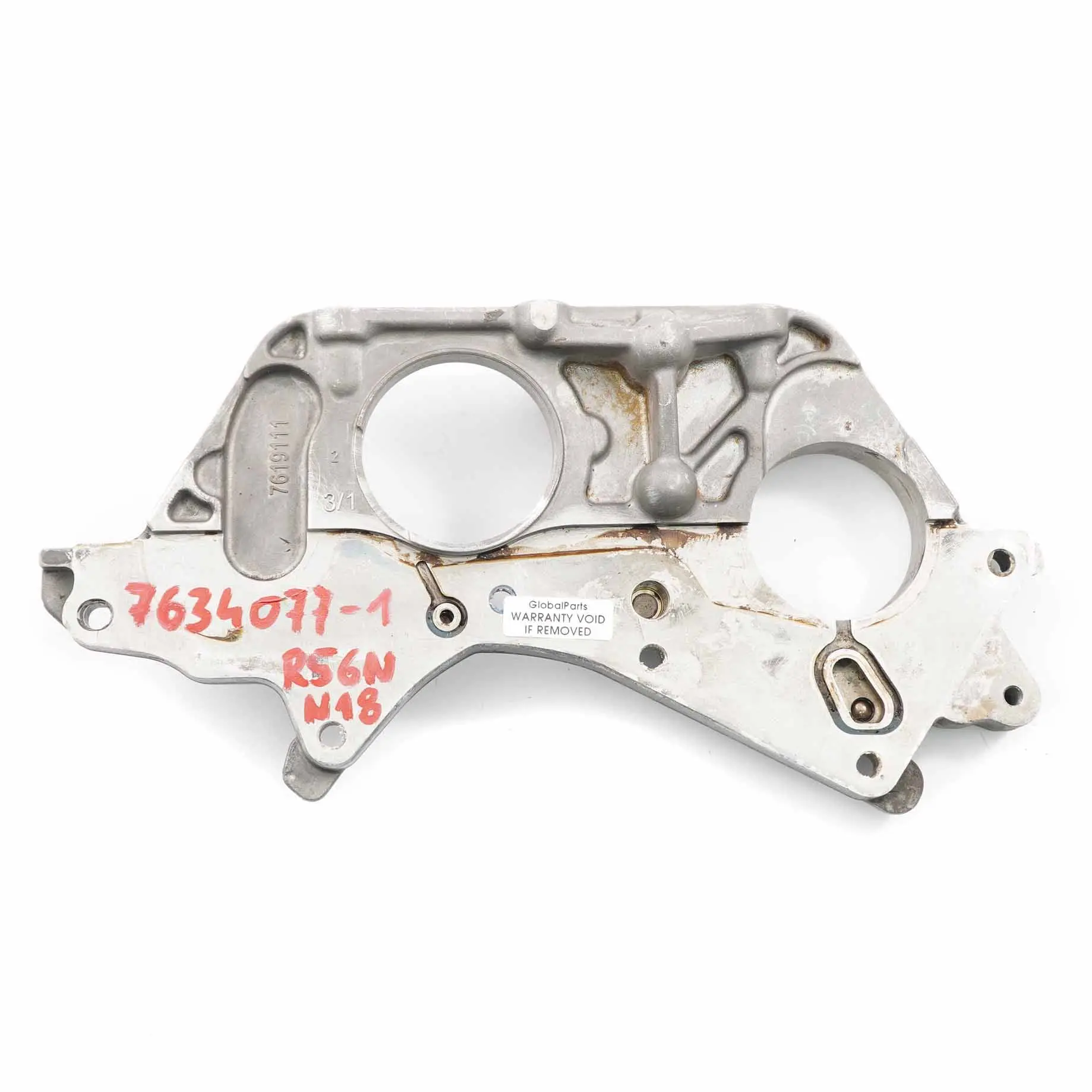
Part no. 7634077-1
Mini Cooper S R56 R55 LCI R60 N18 Petrol Cylinder Head Cover Rear 7619111
£47.95
Free delivery: Oct 06
If paid before 14:00
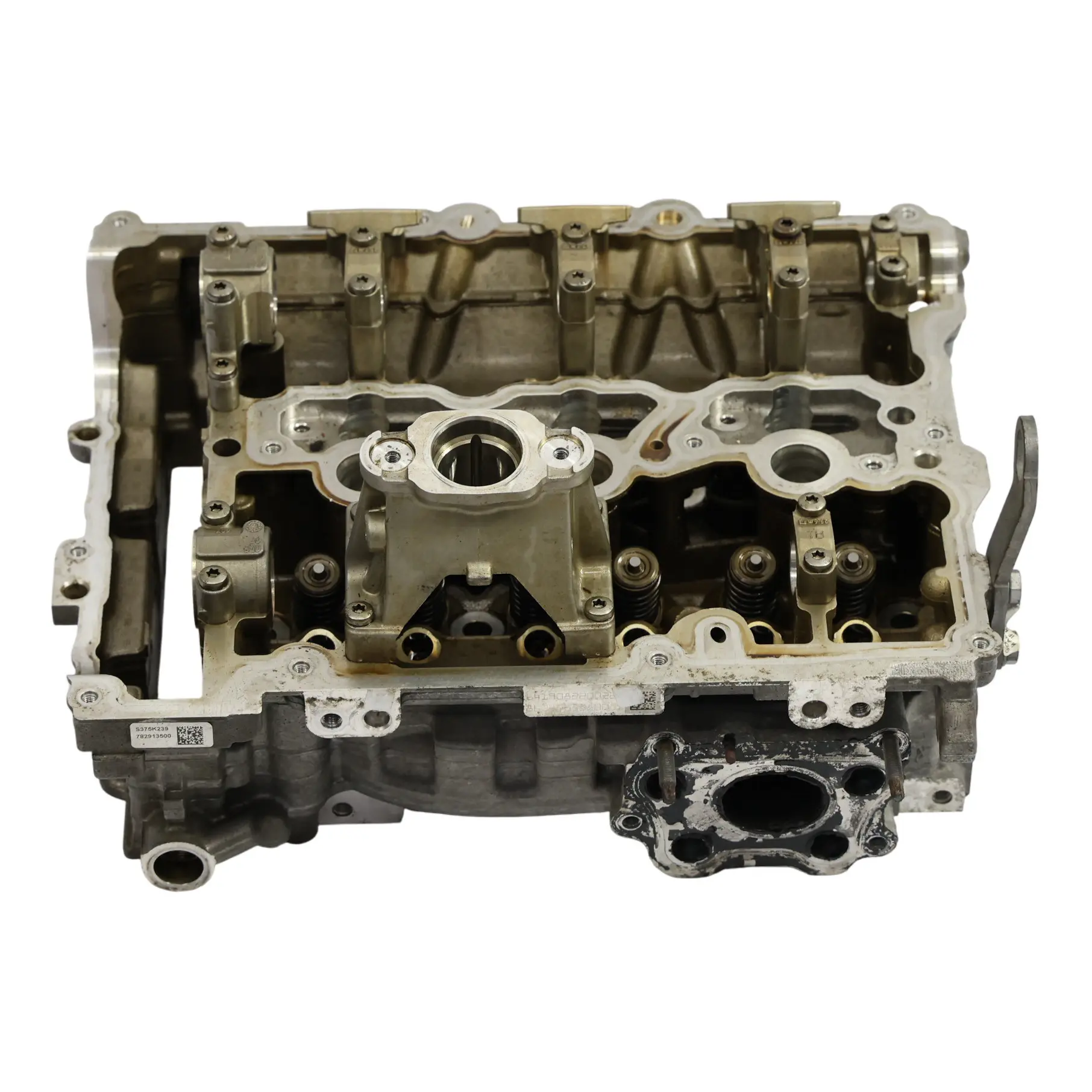
Part no. 7934488
BMW F40 X1 F48 Mini F55 F56 Engine Cylinder Head B38B B38C Petrol 7934488
£474.95
Free delivery: Oct 7 – 14
If paid before 14:00
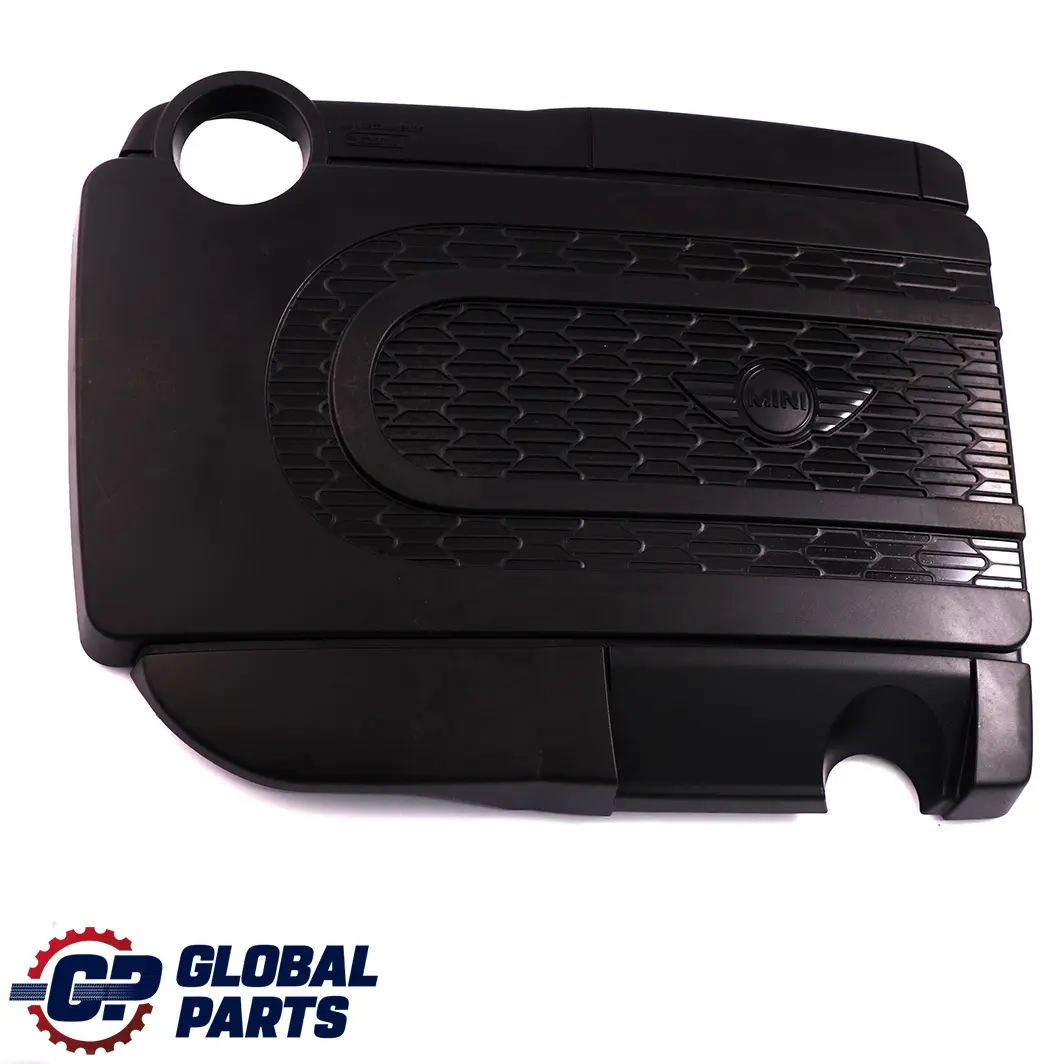
Part no. 7811920
Mini R55 R56 R57 LCI N47N Engine Cover Acoustic Diesel 7811920
Product currently unavailable
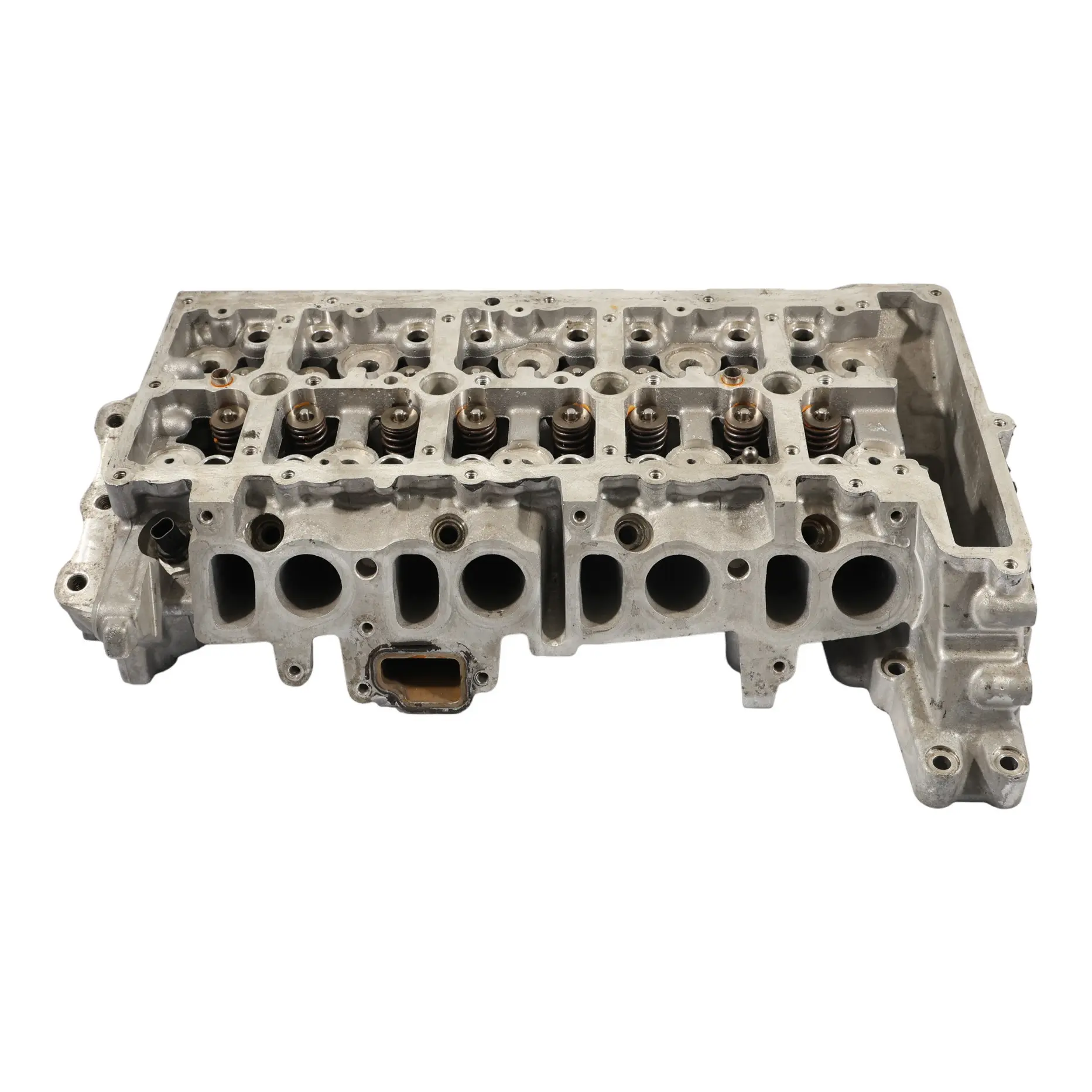
Part no. 7812606
Mini R55 R56 LCI R60 R61 N47C20A 2.0 SD Diesel Engine Cylinder Head 7812606
Product currently unavailable
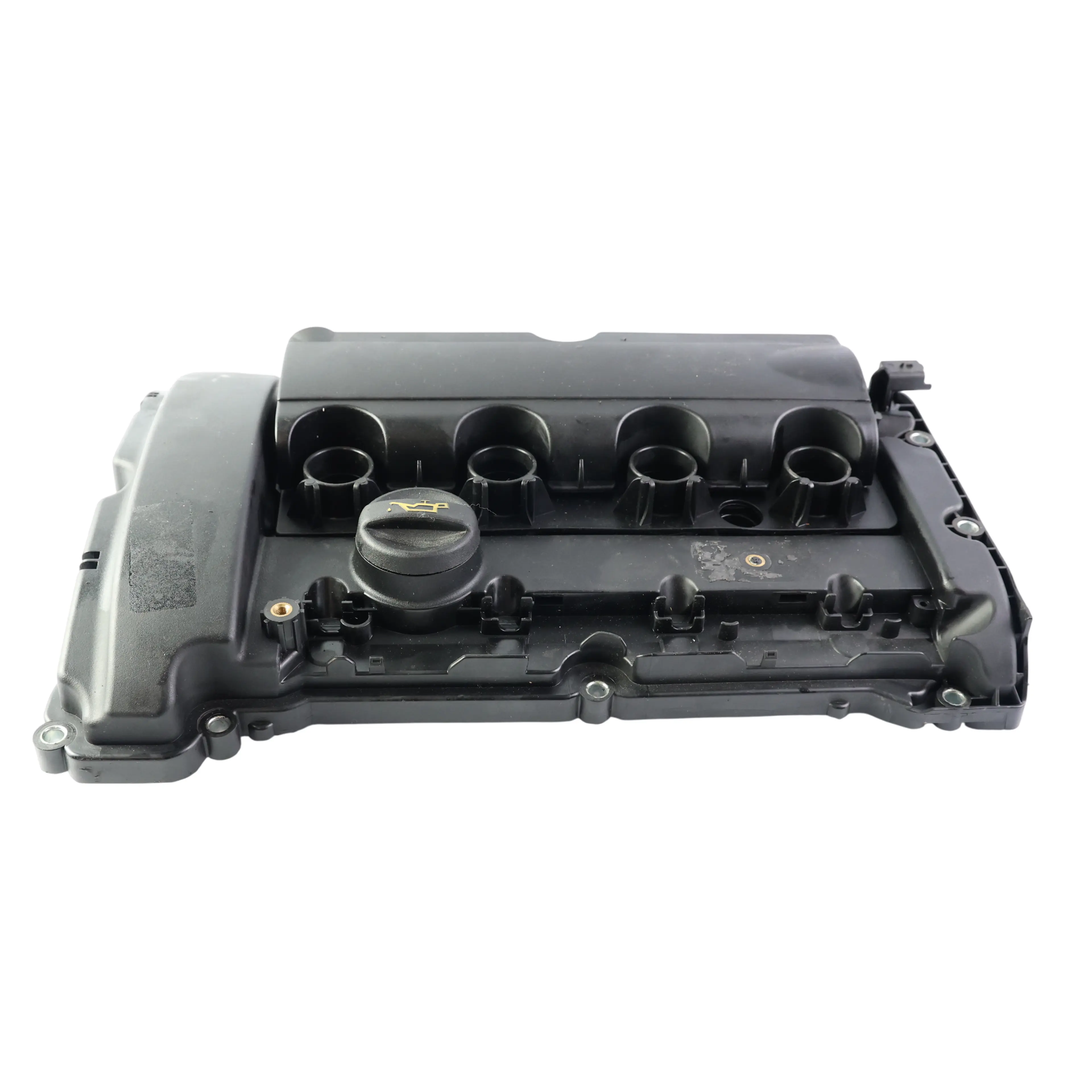
Part no. 7561714-1
Cylinder Head Cover Mini R55 R56 Cooper S N14 Petrol Engine 7561714
Product currently unavailable
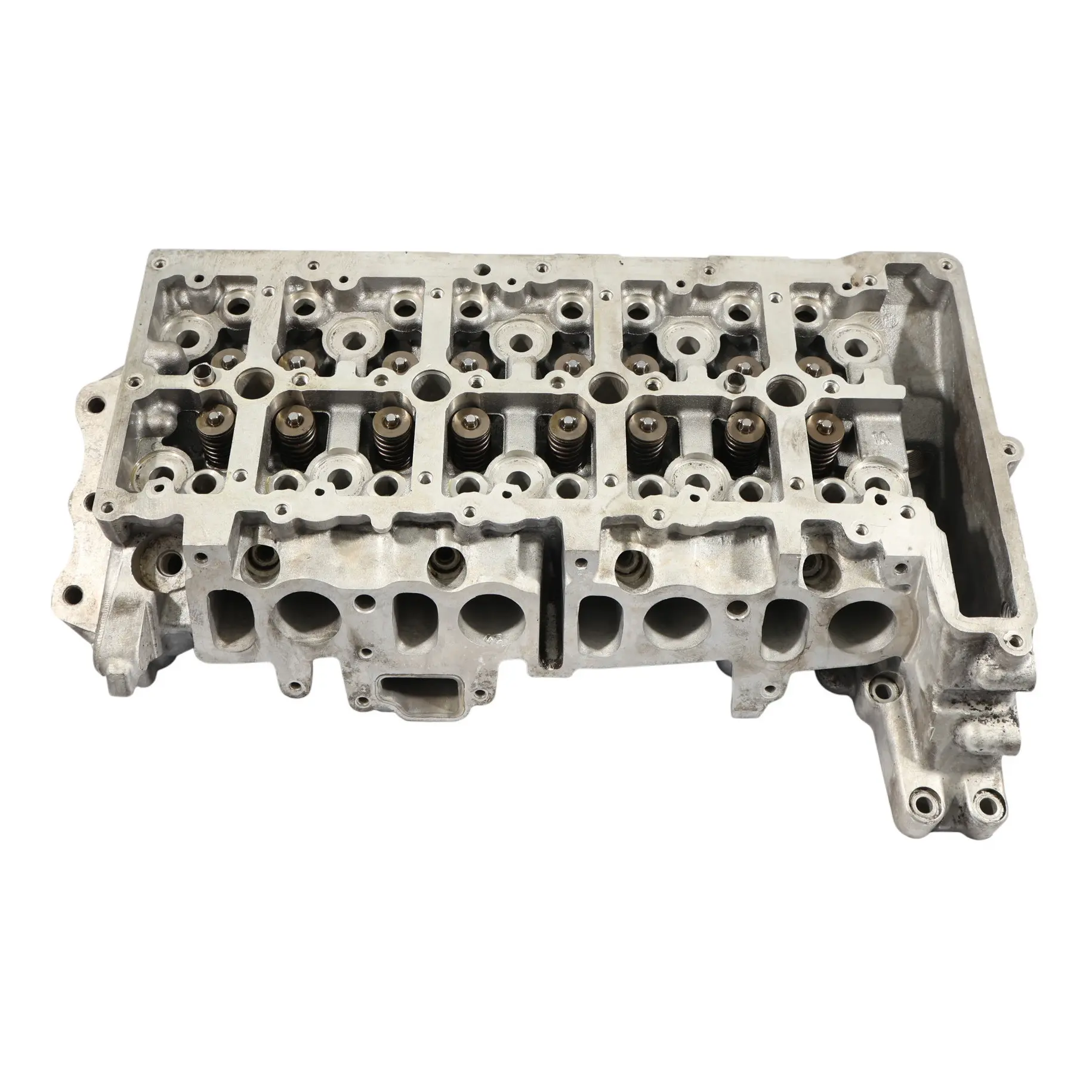
Part no. 7812606-1
Mini R55 R56 LCI R60 R61 N47C20A 2.0 SD Engine Cylinder Head Planned 7812606
Product currently unavailable
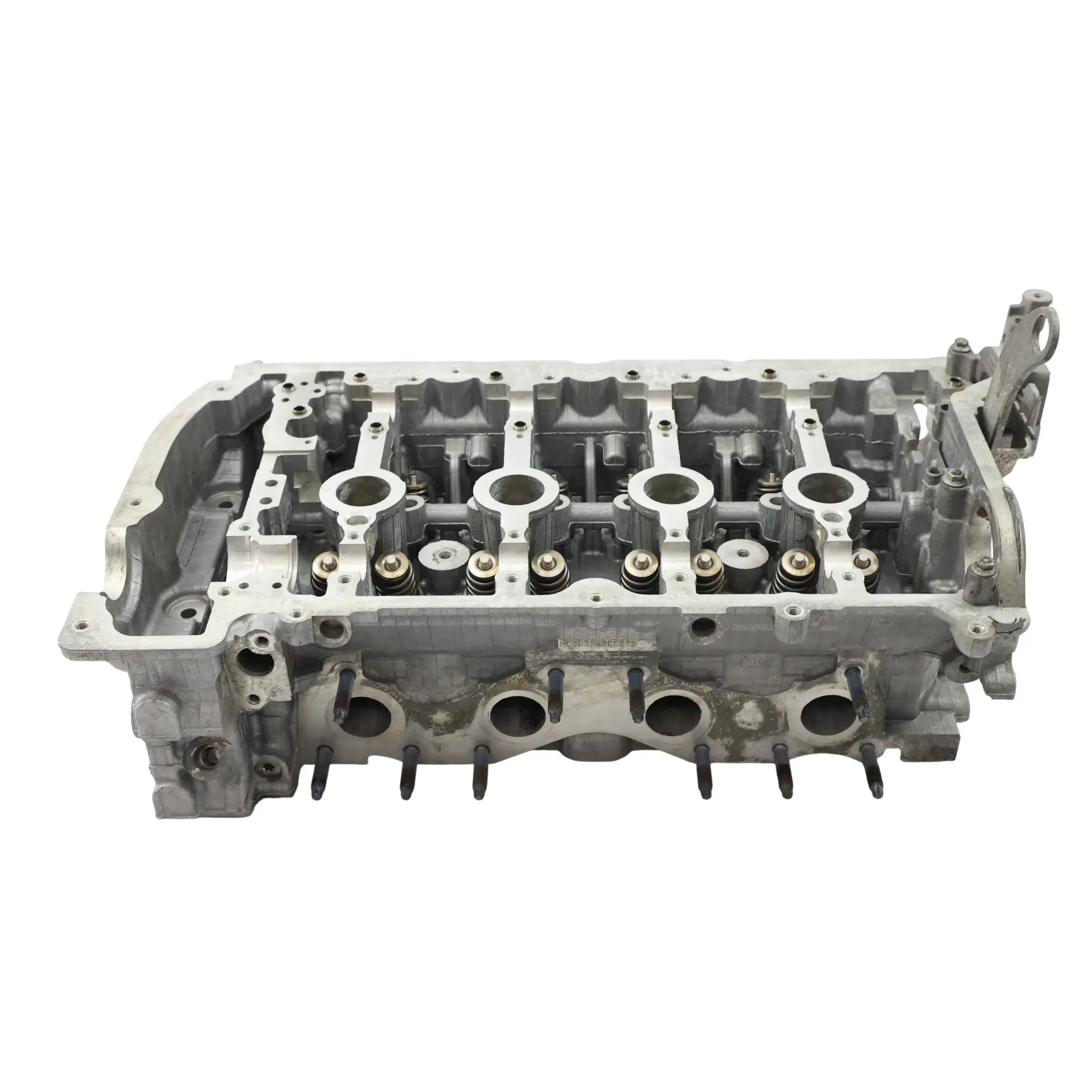
Part no. 7596054
Mini R55 R56 R60 Engine Cylinder Head Header Unit N12 N16 Petrol 7596054
Product currently unavailable
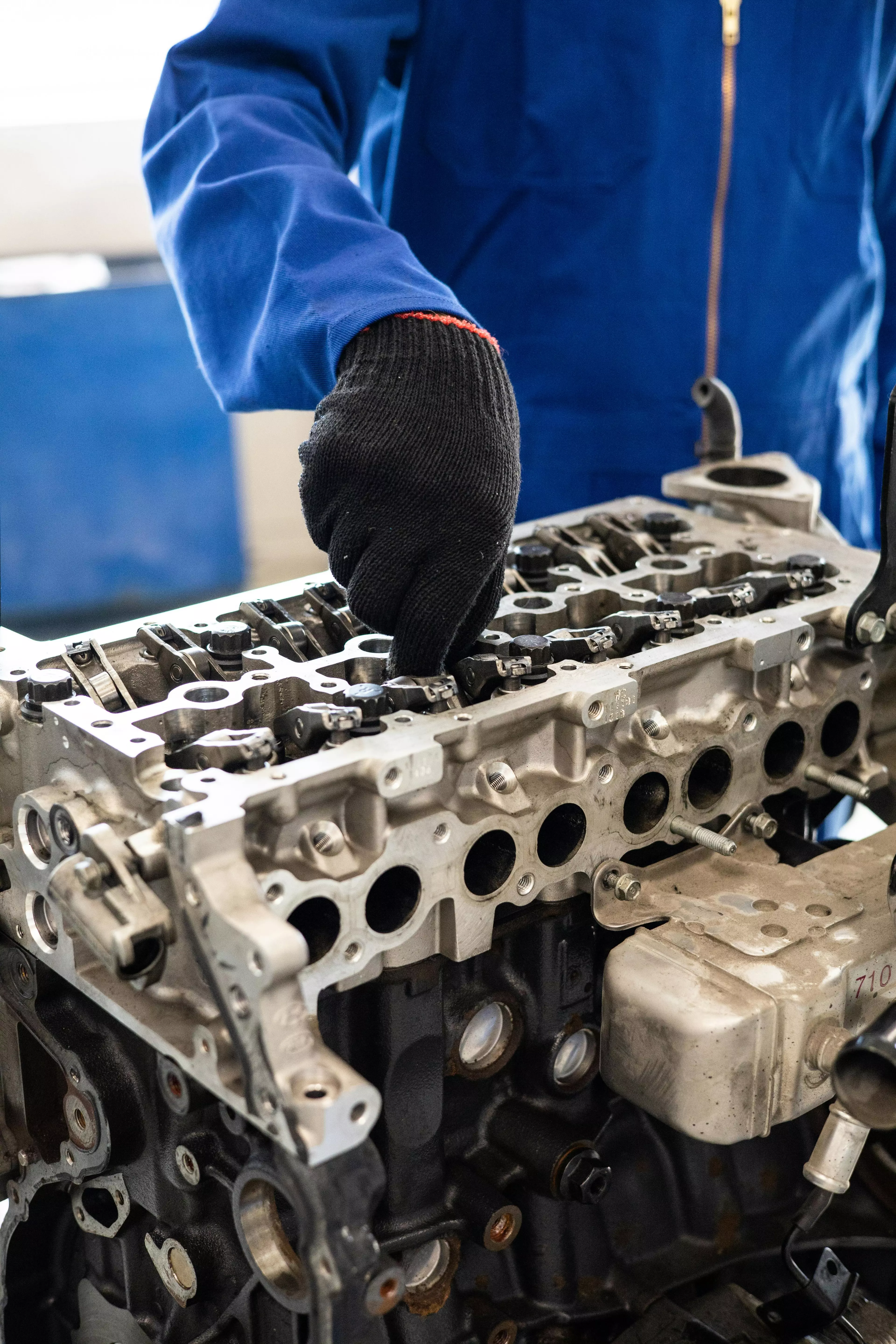
Cylinder heads – structure, application, and impact on engine performance
Cylinder head components and their role in the combustion process and exhaust emission control
The cylinder head is one of the most important components in the construction of a powertrain. It is responsible for the proper flow of air, fuel, and exhaust gases, as well as for sealing the combustion chambers, enabling the engine to operate efficiently. Without a functional cylinder head, it is impossible to achieve optimal performance and durability of the engine unit. In the Global Parts automotive store, you will find a wide selection of used car engines, including cylinder heads matched to brands such as BMW, Audi, Mercedes, Volkswagen, Mini, and others.
What functions does a cylinder head perform?
The cylinder head is a complex component that performs many key functions:
- Creating the combustion chamber – The cylinder head seals the cylinders from the top, enabling the proper combustion of the air-fuel mixture.
- Managing flow – It is responsible for delivering air and fuel to the cylinders and for discharging exhaust gases through the intake and exhaust valves.
- Mounting point for the timing system – It contains camshafts, valve rockers, and other components responsible for the precise opening and closing of valves.
- Cooling and lubrication – It contains oil and cooling channels that prevent overheating and wear of key components. Precise manufacturing of the cylinder head and its proper maintenance are essential for the reliable operation of the engine unit.
Construction and purpose of cylinder heads
Cylinder heads are the upper parts of the engine mounted above the cylinder block. Their task is to seal the combustion chambers and create space for valves, intake ports, exhaust ports, and coolant circuits. A typical cylinder head works with gaskets and mounting parts, and its compatibility must be confirmed by the OEM number, fuel type, and engine version.
Comparison of head variants and data to check
| Variant | Typical characteristics | Cooperating elements | What to check before purchase |
|---|---|---|---|
| Petrol engine head | Layout of channels and combustion chambers adapted to spark ignition | timing parts, intake manifold, spark plugs | OEM number, fuel type, number of valves, compatibility with accessories |
| Diesel engine head | Adapted to higher compression ratios and different combustion system operation | Injectors, manifold, gasket, fuel lines | Engine code, injector seats, contact surface, cracks |
| Complete head | May contain valves, camshaft, or other embedded elements depending on the version | chains, timing belts, and mounting kits, valve cover, seals | Equipment scope, mounting points, condition of guides and seats |
| Incomplete head | Body prepared for further equipment according to the car version | engine blocks, valves, camshafts, mounting bolts | Dimensional compatibility, oil channels, cooling channels, resurfacing |
The cylinder head is made of aluminum or cast iron, depending on the model and year of production. In cars such as the BMW E46 320d, 4-cylinder heads with 2 or 4 valves per cylinder are used, integrated with cooling and oil channels. The typical weight of a head ranges from 10 to 25 kg, and the combustion chamber diameter varies in the 80–85 mm range for 2.0 l units. In sports models and M versions, heads with increased airflow and modified valve geometry are often used.
Why is it worth taking care of the cylinder head?
A damaged or malfunctioning cylinder head can lead to serious problems, such as:
- Loss of compression – Causes a drop in engine power and efficiency.
- Engine overheating – Resulting from leaks in the cooling channels.
- Wear of valves and valve seats – Resulting in problems with fuel and exhaust flow.
- Oil and coolant leaks – Which can lead to the failure of other components. At Global Parts, we offer used car engines that undergo rigorous quality tests, ensuring their durability and reliability.
The role of channels, seats, and contact surfaces in engine operation
The intake and exhaust ports in the head are responsible for directing the mixture and discharging exhaust gases, so their condition directly affects the engine's smoothness. The head contact surface is the area of contact with the engine block, which must maintain flatness and tightness after installing the gasket. When choosing an element such as a BMW E90 320i valve cover, it is worth checking the compatibility of sealing surfaces, ventilation, and mounting points in the upper part of the engine simultaneously. For example, in a BMW E46 320d cylinder head, the average compression is 18–20 bar, and the intake ports provide an airflow of 120–140 l/s at 6000 rpm. Such parameters are important for power, torque, and fuel economy. Cylinder heads are compatible with specific injection systems, intake manifolds, and head gaskets, which allows for precise part matching.
How to choose the right cylinder head?
When choosing a cylinder head, you should pay attention to several key aspects:
- Compatibility with the vehicle model – Every car brand and model has its specific technical requirements. In the Global Parts automotive store, you will find cylinder heads perfectly matching BMW, Audi, Mercedes, Volkswagen, Mini, and others.
- Technical condition – Ensure that the cylinder head has no cracks, damage, or signs of corrosion.
- Service history – It is important that the cylinder head comes from a vehicle with a known mileage and has been regularly serviced.
Selecting a cylinder head by OEM number and equipment version
The selection of a cylinder head should take into account the OEM part number, interchangeable numbers, fuel type, and the completeness of the element. Compatibility with equipment such as camshafts, manifolds, injectors, or engine sensors and switches is also significant. If you are looking for a subassembly such as a Mini Cooper S R56 valve cover, you should compare the breather system, bolt layout, and engine version, as these features also affect the fit of the upper part of the head.
Checking cooperating components during replacement
Replacing a cylinder head involves not only the body itself but also assessing the parts that work with it. You should check the condition of the block surface, the tightness of the lubrication system, and the compatibility of accessories with seats and channels. In the case of parts such as a Mercedes W203 engine cover, the compatibility of mounts and engine bay layout is mainly important, while for the head itself, the OEM number, fuel type, and engine version remain key.
Example table of heads and basic parameters
| Vehicle model | Head type | Number of valves | Material | Approximate weight |
|---|---|---|---|---|
| BMW E46 320d | 4-cylinder, diesel | 4 per cylinder | Aluminum | 12–14 kg |
| BMW E46 330i | 6-cylinder, petrol | 4 per cylinder | Aluminum | 18–20 kg |
| Mercedes C200 | 4-cylinder, petrol | 4 per cylinder | Cast iron | 22 kg |
| Audi A4 2.0 TDI | 4-cylinder, diesel | 4 per cylinder | Aluminum | 13 kg |
Why is it worth choosing used cylinder heads?
Used car engines, such as a cylinder head, are an excellent solution that allows for savings while maintaining high quality. By choosing Cylinder heads, you gain:
- Lower costs – Used components are significantly cheaper than new ones but offer equally high quality.
- Ecology – Recycling car parts supports environmental protection and reduces waste.
- Wide offer – In our store, you will find cylinder heads for the most popular car brands. In practice, used heads fit original injection assemblies, manifolds, and turbochargers. Compatibility with the model and year allows for maintaining original flow geometry and compression pressure parameters.
How to take care of the cylinder head?
To ensure the cylinder head works reliably for years, it is worth following a few rules:
- Regularly change the coolant to prevent corrosion of the cooling channels.
- Check the condition of the cylinder head gaskets to avoid leaks and loss of compression.
- Monitor the timing system operation and replace worn elements, such as camshafts or valves. If you need to replace a cylinder head, at Global Parts you will find suitable used auto parts that will restore your vehicle to full efficiency. The head assessment procedure includes:
- Checking the flatness of the contact surface with the engine block (tolerance 0.05 mm).
- Inspecting valves and seats for wear (valve seat diameter: 34–38 mm in E46).
- Verifying cooling and oil channels for patency.
- Measuring pressure tightness at 3–5 bar to detect micro-cracks.
FAQ
| Question | Answer |
|---|---|
| What is the construction and purpose of cylinder heads? | Cylinder heads are components mounted in the upper part of the engine, above the cylinder block. They consist of a body with intake, exhaust, oil, and cooling channels, as well as valve seats and guides. Their task is to seal the combustion chambers and create a workspace for valves and timing parts. |
| What are cylinder heads used for? | Cylinder heads are used to control gas exchange and maintain the tightness of combustion chambers. They enable proper air intake, exhaust discharge, and cooperation with valves and camshafts. Without a correctly selected head, the engine may lose compression, overheat, or run unevenly. |
| What role does the head gasket play? | The head gasket is an element mounted between the block and the head, whose task is to seal the combustion chambers and separate oil and cooling channels. It affects the maintenance of compression and the proper circulation of operating fluids. Its compatibility must be checked together with the engine type, channel layout, and contact surface. |
| How to choose a cylinder head for a specific car version? | It is best to compare the OEM part number, engine code, fuel type, and equipment completeness. It is also worth checking interchangeable numbers, channel layout, mounting points, and compatibility with the manifold, injectors, or camshafts. |
| What symptoms may indicate a problem with the cylinder head? | Typical symptoms include a drop in compression, coolant loss, engine overheating, and oil mixing with coolant. Difficulties with starting, uneven operation, and leaks around the head gasket area are also significant. |
| What data in the offer should be checked before ordering a cylinder head? | Information about the brand, condition, OEM part number, interchangeable numbers, and fuel type is useful. Additionally, it is worth verifying whether the offered element is complete, what mounting points it has, and which engine version and equipment it is compatible with. |
Summary: cylinder heads at the Global Parts automotive store
The cylinder head is a key element that affects the efficiency, durability, and reliability of the engine unit. The Global Parts offer includes used parts matched to many brands, including BMW, Mercedes, Audi, and others. When choosing, it is worth comparing the OEM number, interchangeable numbers, fuel type, element condition, and compatibility with engine accessories. We invite you to contact us – we are here to help you! For more information and interesting facts, we also invite you to our automotive blog.