A car can reach the end of its working life without every component inside it being worn out. A major engine failure may leave the headlights, window mechanisms and interior fittings unaffected, while serious body damage may leave certain mechanical assemblies suitable for further use. The phrase “scrap car” hides those differences by making a complex machine sound like a single piece of waste. In reality, a vehicle contains separate systems that age differently, experience different loads and develop different faults. Looking at those systems individually reveals how parts from dismantled cars can support repairs to vehicles that are still on the road. From the bonnet to the boot, the end of one car can become the beginning of several smaller second lives.
Why a scrap car can still have useful parts
A complete vehicle and its individual components do not share a single expiry date. The decision to stop repairing a car may follow one expensive failure, extensive corrosion or a combination of problems that no longer makes financial sense to address. That decision describes the vehicle as a whole rather than the condition of every item attached to it. An engine fault does not automatically damage a parcel shelf, just as a broken gearbox does not establish whether the headlights work. Some components may be worn out, others may need further assessment, and others may remain suitable for their original purpose. The practical value of scrap car parts begins with recognising those differences rather than assuming that everything is either reusable or worthless. A hypothetical hatchback retired after an engine failure illustrates the point. Its rear lights may still have intact housings and sound mounting points, while its passenger window mechanism may continue to operate correctly. The boot could contain an undamaged load cover, and the dashboard might have the exact trim panel another owner needs to replace. Those items would not solve the donor car’s engine problem, but each could address an unrelated problem elsewhere. A rear light might help repair one vehicle, the window mechanism another, and the boot fittings a third. None of these outcomes is guaranteed, because suitability must be established individually, but the example shows why a non-running car can offer more than recoverable metal. This changes the perspective on what makes a component worth recovering. Large assemblies attract attention because they are substantial repair items, but small parts can be equally important to the person trying to finish a particular job. A missing bracket, broken handle or damaged switch surround can prevent an otherwise straightforward repair from being completed properly. Recovering the correct component may avoid replacing a larger assembly simply because one small section is missing or damaged. For owners researching how to scrap a car in the UK, this explains why the condition of the whole vehicle is only part of the story. Its remaining usefulness is spread across separate components, each of which needs an appropriate assessment and a suitable next application.
Under the bonnet and beneath the car: more than an engine
The engine is an obvious starting point, but even here the story depends on why the donor vehicle was retired. A car with extensive body corrosion may have a different recovery profile from one that has suffered overheating or internal engine damage. Where further use is appropriate, a replacement engine from a donor car can support a substantial repair without requiring a newly manufactured complete unit. However, the engine family or advertised capacity alone does not establish that two assemblies are interchangeable. Equipment, sensors, management systems and production changes can distinguish versions that look very similar from the outside. A useful recovered engine is therefore an identified and assessed assembly, not simply a power unit that happens to fit into the available space.
 Around the engine are several components with independent functions and their own potential second lives. In a conventional combustion-engined car, the starter motor turns the engine during starting, while the alternator supplies electrical power when the engine is running. Air filter housings, intake ducts, mounting brackets and other fittings support the operation and arrangement of the equipment around them. A cracked air filter housing may need replacing even when the engine itself works normally, making a suitable original housing a practical repair part. Conversely, an engine that cannot be repaired economically may still have certain unaffected ancillaries, although heat, impact or contamination can rule out reuse. This is why used engine ancillaries from dismantled cars need to be considered by function and condition rather than treated as one undifferentiated bundle.
The same approach applies beneath the car, where the gearbox and other drivetrain assemblies perform separate jobs. A gearbox provides the ratios needed to use the engine’s output across different driving conditions, while a differential allows driven wheels to rotate at different speeds when required. An engine failure does not by itself prove that either assembly has failed, although shared damage or related faults may affect their suitability. A correctly matched used gearbox from a donor car can therefore have a future even when the original vehicle no longer does. Matching involves more than choosing between manual and automatic, because transmission variants and drivetrain configurations can differ within the same model range. Other assemblies, such as differentials or driveshafts, also need to be assessed on their own merits rather than judged solely by the donor car’s overall condition.
Around the body: headlights, doors and mirrors
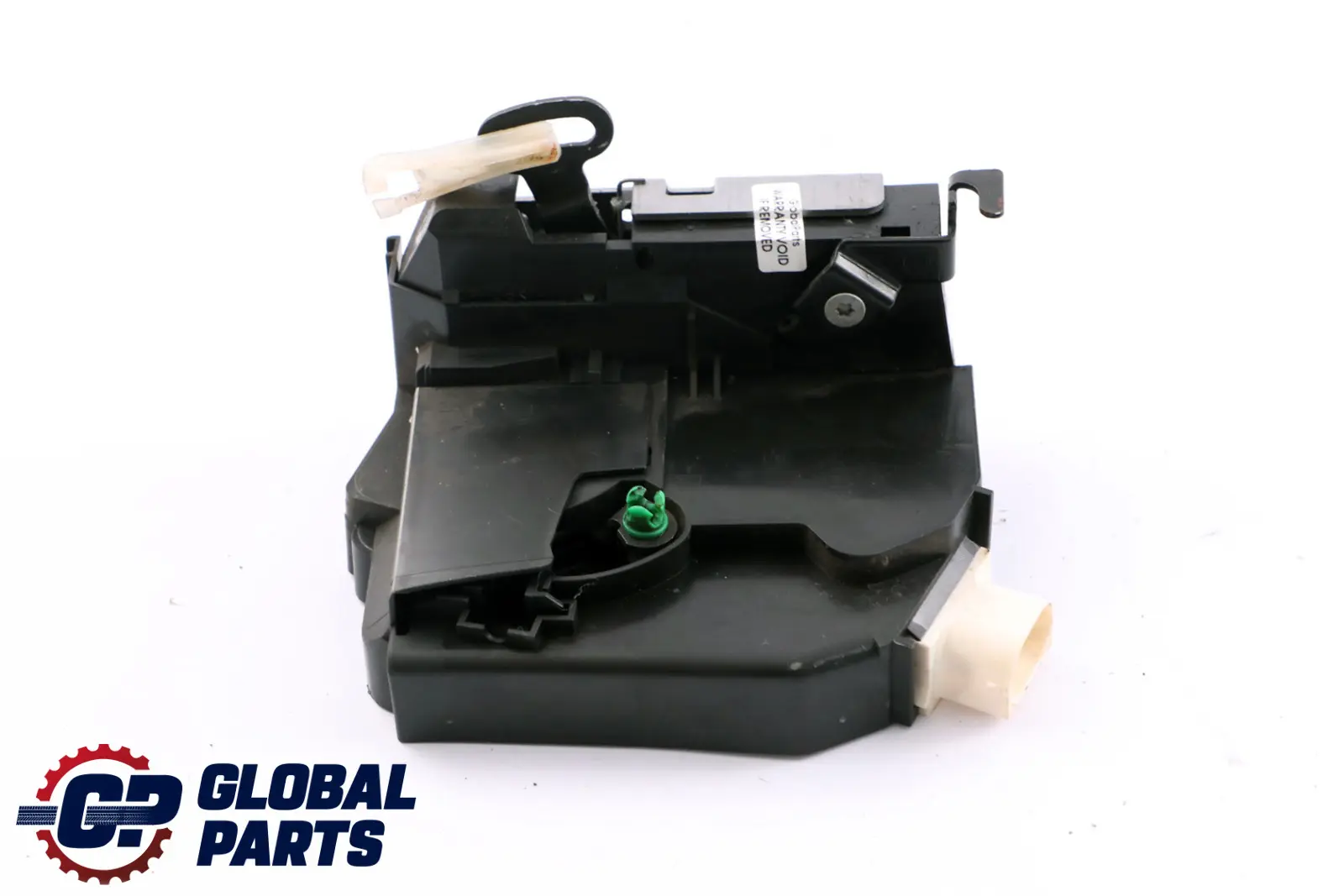
The front of a vehicle contains several distinct components behind what appears to be one continuous surface. A painted bumper cover is different from the reinforcement behind it, while grilles, surrounds, mounting guides and lamps may be separate items again. This matters because a minor repair may require only one of those components rather than a complete front-end assembly. Headlights demonstrate the same principle internally, combining housings, lenses, optical elements and, depending on the design, dedicated electronics. For used headlights for UK cars, the correct lighting technology and beam configuration for left-hand traffic matter alongside the physical shape of the unit. An intact lens is only part of the assessment, since damaged mounts, moisture inside the housing or missing control equipment can change whether the lamp is a useful replacement. Along the side of the car, a door is better understood as a collection of systems than as a single painted panel. It may contain glass, a regulator, a window motor, a latch, wiring, switches and a speaker, with the interior door card covering much of the equipment. The window regulator supports and guides the glass, while an electric motor provides movement in an electrically operated system. That distinction explains why used window motors and regulators may be supplied separately or together, depending on the design and the parts available. Once the actual fault has been identified, a suitable recovered component can restore operation without replacing the entire door. Body style, mounting side and equipment specification still matter, because a mechanism from a visually similar door is not necessarily the correct mechanism for the repair. Mirrors and exterior panels provide further examples of how an apparently simple item can contain important differences. A wing mirror may incorporate heating, electrical adjustment, power folding, an indicator or a camera, so matching its shape alone is not sufficient. Second-hand car wing mirrors are most useful when their functions, connections and fittings correspond to those required by the recipient vehicle. A bonnet, wing or tailgate also needs sound mounting points and the correct version for the relevant body style and production period. Even a matching paint code does not guarantee an invisible colour match, because exposure, ageing and previous refinishing can affect the appearance. The second life of body components therefore depends on recovering appropriate, undamaged items rather than treating every panel from the same model as an interchangeable replacement.
Inside the cabin and boot: small parts that make a big difference
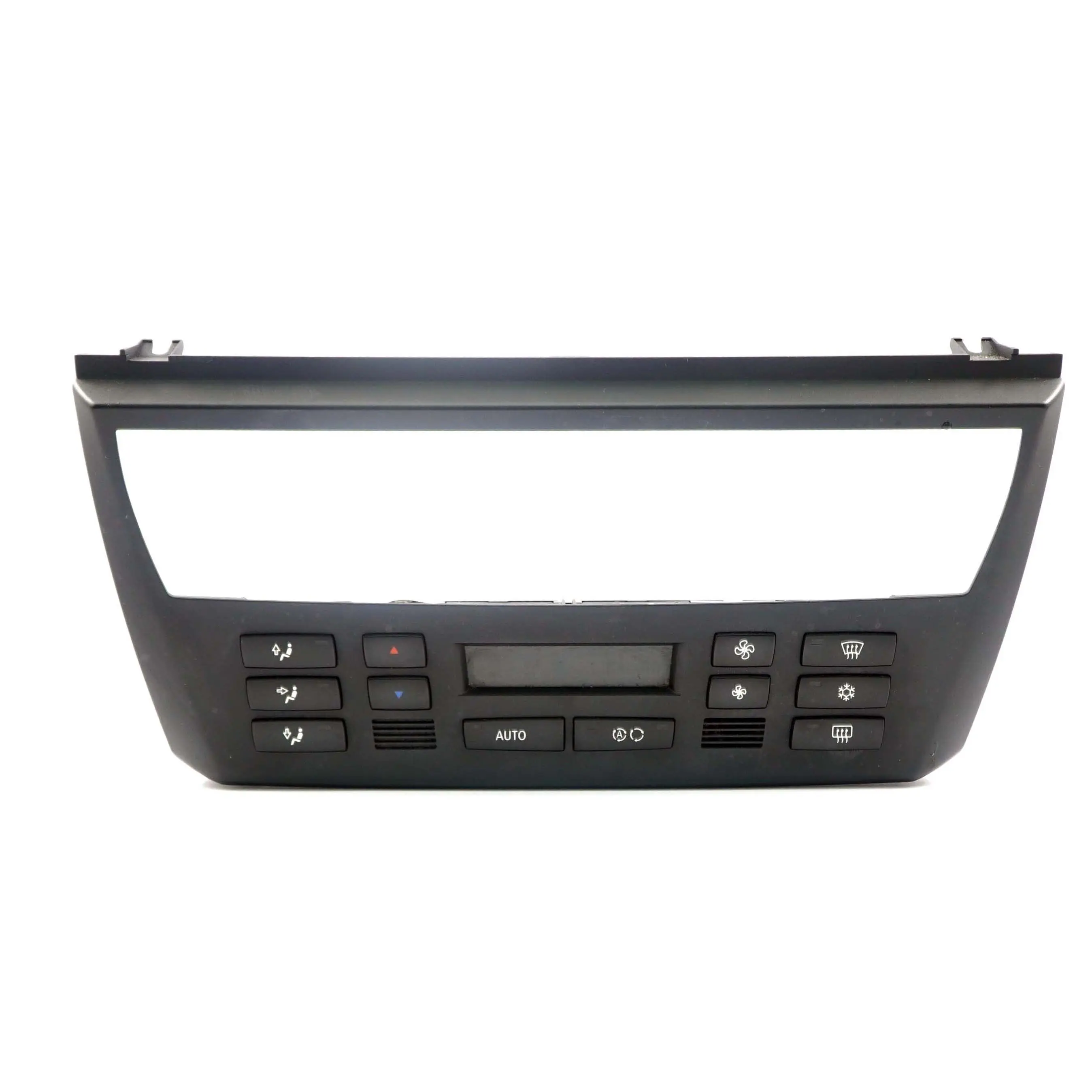
Mechanical failure can leave much of a car’s interior untouched, which makes the cabin an important source of less obvious replacement parts. A cracked console panel, broken ventilation grille or damaged glovebox lid can affect everyday use even when the vehicle drives normally. Suitable used car interior trim parts can address those problems while retaining the original layout and appearance of the cabin. The purpose is often restoration rather than modification: replacing the damaged item with the component intended to occupy that exact position. Colour, surface texture, mounting tabs and equipment openings all contribute to whether the result fits properly. A small piece of trim can therefore be the final part needed to complete a repair, despite having little connection with the fault that ended the donor vehicle’s road life. Dashboard electronics require a similar understanding of separate components working together. Depending on the vehicle, an infotainment system may include a display, a main processing unit, controls, an amplifier and individual speakers. A replacement car infotainment screen may address a damaged display, but it will not resolve a fault originating in an unrelated amplifier or control unit. Correct diagnosis identifies which part is needed before a suitable recovered component can be considered. Some electronic replacements also require coding, configuration or security-related procedures, so physical fit does not establish that a unit will work immediately after installation. The potential benefit lies in replacing the appropriate component rather than assuming that every problem requires a complete dashboard system. The boot contains another group of parts that can remain useful long after the vehicle stops being economical to repair. Parcel shelves, load covers, floor panels and side trims may be missing or damaged in one car while remaining intact in a donor vehicle. A replacement parcel shelf for a hatchback solves a straightforward problem, but its dimensions, shape and attachment points still need to match the relevant body style. An estate car’s retractable load cover is similarly specific to the space and fittings for which it was designed. The tailgate may also contain a wiper motor, latch, handle and other equipment that can support separate repairs where those items are supplied individually. These components show that a car’s second life is not limited to expensive machinery: ordinary fittings can also restore everyday function and completeness.
From donor vehicle to replacement part: getting the match right
Removing a component is only the first step towards making it useful in another vehicle. Identification connects the recovered item with its original application, while condition assessment helps establish whether it remains appropriate for further service. For used car parts from breakers, relevant details can include the original part number, production version, body style and equipment specification. The recipient vehicle’s VIN can help resolve fitment questions where a general model description leaves too much uncertainty. Facelifts and specification changes are particularly important because manufacturers can alter components without changing the basic model name. A part becomes a practical replacement when those details are matched to the repair requirement, not merely when two vehicles carry the same badge. The contents of the supplied assembly are just as important as its identity. A door shell may be offered without glass or internal mechanisms, and a headlight may be supplied without every associated electronic module. An engine description may refer to an assembly with selected ancillaries rather than all the equipment visible in the donor vehicle. Clear descriptions and photographs help distinguish between what is included, what needs to be transferred and what must be sourced separately. Appropriate handling and storage then help preserve fragile mounting points, connectors, mechanical openings and delicate interior surfaces after removal. Without that care, a component that was useful in the donor car can become damaged before it ever reaches its next application. Condition assessment must also reflect the job the part performs and the consequences of failure. An alloy wheel may look presentable while still having deformation or damage that makes its appearance an unreliable guide to suitability. Seats can contain integrated restraint-related equipment, while other assemblies may have hidden wear or damage that cannot be established from a photograph alone. Consumables and components whose safety or serviceability cannot be assessed appropriately should not be treated as suitable simply because they can be removed. Some items may require specialist evaluation or rebuilding, while others are better directed towards material recovery. Genuine used replacement parts offer a useful repair route when original specification is combined with suitable present condition, not when original manufacture is mistaken for proof of current reliability.
Reuse and recycling: what a second life really means
A recovered component can continue its journey in several different ways, and those routes should not be confused. Reuse means that a suitable part performs its original function again, such as an intact load cover being fitted to another compatible estate car. Remanufacturing involves a defined rebuilding process in which an eligible used assembly is dismantled, inspected and restored through appropriate replacement or reworking of components. A cleaned second-hand part is not automatically remanufactured, because cleaning alone does not establish that such a process has taken place. Material recycling follows a different route again, recovering useful material rather than preserving the complete component in its existing form. These distinctions explain why two items removed from the same vehicle may have very different futures without either being treated simply as worthless waste.
Where a suitable recovered part replaces the need for a new equivalent, reuse can reduce demand for new manufacturing and retain some of the work already invested in the original component. The actual benefit depends on the part, any rebuilding or preparation required, transport and the useful service it can still provide. It would therefore be misleading to present every used component as the better choice in every situation. A part that is unsuitable, incorrectly matched or unlikely to provide dependable service does not become a sensible replacement merely because it has been recovered. Components that cannot be used again may still contain metals or other materials suitable for appropriate recovery processes. The aim is to identify a realistic next purpose for each item rather than force every component into the same route.
This is the practical connection between vehicle dismantling and the genuine used car parts offered by Global Parts . A donor car may no longer have a future as a complete vehicle, yet individual components can still answer specific repair needs elsewhere. Its headlight may replace a damaged lamp, its window mechanism may restore a function, and its boot fittings may complete another car’s interior. None of those outcomes requires the whole vehicle to return to the road. Instead, its remaining usefulness is distributed among compatible vehicles that still have journeys ahead of them. The most useful way to think about a scrap car is therefore not simply as a machine that has stopped working, but as a collection of components whose individual stories may not yet be finished.

Frequently asked questions about parts from dismantled cars
| QUESTION | ANSWER |
|---|---|
| Which parts of a scrap car can be reused? | Depending on their condition and specification, reusable components can include engines, gearboxes, headlights, body panels, mirrors, window mechanisms, interior trim and boot fittings. Selected electronic components may also be suitable for further use. Each part needs its own assessment rather than being judged solely by the reason the donor vehicle was dismantled. |
| Can a car with a failed engine still provide useful spare parts? | Yes. An engine failure does not automatically make unrelated components such as lights, doors, interior trim or window mechanisms unusable. However, damage caused by overheating, contamination or an associated incident can affect other systems, so suitability must be established individually. |
| Will a used part fit another car with the same model name? | Not necessarily. Body style, production changes, equipment level and technical specification can affect compatibility even within the same model range. Matching the original part number and relevant vehicle details provides a stronger basis for selection than the model name alone. |
| Why are small parts from dismantled cars worth recovering? | A small component can solve a specific problem without requiring a larger assembly to be replaced. Examples include a suitable mounting bracket, console panel, mirror cover or boot fitting. Its practical value comes from being the correct part for the repair, not from its size. |
| Do used electronic car parts need coding? | Some electronic components require coding, configuration or security-related procedures, while others may not. The requirements depend on the vehicle and the particular unit being replaced. A matching connector or housing does not establish that a component will function correctly without additional work. |
| Are used car parts automatically remanufactured? | No. A used part has previously been fitted to a vehicle, while a remanufactured part has undergone a defined rebuilding process. Cleaning or visually inspecting a recovered component does not, by itself, make it remanufactured. |
| What is the difference between reusing and recycling car parts? | Reuse allows a suitable component to perform its original function in another vehicle. Recycling recovers materials from components that are no longer being used in their existing form. Both routes can form part of a dismantled vehicle's second life, depending on the condition and suitability of the individual items. |
| Can one dismantled car help repair several other vehicles? | Yes. Different suitable components can support separate repairs, such as replacing a damaged headlight on one car and a faulty window mechanism on another. There is no fixed number of reusable parts, because the donor vehicle's condition and the suitability of each component determine what can continue in service. |