


Other brake sensors and switches
More informationAt Global Parts, we offer a wide selection of original used car parts, including other sensors and brake switches for many popular car brands such as BMW, Mini, Mercedes, Audi, Volkswagen, and others. The other sensors and brake switches we offer are quality-controlled, so you can be sure you're receiving a top-quality product.
Find it faster
Match to your vehicle
GB
Make
Category
Subcategory
Condition
In Stock
Price
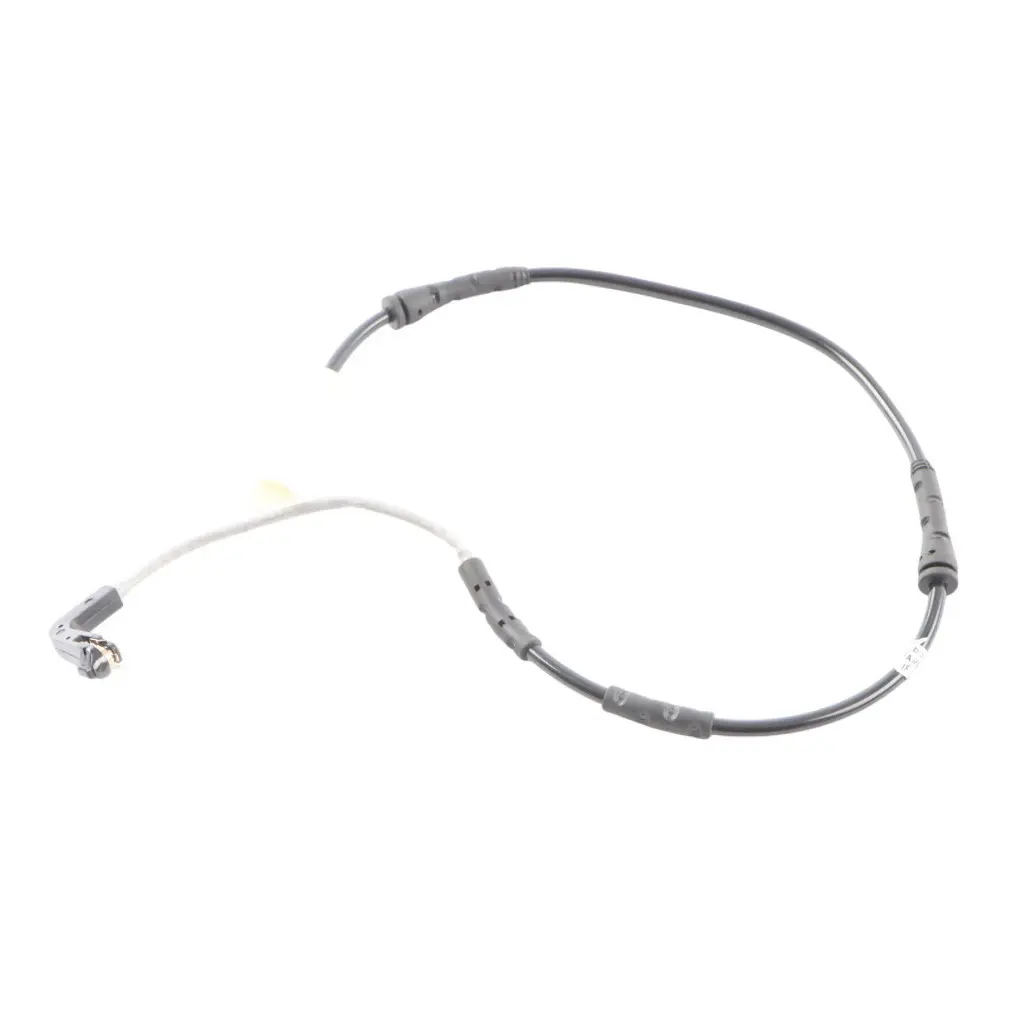
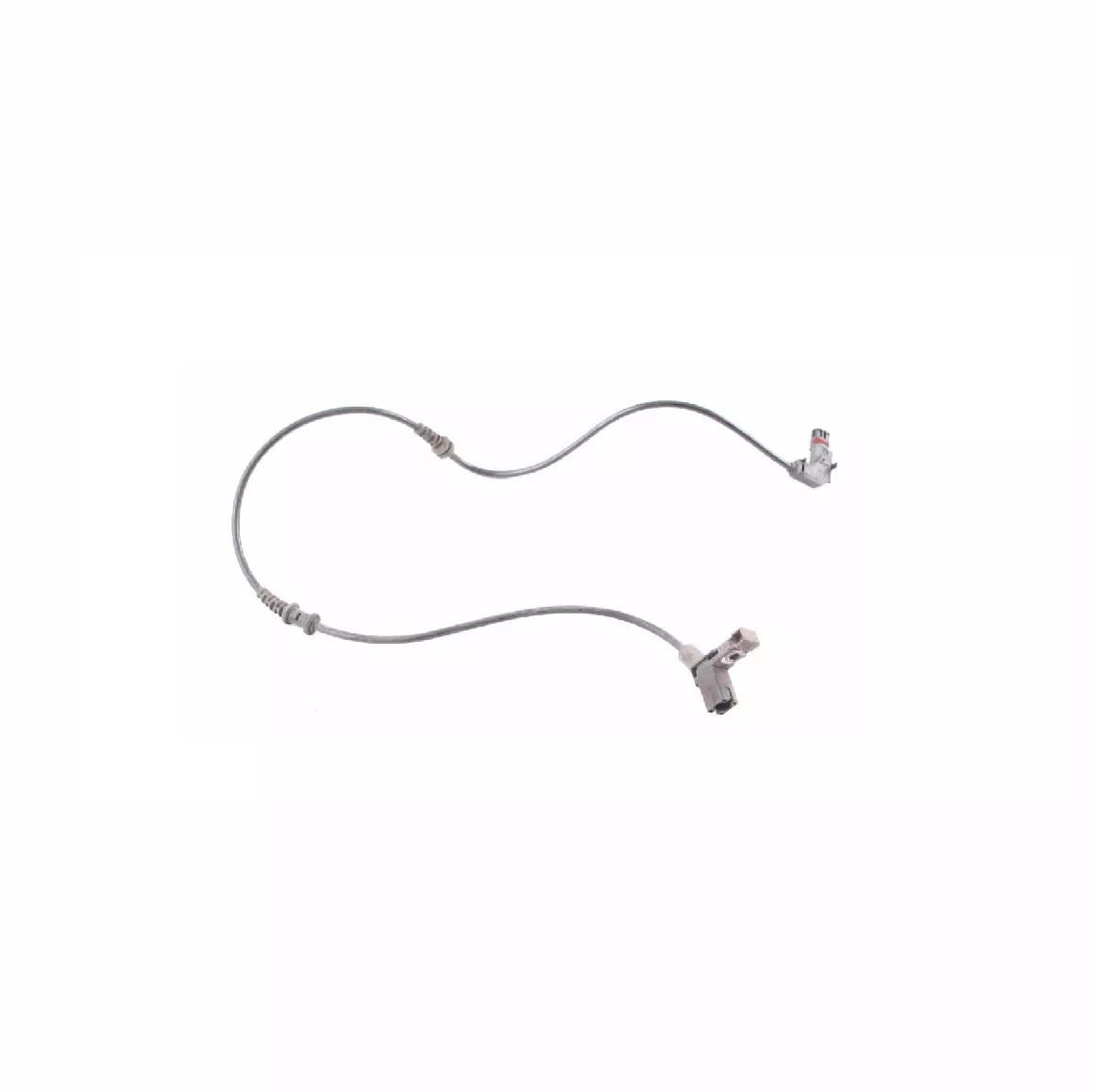
Brake switches and sensors for system safety and control
Brake system control switches and sensors
Other brake sensors and switches are components that support the advanced functions of modern braking systems. They are responsible for monitoring brake status, pedestrian protection, and the efficient operation of the parking brake. In the Global Parts automotive store, you will find a wide selection of used car parts, including other brake sensors and switches, perfect for brands such as BMW, Mercedes, Volkswagen, Mini, and others.
Design and purpose of brake switches and sensors
Brake sensors and switches are electronic or electromechanical components responsible for transmitting signals about the status of the braking system to the vehicle's control units (ECU). An example is the brake pedal sensor, which informs ABS, ESP, cruise control, or brake light systems that braking has begun. In modern vehicles, the signal from the sensor activates several systems simultaneously, enabling immediate synchronization of active safety systems. These components are responsible for system compatibility, correct installation, and precise matching to a specific vehicle equipment version.
Which elements are included in other brake sensors and switches?
In our offer, you will find the following components:
- Pedestrian protection sensor – an advanced component monitoring the vehicle's surroundings, which supports pedestrian protection systems, increasing road safety.
- Brake pad wear sensor – a key element that warns the driver about the need to replace brake pads, preventing damage to discs and a decrease in braking efficiency.
- Parking brake module/controller – responsible for controlling the electronic parking brake, ensuring easy and efficient engagement and release of the brake.
Characteristics of other brake sensors and switches
Other brake sensors and switches are components mounted at the brake pedal, near the pads, in the area of the calipers, or in parking brake control assemblies. Their task is to detect the operating state of the system and transmit information to modules responsible for safety and driving comfort. A typical element consists of a housing, an electrical connector, contacts or a measuring path, and mounting points adapted to a specific installation location.
Comparison of brake sensor and switch types
| Component type | Main function | What to check when selecting | Cooperating elements |
|---|---|---|---|
| Brake pedal sensor | Detects pedal depression and triggers a signal for brake lights and controllers | OEM number, number of pins, plug type, mounting method | ABS and ESP system, cruise control, engine controller |
| Brake pad wear sensor | Informs about the limit wear of the friction lining | Cable length, mounting side, compatibility with caliper and pad | Brake pad wear sensor, on-board computer |
| EPB parking brake module | Controls the electric parking brake | OEM number, software version, connector type, equipment compatibility | Brake calipers and brackets, electrical installation, CAN bus |
| Pedestrian protection sensor | Transmits a signal to the system responsible for protecting the pedestrian during a collision | Vehicle placement, connector type, body version compatibility | Safety controllers, wiring harness, front-end components |
Technical parameters and typical design solutions
Depending on the vehicle model, brake sensors can operate in 12V or 24V systems. The brake pedal sensor is most often a 2- or 4-pin switch. In 4-pin versions, a dual signal circuit is used – one is responsible for brake lights, the other for communication with the engine controller and stability control systems. Brake pad wear sensors work on the principle of circuit interruption after reaching the limit lining thickness. Electronic parking brake (EPB) modules work with electric actuators located at the rear calipers and are digitally controlled via the CAN bus.
Importance of the braking signal and cooperating elements
The braking signal is used to simultaneously inform several systems that the driver has started braking. Such a signal activates not only the brake lights but also the logic of stability systems, cruise control, and the parking brake. An electrical connector is the point of connection between the sensor and the vehicle's installation; its type, number of pins, and contact layout must match the wiring harness and modules such as Wires, cables, and connectors.
Why is it worth taking care of other brake sensors and switches?
Damage or malfunction of brake sensors and switches can lead to problems with the operation of braking systems and a reduction in safety levels. Typical symptoms of malfunction include:
- Dashboard errors – problems with wear sensors or the parking brake module can be signaled by warning lights on the dashboard.
- Decrease in braking efficiency – a faulty wear sensor can lead to missing the need to replace worn components.
- Incorrect parking brake operation – problems with the control module can make it impossible to engage or release the parking brake.
- Disturbances in the pedestrian protection system – a damaged pedestrian protection sensor can limit the operation of safety assistance systems. For parts such as the BMW E60 brake sensor, it is particularly important to compare the OEM number, cable length, and mounting side, as differences between axle and caliper versions affect the accuracy of wear readings. At Global Parts, we offer Other brake sensors and switches that can be matched to a specific car version by part number, equipment, and mounting location.
Matching procedure and system compatibility
Brake sensor selection should take into account the engine version, production year, and type of braking system. In practice, this means matching based on the electrical connector, the length of the wear sensor cable, and compatibility with the vehicle's CAN bus. The EPB module, pedal sensor, and wear sensor do not work in isolation but cooperate with elements such as Brake pumps and controllers responsible for braking logic. If you are looking for a component such as a faulty BMW F10 pedestrian protection system, you should check not only the sensor itself but also its placement, wiring, and compatibility with the body version.
How to choose the right brake sensors and switches?
When choosing brake sensors and switches, pay attention to several key aspects:
- Matching the vehicle model – every braking system has its specific technical requirements.
- Technical condition – used sensors and modules should be free from mechanical damage and operate according to the manufacturer's requirements.
- System compatibility – ensure that the selected components work with other safety systems in your vehicle.
- Product offer data – it is worth comparing the brand, condition, OEM part number, interchangeable numbers, and placement on the vehicle.
Why choose used brake sensors and switches?
Used car parts, such as brake sensors and switches, are a practical solution that allows for savings while maintaining high quality. By choosing used brake sensors and switches, you gain:
- Lower costs – used elements are significantly cheaper than new ones.
- Ecology – recycling car parts supports environmental protection and reduces waste.
- Wide offer – in our store, you will find brake sensors and switches for many car brands. A supplement to the selection process can be our guide Used car electronics on board – why choose second-hand ECU modules and sensors?, which describes the practical verification of compatibility by VIN, OEM, and installation parameters.
How to take care of brake sensors and switches?
To ensure brake sensors and switches work reliably for a long time, it is worth following a few rules:
- Regularly check the condition of sensors and modules during technical inspections to avoid problems with braking system operation.
- React to any errors signaled on the dashboard to prevent deterioration of the braking system's performance.
- Take care of the proper operation of cooperating systems, such as ABS or ESP, to maintain full functionality of the sensors and modules.
- When replacing, compare mounting points, plug type, and the position of the element on the vehicle, instead of relying solely on the appearance of the housing.
FAQ
| Question | Answer |
|---|---|
| What is the design and purpose of other brake sensors and switches? | Other brake sensors and switches are electrical and electronic components mounted in various places of the braking system and at elements cooperating with it. A typical element consists of a housing, a connector, contacts or a measuring path, and a mount adapted to a specific installation location. Their purpose is to transmit information to controllers about brake depression, pad wear, parking brake operation, or the activation of the pedestrian protection system. |
| What are other brake sensors and switches used for? | Other brake sensors and switches are used to monitor the operation of the braking system and send signals to the vehicle's control modules. Thanks to them, brake lights, stability control systems, cruise control, the electronic parking brake, and selected safety functions work correctly. Lack of a correct signal can cause errors in controllers, incorrect operation of assistance systems, or lack of information about the wear of friction elements. |
| What is the design and function of the electrical connector in brake sensors? | The electrical connector is the part of the sensor or switch that connects the element to the vehicle's installation. The connector is used for stable signal transmission and power supply, and its design includes a housing, pins, sealing, and a locking latch. When selecting, you must check the number of pins, contact layout, and compatibility with the wiring harness, because even a similar housing does not guarantee correct operation. |
| How to choose the right brake sensor or switch for a car? | It is safest to compare the OEM number, interchangeable numbers, brand, mounting location, and vehicle equipment. It is also worth checking the connector type, number of pins, cable length, and whether the part is intended for a version with EPB, ABS, or a specific axle. For electronic parts, compatibility with the controller and body version is of great importance. |
| What symptoms indicate a problem with brake sensors and switches? | Most often, warning lights appear on the dashboard, messages about pad wear, lack of brake lights, or disturbances in parking brake operation. In some cars, there are also safety system errors or limitations of additional functions. Symptoms should always be compared with the mounting location and error readings, because similar messages can also result from a wiring problem. |
| How to take care of the durability of brake sensors and switches after installation? | After installation, it is worth checking the correct seating, cable routing, and condition of connectors to avoid looseness and chafing. Good practice is to check the tightness of covers and regular inspections during brake maintenance. When replacing cooperating elements, verify signal compatibility again and ensure there are no errors saved in the controllers. |
Summary: other brake sensors and switches at the Global Parts automotive store
Other brake sensors and switches, such as the pedestrian protection sensor, pad wear sensor, or parking brake module, are key elements of modern vehicle safety systems. The Global Parts offer includes components matched to many car versions, including brands such as BMW, Unbranded, Mercedes, and others. When choosing, it is worth comparing the OEM number, connector type, placement on the vehicle, and equipment compatibility so that the part works correctly with the braking system and the car's electronics. We invite you to contact us – we are here to help you! For more information and interesting facts, we also invite you to visit our automotive blog.