


Other ABS parts
More informationAt Global Parts, we offer a wide selection of original used car parts, including other ABS parts, for many popular car brands such as BMW, Mini, Mercedes, Audi, Volkswagen, and others. Each of our car parts undergoes quality control to ensure you receive a top-quality product.
Find it faster
Match to your vehicle
GB
Make
Category
Subcategory
Condition
In Stock
Price
No search results
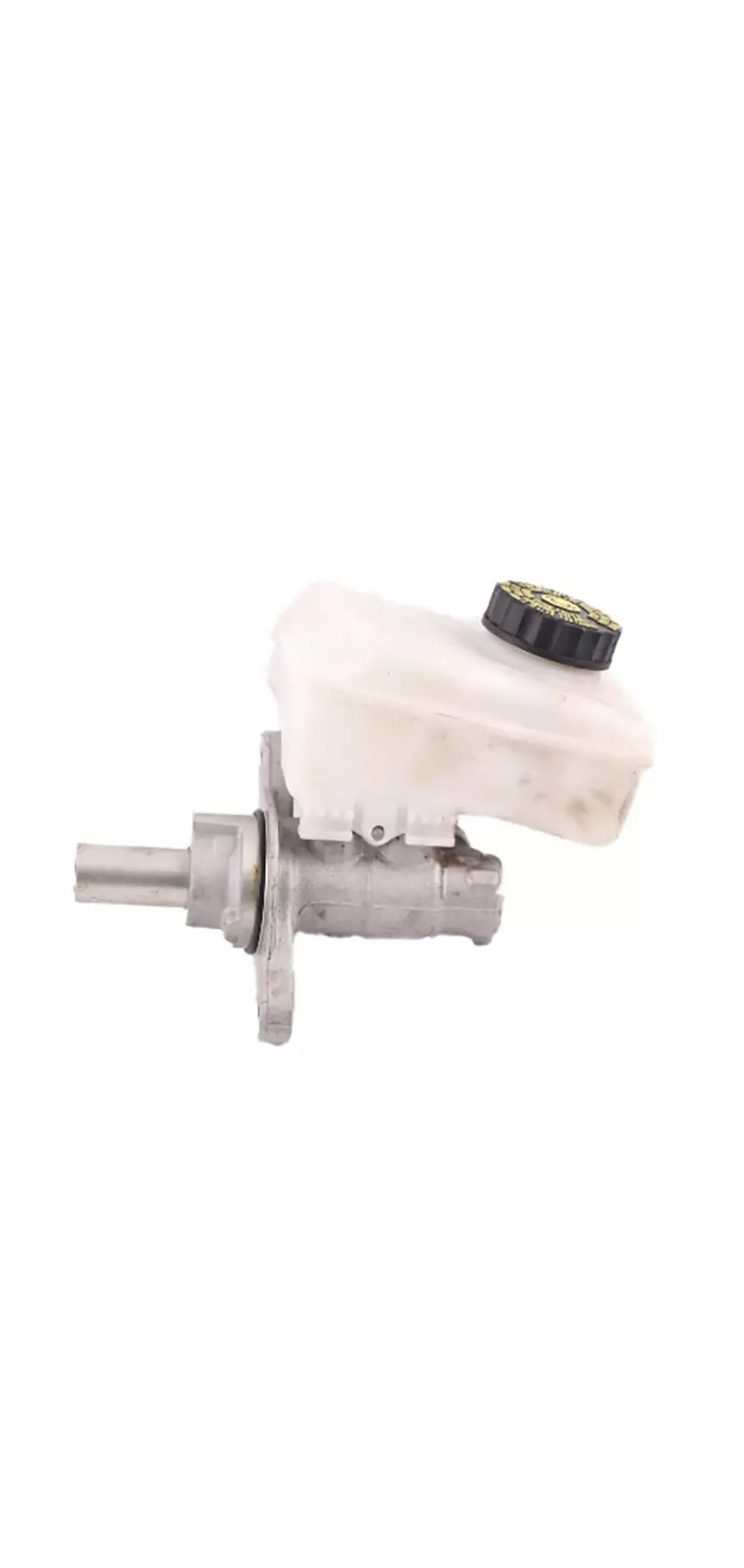
ABS system components for safe braking in all conditions
ABS systems and advanced traction control
Other ABS parts are key components supporting the proper operation of the anti-lock braking system. Thanks to functional elements, such as ABS pulse sensors and brake master cylinders, you can rely on the effectiveness of the ABS system, especially in difficult road conditions. In the Global Parts automotive store, you will find a wide selection of used car parts, including other ABS parts, ideal for brands such as BMW, Audi, Mercedes, Volkswagen, Mini, and many others.
How the ABS system works – definition and operating principle
The ABS (Anti-lock Braking System) is an active safety system designed to prevent wheel lock-up during emergency braking. It works by cyclically reducing and increasing pressure in the brake system, even several times per second, which allows the driver to maintain vehicle steerability. Key roles are played by wheel speed sensors, the ABS control module, and hydraulic elements, including the brake master cylinder. Properly functioning ABS parts have a direct impact on driving stability, especially on wet, icy, or uneven surfaces.
What elements are included in other ABS parts?
In our offer, you will find the following ABS elements:
- ABS pulse sensors – key components that monitor wheel rotation speed and transmit data to the ABS controller, preventing wheel lock-up during braking.
- Brake master cylinder – supports the operation of the ABS system by generating the hydraulic pressure needed for effective braking.
Construction and purpose of other ABS parts
Other ABS parts are supplementary components of the braking and control system that work with the anti-lock module during braking. This group includes, among others, pulse sensors, hydraulic elements, and components responsible for signal transmission and pressure regulation. They are mounted at the wheels, within the brake system, or near the hydraulic unit. Their task is to ensure accurate rotation speed readings and a fast response from the entire system.
Types and practical application of ABS elements
ABS pulse sensors come in various design variants – inductive and active (Hall effect) – and their selection depends on the system generation and the specific vehicle model. In modern cars from brands such as BMW, Audi, or Volkswagen, ABS sensors also work with ESP, ASR, and traction control systems, which increases their range of functions. The brake master cylinder in an ABS system is responsible not only for generating pressure but also for its precise modulation between individual brake circuits, which translates into even and predictable braking.
Comparison of element types used in the ABS system
| Element type | Main function | Location | What to check before purchase |
|---|---|---|---|
| ABS pulse sensor | Wheel rotation speed reading | At the hub or steering knuckle | OEM number, connector type, cable length, mounting side |
| Brake master cylinder for ABS | Generating and transmitting hydraulic pressure | In the engine bay near the servo or hydraulic unit | OEM part number, number of line outlets, system version compatibility |
| Signal wires and connectors | Signal and power transmission between elements | Harness at the wheel arch, chassis, or module | Plug type, insulation condition, mounting points, harness compatibility |
Significance of the sensor signal and cooperation with related systems
The ABS signal is information about wheel rotation speed transmitted to the controller in real-time. Based on this, the system recognizes the moment of traction loss and changes the braking pressure in a given circuit. In practice, these elements also work with the ABS and ESP system, and in many cars also with the ABS speed sensor and installations from the Wires, cables, and connectors category. When choosing an element like an ABS pump for Audi A6 C6, it is worth comparing the OEM number, hydraulic outlet layout, and electrical connector type.
Example ABS elements and their application
| ABS element | Function | Cooperating systems | Typical application |
|---|---|---|---|
| ABS pulse sensor | Wheel rotation speed measurement | ABS, ESP, ASR | BMW 3 Series, Audi A4, VW Golf |
| ABS brake master cylinder | Braking pressure modulation | ABS, ESP | Mercedes C-Class, VW Passat |
Why is it worth taking care of other ABS parts?
Damage or malfunction of ABS pulse sensors or the brake master cylinder can lead to reduced braking effectiveness and an increased risk of skidding. Typical symptoms of malfunction include:
- ABS warning light on the dashboard – may indicate a problem with pulse sensors or other system components.
- Extended braking distance – damage to the brake master cylinder can limit the effectiveness of the braking system.
- Uneven braking performance – sensor problems can disrupt ABS operation, leading to uneven distribution of braking force.
- Noise and vibration during braking – may indicate sensor malfunction or leaks in the brake master cylinder. At Global Parts, we offer car parts, including those for ABS, which have undergone detailed quality tests, ensuring their durability and reliability.
Impact of functional ABS parts on safety and driving comfort
Functional ABS parts allow you to maintain full control over the vehicle during sudden braking, shortening the actual stopping distance on slippery surfaces by even several meters compared to a system without ABS. Importantly, a properly working system allows for simultaneous braking and obstacle avoidance, which in practice significantly increases the level of safety. The ABS system also influences the even wear of brake friction elements, supporting stable and predictable operation of the entire assembly.
How to choose the right ABS parts?
When choosing ABS parts, you should pay attention to several key aspects:
- Vehicle model fitment – every ABS system has its specific technical requirements. At Global Parts, you will find ABS pulse sensors and brake master cylinders perfectly matched to BMW, Audi, Mercedes, Volkswagen, Mini, and others.
- Technical condition – used sensors and brake master cylinders should be free from mechanical damage, corrosion, and leaks.
- System compatibility – ensure that the selected elements work with the other components of the ABS system in your vehicle.
Compatibility, VIN, and system fitment
Selecting the right ABS parts is primarily based on compatibility with the specific vehicle configuration, taking into account the model year, engine version, and brake system type. In practice, this means compatibility with the CAN bus, the ABS controller, and other brake system elements. Many models, e.g., Volkswagen Golf, Audi A4, or BMW 3 Series, come in several ABS system variants within a single generation, which is why precise matching is crucial for correct installation and system operation.
Selecting parts by OEM number and mounting location
The OEM number is the factory part designation that makes it easier to compare the compatibility of a specific component with the car's equipment. When purchasing, it is also worth checking interchangeable numbers, vehicle placement, mounting side, and the type of plug or mount. If you are completing a repair along with elements from the Brake hoses, lines, and connectors category, it is good to compare the installation routing and connection points. Reading the article Volkswagen – solidity and reliability. Why are used VW parts a sensible choice?, which shows how to practically approach part compatibility in different car versions, can also be helpful.
Why choose used ABS parts?
Used car parts, such as ABS pulse sensors and brake master cylinders, are a practical solution that allows for savings while maintaining high quality. By choosing used ABS parts, you gain:
- Lower costs – used components are significantly cheaper than new ones but offer equally high quality.
- Ecology – recycling car parts supports environmental protection and reduces waste.
- Wide offer – in our store, you will find ABS pulse sensors and brake master cylinders for the most popular car brands.
Used ABS parts and operational economy
Choosing used ABS parts allows you to realistically lower the costs of brake system repair, especially in the case of older or several-year-old vehicles, where the price of new components can be disproportionate to the car's value. Original parts dismantled from vehicles maintain full structural and mounting compatibility, which facilitates their integration with the existing system and allows you to maintain the factory operating parameters of the ABS system.
How to take care of ABS parts?
To ensure ABS pulse sensors and brake master cylinders work reliably for a long time, it is worth following a few rules:
- Regularly check the condition of ABS sensors during technical inspections to prevent system operation disturbances.
- Maintain the proper level and quality of brake fluid to ensure effective operation of the brake master cylinder.
- Monitor any signs of malfunction, such as an ABS warning light or noise during braking, and react to them in a timely manner.
- If a replacement is needed, you will find suitable used car parts that will restore full functionality to the ABS system.
ABS cooperation with other safety systems
The ABS system works in close integration with other safety systems, such as ESP, ASR, or the electronic stability control system. This means that functional ABS parts influence not only braking itself but also the vehicle's reaction during acceleration, cornering, or driving on surfaces with varying traction. Thanks to this, ABS forms the foundation of modern safety systems used in most contemporary cars.
FAQ
| Question | Answer |
|---|---|
| What is the construction and purpose of other ABS parts? | Other ABS parts are elements that work with the anti-lock system, mounted at the wheels, in the engine bay, or within the brake installation. This group includes, among others, pulse sensors, hydraulic components, and connection elements. Their task is to transmit data about wheel operation and support braking pressure regulation. The construction of a specific part depends on the vehicle version, connector type, and mounting method. |
| What are other ABS parts used for? | Other ABS parts are used to support the operation of the brake system during emergency braking and on surfaces with varying traction. They are responsible for reading signals, transmitting data to the controller, and working with the system's hydraulics. Thanks to them, the system can limit wheel lock-up and helps maintain vehicle steerability. Their role is also significant for cooperation with ESP and traction control. |
| What is the construction and function of the ABS sensor signal? | The ABS sensor signal is electrical information transmitted to the controller based on wheel movement and the reading of the pulse ring. It is used for ongoing analysis of each wheel's rotation speed and detecting differences during braking. Its quality depends on the condition of the sensor, wire, connector, and distance from the reading element. An incorrect signal can cause errors in ABS, ESP, and stability assistance systems. |
| How to select other ABS parts for a specific car? | It is best to compare the OEM part number, interchangeable numbers, and the brake system version used in the given car. It is also worth checking the placement on the vehicle, connector type, wire length, and mounting side, if applicable to the sensor. For more complex components, the car's equipment and model year also matter. |
| What symptoms indicate a problem with ABS elements? | Common symptoms include an illuminated ABS light, uneven brake response, periodic system assistance loss, or errors stored in the controller. In some cases, vibrations during braking or a lack of communication with a wheel sensor also occur. Symptoms must always be linked to the diagnostics of a specific circuit or component. |
| What data should be paid attention to when buying used parts from this category? | The most important are the OEM number, condition of connectors, completeness of mounts, and compatibility with the vehicle and brake system version. For sensors, it is worth assessing the wire and housing, and for hydraulic elements, the tightness and compatibility of connections. Product information, such as brand, condition, OEM part number, interchangeable numbers, vehicle placement, and color (if the element comes in different variants), is also helpful. |
Summary: other ABS parts in the Global Parts automotive store
Other ABS parts, such as pulse sensors and brake master cylinders, are important elements of the brake system that support safety and predictable braking. In the Global Parts offer, you will find used components matched to many car models from brands such as Unbranded, Audi, Mercedes, and others. When selecting, it is worth comparing the OEM number, mounting type, system version, and compatibility with vehicle equipment so that the installation proceeds smoothly and without problems. We invite you to contact us – we are here to help you! For more information and interesting facts, we also invite you to our automotive blog.