


Thermostats and housings in the cooling system
More informationAt Global Parts, we offer a wide selection of original used car parts, including thermostats and housings for many popular car brands such as BMW, Mini, Mercedes, Audi, Volkswagen, and others. Our thermostats and housings undergo quality control to ensure you receive a top-quality product.
Find it faster
Match to your vehicle
GB
Make
Category
Subcategory
Condition
In Stock
Price
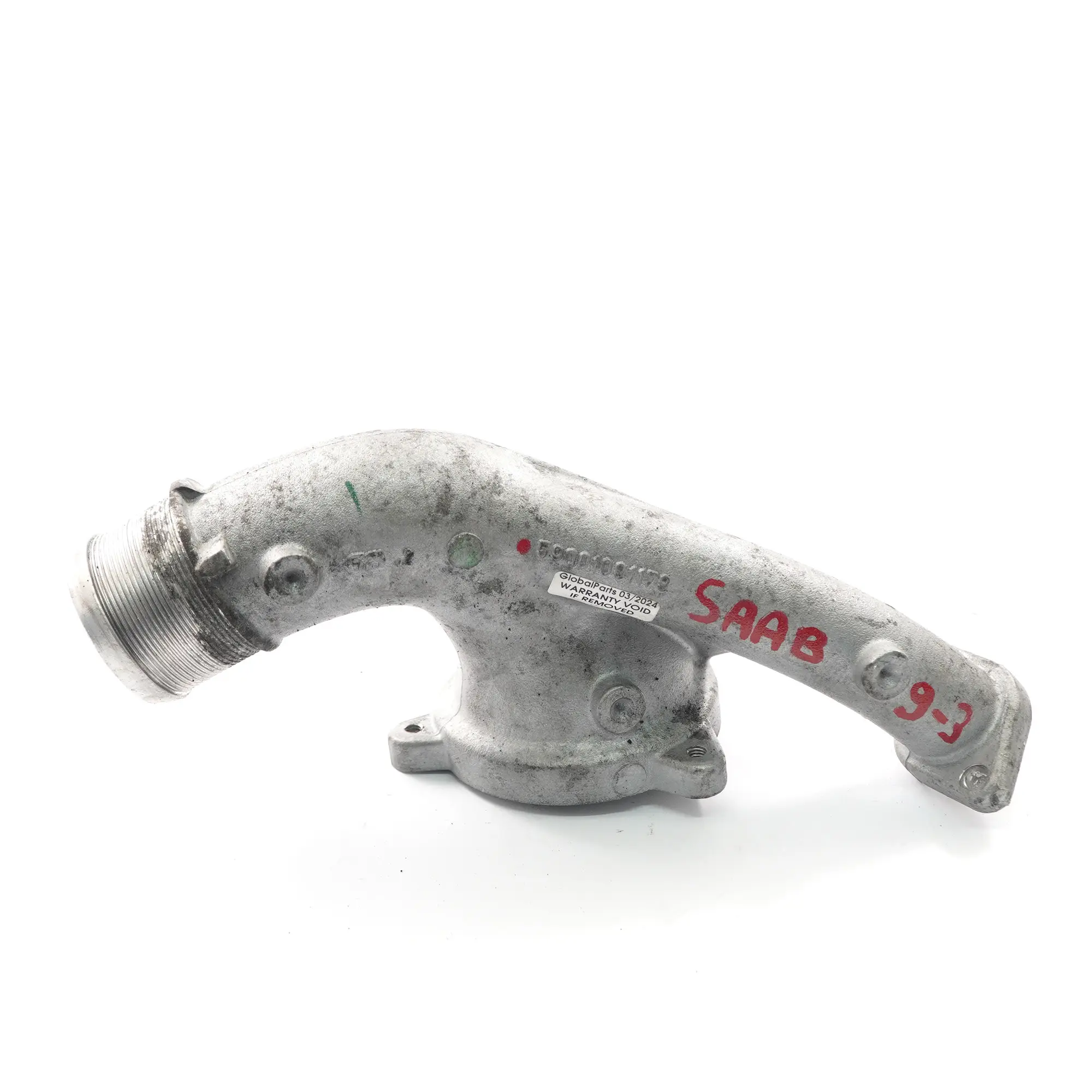
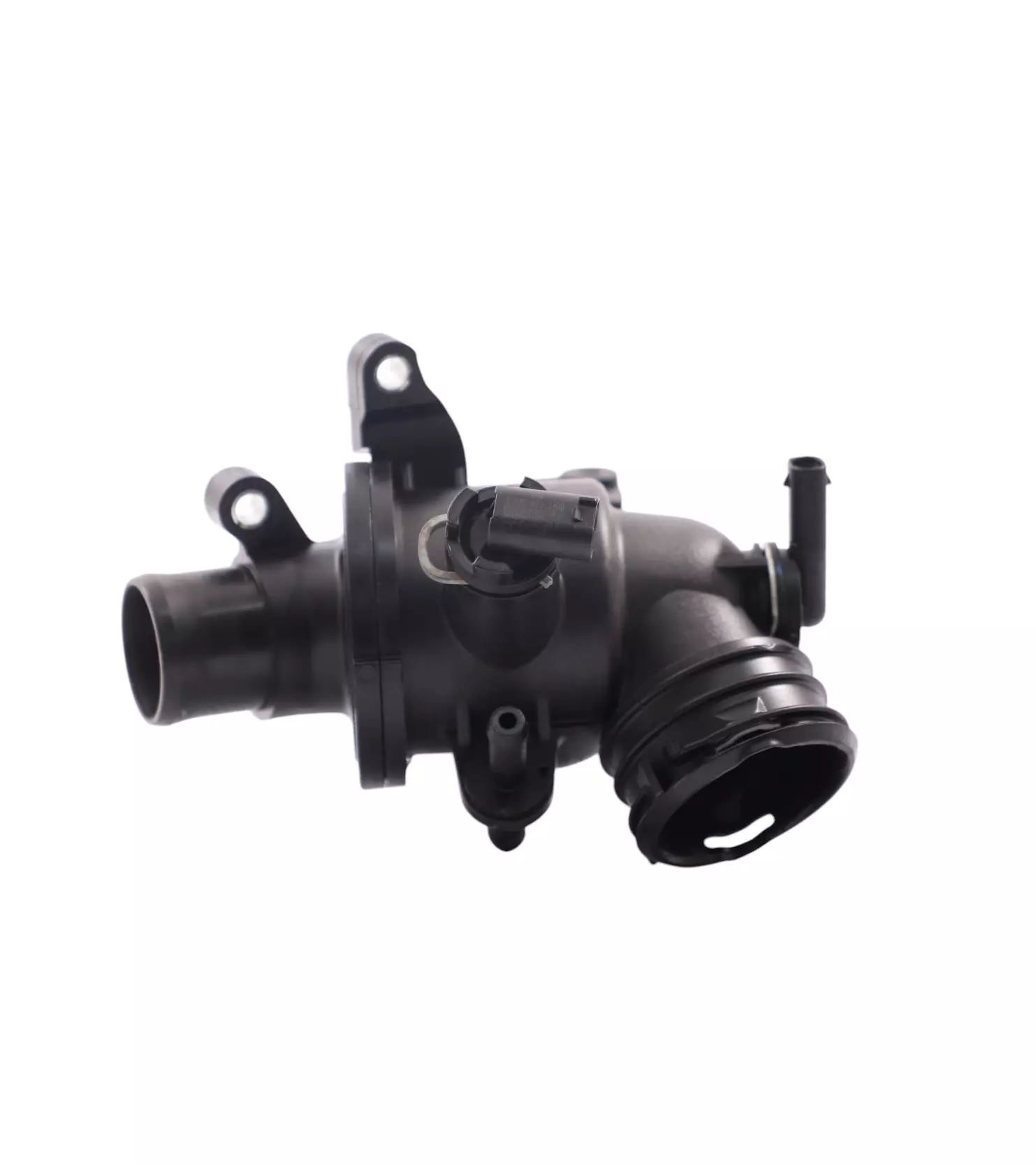
Thermostats and housings in the engine cooling system – reliable operation in all conditions
How do thermostats work and what are the housings in cooling systems made of?
Thermostats and housings are key components of the cooling system, responsible for controlling coolant flow and maintaining the engine's optimal operating temperature. Their efficiency ensures engine performance, reduced fuel consumption, and protection against overheating. In the Global Parts automotive store, you will find a wide selection of used car parts, including thermostats and housings, ideal for brands such as BMW, Audi, Mercedes, Volkswagen, Mini, and others.
Definition and operating principle of a thermostat
A thermostat is a thermal valve that opens at a strictly defined temperature (usually between 85°C and 95°C) and allows coolant to flow to the radiator. In the case of BMW M57 engines used in BMW E60 models, the popular TH580 thermostat begins to open at 88°C, ensuring an ideal balance between rapid engine warm-up and maintaining the optimal operating temperature. In Audi A4 B8 models, a typical thermostat opens slightly earlier – at 87°C, which results from the different characteristics of the cooling system.
Construction and materials of thermostat housings
Thermostat housings are most often manufactured from high-strength plastics or aluminum. Modern solutions combine these materials, ensuring lightness, corrosion resistance, and a perfect fit to the mounting socket. In premium class vehicles, such as BMW or Mercedes, components with silicone seals are also used, which maintain tightness even at pressures up to 1.5 bar.
What functions do thermostats and housings perform?
Thermostats and housings play a key role in regulating engine operating temperature:
- Coolant flow regulation – the thermostat opens and closes the coolant circuit depending on the engine temperature.
- Faster engine warm-up – the thermostat keeps the coolant in the engine until the optimal temperature is reached, which improves engine efficiency, especially on cold days.
- Overheating protection – a functional thermostat prevents excessive engine temperature rise by directing coolant to the radiator.
- Thermostat housings – ensure tightness and stable mounting of the thermostat within the cooling system.
Construction and purpose of thermostats and housings in the cooling system
Thermostats and housings in the cooling system are an assembly usually mounted near the engine, at the junction of the small and large coolant circuits. The thermostat is responsible for the moment the flow to the radiator opens, while the housing serves as a body with ports, a gasket seat, and mounting points to the engine block or hoses. Depending on the version, the component may work with temperature sensors and assemblies from the cooling system hoses and pipes category. When choosing products in this category, it is worth comparing the OEM number, interchangeable numbers, fuel type, and port layout.
Comparison of thermostat and housing variants
| Variant | Construction | What to check before purchase | Cooperating elements |
|---|---|---|---|
| Thermostat only | Thermal insert with valve and seal | Opening temperature, diameter, OEM number, socket compatibility | water radiators, housing, coolant |
| Thermostat housing | Plastic or aluminum body, ports, gasket seat | Mounting layout, number of outlets, presence of sensor socket, condition of ports | Thermostat, gasket, hoses, mounting clamps |
| Thermostat assembly with housing | Complete unit ready for installation | VIN compatibility, OEM part number, engine version and fuel type | cooling system water pumps, temperature sensor, hoses |
Advantages of a functional thermostat
A properly operating thermostat contributes to optimal engine performance, reducing fuel consumption by as much as 5–7%, and also lowers exhaust emissions. By maintaining a stable operating temperature, engine oil retains its lubricating properties, which translates into a longer engine lifespan.
Why is it worth taking care of thermostats and housings?
Wear or damage to thermostats and housings can lead to serious cooling system problems. Typical symptoms include:
- Engine overheating – a damaged thermostat may not open the circuit, leading to an increase in engine temperature.
- Slow warm-up – thermostat failure can cause continuous coolant flow, which extends the engine warm-up time.
- Coolant leak – leaks in the thermostat housing can lead to fluid loss and a drop in coolant levels. At Global Parts, we offer used thermostats and housings that have undergone detailed quality tests, ensuring their durability and reliability.
Typical symptoms and possible causes of thermostat faults
| Symptom | Possible cause | Recommended action |
|---|---|---|
| Engine overheats | Thermostat does not open | Replace thermostat |
| Engine warms up slowly | Thermostat stuck in open position | Inspect or replace |
| Coolant leak | Leaking thermostat housing | Check gasket or replace housing |
| Temperature fluctuations | Contaminated cooling system | Replace coolant, flush system |
How to choose the right thermostats and housings?
When choosing thermostats and housings, pay attention to several key aspects:
- Vehicle model fitment – every cooling system has its specific technical requirements. At Global Parts, you will find thermostats and housings perfectly matched to BMW, Audi, Mercedes, Volkswagen, Mini, and others.
- Technical condition – used thermostats and housings should be free from mechanical damage and airtight to prevent leaks.
- Opening temperature – ensure that the thermostat opens at the correct temperature recommended by the vehicle manufacturer.
Part selection by OEM, engine version, and equipment
The thermostat housing is a body that guides coolant between the engine, radiator, and hoses, so it must match not only the car model but also the engine unit version. When choosing a component like a Peugeot 207 thermostat housing, it is worth checking the number of ports, sensor position, mounting method, and gasket compatibility with the socket. This type of assembly is sometimes connected to tanks from the expansion tanks category, so in case of a leak, it is good to assess the entire circuit, not just one sub-assembly.
Compatibility and installation
The BMW E60 thermostat with an M57 engine requires a component marked TH580, which is also compatible with some versions of the BMW 530d and X5 E53. In turn, the A4 B8 thermostat fits 2.0 TDI and 1.8 TFSI units, and its replacement is relatively simple – just disconnect the intake hose, drain some coolant, and install the new thermostat with a new gasket.
Why choose used thermostats and housings?
Used car parts, such as thermostats and housings, are a practical solution that allows for savings while maintaining high quality. By choosing used thermostats and housings, you gain:
- Lower costs – used components are significantly cheaper than new ones but offer equally high quality.
- Ecology – recycling car parts supports environmental protection and reduces waste.
- Wide selection – in our store, you will find thermostats and housings for the most popular car brands.
Practical installation tips and system inspection
The thermostat gasket is the element responsible for a tight connection between the housing and the engine or hose, and its condition has a direct impact on cooling system pressure. For parts such as a Mercedes W211 thermostat, before installation, it is worth comparing the OEM number, bolt layout, port diameter, and the presence of a sensor location. When completing a repair for a specific model, for example, Renault Master 3, it is also good to verify hose routing, access for bleeding, and compatibility with the fuel type. A helpful diagnostic supplement is the article Engine cooling system – overheating, repair, and used radiators, which describes the relationships between engine operating temperature and the condition of the entire system.
How to take care of thermostats and housings?
To ensure thermostats and housings work reliably for a long time, it is worth following a few rules:
- Regularly check the condition of the thermostat and housing, especially if you notice problems with engine operating temperature.
- Replace coolant according to the manufacturer's recommendations to prevent scale and sediment buildup in the system.
- Monitor coolant levels – a sudden drop may indicate a leak in the thermostat housing.
- If replacement is necessary, at Global Parts you will find suitable used auto parts that will restore full functionality to your cooling system.
Practical tips
During the installation of a new thermostat, always replace the gasket and check that the cooling hoses are clean and unobstructed. For the BMW E60 or Audi A4 B8, it is also recommended to bleed the system after replacement to prevent air bubbles, which can disrupt fluid circulation.
FAQ
| Question | Answer |
|---|---|
| What is the construction and purpose of thermostats and housings in the cooling system? | Thermostats and housings in the cooling system are an assembly responsible for directing coolant flow between the engine and the radiator. A typical set consists of a thermostatic insert, a housing body, a gasket, and connection ports. This element is located in the engine compartment and is mounted in the location provided by the manufacturer for the given cooling circuit. |
| What are thermostats and housings in the cooling system used for? | Thermostats and housings are used to maintain the proper operating temperature of the engine unit and to control the moment of fluid flow to the radiator. A functional thermostat accelerates reaching operating temperature, and a tight housing prevents fluid loss. Without these elements, the engine may run too cold or overheat, which affects fuel consumption, lubrication, and equipment durability. |
| What is the construction and function of a thermostat gasket? | A thermostat gasket is a sealing element mounted between the housing and the contact surface in the cooling system. Its task is to maintain tightness during changes in temperature and operating pressure. In practice, one must pay attention to the gasket material, its profile, and compatibility with the specific body and OEM number. |
| How to choose a thermostat or housing for a specific car? | The safest way is to compare the OEM part number, interchangeable numbers, engine version, fuel type, and the layout of ports and mounts. In many cars, the presence of a temperature sensor and the type of seal also matter. When selecting, it is worth checking compatibility by VIN and comparing photos of the element with the removed part. |
| What symptoms indicate a problem with a thermostat or housing? | The most common symptoms are engine overheating, slow warm-up, fluctuations in temperature readings, and coolant leaks around the housing. Sometimes, weaker interior heating or traces of dried fluid near the ports also appear. Such symptoms should be assessed together with the condition of the hoses, gasket, and fluid level. |
| What does the proper installation of a thermostat and housing involve? | Installation involves cleaning the contact surfaces, installing the correct gasket, and securing the part without stressing the hoses. After replacement, the coolant must be topped up and the system bled according to the procedure for the specific car version. It is also worth checking for leaks after the engine has warmed up and verifying that the operating temperature returns to stable values. |
Summary: thermostats and housings in the cooling system at the Global Parts automotive store
Thermostats and housings are key components of the cooling system that ensure optimal engine operating temperature and protect against overheating. In the Global Parts offer, you will find used parts matched to many models and engine versions of brands such as Mercedes, BMW, Audi, and others. When choosing, it is worth comparing the OEM number, interchangeable numbers, fuel type, and housing construction so that the fitment to the mounting location is correct. We invite you to contact us – we are here to help you! For more information and interesting facts, we also invite you to visit our automotive blog.