


Steering Stabilizers
More informationAt the Global Parts automotive store, we offer a wide selection of original used car parts, including steering stabilizers for many popular car brands such as BMW, Mini, Mercedes, Audi, Volkswagen and others. The steering stabilizers we offer undergo quality control so that you can be sure that you are receiving a top-quality product.
Find it faster
Match to your vehicle
GB
Make
Category
Subcategory
Condition
In Stock
Price
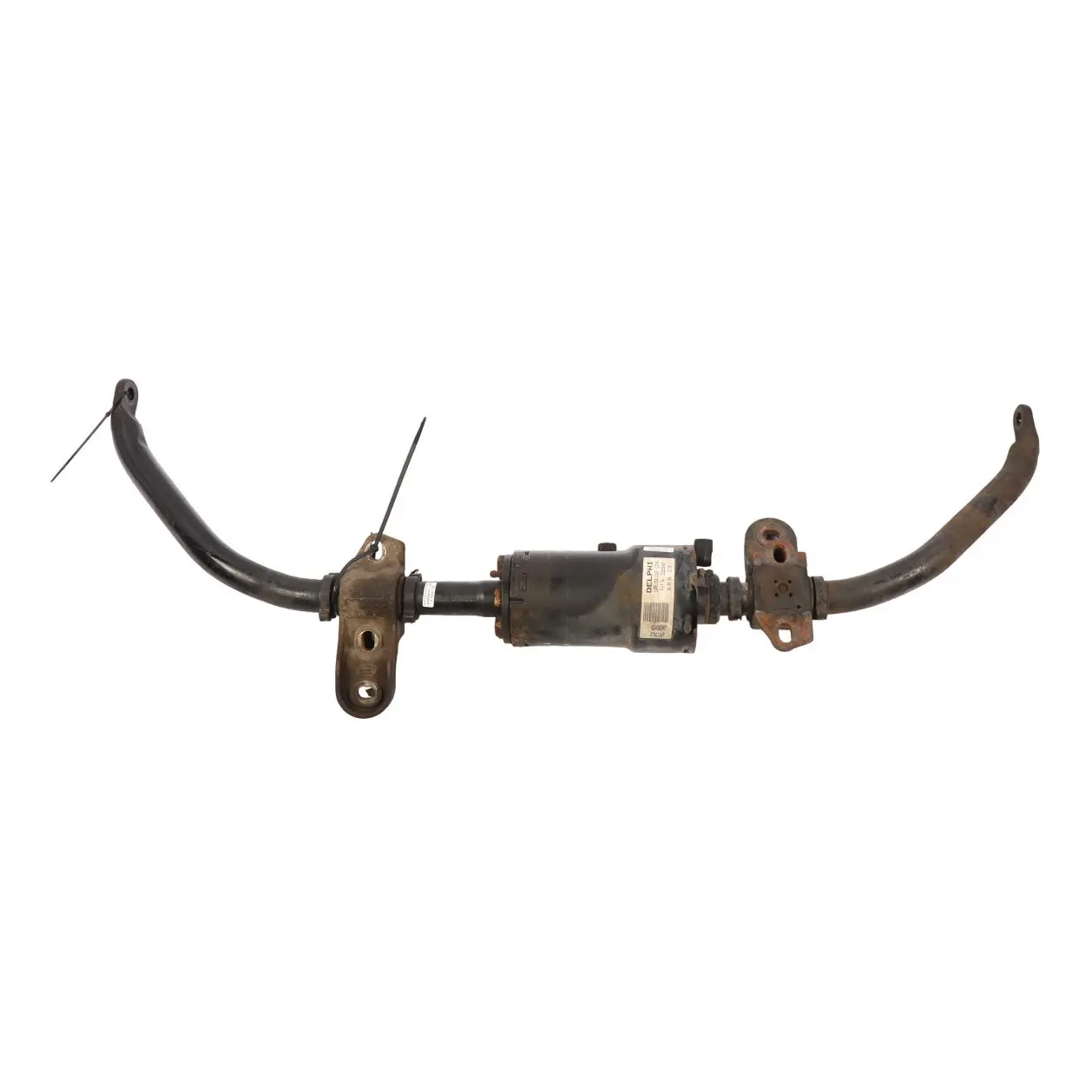
Part no. LR019932
Range Rover Sport L320 Front Stabilizer Active Anti Roll Sway Bar LR019932
£113.95
Free delivery: Oct 06
If paid before 14:00
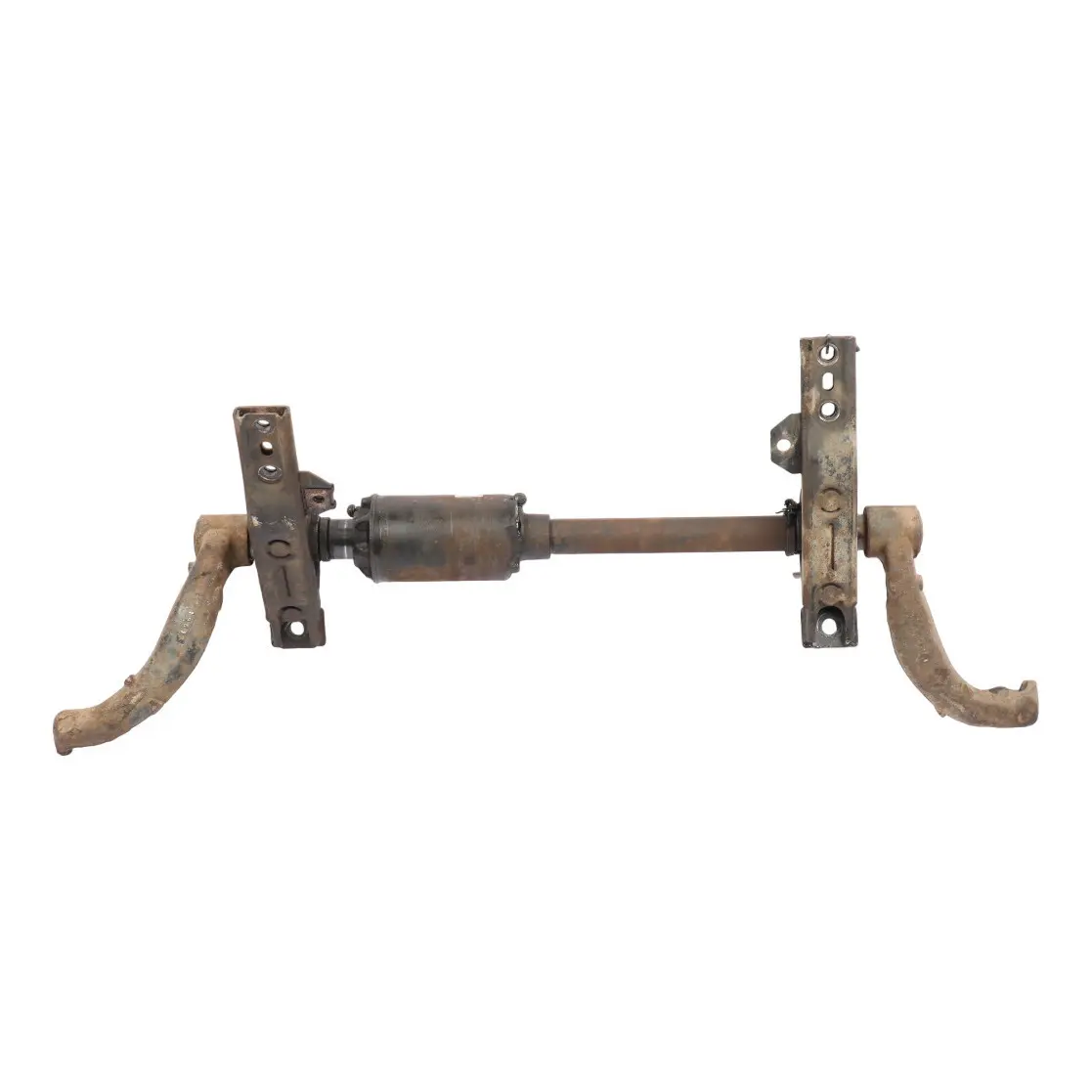
Part no. CPLA-5E485-BF
Range Rover L405 Front Active Stabiliser Anit Roll Sway Bar CPLA-5E485-BF
Product currently unavailable

Part no. JPLA-5E485-AB
Range Rover Sport L494 Front Stabilizer Active Anti Roll Sway Bar JPLA-5E485-AB
Product currently unavailable
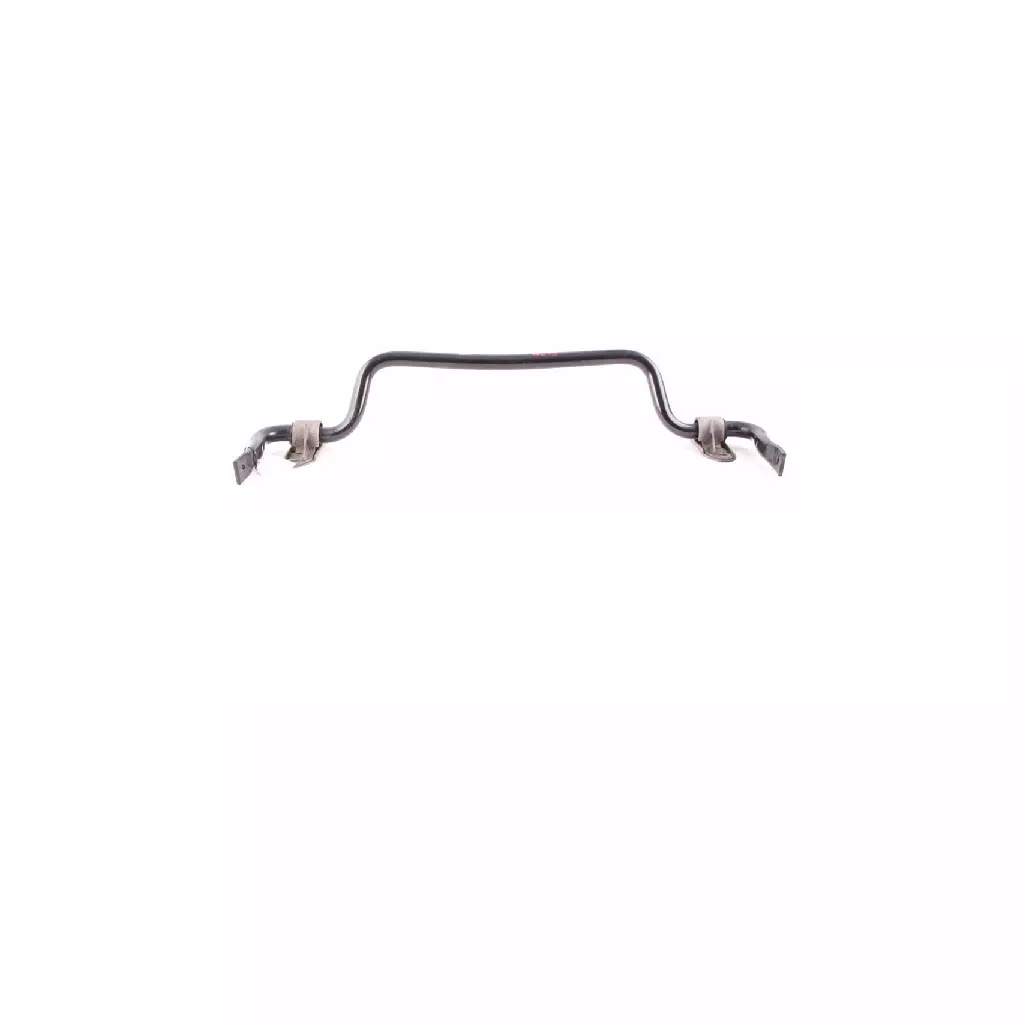
Steering stabilizers for improved vehicle control and traction
Stabilizer bars for improved traction and handling
Steering stabilizers are steering system components that increase vehicle stability, especially when driving at high speeds or on uneven surfaces. Their task is to reduce vibrations and minimize the impact of road irregularities on the steering system, which improves comfort and steering precision. In the Global Parts automotive store, you will find a wide selection of used car parts, including steering stabilizers, ideal for brands such as BMW, Audi, Mercedes, Volkswagen, Mini, and others.
What functions do steering stabilizers perform?
Steering stabilizers play a key role in improving the performance of the steering system:
- Vibration reduction – Stabilizers minimize vibrations transmitted to the steering wheel, which increases driving comfort.
- Vehicle stability improvement – They help maintain control over the vehicle, especially during high-speed driving and cornering.
- Reduced steering system load – They protect system components from excessive wear, improving their durability.
Construction and purpose of steering stabilizers
Steering stabilizers are components that dampen movements and vibrations occurring in the wheel steering system. They most often consist of a working body, mounting points, and damping elements that work with the steering mechanism or suspension. They are mounted depending on the vehicle's design and should be selected according to the OEM number, location on the vehicle, and car version.
Comparison of steering stabilizer variants
| Variant / feature | What to check | Application |
|---|---|---|
| Stabilizer with one mounting point on each side | Mounting spacing, bushing or joint type, OEM number | Selection for a specific steering system version and mounting location |
| Stabilizer integrated with additional mounting elements | Completeness of brackets, thread condition, compatibility with equipment | Versions requiring precise fitment with adjacent components |
| Stabilizer selected by interchangeable numbers | OEM numbers and interchangeable numbers, mounting side, body version | Situations where the part appears under different manufacturer designations |
Why is it worth taking care of steering stabilizers?
Wear or damage to steering stabilizers can lead to steering system problems and a reduction in driving comfort and safety. Typical symptoms of failure include:
- Steering wheel vibrations – These may indicate wear or damage to the stabilizer.
- Noise while driving – Knocking or clicking sounds may indicate problems with the stabilizer mounts.
- Difficulty in vehicle handling – Damaged stabilizers can cause instability when driving over bumps. If replacement is necessary, at Global Parts you will find suitable used car parts that will restore full functionality to your steering system.
Cooperation with other steering system components
The stabilizer mounting element refers to the part acting as an intermediary between the damper itself and the mounting point on the vehicle. Its condition affects whether the stabilizer operates without play and without additional knocking. In practice, it is also worth assessing the condition of components from the categories steering gears and housings, tie rods and ends, and stabilizers, clamps, and bushings, as wear in these areas can produce similar symptoms.
How to choose the right steering stabilizers?
When choosing steering stabilizers, you should pay attention to several key aspects:
- Fitment to the vehicle model – Every steering system requires specific technical parameters. At Global Parts, you will find steering stabilizers perfectly matched to BMW, Audi, Mercedes, Volkswagen, Mini, and others.
- Technical condition – Used stabilizers should be free from mechanical damage and corrosion.
- Steering system compatibility – Ensure that the selected stabilizers match your vehicle's design.
Selection by OEM, mounting location, and vehicle version
The function of a steering stabilizer is to limit sudden movements transmitted to the steering system and improve steering smoothness. When purchasing, you should compare the OEM part number, interchangeable numbers, and location on the vehicle, because even similar-looking elements may differ in mounting. When completing a repair for a specific model, e.g., BMW E90, it is good to also verify the body version, equipment, and mounting points that interact with adjacent components.
Practical tips for installation and part verification
When choosing an element for an Audi A6 C7 steering wheel, one usually checks the button type, connectors, and equipment compatibility, whereas for steering stabilizers, the key factors are mounting points, working length, and compatibility with the vehicle system. When selecting elements for a version such as Mini Cooper S, it is worth comparing manufacturer markings and checking them against the condition of cooperating parts, including the steering columns category. Additional supplementary material regarding part selection for this brand is the article Go-Kart Feeling XXL: used N18 turbocharger vs. B48 – what to choose for a Mini Cooper S?.
Why is it worth choosing used steering stabilizers?
Used car parts, such as used steering stabilizers, are a practical solution that allows for savings while maintaining high quality. By choosing used steering system components, you gain:
- Lower costs – Used stabilizers are significantly cheaper than new ones but offer equally high quality.
- Ecology – Recycling parts supports environmental protection and reduces waste.
- Wide offer – In our store, you will find used steering stabilizers for the most popular car brands.
How to take care of steering stabilizers?
To ensure steering stabilizers work reliably for a long time, it is worth following a few rules:
- Regular inspections – Check the condition of the stabilizers during periodic technical inspections of the steering system.
- Avoid excessive steering system load – Careful and smooth steering operation reduces the risk of stabilizer damage.
- Replace damaged components on time – Faulty stabilizers can affect driving stability and comfort. Regular inspection includes not only the body of the part itself but also bushings, bolts, brackets, and contact points with other elements. If play or uneven reaction to steering movement appears in the car, it is also worth checking components from the Suspension, steering system department.
FAQ
| Question | Answer |
|---|---|
| What is the construction and purpose of steering stabilizers? | Steering stabilizers are components that dampen vibrations and unwanted movements occurring in the steering system. A typical component consists of a working body, mounting points, and parts responsible for damping movement. It is mounted in a location depending on the vehicle's design so that it works with the steering system and improves handling stability. |
| What are steering stabilizers used for? | Steering stabilizers are used to limit vibrations transmitted to the steering wheel and to calm the system's reaction to road irregularities. Their presence improves control over the vehicle, especially during faster driving or on lower-quality roads. They also help reduce the load on cooperating parts and improve steering precision. |
| What is the construction and function of stabilizer mounting elements? | Stabilizer mounting elements are brackets, bushings, bolts, or seating points that are responsible for the correct mounting of the part in the vehicle. Their task is to maintain the correct position of the stabilizer and transfer loads without creating play. Wear of these elements can cause knocking, reduced damping, and improper operation of the entire system. |
| How to choose a steering stabilizer for a specific car? | It is safest to compare the OEM part number, interchangeable numbers, and location on the vehicle. It is also worth checking the body version, steering system type, and mounting method, because similar parts may differ in design details. VIN data and inspection of mounting points are also helpful during selection. |
| What symptoms indicate wear of steering stabilizers? | Most often, steering wheel vibrations, knocking while driving over bumps, and less predictable car reaction to steering movement occur. In some cases, the driver feels a decrease in stability when driving at higher speeds. Such symptoms should be verified together with the condition of mounts and cooperating elements. |
| What parameters should be paid attention to when buying a used steering stabilizer? | First of all, the technical condition of the part should be assessed, ensuring there are no cracks, corrosion, or mounting damage. The OEM number, interchangeable numbers, and compatibility with the mounting location on the left or right side are also important if the design requires it. It is also good practice to compare the shape of the brackets and the completeness of the equipment. |
Summary: steering stabilizers at the Global Parts automotive store
Steering stabilizers are key steering system components that ensure precision and stability while driving. By taking care of their technical condition, you can improve vehicle handling comfort and avoid steering problems. In the Global Parts offer, you will find used parts matched to brands such as Mercedes, Audi, BMW, and others, taking into account parameters such as OEM part number, interchangeable numbers, condition, and location on the vehicle. We invite you to contact us – we are here to help you! For more information and interesting facts, we also invite you to visit our automotive blog.