


Intercoolers
Find it faster
Match to your vehicle
Make
Category
Condition
In Stock
Price
-40%
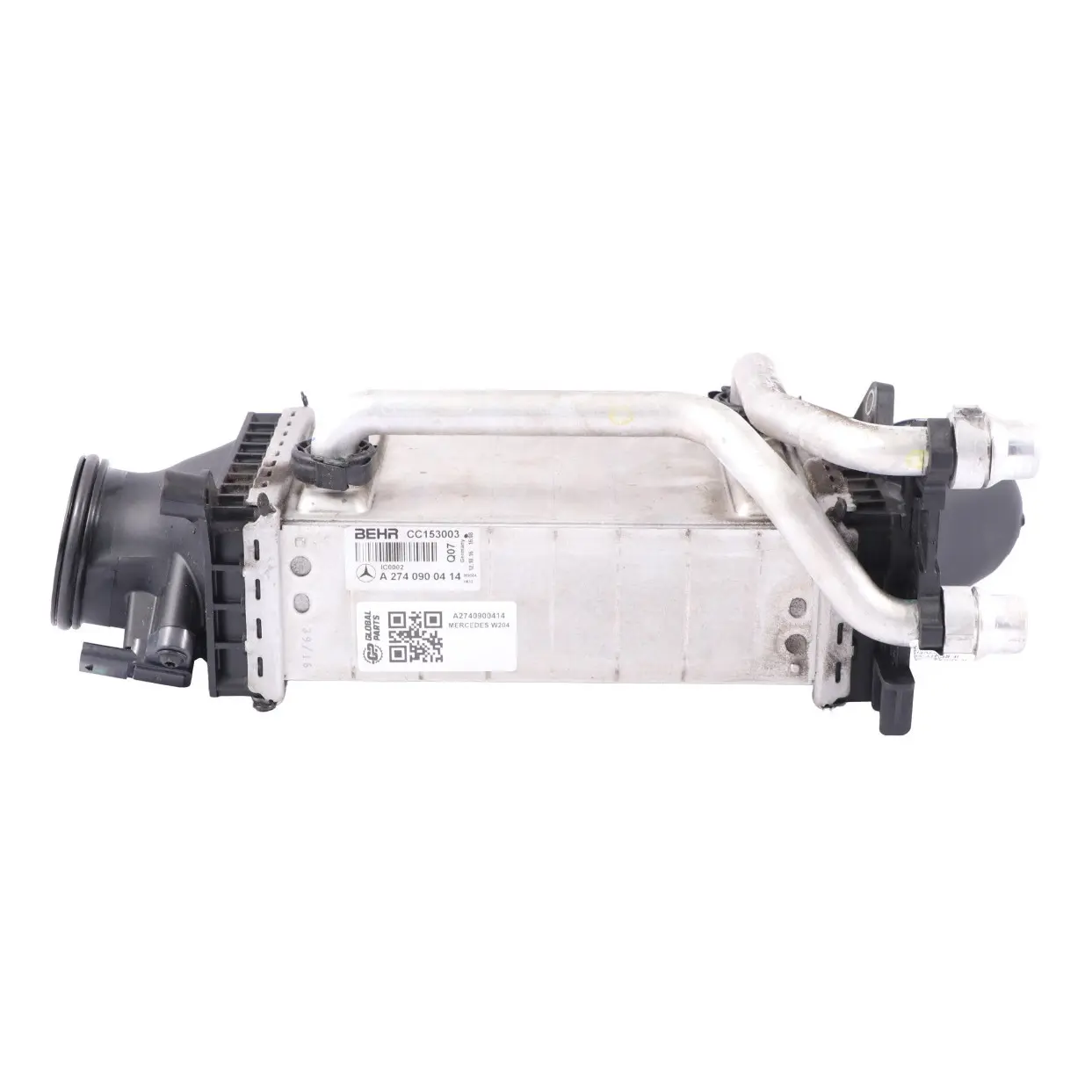
Part no. A2740900414
Mercedes W204 Intercooler Air Charge Cooler Radiator A2740900414
Promo price
£56.95
£34.17
Free delivery: Sep 22
If paid before 14:00
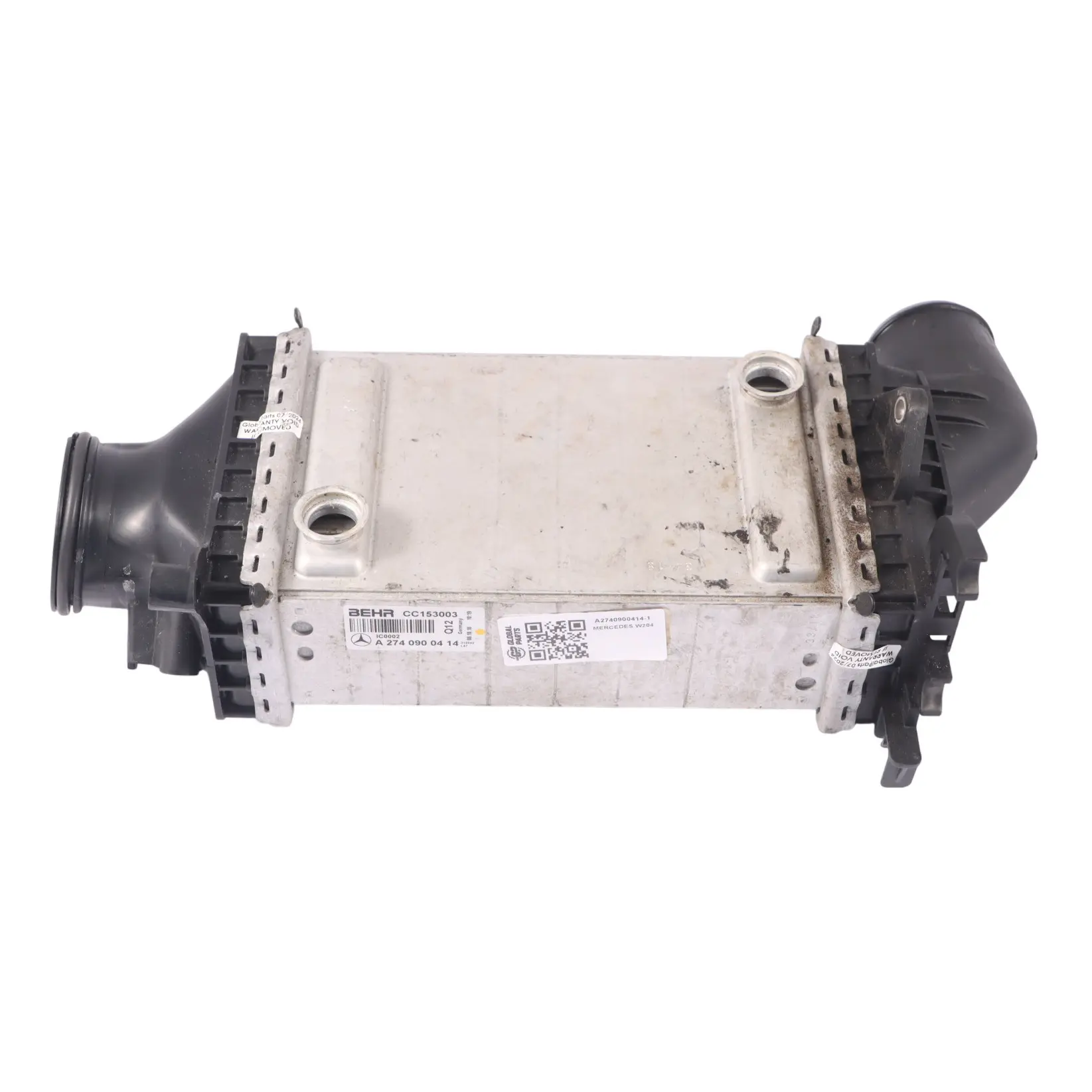
Part no. A2740900414-1
Mercedes W204 2.0 Petrol Intercooler Air Charge Cooler Radiator A2740900414
£47.95
Free delivery: Sep 22
If paid before 14:00
-40%
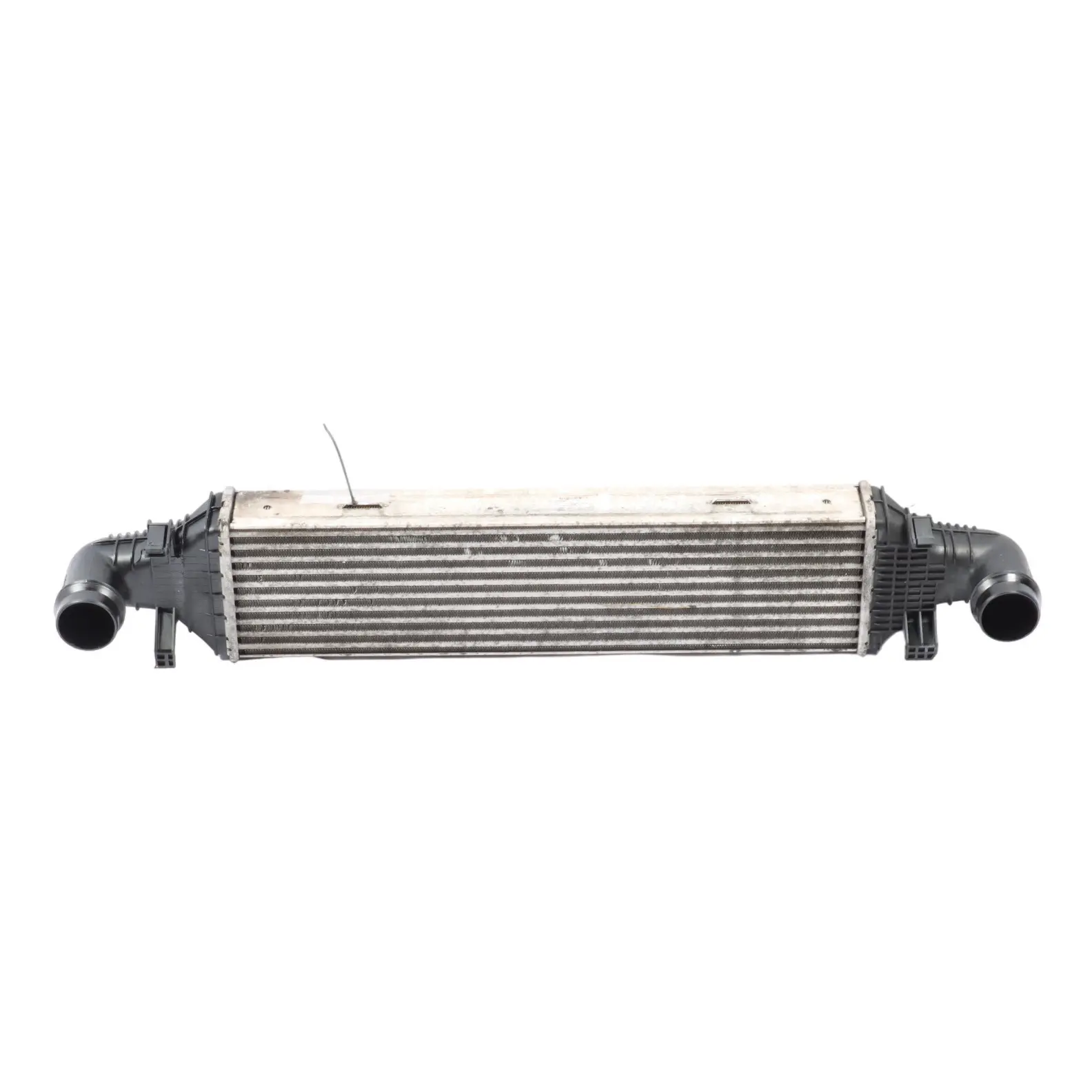
Part no. A2046000200
Mercedes W204 W207 Intercooler Air Charge Cooler Radiator Diesel A2046000200
Promo price
£66.95
£40.17
Free delivery: Sep 22
If paid before 14:00
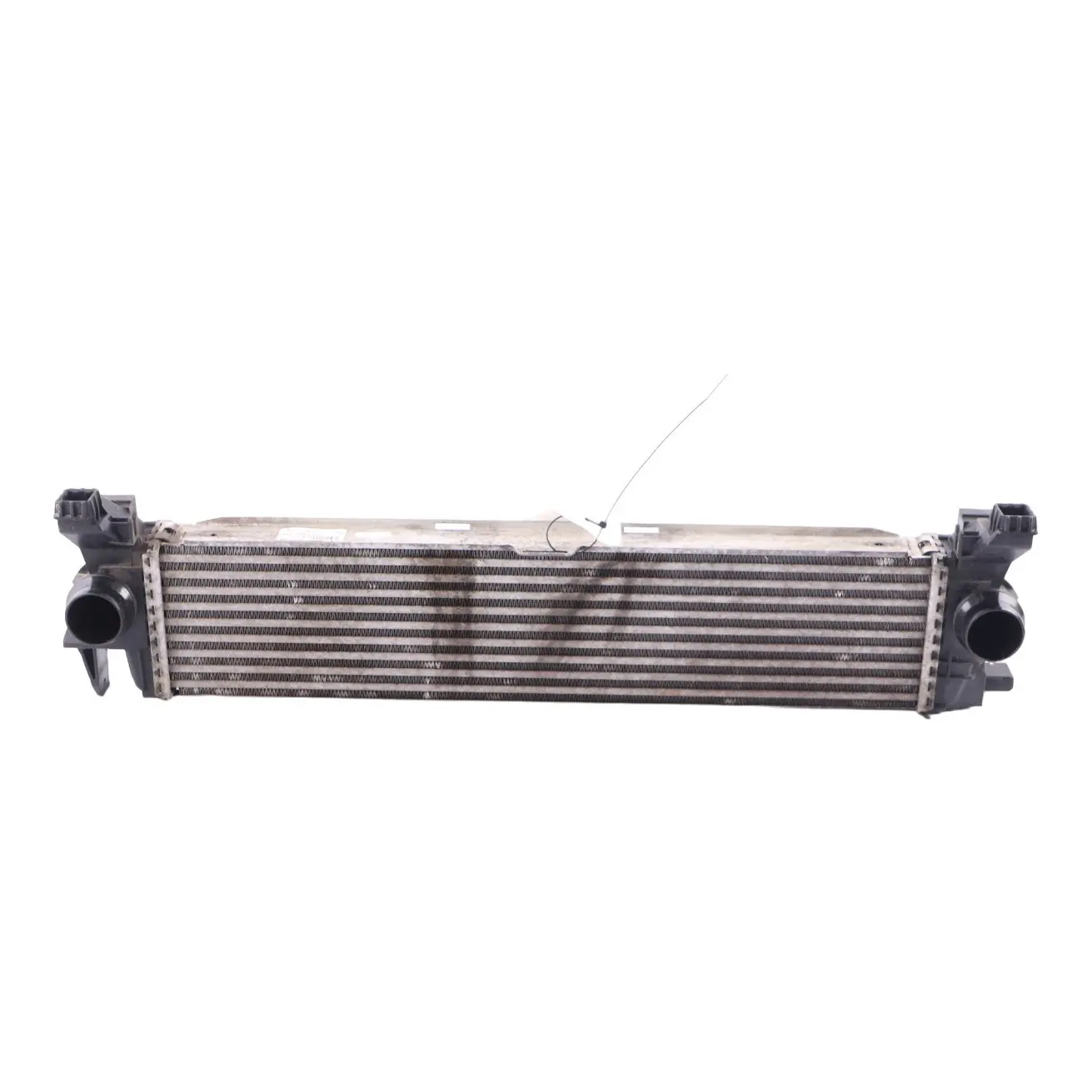
Part no. A4475010501
Mercedes Vito W447 Intercooler Air Charge Cooler Radiator A4475010501
Product currently unavailable
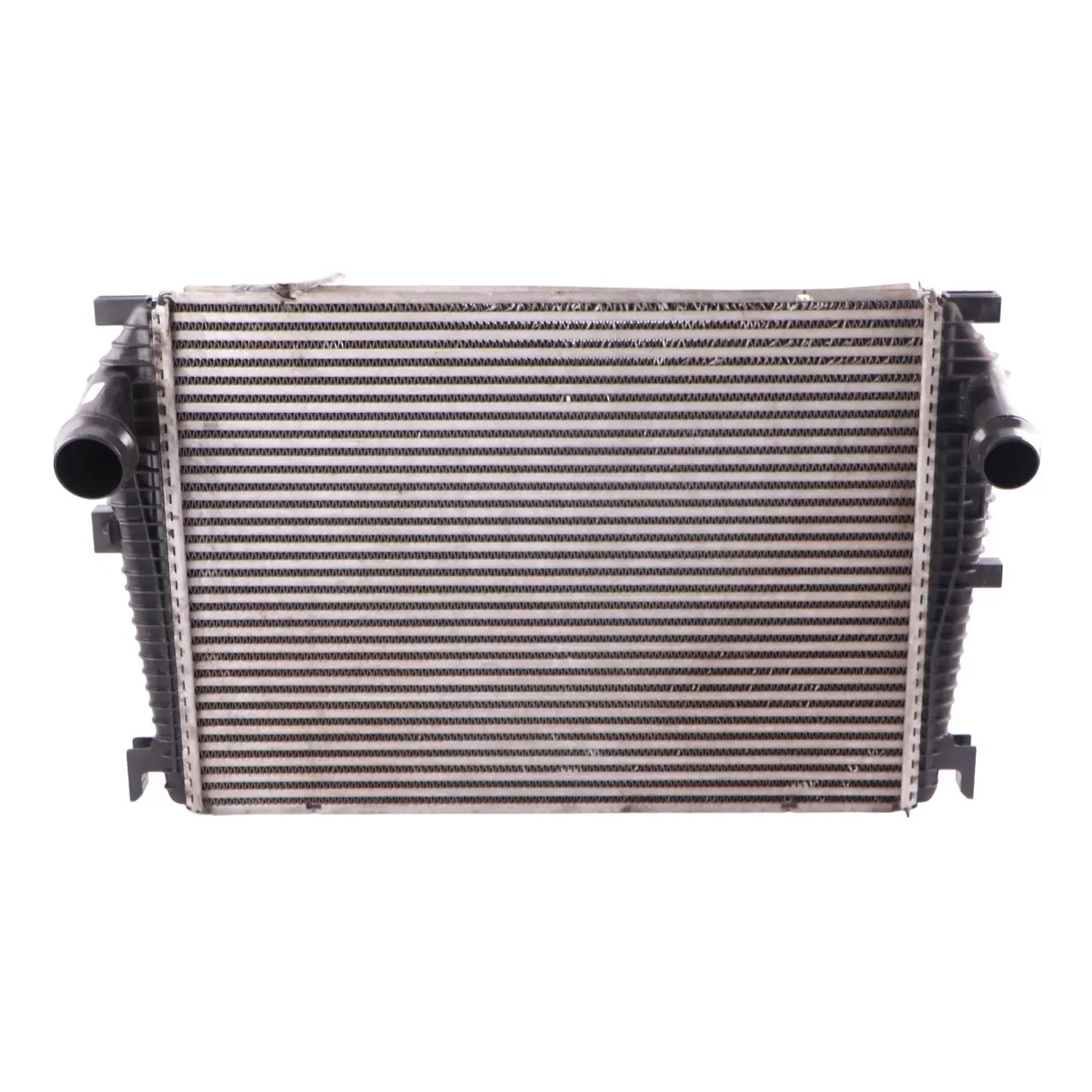
Part no. A0995002400
Mercedes W205 Intercooler Air Charge Cooler Radiator A0995002400
Product currently unavailable
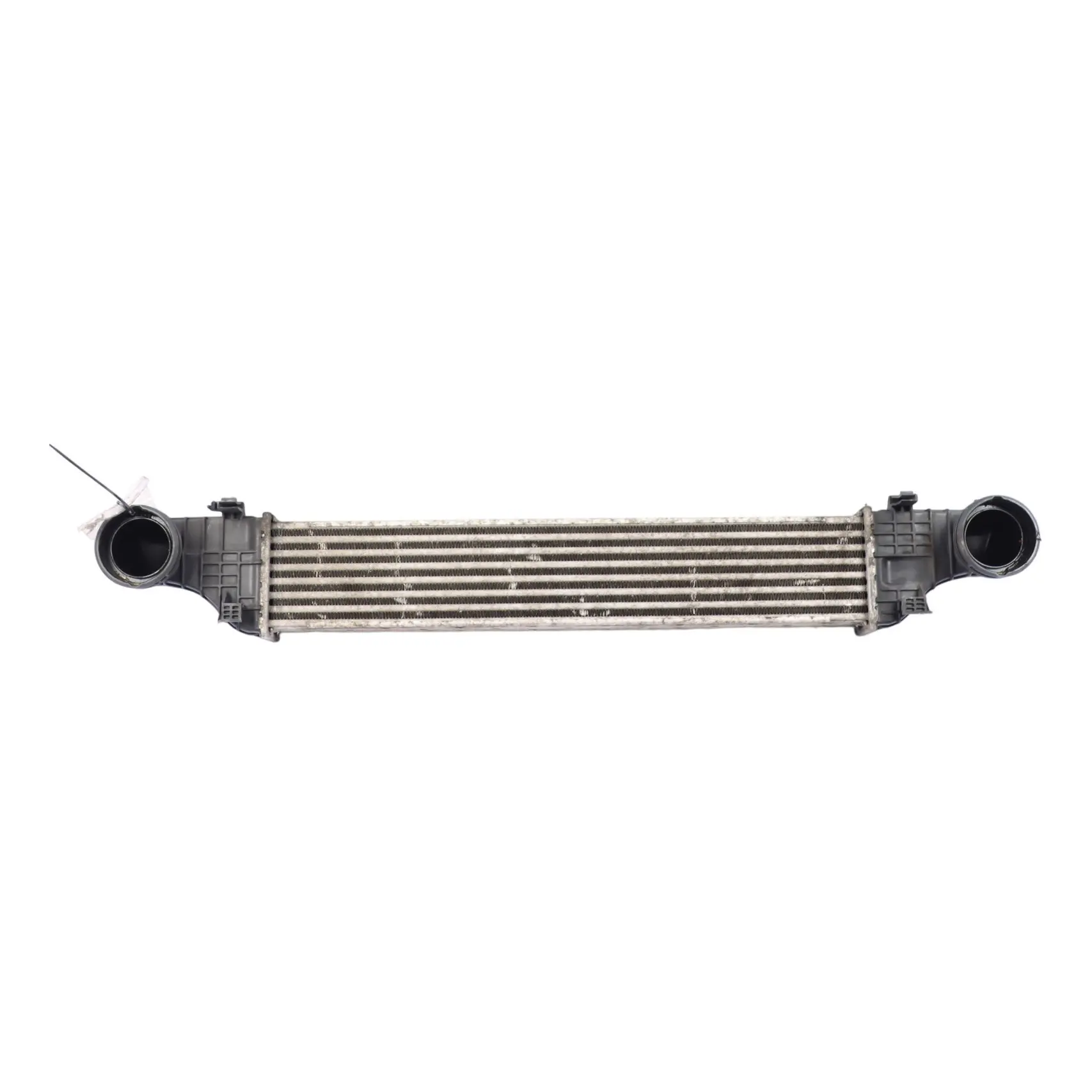
Part no. A2115002602
Mercedes W211 CLS C219 OM642 Intercooler Air Charge Cooler Radiator A2115002602
Product currently unavailable
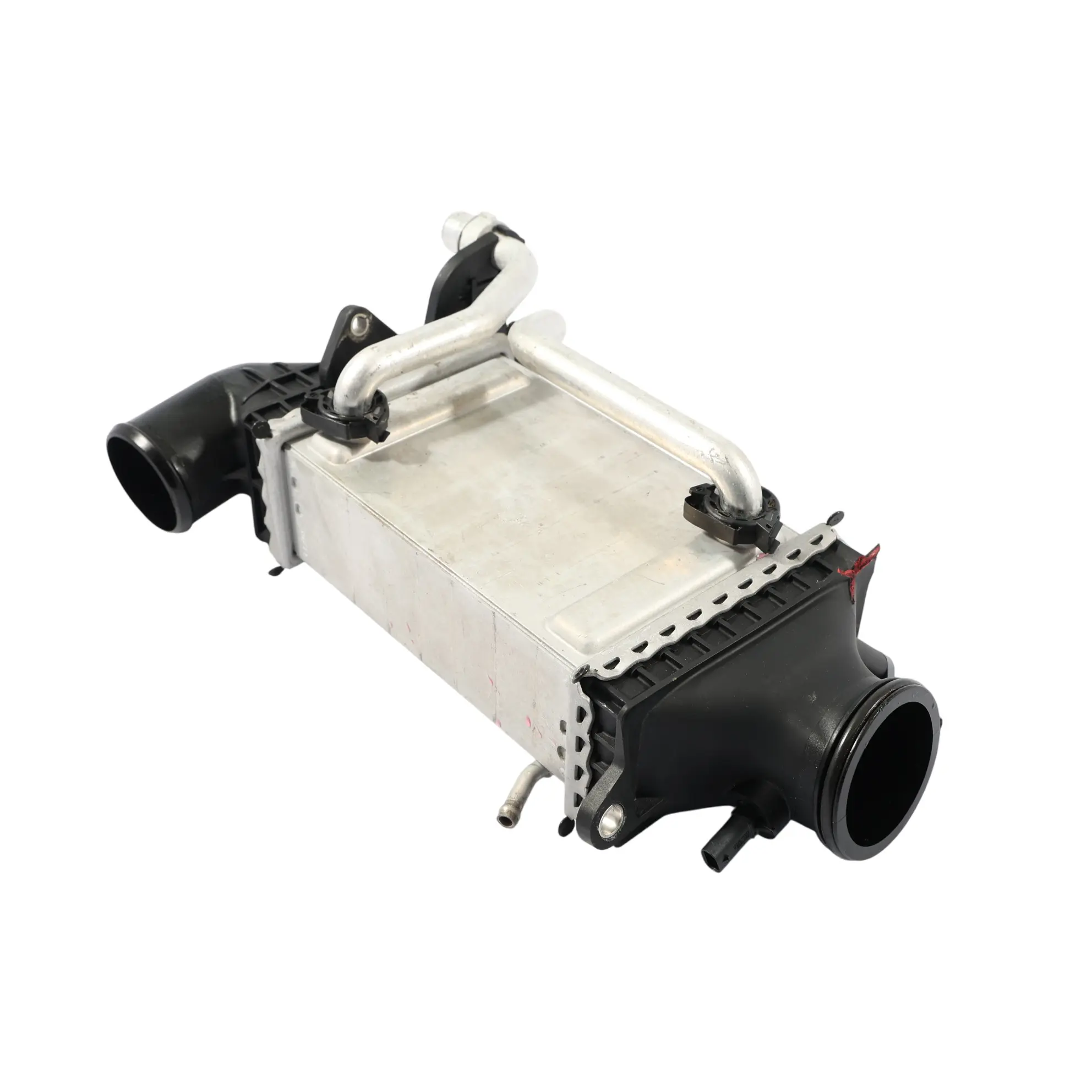
Part no. A2740900414-2
Mercedes W204 Intercooler Air Charge Cooler Radiator A2740900414
Product currently unavailable
Intercoolers
In the Global Parts automotive store, you will find a wide selection of used car parts, compatible with Mercedes and other brands. Intercoolers are a crucial component of the forced induction system, so when choosing one, it is important to pay attention to compatibility with the engine version, fuel type, mounting location, and OEM part number.
Design and purpose of intercoolers
Intercoolers are heat exchangers installed in the intake system between the turbocharger and the intake manifold. Their task is to lower the temperature of the compressed air before it reaches the engine. A typical intercooler consists of a cooling core, side tanks, connection ports, and mounting points tailored to a specific vehicle version. In practice, the diameter of the connections, the mounting layout, and compatibility with intake accessories are also significant.
The importance of charge air cooling for engine performance
An intercooler is used to improve the operating conditions of the power unit by cooling the air compressed by the turbocharger. A lower intake charge temperature facilitates stable combustion parameters and supports the proper operation of both Diesel and Petrol engines. Intercoolers work in conjunction with components such as turbochargers, pipes, tubes, and hoses, and performance intake manifolds. For parts such as a Mercedes intercooler, you must compare the OEM number, the shape of the side tanks, the position of the ports, and the type of mounting.
Comparison of intercooler variants
| Variant | Characteristics | What to check before purchase |
|---|---|---|
| Front-mount intercooler | Mounted at the front of the car, usually behind the bumper or in front of the radiator pack. | Mounting spacing, port positioning, compatibility with the front panel and covers. |
| Side-mount intercooler | Used in specific versions where the intake system has a shorter path on one side of the engine bay. | Mounting side, pipe shape, and fitment to the wheel arch or brackets. |
| Integrated intercooler | Found in systems where the component works directly with additional hoses, sensors, or guides. | Presence of sockets, connector type, complete set of brackets, and interchangeable numbers. |
Selection and compatibility check before installation
The selection of an intercooler should be based on the OEM part number, interchangeable numbers, fuel type, and the specific vehicle version. The intake port is the end of the intercooler housing to which the compressed air hose is connected; its diameter, profile, and position must match the rest of the system. When completing a repair for a specific model, e.g., Mercedes W204, it is good to verify the mounting layout, hose routing, and mounting location relative to other parts from the intake system.
Signs of wear and related components
A leaking intercooler can cause a drop in boost efficiency, oil traces at the joints, and problems with maintaining proper airflow. In practice, it is worth inspecting the condition of the core fins, the tightness of the side tanks, the surface at the ports, and the mounting points. When selecting components for a version such as Mercedes Sprinter 906, you should also check compatibility with intake hoses and any covers to ensure there is no tension or collision with adjacent components after installation.
FAQ
| Question | Answer |
|---|---|
| What is the design and purpose of intercoolers? | Intercoolers are heat exchangers installed in the forced induction system between the compressor and the engine intake. A typical unit consists of a cooling core, side tanks, connection ports, and mounting brackets. Their design is tailored to the specific hose routing and mounting location in a given car model. |
| What are intercoolers used for? | Intercoolers are used to lower the temperature of the compressed air entering the engine. This allows the intake system to operate more stably, and the air directed into the combustion chamber has more favorable parameters. This component works with the turbocharger, intake hoses, and intake manifold. |
| What is the design and function of the intake port? | The intake port is part of the intercooler housing designed to connect to the forced induction system hose. It is responsible for the airtight transfer of compressed air between the cooperating components. When assessing compatibility, you must check its diameter, profile, angle, and the method of securing the connection. |
| How to choose an intercooler for a car? | It is best to compare the OEM part number, interchangeable numbers, fuel type, and engine version. It is also worth checking the spacing of mounting points, the position of the ports, and compatibility with intake hoses. For used parts, verification via VIN is also helpful. |
| What symptoms may indicate a problem with the intercooler? | Typical signs include leaks at the joints, oil contamination around the hoses, and damage to the core fins. The condition of the mounts and side tanks is also significant. Before installation, it is worth carefully inspecting the entire surface of the component and the connection points. |
| Which related components should be checked during installation? | During installation, you should check the condition of the hoses, clamps, seals, and brackets, as these affect the tightness of the entire system. It is also important to match the intercooler to adjacent covers and the front panel. Improper positioning can cause tension and problems with proper fitment. |
Summary: intercoolers at the Global Parts automotive store
The intercoolers available in the Global Parts offer are parts designed for forced induction systems in many vehicle versions, including models from the Mercedes brand and others. When choosing, it is worth comparing the OEM number, interchangeable numbers, mounting method, port positioning, and compatibility with intake accessories. This makes it easier to match the component to the specific engine configuration and mounting location. We invite you to contact us – we are here to help! For more information and interesting facts, we also invite you to visit our automotive blog.