


Temperature sensors
More informationAt Global Parts, we offer a wide selection of original used car parts, including temperature sensors for many popular car brands such as BMW, Mini, Mercedes, Audi, Volkswagen, and others. Our temperature sensors undergo quality control to ensure you receive a top-quality product.
Find it faster
Match to your vehicle
GB
Make
Category
Subcategory
Condition
In Stock
Price
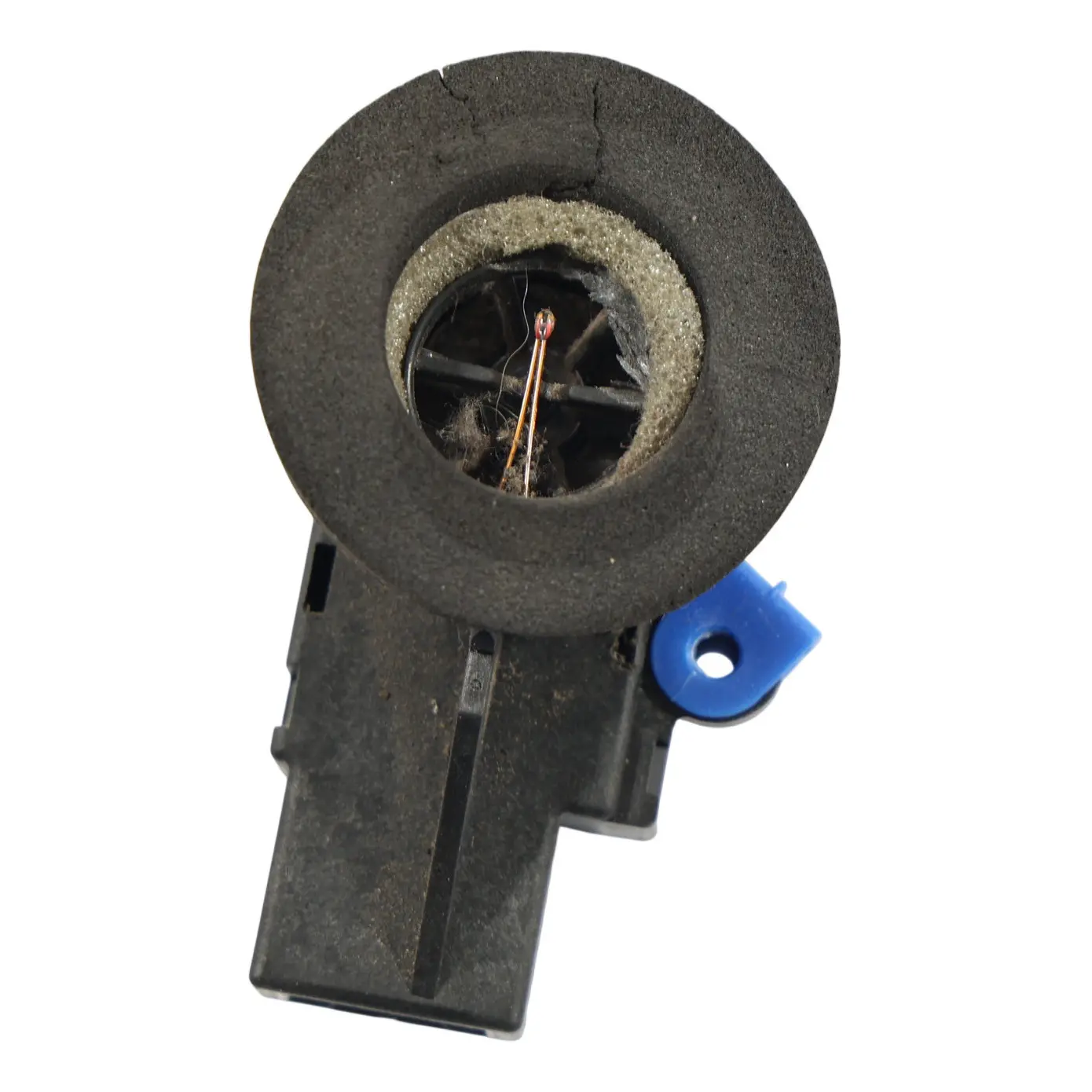
Part no. FK72-19C734-AA
Range Rover L405 Air Quality Temperature Sensor FK72-19C734-AA
£13.95
Free delivery: Oct 06
If paid before 14:00
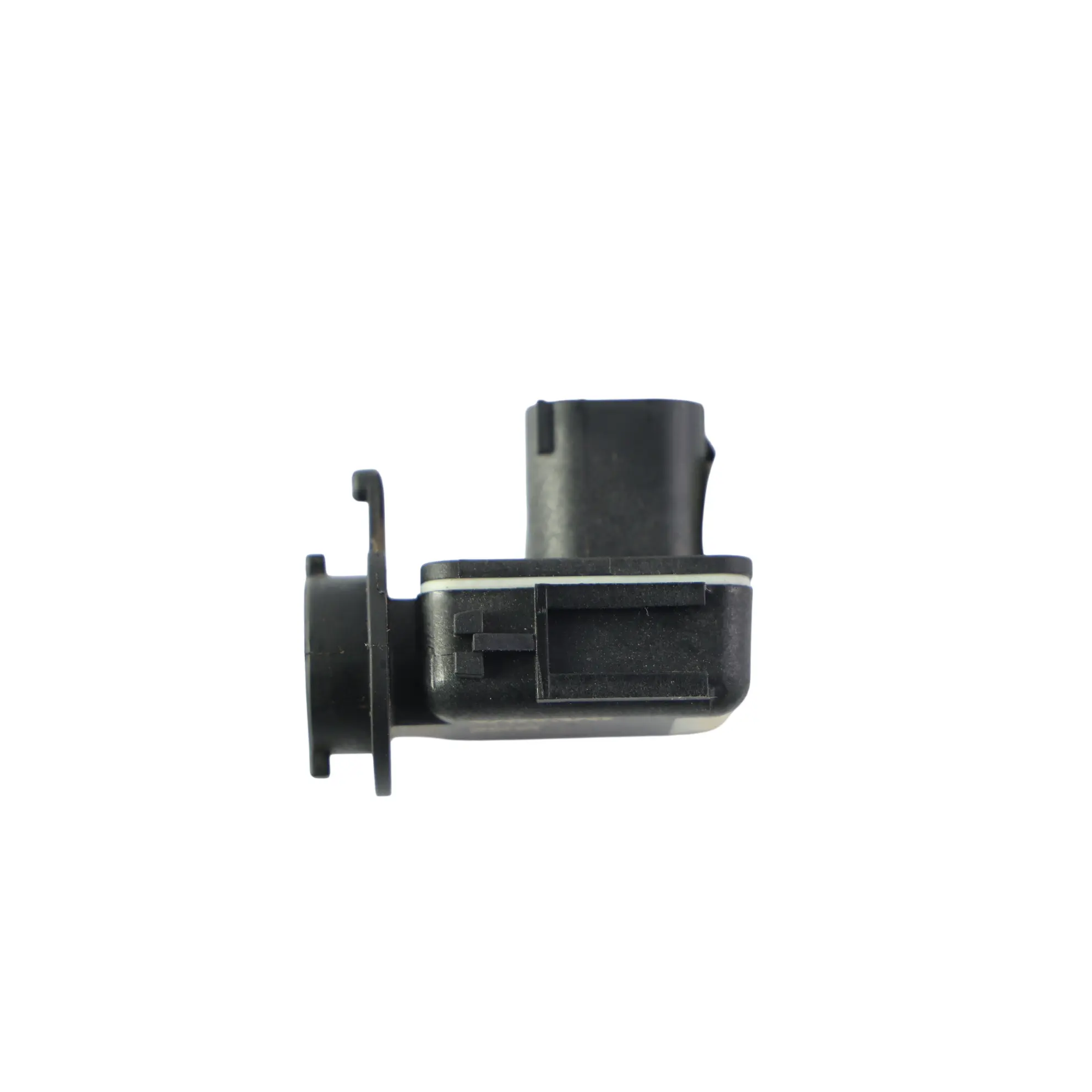
Part no. 31418282
Range Rover Evoque L538 Air Quality Sensor 31418282
Product currently unavailable

Part no. HPLA-19D594-AA
Range Rover Velar L560 A/C Air Conditioning Pipe Sensor HPLA-19D594-AA
Product currently unavailable

Part no. CPLA-14A597-AA
Range Rover Sport L494 Vogue L405 Sunlight Solar Sensor CPLA-14A597-AA
Product currently unavailable

Engine temperature sensors for precise unit performance monitoring
Temperature monitoring for engine efficiency
Temperature sensors are essential components in modern vehicles that monitor the temperature of key systems, such as the cooling system, air conditioning, engine, or exhaust system. Thanks to their precise readings, control systems can optimize vehicle operation, improving efficiency, safety, and driving comfort. In the Global Parts automotive store, you will find a wide selection of used car parts, including temperature sensors, perfectly matched to brands such as BMW, Audi, Mercedes, Volkswagen, and others. An engine temperature sensor is a measuring element that typically operates in a range from approximately –40°C to 140°C, transmitting data directly to the engine control unit (ECU). Based on this information, the onboard computer regulates, among other things, the fuel dose, ignition timing, and radiator fan operation.
What functions do temperature sensors perform?
Temperature sensors play a key role in various vehicle systems:
- Coolant temperature monitoring – They inform the control system about the engine temperature, preventing overheating.
- Air conditioning control – They read internal and external temperatures to regulate air conditioning performance.
- Exhaust gas temperature control – They protect the exhaust system and the particulate filter from damage.
- Cooperation with safety systems – They enable optimal operation of ABS, ESP, and other control systems. In practice, temperature sensors work with other components, such as the thermostat, radiator fan, or fuel injection system. Precise temperature measurement allows for stable engine operating parameters in both city traffic and highway driving. In modern BMW and Audi units, a single sensor may simultaneously serve the dashboard gauge and the ECU control algorithms.
Construction and purpose of temperature sensors
Temperature sensors are electrical components that measure the temperature of a medium or the environment and transmit a signal to the controller or comfort module. A typical element consists of a housing, a measuring part, an electrical connector, and a mounting point adapted to a specific location in the car. Depending on the application, they are installed in the cooling system, air conditioning lines, air vents, bumpers, or near the mirror. It is always worth confirming the selection via the OEM number, number of pins, and location on the vehicle.
Comparison of temperature sensor variants
| Sensor type | Typical vehicle location | Main function | What to check when selecting |
|---|---|---|---|
| Coolant temperature sensor | Thermostat housing, hose, or cooling system pipe | Transmits data to the ECU and influences fan operation | OEM number, connector type, number of pins, engine version compatibility |
| Outside temperature sensor | Bumper, wheel arch, mirror housing | Powers the temperature display and supports air conditioning automation | Mounting side, cable length, mounting shape |
| Evaporator or air vent temperature sensor | Heater housing or HVAC module | Protects the system from icing and stabilizes air vent operation | Mounting position, equipment version, control panel compatibility |
| Exhaust gas temperature sensor | Exhaust system before or after a selected element | Monitors exhaust gas temperature and supports exhaust component protection | Cable length, thread, mounting location, OEM part number |
Why is it worth taking care of temperature sensors?
Malfunctioning temperature sensors can lead to serious problems with vehicle systems and reduce performance. Typical symptoms of failure include:
- Dashboard errors – Engine or cooling system warning lights may indicate sensor problems.
- Incorrect air conditioning operation – The system does not react appropriately to temperature changes.
- Engine overheating or undercooling – A damaged sensor can affect fan operation or fuel dosing.
- Increased fuel consumption – Incorrect temperature readings can disrupt the injection system. If a replacement is needed, at Global Parts you will find suitable used car parts that will restore full functionality to your vehicle.
The role of the temperature signal in vehicle system operation
The signal from the temperature sensor is used to continuously correct engine operation, fans, and air conditioning automation. An incorrect reading can cause improper fan activation, wrong fuel dosage, or incorrect air conditioning response to ambient temperature. For parts such as a Mercedes W203 temperature sensor, not only the OEM number matters, but also the mounting location and compatibility with a specific equipment version. Diagnostics can also be supplemented by related elements from the Pressure switches category when the problem concerns air conditioning operation.
How to choose the right temperature sensors?
When choosing temperature sensors, pay attention to several key aspects:
- Vehicle model fitment – Every system has its specific technical requirements. At Global Parts, you will find temperature sensors perfectly matched to BMW, Audi, Mercedes, Volkswagen, and others.
- Technical condition – Used sensors should be fully functional, free from mechanical and electrical damage.
- Sensor type – Ensure the selected sensor is compatible with the system in which it will operate (e.g., coolant sensor, air conditioning sensor). For example, the engine temperature sensor comes in several variants depending on the engine type and generation. Proper sensor matching ensures correct cooperation with the thermostat and stable operating temperature, which directly affects engine performance and fuel consumption.
Selection by OEM, connector, and mounting location
The outside temperature sensor is an element whose reading depends not only on electronics but also on the correct position relative to the airflow. When choosing an element like an outside temperature sensor for a Fiesta Mk7, it is worth comparing the OEM part number, bracket type, cable length, and mounting side. In cars with an extensive HVAC system, one must also consider cooperation with Air conditioning regulators and Blowers and fans. Such a comparison reduces the risk of incorrect temperature readings on the display and improper air conditioning operation.
Cooperating elements and mounting practice
The temperature sensor harness is a wire or set of wires connecting the sensor to the controller or installation module. Its condition is just as important as the sensor itself, because pin corrosion, cracked insulation, or a loose connector can cause symptoms identical to a sensor failure. If you are looking for a component such as a W203 temperature sensor, it is good to also check the socket, latch, and compatibility with adjacent elements from the Air conditioning hoses and connectors group. Regarding the impact of high temperatures on system operation, the guide Summer heat vs. cooling system: used radiators and fans as a guarantee of savings will also be helpful.
Table - types of temperature sensors
| Sensor type | Mounting location | Function |
|---|---|---|
| Engine temperature sensor | Cylinder head or engine block | Control of engine operating temperature |
| Coolant sensor | Cooling system | Fan control and data transmission to the ECU |
| Exhaust gas temperature sensor | Exhaust system | Protection of DPF and catalytic converter from overheating |
| Outside temperature sensor | Bumper or mirror housing | Regulation of air conditioning and comfort systems |
Why choose used temperature sensors?
Used car parts, such as Temperature sensors, are an economical solution that allows for savings while maintaining high quality. By choosing used control system elements, you gain:
- Lower costs – Used sensors are significantly cheaper than new ones but offer equally high quality.
- Ecology – Recycling parts supports environmental protection and reduces waste.
- Wide offer – In our store, you will find used temperature sensors for many car brands.
How to take care of temperature sensors?
To ensure temperature sensors work reliably for a long time, it is worth following a few rules:
- Regular inspection – Check the condition of sensors during technical vehicle inspections.
- Avoid engine overheating – Maintain the cooling system properly to prevent sensor damage.
- Cleaning electrical connectors – Ensure proper signal conduction by removing corrosion and dirt.
- Replace on time – Damaged or worn sensors should be replaced to avoid problems with control systems.
FAQ
| Question | Answer |
|---|---|
| What is the construction and purpose of temperature sensors? | Temperature sensors are measuring elements installed in various vehicle systems, including the cooling system, air conditioning, air vents, and exhaust system. A typical sensor consists of a housing, a measuring part, an electrical connector, and a mount adapted to a specific mounting location. Their task is to transmit temperature readings to a controller, gauge, or comfort module. |
| What are temperature sensors used for? | Temperature sensors are used to continuously monitor the operating conditions of vehicle components and the environment. Based on their signal, the controller can regulate fuel dosage, fan operation, air conditioning activation, or exhaust system protection. An incorrect reading can affect both driving comfort and engine stability. |
| What is the construction and function of a temperature sensor harness? | A temperature sensor harness is a wire or set of wires connecting the sensor to the vehicle's electrical installation. It is used to transmit the measurement signal and, depending on the solution, power the element. Its condition affects reading accuracy, so during diagnostics, one must check the insulation, pins, latches, and any signs of corrosion at the connector. |
| How to choose temperature sensors for a specific car? | It is safest to compare the OEM part number, interchangeable numbers, number of pins, connector type, and location on the vehicle. It is also worth considering the engine version, equipment, and whether the part operates in the cooling system, HVAC, or exhaust. With similar-looking elements, these data points most often determine compatibility. |
| What symptoms indicate a problem with temperature sensors? | The most common symptoms are incorrect temperature readings, improper fan operation, air conditioning problems, and stored controller errors. In practice, fluctuations in engine operating temperature or increased fuel consumption may also occur. Before replacing, it is also worth checking the plug and wires. |
| What should be paid attention to when installing temperature sensors? | One must check the mounting location compatibility, seal condition, socket cleanliness, and secure plug seating. For sensors installed in the cooling or air conditioning system, the tightness of the connection and the absence of cable tension are also important. After installation, it is good to verify the reading in diagnostics or on the gauge. |
Summary: temperature sensors at the Global Parts automotive store
Temperature sensors are essential components that support the optimal operation of the engine, cooling system, air conditioning, and other systems. In the Global Parts offer, you will find matched solutions for many car models, including brands such as Ford, Mercedes, Audi, and others. When choosing, it is worth comparing the OEM part number, interchangeable numbers, condition, location on the vehicle, and compatibility with the car version and equipment. We invite you to contact us – we are here to help you! For more information and interesting facts, we also invite you to our automotive blog.