


Cables, hoses and tubes
More informationAt Global Parts, we offer a wide selection of original used car parts, including hoses, lines, and tubes for many popular car brands such as BMW, Mini, Mercedes, Audi, Volkswagen, and others. Our hoses, lines, and tubes undergo rigorous quality control to ensure you receive a top-quality product.
Find it faster
Match to your vehicle
GB
Make
Category
Subcategory
Condition
In Stock
Price
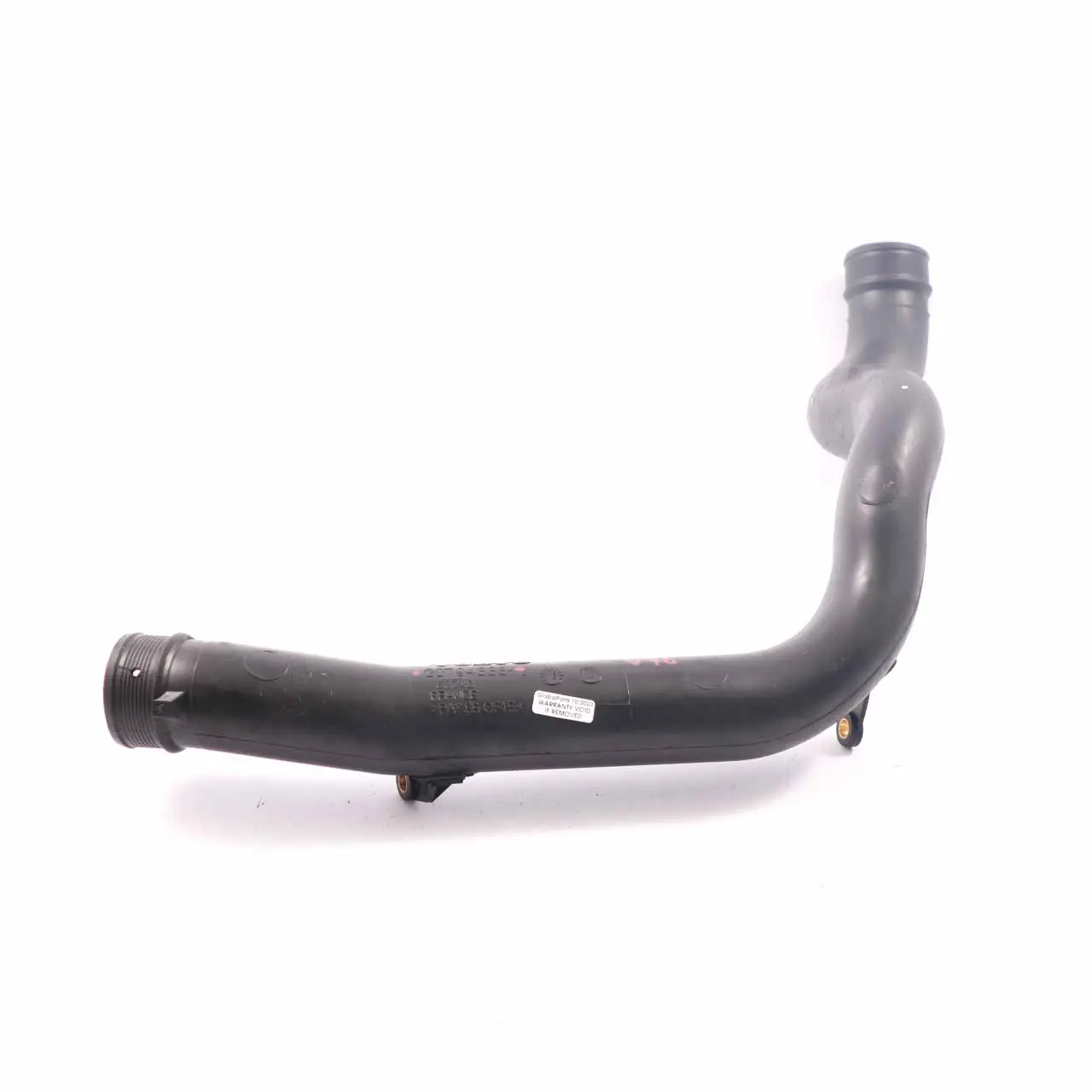
Part no. 30794888
Volvo V70 Air Intake Hose Turbo Intercooler Pipe Line Pressure Hose 30794888
Product currently unavailable
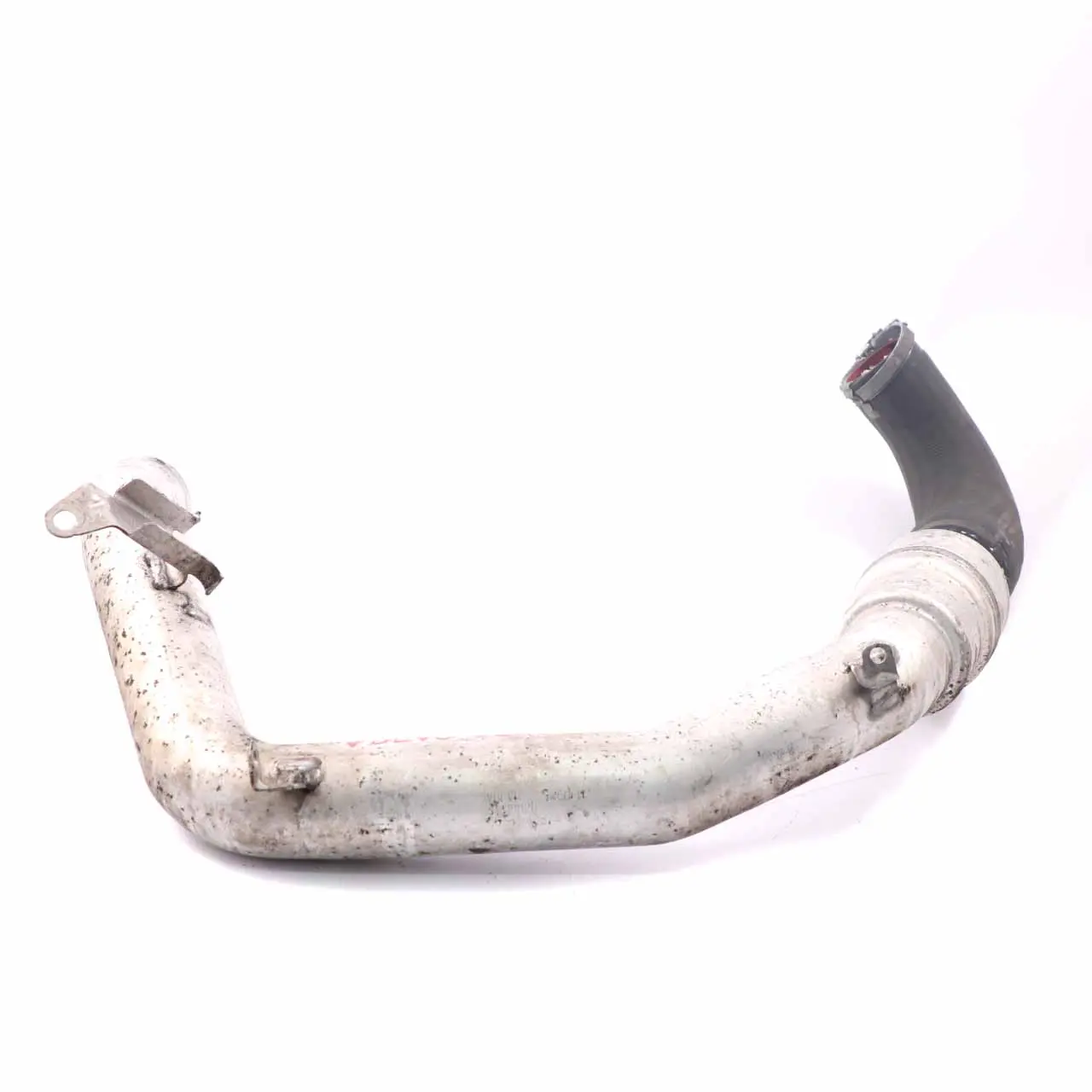
Part no. 31319820
Volvo V70 Air Intake Hose Turbo Intercooler Pipe Line Hose 31319820
Product currently unavailable
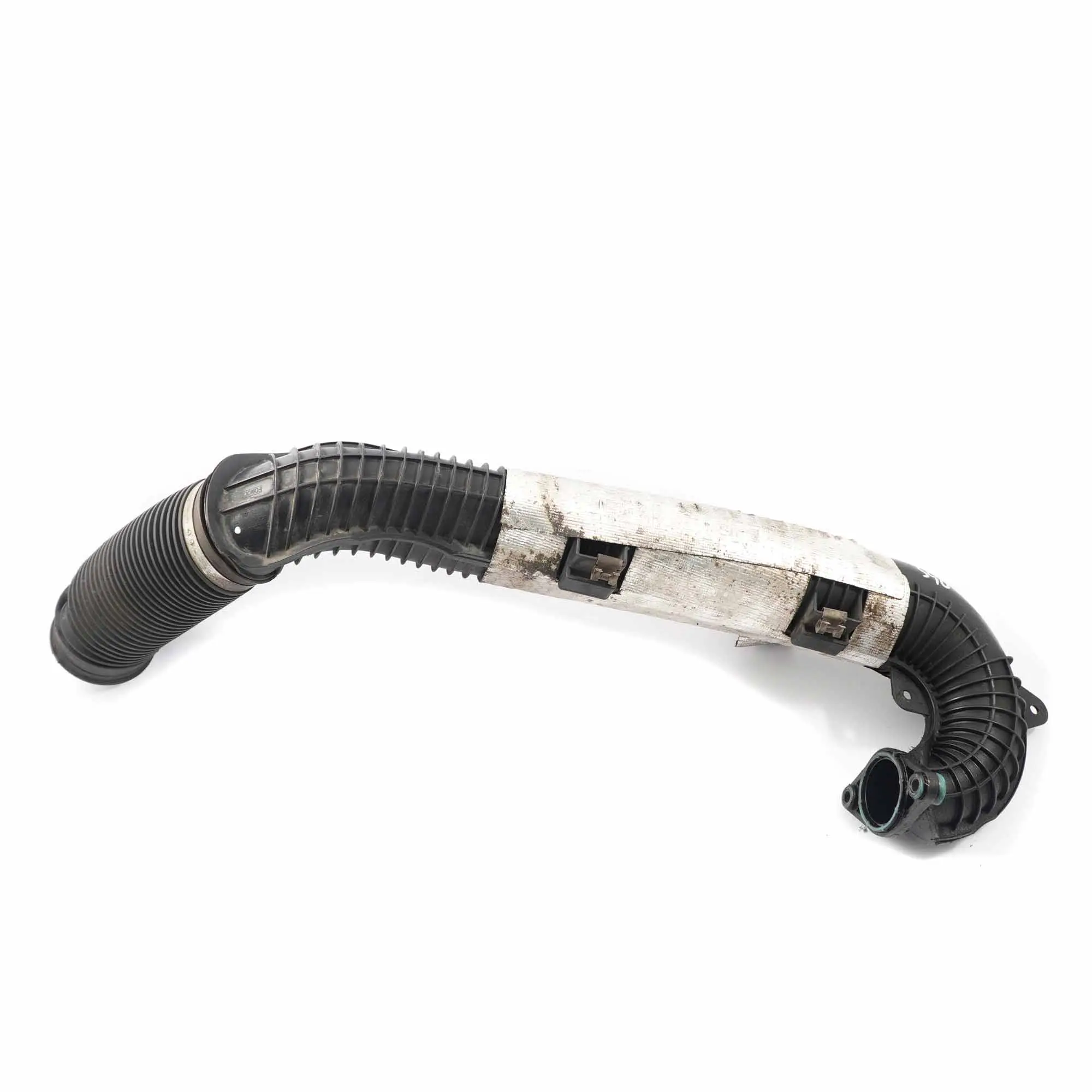
Part no. 76895577
Volvo S40 2.0 Diesel Air Intake Hose Turbo Intercooler Pipe Line 76895577
Product currently unavailable
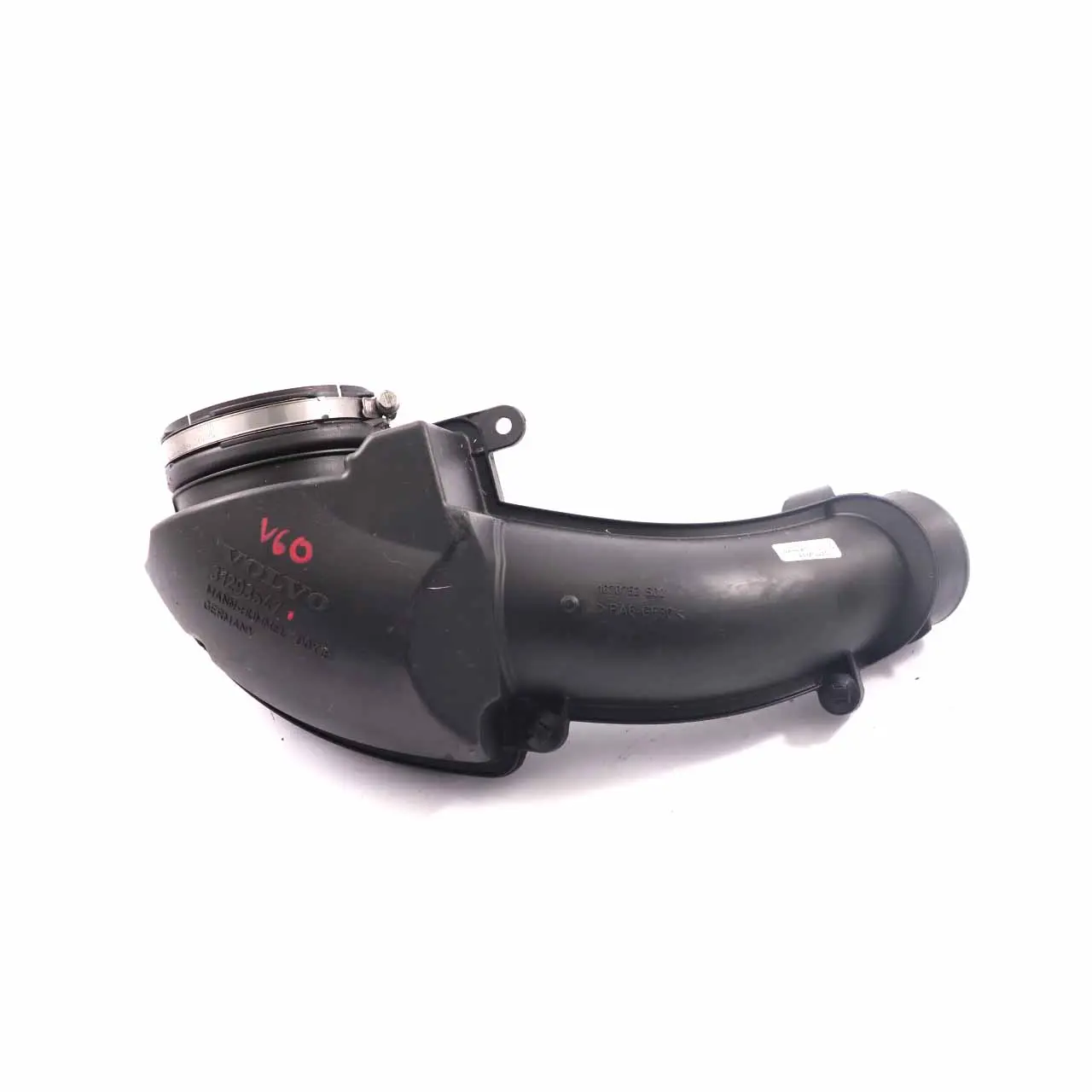
Part no. 31293547
Volvo V60 Air Intake Hose Turbo Intercooler Pipe Line Hose Diesel 31293547
Product currently unavailable
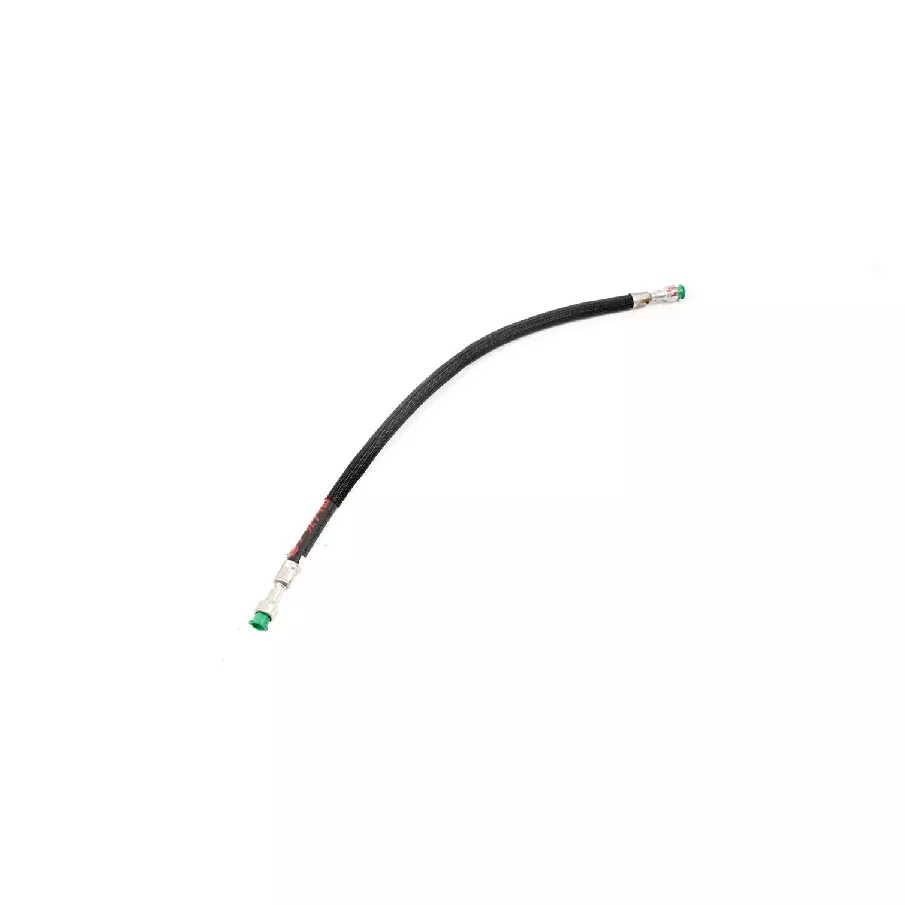
Flexible hoses, pipes, and tubes for cooling and fuel systems
Hoses and wires – connecting car components
Lines, hoses, and pipes are key components in various automotive systems, such as the fuel, cooling, braking, or power steering systems. Their primary task is to transport fluids or gases safely and efficiently, which ensures the proper operation of the vehicle's critical systems. In the Global Parts automotive store, you will find a wide selection of used car parts, including lines, hoses, and pipes, perfectly matched to BMW, Audi, Mercedes, Volkswagen, Mini, and many other brands.
Construction and purpose of lines, hoses, and pipes in a car
Automotive lines, hoses, and pipes are elements of a vehicle's technical infrastructure designed for the controlled flow of liquids and gases between components. Depending on their application, they can be made of synthetic rubber, plastic, or metal. In modern passenger vehicles, the total length of all lines and hoses can exceed 20–30 meters, covering systems such as cooling, fuel, air conditioning, vacuum, and power steering. Compatibility with the specific system and matching the engine model is of key importance here, which facilitates installation and ensures the proper operation of the entire system.
What functions do lines, hoses, and pipes perform?
Lines, hoses, and pipes play key roles in the proper functioning of the vehicle:
- Transport of fluids and gases – they conduct fuel, coolant, brake fluid, air, or oil in various vehicle systems.
- Pressure maintenance – in high-pressure systems, such as braking or power steering, they are responsible for operational stability.
- Leak prevention – well-fitted lines and hoses ensure system tightness, protecting against fluid loss.
The importance of lines for the operation of intake and fuel systems
An automotive line is used to connect two points of a system so that the working medium can move without loss of tightness and without disrupting operating parameters. In practice, this applies to both liquid circuits and sections of air intake, vacuum, and fuel supply. For parts such as an Audi A3 8P intercooler hose, it is essential to compare the OEM number, connector diameter, clamp layout, and compatibility with the engine version. This type of component often works with Turbochargers, compressors, and radiators as well as Intake manifolds.
Comparison of line and hose types – technical table
| Component type | Typical system | Material | What to check before installation |
|---|---|---|---|
| Flexible hose | Cooling, intake, vacuum | Rubber or plastic | Diameter, bending profile, condition of ends, type of clamps |
| Fuel line | Fuel supply | Plastic or reinforced rubber | OEM number, fuel resistance, connectors, compatibility with fuel type |
| Rigid pipe | Braking, steering, ventilation | Metal or hard plastic | Routing shape, mounting points, diameter, and terminations |
Examples of the use of lines and hoses in practice
In practice, lines and hoses are responsible for the cooperation of many key components, such as the radiator, water pump, fuel tank, fuel rail, or brake servo. For example, in the cooling system of mid-range cars, the temperature of the working fluid is maintained in the range of 85–105°C, and flexible hoses must maintain tightness and flexibility under these conditions. In turn, in fuel lines, the pressure can range from 3 to even 200 bar depending on the type of injection, which shows how important it is to properly match the elements to the specific system.
Why is it worth taking care of lines, hoses, and pipes?
Damage or wear to these components can lead to serious problems with key automotive systems. Typical symptoms of malfunction include:
- Fluid leaks – visible stains under the vehicle may indicate cracks or leaks in the lines.
- System performance drop – pressure problems in systems can reduce the effectiveness of operation, for example, of brakes or cooling.
- Noises in systems – problems with lines can cause humming, air leaks, or noises in hydraulic systems. If replacement is necessary, at Global Parts you will find suitable used car parts that will restore full efficiency to your systems.
Symptoms and their connection to specific systems
Symptoms related to lines, hoses, and pipes are closely linked to the specific vehicle system. For example, a drop in cabin heating efficiency often correlates with the cooling system, while a harder brake pedal may be related to vacuum lines. When looking for parts for a specific model, for example, BMW E90, it is worth verifying the routing of the line in the engine bay, the body version, and the placement of mounting points. Thanks to the proper matching of parts to the specific engine and body version, it is possible to maintain factory operating parameters without the need to modify other elements.
How to choose the right lines, hoses, and pipes?
When choosing lines, hoses, and pipes, you should pay attention to several key aspects:
- Matching the vehicle model – every automotive system has its specific technical requirements. In the Global Parts automotive store, you will find lines, hoses, and pipes perfectly matched to BMW, Audi, Mercedes, Volkswagen, Mini, and others.
- Technical condition – used components should be free from abrasions, cracks, and mechanical damage.
- Material of construction – choose lines and hoses resistant to high temperatures, pressure, or chemicals, depending on their intended use.
Compatibility, installation, and technical fit
A key selection criterion is the compatibility of lines and hoses with the given system and power unit. Differences may concern the internal diameter, total length, type of quick-connectors, shape of elbows, or the presence of thermal shields. When choosing an element such as a BMW E46 air intake pipe, you should check the OEM part number, sensor position, diameter at the filter housing, and compatibility with Air filter housings and Air filters. Precise matching facilitates installation and allows for maintaining the factory geometry of the installation.
Why is it worth choosing used lines, hoses, and pipes?
Used car parts, such as Lines, hoses, and pipes, are an economical solution that allows for savings while maintaining high quality. By choosing used vehicle system components, you gain:
- Lower costs – used lines and hoses are significantly cheaper than new ones but offer equally high quality.
- Ecology – recycling parts supports environmental protection and reduces waste.
- Wide offer – in our store, you will find used lines, hoses, and pipes for the most popular car brands.
How to take care of lines, hoses, and pipes?
To ensure lines, hoses, and pipes work reliably for a long time, it is worth following a few rules:
- Regular inspections – check the condition of lines and hoses during periodic technical inspections.
- Avoid system overloads – excessive system loads can lead to faster wear of lines and pipes.
- Replace damaged elements on time – leaking lines and hoses can cause system failures and additional repair costs.
FAQ
| Question | Answer |
|---|---|
| What is the construction and purpose of lines, hoses, and pipes? | Lines, hoses, and pipes are elements of automotive installations responsible for transporting liquids, gases, and vacuum between components. A typical element consists of a body made of rubber, plastic, or metal and ends matched to connectors, quick-connectors, or clamps. They are installed, among other places, in the engine bay, near the fuel tank, in the braking system, and the cooling system. |
| What are lines, hoses, and pipes used for? | Lines, hoses, and pipes are used for the safe transmission of fuel, air, oil, coolant, or vacuum within the vehicle. They are responsible for tightness, maintaining proper pressure, and the correct flow of the working medium. Without their proper operation, leaks, performance drops, engine accessory errors, or problems with braking and heating may occur. |
| What is the construction and function of quick-connectors in automotive lines? | A quick-connector is an installation end that allows for a tight and repeatable connection of a line with another system element without the need to modify the installation. It usually consists of a socket, a latch, and a seal, and its shape must correspond to a specific connector. Quick-connectors affect the ease of installation, connection tightness, and part compatibility with a given engine version. |
| How to choose lines, hoses, and pipes for a specific car? | It is best to compare the OEM number, line routing, diameter, connector type, and mounting location. It is also worth considering the engine version, fuel type, model year, body style, and equipment, as similar-looking elements may differ in ends or length. Interchangeable numbers provided with the product can also be helpful. |
| What symptoms indicate wear of lines, hoses, and pipes? | The most common symptoms are the smell of fuel, moisture at connections, traces of fluid in the engine bay, false air intake, or a drop in the effectiveness of a given system. In turbocharged cars, whistling, power loss, and oil contamination at the intake may also appear. Symptoms should always be linked to the system in which the given element operates. |
| What to pay attention to when installing lines, hoses, and pipes? | During installation, you must check the condition of connectors, seals, clamps, and the routing of the line relative to hot or moving elements. It is also important to maintain the correct layout without twisting or excessive tension. After installation, it is worth checking the system for leaks and the correct seating of all mounting points. |
Summary: lines, hoses, and pipes in the Global Parts automotive store
Lines, hoses, and pipes are essential elements that support the functioning of key systems in the vehicle. The Global Parts offer includes parts matched to cars of brands such as BMW, Mercedes, Audi, and others, and when selecting, it is worth comparing the OEM number, mounting location, fuel type, and compatibility with the engine version. This category includes both flexible and rigid sections, which is why proper matching is important for tightness and stable system operation. We invite you to contact us – we are here to help you! For more information and interesting facts, we also invite you to visit our automotive blog.