


High-pressure fuel pumps
More informationAt Global Parts, we offer a wide selection of original used car parts, including high-pressure fuel pumps for many popular car brands such as BMW, Mini, Mercedes, Audi, Volkswagen, and others. Our high-pressure fuel pumps undergo quality control to ensure you receive a top-quality product.
Find it faster
Match to your vehicle
GB
Make
Category
Subcategory
Condition
In Stock
Price
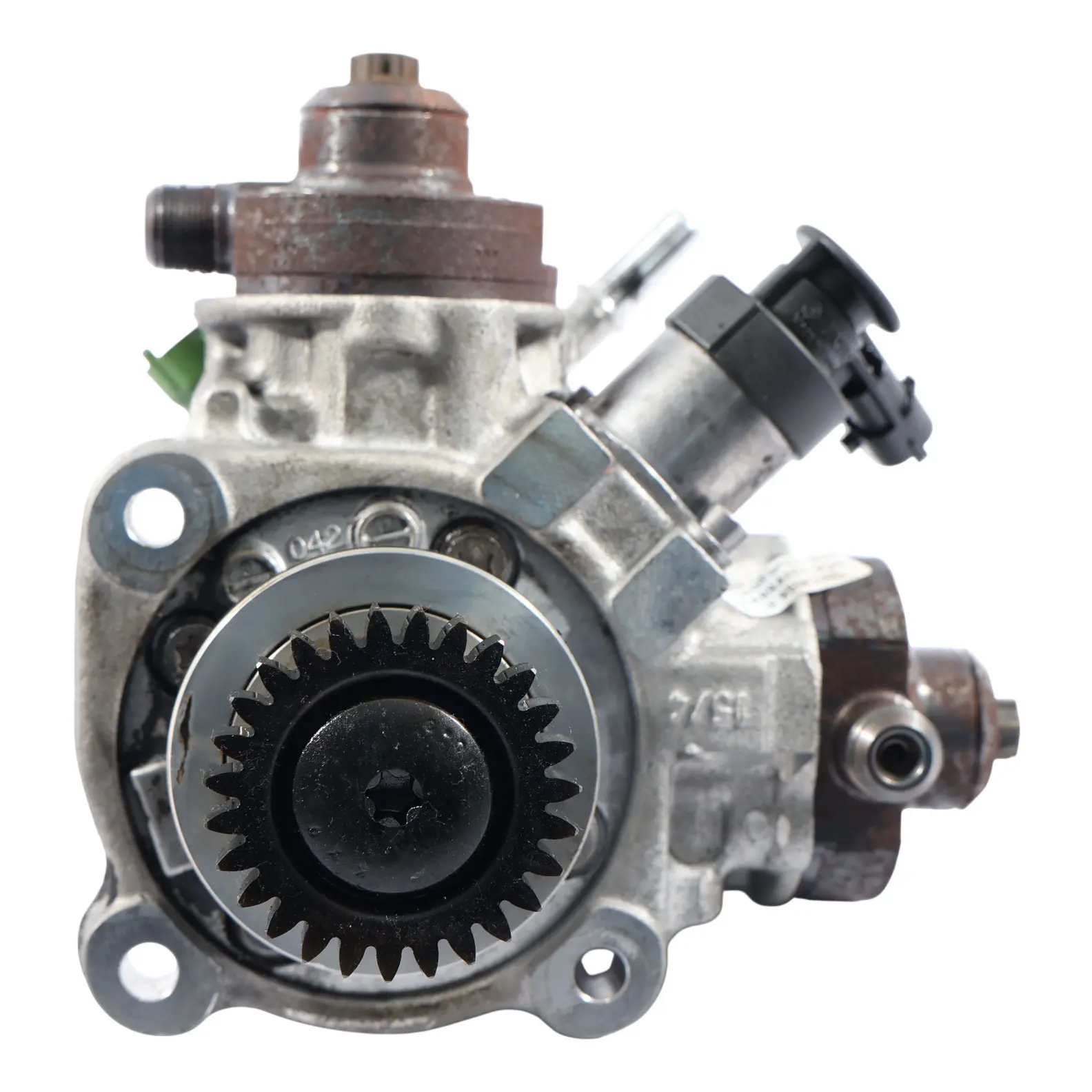
Part no. LR045642
Range Rover L405 4.4 448DT High Pressure Injection Fuel Pump AL3Q-9B395-EB
Product currently unavailable
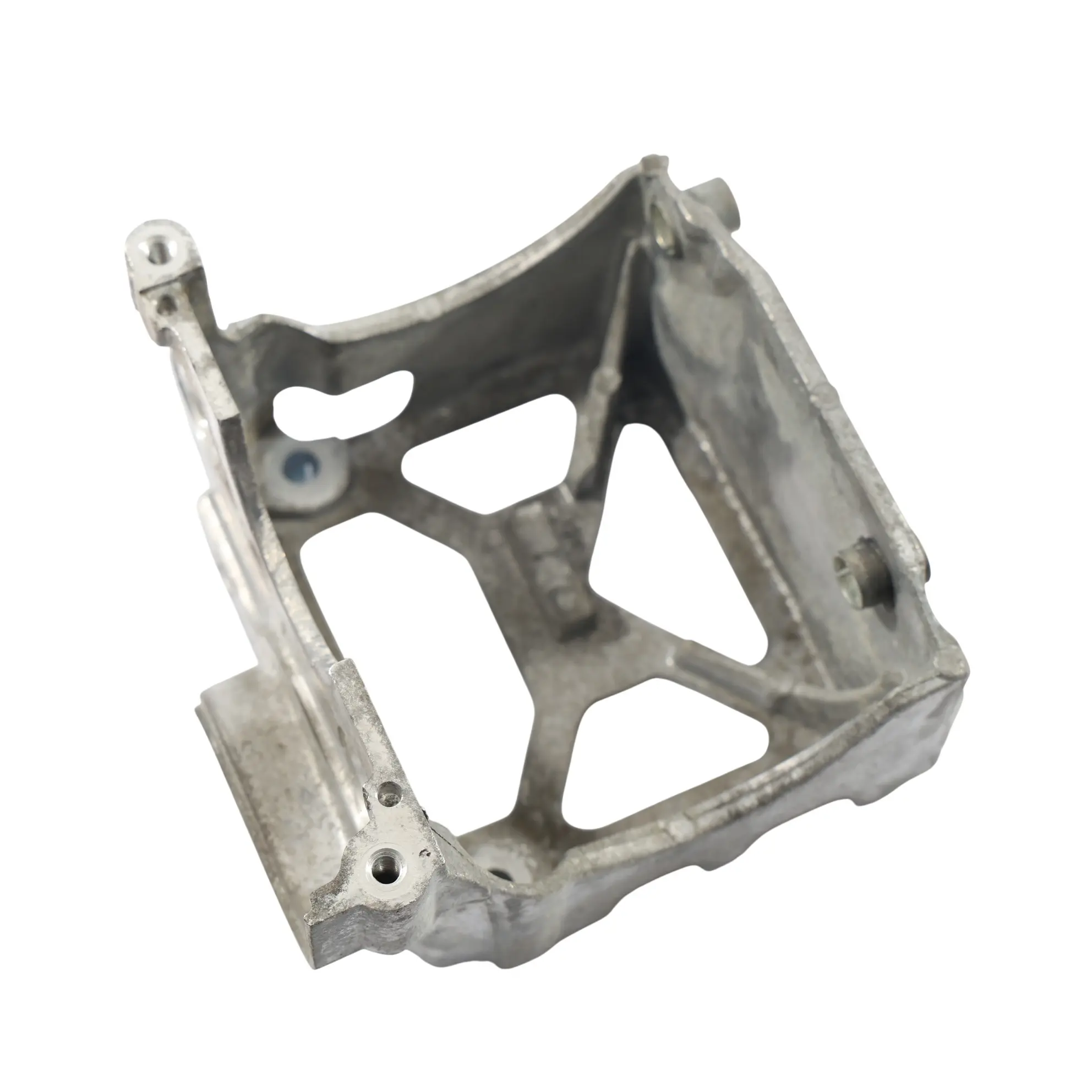
Part no. LR004569
Range Rover Sport L320 Fuel Injection Pump Mount Bracket 2.7 V6 7H2Q-9346-DB
Product currently unavailable
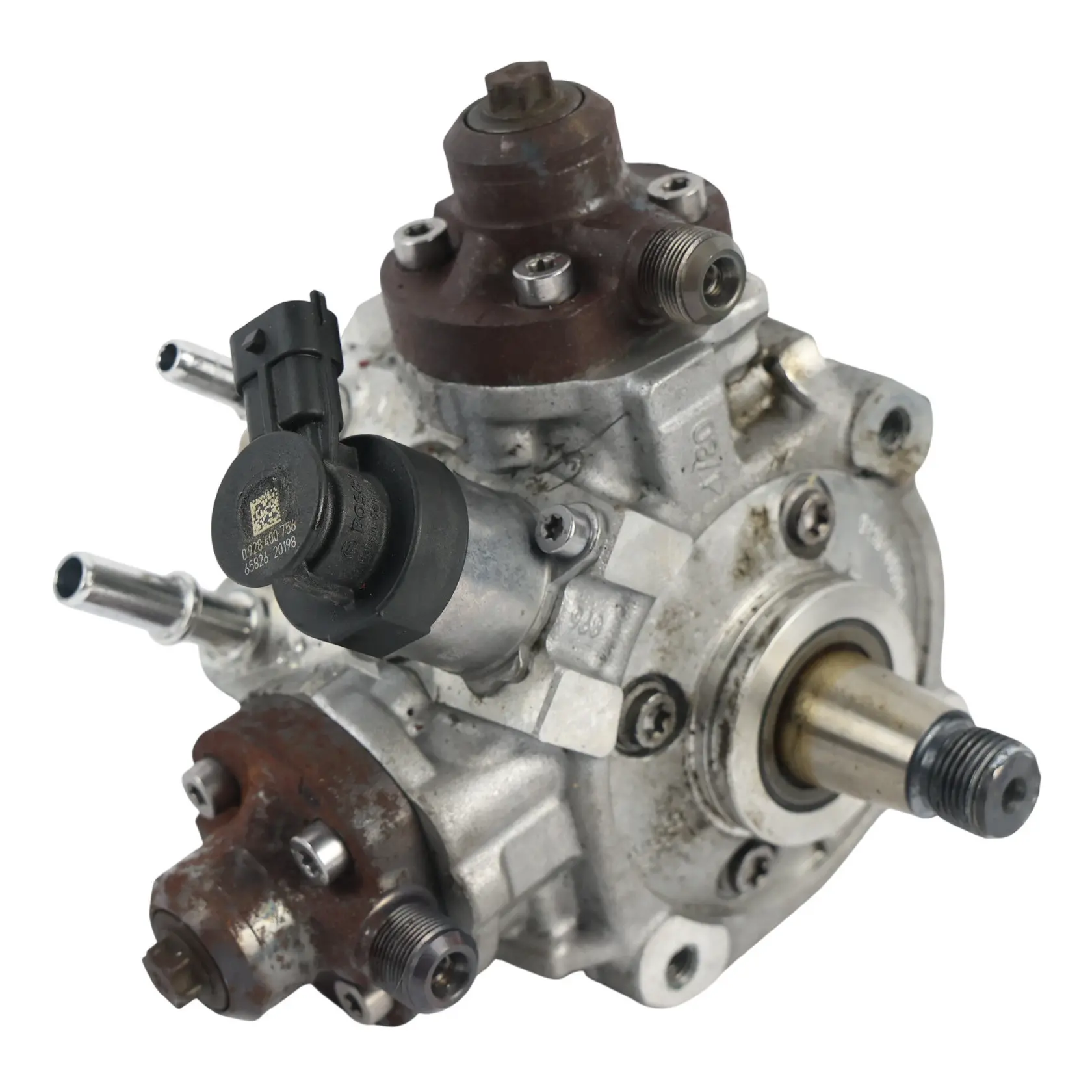
Part no. LR079958
Range Rover Sport L494 High Pressure Fuel Pump 3.0 SDV6 Diesel FW93-9B395-AB
Product currently unavailable
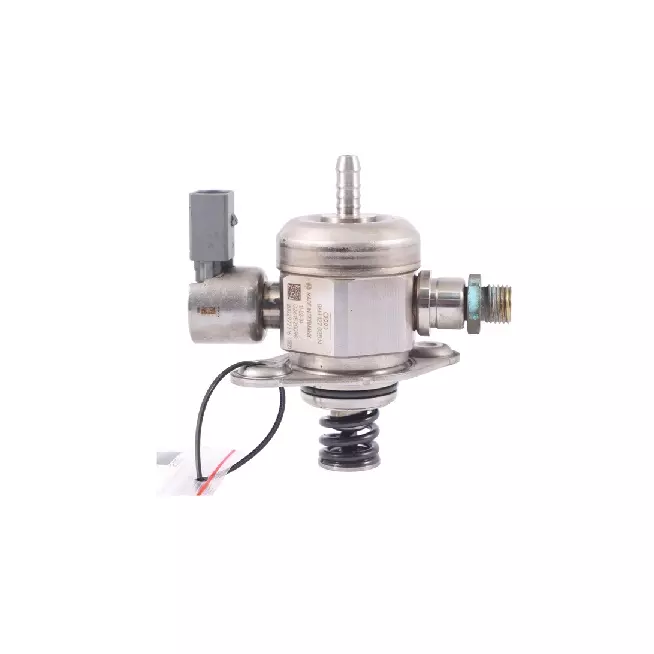
High-pressure fuel pumps for modern engine performance
Modern high-pressure engine pumps
High-pressure fuel pumps are key components of modern injection systems that deliver fuel at the appropriate high pressure to the injectors. Their precise operation ensures efficient fuel combustion, optimal performance, and reduced exhaust emissions. In the Global Parts automotive store, you will find a wide selection of used car parts, including high-pressure fuel pumps, perfectly matched to brands such as BMW, Audi, Mercedes, Volkswagen, Mini, and others.
Design and operating principle of high-pressure fuel pumps
High-pressure fuel pumps (HPFP) are components responsible for compressing fuel to the very high pressure levels required by modern injection systems. Depending on the engine technology, the pressure generated by the pump can range from 200 to 2,500 bar – for example, in Common Rail (diesel) systems, typical values range from 1,600 to 2,500 bar, while in gasoline GDI/FSI/TSI systems, they are usually between 200 and 350 bar. The high-pressure pump works directly with the fuel rail, injectors, and the engine control unit (ECU), which regulates fuel dosage in real-time. This allows for precise adjustment of fuel quantity based on engine load, which translates into efficiency, smooth operation, and fuel economy.
What functions do high-pressure fuel pumps perform?
High-pressure fuel pumps play a crucial role in the fuel supply system:
- High-pressure generation – The pump increases fuel pressure to the level required by the injection system, such as Common Rail or GDI.
- Stable fuel supply – It ensures constant and uniform fuel delivery to the injectors, even under high engine loads.
- Combustion optimization – Precise fuel dosing under high pressure improves combustion efficiency.
The importance of the pump for the entire injection system
The high-pressure pump is used to maintain the appropriate fuel pressure in the high-pressure circuit and transfer it to the rail and injectors. Its operation affects not only engine starting and performance but also idle stability and load response. Further diagnostics for this group of components can be found in the article Fuel system – injectors, pumps, and fuel tank: maintenance and regeneration, which organizes the topic of selecting and operating supply components.
Types of high-pressure fuel pumps used in cars
High-pressure fuel pumps vary in design depending on the engine type and the injection system used. In diesel engines, radial and piston pumps working with Common Rail dominate, while in GDI/TSI gasoline engines, mechanical cam-driven pumps are used, driven directly by the camshaft. For example: in 2.0 TDI engines of the VAG group, pumps reaching up to 2,000 bar are used, and in popular 1.4 TSI / 2.0 TSI units, the operating pressure is approx. 250–300 bar. Selecting the correct pump type directly affects compatibility with injectors, the fuel rail, and pressure sensors, which facilitates proper installation and trouble-free operation.
Comparison of high-pressure fuel pump variants
| Pump type | Application | Drive | Cooperating components | What to check before selection |
|---|---|---|---|---|
| Common Rail pump | Diesel engines | Depends on engine design | Fuel rail, injectors, pressure sensor, regulator | OEM number, fuel type, compatibility with the engine unit |
| GDI / FSI / TSI pump | Gasoline engines with direct injection | Usually from the camshaft | Tappet, fuel rail, injectors, ECU | OEM part number, mounting type, engine version |
| Pump with electrical accessories or control valve | Selected gasoline and diesel versions | Depends on version | Plug, metering valve, injection system sensors | Connector type, interchangeable numbers, vehicle location |
Why is it worth taking care of high-pressure fuel pumps?
Damage or wear of a high-pressure fuel pump can lead to serious problems with engine operation and the fuel supply system. Typical symptoms of failure include:
- Engine power loss – Insufficient fuel pressure can reduce vehicle performance.
- Starting difficulties – Pump problems can cause issues when starting the engine.
- Rough engine operation – A faulty pump can affect idle stability.
- Increased fuel consumption – Improper fuel pressure can lead to higher consumption.
- "Check Engine" light – The vehicle's diagnostic system may signal a problem with the fuel system. If replacement is necessary, at Global Parts you will find suitable used car parts that will restore the full functionality of your fuel system.
Typical operating parameters and compatibility with other components
High-pressure fuel pumps work in close synchronization with other fuel system elements. Their parameters must be compatible with, among others, injectors, the pressure regulator, the rail sensor, and the ECU. In practice, this means maintaining compatibility with a specific engine unit, e.g., BMW 320d (N47), Audi A4 2.0 TDI, Mercedes 2.2 CDI, or VW 1.9 TDI. From an operational standpoint, parameters such as maximum operating pressure, pumping capacity (l/h), and pump drive type are crucial. This allows for maintaining correct fuel dosing and stable engine operation across the entire rev range.
Selection by OEM number, fuel, and system version
High-pressure fuel pumps are selected primarily by OEM part number, interchangeable numbers, fuel type, and specific engine version. In product descriptions, it is also worth checking the brand, part condition, and vehicle location, as the same engine family may come with different accessories. When choosing an element like a BMW F10 high-pressure pump, the most important thing is to compare the manufacturer's designation, connector type, and compatibility with the fuel rail and control system.
How to choose the right high-pressure fuel pumps?
When choosing high-pressure fuel pumps, pay attention to several key aspects:
- Vehicle model fitment – Every injection system has its specific technical requirements. At Global Parts, you will find high-pressure fuel pumps perfectly matched to BMW, Audi, Mercedes, Volkswagen, Mini, and others.
- Technical condition – Used pumps should be fully functional, free from leaks and mechanical damage.
- Fuel system type – Ensure the selected pump is compatible with your vehicle's fuel system, for example, Common Rail, GDI, or TDI.
Cooperating elements and installation practice
The fuel rail is a pipe that accumulates fuel under high pressure and distributes it to the injectors at the appropriate moment of engine operation. When installing the pump, you must verify the tightness of the lines, the condition of the tappet or drive, and compatibility with components from the Injection systems and parts section. If you are looking for a component such as r01, ensure that the designation actually corresponds to the number on the pump body or the manufacturer's catalog number.
Connection to other fuel supply systems
Not every fuel-related failure means the high-pressure pump is damaged, so during diagnosis, it is worth comparing the condition of elements from the Other injection system parts category and final atomizing elements, such as Injector nozzles. In the case of parts like a Stag reducer, we are talking about a gas installation component, so before purchasing, distinguish between gasoline or diesel system faults and LPG supply problems.
Why is it worth choosing used high-pressure fuel pumps?
Used car parts, such as High-pressure fuel pumps, are an economical solution that allows for savings while maintaining high quality. By choosing used fuel system elements, you gain:
- Lower costs – Used pumps are significantly cheaper than new ones but offer equally high quality.
- Ecology – Recycling parts supports environmental protection and reduces waste.
- Wide offer – In our store, you will find used high-pressure fuel pumps for the most popular car brands.
How to take care of high-pressure fuel pumps?
To ensure high-pressure fuel pumps work reliably for a long time, follow a few rules:
- Regular fuel filter replacement – A clean filter protects the pump from contaminants.
- Refueling with high-quality fuel – Good quality fuel reduces the risk of pump damage from deposits and water.
- Checking the fuel system condition – Regular inspections allow for quick detection of potential leaks or faults.
- Avoid driving on reserve – Low fuel levels can cause the pump to draw in air and accelerate its wear.
FAQ
| Question | Answer |
|---|---|
| What is the design and purpose of high-pressure fuel pumps? | High-pressure fuel pumps are fuel supply components mounted between the low-pressure circuit and the fuel rail or high-pressure lines. A typical element consists of a body, pumping section, valves, seals, and fuel connections, and depending on the version, also a metering valve or electrical accessories. Their task is to compress fuel to the values required by a given injection system. |
| What are high-pressure fuel pumps used for? | High-pressure fuel pumps are used to generate and maintain the pressure necessary for proper fuel injection. Without this element, injectors do not receive fuel in the correct quantity and at the correct pressure, which translates into starting problems, power loss, and rough engine operation. The pump also affects dosing precision and engine unit smoothness. |
| What is the design and function of the fuel rail? | The fuel rail is an injection system element that stores fuel under high pressure and distributes it to individual injectors. It works with a pressure sensor, lines, and the high-pressure pump, so its compatibility with a specific system is of great importance for stable engine operation. Depending on the design, it may have different connections, mounting points, and ranges of cooperation with control equipment. |
| How to choose a pump for a specific engine? | The safest way is to compare the OEM number, interchangeable numbers, fuel type, and engine version or engine unit code. It is also worth checking the connector type, drive method, and compatibility with the fuel rail and injectors. For used parts, comparing markings from the pump body is also helpful. |
| What symptoms may indicate a problem with the high-pressure pump? | Most often, these are starting difficulties, power loss, rough engine operation, and errors saved in the controller. The failure may also be accompanied by fuel pressure fluctuations and incorrect vehicle response to load. However, symptoms should be assessed in conjunction with the operation of injectors, the regulator, and fuel system sensors. |
| What to pay attention to during pump installation and operation? | Before installation, check the cleanliness of fuel lines, the condition of the fuel filter, and the tightness of connections. After installation, it is important to check for correct operating pressure and the absence of leaks at high-pressure connections. In operation, fuel quality and regular maintenance of the entire supply system are important. |
Summary: high-pressure fuel pumps in the Global Parts automotive store
High-pressure fuel pumps are advanced fuel system elements that guarantee precise engine supply. In the Global Parts offer, you will find used parts intended for many engine versions and many car models, including brands such as Mercedes, Audi, BMW, and others. When selecting, it is worth comparing the OEM number, interchangeable numbers, fuel type, part condition, and compatibility with other injection system elements. We invite you to contact us – we are here to help you! For more information and interesting facts, we also invite you to our automotive blog.