


Cooling system water pumps
More informationAt Global Parts, we offer a wide selection of original used car parts, including water pumps for many popular car brands such as BMW, Mini, Mercedes, Audi, Volkswagen, and others. Our water pumps undergo quality control to ensure you receive a top-quality product.
GB
Make
Category
Subcategory
Condition
In Stock
Price
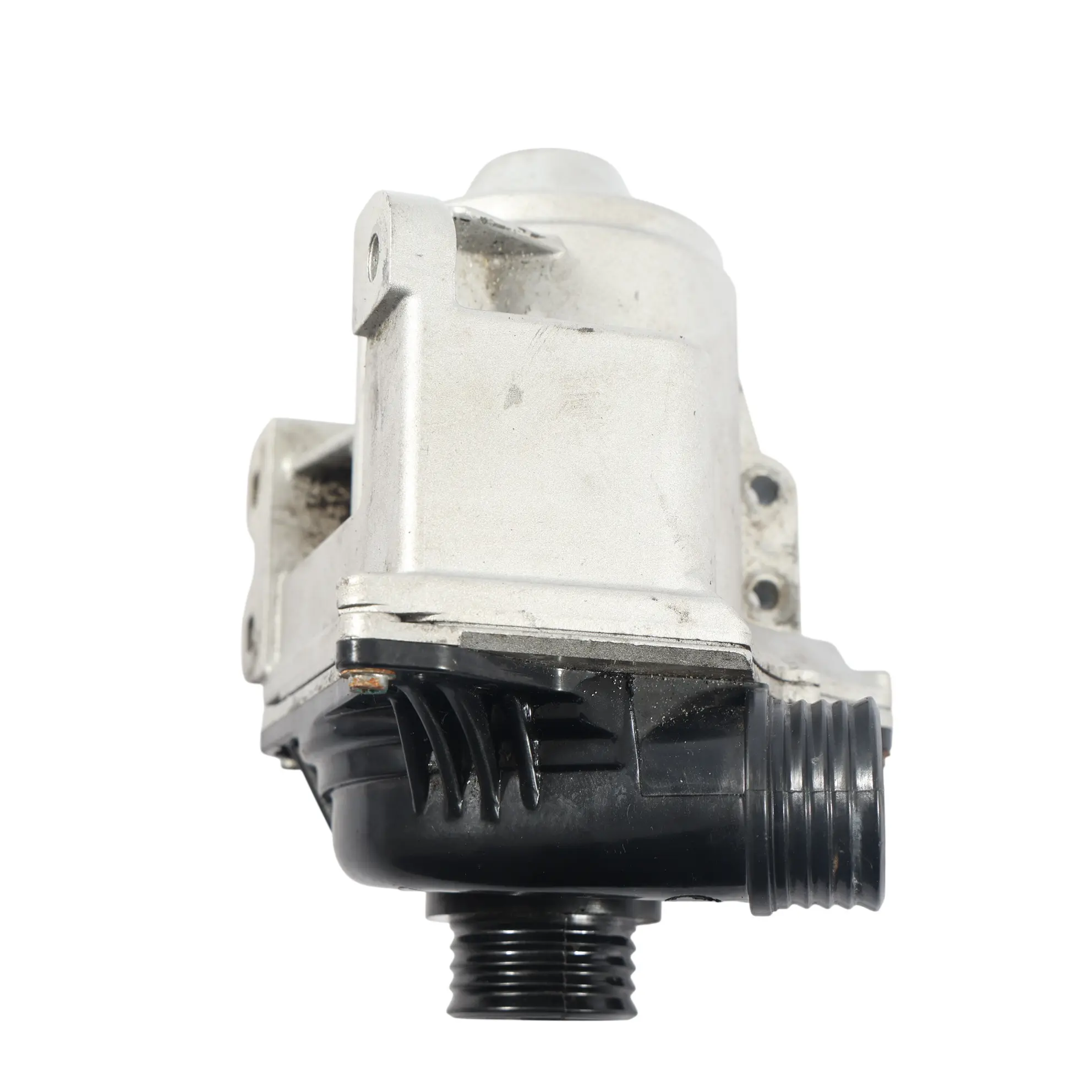
Part no. 5A05704-2
BMW E90 E92 F01 F10 F12 Auxiliary Water Pump N54 N55 Petrol Engine 5A05704
£94.95
Free delivery: Jul 6 – 13
If paid before 14:00
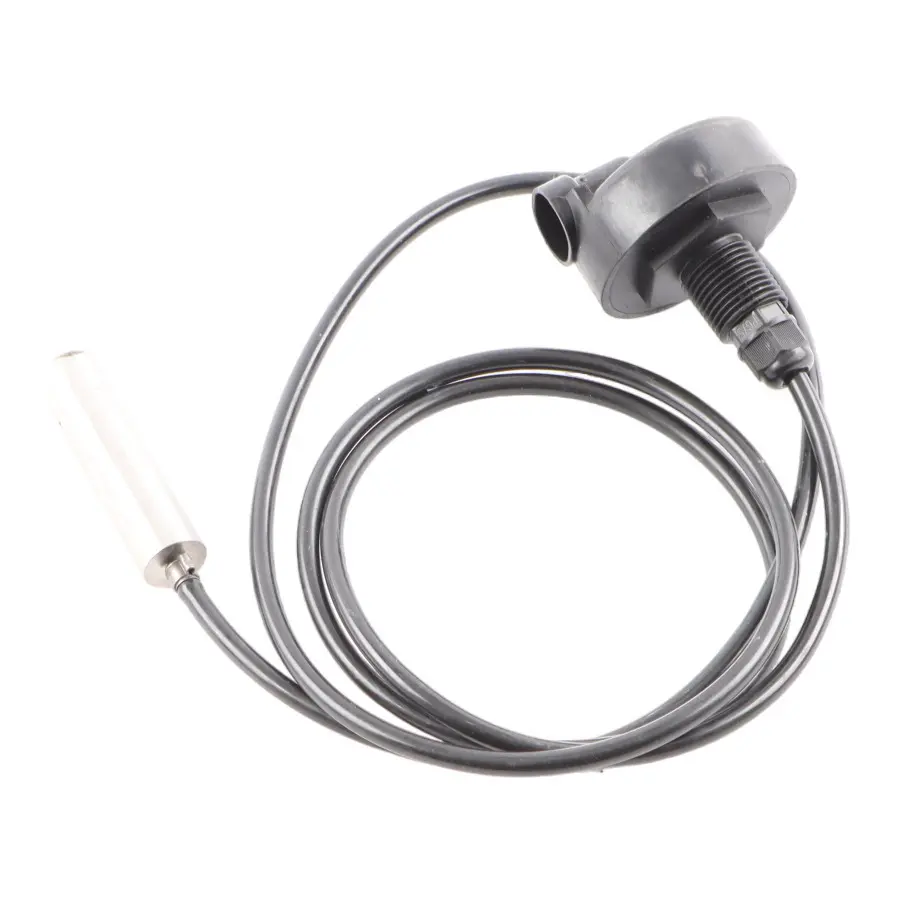
Part no. TLL200
Rochester Water Level Sensor Gauge T/LL200
Product currently unavailable
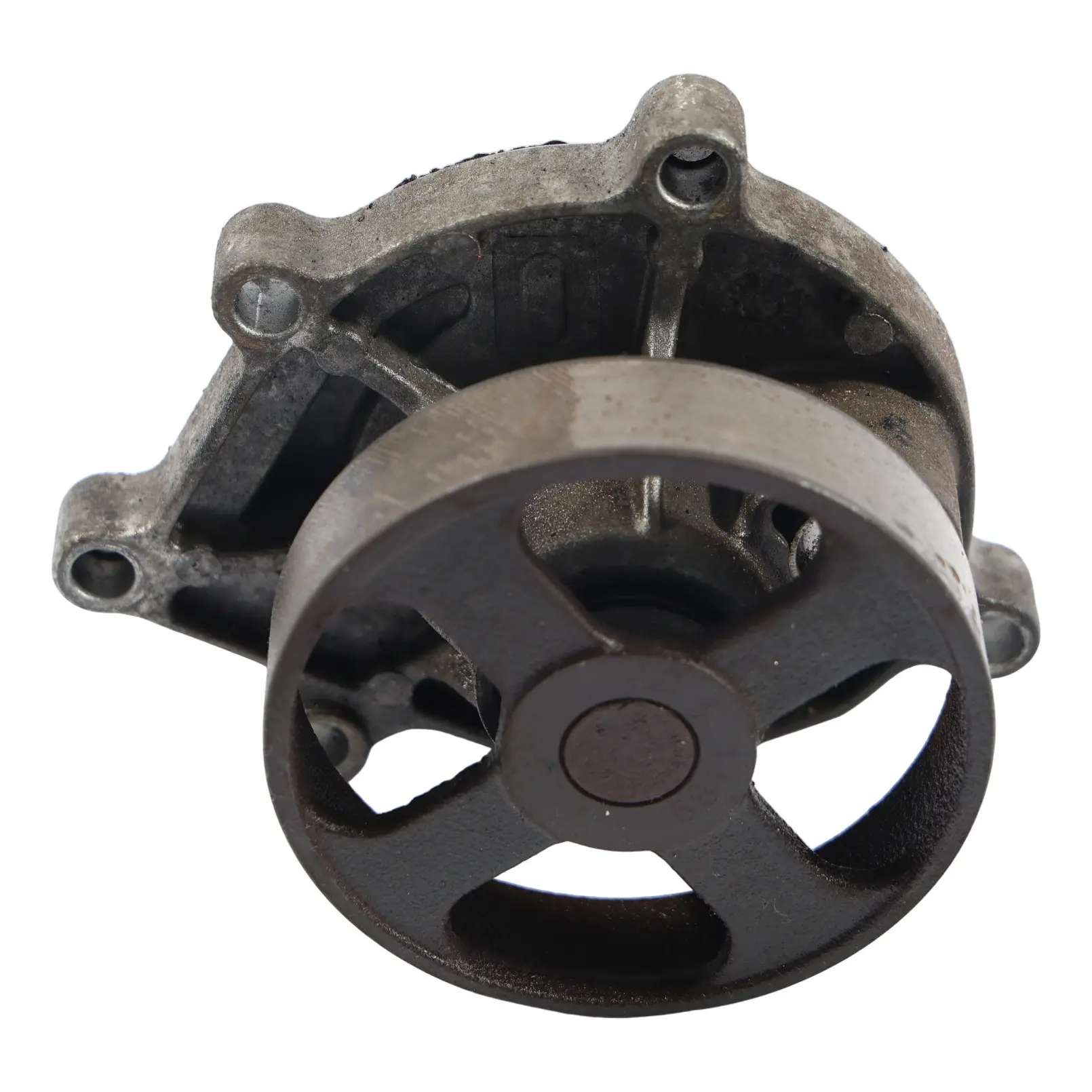
Part no. 7823008-1
Mini Cooper R55 R56 R57 LCI Mechanical Coolant Water Pump 7823008
Product currently unavailable
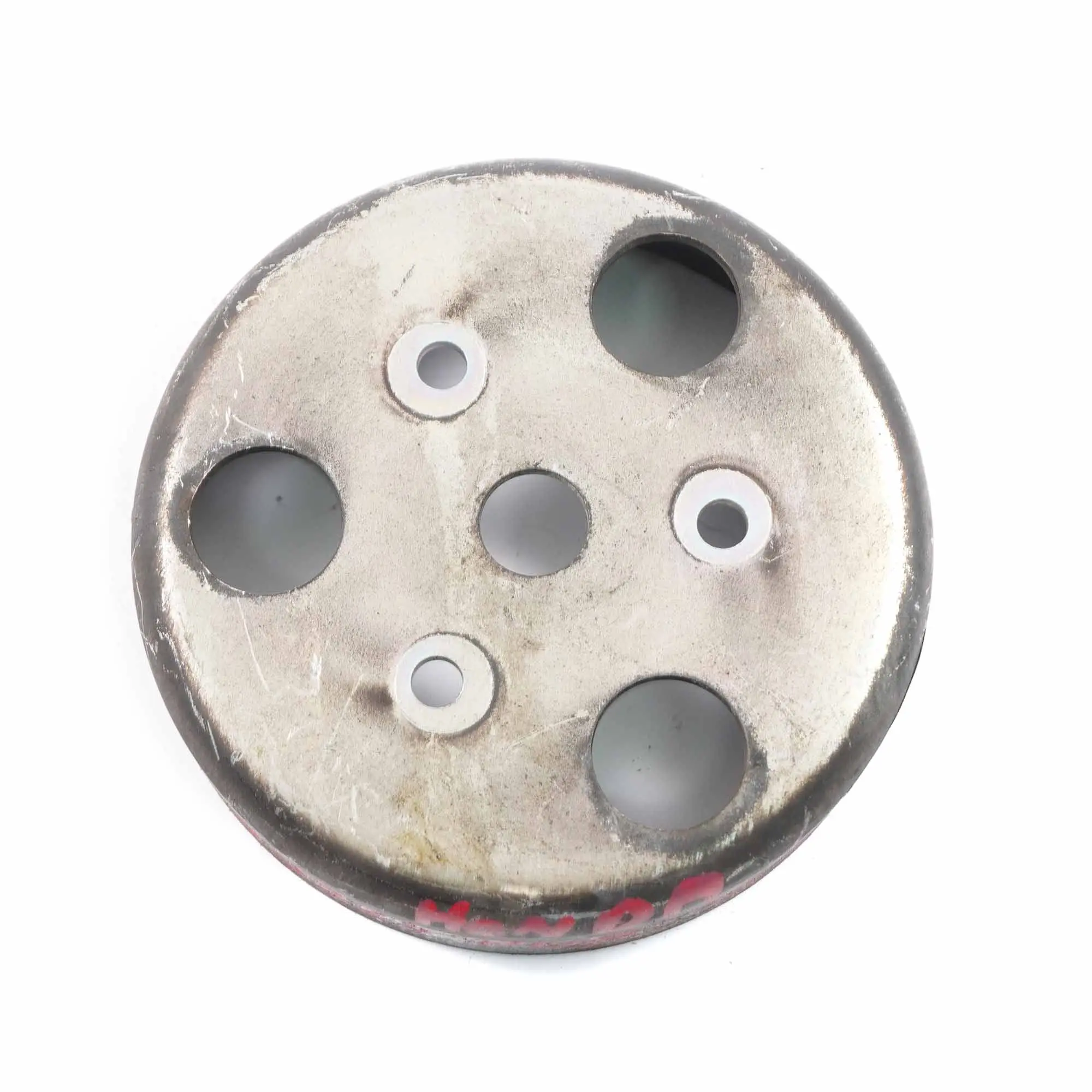
Part no. 19224-PWA-000
Water Pump Pulley Honda Civic Jazz Petrol Engine Coolant Unit 19224-PWA-000
Product currently unavailable
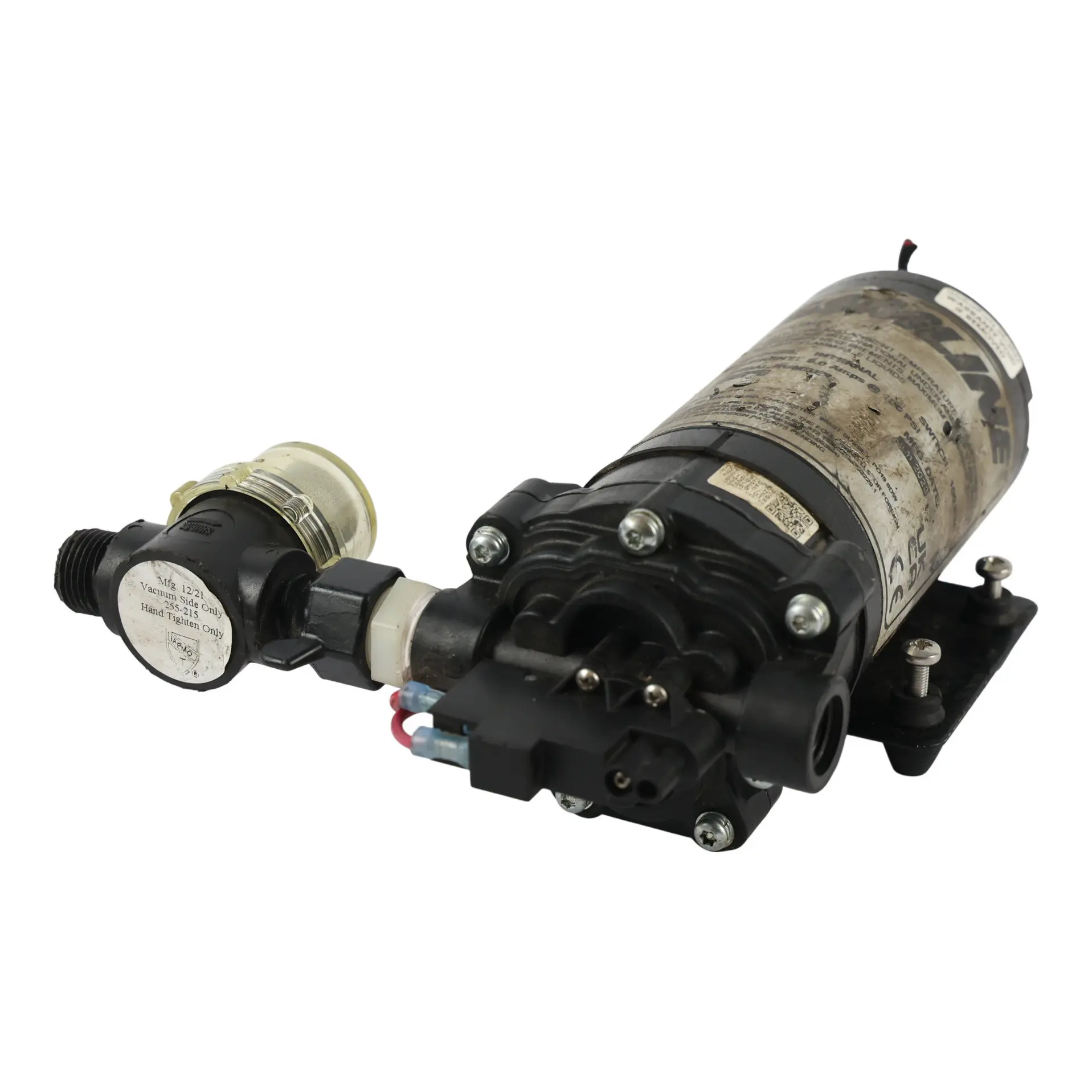
Part no. 5882-1I01-V82Z
Aquatec Demand Delivery Water Pump 5882-1I01-V82Z
Product currently unavailable
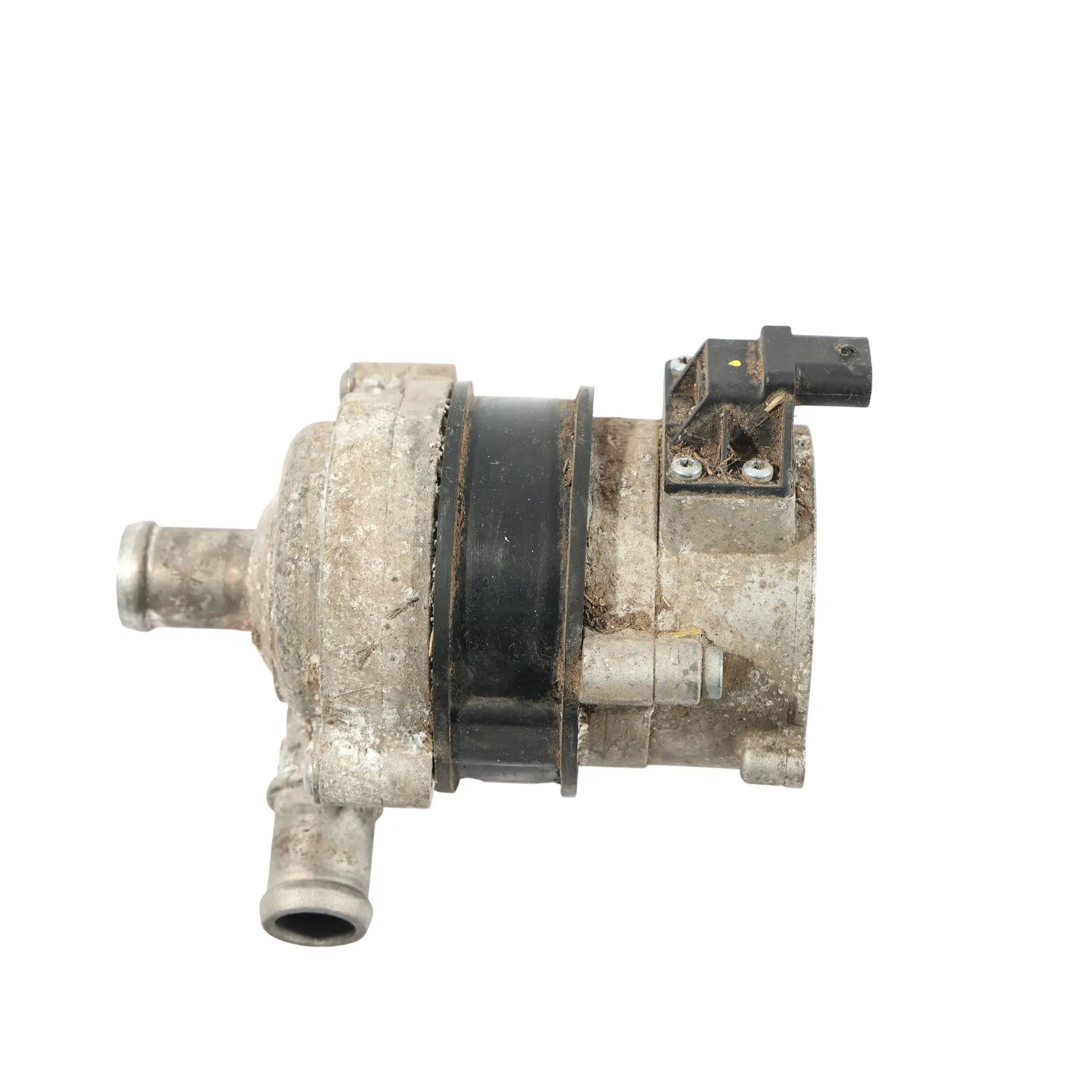
Part no. 4H0965569-1
Audi A4 B8 A5 8T Water Coolant Pump Auxiliary Cooling Unit 7.07223.03.0 Pierburg
Product currently unavailable
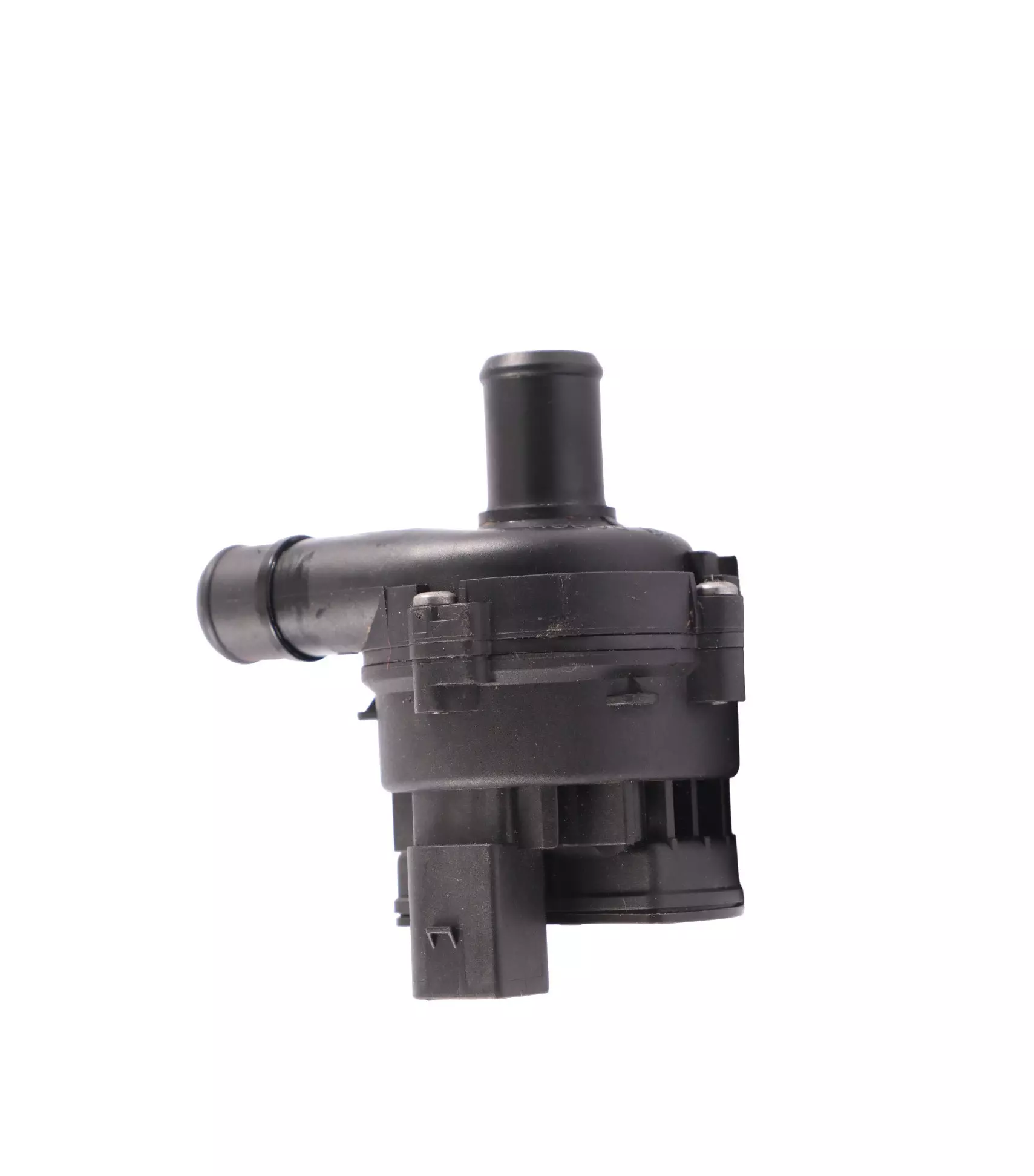
Original water pumps for popular car brands
Efficient water pumps for cooling systems
Water pumps are essential components of the cooling system, responsible for the continuous circulation of coolant through the engine, radiator, and heater core. Their efficiency ensures an optimal engine operating temperature, protecting it from overheating and damage. In the Global Parts automotive store, you will find a wide selection of used auto parts, including water pumps, ideal for brands such as BMW, Audi, Mercedes, Volkswagen, Mini, and others.
What functions do water pumps perform?
Water pumps play a key role in the cooling system by enabling efficient heat dissipation from the engine:
- Ensuring coolant circulation – The pump drives the coolant through the system, allowing it to flow through the engine, radiator, and heater core.
- Protection against overheating – A functional water pump ensures proper coolant flow, which helps maintain the optimal engine operating temperature.
- Cooperation with other cooling system components – The pump works in conjunction with the thermostat, radiator, and fans to provide comprehensive temperature regulation.
Design and purpose of cooling system water pumps
Cooling system water pumps are components mounted near the engine, designed to force the circulation of coolant between the engine block, cylinder head, radiator, and heater core. A typical pump consists of a housing, impeller, bearing, seal, and either a pulley or an electric drive. Its design depends on the engine version, so it is worth comparing the OEM number, mounting method, and drive type before purchasing.
How does a water pump work in practice?
The water pump, also known as a "coolant pump," is most often driven by a V-belt or timing belt. Electric pumps are also available, which operate independently of engine speed, providing even better control over operating temperature. The average coolant flow in a typical gasoline engine is as much as 60–80 liters per minute, which shows how intensively the pump must work to maintain the thermal balance of the system.
Comparison of water pump variants
| Pump type | Characteristics | What to check before purchase |
|---|---|---|
| Mechanical pump | Belt-driven, operates proportionally to engine speed and often works with the timing or auxiliary drive. | OEM number, pulley type, mounting spacing, compatibility with the engine version. |
| Electric pump | Controlled independently of engine speed, used in selected modern cooling systems. | Connector type, presence of electronic control, compatibility with the vehicle's installation and equipment. |
| Pump with housing or outlet | In some designs, it comes as a complete unit with additional elements guiding the fluid. | Housing shape, seal type, outlet positions, and interchangeable numbers. |
Why is it worth taking care of water pumps?
Wear or damage to a water pump can lead to serious problems with the cooling system and the engine. Typical symptoms of failure include:
- Engine overheating – A damaged pump does not provide adequate coolant flow, which leads to an increase in engine temperature.
- Noises from the cooling system – Defective pump bearings can cause disturbing sounds during operation.
- Coolant leaks – Cracks or leaks in the pump can cause fluid loss, which affects cooling efficiency. At Global Parts, we offer used water pumps that have undergone detailed quality tests, ensuring their durability and reliability.
Symptoms and cooperation with other cooling system elements
The water pump impeller is used to physically set the fluid in motion within the cooling channels of the engine and radiator. When its efficiency drops, the symptoms may resemble faults in other components, so it is worth checking Thermostats and cooling system housings, Water radiators, and Cooling system pipes and hoses in parallel. Diagnostics can also be supplemented by checking operating temperatures via Temperature sensors.
Symptoms and water pump compatibility – auxiliary table
| Symptom / Problem | Possible cause | Compatibility / Solution |
|---|---|---|
| Engine temperature rise | Decreased pump efficiency or damaged impeller | Check pump fitment for the engine model; select a pump with the correct mounting method and matching OEM number. |
| Audible knocking or humming | Worn pump bearings | Replace with an original OEM equivalent or a part compatible with the specific vehicle version. |
| Coolant loss | Leaking pump seal | Select a pump compatible with the vehicle's cooling system; pay attention to the seal and connection type. |
| Frequent temperature fluctuations | Incorrect fluid flow | Compare the drive type, impeller type, and part compatibility with the specific engine. |
How to choose the right water pumps?
When choosing water pumps, you should pay attention to several key aspects:
- Vehicle model fitment – Every cooling system has its specific technical requirements. In the Global Parts automotive store, you will find water pumps perfectly matched to BMW, Audi, Mercedes, Volkswagen, Mini, and others.
- Technical condition – Used water pumps should be free from mechanical damage, leaks, and play in the mechanism.
- Pump drive type – Depending on the vehicle model, you may need a pump driven by a V-belt, multi-ribbed belt, or an electric one.
Selecting a pump by OEM number and engine version
For parts such as a BMW E90 water pump, it is crucial to compare the OEM number, drive type, and compatibility with the specific gasoline or diesel unit. When choosing an element like an Audi A3 8P water pump, it is also worth checking the shape of the outlets, the completeness of the housing, and the accessory version. If you are looking for a component such as an M54 water pump, you must verify compatibility with the engine variant and the set of mounts present in the given car.
Comparison of water pump types
Mechanical pumps are the most common solution in older and mid-range models. Electric pumps dominate in modern units because they allow for precise control of fluid flow depending on the engine's needs. Structural differences affect the mounting method, connector type, and cooperation with other elements in the Engine cooling category.
Why choose used water pumps?
Used auto parts, such as water pumps, are a practical solution that allows for savings while maintaining high quality. By choosing used water pumps, you gain:
- Lower costs – Used pumps are significantly cheaper than new ones but offer equally high quality.
- Ecology – Recycling auto parts supports environmental protection and reduces waste.
- Wide selection – In our store, you will find water pumps for the most popular car brands.
Advantages of using original water pumps
Original water pumps sourced from dismantled accident or fleet cars are often in very good technical condition. Their greatest advantage is perfect compatibility with the factory cooling system, which means dimensional compliance, correct mounting points, and proper seal positioning. As a result, installation is smoother, and the entire system maintains the parameters intended by the manufacturer. More information about cooling system operation and the effects of overheating can be found in the article Engine cooling system – overheating, repair, and used radiators.
How to take care of water pumps?
To ensure water pumps operate reliably for a long time, it is worth following a few rules:
- Regularly check the condition of the pump, especially if you notice noises, leaks, or engine temperature problems.
- Change the coolant according to the manufacturer's recommendations to prevent corrosion and contamination in the cooling system.
- Monitor the tension of the drive belt to ensure proper pump operation.
- If replacement is necessary, at Global Parts you will find suitable used auto parts that will restore full functionality to the cooling system.
FAQ
| Question | Answer |
|---|---|
| What is the design and purpose of cooling system water pumps? | Cooling system water pumps are components responsible for forcing the circulation of coolant between the engine, radiator, and heater core. A typical pump consists of a housing, impeller, bearing, seal, and a drive part, which can be mechanical or electric. It is mounted directly near the engine, in a location depending on the design of the given unit. |
| What are cooling system water pumps used for? | Cooling system water pumps are used to maintain a constant flow of coolant throughout the circuit. Their task is to collect excess heat from the engine and direct it to the radiator, where the temperature is lowered. Without a functional pump, the system does not maintain stable operating conditions, which can lead to temperature fluctuations and overheating. |
| What is the design and function of a water pump impeller? | A water pump impeller is an internal working element responsible for giving the coolant the appropriate movement and flow direction. Its shape, material, and mounting method affect the efficiency of the entire pump and the smoothness of the system's operation. A damaged or worn impeller can reduce cooling effectiveness even when the outer pump housing shows no cracks. |
| How to choose a water pump for a specific car? | It is safest to compare the OEM part number, interchangeable numbers, fuel type, and engine version. It is also worth checking the drive type, the arrangement of mounting points, and whether the part comes with a housing or seal. Data on the brand, part condition, and compatibility with vehicle equipment are also helpful during selection. |
| What symptoms indicate a problem with the water pump? | The most common symptoms are an increase in engine temperature, coolant leaks, and noises coming from the area of the accessory or timing drive. In practice, temperature fluctuations and weaker interior heating also occur. These symptoms should be assessed together with the condition of the belt, thermostat, and the tightness of the entire system. |
| What should be paid attention to when installing a water pump? | Before installation, clean the contact surface, compare the new part with the old one, and use the correct seal provided by the manufacturer. It is also important to properly tension the belt and refill and bleed the coolant after finishing the work. After starting the engine, it is worth checking for leaks and the stability of the operating temperature. |
Summary: cooling system water pumps at the Global Parts automotive store
Water pumps are responsible for the proper circulation of coolant and have a direct impact on the engine operating temperature and the efficiency of the entire cooling system. In the Global Parts offer, you will find used parts matched to many models and engine versions, including solutions for brands such as Mercedes, BMW, Audi, and others. We invite you to contact us – we are here to help you! For more information and interesting facts, we also invite you to visit our automotive blog.