


Tyre Pressure Monitoring Sensors
More informationAt Global Parts, we offer a wide selection of original used car parts, including tire pressure sensors for many popular car brands such as BMW, Mini, Mercedes, Audi, Volkswagen and others. The tire pressure sensors we offer undergo quality control so you can be sure that you are getting a top-quality product.
GB
Make
Category
Subcategory
Condition
In Stock
Price
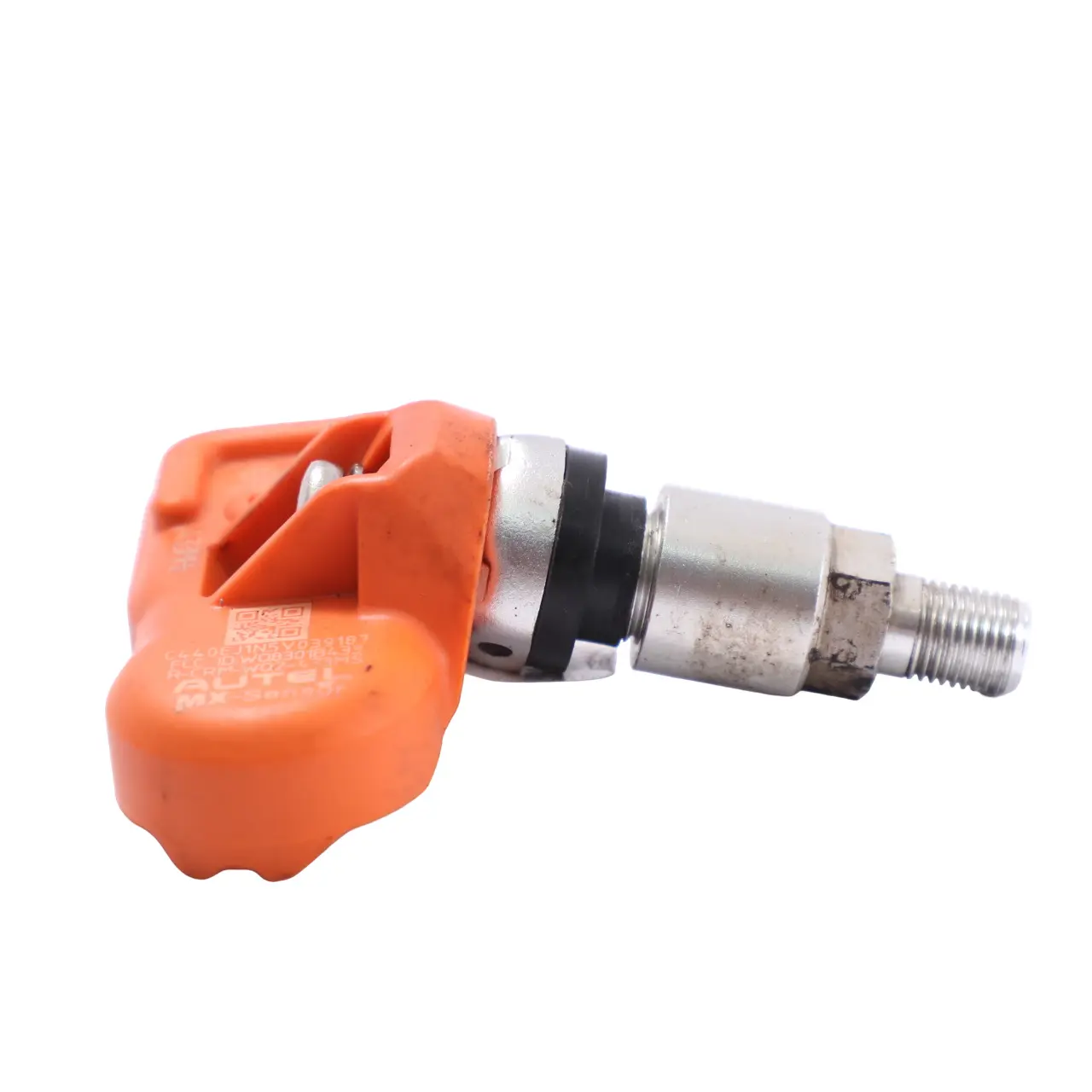
Part no. 10826A-TB433
Tyre Pressure Sensor Control Unit Module 433 Mhz 10826A-TB433
£23.95
Free delivery: Jul 08
If paid before 14:00
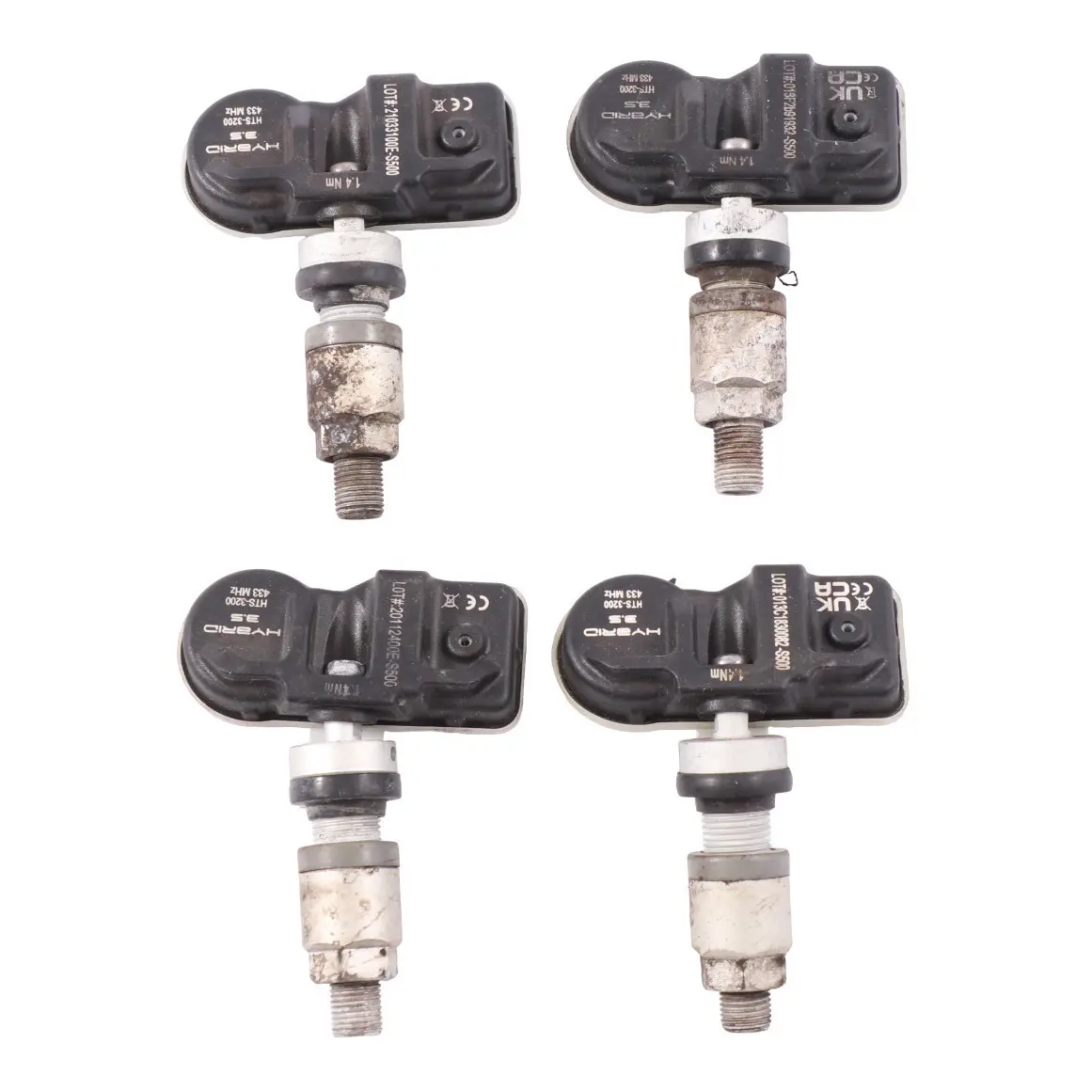
Part no. HTS-3200
Tyre Pressure Sensor Control Unit Module Set TPMS Hybrid 3.5 433 MHz HTS-3200
Product currently unavailable
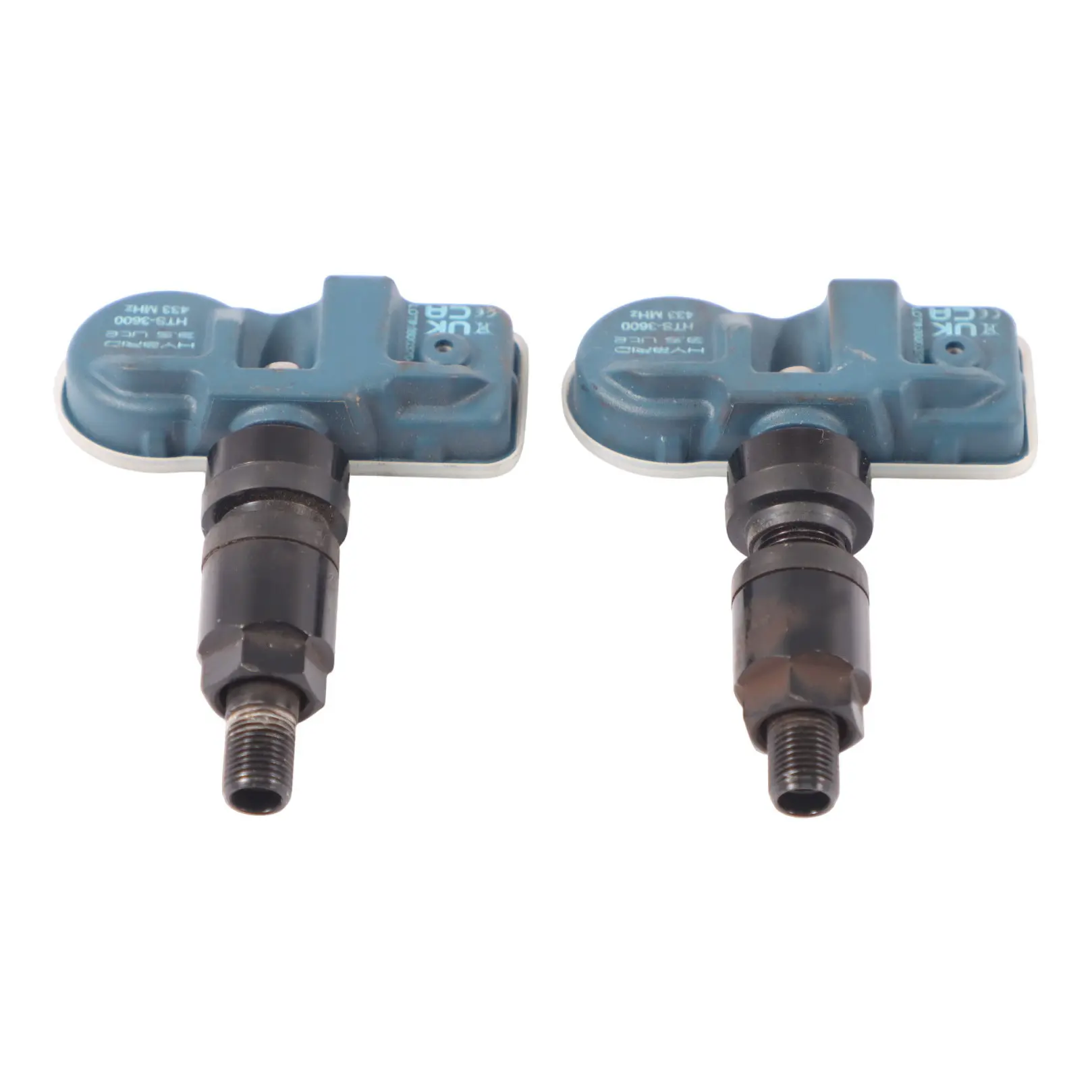
Part no. HTS-3600
Tyre Pressure Sensor Control Detector 433 MHz Set Kit HTS-3600
Product currently unavailable
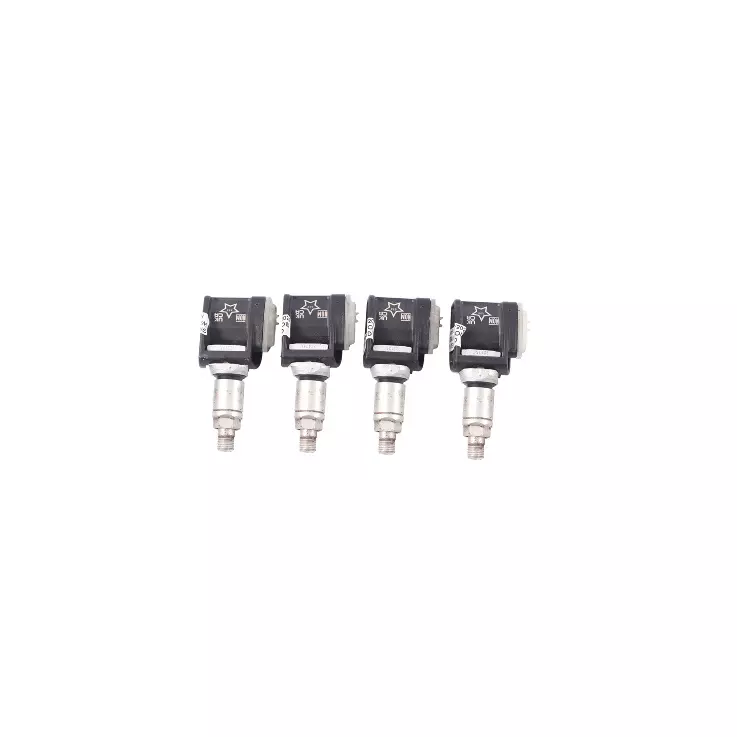
Tire pressure sensors for driving safety and control
Accurate tire pressure sensors for safe driving
Tire pressure sensors are advanced devices that monitor the pressure in a vehicle's wheels, providing the driver with up-to-date information on tire condition. Their proper operation is crucial for safety, fuel efficiency, and tire longevity. In the Global Parts automotive store, you will find a wide selection of used car parts, including tire pressure sensors, ideal for brands such as BMW, Audi, Mercedes, Volkswagen, and others.
What functions do tire pressure sensors perform?
Tire pressure sensors play essential roles in the tire monitoring system:
- Pressure monitoring – They transmit accurate information about tire pressure levels, helping to avoid dangerous situations.
- Warning of issues – They inform the driver about pressure drops, allowing for a quick response and preventing tire damage.
- Improving fuel efficiency – Correct pressure reduces rolling resistance, which translates into fuel savings.
Construction and purpose of tire pressure sensors
Tire pressure sensors are components typically mounted inside the wheel, at the valve or on the rim, which work with the vehicle's TPMS system. Such an assembly usually consists of a housing, measurement electronics, a signal transmitter, and an integrated or compatible valve. Its task is to read parameters from the wheel and transmit them to the car's controller. In practice, OEM number compatibility, communication type, and mounting location on the vehicle are significant.
Comparison of tire pressure sensor variants
| Variant | Characteristics | What to check before purchase |
|---|---|---|
| Direct TPMS sensor | Measures pressure in the wheel and sends data to the vehicle module. | OEM number, valve type, controller compatibility, vehicle placement. |
| Sensor with metal valve | Used in specific rim versions and monitoring systems. | Mounting type, thread condition, compatibility with the rim and valve. |
| Sensor with rubber valve | A solution found depending on the manufacturer and wheel version. | Valve type, seating method, compatibility with the wheel and replacement numbers. |
Why is it worth taking care of tire pressure sensors?
Wear or damage to tire pressure sensors can lead to incorrect tire monitoring, which affects driving safety. Typical symptoms of malfunction include:
- Dashboard errors – Messages about a tire pressure monitoring system failure may indicate problems with the sensors.
- Lack of current data – Defective sensors may prevent the reading of tire pressure.
- Uneven tire wear – Incorrect pressure levels resulting from a lack of information can lead to faster tread wear. If a replacement is needed, at Global Parts you will find suitable used car parts that will restore the full functionality of the pressure monitoring system.
The role of the TPMS system and cooperating elements
The TPMS system is used for constant control of tire parameters while driving and warning about pressure drops. It includes not only the sensors themselves but also signal receivers, a controller, and software that displays messages to the driver. When selecting, it is worth considering the condition of elements from the valves, nuts and caps department as well as compatibility with wheels from the complete wheels category. If you are looking for a component such as an Audi A4 B8 tire pressure sensor, it is good to compare the OEM number, system version, and programming method after installation.
How to choose the right tire pressure sensors?
When choosing tire pressure sensors, several key aspects should be considered:
- Matching the vehicle model – Every TPMS (Tire Pressure Monitoring System) has its specific requirements. In the Global Parts automotive store, you will find tire pressure sensors perfectly matched to BMW, Audi, Mercedes, Volkswagen, and others.
- Technical condition – Used sensors should be free from mechanical damage and compatible with the vehicle's electronic system.
- TPMS system type – Choose sensors suitable for your vehicle's system (direct or indirect monitoring).
Data needed for correct part selection
Sensor selection should be based on the OEM part number, replacement numbers, brand, condition, and information about the location on the vehicle. This data helps compare compatibility with a specific rim version, valve, and car electronics, without guessing based on appearance alone. When choosing a component like a Peugeot 3008 tire pressure sensor, it is important to check if the given variant works with a specific controller and if it requires adaptation after installation. In practice, it is also helpful to compare with the offer of the tires and alloy wheels departments when assembling a complete wheel set.
Why choose used tire pressure sensors?
Used car parts, such as tire pressure sensors, are an economical solution that allows for savings while maintaining high quality. By choosing used TPMS sensors, you gain:
- Lower costs – Used sensors are significantly cheaper than new ones but offer equally high quality.
- Ecology – Recycling car parts supports environmental protection and reduces waste.
- Wide offer – In our store, you will find used tire pressure sensors for the most popular car brands.
Practical installation tips and post-replacement checks
Installation of the sensor requires careful seating in the wheel and checking the valve for leaks after mounting the tire. After replacement, identification of the sensor by the car or an adaptation procedure is often necessary, depending on the system version. For parts such as BMW F10 tire pressure sensors, it is worth verifying the OEM number, rim type, and whether the sensor operates in the correct wheel position. Such checks can also be supplemented by elements from the tire accessories group, useful during service and seasonal tire changes.
How to take care of tire pressure sensors?
To ensure tire pressure sensors work reliably for a long time, it is worth following a few rules:
- Regular inspections – Check the condition of the sensors during tire changes or technical inspections.
- Maintain proper tire pressure – Correct pressure values prevent overloading the TPMS system.
- Respond to system errors – If the system reports a failure, check and replace damaged sensors immediately.
FAQ
| Question | Answer |
|---|---|
| What is the construction and purpose of tire pressure sensors? | Tire pressure sensors are components mounted within the wheel, most often at the valve or on the rim, which work with the TPMS system. A typical element includes a housing, a measurement system, a power supply, and a module transmitting data to the vehicle's electronics. Their purpose is the ongoing control of tire parameters and sending readings to the car's controller. When selecting, the OEM number, mounting type, and compatibility with a specific vehicle version are important. |
| What are tire pressure sensors used for? | Tire pressure sensors are used to monitor tire condition during parking and driving. Their task is to detect pressure drops and transmit information to the onboard system before the problem affects the car's handling or tread wear. A functional system makes it easier to maintain proper wheel operating parameters and reduces the risk of driving on an underinflated tire. |
| What role does the valve cooperating with the TPMS sensor play? | The valve cooperating with the TPMS sensor is the element responsible for connecting the sensor to the rim and maintaining wheel tightness. Depending on the design, it can be integrated with the sensor or be a service part replaced during wheel maintenance. Its condition affects the stability of the mount, system tightness, and the correct operation of the entire set. When replacing, it is worth checking the valve type, mounting method, and compatibility with the rim. |
| How to select tire pressure sensors for a specific car? | It is safest to compare the OEM part number, replacement numbers, vehicle brand, and information about the location on the vehicle. It is worth considering the equipment version, rim type, and TPMS controller requirements. The appearance of the housing alone is not always enough to confirm compatibility. |
| What symptoms indicate a problem with a tire pressure sensor? | Most often, a system error message appears, a lack of reading from one wheel, or unstable indications after starting the car. It also happens that the system does not recognize the sensor after a seasonal wheel change. Such symptoms should be compared with the condition of the valve, rim, and the tire itself. |
| How does the installation and activation of tire pressure sensors proceed? | Installation involves seating the sensor in the wheel, properly fastening the valve, and checking for leaks after mounting the tire. On the electronics side, adaptation, coding, or automatic recognition by the vehicle may be required, depending on the solution used by the manufacturer. Before installation, it is worth comparing the compatibility of the part with the wheel and system version. |
Summary: tire pressure sensors in the Global Parts automotive store
Tire pressure sensors are key elements ensuring safety and driving efficiency. By taking care of their technical condition, you can prevent tire problems and improve vehicle performance. In the Global Parts offer, you will find solutions matched to brands such as BMW, Mercedes, Land Rover, and others, taking into account parameters important during selection, such as OEM number, replacement numbers, or location on the vehicle. It is also worth checking out the comparison of costs and quality of car parts if you want to better evaluate the differences between variants of new and used components. We invite you to contact us – we are here to help you! For more information and interesting facts, we also invite you to our automotive blog.