


Tensioners & Pulleys
More informationAt the Global Parts automotive store, we offer a wide selection of original used car parts, including tensioners and rollers for many popular car brands such as BMW, Mini, Mercedes, Audi, Volkswagen and others. The tensioners and rollers we offer undergo quality control so that you can be sure that you are receiving a top-class product.
GB
Make
Category
Subcategory
Timing Components & Kits
Condition
In Stock
Price
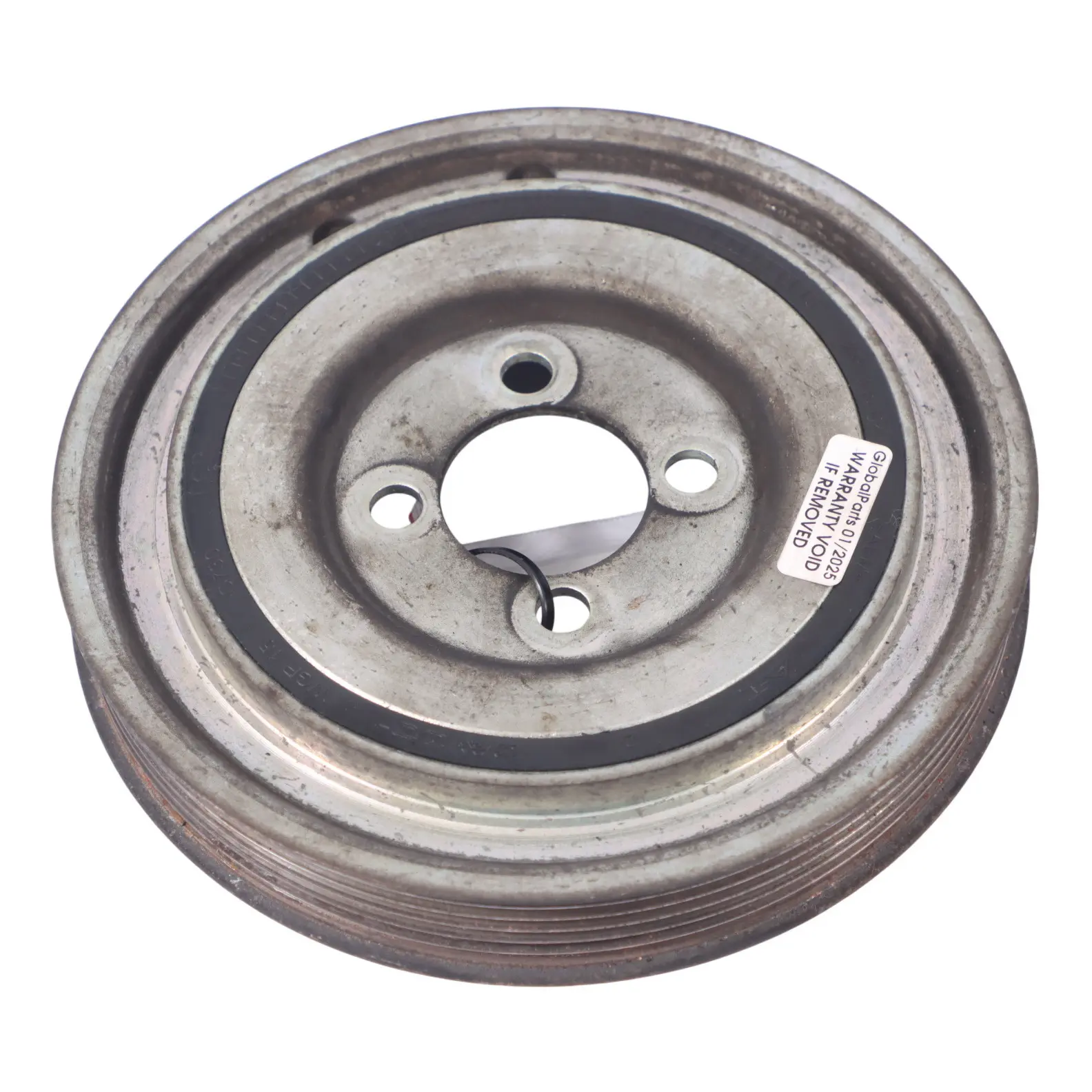
Part no. 93177317
Vauxhall Opel Corsa D Engine Vibration Damper Crankshaft Pulley 93177317
Product currently unavailable
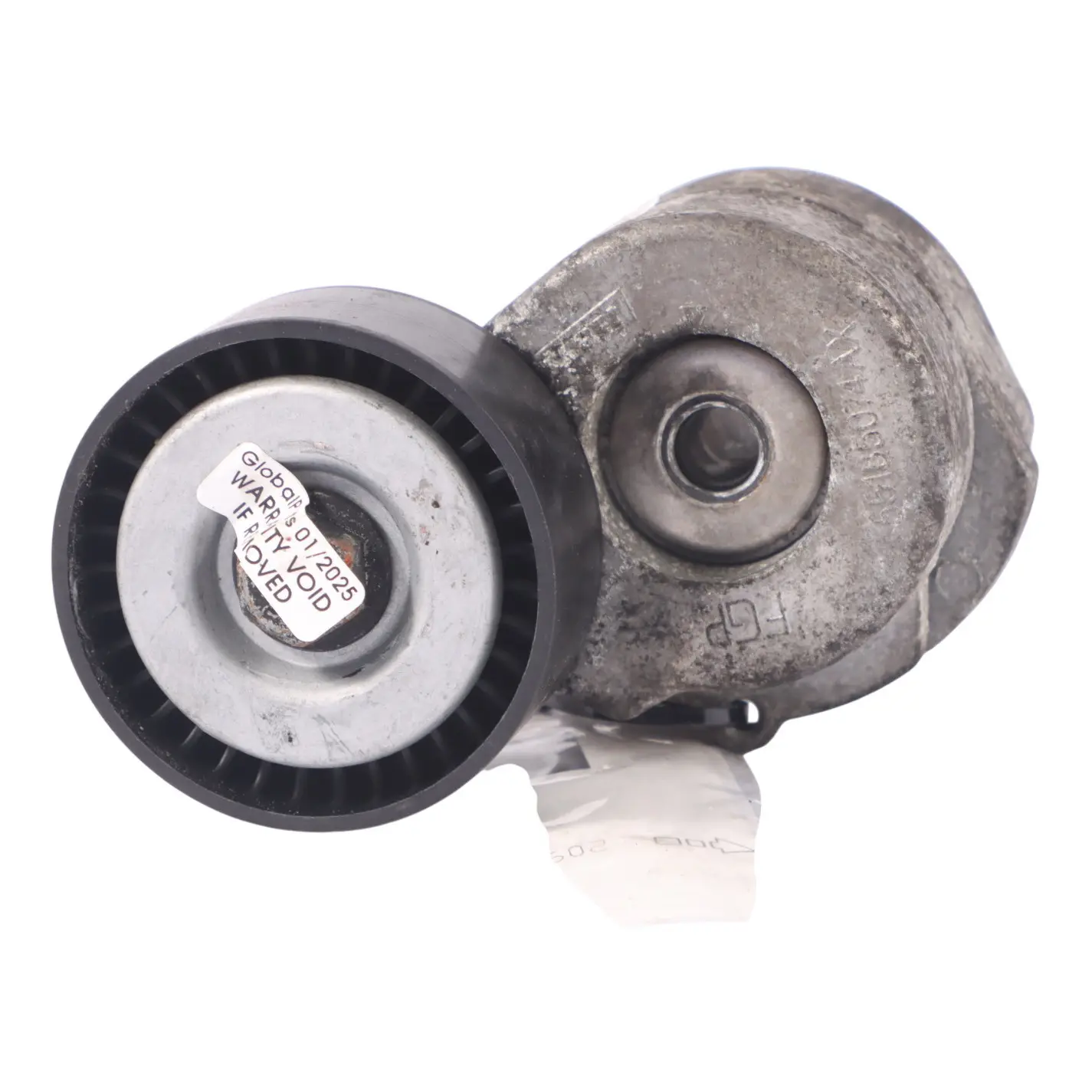
Part no. 55185074AX
Vauxhall Opel Corsa D Engine Belt Pulley Alternator Tensioner 55185074AX
Product currently unavailable
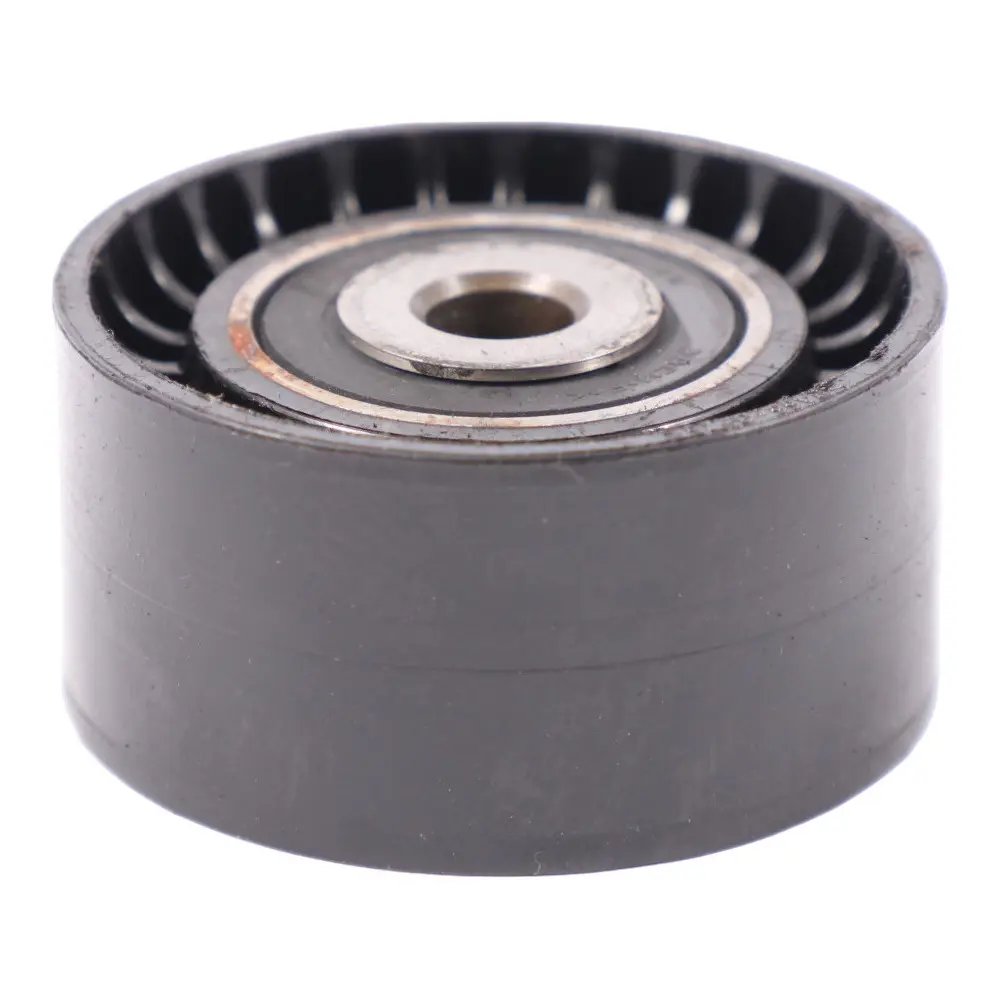
Part no. 8200725951
Vauxhall Vivaro Diesel Belt Tensioner Pulley 8200725951
Product currently unavailable
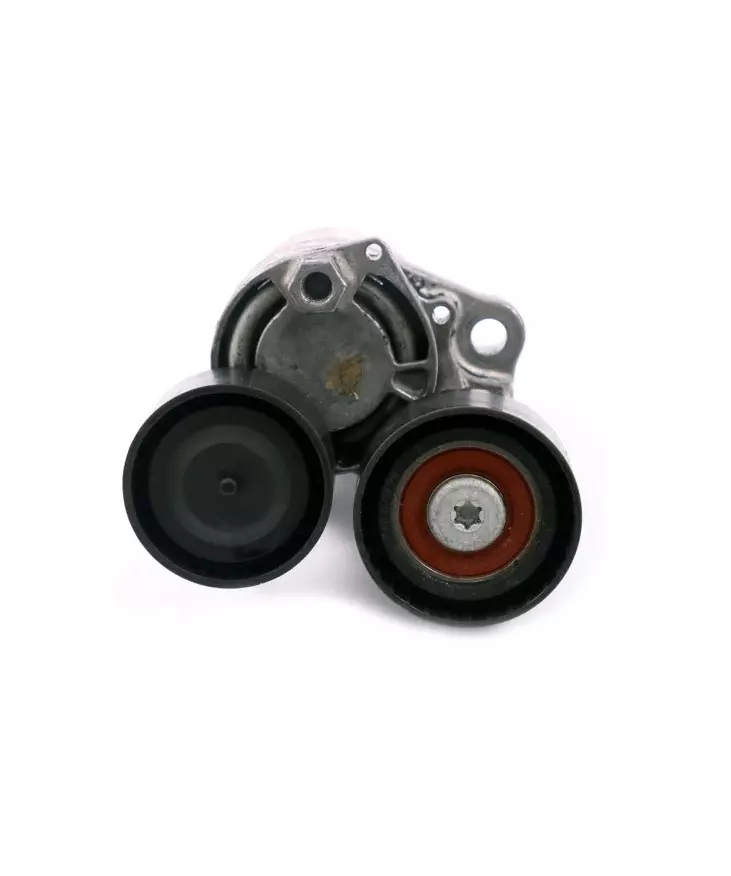
Tensioners and rollers for smooth timing system operation
Tensioners and rollers for accurate timing belt and chain guidance
Tensioners and pulleys are key components of the timing and drive system, responsible for maintaining the correct tension of belts and chains and ensuring their smooth operation. They ensure the durability of components and the precision of the engine unit. In the Global Parts automotive store, you will find a wide selection of used car parts, including tensioners and pulleys, ideal for brands such as BMW, Audi, Mercedes, Volkswagen, Mini, and others.
What functions do tensioners and pulleys perform?
Tensioners and pulleys play a vital role in the operation of the timing system:
- Maintaining proper tension – They prevent the belt or chain from loosening, which could disrupt the system's synchronization.
- Reducing friction – Pulleys reduce mechanical resistance and extend the service life of timing system components.
- Drive guidance – Pulleys ensure the stability of belts or chains during operation, which translates into smooth engine performance.
Construction and purpose of tensioners and pulleys
Tensioners and pulleys are components mounted within the timing system or engine accessories, designed to guide and stabilize the operation of a belt or chain. A typical set consists of a housing, a bearing, a pulley working surface, and mounting points, and depending on the version, also a spring or hydraulic mechanism. Their position and method of operation should always be verified according to the OEM number, engine version, and mounting location.
Comparison of tensioner and pulley types
| Component type | Application | What to check before purchase |
|---|---|---|
| Guide pulley | Guides the belt or chain along the correct path | OEM number, diameter, width, bearing type, and mounting method |
| Tensioner pulley | Maintains the correct tension of the drive element | Engine compatibility, mounting position, geometry, and type of mating belt |
| Mechanical or hydraulic tensioner | Automatically compensates for tension changes during engine operation | Engine unit version, mounting points, OEM part number, and replacement numbers |
How to choose the right tensioners and pulleys?
When choosing tensioners and pulleys, you should pay attention to several key aspects:
- Compatibility with the vehicle model – Each component must be consistent with the vehicle's design and technical specifications. In the Global Parts automotive store, you will find tensioners and pulleys perfectly matched to BMW, Audi, Mercedes, Volkswagen, Mini, and others.
- Technical condition – Used components should be free from cracks, deformations, and other damage.
- Material quality – Choose tensioners and pulleys made of materials resistant to high temperatures, pressure, and mechanical stress.
Selection principles for the engine and accessories
The selection of a tensioner or pulley should consider not only the car brand but also the engine code, fuel type, and accessory version. In product cards, it is worth comparing data such as Brand, Condition, OEM Part Number, Replacement Numbers, and Fuel Type, because even visually similar components may have different mounting points or working diameters. For parts such as an m57 pulley, it is crucial to compare the OEM number, working diameter, and compatibility with mating accessories.
Mating components and signs of wear
A guide pulley is a component that maintains the correct belt path and limits its vibrations during engine operation. Bearing wear, misalignment, or excessive play can cause noise, uneven belt operation, and faster wear of adjacent parts, such as timing belts or guides. When choosing a component like an n47 BMW pulley, it is worth checking the torsional vibration damping, groove compatibility, and the method of seating on the shaft or accessory.
Why choose used tensioners and pulleys?
Used car parts, such as tensioners and pulleys, are a practical solution that allows for savings while maintaining high quality. By choosing used tensioners and pulleys, you gain:
- Lower costs – Used components are significantly cheaper than new ones but offer equally high quality.
- Ecology – Recycling car parts supports environmental protection and reduces waste.
- Wide selection – In our store, you will find tensioners and pulleys for the most popular car brands.
Why is it worth taking care of tensioners and pulleys?
Damage or wear of tensioners and pulleys can lead to serious problems with the timing system and engine operation. Typical problems include:
- Noise and squealing – Worn pulleys or faulty tensioners can cause loud timing system operation.
- Loosening of the belt or chain – Improper tension can lead to skipping or damage.
- Decrease in engine performance – Faulty tensioners can disrupt timing synchronization, which translates into uneven engine operation.
- Increased component wear – Excessive friction caused by pulley damage can shorten the life of belts and chains.
Importance of timing system compatibility
A tensioner is used to maintain constant pressure in the system, ensuring the belt or chain operates without excessive slack or deviation. An incorrectly selected component can disrupt cooperation with parts such as timing sprockets and timing chain and belt kits, which is why you should compare the completeness of the set, the position of the tensioner, and the engine unit version. If you are looking for a component like an om651 timing set, it is good to verify the compatibility of all mating elements, not just a single pulley.
How to maintain tensioners and pulleys?
To ensure tensioners and pulleys work reliably for a long time, it is worth following a few rules:
- Regular inspections – Check the condition of tensioners and pulleys during technical inspections, especially when replacing the timing belt.
- Replacement according to recommendations – Follow the replacement schedule recommended by the vehicle manufacturer.
- Monitoring symptoms – Respond to any noise, uneven system operation, or other disturbing symptoms. A helpful supplement for diagnosing components working with the drive is also the article Steering system and power steering – how it works and what breaks?, which describes how to analyze symptoms and approach the selection of used parts. If a replacement is needed, at Global Parts you will find suitable used parts that will help restore full efficiency to your timing system.
FAQ
| Question | Answer |
|---|---|
| What is the construction and purpose of tensioners and pulleys? | Tensioners and pulleys are components of the timing or accessory drive system, mounted near the belt or chain in the engine compartment. A typical assembly includes a housing, a bearing, a guide surface, and mounting points, and in some versions, a self-tensioning mechanism. Their task is to maintain the correct path and tension of the drive element. |
| What are tensioners and pulleys used for? | Tensioners and pulleys are used to stabilize the operation of a belt or chain and limit vibrations during engine operation. They influence the correct synchronization of components, operating culture, and the durability of mating parts. Without proper tension, accelerated wear, noise, or incorrect timing operation may occur. |
| What is the construction and function of a guide pulley? | A guide pulley is a component rotating on a bearing that determines the correct belt path and maintains its stability on a specific route. Its construction includes a working part, bearings, and a mounting hole or sleeve. In addition to guiding, it also reduces vibrations and limits uneven wear of mating surfaces. |
| How to select tensioners and pulleys for a specific car? | It is safest to compare the OEM part number, replacement numbers, engine version, fuel type, and mounting location. It is also worth checking the working diameter, type of mounting, and whether the element works with a belt, chain, or auxiliary accessories. For several variants of the same model, verification by VIN is also helpful. |
| What symptoms indicate wear of tensioners and pulleys? | The most common symptoms are bearing noise, squealing, uneven belt operation, and visible signs of excessive friction. You may also notice accessory vibrations, play on the pulley, or an incorrect belt path. Such signals should be compared with the condition of mating parts to assess the entire system. |
| What data should be considered when buying a used component? | When buying, it is worth checking the condition of the working surface, smoothness of rotation, absence of cracks, and completeness of mounting points. Compliance of markings with manufacturer documentation and comparison with the OEM number are also important. In many cases, confirming that the part fits a specific engine version and equipment is also helpful. |
Summary: tensioners and pulleys at the Global Parts automotive store
Tensioners and pulleys are essential components of the timing system that ensure its durability, precision, and smooth operation. By taking care of their technical condition, you can prevent costly failures and ensure engine reliability. The Global Parts offer includes used parts matched to cars from brands such as BMW, Mercedes, Audi, and others, taking into account the data needed to verify compatibility, such as the OEM number, replacement numbers, or engine version. We invite you to contact us – we are here to help! For more information and interesting facts, we also invite you to visit our automotive blog.