


Temperature Sensors
More informationAt the Global Parts automotive store, we offer a wide selection of original used car parts, including temperature sensors for many popular car brands such as BMW, Mini, Mercedes, Audi, Volkswagen and others. The temperature sensors we offer undergo quality control so that you can be sure that you are receiving a top-class product.
GB
Make
Category
Subcategory
Condition
In Stock
Price
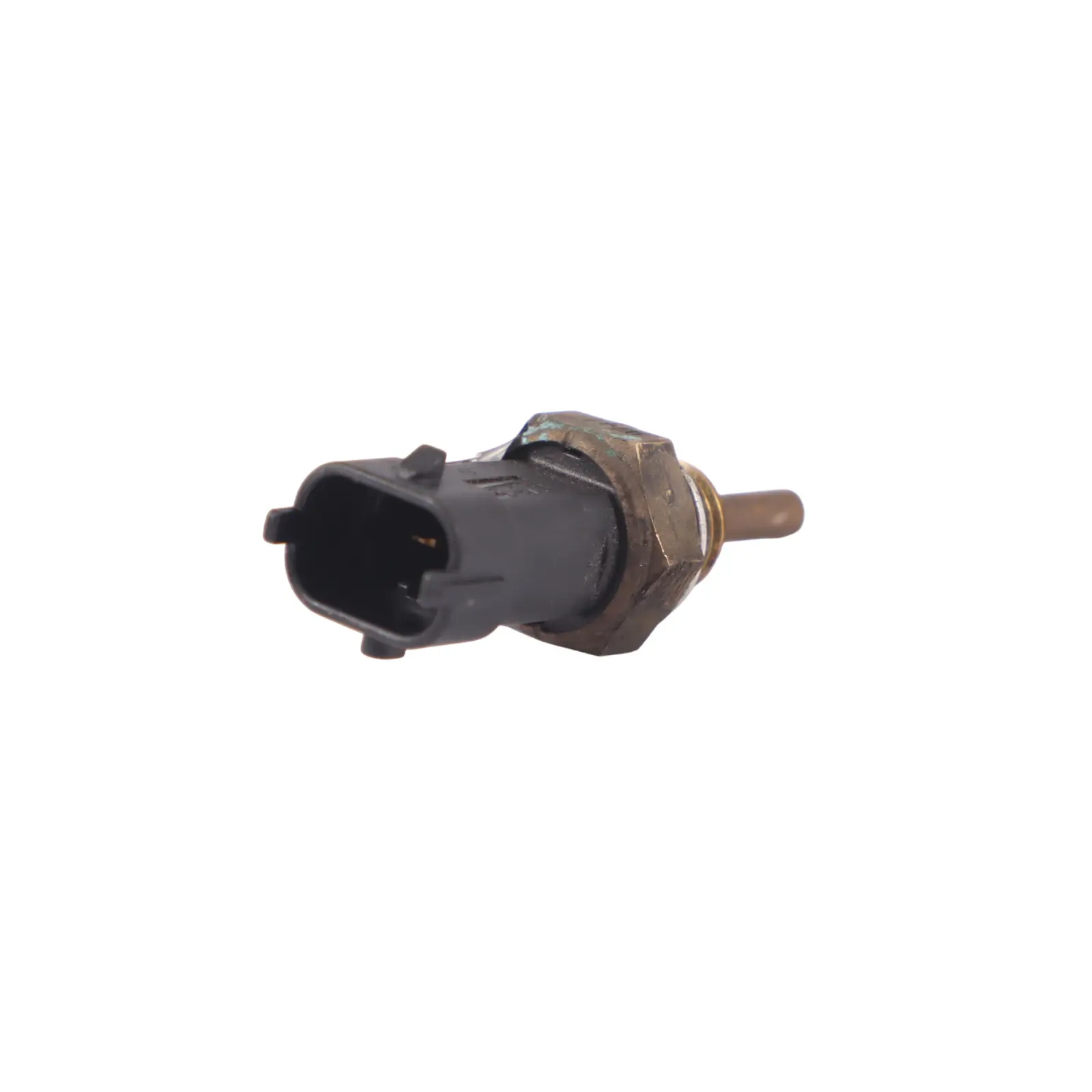
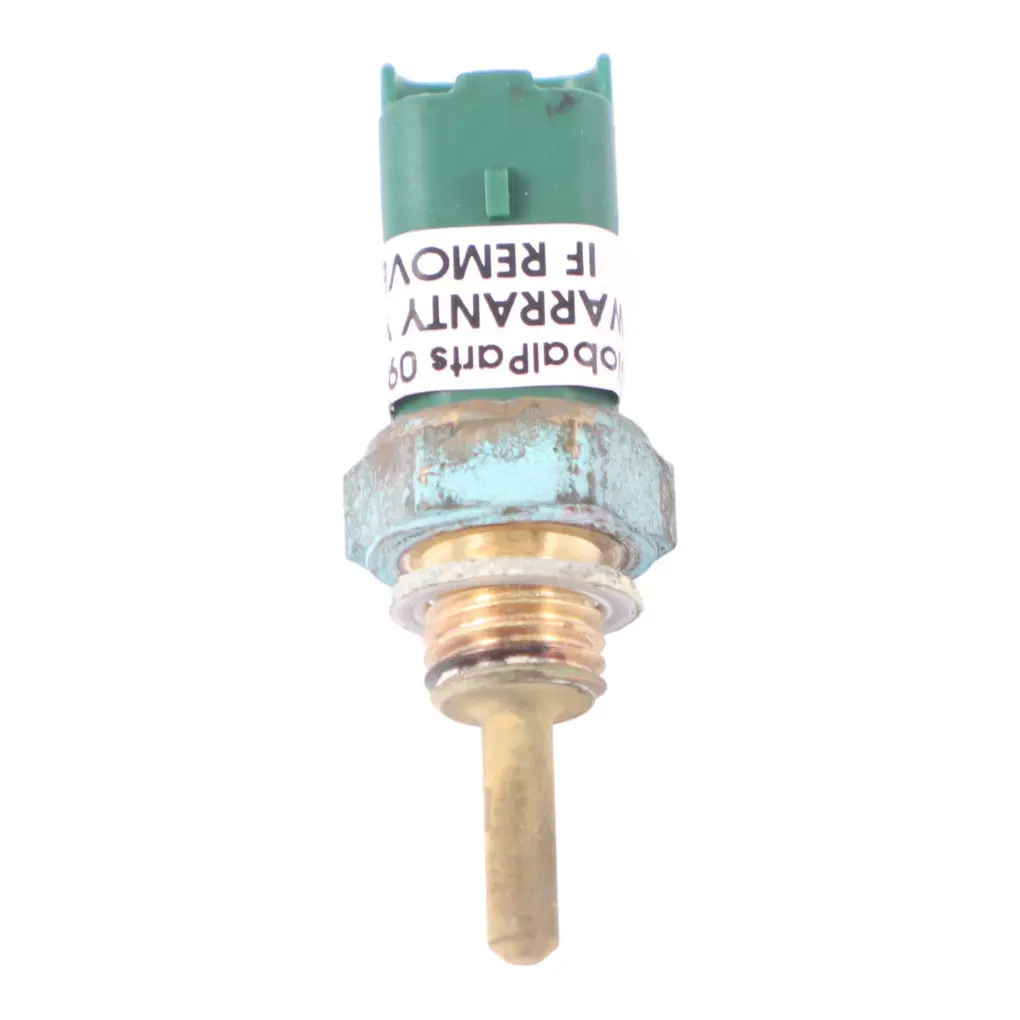
Engine temperature sensors for accurate performance monitoring
Precise engine temperature sensors for performance monitoring
Coolant temperature sensors are key components for monitoring and regulating engine operating temperature. Thanks to precise measurements transmitted to the vehicle's control systems, these sensors enable the maintenance of optimal engine performance parameters, preventing overheating or undercooling. In the Global Parts automotive store, you will find a wide selection of used car parts, including temperature sensors, perfectly matched to brands such as BMW, Audi, Mercedes, Volkswagen, Mini, and others.
What functions do coolant temperature sensors perform?
Temperature sensors in the cooling system play a crucial role in maintaining the proper operation of the vehicle:
- Monitoring coolant temperature – They provide precise data on fluid temperature to the engine control unit (ECU).
- Regulating fan operation – They activate the radiator fan at the appropriate moment to prevent engine overheating.
- Supporting control systems – Data from temperature sensors is used to optimize engine operation, air conditioning, and the heating system.
- Notifying the driver – They inform about temperature issues via dashboard gauges or warning lights.
Design and purpose of temperature sensors
Temperature sensors are measuring elements mounted at points within the coolant circulation, most commonly in the thermostat housing, water neck, radiator, or engine cylinder head. Their task is to read the medium's temperature and transmit a signal to the engine controller or the dashboard gauge. A typical sensor consists of a body, a thread or snap-in mount, a seal, and an electrical connector. In practice, the mounting location, number of pins, and OEM number compatibility are what matter when selecting a part.
Comparison of common temperature sensor variants
| Sensor type | Mounting location | Main function | What to check before purchase |
|---|---|---|---|
| Coolant temperature sensor | Thermostat housing, water neck, cylinder head | Transmits data to the ECU and temperature gauge | OEM number, connector type, number of pins, sealing method |
| Thermal fan switch | Radiator or cooling system hose | Activates the fan at a specific temperature | Thread, application range depending on version, installation compatibility |
| Temperature sensor integrated with housing | Water neck or cooling module assembly | Combines temperature measurement with a specific flow point | Housing completeness, mounting points, engine version compatibility |
Why is it worth taking care of coolant temperature sensors?
Sensor malfunctions can lead to problems with the cooling system, engine, and other vehicle systems. Typical symptoms of failure include:
- Incorrect temperature readings – The dashboard gauge shows erroneous values or the temperature light turns on for no reason.
- Engine overheating – A damaged sensor may prevent the radiator fan from starting on time.
- Starting problems – A faulty sensor can affect fuel dosing, making it difficult to start the engine.
- High fuel consumption – Incorrect temperature data can disrupt the fuel injection system, increasing fuel usage. If a replacement is needed, at Global Parts you will find suitable used car parts that will restore the full functionality of your cooling system.
The importance of the temperature signal for engine operation
The signal from the temperature sensor is used to calculate engine operation strategies under various conditions, from cold starts to full load. An incorrect reading can affect fuel dosage, fan activation timing, and cabin heating performance. The concept of electrical compatibility here means the sensor's characteristics must match the vehicle's installation, not just the thread fitment. For parts such as a BMW E90 temperature sensor, it is worth comparing the OEM number, plug shape, and mounting location for the specific engine version.
How to choose the right coolant temperature sensors?
When choosing coolant temperature sensors, several key aspects should be considered:
- Matching the vehicle model – Every cooling system has its specific technical requirements. At Global Parts, you will find temperature sensors perfectly matched to BMW, Audi, Mercedes, Volkswagen, Mini, and others.
- Technical condition – Used sensors should be fully functional, free from mechanical and electrical damage.
- Cooling system compatibility – Ensure the selected sensor works with your vehicle's electronics.
Selecting a sensor by OEM, fuel type, and associated components
Sensor selection should consider not only the car model but also the fuel type, equipment version, and associated parts within the Engine cooling category. If you are comparing a dismantled part, check the manufacturer's marking, OEM part number, interchangeable numbers, and whether the sensor works with Thermostats and cooling system housings or Expansion tanks. When choosing an element like a VW T5 temperature sensor, the pin layout and mounting type are also significant, as differences between versions may concern the connector itself.
Why choose used coolant temperature sensors?
Used car parts, such as used temperature sensors, are an economical solution that allows for savings while maintaining high quality. By choosing used cooling system components, you gain:
- Lower costs – Used sensors are significantly cheaper than new ones but offer equally high quality.
- Ecology – Recycling parts supports environmental protection and reduces waste.
- Wide selection – In our store, you will find used temperature sensors for the cooling system for many car brands.
Sensor cooperation with other cooling system parts
A temperature sensor does not work in isolation from the rest of the system, as it reads fluid operating conditions and transmits information to control other components. This means that during diagnostics, it is worth checking Water radiators and Cooling system hoses and pipes if there are temperature fluctuations or leaks. If you are looking for a component like a VW Touran temperature sensor, it is also good to compare the seal type and socket position relative to adjacent hoses. Technical knowledge can be supplemented by our article on Dismantled drive axles and differentials – how to choose gear ratios for your driving style, which shows how important it is to match parts according to specific parameters.
How to maintain coolant temperature sensors?
To ensure coolant temperature sensors work reliably for a long time, it is worth following a few rules:
- Regular diagnostics – Check the condition of sensors during periodic technical inspections.
- Avoid engine overheating – Ensure all cooling system components are working efficiently.
- Replace on time – Damaged sensors should be replaced to avoid cooling system and engine problems.
FAQ
| Question | Answer |
|---|---|
| What is the design and purpose of temperature sensors? | Temperature sensors are cooling system measuring elements mounted where coolant flows. A typical sensor consists of a working part sensitive to temperature, a body with a mount, a seal, and an electrical connector. Their purpose is to transmit temperature information to the engine controller, gauge, or fan control module. |
| What are temperature sensors used for? | Temperature sensors are used for continuous monitoring of the engine's operating temperature and coolant. Thanks to them, the control system can determine the fan activation moment, fuel dosage correction, and heating operation. Without a correct signal, the engine may run on incorrect parameters, and temperature readings may be unreliable. |
| What is the design and function of a thermostat housing in the cooling system? | The thermostat housing is a component that often contains the temperature sensor socket and directs coolant flow between the small and large circuits. It consists of a body, flow channels, mounting points, and seats for seals and sensors. Its function is to maintain proper flow and ensure correct seating of associated components. |
| How to choose a temperature sensor for a specific car version? | The safest way is to compare the OEM part number, connector type, number of pins, and exact mounting location. It is also worth checking the fuel type, engine version, and any interchangeable numbers, as similar-looking sensors do not always operate with the same characteristics. |
| What symptoms may indicate a problem with a temperature sensor? | Typical symptoms include erroneous temperature readings, fan activation that is too late or too early, starting problems, and increased fuel consumption. In practice, it is worth distinguishing a sensor fault from problems with the installation, connector, or coolant circulation. |
| What should be paid attention to when installing a used temperature sensor? | Before installation, check the condition of the pins, body, and seal, and ensure the socket in the system is clean and undamaged. It is also important to seat the sensor correctly and ensure it matches the vehicle's electrical installation so that the reading is stable and consistent with the controller's parameters. |
Summary: temperature sensors at the Global Parts automotive store
Coolant temperature sensors are essential components that support the proper operation of the cooling system and engine. By taking care of their technical condition, you can avoid costly repairs and ensure your vehicle's reliability. The Global Parts offer includes used parts matched to many brands, including Audi, Mercedes, Unbranded, and others, taking into account data such as brand, condition, OEM part number, interchangeable numbers, and fuel type. We invite you to contact us – we are here to help! For more information and interesting facts, we also invite you to visit our automotive blog.