


Screens
GB
Make
Category
Subcategory
Condition
In Stock
Price
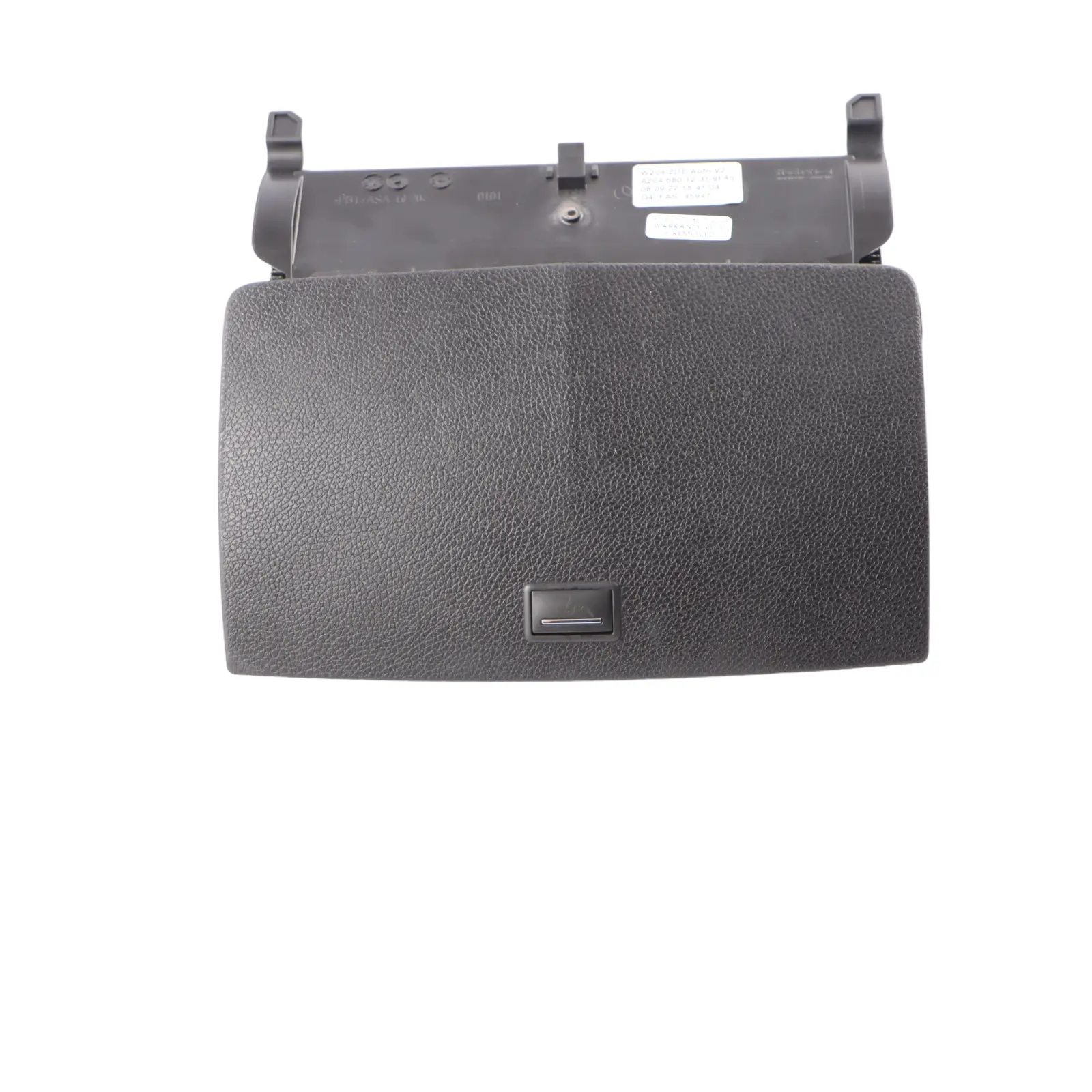
Part no. A2048204297
Mercedes W204 Car Stereo Radio Display Screen LCD A2048204297
£18.95
Free delivery: Jul 06
If paid before 14:00
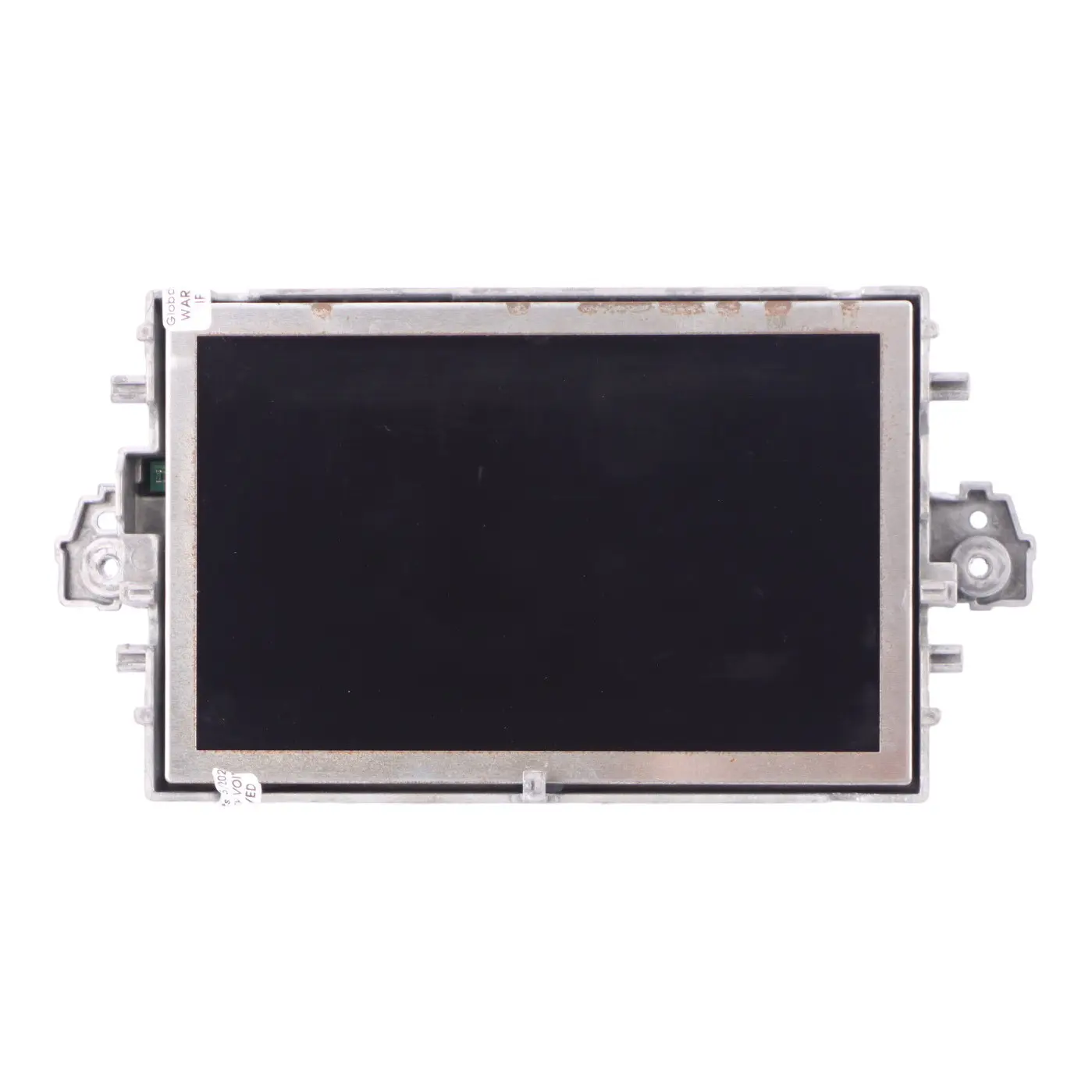
Part no. A2129002216-1
Display Screen Mercedes W212 Information Navigation Dashboard A2129002216
Product currently unavailable
Part no. A2129009616
Screen Mercedes W212 Dashboard Central Display A2129009616
Product currently unavailable
Part no. rhd-A2135406986
Mercedes W213 Sat Nav Display Wide Screen Instrument Cluster A2135406986
Product currently unavailable
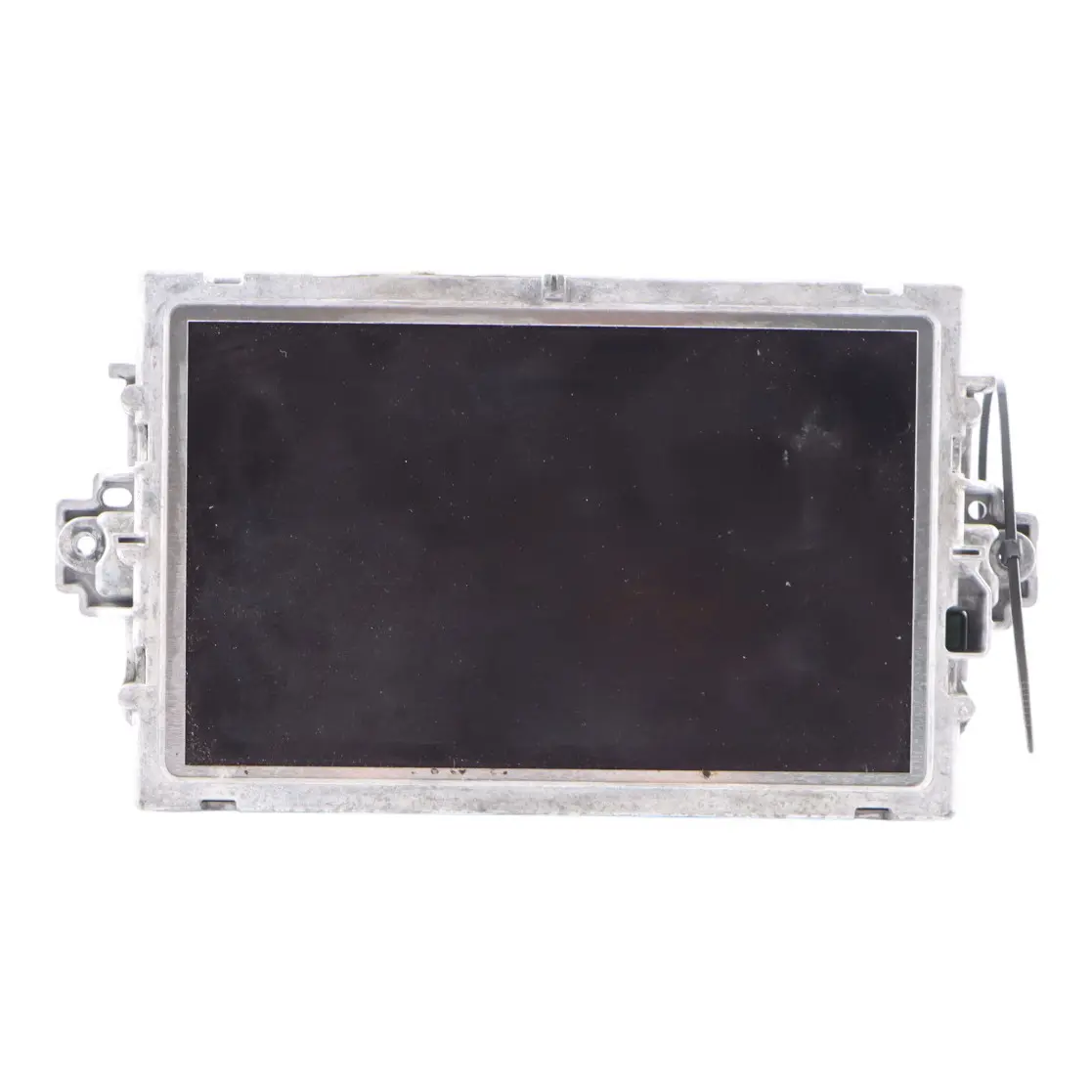
Part no. A2049005105
Mercedes W204 Multimedia MMI Stereo Sat Nav Display Screen Head Unit A2049005105
Product currently unavailable
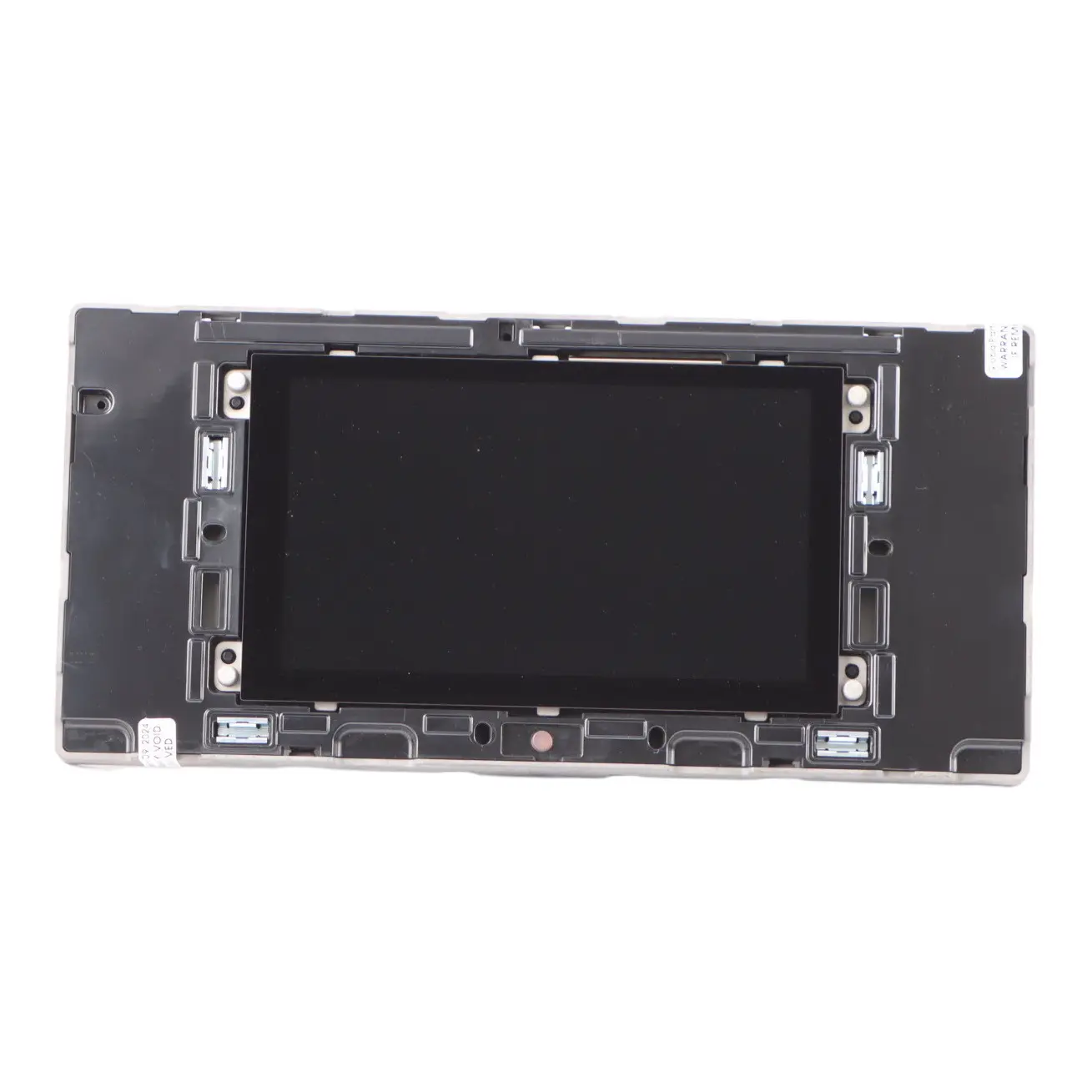
Part no. A9079000508
Radio Display Mercedes Sprinter W907 Multifunction Screen A9079000508
Product currently unavailable
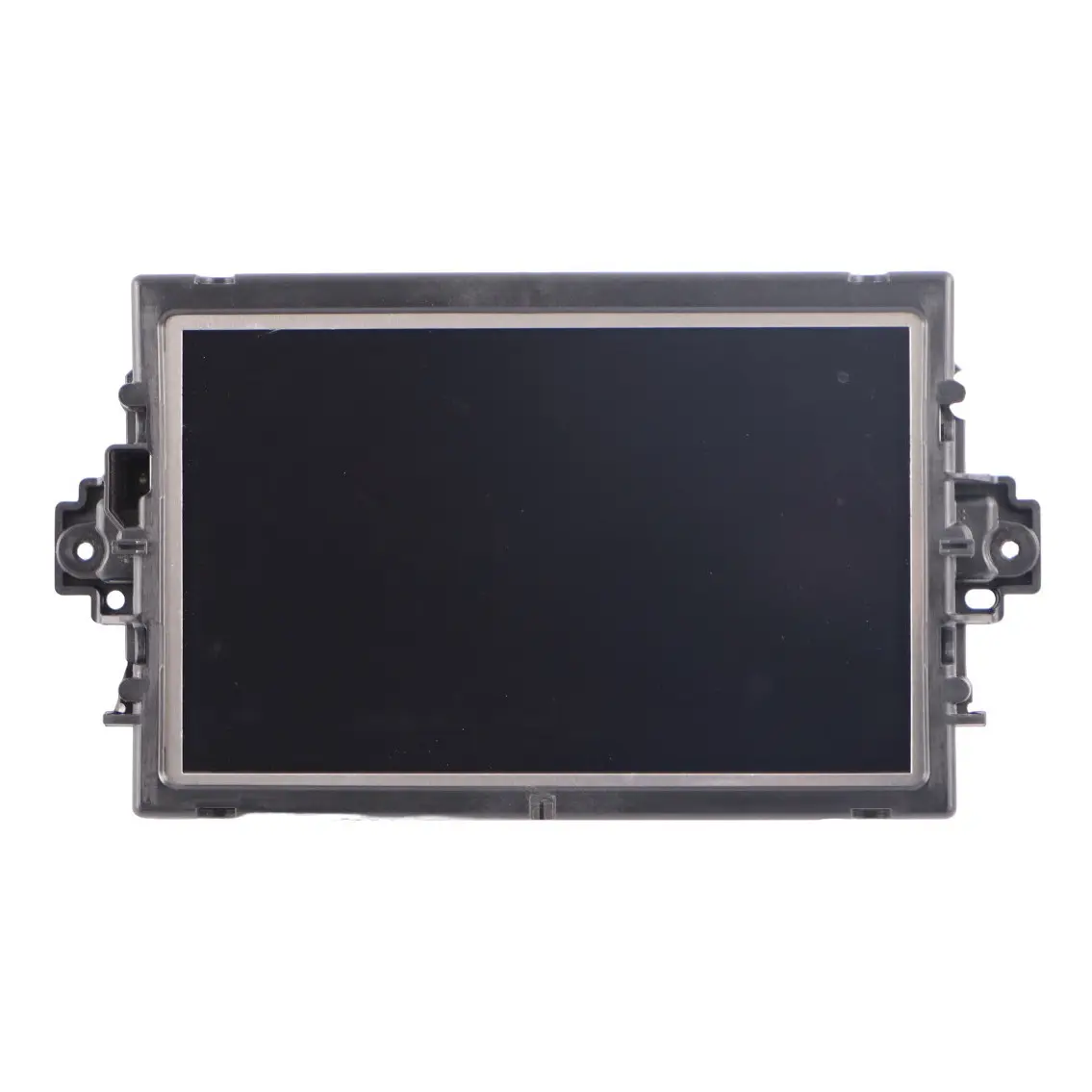
Part no. A1729000102
Mercedes SLK R172 GPS Navigation System Screen Display A1729000102
Product currently unavailable
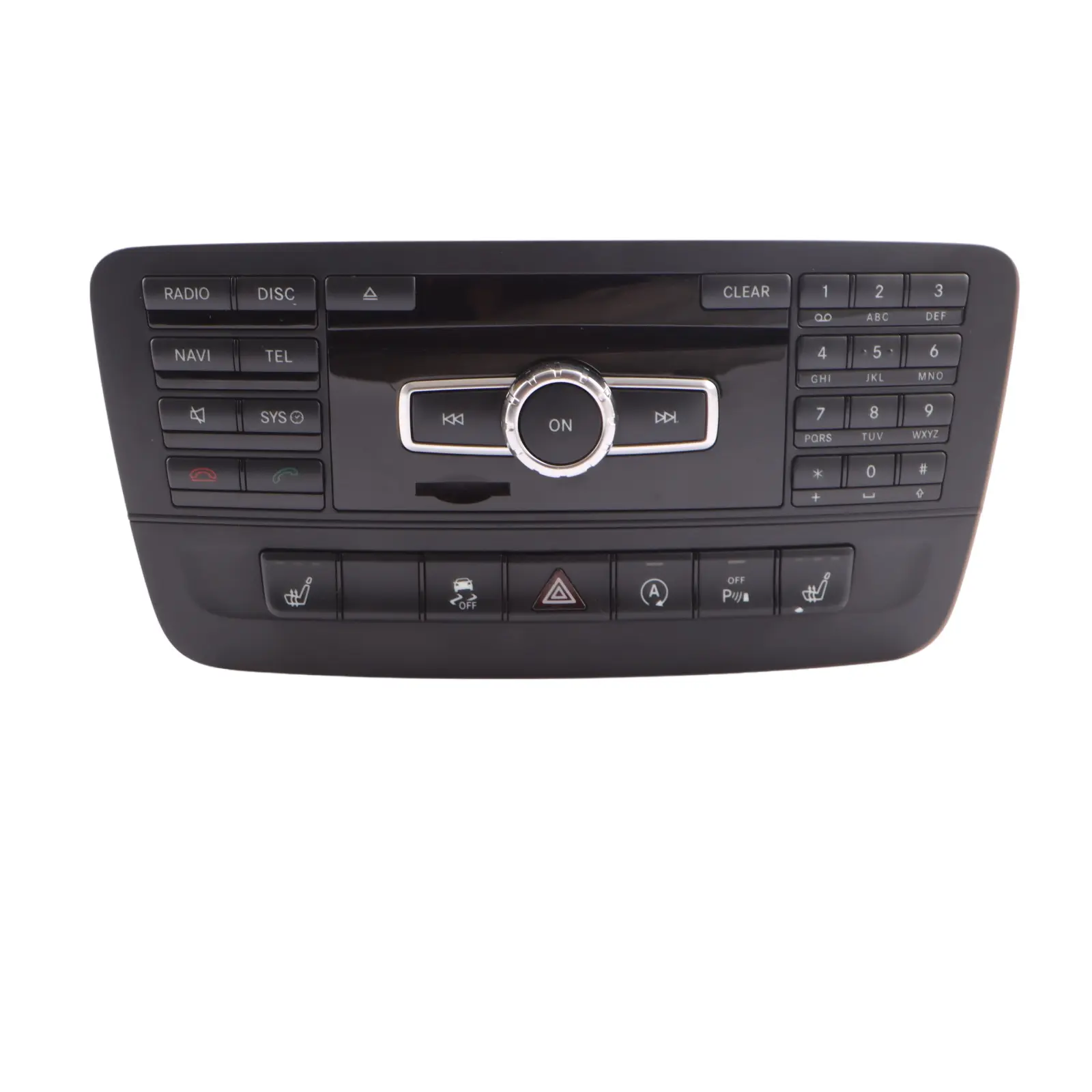
Part no. A2469008313
Radio Media Headunit Mercedes C117 W176 Sat Navigation Control Panel A2469008313
Product currently unavailable
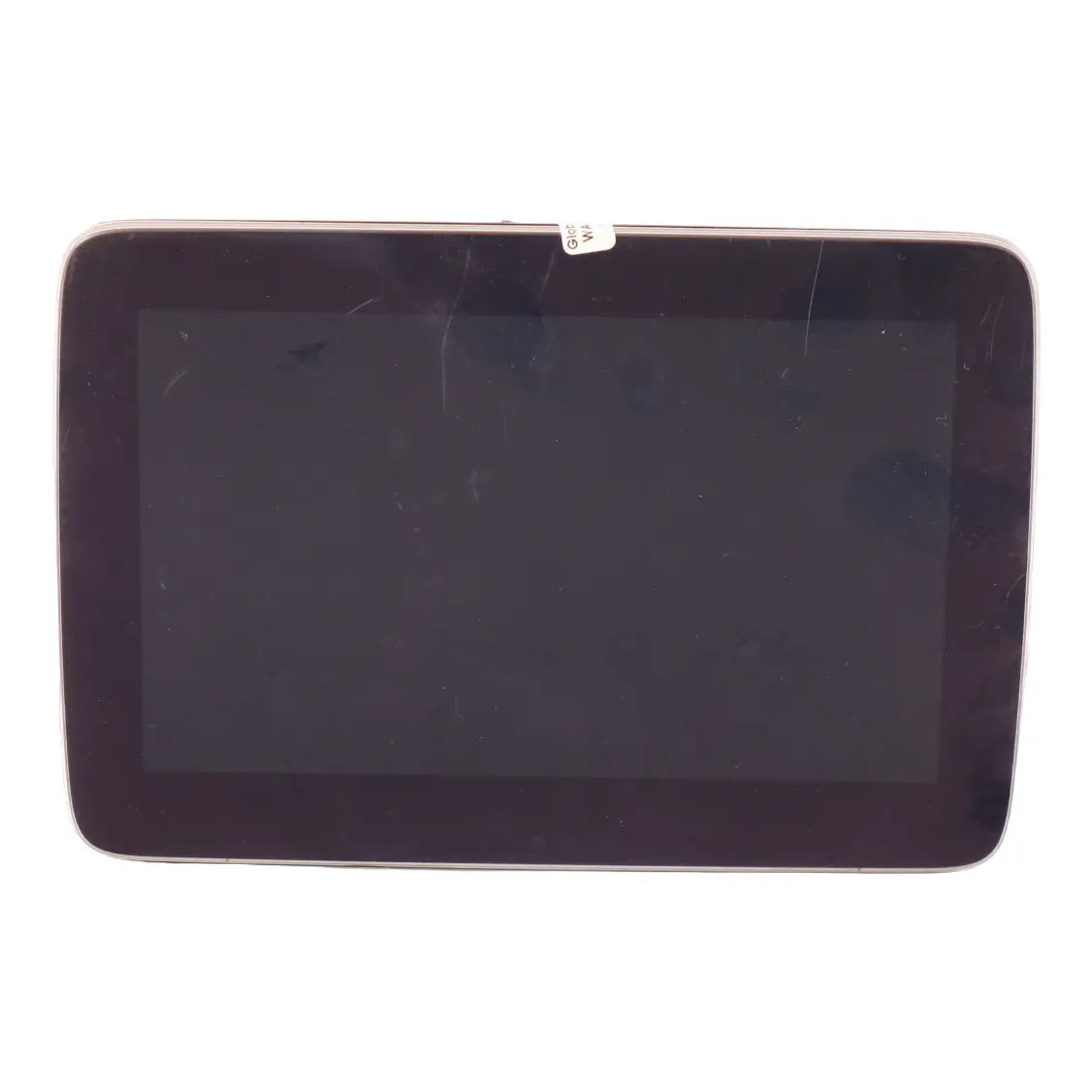
Part no. A1669008122
Radio Display Mercedes C117 W176 C292 Multifunction Screen A1669008122
Product currently unavailable
Screens
In the Global Parts automotive store, you will find a wide selection of used car parts, compatible with brands such as Audi, Unbranded, BMW, and others. Car screens are electronic equipment components mounted in the center console, dashboard, or multimedia unit. They are used to display images from the navigation system, vehicle settings, radio, rearview camera, and onboard computer messages, and their compatibility should be verified by OEM number, equipment version, and connector type.
Construction and purpose of screens
Screens are electronic components responsible for presenting data and operating multimedia functions in a car. A typical unit consists of a matrix, housing, signal connector, and mounting points adapted to a specific cockpit. Depending on the vehicle version, the screen may work with a control panel, radio module, navigation unit, rearview camera, or instrument cluster. For parts such as a BMW E90 screen, it is worth comparing the display size, mounting layout, plug type, and compatibility with the onboard system version.
Comparison of car screen variants
| Screen type | Typical application | What to check before purchase |
|---|---|---|
| Central multimedia system screen | Navigation, radio, vehicle settings, and camera image display | OEM number, diagonal size, connector type, pre-facelift or facelift version, mounting points |
| Upper dashboard display | Displaying computer messages, audio data, and basic parameters | Dashboard compatibility, housing format, backlight color, control module cooperation |
| Rearview camera screen | Showing the image from the rear of the vehicle and auxiliary lines depending on the version | Video input presence, wiring compatibility, system coding, vehicle equipment version |
Functions of screens in daily use
Screens are used to clearly convey information to the driver and passengers without the need for additional devices. They display air conditioning settings depending on the system, navigation prompts, radio station lists, or auxiliary images while parking. When choosing a component such as an Audi A6 C6 MMI display, it is essential to check compatibility with the control unit, interface version, and the layout of buttons operating the multimedia. In cars where the screen is part of an extensive set, mounting frames and pockets as well as cables and extensions can also be helpful.
Selection, installation, and associated components
The selection of a screen should take into account not only the car model but also the body version, production year, equipment, and module communication method. A screen is a part that interacts with the vehicle's electrical system, so before installation, it is worth comparing the OEM part number, interchangeable numbers, number of sockets, and the arrangement of clips. If you are looking for a component such as an Audi A4 B8 display, it is good to verify compatibility with the control panel, radio module, and dashboard cover. For safe removal, dismantling tools may be useful, and in more extensive equipment sets, rearview mirror monitors may also be used.
Parameters to check before purchase
Before purchasing, it is good to compare the data available with the product, such as the brand, condition, OEM part number, and interchangeable numbers. This allows for a better assessment of compatibility with a specific car installation, especially when the screen was available in several visual or technical variants. In practice, the housing color, matrix type, connector position, dashboard version, and the presence of cooperation with additional modules are also important. Further knowledge about electronics service can be found in the article Luxury within reach – how to service a Porsche legend using proven used parts, which shows how to reasonably select original components for more demanding cars.
FAQ
| Question | Answer |
|---|---|
| What is the construction and purpose of screens? | Screens are automotive electronic displays mounted most often in the dashboard or center console. Their construction includes a matrix, housing, signal and power connectors, and mounting points adapted to a specific car model. This element works with multimedia, navigation, rearview camera, or onboard computer modules. The purpose of the screen is to present information and enable the operation of vehicle functions in a clear form. |
| What are screens used for? | Screens are used to display data needed while driving and when stationary, such as navigation maps, audio settings, system messages, or images from a rearview camera. In many cars, they are also responsible for access to comfort settings and configuration of selected vehicle functions. The lack of a functional screen can hinder multimedia operation, reading messages, and using additional equipment. Their role is therefore not limited to aesthetics but also includes daily operational convenience. |
| What is the construction and function of a screen connector? | A screen connector is an element connecting the display to the electrical installation and vehicle control modules. It is responsible for transmitting power, image signals, and data necessary for communication with the multimedia system. Its layout may differ depending on the manufacturer, equipment version, and type of head unit. When matching, you must pay attention to the plug type, socket position, and compatibility with the car's wiring harness. |
| How to choose a screen for a specific car version? | It is safest to compare the OEM number, interchangeable numbers, mounting method, and connector type. It is also worth checking the body version, production year, multimedia system variant, and whether the car is pre-facelift or post-facelift. In many cases, additional equipment, such as the presence of navigation or a rearview camera, is also significant. |
| What symptoms may indicate a problem with the screen? | Typical symptoms include no image, flickering, discoloration, non-responsive touch, or backlight problems. Interface freezing, delayed response to commands, or lack of communication with the control unit may also occur. Before replacement, it is worth ensuring that the problem does not result from the wiring harness, control module, or the system coding itself. |
| What should be paid attention to during screen installation? | During installation, check the condition of the connectors, cable routing, and the compatibility of all clips with the dashboard. Proper seating of the housing is also important so that the screen is not under tension and does not cause looseness after assembling the cockpit. After installation, it is worth testing the image, backlight, and cooperation with the control panel and additional car functions. |
Summary: screens in the Global Parts automotive store
Screens available in the Global Parts offer are a practical solution for those assembling multimedia equipment and onboard electronics for cars of many brands. In this category, you will find parts for cars from manufacturers such as Audi, Unbranded, BMW, and others, and when choosing, you can conveniently compare the condition, OEM part number, and interchangeable numbers. This makes it easier to match the display to a specific car version, equipment, and installation method. We invite you to contact us – we are here to help you! For more information and interesting facts, we also invite you to visit our automotive blog.