


Brake fluid reservoirs and caps
More informationAt Global Parts, we offer a wide selection of original used car parts, including brake fluid reservoirs and caps for many popular car brands such as BMW, Mini, Mercedes, Audi, Volkswagen, and others. Our brake fluid reservoirs and caps undergo quality control to ensure you receive a top-quality product.
GB
Make
Category
Subcategory
Condition
In Stock
Price
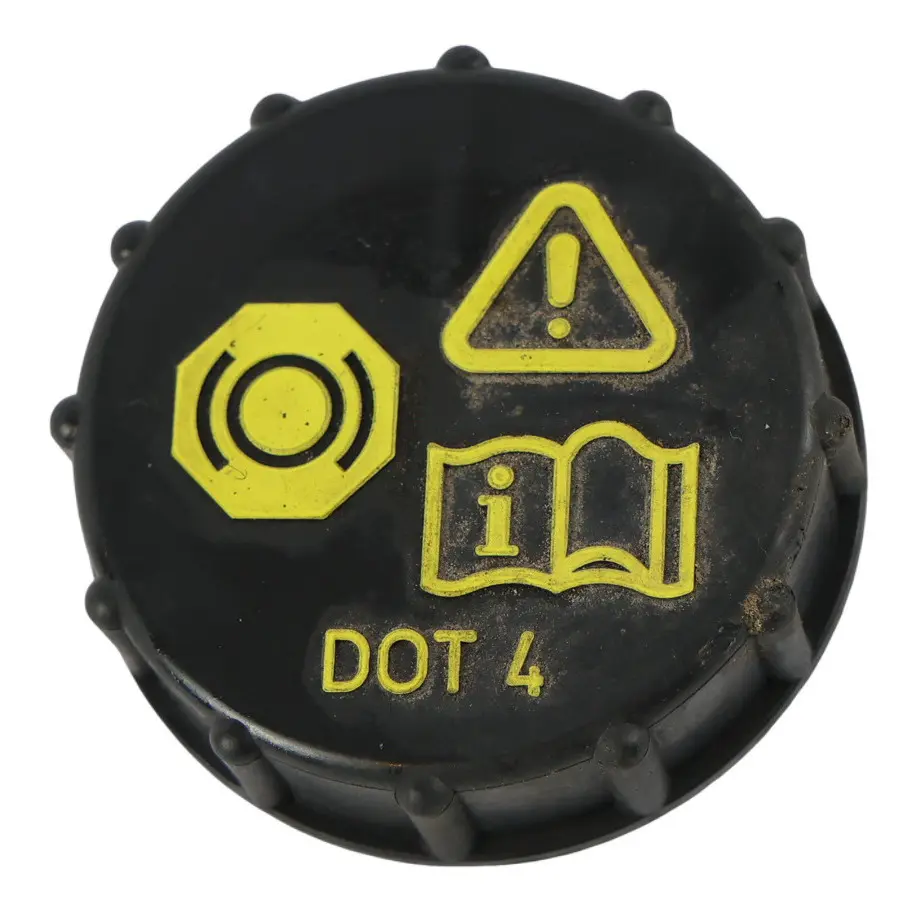
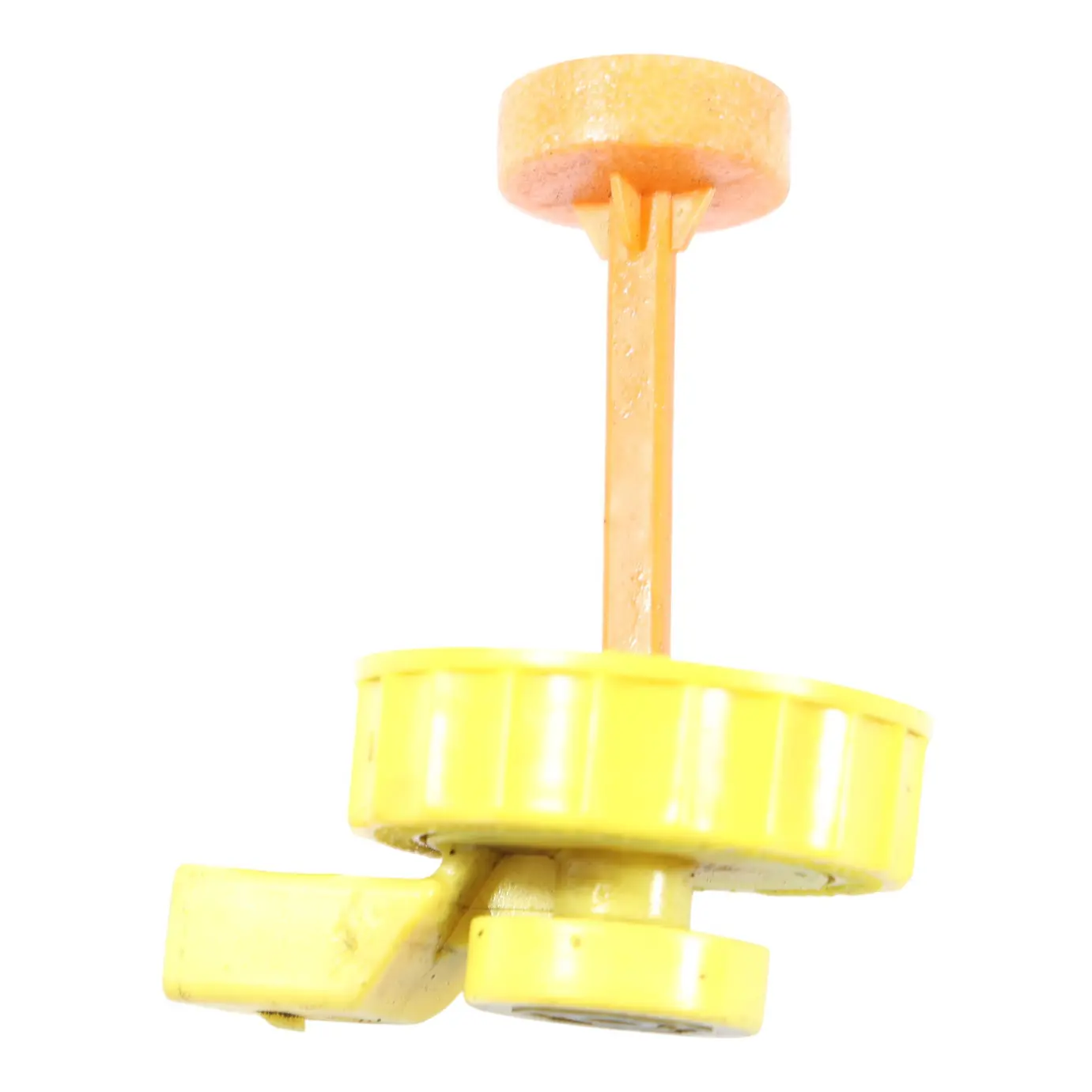
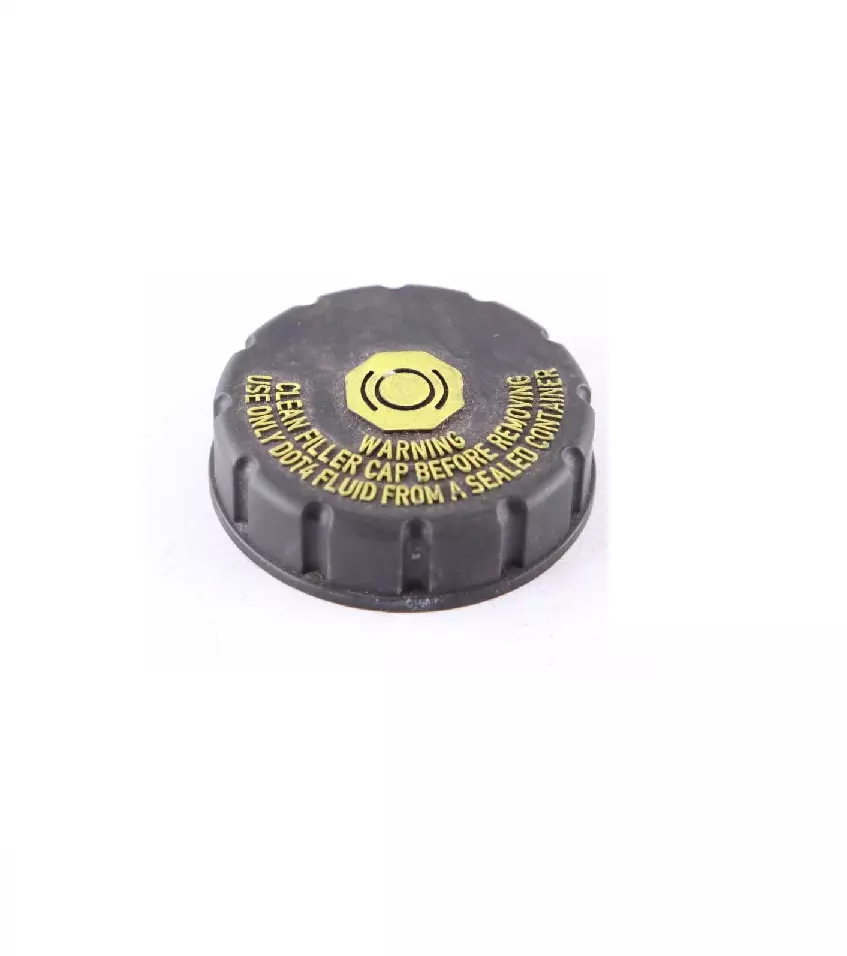
Brake fluid reservoirs and caps for secure and easy maintenance
Functional brake fluid reservoirs and caps
Brake fluid reservoirs and caps are essential components of the braking system that ensure the storage and proper flow of brake fluid throughout the entire system. The reservoir enables the system to function correctly, while the cap protects the fluid against leaks and contamination. In the Global Parts automotive store, you will find a wide selection of used car parts, including brake fluid reservoirs and caps, perfectly matched to Unbranded, Audi, Ford, and many other brands.
Design and operation of brake fluid reservoirs in practice
Brake fluid reservoirs are components mounted directly onto the master cylinder, designed to store the hydraulic medium used to transfer pressure from the brake pedal to the brake calipers. In most passenger vehicles, the reservoir capacity ranges from 200 to 500 ml, depending on the system design (e.g., mid-range cars like the BMW 3 Series or Audi A4 typically have reservoirs of about 300–400 ml). Brake fluid caps serve a sealing and compensation function – modern caps are equipped with a venting membrane that equalizes pressure during temperature changes while limiting moisture absorption. This is crucial because DOT 4 brake fluid can absorb up to 2–3% water over 2 years of use, which lowers its boiling point (from approx. 230°C to below 170°C). In terms of compatibility and fitment, the diameter of the outlet, the spacing of the mounting points, and the type of fluid level sensor (mechanical or electronic) are of key importance.
Characteristics of brake fluid reservoirs and caps
Brake fluid reservoirs and caps are working elements of the hydraulic system, most often mounted in the engine compartment, above or directly on the master cylinder. The reservoir is used to store a reserve of fluid and compensate for changes in its level during the wear of friction elements. A typical set consists of a body made of DOT-resistant plastic, a cap with a seal, and, depending on the version, a level sensor and connection ports.
What functions do brake fluid reservoirs and caps perform?
Brake fluid reservoirs and caps play key roles in a vehicle's braking system:
- Brake fluid storage – The reservoir ensures a constant availability of fluid, which is necessary for the proper operation of the braking system.
- Leak prevention – The reservoir cap prevents the loss of brake fluid, which could lead to brake failure.
- Protection against contamination – The cap protects the fluid from moisture and impurities that could reduce its effectiveness.
The role of the cap, membrane, and fluid level sensor
The brake fluid reservoir cap is used to seal the system tightly and limit the fluid's contact with ambient moisture. The compensation membrane is a flexible element placed under the cap that equalizes pressure without allowing contaminants into the interior. The level sensor refers to the control system that transmits information about a drop in fluid level to the vehicle's onboard system and works with the warning light on the dashboard.
Comparison of brake fluid reservoir and cap variants
| Variant | Construction | Cooperating elements | What to check before selection |
|---|---|---|---|
| Reservoir integrated with the master cylinder | Body mounted directly on the pump, usually with a press-fit seal | Master cylinders, seals, level sensor | OEM number, outlet diameter, mounting spacing, sensor type |
| Reservoir with a separate cap and membrane | Separate cap with a seal and compensation element | Membrane, cap thread or latch, venting | Closure type, thread condition, cap compatibility with the reservoir body |
| Reservoir compatible with a hydraulic clutch | Body with an additional hose outlet for a second hydraulic circuit | Brake hoses, lines and connectors, slave cylinder, pump | Presence of an additional outlet, line layout, gearbox version |
Technical parameters and design types
Brake fluid reservoirs come in several design variants:
- integrated with the master cylinder,
- press-fit mounted with a rubber seal,
- equipped with a fluid level sensor (float or resistive).
Typical technical parameters
| Parameter | Typical value | Practical significance |
|---|---|---|
| Capacity | 200–500 ml | Provides fluid reserve as pads wear |
| Material | DOT 3/DOT 4 resistant plastic | Chemical and thermal resistance |
| Operating temperature | -40°C to +120°C | Stability in winter and summer conditions |
| Cap type | With compensation membrane | Limiting moisture absorption |
It is worth paying attention to compatibility with the master cylinder and compliance with the fluid type (DOT 3, DOT 4, DOT 5.1 – excluding silicone-based DOT 5, which requires a separate specification). Proper fitment affects the tightness, durability, and safety of operation.
Why is it worth taking care of brake fluid reservoirs and caps?
Malfunction of these components can affect the effectiveness of the braking system and increase the risk of failure. Typical symptoms of malfunction include:
- Brake fluid leaks – May indicate cracks in the reservoir or a loose cap.
- Low fluid level – May result from leaks or an improperly sealed cap.
- Brake fluid contamination – A leaking cap may allow moisture or impurities to enter the reservoir. For parts such as a BMW E60 brake fluid reservoir, it is worth comparing the OEM number, body shape, level sensor type, and mounting method on the pump. This makes it easier to choose an element compatible with the specific system version and avoid sealing problems after installation.
Brake fluid reservoir and pad wear – technical relationship
It is worth noting that the fluid level in the reservoir naturally drops as brake pads wear down. This is because the pistons in the calipers extend further, compensating for the friction material wear. In practice, a drop in fluid level of 5–15 mm can be a normal operational phenomenon, not a fault. Therefore, brake fluid reservoirs are designed with an appropriate volume reserve to ensure stable system operation even with significant wear of friction elements. This shows how important the correct design and tightness of the brake fluid cap are.
Connection of the reservoir with other brake system components
The brake fluid reservoir works directly with the pump, lines, and actuators of the entire Brake system and parts. A drop in fluid level may be related not only to leaks but also to the operation of the pistons and the condition of components such as Brake pads or Brake calipers and carriers. In case of doubt, the following supplementary material will also be helpful: Brake calipers under the microscope: How to effectively reduce repair costs by choosing proven recycled parts.
How to choose the right brake fluid reservoirs and caps?
When choosing brake fluid reservoirs and caps, pay attention to several key aspects:
- Vehicle model compatibility – Every braking system has its specific technical requirements. At Global Parts, you will find brake fluid reservoirs and caps perfectly matched to BMW, Audi, Mercedes, and others.
- Technical condition – Used components should be free from cracks, mechanical damage, and signs of corrosion.
- Reservoir capacity – Ensure that the selected reservoir has the appropriate capacity in accordance with the requirements of your vehicle's braking system.
Fitting procedure – step by step
To ensure full compatibility and correct installation:
- Check the engine version and vehicle year.
- Verify the master cylinder type (piston diameter, e.g., 22 mm or 25.4 mm).
- Compare the shape and layout of the connection ports.
- Ensure the reservoir has the correct type of fluid level sensor. This approach minimizes the risk of mismatch and allows you to maintain the factory operating parameters of the system.
Selecting parts by OEM number and product data
Brake fluid reservoirs and caps are selected primarily by OEM number, interchangeable numbers, and compatibility with the car version and equipment. In practice, the condition of the part, the type of sensor connector, the positioning of the ports, and the cap mounting method are also important. When completing an order, it is worth comparing the part with adjacent elements, such as the ABS and ESP system, if the model uses shared warning signals or advanced fluid level monitoring.
Why choose used brake fluid reservoirs and caps?
Used car parts, such as used brake fluid reservoirs and caps, are an economical solution that allows for savings while maintaining high quality. By choosing used brake system components, you gain:
- Lower costs – Used components are significantly cheaper than new ones but offer equally high quality.
- Ecology – Recycling parts supports environmental protection and reduces waste.
- Wide selection – In our store, you will find used brake fluid reservoirs and caps for many car brands.
Comparison – brake fluid reservoir vs. hydraulic clutch reservoir
In some models (e.g., Audi, BMW with manual transmission), the brake fluid reservoir also supplies the hydraulic clutch system. This means that one reservoir serves two hydraulic systems.
Technical differences
| Element | Brake reservoir | Clutch reservoir (if separate) |
|---|---|---|
| Function | Operating brake calipers | Operating slave cylinder |
| Capacity | 200–500 ml | 100–250 ml |
| Fluid type | DOT 3 / DOT 4 / DOT 5.1 | Usually the same |
Knowing this relationship makes it easier to plan replacements and build a complete shopping cart (e.g., master cylinder, brake lines, level sensor).
How to take care of brake fluid reservoirs and caps?
To ensure brake fluid reservoirs and caps work reliably for a long time, it is worth following a few rules:
- Regular inspections – Check the condition of the reservoir and cap during periodic technical inspections of the braking system.
- Maintain proper fluid level – Regularly top up the fluid using high-quality products.
- Keep the system clean – Avoid letting impurities enter the reservoir when topping up the fluid. Proper control of these elements helps maintain system tightness and stable operating conditions for the brake fluid.
FAQ
| Question | Answer |
|---|---|
| What is the construction and purpose of brake fluid reservoirs and caps? | Brake fluid reservoirs and caps are components of the hydraulic system, most often mounted on the master cylinder in the engine compartment. A typical set consists of a reservoir body, a cap with a seal, a compensation membrane, and often a fluid level sensor. Their task is to store fluid, maintain tightness, and protect the medium against moisture and dirt. |
| What are brake fluid reservoirs and caps used for? | Brake fluid reservoirs and caps are used to provide a constant supply of fluid for the pump and the entire braking system. The cap limits the fluid's contact with air, thereby reducing the risk of moisture absorption and a drop in performance. Without a properly functioning reservoir and cap, leaks, incorrect level readings, or impaired hydraulic performance may occur. |
| What role does the brake fluid level sensor play? | The brake fluid level sensor is a control element mounted in the reservoir or its housing. It is used to detect a drop in fluid level and transmit a signal to the vehicle's electrical system, usually in the form of a warning light. Depending on the design, it may operate mechanically with a float or electrically, so when selecting, you must check the connector type and compatibility with the wiring harness. |
| How to choose a reservoir or cap for a specific car? | It is safest to compare the OEM number, interchangeable numbers, body shape, outlet diameter, and mounting method on the pump. It is also worth checking the body version, year, brake system type, and the presence of a level sensor. For the cap itself, the type of thread or latch and compatibility with the membrane are also important. |
| What symptoms indicate a problem with the brake fluid reservoir or cap? | Typical symptoms include traces of moisture near the reservoir, leaks around the cap, dirty fluid, or frequent activation of the level warning light. In practice, plastic cracks, damaged cap seals, or a faulty sensor are also encountered. A drop in fluid level alone does not always mean a failure, as it may also result from brake pad wear. |
| How to take care of brake fluid reservoirs and caps after installation? | After installation, it is worth regularly checking the tightness of the connection to the reservoir, the condition of the cap seal, and the cleanliness of the filler area. When topping up fluid, avoid letting dust and moisture inside, and during inspections, also check the operation of the level sensor. A good practice is to compare the condition of these elements during every brake service or fluid change. |
Summary: brake fluid reservoirs and caps at the Global Parts automotive store
Brake fluid reservoirs and caps are essential components of the braking system that ensure the effectiveness and safety of braking. In the Global Parts offer, you will find used parts matched to many brands, including Unbranded, Audi, Ford, and others, taking into account data such as brand, condition, OEM part number, and interchangeable numbers. This makes it easier to choose the right element for a specific vehicle version and hydraulic system. We invite you to contact us – we are here to help! For more information and interesting facts, we also invite you to visit our automotive blog.